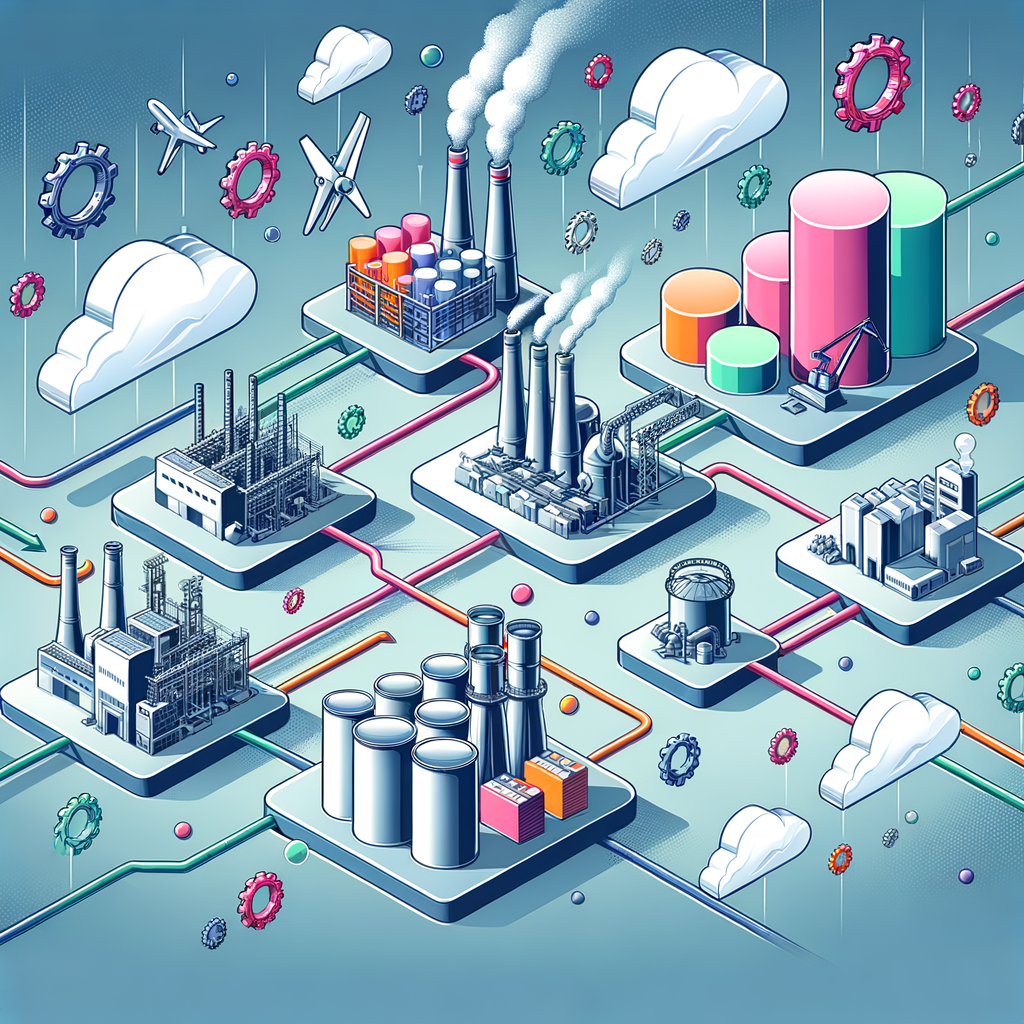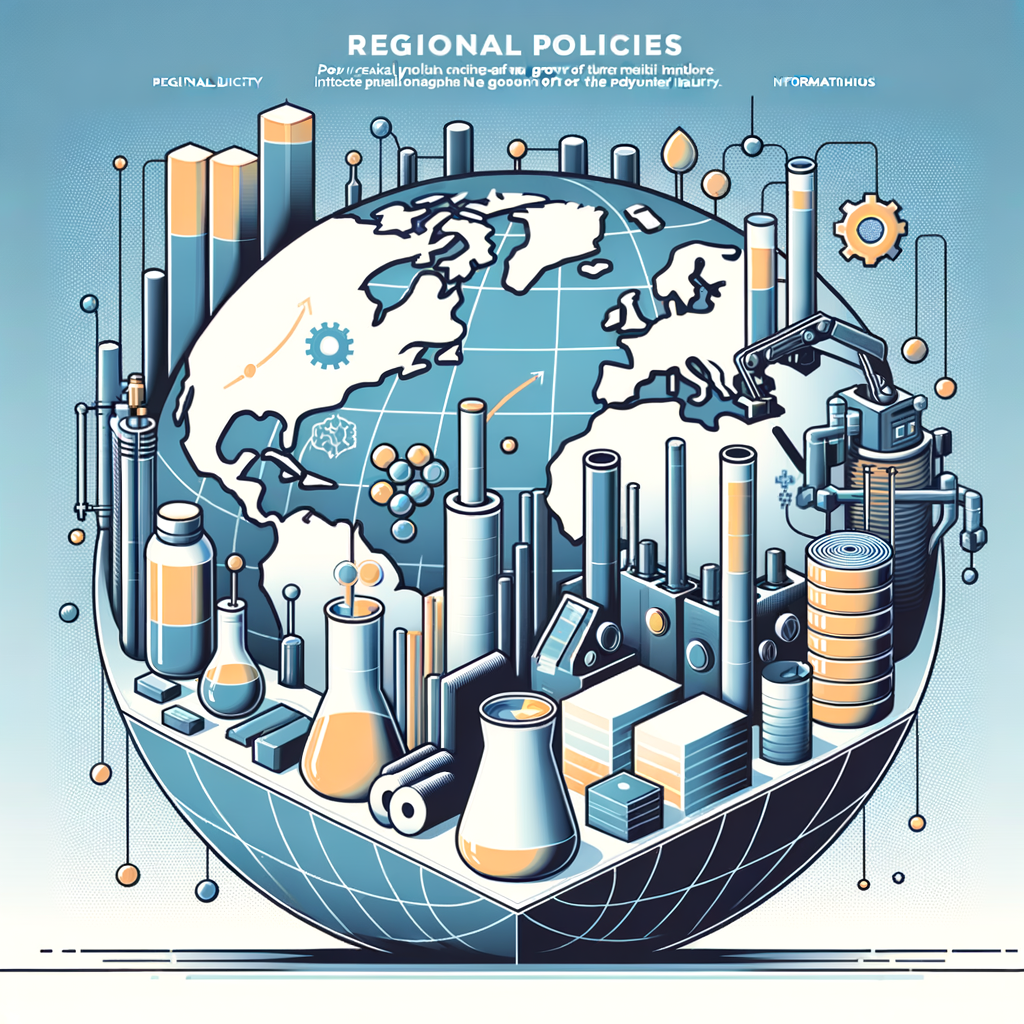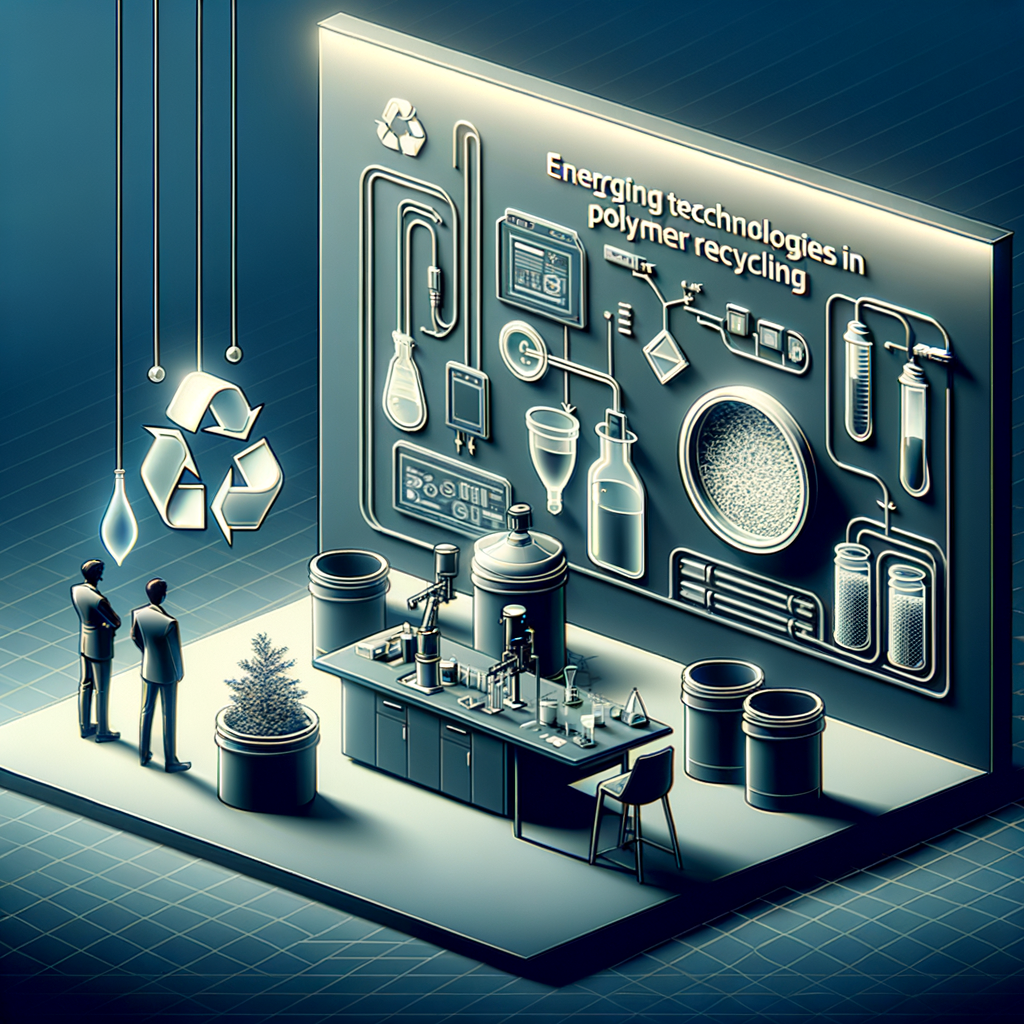
Polymer recycling has become a pivotal focus within environmental sustainability due to escalating concerns about plastic waste and its impact. Traditional recycling methods have proven insufficient, largely due to their inefficiencies and inability to cope with diversified polymer materials. In response to these limitations, emerging technologies in polymer recycling are shaping a promising horizon. These innovations aim to optimize the recycling process, making it more economically viable and environmentally beneficial, thus enhancing the capacity to manage and reuse plastic waste effectively. In this introduction, we explore the urgent need for advanced recycling technologies and highlight the promise they hold for a sustainable future.
The magnitude of the plastic waste challenge is staggering; approximately 300 million tons of plastic are produced annually, much of which ends up in landfills or the natural environment. Conventional mechanical recycling processes struggle to address the complexity of mixed and contaminated plastic streams. As these issues compound, it becomes increasingly clear that emerging technologies must step in to revolutionize polymer recycling by providing solutions that are both innovative and commercially scalable. In addressing these challenges, recent advancements are making polymer recycling more efficient, yielding higher quality recycled materials and significantly reducing overall carbon footprints. These advancements offer a glimpse into an evolving industry, poised to transform waste management systems worldwide.
Innovative Recycling Processes
Emerging technologies in polymer recycling are centered around innovative processes like chemical recycling, pyrolysis, and enzymatic breakdown of plastics. Chemical recycling breaks down polymers into monomers or other useful chemicals through processes such as depolymerization, solvolysis, and chemolysis. This method transforms complex and contaminated plastics back into their virgin-grade components without the quality degradation that mechanical recycling often incurs. Notably, companies like Eastman and Loop Industries have been pioneering in this field, showcasing the capacity to recycle otherwise non-recyclable plastics effectively.
Pyrolysis, another promising thermal decomposition method, converts plastic waste into liquid fuels, monomers, or valuable chemicals like hydrogen or methane, through heating in an inert atmosphere. This approach can effectively process mixed and contaminated plastics, offering a versatile solution that aligns well with existing industrial applications. While energy constraints exist, continued research and development are enhancing its efficiency, allowing it to support a circular economy by creating high-grade recyclates or energy carriers.
Enzymatic recycling represents another frontier, leveraging natural processes to break down plastics into their constituent building blocks. Recent breakthroughs include the engineering of enzymes capable of digesting common plastics such as polyethylene terephthalate (PET). These biodegradable enzymes provide an environmentally friendly alternative to traditional recycling, offering the advantage of reduced energy consumption and the potential for scalability. The discovery of PETase and MHETase enzymes has demonstrated promising efficacy, leading to significant interest in biocatalytic technology.
Enhancing Recycling Infrastructure
Apart from technological advancements, enhancing recycling infrastructure plays a critical role in the successful implementation of these emerging technologies. State-of-the-art sorting and separation technologies, such as near-infrared (NIR) spectroscopy, artificial intelligence (AI), and machine learning algorithms, have been developed to improve the efficiency and accuracy of recycling processes. These methodologies offer precise identification and separation of different types of polymers, reducing contamination and enhancing the purity of recycled materials.
Integrating AI and robotic systems into recycling centers can further streamline operations, automatically adjusting to sorting tasks and reducing labor costs. For instance, AI-powered robots can distinguish between different plastic types and forms, maximizing the speed and quality of recycling operations. Such innovations are crucial in closing the loop within recycling infrastructure, lowering processing times, enhancing product streams, and increasing the overall profitability of recycling enterprises.
Building efficient recycling infrastructure thus demands collaboration between technologists, policymakers, and industry stakeholders to establish clear guidelines, incentives, and standards. Effective policy-making will facilitate smoother transitions to innovative recycling methods by providing both regulatory and financial support to emerging technologies. Infrastructure development is pivotal in integrating these advanced technologies into existing systems, ensuring their long-term sustainability and economic viability.
Business and Economic Implications
The introduction of emerging recycling technologies also has significant economic implications for businesses and industries. Traditional recycling models often face economic challenges due to fluctuating market prices for recycled materials and high processing costs. However, technological innovations promise to turn these challenges into opportunities by enhancing recycling efficiencies, reducing costs, and diversifying output products.
Companies that invest in advanced recycling technologies often find new revenue streams through the sale of high-value recyclates or chemical feedstocks produced from recycled polymers. Notably, innovations in chemical recycling allow for the production of monomers that can be sold back into the supply chain, reducing dependency on virgin fossil-based resources. This closed-loop model not only enhances sustainability but also stabilizes supply chains against volatile raw material markets.
Furthermore, adopting advanced technologies may also foster new partnerships and collaborative research opportunities, encouraging open innovation and cross-sector collaboration. For instance, partnerships between recycling tech firms and consumer goods companies can lead to joint ventures that benefit from research funding, market access, and technological synergies. Such partnerships promote sustainable business practices and foster a broader transition towards a circular economy, increasingly demanded by consumers and regulators alike.
Environmental and Social Impact
The environmental impact of advanced polymer recycling technologies is inherently promising. By facilitating the efficient recycling of plastics that were traditionally non-recyclable, these processes help reduce landfill waste, lower greenhouse gas emissions, and curb pollution in oceans and natural ecosystems. For instance, chemical recycling closes the loop on polymer life cycles, transforming waste into raw materials, and thus minimizes the need for virgin plastic production.
Socially, these technologies can create job opportunities in the green tech sector, supporting sustainable economic growth. As recycling plants transition from traditional to advanced processes, new roles in operational, technical, and research capacities may emerge, bolstering employment in a sustainably minded job market. Additionally, enabling community-based recycling initiatives can lead to more localized waste management solutions, fostering environmental awareness and responsibility at the community level.
Most importantly, these advancements in recycling not only help in waste management but also educate and engage consumers about their role in reducing plastic pollution. As the demand for recycled products grows, consumer awareness and involvement can drive further innovations and adoption of sustainable practices, influencing behaviors such as recycling more responsibly and reducing single-use plastics.
Conclusion
In summary, the path to effective polymer recycling lies heavily in embracing emerging technologies. As traditional methods falter in the face of modern waste challenges, innovative recycling solutions like chemical, pyrolysis, and enzymatic processing represent the next steps toward a more sustainable future. There is a clear need for enhanced recycling infrastructures and supportive policies to ensure technological advancements integrate effectively into broader waste management systems.
Economic advantages such as market stabilization and new business opportunities further incentivize investment in advanced recycling technologies. Concurrently, the broader environmental and social benefits underscore the critical role these innovations play in fostering a circular economy and sustainable development. Now, more than ever, stakeholder collaboration across industries, governments, and communities is crucial to realizing the full potential of these emerging technologies, paving the way for a more environmentally friendly and economically viable waste management landscape.
Ultimately, by continuing to push the boundaries of innovation and cooperation, we can hope to meet the growing demands of global plastic waste management. The challenge remains significant, but the innovative spirit and relentless pursuit of sustainable solutions through technology stand as testaments to the progress humanity can achieve against the backdrop of environmental adversity.