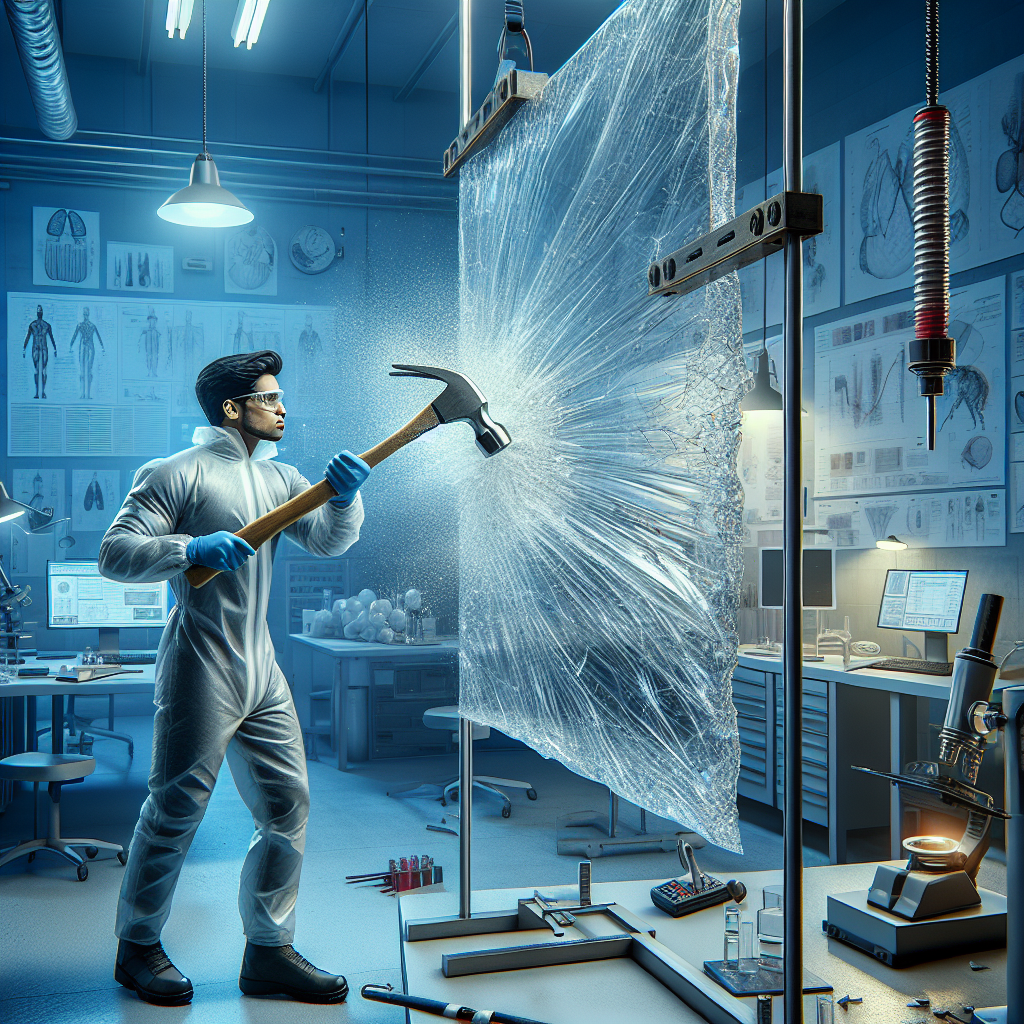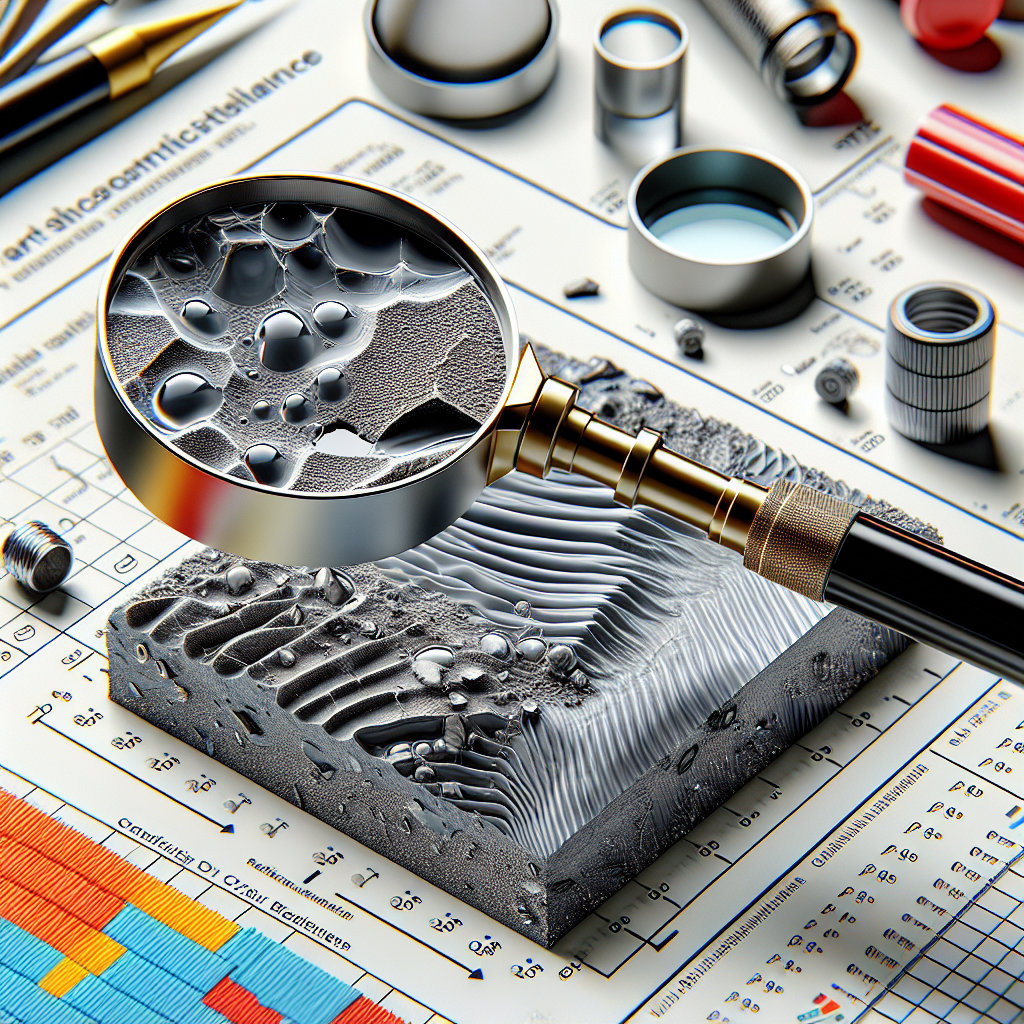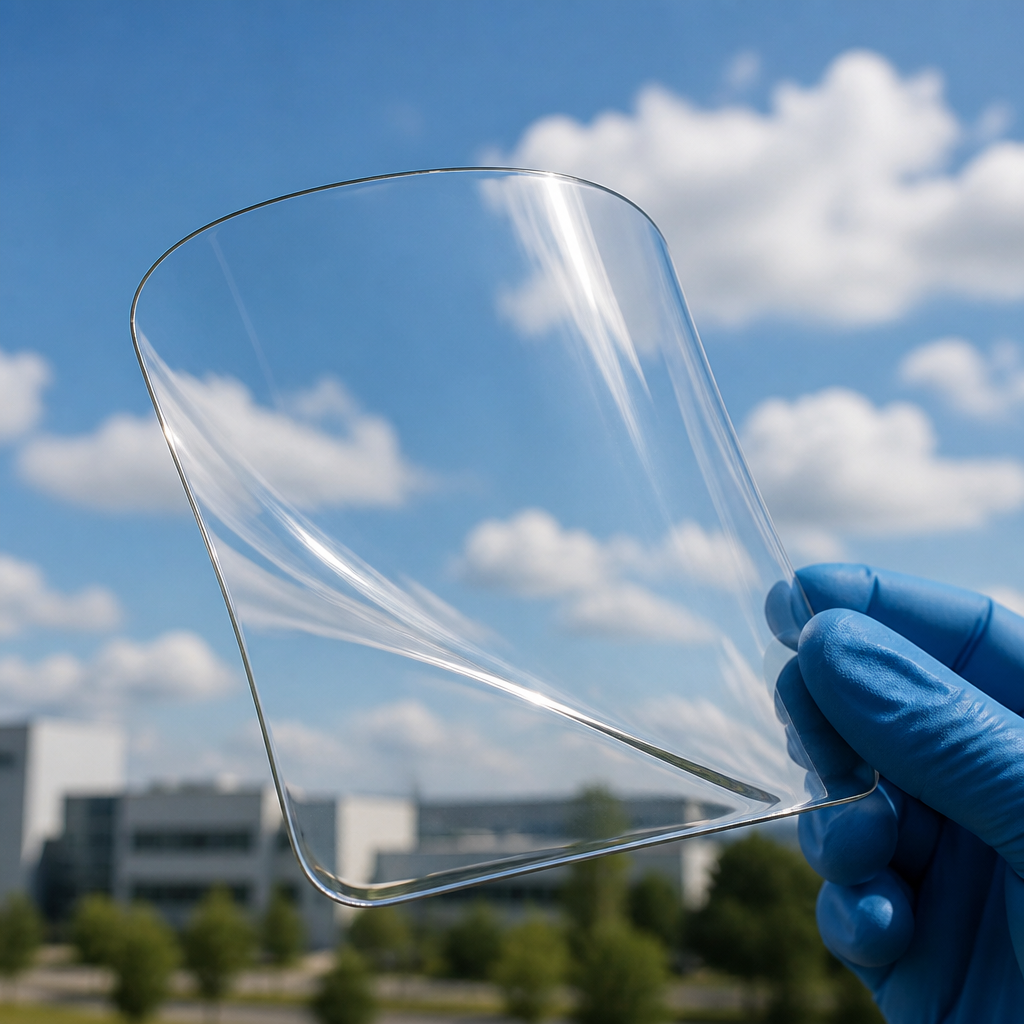
Optical stability in polymer materials determines whether a plastic part keeps transmitting, reflecting, diffusing, or blocking light the same way over time. In practice, that means a clear lens staying clear, a light guide maintaining brightness, a medical housing preserving color, and a protective film resisting haze after months of heat, sunlight, humidity, and cleaning. When engineers discuss optical properties, they usually mean measurable behaviors such as transmittance, haze, clarity, refractive index, gloss, yellowness, color shift, birefringence, and ultraviolet absorption. Optical stability is the retention of those properties during processing, storage, and service. It matters because modern products depend on polymer optics everywhere: automotive headlamp lenses, consumer electronics covers, greenhouse films, ophthalmic devices, LED encapsulants, touch panels, display stacks, and laboratory consumables.
I have seen projects fail not because the resin was mechanically weak, but because a once-transparent part yellowed after accelerated weathering or developed stress whitening after assembly. That is why this topic deserves hub-level treatment within materials and properties. Optical performance is not a single number; it is the outcome of chemistry, morphology, additives, manufacturing, environment, and test method. A polycarbonate lens can begin with excellent light transmission yet lose appearance from UV-induced oxidation. A polypropylene package may pass initial haze limits, then turn cloudy because of crystallization behavior or contamination. Even adhesive choice can change light scattering at an interface. To evaluate optical stability well, teams must connect molecular structure to real-world service conditions and use recognized methods such as ASTM and ISO optical tests.
This article maps the full landscape of optical stability in polymers. It explains what controls transparency and color, why some materials age better than others, how processing creates hidden optical defects, which test methods matter, and where common tradeoffs appear. As a hub page, it also establishes the terminology that supports deeper discussions on weathering, additives, transmission, haze, and application-specific design. If the goal is to choose or engineer a polymer that still looks and performs as intended after time in service, understanding optical stability is the starting point.
Core optical properties and what stability really means
The most important optical properties of polymer materials can be grouped into transmission, scattering, absorption, surface appearance, and directional effects. Total light transmittance measures how much incident light passes through a specimen. Haze measures the percentage of transmitted light that is scattered by more than 2.5 degrees from the incident beam direction, a definition commonly tied to ASTM D1003 and ISO 14782 style testing. Clarity describes how sharply objects can be seen through a material. Gloss captures mirror-like surface reflection. Refractive index affects lens power, reflection losses, and waveguiding behavior. Birefringence describes direction-dependent refractive index, often caused by molecular orientation or stress. Yellowness index and color coordinates, usually in CIE L*a*b*, quantify visible aging.
Optical stability means those values remain within acceptable limits under the intended use profile. A food package might tolerate slight haze growth but not severe yellowing. A camera cover lens may require tight transmission and birefringence control because small changes degrade image quality. In LED systems, even a small increase in yellowing can alter correlated color temperature and luminous efficacy. For greenhouse films, UV management, PAR transmission, and long-term dusting resistance all matter. Stability therefore must be defined against application thresholds, not abstract perfection. I typically recommend that teams write optical acceptance criteria the same way they write dimensional tolerances: with baseline values, aging exposures, and pass-fail limits tied to actual function.
How polymer chemistry governs transparency, color retention, and UV response
Polymer chemistry is the first predictor of optical stability because light interacts directly with molecular bonds, side groups, and any chromophores formed during degradation. Amorphous polymers such as PMMA, polycarbonate, polystyrene, and cyclic olefin copolymers are often naturally transparent because they lack the large crystalline domains that scatter visible light. Semi-crystalline polymers such as polyethylene, polypropylene, PET, and nylon can be made translucent or transparent in thin sections, but crystal size, density contrast, and orientation strongly influence haze. If crystalline structures approach visible wavelengths, scattering increases sharply.
Color retention depends on resistance to photo-oxidation, thermal oxidation, and hydrolysis. Polycarbonate is a good example: it offers excellent impact resistance and high transparency, but without proper stabilization it can yellow under UV exposure as carbonate linkages degrade and oxidation products accumulate. PMMA generally shows better inherent UV stability and is widely used in outdoor glazing and signage, though it is more notch sensitive than polycarbonate. PET can provide very good clarity in bottles and films, yet processing history matters because acetaldehyde generation, crystallization, and moisture-related degradation affect appearance. Cyclic olefin polymers and copolymers are valued in medical and optical applications because they combine low birefringence, high transparency, and low water absorption.
Additives can improve or compromise optical stability. UV absorbers, hindered amine light stabilizers, antioxidants, and metal deactivators are common tools. Carbon black blocks UV effectively but eliminates transparency. Certain nucleating agents improve clarity in polypropylene by refining spherulite size, while some fillers increase scatter and reduce gloss. Flame retardants, regrind contamination, residual catalyst species, and processing aids can all shift color. The key lesson is direct: optical stability is engineered chemically before it is measured physically.
Processing effects: orientation, crystallinity, contamination, and surface quality
Many optical defects originate on the production floor rather than in the resin data sheet. Injection molding, extrusion, thermoforming, and casting can each introduce molecular orientation, thermal gradients, residual stress, weld lines, flow marks, voids, gels, black specks, and surface roughness. Those defects alter how light propagates through the polymer. In transparent molded parts, frozen-in orientation raises birefringence and can create rainbow stress patterns under polarized light. That may be harmless in a storage bin but unacceptable in display windows, lenses, and sensor covers.
Drying is especially critical for hygroscopic materials such as polycarbonate, PET, and nylon. I have traced yellowing and splay in molded optical parts back to under-dried resin more than once. Moisture causes hydrolytic chain scission during melt processing, lowering molecular weight and creating volatile byproducts that form silver streaks or haze. Barrel residence time, screw design, melt temperature, and shear rate also matter. Excess heat can generate oxidation and color bodies; insufficient heat can leave unmelted particles that scatter light. Mold temperature influences replication of a smooth surface and, in semi-crystalline polymers, final crystallinity and transparency.
Surface quality deserves equal attention because optics is often a surface-controlled property. A polished tool can improve gloss and clarity, but scratches, orange peel, sink distortion, and flow front instability can destroy appearance even when bulk transmission is high. Multi-layer constructions add another level of risk: mismatched refractive index across layers, imperfect lamination, or interfacial contamination causes reflection losses and haze. Clean-room controls, filtered melt streams, disciplined regrind policies, and spectrophotometric inspection are routine in high-value optical manufacturing for this reason.
Environmental aging: sunlight, heat, moisture, chemicals, and stress
Optical stability is ultimately proven in service, where several degradation mechanisms often act at once. Sunlight drives photo-oxidation, particularly through UV wavelengths that excite susceptible chemical groups and generate free radicals. Heat accelerates oxidation and can trigger post-crystallization, warpage, and additive depletion. Moisture promotes hydrolysis in vulnerable polymers and can change refractive behavior through water uptake. Chemicals from cleaners, fuels, skin oils, and adhesives may extract additives, craze surfaces, or alter gloss. Mechanical stress adds another dimension because stressed polymers are more likely to craze, crack, or whiten when exposed to chemicals or cyclic loading.
Real-world examples show why application context matters. Automotive headlamp lenses, often polycarbonate with hardcoat systems, face UV, heat from light sources, road debris, washer fluids, and thermal cycling. Failure can appear as yellowing, microcracking, or delamination of coatings. Smartphone covers and wearable lenses encounter hand oils, alcohol wipes, abrasion, and repeated temperature shifts; fingerprint-resistant coatings may change gloss or clarity over time. Agricultural films must balance UV stabilization with controlled transmission of photosynthetically active radiation and infrared management. Medical diagnostic cartridges can lose transparency or dimensional fidelity after gamma, e-beam, or ethylene oxide sterilization, depending on polymer choice and additive package.
Accelerated aging is useful, but it must be interpreted carefully. Xenon arc weathering, UV fluorescent exposure, heat aging ovens, humidity chambers, and chemical resistance screens help rank materials quickly. However, acceleration factors are not universal. A resin that performs well in dry UV exposure may behave differently in hot, wet service. Good programs therefore combine accelerated tests, outdoor exposure where relevant, and periodic optical measurement against end-use criteria.
Measurement, standards, and practical material selection
Reliable optical stability work depends on disciplined measurement. Transmission and haze are commonly measured with integrating sphere instruments using standards such as ASTM D1003. Color is tracked with spectrophotometers using CIE illuminants and observer functions, often reported as L*a*b*, delta E, or yellowness index under ASTM E313. Refractive index may be measured by refractometry or ellipsometry. Birefringence is evaluated with polarized light methods or dedicated optical instruments. Gloss uses geometries such as 20, 60, or 85 degrees under ASTM D523. Because thickness, surface texture, and specimen conditioning all affect results, test plans must lock down sample preparation and environment.
| Polymer | Optical strengths | Typical stability concerns | Common applications |
|---|---|---|---|
| PMMA | High transmission, excellent weathering, good gloss | Brittleness, scratch sensitivity, solvent crazing | Signage, glazing, light diffusers |
| Polycarbonate | High impact strength, good clarity, tough lenses | UV yellowing, scratch sensitivity, hydrolysis during processing | Headlamp lenses, machine guards, covers |
| PET | Good clarity, strong films and bottles, useful barrier | Moisture sensitivity in processing, crystallization haze | Beverage bottles, films, trays |
| COC/COP | Very high transparency, low birefringence, low water uptake | Cost, processing window, impact limitations by grade | Medical optics, diagnostics, display films |
| PP clarified grades | Low density, good chemical resistance, improved clarity | Heat distortion limits, haze growth from morphology changes | Packaging, containers, thin-wall parts |
Material selection should start with the exposure profile, not the datasheet headline. Ask what wavelengths matter, how long the part must retain appearance, whether cleaners or sterilization are involved, what thickness range will be used, and whether coatings are acceptable. Then compare candidate polymers, stabilizer packages, and manufacturing routes with the same rigor used for mechanical design. In many projects, the best answer is not one resin but a system: polymer, coating, additive package, process window, and validation plan.
Design strategies to improve optical stability over product life
Strong optical stability usually comes from layered decision-making. Choose a base polymer with inherent resistance aligned to the environment. Minimize residual stress through gate design, balanced flow, controlled cooling, and annealing when appropriate. Protect vulnerable surfaces with hardcoats, UV-screening layers, or sacrificial films. Limit regrind in critical transparent parts. Specify drying conditions and residence time limits. Use pigments and additives that are proven compatible with the intended exposure, especially for LED, medical, and outdoor applications where spectral demands are strict.
Designers should also reduce opportunities for optical failure at the assembly level. Avoid sharp corners that concentrate stress. Match adhesive refractive index where transparency across a bond line matters. Consider gasket chemistry, cleaning protocols, and nearby materials that may outgas onto optical surfaces. Build maintenance assumptions into the specification. If users will wipe a lens daily with alcohol, test that exact routine. If a package will spend weeks in a hot container before retail display, include that exposure. The most durable optical polymer solution is the one validated against reality rather than ideal laboratory handling.
Exploring the optical stability of polymer materials reveals a simple truth: appearance and light management are long-term performance properties, not cosmetic extras. Stable optics depend on molecular structure, additive chemistry, process control, environmental resistance, and disciplined testing working together. Clear polymers can turn hazy, glossy surfaces can dull, and precise color can drift if any one of those factors is ignored. The opposite is also true. When teams define optical requirements early, select materials based on actual exposures, and validate with recognized standards, polymer components can maintain transparency, color, and function for years.
As the hub for optical properties within materials and properties, this article establishes the foundation for deeper work on transmission, haze, refractive index, UV durability, coatings, and weathering methods. The main benefit is practical: better choices upstream prevent costly failures downstream, from warranty claims to rejected parts and poor user experience. Use this framework to review your current polymer applications, tighten your test plan, and identify where chemistry, processing, or environment may be undermining optical stability before the next design freeze.
Frequently Asked Questions
What does optical stability mean in polymer materials?
Optical stability refers to a polymer’s ability to maintain its light-related performance over time and under real-world conditions. In practical terms, it asks a simple question: will the material continue to behave optically the same way after exposure to heat, sunlight, moisture, mechanical stress, and cleaning chemicals? For a transparent lens, that may mean staying clear and colorless. For a diffuser, it may mean preserving the same level of light scattering. For a reflective surface or light guide, it means maintaining brightness, uniformity, and efficiency without noticeable yellowing, haze, or surface degradation.
Engineers usually evaluate optical stability through measurable properties such as total transmittance, haze, clarity, refractive index, gloss, color shift, and sometimes UV-visible spectral behavior. If those values drift significantly over time, the part may no longer meet performance requirements even if it is still mechanically intact. That is why optical stability is so important in products such as medical housings, automotive lenses, display covers, protective films, lighting components, and consumer electronics. A polymer can be strong and lightweight, but if it loses its intended optical behavior, the application may still fail.
Which environmental factors most commonly reduce the optical stability of polymers?
Several environmental stressors can change how polymers interact with light, and these effects often occur gradually rather than all at once. Ultraviolet radiation is one of the most common causes of optical degradation. UV exposure can break polymer chains, trigger oxidation, and create chemical structures that absorb visible light, leading to yellowing, reduced transmittance, and increased haze. Heat can accelerate these reactions and may also cause warping, surface changes, or internal structural shifts that alter clarity and refractive performance.
Humidity and water exposure are also important, especially in polymers that absorb moisture. Water uptake can change refractive behavior, create swelling, or contribute to microstructural changes that scatter light. Chemical exposure from cleaners, solvents, disinfectants, and processing residues can dull surfaces, induce stress cracking, or leave films that reduce clarity and gloss. Mechanical wear matters as well. Scratches, abrasion, and repeated handling can dramatically increase haze even when the base material itself is chemically stable. In many applications, the biggest risk is not a single factor but a combination of sunlight, elevated temperature, humidity, and cleaning cycles acting together over long service periods.
How do engineers test the optical stability of polymer materials?
Engineers test optical stability by measuring baseline optical properties and then tracking how those values change after controlled aging or environmental exposure. Common starting measurements include total light transmittance, haze, clarity, gloss, and color coordinates. Depending on the application, they may also evaluate spectral transmission across UV, visible, and infrared wavelengths, as well as refractive index and light diffusion performance. These initial values establish how the material performs before aging begins.
To simulate real use, the polymer is then exposed to accelerated conditions such as UV weathering, high temperature, thermal cycling, humidity aging, chemical contact, and abrasion testing. After exposure, the same optical measurements are repeated and compared to the baseline. Engineers look for trends such as yellowing, brightness loss, haze increase, or changes in surface finish. They often pair optical data with microscopic analysis, chemical characterization, and mechanical inspection to identify the cause of the change. This approach is important because a drop in optical performance may come from bulk polymer degradation, additive instability, surface damage, contamination, or residual molding stress. Good testing therefore combines optical measurement with realistic aging conditions and a strong understanding of the part’s end-use environment.
What material and design choices can improve the optical stability of a polymer part?
Improving optical stability starts with selecting the right base resin for the application. Some polymers naturally offer better resistance to UV radiation, heat, and moisture than others. Beyond resin choice, additives play a major role. UV stabilizers, antioxidants, and light stabilizers can help slow chemical degradation, while carefully selected pigments and coatings can reduce yellowing or protect sensitive surfaces. However, additives must be chosen carefully because they can also affect transparency, color, or long-term appearance if they are not well matched to the polymer system.
Part design and processing are just as important as material formulation. Surface quality strongly influences optical performance, so mold finish, flow behavior, gate placement, and cooling conditions all matter. Residual stress from poor processing can lead to birefringence, cracking, or optical distortion over time. Wall thickness should be consistent where possible, because uneven sections can create internal stress and nonuniform light transmission. In demanding applications, protective coatings are often used to improve scratch resistance, chemical resistance, and weatherability. The most reliable results usually come from treating optical stability as a system-level issue, where resin selection, additives, geometry, processing, and end-use exposure are all considered together.
Why is optical stability so important in applications like lenses, light guides, films, and medical housings?
Optical stability directly affects product performance, appearance, safety, and customer perception. In a lens or cover, even a small increase in haze can reduce image quality, brightness, or visual sharpness. In a light guide, gradual yellowing or internal scattering changes can lower efficiency and make illumination uneven. In protective films, loss of clarity or surface durability can make the product appear old or defective long before it actually fails structurally. In medical housings and diagnostic components, stable color and transmission characteristics may be important not only for appearance but also for accurate viewing, signaling, or sterilization-related durability.
It also matters because many polymer parts are chosen specifically to replace glass or metal in weight-sensitive, cost-sensitive, or complex geometries. Those advantages only hold value if the optical function remains consistent throughout the product’s intended life. A part that becomes cloudy, discolored, or inconsistent under sunlight, heat, humidity, or repeated cleaning can compromise both function and brand trust. That is why optical stability is not just a laboratory property. It is a real-world performance requirement that determines whether a polymer component continues to transmit, reflect, diffuse, or block light exactly as the application demands.