Polymers shape modern life, yet their environmental impact is one of the defining materials questions of this century. In materials science, a polymer is a substance made of long repeating molecular chains, including familiar plastics such as polyethylene, polypropylene, polyvinyl chloride, polyethylene terephthalate, polystyrene, and engineering materials like nylon, polycarbonate, and epoxy resins. Environmental impact refers to the effects these materials have across extraction, production, use, reuse, and end-of-life management, including energy demand, greenhouse gas emissions, litter, toxicity, and resource depletion. Understanding the environmental impact of polymers matters because decisions made at the design stage determine waste volumes, recycling potential, product durability, transport emissions, and exposure risks for decades.
In practice, I have found that discussions about polymers often become distorted by simple slogans such as “plastic is bad” or “biodegradable means harmless.” Neither is accurate. A lightweight polymer component can reduce fuel use in vehicles, prevent food spoilage through barrier packaging, and lower breakage compared with glass. At the same time, poorly designed polymer products can persist in ecosystems, fragment into microplastics, and overwhelm collection systems. The real issue is not one universal verdict on all polymers, but a careful evaluation of polymer type, additives, application, recovery pathway, and local infrastructure. This hub article explains that full picture so readers can navigate the environmental impact of polymers with scientific clarity.
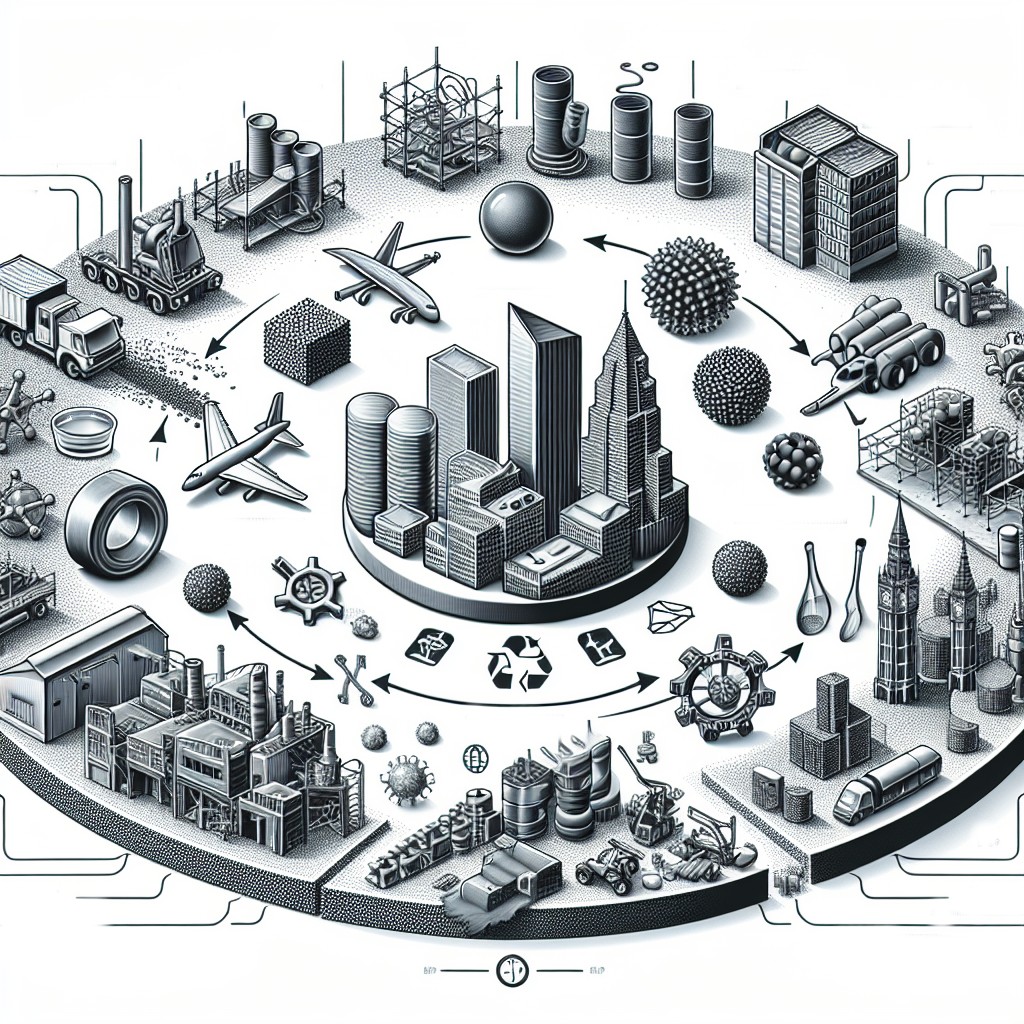
The environmental profile of any polymer is shaped by several linked concepts. Life cycle assessment, usually abbreviated as LCA, measures impacts from raw material extraction through manufacturing, transportation, use, and end of life. Carbon footprint focuses on greenhouse gas emissions, usually reported as carbon dioxide equivalent. Circularity describes how effectively a material stays in productive use through reduction, reuse, repair, remanufacture, and recycling. Toxicity concerns include monomers, additives, processing aids, and degradation products. Leakage refers to material that escapes formal waste systems into land or water. These concepts are essential because they show why the same polymer can be beneficial in one application and problematic in another.
For a sub-pillar page under Materials and Properties, environmental impact functions as the organizing lens that connects polymer chemistry, mechanical performance, processing behavior, and waste outcomes. Density influences transport efficiency, crystallinity affects recyclability, barrier properties determine food preservation, and thermal stability shapes reprocessing limits. This article serves as the hub for those related topics by covering feedstocks, manufacturing emissions, product use, waste management, recycling technologies, biodegradable alternatives, microplastics, regulation, and practical design choices. If you need a grounded overview of how polymers interact with climate, ecosystems, and human systems, this is the place to start.
Life cycle impacts: from feedstocks to factory gate
Most conventional polymers are derived from fossil feedstocks, primarily oil and natural gas. Steam cracking produces basic petrochemicals such as ethylene, propylene, benzene, and xylene, which become the monomers used to build common polymers. This upstream stage carries a significant environmental burden because extraction, refining, and cracking are energy intensive and emit greenhouse gases. According to data commonly used in life cycle databases such as ecoinvent and reports from PlasticsEurope, commodity plastics typically carry cradle-to-gate emissions in the range of roughly 1.7 to 6 kilograms of carbon dioxide equivalent per kilogram of resin, depending on polymer type and energy source. Polyethylene and polypropylene often sit at the lower end, while polymers requiring more complex chemistry can be higher.
Manufacturing impacts are not limited to carbon. Polymerization can involve catalysts, solvents, water use, and process heat. Suspension and emulsion systems require different separation and drying steps than bulk polymerization. Additive compounding introduces stabilizers, pigments, flame retardants, plasticizers, fillers, and impact modifiers, each with its own environmental profile. For example, carbon black improves ultraviolet resistance in polyethylene pipe but complicates some optical sorting systems used in recycling facilities. Glass fiber reinforcement can improve stiffness and extend service life, yet it also changes end-of-life processing and may reduce the quality of recycled output. In my experience reviewing material selections, these secondary ingredients are often ignored even though they strongly influence the overall environmental impact of polymers.
Feedstock choice is becoming more diverse. Bio-based polymers use carbon from plants, residues, or other biological sources rather than fossil reserves. That shift can reduce dependence on finite resources, but it does not automatically produce lower total impact. Agricultural inputs, land use change, fertilizer emissions, irrigation, and processing energy can offset benefits. A bio-based polyethylene made from sugarcane ethanol can be chemically identical to fossil polyethylene and recyclable in the same stream, which is an advantage. However, claims about carbon neutrality must be tested through full life cycle accounting, not assumed from feedstock origin alone.
Use-phase benefits and the problem with one-dimensional judgments
One reason the environmental impact of polymers is difficult to judge is that the use phase can dominate outcomes in many applications. Lightweight polymers reduce transport energy in automotive, aerospace, and logistics systems. Replacing metal with a polymer composite in a vehicle interior or using high-density polyethylene fuel tanks can lower mass and improve corrosion resistance. In building systems, expanded polystyrene and polyurethane insulation can cut operational heating and cooling loads for years, often dwarfing their production emissions. In medicine, single-use polymer devices reduce infection risk and enable sterile packaging, blood bags, sutures, and filtration systems that would be difficult to replicate with other materials at comparable cost and scale.
Packaging provides the clearest example of tradeoffs. Plastic packaging is frequently criticized because it becomes visible waste, but its material efficiency is extremely high. A thin multilayer film can protect food with only a few grams of material. If that packaging prevents meat, dairy, fruit, or prepared meals from spoiling, the avoided environmental burden of wasted food can be far greater than the burden of the package itself. The United Nations Environment Programme and the Food and Agriculture Organization both highlight food waste as a major emissions source. In practical packaging work, I have repeatedly seen that changing from a high-barrier flexible pouch to a seemingly simpler material can increase spoilage rates enough to worsen total emissions despite lower packaging weight.
The key lesson is that environmental impact cannot be reduced to visibility or emotion. Durable polymers in long-life applications may perform well environmentally if they avoid maintenance, corrosion, or replacement. Short-lived polymers with no recovery pathway may perform poorly even when the material itself is cheap and efficient. Good assessment requires matching the material to the service life, exposure conditions, and realistic end-of-life route.
Waste, leakage, and why persistence matters
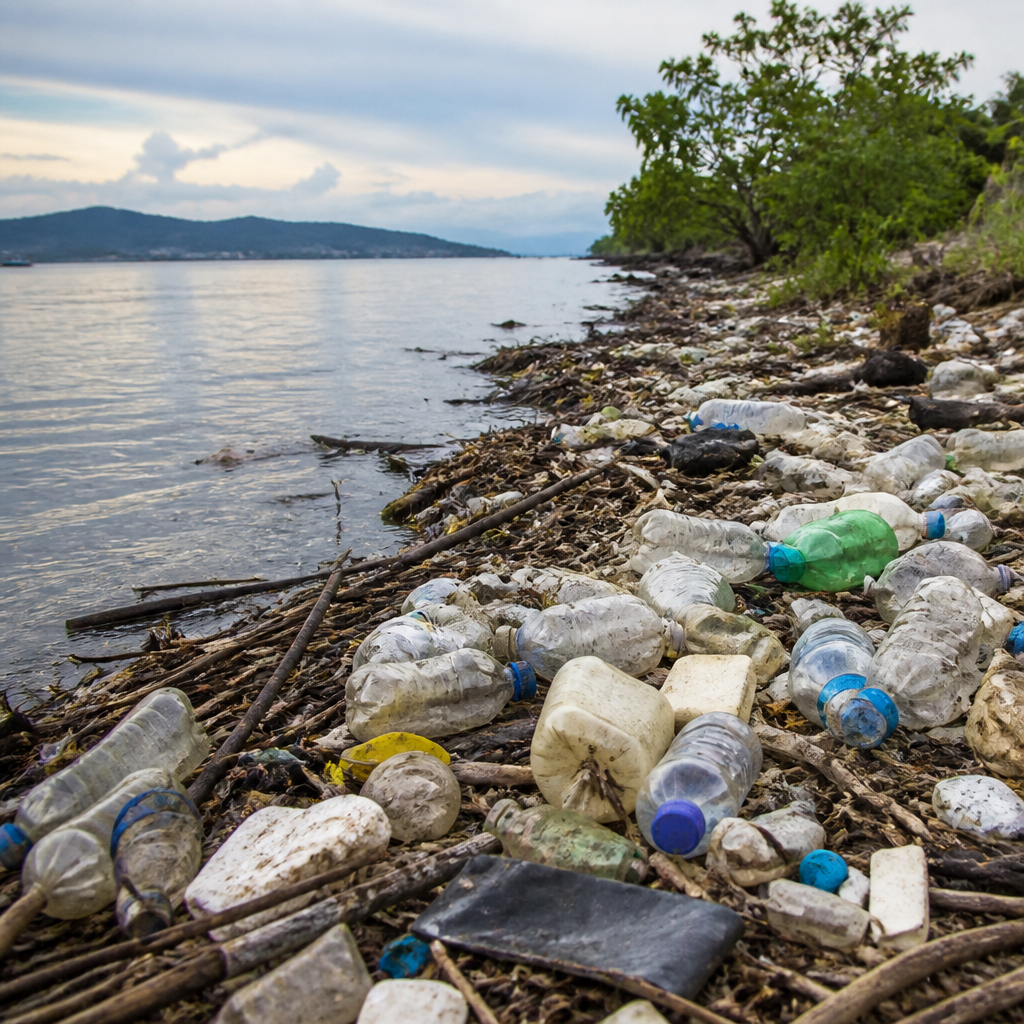
The most publicized aspect of the environmental impact of polymers is waste leakage into the environment. Unlike paper or food waste, most conventional polymers do not readily mineralize under ambient conditions. They persist, weather, embrittle, and fragment. Sunlight, oxygen, heat, and mechanical abrasion drive oxidation and chain scission, turning larger objects into smaller pieces rather than eliminating them. This persistence matters because littered polymers can entangle wildlife, be ingested by birds and marine organisms, block drainage infrastructure, and accumulate in soils, rivers, and coastal systems.
Global waste figures explain the scale of concern. The Organisation for Economic Co-operation and Development reported that plastic waste generation more than doubled from 2000 to 2019, reaching about 353 million metric tons annually, while only a modest share was recycled. Mismanaged waste is not evenly distributed; it is strongly shaped by collection access, open dumping, uncontrolled landfilling, and stormwater transport. That means the environmental impact of polymers is also a systems problem involving municipal capacity, informal waste sectors, product labeling, and policy enforcement. A bottle made from recyclable PET does not become circular simply because the resin is recyclable in theory. It needs a functioning collection, sorting, and reprocessing chain.
Landfill and incineration also involve tradeoffs. Modern sanitary landfills can isolate waste and capture some landfill gas, but they lock valuable material out of circulation and may create long-term management obligations. Waste-to-energy incineration reduces volume and can offset fossil fuel use, yet it emits carbon dioxide and requires strict controls for acid gases, particulates, and other pollutants. For polymers containing chlorine, brominated flame retardants, or certain additives, combustion management becomes more complex. There is no universally ideal end-of-life option; the best choice depends on local infrastructure, contamination level, and the material’s potential for higher-value recovery.
Recycling pathways and their real limits
Recycling is central to reducing the environmental impact of polymers, but it works best under specific conditions. Mechanical recycling, the most established route, involves collection, sorting, washing, shredding, melting, filtering, and pelletizing. It performs well for relatively clean, high-volume streams such as PET bottles, HDPE containers, and some rigid polypropylene packaging. When done correctly, mechanical recycling usually has lower energy demand than producing virgin resin. However, polymers degrade with heat, oxygen, shear, and contamination. Molecular weight can drop, colors mix, odors persist, and additives interfere with processing. As a result, recycled polymer often moves into lower-specification applications unless stabilizers, compatibilizers, or blending strategies are used.
Chemical recycling covers several processes, including depolymerization, pyrolysis, gasification, and solvent-based purification. These technologies aim to recover monomers, feedstocks, or purified polymer fractions from waste that is difficult to process mechanically. PET and some polyamides can be depolymerized under the right conditions. Polyolefin pyrolysis can generate hydrocarbon oils that may be upgraded in petrochemical systems. The promise is flexibility; the challenge is economics and energy intensity. Mixed waste, chlorine contamination, moisture, and inconsistent feedstock quality complicate yields. In project reviews, I treat chemical recycling as a useful tool, not a universal rescue pathway. It can complement mechanical recycling, especially for complex streams, but it does not remove the need for better product design and collection systems.
| Pathway | Best suited materials | Main advantages | Main limitations |
|---|---|---|---|
| Mechanical recycling | PET bottles, HDPE containers, clean PP parts | Lower energy use, established infrastructure, lower cost | Quality loss, contamination sensitivity, limited mixed-material tolerance |
| Depolymerization | PET, some polyamides, select condensation polymers | Can recover monomers, supports high-quality output | Feedstock purity demands, chemical and energy inputs |
| Pyrolysis | Mixed polyolefin-rich waste | Handles streams hard to recycle mechanically | Variable yields, upgrading needed, economics depend on scale |
| Energy recovery | Contaminated residual waste | Volume reduction, electricity or heat generation | Carbon emissions, loss of material value |
Microplastics, additives, and human exposure questions
Microplastics are polymer particles typically defined as smaller than five millimeters, with nanoplastics occupying an even smaller range. They originate as primary particles, such as preproduction pellets and microbeads, or as secondary fragments from larger products. Major sources include tire wear, synthetic textile shedding, paint loss, packaging breakdown, and degraded fishing gear. Microplastics are now documented in marine waters, sediments, freshwater, soils, air, food, and human tissues. Their presence does not mean every exposure produces the same hazard, but it does make the environmental impact of polymers more complex than visible litter alone.
Risk depends on particle size, shape, polymer chemistry, surface area, and the additives or sorbed contaminants associated with the particles. Some additives are well characterized and tightly regulated; others remain under active evaluation. Phthalate plasticizers, bisphenol compounds, per- and polyfluoroalkyl substances used in some fluoropolymer contexts, and certain flame retardants have drawn intense scrutiny because persistence, migration, or toxicity may create concerns in specific uses. The right response is not blanket fear, but disciplined chemical management. Safer-by-design formulation, migration testing, exposure assessment, and compliance with regulations such as REACH, RoHS, and food-contact standards are essential for credible stewardship.
Microplastics research still contains uncertainties, especially regarding dose-response relationships and long-term health significance. That uncertainty should not be used as an excuse for inaction. Pellet containment, fiber-shedding reduction, better tire formulation, improved washing machine filtration, and stronger stormwater capture are practical interventions available now.
Biodegradable and compostable polymers: where they help and where they do not
Biodegradable and compostable polymers are often presented as a solution to polymer pollution, but the category requires precision. Biodegradable means microorganisms can convert a material into carbon dioxide, water, methane, biomass, and mineral salts under specific conditions. Compostable usually means the material meets defined standards for disintegration and biodegradation in industrial composting systems, such as EN 13432 or ASTM D6400. These are not the same as home compostability, marine degradability, or harmless littering. Polylactic acid, polyhydroxyalkanoates, starch blends, and PBAT-based formulations each behave differently depending on temperature, moisture, oxygen, and microbial activity.
In the right application, these materials can be valuable. Certified compostable liners for food scrap collection can reduce contamination in organics programs and increase participation. Agricultural mulch films designed for soil biodegradation may reduce retrieval burdens if they are matched to crop conditions and validated standards. But using compostable polymers for durable goods, recyclable bottles, or products likely to enter dry recycling streams can create confusion and contamination. I have seen packaging projects fail because “compostable” was treated as a marketing claim rather than an end-of-life strategy connected to actual local composting capacity.
The broader point is straightforward. Material innovation helps, but waste systems determine outcomes. A compostable polymer without composting access may end up landfilled or incinerated. A recyclable polymer without sorting and reprocessing access may do the same. Infrastructure remains the deciding factor.
Design, policy, and the path to lower impact
The most effective way to reduce the environmental impact of polymers is to improve decisions upstream. Design for environment begins with asking whether a polymer is needed at all, then choosing the simplest material system that meets performance requirements. Monomaterial packaging generally recycles better than multilayer laminates. Clear PET bottles sort more reliably than heavily pigmented ones. Removable labels, compatible closures, digital product passports, and standardized resin identification can all improve recovery. In durable goods, designing for disassembly allows housings, fasteners, and electronics to be separated before shredding. Recycled content targets, when paired with procurement standards and quality control, strengthen end markets and justify investment in collection infrastructure.
Policy is equally important. Extended producer responsibility shifts some financial and operational burden of waste management to producers, encouraging better packaging design and funding collection systems. Deposit return schemes increase beverage container recovery rates dramatically when well implemented. Recycled content mandates, landfill restrictions, single-use product rules, and public procurement standards each influence the market differently. No single policy solves everything, but a coordinated package can change material flows at scale. Businesses should track not only resin prices and processing properties, but also evolving disclosure rules, carbon accounting expectations, and substance restrictions.
For readers using this page as a hub, the main takeaway is that the environmental impact of polymers must be assessed across the full life cycle, not through isolated impressions. Feedstocks matter, manufacturing matters, product use matters, and end-of-life systems matter. Conventional, recycled, bio-based, and compostable polymers each have roles, but none are automatically sustainable in every context. The best outcomes come from precise material selection, minimal additive complexity, long service life where appropriate, effective collection, and recovery pathways that exist in the real world. Use this understanding to evaluate your own products, specifications, or purchasing choices, and then explore the related Materials and Properties articles to go deeper into recycling, durability, biodegradation, barrier performance, and polymer selection.
Frequently Asked Questions
What are polymers, and why do they matter so much in environmental discussions?
Polymers are materials made of long chains of repeating molecular units, and they include many of the plastics and synthetic materials used every day. Common examples include polyethylene, polypropylene, polyvinyl chloride, polyethylene terephthalate, polystyrene, nylon, polycarbonate, and epoxy resins. They matter in environmental discussions because they are deeply embedded in modern life, from packaging and textiles to medical devices, electronics, construction products, and transportation components. Their versatility, low cost, durability, and light weight have made them indispensable, but those same qualities also create environmental challenges.
From an environmental perspective, polymers are important because their impact extends far beyond waste disposal. It begins with feedstock extraction, often from fossil resources such as oil and natural gas, continues through energy-intensive manufacturing and chemical processing, and persists during product use and end-of-life management. Some polymers can help reduce emissions in certain applications, such as lightweight vehicle parts that improve fuel efficiency or insulation materials that reduce building energy use. However, many polymer products are designed for short-term use, especially packaging, even though the materials themselves may persist in the environment for decades or longer. This mismatch between useful service life and environmental persistence is one of the central reasons polymers are such a major sustainability issue.
What is the full environmental impact of polymers across their life cycle?
The environmental impact of polymers is best understood through a life-cycle perspective. This means looking at the material from raw material extraction to production, transportation, use, and end-of-life. At the beginning of the life cycle, extracting fossil feedstocks can contribute to greenhouse gas emissions, habitat disruption, water use, and pollution risks. Manufacturing polymers and converting them into products often requires significant energy and may involve additives, solvents, catalysts, or byproducts that have their own environmental and health implications.
During the use phase, the impact of polymers varies widely depending on the application. In some cases, polymers reduce overall environmental burdens by lowering transport weight, extending food shelf life, or improving product durability. In other cases, especially with disposable items, the benefits may be short-lived while the environmental cost remains high. Wear and fragmentation can also release microplastics or chemical additives into air, soil, and water. At the end of life, the environmental consequences depend on whether the material is reused, mechanically recycled, chemically recycled, incinerated, landfilled, or leaked into the environment. Landfilling can tie up materials for long periods and create concerns about additive migration, while incineration can recover energy but also generates emissions. Leakage into ecosystems can harm wildlife, contaminate habitats, and create long-term pollution. This is why environmental experts often emphasize that the problem is not simply “plastic waste,” but the broader system of production, consumption, design, and recovery.
Why are some polymers considered more problematic than others?
Not all polymers have the same environmental profile. Their impact depends on the chemistry of the polymer itself, the additives used, the product design, and the waste management systems available where they are used. For example, some polymers are easier to collect and recycle at scale, while others are technically difficult, economically unattractive, or easily contaminated in mixed waste streams. Polyethylene terephthalate and high-density polyethylene often perform better in established recycling systems than multi-layer packaging, thermoset resins, or products made from mixed polymer blends. Materials such as epoxy resins and many fiber-reinforced composites can be especially challenging because they are designed for strength and permanence, which makes them difficult to reprocess.
Another reason some polymers are seen as more problematic is the presence of additives such as plasticizers, flame retardants, stabilizers, pigments, and fillers. These substances can improve performance, but they may also complicate recycling, affect toxicity profiles, or limit safe reuse in new products. Product lifespan also matters. A durable engineering polymer used for many years in a high-performance application may have a very different environmental balance than a similar amount of polymer used once and discarded immediately. In short, the environmental concern is not based only on the polymer name, but on how the material is sourced, formulated, used, recovered, and managed within real-world systems.
Are biodegradable or bio-based polymers automatically better for the environment?
No, biodegradable and bio-based polymers are not automatically better, even though they are often presented that way in simplified marketing claims. “Bio-based” refers to the source of the carbon, meaning the material is made partly or fully from biological feedstocks rather than fossil resources. “Biodegradable” refers to whether microorganisms can break the material down under specific conditions. These are different concepts, and neither one alone guarantees a lower overall environmental impact. A bio-based polymer may still require substantial land, water, fertilizers, energy, and processing chemicals to produce. Likewise, a biodegradable polymer may only break down effectively in industrial composting conditions, not in the ocean, in soil, or in a backyard compost pile.
To determine whether these materials are environmentally preferable, it is necessary to examine the full life cycle and the intended waste pathway. If a biodegradable polymer enters a system that cannot properly compost it, it may behave much like conventional plastic or contaminate recycling streams. If a bio-based polymer competes with food production, drives land-use change, or uses resource-intensive agriculture, the environmental tradeoffs may be significant. That said, some alternative polymers can offer meaningful benefits in the right applications, particularly when paired with thoughtful design, clear labeling, appropriate collection systems, and verified end-of-life infrastructure. The key point is that material innovation helps most when it is evaluated carefully, not assumed to be sustainable by definition.
What are the most effective ways to reduce the environmental impact of polymers?
The most effective strategies begin with using fewer materials where possible and designing products more intelligently from the start. Reducing unnecessary single-use items, eliminating avoidable packaging, increasing reuse, and extending product life can often deliver larger environmental benefits than relying on recycling alone. Good design is essential: products that use fewer material types, avoid problematic additives, and are easy to disassemble and sort are far more compatible with circular systems. In many sectors, substituting one polymer for another is less important than redesigning the entire product system for durability, repairability, refillability, and material recovery.
Recycling remains important, but it works best when supported by collection infrastructure, consistent labeling, policy incentives, and markets for recycled content. Mechanical recycling can be effective for certain clean, well-sorted streams, while chemical recycling may have a role for more complex materials, though its energy use and scalability must be evaluated carefully. Broader solutions also include decarbonizing polymer production, increasing renewable energy use in manufacturing, improving waste management to prevent environmental leakage, and creating stronger regulations around product stewardship and chemical transparency. Ultimately, reducing the environmental impact of polymers requires a systems approach that combines better material science, smarter design, responsible consumption, and modern recovery infrastructure. No single fix will solve the issue, but coordinated improvements across the full life cycle can make a substantial difference.