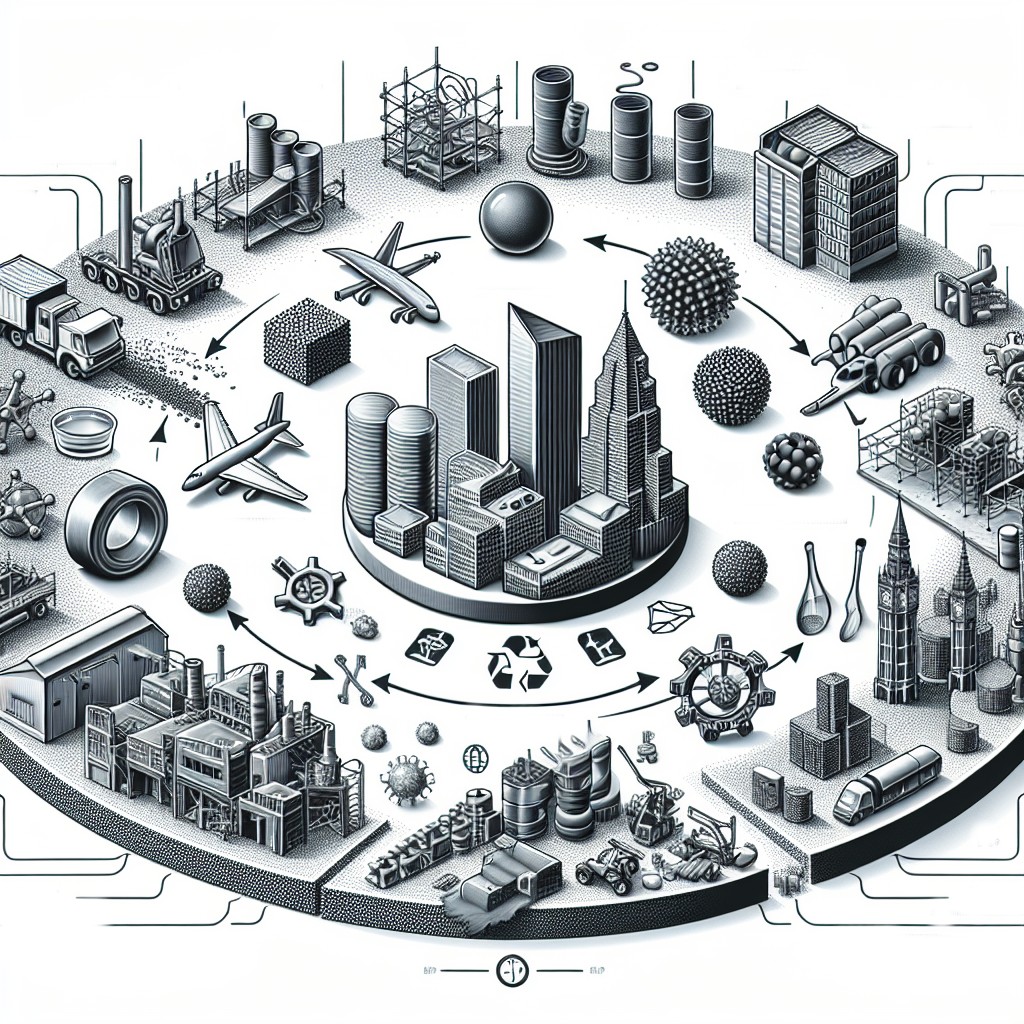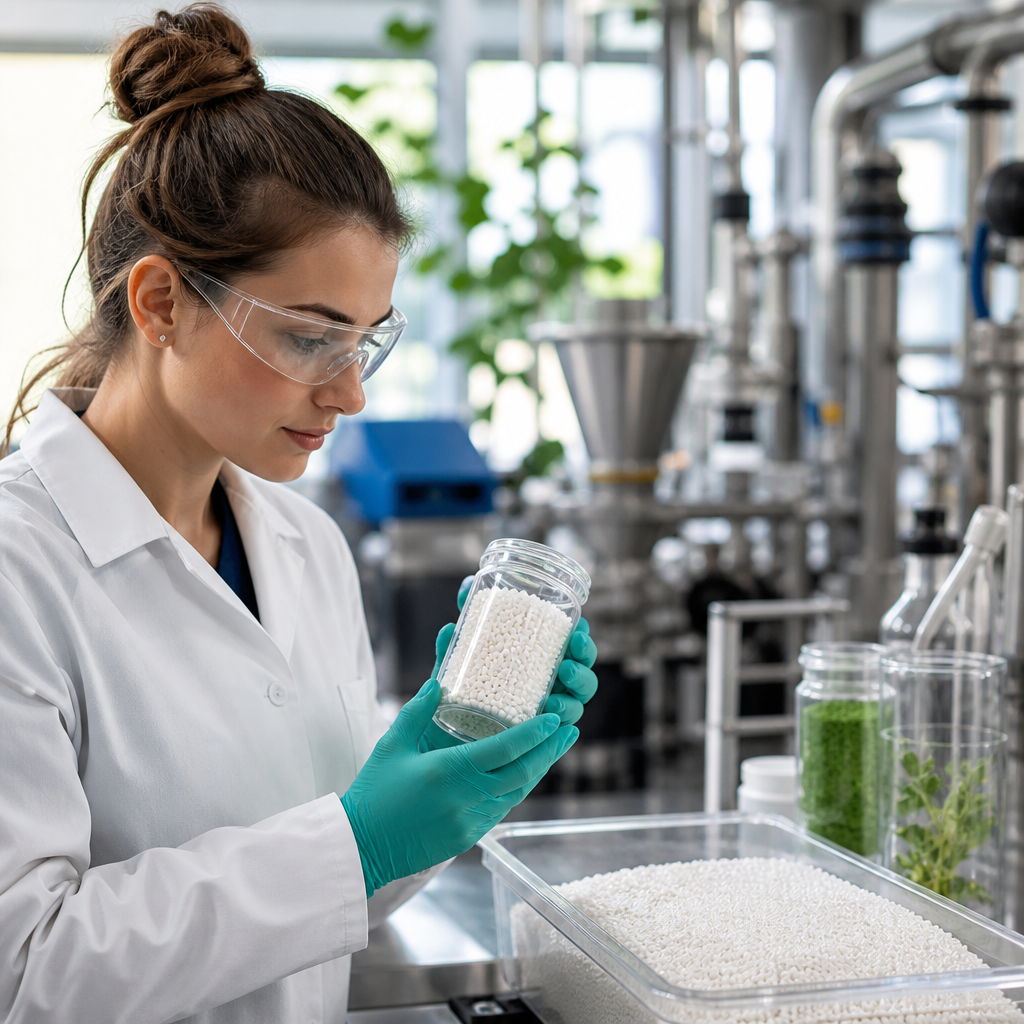
Eco-friendly polymer production has moved from a niche research topic to a core industrial priority because plastics are embedded in packaging, construction, textiles, electronics, and medicine, yet their conventional manufacturing footprint is tied to fossil feedstocks, high energy demand, greenhouse gas emissions, toxic intermediates, and persistent waste. In practice, advances in eco-friendly polymer production methods focus on reducing environmental impact across the entire life cycle: sourcing raw materials responsibly, lowering process energy, limiting hazardous solvents and catalysts, enabling recyclability, and designing materials that fit real recovery systems. Polymer production refers to the conversion of monomers into long-chain molecules through processes such as addition polymerization, condensation polymerization, ring-opening polymerization, and extrusion compounding. Eco-friendly does not simply mean biodegradable. It can also mean bio-based, recycled-content, solvent-free, low-carbon, non-toxic, mechanically recyclable, chemically recyclable, or made under mass-balance systems certified by programs such as ISCC PLUS. I have worked with materials teams evaluating resin changes, and the consistent lesson is that environmental performance depends less on marketing labels and more on measurable factors including carbon intensity, water use, additive profile, conversion efficiency, and end-of-life outcomes. This matters because regulatory pressure is increasing through extended producer responsibility laws, single-use plastic restrictions, corporate climate reporting, and procurement standards that now examine Scope 3 emissions. It also matters because brand owners and manufacturers are looking for drop-in materials that preserve barrier performance, toughness, processability, and compliance while cutting environmental burden. The strongest advances today come from combining green chemistry with practical manufacturing discipline, not from assuming one polymer can solve every problem.
Bio-Based Feedstocks and Renewable Carbon Pathways
One major advance in eco-friendly polymer production methods is the shift from virgin fossil carbon to renewable or waste-derived carbon. Bio-based polymers use feedstocks such as sugarcane ethanol, corn glucose, cellulose, plant oils, lignin, algae intermediates, or agricultural residues to produce monomers. Well-known examples include bio-based polyethylene made from ethanol-derived ethylene, polylactic acid produced from fermented sugars, and polyamides partly derived from castor oil. The environmental impact benefit comes from displacing fossil extraction and, in some cases, lowering cradle-to-gate emissions when farming, fertilizer use, land-use change, and processing energy are properly managed. The nuance is important: a polymer can be bio-based without being biodegradable, as with bio-PE, and biodegradable without being fully bio-based, depending on the monomer source.
Recent progress is centered on second-generation feedstocks that avoid direct competition with food. Instead of relying only on edible sugars, producers are improving pretreatment and hydrolysis routes for lignocellulosic biomass, converting hemicellulose into furans, and using waste oils or tall oil as precursors for polyols and surfactants. Companies developing furandicarboxylic acid for polyethylene furanoate are targeting better oxygen and carbon dioxide barrier properties than PET, which could cut packaging weight and food waste if scaled responsibly. In my experience, the practical hurdle is not just synthesis yield; it is feedstock consistency. Agricultural residues vary by season, ash content, moisture, and contamination, so stable polymer quality requires robust purification, tight process control, and strong supplier qualification.
Mass-balance accounting has also become an important bridge technology. Under certified chain-of-custody systems, renewable naphtha or biogas can be introduced into existing crackers, with the renewable share allocated to downstream polymers. This method does not create a physically separate green polymer stream, but it can accelerate lower-carbon production by using existing assets. For buyers under emissions pressure, mass-balance materials often provide a more immediate route than waiting for entirely new plants.
Greener Catalysts, Safer Solvents, and Process Intensification
Eco-friendly polymer production methods are advancing rapidly at the reaction engineering level. Traditional polymerization may depend on heavy metal catalysts, chlorinated solvents, or high-temperature batch steps that generate emissions and byproducts. Newer systems reduce environmental impact by improving selectivity, operating at lower temperatures, shortening cycle times, and eliminating problematic auxiliaries. In polyesters and polyurethanes, catalyst research is moving toward lower-toxicity alternatives, including organocatalysts and highly efficient metal systems used at lower loading. In coatings and adhesives, waterborne dispersions, high-solids formulations, and UV-curable chemistries reduce volatile organic compound emissions compared with solvent-heavy legacy systems.
Reactive extrusion is a particularly practical example. Instead of conducting polymer modification in multiple solvent-based stages, manufacturers can use twin-screw extruders to combine reaction, devolatilization, blending, and pelletizing in one continuous line. This lowers solvent use, reduces handling losses, and often cuts energy per kilogram produced. Microwave-assisted and enzymatic polymerizations are also developing, especially for specialty applications where mild conditions and functional group tolerance matter. Enzymes can support polyester synthesis and depolymerization under conditions far gentler than conventional thermal methods, although enzyme cost, stability, and throughput still limit broad commodity adoption.
Digital process control now contributes directly to sustainability. Advanced sensors, near-infrared monitoring, model predictive control, and inline rheology allow producers to run closer to specification with less off-grade resin. That matters environmentally because every ton of scrap, purge, or off-spec pellets represents wasted feedstock and embodied energy. When I have reviewed compounding operations, a small reduction in startup waste often delivered a bigger annual footprint benefit than a headline material substitution because the gain was immediate and measurable.
Mechanical Recycling and Design for Circular Processing
Mechanical recycling remains the lowest-energy circular route for many thermoplastics, and advances in eco-friendly polymer production increasingly start with designing polymers that can survive collection, sorting, washing, re-melting, and remanufacture. Environmental impact improves when polymers retain useful properties through multiple cycles and when packaging structures are compatible with material recovery facilities. Mono-material packaging based on polyethylene or polypropylene is gaining attention because it is generally easier to recycle than multilayer laminates combining incompatible resins, aluminum, adhesives, and inks.
Better compatibilizers are one important innovation. Post-consumer streams are rarely pure, so grafted polymers, block copolymers, and reactive additives can improve interfacial adhesion between mixed polyolefins or between polyolefins and polar contaminants. Deodorization, melt filtration, and solid-state decontamination are also improving recycled resin quality for demanding applications. For PET, solid-state polycondensation can rebuild intrinsic viscosity after reprocessing, supporting bottle-to-bottle loops when feedstock purity is high enough. Recycled-content mandates in Europe and brand commitments worldwide are pushing converters to qualify these materials at scale.
Design for recycling now affects additive decisions as much as base resin selection. Carbon black pigments interfere with some optical sorting systems, PVC labels can contaminate PET recycling, and certain barrier coatings or metallization layers reduce yield. The greener production question is therefore broader than reactor chemistry. A polymer made efficiently but impossible to recover in local infrastructure may have a worse overall environmental impact than a less novel material designed for established recycling streams.
| Method | Main Environmental Benefit | Key Limitation | Typical Best Fit |
|---|---|---|---|
| Mechanical recycling | Lowest energy demand for many thermoplastics; preserves material value | Property loss, contamination, sorting dependence | PET, HDPE, PP, simple packaging, durable goods |
| Chemical recycling | Can handle harder streams and recover monomers or feedstock | Higher energy use and capital cost | Mixed waste, polyesters, polyamides, contaminated fractions |
| Bio-based production | Reduces fossil feedstock reliance; potential carbon benefits | Feedstock variability, land-use concerns, cost | Packaging, fibers, drop-in resins, specialty polymers |
| Biodegradable systems | Useful in controlled organic waste scenarios | Often requires industrial composting; contamination risk | Food-service items, organic waste bags, agricultural films |
Chemical Recycling, Depolymerization, and Monomer Recovery
Chemical recycling has become one of the most closely watched advances in eco-friendly polymer production methods because it addresses streams that mechanical recycling struggles to manage. The term covers several routes: depolymerization back to monomers, solvolysis into intermediates, dissolution and purification, pyrolysis into hydrocarbon feedstock, and gasification into syngas. Not all of these routes perform equally well from an environmental standpoint. Their value depends on polymer type, contamination level, product yield, energy source, and whether the output truly displaces virgin production.
Polyesters and polyamides are especially promising because their bonds can be selectively cleaved. PET can be depolymerized by glycolysis, methanolysis, or hydrolysis to recover monomers or oligomers that are purified and repolymerized. Nylon 6 can be depolymerized back to caprolactam. These routes can produce near-virgin quality material if the purification system is strong. In contrast, polyolefin pyrolysis is broader and less selective, generating a hydrocarbon mixture that often needs substantial upgrading before it can return to polymer production. That does not make it irrelevant, but it means claims should be evaluated carefully through life cycle assessment rather than assumed.
Dissolution-based purification is another useful middle path. Solvent systems can selectively dissolve target polymers, remove additives or dyes, and then precipitate the purified resin. This can preserve polymer chains better than thermal cracking, but solvent recovery efficiency is crucial. In real plant evaluations, the environmental impact of solvent loss and steam demand can quickly erase theoretical advantages if the process is not tightly engineered.
Biodegradable and Compostable Polymers in the Right Applications
Biodegradable polymers attract attention because they appear to answer the waste problem directly, yet their environmental impact depends heavily on where and how they are used. Polylactic acid, polyhydroxyalkanoates, starch blends, and some aliphatic-aromatic copolyesters can be valuable in applications where contamination with food or organics makes conventional recycling difficult. Certified compostable caddy liners and food-service items can help divert organic waste where industrial composting infrastructure exists. Agricultural mulch films are another case where controlled biodegradation may reduce retrieval burdens.
The key advance is not merely inventing materials that break down. It is aligning polymer chemistry with standards, collection systems, and end-user behavior. Certification frameworks such as EN 13432 and ASTM D6400 define conditions for industrial compostability, including disintegration and ecotoxicity criteria. Home compostability is a different and usually more demanding claim. Marine biodegradability is different again, and many products marketed vaguely as biodegradable do not perform meaningfully in natural environments. In sustainability reviews, I treat unqualified biodegradability claims as a warning sign rather than a benefit until test conditions are specified.
There are tradeoffs. Compostable polymers can contaminate recycling streams if sorting fails, and some have lower heat resistance or different barrier performance than incumbent plastics. Their best role is targeted use, not blanket substitution. When matched to a defined organic waste system, however, they can reduce residual waste and support cleaner food-waste collection.
Life Cycle Assessment, Standards, and What Environmental Impact Really Means
The most reliable way to compare eco-friendly polymer production methods is life cycle assessment. A sound LCA examines feedstock extraction or cultivation, transport, polymerization, conversion, use, and end-of-life, while tracking metrics such as global warming potential, eutrophication, acidification, water consumption, and fossil resource use. ISO 14040 and ISO 14044 provide the framework, but data quality and system boundaries determine whether the result is useful. A cradle-to-gate study may favor one resin, while a cradle-to-grave analysis that includes food waste reduction, reuse cycles, or recycling rates may change the conclusion entirely.
Environmental product declarations, product carbon footprints, and third-party certifications are becoming more important in procurement. Still, decision-makers should ask practical questions: Is renewable electricity used in production? Are biogenic carbon assumptions transparent? Does the study include land-use change? What is the actual recovery pathway in the target market? The future of sustainable polymers will belong to producers that can answer these questions clearly and back them with audited data. For companies operating under the broader materials and properties agenda, this environmental impact hub should be the starting point for decisions about bio-based resins, recyclable design, additive choice, and circular processing. Review your current polymer portfolio, map each material to its realistic end-of-life route, and prioritize the production method that lowers impact without sacrificing performance or compliance.
Frequently Asked Questions
What makes polymer production “eco-friendly” compared with conventional manufacturing?
Eco-friendly polymer production is defined by how effectively it reduces environmental harm across the full life cycle of a material, not just by whether the final product contains a plant-based ingredient. In conventional polymer manufacturing, production often depends on fossil-derived feedstocks, energy-intensive processing, hazardous solvents or intermediates, and limited end-of-life recovery. Eco-friendly methods aim to improve each of those pressure points. That includes sourcing raw materials from renewable biomass, waste carbon streams, recycled monomers, or captured carbon dioxide; lowering reaction temperatures and energy demand; replacing toxic catalysts and solvents with safer alternatives; and designing polymers so they can be mechanically recycled, chemically recycled, composted under the right conditions, or safely degraded after use.
Just as importantly, eco-friendly production methods are evaluated using broader performance metrics such as greenhouse gas emissions, water use, toxicity, land-use impact, and circularity potential. A polymer is not automatically sustainable simply because it is bio-based, and a fossil-based polymer is not automatically the worst option if it is made efficiently and recovered effectively in a closed loop. The most meaningful advances are those that combine lower-carbon feedstocks, cleaner process chemistry, renewable energy integration, waste minimization, and realistic end-of-life pathways. In other words, eco-friendly polymer production is best understood as a systems-level redesign of how plastics are made, used, and recovered.
What are the most important new feedstocks being used in sustainable polymer production?
Some of the most significant advances involve diversifying feedstocks beyond virgin petroleum. Bio-based inputs remain a major area of progress, especially sugars, starches, cellulose, vegetable oils, lignin, and fermentation-derived platform chemicals. These materials can be converted into monomers for polymers such as polylactic acid, bio-based polyesters, polyamides, and polyurethanes. Agricultural residues and non-food biomass are especially promising because they avoid direct competition with food systems while creating value from underused material streams. Researchers and manufacturers are also improving pretreatment and conversion technologies so that more of the biomass can be used efficiently, not just the easiest fractions.
Another important category is waste-derived feedstocks. Recycled plastics can be depolymerized into monomers or transformed into hydrocarbon feedstocks for new polymer production, helping reduce demand for virgin raw materials. Industrial off-gases, municipal waste streams, and even captured carbon dioxide are also being explored as carbon sources for selected polymers and intermediates. While not every alternative feedstock is commercially mature at scale, the trend is clear: the field is moving toward feedstock flexibility. That matters because it improves resilience, reduces dependence on fossil extraction, and creates opportunities to match local waste and biomass resources with regional manufacturing systems.
How are manufacturers reducing energy use and emissions in polymer production processes?
Energy and emissions reductions are being achieved through a combination of smarter chemistry, cleaner equipment, and better plant integration. One major strategy is improving catalytic efficiency so polymerization reactions proceed faster, at lower temperatures, with fewer byproducts. Advances in catalyst design can reduce both energy demand and material waste while improving control over polymer properties. Process intensification is another key area. Instead of relying on large, multi-step systems with repeated heating, cooling, and purification stages, manufacturers are increasingly exploring compact, continuous processes that streamline production and cut utility use.
Electrification is also becoming more important, especially as industrial systems connect to lower-carbon power grids or onsite renewable energy sources. Replacing fossil-fueled heat with electric heating where feasible can significantly lower process emissions. Solvent recovery systems, heat integration networks, membrane separations, and improved reactor designs all contribute to lower overall environmental impact. Digital monitoring and advanced process control add another layer of optimization by reducing off-spec material, improving yields, and minimizing downtime. Taken together, these advances show that eco-friendly polymer production is not dependent on a single breakthrough. It is the cumulative result of many engineering improvements that make polymer manufacturing cleaner, more efficient, and less carbon-intensive.
What role do green chemistry and safer materials play in eco-friendly polymer innovation?
Green chemistry is central to the shift toward more sustainable polymer production because it addresses environmental and health impacts at the molecular and process-design level. Rather than treating pollution or toxicity as problems to manage after production, green chemistry aims to prevent them from being created in the first place. In polymer manufacturing, that can mean choosing safer monomers, reducing or eliminating hazardous solvents, replacing heavy-metal catalysts, minimizing side reactions, and designing synthesis routes with better atom economy. These changes can lower worker exposure risks, simplify permitting and waste treatment, and reduce contamination concerns in recycling streams.
Safer material design is equally important because sustainability depends on what happens during use and at end of life, not only during production. New eco-friendly polymers are increasingly being engineered to avoid persistent additives, problematic plasticizers, and substances that interfere with recyclability or create toxicity concerns during disposal. In some cases, researchers are developing polymers that maintain strong performance while being easier to depolymerize back into useful building blocks. In others, they are focusing on biodegradable materials tailored for specific conditions, such as controlled composting or biomedical use. The broader takeaway is that green chemistry helps align performance, safety, and circularity, which is essential if eco-friendly polymers are going to succeed at industrial scale rather than remain limited to specialty applications.
Are eco-friendly polymers ready to replace conventional plastics across major industries?
Eco-friendly polymers are making rapid progress, but replacement is not a simple one-to-one switch across every application. Different industries place very different demands on materials. Packaging may prioritize barrier performance, sealability, transparency, and food-contact safety. Construction materials must deliver long service life and resistance to weathering. Medical polymers require strict biocompatibility and sterilization performance. Electronics often need thermal stability and flame resistance. Because of these differences, the future is likely to involve a portfolio approach rather than a single universal sustainable plastic. Some applications will shift toward bio-based polymers, others toward highly recyclable drop-in materials, and others toward reusable systems that reduce polymer demand altogether.
That said, many eco-friendly options are already commercially viable in targeted markets, especially where regulations, consumer demand, and collection infrastructure support adoption. The strongest candidates tend to be those that fit existing manufacturing systems, offer clear life-cycle advantages, and have realistic recovery pathways after use. Cost, scale, and infrastructure remain major challenges, particularly for advanced recycling, industrial composting, and non-fossil feedstock supply chains. Still, the direction of travel is unmistakable. As process economics improve, policy support expands, and life-cycle assessment becomes more sophisticated, eco-friendly polymer production methods are increasingly positioned not as niche alternatives, but as the foundation of the next generation of industrial materials.