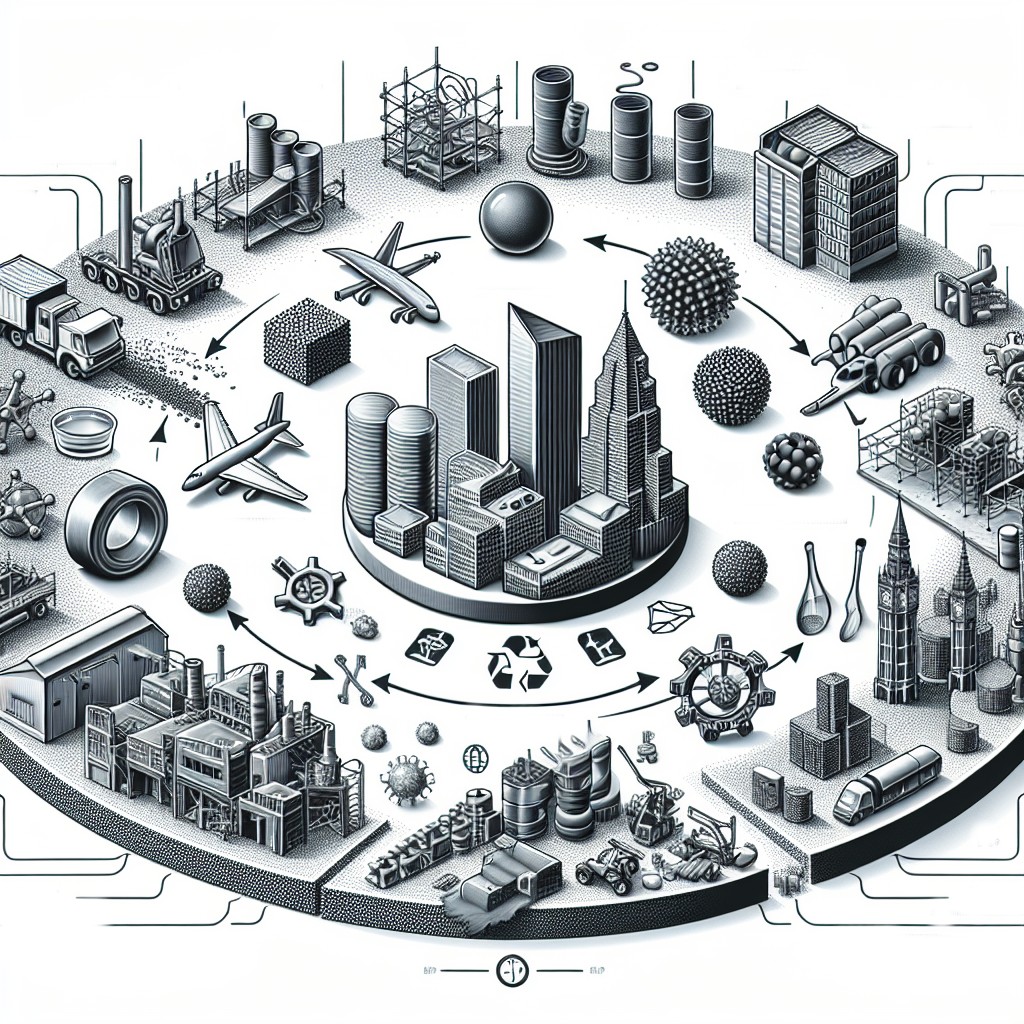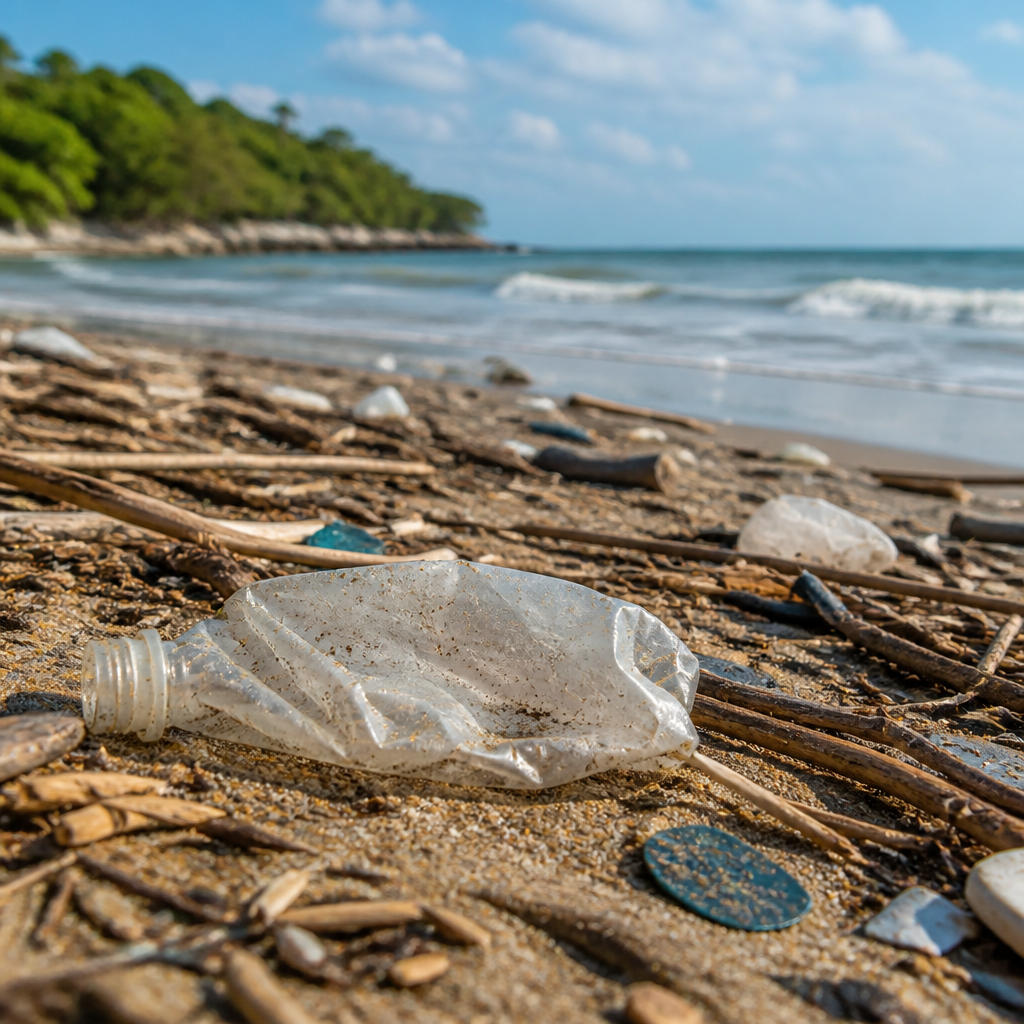
Biodegradable polymers are reshaping how manufacturers, policymakers, and consumers think about waste because they offer a route to useful materials that can break down under biological action instead of persisting for decades or centuries. In materials science, a polymer is a large molecule built from repeating units, and a biodegradable polymer is one whose chains can be cleaved by microorganisms, enzymes, moisture, heat, or a combination of these factors into smaller compounds that nature can assimilate. That definition sounds simple, but in practice the environmental impact depends on chemistry, product design, disposal pathways, and local waste infrastructure. I have worked on packaging evaluations where a material labeled compostable performed well in an industrial composting trial yet remained largely unchanged in a cold backyard pile, and that gap between marketing and real-world conditions is exactly why this topic matters.
The role of biodegradable polymers in reducing pollution sits at the center of the broader materials and properties discussion because pollution is not created only at the point of disposal. It is shaped across the full life cycle: feedstock extraction, polymerization, converting, use, collection, sorting, treatment, and final degradation. Conventional plastics such as polyethylene, polypropylene, and polystyrene are durable, cheap, and versatile, but that durability becomes a liability when items escape waste systems and accumulate in rivers, soils, and oceans. According to the United Nations Environment Programme, plastic pollution spans macroplastics, microplastics, additives, and greenhouse gas emissions linked to production and waste management. Biodegradable polymers can reduce some of these burdens, especially where products are contaminated with food or are difficult to recycle mechanically, yet they are not a universal replacement for all plastics.
Key terms are worth defining clearly. Biodegradable does not automatically mean compostable, bio-based, non-toxic, or marine degradable. A polymer can be fossil-derived and still biodegradable, as with polycaprolactone in some formulations. A polymer can be bio-based and not readily biodegradable, as with bio-based polyethylene made from sugarcane ethanol. Compostable materials must meet specific performance standards, including disintegration and limits on ecotoxicity, under defined composting conditions. Common standards include ASTM D6400, ASTM D6868, EN 13432, and ISO methods used to assess biodegradation. Environmental impact, in this context, means measurable effects on litter persistence, microplastic generation, landfill burden, organic waste diversion, carbon emissions, soil and water quality, and toxicity from breakdown products or additives.
Understanding these distinctions helps explain why biodegradable polymers are increasingly used in food-service ware, mulch films, compost bags, agricultural clips, controlled-release systems, and some medical applications. The best uses are usually those where the material solves a specific waste-management problem rather than simply replacing a conventional plastic one-for-one. A compostable caddy liner can help collect household food scraps cleanly and increase organics diversion. A biodegradable agricultural mulch can reduce labor and plastic retrieval costs after harvest. A resorbable suture can avoid surgical removal. In each case, the value comes from system fit. This article serves as the environmental impact hub for the materials and properties subtopic by examining where biodegradable polymers reduce pollution, where they fall short, and what conditions determine success.
How biodegradable polymers reduce pollution across the life cycle
Biodegradable polymers reduce pollution most effectively when they shorten the persistence of materials that are likely to become contaminated, dispersed, or difficult to recover. In my experience assessing end-of-life options, the strongest cases involve items that trap food residues, contact wet organics, or are used outdoors in ways that make retrieval inefficient. Examples include compostable food-soiled packaging, organics collection bags, and mulch films. When these products enter the correct treatment stream, they can divert organic waste from landfill, reduce litter persistence, and lower the volume of contaminated conventional plastic sent to disposal. The mechanism is not magic; it is a coordinated system in which the polymer chemistry is matched to microbial conditions that support depolymerization and mineralization.
Pollution reduction can occur in several ways. First, biodegradable polymers may lower visible litter duration if they are exposed to active composting or biologically rich soil environments designed for degradation. Second, they can help capture food waste, which matters because food waste in landfills generates methane when unmanaged, while composting can return nutrients to soil. Third, in certain applications they can reduce secondary pollution from fragmenting plastics that are costly to collect. Fourth, some biodegradable polymers are made partly or wholly from renewable feedstocks, which can improve fossil resource use, though the climate benefit depends on farming inputs, process energy, and land-use impacts. Life-cycle assessment is the correct tool here; broad claims without boundary conditions are unreliable.
That said, reduction is conditional, not guaranteed. A fork marketed as biodegradable does little for pollution if it is littered on a dry roadside or buried in an oxygen-poor landfill not designed for rapid biodegradation. Mis-sorting can also create problems. Compostable plastics mixed into polyethylene recycling can reduce recycled resin quality, while conventional plastics contaminating compost can leave visible fragments in the finished product. The environmental value therefore depends on collection labeling, sorting technology, processing capacity, and public understanding. The material must fit the waste stream, and the waste stream must exist at scale.
Major biodegradable polymer families and their environmental profiles
The most commercially important biodegradable polymers include polylactic acid, polyhydroxyalkanoates, starch blends, polybutylene adipate terephthalate, polybutylene succinate, cellulose-based materials, and polycaprolactone in specialty blends. Polylactic acid, or PLA, is made from fermented plant sugars, commonly corn dextrose. It offers good clarity and stiffness and is widely used in cold cups, trays, and filaments. PLA is industrially compostable but generally requires elevated temperatures to break down efficiently. In unmanaged environments, degradation is far slower, so its pollution reduction potential depends heavily on access to commercial composting.
Polyhydroxyalkanoates, or PHAs, are produced by microorganisms as intracellular energy-storage polymers. They are notable because some grades can biodegrade in a wider range of environments than PLA, including soil and certain marine conditions, although rate and completeness still vary by formulation and setting. PHAs are promising for coatings, food packaging, agricultural films, and biomedical products, but they remain more expensive and can present processing challenges such as brittleness or thermal instability. Starch blends combine thermoplastic starch with other biodegradable components to improve flexibility and processability. They are common in compostable bags and loose-fill packaging, where rapid disintegration is useful.
PBAT, a flexible aliphatic-aromatic copolyester, is often blended with PLA or starch to balance toughness and compostability. PBS has attracted attention for films and molded products because of its mechanical performance, and bio-based routes to succinic acid can improve renewable content. Cellulose films and regenerated cellulose products have a long history and can perform well when coatings and additives are compatible with biodegradation goals. The table below compares common options at a practical level.
| Polymer | Typical applications | Best environmental advantage | Main limitation |
|---|---|---|---|
| PLA | Cups, trays, clamshells, fiber, 3D printing | Strong fit for industrial composting with food-soiled items | Slow breakdown outside managed high-heat systems |
| PHA | Films, coatings, food service, medical uses | Potential biodegradation across more environments | Higher cost and narrower processing window |
| Starch blends | Compost bags, mailers, loose fill | Rapid disintegration and renewable feedstock content | Moisture sensitivity and lower performance in some formats |
| PBAT blends | Flexible films, produce bags, mulch films | Toughness that supports thin-gauge applications | Often misunderstood because not all grades are bio-based |
| PBS | Films, cutlery, molded goods | Balanced mechanical properties and compostability potential | Infrastructure and cost constraints |
Environmental benefits in packaging, agriculture, and medicine
Packaging is the most visible use case, and it is where biodegradable polymers can reduce pollution when products are likely to be food-soiled and therefore unsuitable for conventional recycling. Certified compostable coffee pods, produce stickers, tea bags, and food scrap liners can improve organics collection by allowing consumers and kitchens to place food and packaging together in one bin. Several municipal pilots in Europe and North America have reported cleaner participation when compostable liners are permitted because residents are more willing to separate wet waste. In stadiums, universities, and closed venues, where waste streams can be controlled, compostable serviceware often performs best because signage, staffing, and back-of-house sorting reinforce correct disposal.
In agriculture, biodegradable mulch films are one of the clearest pollution-reduction applications. Traditional polyethylene mulch improves weed control, moisture retention, and yield, but removing thin contaminated film after harvest is labor intensive and rarely perfect. Residual fragments can remain in the field and accumulate over time. Soil-biodegradable mulch films, when validated to recognized standards and matched to local conditions, can be tilled into soil after use, reducing retrieval waste and field contamination. Farmers still need evidence on degradation rate, crop compatibility, and soil effects, but the potential to prevent legacy plastic buildup is significant.
Medical and pharmaceutical uses illustrate a different pollution logic. Biodegradable polymers such as polyglycolic acid, polylactic-co-glycolic acid, and PCL are used in sutures, implants, tissue scaffolds, and drug-delivery systems because they safely break down in the body. These applications are not the largest contributors to environmental pollution, yet they demonstrate an important design principle: the most successful biodegradable material is one engineered for a defined service life followed by controlled breakdown into known products. That same principle should guide environmental applications. If the degradation pathway, timescale, and receiving environment are not defined, claims about pollution reduction are weak.
Limits, tradeoffs, and common misconceptions
The biggest misconception is that biodegradable means a product will disappear quickly anywhere. It will not. Biodegradation is environment specific. Temperature, moisture, oxygen, pH, microbial community, item thickness, crystallinity, pigments, and multilayer structure all affect rate. Industrial composting commonly operates around 50 to 60 degrees Celsius with controlled aeration and turning; a cool home compost pile does not replicate those conditions. Marine degradation is even more variable because seawater is colder, nutrient availability differs, and oxygen can be limited in sediments. Claims that overpromise encourage littering and undermine trust.
Another tradeoff is contamination of recycling streams. Compostable and conventional plastics can look nearly identical, and many materials recovery facilities are not equipped to distinguish them consistently. Near-infrared sorting has improved, but small-format items still escape detection. When compostable articles enter PET or PE recycling, they can lower product quality or create defects during remelting. Conversely, when conventional plastics enter composting, they may fragment and leave persistent contamination. This is why successful programs rely on targeted applications, standardized labeling, and coordination between brands, haulers, composters, and municipalities.
There are also legitimate questions about greenhouse gas emissions, land use, and additives. A bio-based feedstock is not automatically low impact if cultivation requires intensive fertilizer use, irrigation, or land conversion. A compostable product with heavy inks, barrier coatings, or PFAS treatments can compromise environmental performance even if the base polymer is biodegradable. Some facilities do not accept compostable packaging because residence times are short and operators prioritize clean compost over packaging claims. The honest conclusion is that biodegradable polymers are valuable tools, but only inside well-designed systems with realistic expectations and measurable outcomes.
What determines success: standards, infrastructure, and design choices
Three factors determine whether biodegradable polymers actually reduce pollution: credible standards, compatible infrastructure, and product design aligned with end-of-life reality. Standards matter because they turn vague claims into testable requirements. EN 13432 and ASTM D6400, for example, evaluate biodegradation, disintegration, and ecotoxicity under composting conditions. For agricultural films, standards such as EN 17033 provide more relevant criteria. Certifications from organizations including TÜV Austria, BPI, and Din Certco help buyers verify claims, though certification scope must match the intended environment. A compostability certificate does not prove backyard, soil, or marine biodegradation unless specifically stated.
Infrastructure is the practical bottleneck. If a city lacks curbside organics collection or local industrial composting, compostable packaging may end up in landfill or incineration, limiting its advantage. Closed systems often succeed first because they control procurement and disposal together. I have seen food venues cut contamination sharply when they simplified materials to a single accepted family and trained staff at sorting stations. Design choices then amplify the benefit: avoid unnecessary multilayers, use minimal compatible inks and adhesives, specify clear markings, and choose formats that solve a real contamination problem rather than replace recyclable rigid packaging that already has a strong recovery pathway.
For organizations building an environmental impact strategy under the wider materials and properties umbrella, the practical approach is simple. Map the product’s use phase, identify the likely disposal route, verify claims against recognized standards, and pilot locally before scaling. Biodegradable polymers reduce pollution best where they capture organics, prevent hard-to-recover residues, or replace films that otherwise persist in soil. They are less compelling where durable reuse or established recycling already performs well. The main benefit is precision: matching material properties to the environment they enter after use. Audit your current products, ask where waste actually goes, and choose biodegradable polymers only where the full system supports their promise.
Frequently Asked Questions
What are biodegradable polymers, and how are they different from conventional plastics?
Biodegradable polymers are materials made of long molecular chains that are designed to break down through the action of microorganisms, enzymes, moisture, heat, oxygen, or a combination of environmental conditions. Unlike conventional plastics such as polyethylene, polypropylene, and polystyrene, which can remain in landfills, waterways, and soils for decades or even centuries, biodegradable polymers are engineered so their chemical bonds can be cleaved into smaller compounds that natural systems can further process. Depending on the material and the disposal environment, the end products may include water, carbon dioxide, methane under anaerobic conditions, biomass, and other naturally occurring substances.
The key difference is not simply that one material disappears faster than another, but that biodegradable polymers are intended to enter a biological breakdown pathway rather than persist as long-term waste. However, that does not mean all biodegradable polymers behave the same way. Some require industrial composting conditions with controlled heat and humidity, while others can degrade in soil, marine settings, or home compost systems more readily. This is why understanding the specific polymer type, its certification, and its intended end-of-life pathway is essential. In short, biodegradable polymers represent a materials strategy for reducing persistence in the environment, but their real-world benefits depend on matching the right material to the right application and disposal system.
How do biodegradable polymers help reduce pollution?
Biodegradable polymers help reduce pollution primarily by lowering the long-term accumulation of plastic waste in the environment. Traditional plastics are durable by design, which makes them useful in packaging, construction, and consumer goods, but that same durability becomes a major pollution problem when products are discarded after short use. Biodegradable polymers offer an alternative for selected applications by allowing materials to break down more quickly under appropriate conditions, reducing the volume of persistent waste that would otherwise build up in landfills, streets, rivers, and coastal ecosystems.
They can be especially valuable in sectors where plastic contamination is difficult to avoid or recover completely. Examples include food-soiled packaging, agricultural mulch films, compost collection bags, and certain single-use service items. In these cases, biodegradable polymers may improve organic waste diversion, reduce contamination in compost streams, and lessen the environmental burden associated with plastic fragments left in soil or mixed with food waste. They can also support broader circular economy goals by encouraging product designs that account for disposal from the start rather than treating waste management as an afterthought.
That said, biodegradable polymers are not a stand-alone solution to pollution. Their pollution-reduction value depends on responsible use, proper collection systems, clear labeling, and realistic public understanding. If they are littered, sent to the wrong waste stream, or used in applications better served by durable reusable materials, the environmental gains may be limited. Their greatest contribution comes when they are applied strategically in systems designed to capture and process them effectively.
Do biodegradable polymers break down anywhere in nature, including oceans and landfills?
No, biodegradable does not mean a material will reliably break down in every environment. This is one of the most important points for consumers and decision-makers to understand. The rate and extent of degradation depend heavily on environmental conditions such as temperature, moisture, oxygen availability, microbial activity, pH, and exposure to sunlight. A polymer that breaks down efficiently in an industrial composting facility may degrade very slowly in a cold marine environment or in a dry landfill where biological activity is limited.
Landfills, in particular, are often poor environments for complete biodegradation because waste is compacted and oxygen is scarce. In anaerobic conditions, some materials may decompose slowly and generate methane if the gas is not captured. Marine environments present a different challenge: lower temperatures, variable microbial populations, and reduced mechanical processing can all slow degradation. This means products labeled biodegradable should not be assumed to be safe to discard into nature. They still require proper waste management.
For this reason, scientists, regulators, and standards organizations rely on testing and certification to define where and how a biodegradable polymer performs. Terms such as industrially compostable, home compostable, soil biodegradable, or marine biodegradable are not interchangeable. Each describes a specific performance profile under tested conditions. The practical takeaway is simple: biodegradable polymers can help reduce pollution, but only when their end-of-life environment matches the conditions under which they are designed to break down.
What are the most common uses of biodegradable polymers today?
Biodegradable polymers are used most often in applications where short product life, contamination with organic matter, or difficult retrieval makes conventional plastics less ideal. One of the best-known uses is in packaging, especially food packaging, compostable bags, produce films, and disposable food-service items. Because these products often become mixed with food residues, biodegradable alternatives can sometimes improve composting and organic waste collection when local infrastructure supports it. This can reduce the amount of food waste sent to landfills and help divert more material into managed biological treatment systems.
Another important area is agriculture. Biodegradable mulch films, plant pots, seed coatings, and controlled-release delivery systems can reduce the need to recover thin plastic films from fields after use. In traditional agriculture, collecting and disposing of contaminated plastic films can be labor-intensive and expensive, and residues may remain in the soil. Biodegradable polymer solutions are being developed to address this issue by allowing materials to break down after they have served their purpose, provided field conditions and product formulations are suitable.
Medical applications also make use of biodegradable polymers because temporary materials can be highly beneficial inside the body. Sutures, drug-delivery systems, tissue engineering scaffolds, and certain implants may be designed to degrade safely over time, eliminating the need for additional removal procedures. Beyond these sectors, biodegradable polymers are increasingly appearing in consumer goods, 3D printing materials, and specialty textiles. Even so, they are not automatically the best choice for every product. Long-life applications often still require highly durable materials, and the strongest environmental case for biodegradable polymers remains in targeted uses where recovery, cleaning, or reuse is impractical.
What challenges and limitations do biodegradable polymers still face?
Although biodegradable polymers have significant promise, they also face technical, economic, and infrastructure-related limitations. One major challenge is performance. In many applications, manufacturers need materials with specific strength, flexibility, heat resistance, barrier properties, and shelf-life stability. Some biodegradable polymers meet these requirements well, while others may still fall short compared with conventional plastics, especially in demanding industrial or high-temperature settings. Researchers continue to improve formulations, blends, and processing methods, but performance trade-offs remain an important consideration.
Cost is another barrier. Biodegradable polymers can be more expensive to produce than commodity plastics, particularly when feedstock supply, manufacturing scale, and certification requirements are taken into account. This can slow adoption in price-sensitive sectors unless regulations, procurement policies, or consumer demand create incentives for switching. In addition, waste management systems are not yet universally prepared to handle these materials. Without clear labeling, consumer education, and access to composting or specialized processing facilities, biodegradable polymers may end up in landfills, incinerators, or recycling streams where they provide less benefit and may even create sorting complications.
There is also the challenge of public perception. Many people assume biodegradable means harmless, litter-safe, or instantly disappearing, which is inaccurate and can encourage careless disposal. Effective policy and communication must stress that biodegradable polymers are tools for better material management, not permission to ignore waste responsibility. Finally, life-cycle impacts matter. To judge whether a biodegradable polymer is truly reducing pollution and environmental harm, it is important to consider raw material sourcing, energy use, emissions, water demand, and end-of-life outcomes. The field is advancing quickly, but the most successful path forward will combine better materials, better disposal systems, and smarter product design rather than relying on biodegradability alone.