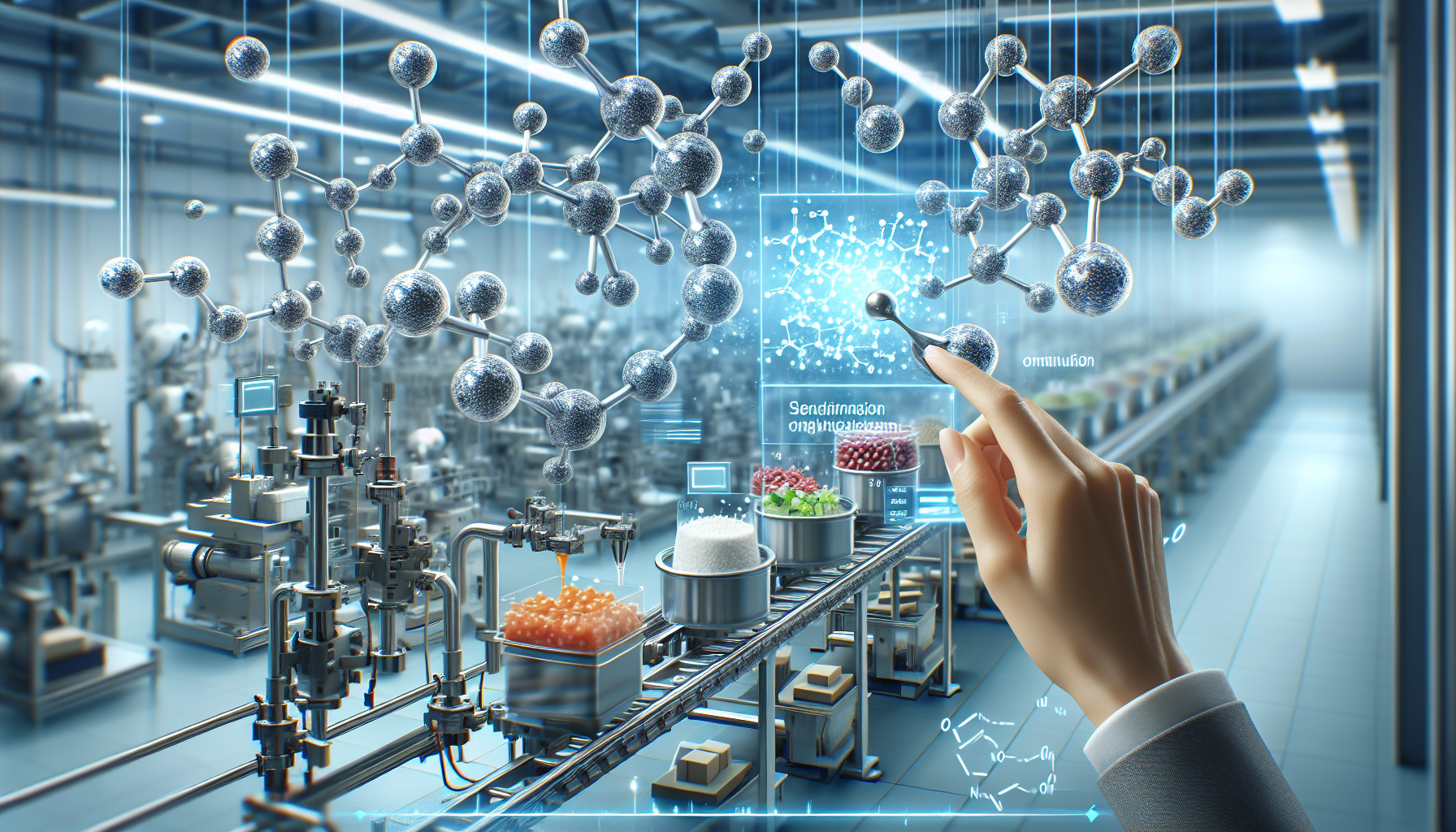
Polymers are reshaping food and beverage processing by improving hygiene, extending shelf life, reducing waste, and enabling equipment to run faster with fewer failures. In this context, polymers are large-chain materials engineered as plastics, elastomers, fibers, coatings, membranes, and composite components used in contact surfaces, seals, filters, packaging, conveyor systems, and processing aids. I have seen facilities move from legacy metal-only designs to polymer-intensive lines because the operational gains are measurable: lower maintenance, cleaner changeovers, lighter parts, and better product protection. For processors under pressure to cut downtime, meet stricter safety rules, and handle more demanding product formats, polymers matter because they affect nearly every stage, from ingredient handling and thermal processing to filling, storage, and distribution. This article explains how polymers enhance food and beverage processing, where they deliver the most value, what limitations must be managed, and which additional applications deserve attention across modern production environments.
Why polymers are now central to processing performance
Food-grade polymers have become core engineering materials because they solve problems that stainless steel, glass, and ceramics cannot solve alone. Stainless steel remains essential for tanks, pipes, and structural frames, but polymers add low friction, chemical resistance, flexibility, impact tolerance, electrical insulation, and design freedom. Common examples include polyethylene for bottles and liners, polypropylene for caps and trays, PET for beverage containers, polyamide for barrier layers, PTFE for nonstick and low-friction components, UHMW-PE for wear strips, silicone and EPDM for seals, and PVDF or PES in filtration membranes. In practice, processors choose these materials based on migration limits, temperature exposure, cleaning chemistry, mechanical load, oxygen or moisture barrier targets, and compliance with FDA, EU Framework Regulation 1935/2004, and relevant food-contact declarations.
The value is practical. A bakery line using UHMW-PE guide rails can reduce conveyor noise and wear while lowering lubrication needs. A dairy plant switching to high-performance polymer valve seats and gaskets can improve clean-in-place reliability and reduce microleak risks. A beverage filler using PET bottles instead of glass cuts transport weight dramatically, helping line speeds and shipping efficiency. Material selection is never just about cost per kilogram; it is about total cost of ownership, product safety, and uptime. That is why processors increasingly evaluate polymers through hazard analysis, validation testing, and lifecycle metrics rather than treating them as simple commodity plastics.
Food contact materials, compliance, and safe design
When processors ask whether polymers are safe for food and beverage applications, the direct answer is yes, if the material is correctly specified, processed, and used within validated limits. Safety depends on formulation, additives, expected contact time, food type, temperature, and cleaning regime. Migration testing matters because fatty, acidic, alcoholic, or hot-fill products can challenge materials differently. In my experience, the biggest specification mistakes come from assuming a polymer family is universally suitable. Two grades of polypropylene may perform very differently once stabilizers, colorants, slip agents, or recycled content are considered. The right process is to request a declaration of compliance, verify traceability, and confirm resistance to the actual detergents and sanitizers used on site.
Good hygienic design also determines whether a polymer component performs safely over time. Surfaces should resist cracking, crazing, and swelling; joints should avoid dead zones; seals should maintain compression set resistance; and components should withstand repeated washdown without shedding particles. Standards and guidance from EHEDG, 3-A Sanitary Standards, and equipment OEMs help processors align material choice with hygienic engineering. For example, silicone gaskets may be ideal for temperature flexibility, while PTFE may better resist aggressive chemicals but lack the same elasticity. The correct decision depends on the process, not a generic ranking.
Packaging and barrier systems that preserve product quality
One of the most visible ways polymers enhance food and beverage processing is through packaging. Flexible films, rigid containers, multilayer bottles, lidding materials, retort pouches, and aseptic cartons all rely on polymer science to control oxygen ingress, moisture transfer, aroma loss, light exposure, and mechanical damage. For oxygen-sensitive foods such as processed meats, cheese, roasted coffee, and ready meals, barrier polymers help preserve flavor, color, and microbial stability. In beverages, PET transformed carbonated soft drink packaging because it offers clarity, strength, and processability at scale, while barrier enhancements and scavenger technologies help protect more sensitive juices and teas.
Additional applications go well beyond the bottle or tray. Polymer coatings on metal cans reduce corrosion and preserve taste. Heat-sealable films support faster form-fill-seal operations. Modified atmosphere packaging depends on films with carefully tuned gas permeability. Active packaging systems can include oxygen absorbers or moisture regulators integrated into polymer structures. I have also seen mono-material packaging programs reshape line design, because brands want easier recycling without sacrificing machinability. That change affects sealing temperatures, film stiffness, puncture resistance, and shelf-life validation, so processors must balance sustainability goals with production realities.
Filtration, separation, and membrane processing
Membrane technology is another major area where polymers improve food and beverage processing. Polymeric membranes made from PES, PVDF, cellulose acetate, and other engineered materials are widely used for microfiltration, ultrafiltration, nanofiltration, and reverse osmosis. These systems clarify juices, standardize dairy streams, concentrate proteins, recover water, and remove microbes with less thermal damage than conventional heating alone. In breweries, membrane filtration can support beer clarification while preserving sensory attributes. In dairy, ultrafiltration is central to whey protein concentration and milk standardization. In water treatment for beverage plants, reverse osmosis improves source water consistency, which directly affects taste and process control.
The processing advantage is selective separation with lower energy demand than evaporation or extensive thermal treatment in many use cases. However, membrane choice is technical. Fouling behavior depends on pore size, surface chemistry, crossflow velocity, pressure, and feed composition. Caustic cleaning may be acceptable for one membrane but damaging for another. Plants that treat membranes as consumables without optimizing pretreatment usually spend too much and lose throughput. The best operations monitor flux decline, normalize performance data, and adjust cleaning protocols before irreversible fouling sets in. Done correctly, polymer membranes deliver product consistency, resource efficiency, and gentler handling of heat-sensitive ingredients.
Equipment components, line efficiency, and wear reduction
Many of the most valuable polymer applications are hidden inside processing equipment. Bearings, bushings, wear strips, scrapers, star wheels, rollers, valve seats, pump components, diaphragms, hoses, and seals often use engineered polymers because they reduce friction, resist corrosion, and absorb impact better than metal alternatives. In washdown environments, polymers avoid rust and can lower the need for external lubrication. On high-speed packaging lines, acetal and UHMW-PE components help containers move smoothly while reducing noise and abrasion. In meat and poultry plants, polymer cutting boards and modular belts are easier to replace in sections than full metal assemblies, supporting faster maintenance windows.
These gains matter because unplanned downtime is expensive. A failed gasket can shut down a filler. Excessive conveyor wear can generate particles and jams. A poorly chosen hose liner can absorb flavors or crack under sanitizing chemicals. Material matching is therefore essential. PTFE excels in chemical resistance and low friction, PEEK handles high temperatures and mechanical loads, TPU offers abrasion resistance in some dynamic applications, and silicone remains a strong choice for flexible tubing and seals. The engineering task is to map each component to temperature, stress, media exposure, and cleaning cycle frequency, then validate replacement intervals instead of waiting for failure.
Additional applications across the processing chain
Because this hub covers additional applications, it is useful to view polymers as enablers across the full production chain rather than as isolated packaging materials. They support ingredient storage, product transfer, thermal processing, dispensing, coding, warehousing, and even plant utilities. In frozen food operations, insulated polymer panels and door systems help maintain temperature control while reducing energy loss. In ingredient handling, antistatic polymer liners and flexible intermediate bulk containers improve powder flow and reduce contamination risk. In aseptic processing, polymer closures and sterile connectors support sealed transfer. In beverage dispensing, multilayer tubing can preserve carbonation and reduce flavor scalping. In smart factories, polymer housings protect sensors, cables, and machine vision equipment in aggressive washdown zones.
| Application area | Typical polymer solutions | Main processing benefit |
|---|---|---|
| Conveying and handling | UHMW-PE guides, acetal star wheels, modular plastic belts | Lower wear, smoother transport, reduced noise |
| Sealing and fluid control | Silicone, EPDM, PTFE, PEEK seats and gaskets | Leak prevention, chemical resistance, hygienic reliability |
| Filtration and separation | PVDF, PES, cellulose acetate membranes | Clarification, concentration, microbial control |
| Packaging and shelf life | PET, PE, PP, EVOH multilayers, coatings | Barrier protection, lightweighting, faster line speeds |
| Utilities and plant infrastructure | Insulation foams, cable jackets, protective housings | Energy savings, durability, washdown protection |
These examples show why polymers belong in broader application planning. They are not only materials for consumer-facing packs; they also improve sanitation workflows, plant ergonomics, and utility efficiency behind the scenes. For a sub-pillar hub, this is the key insight: polymer value compounds when processors assess the entire system, including support functions that rarely appear in marketing copy but strongly influence yield and uptime.
Sustainability, recyclability, and realistic tradeoffs
Polymers can support sustainability, but the story is nuanced. Lightweight packaging lowers transportation emissions, resealable formats can reduce food waste, and high-performance films can extend shelf life for perishable products. Reusable polymer crates and pallets often outperform single-use alternatives across repeated logistics cycles. Membrane processes can cut energy and water use. At the same time, multilayer structures are harder to recycle, some food-contact applications have limited recycled-content options, and poor end-of-life systems undermine the benefits of even efficient materials. The best processors now evaluate polymers with lifecycle assessment, paying attention to downgauging potential, recycled resin compatibility, mono-material redesign, and line efficiency impacts.
I recommend avoiding simplistic claims that one material is always greener than another. Glass may be highly recyclable but heavier to transport. Paper-based formats often still depend on polymer coatings or barriers. Compostable polymers can help in specific closed-loop systems, yet many require industrial composting infrastructure that is not widely available. The practical path is material optimization tied to actual recovery systems and product needs. For many food and beverage applications, that means designing for less material, longer shelf life, lower breakage, and feasible recycling rather than chasing a single headline metric.
How processors choose the right polymer for each application
Selecting the right polymer starts with the product and process conditions. Teams should define food type, fat or acid content, alcohol level, contact duration, maximum and minimum temperatures, pressure, mechanical stress, UV exposure, oxygen and moisture sensitivity, and all cleaning agents used in place. Next comes regulatory screening, supplier documentation, migration or extractables data where required, and machinability trials on the actual line. Finally, operations should compare lifespan, replacement labor, sanitation outcomes, and disposal or recycling pathways. A cheaper polymer that fails during hot caustic cleaning is not a saving. A premium grade that doubles service life and reduces contamination risk often is.
Cross-functional review is what separates robust choices from costly mistakes. Procurement may focus on unit price, maintenance on wear life, quality on compliance, and sustainability teams on end-of-life outcomes. The strongest projects bring those views together early. If you are building an applications content strategy around polymers, this hub should connect readers to deeper pages on packaging, membranes, conveyor components, seals and gaskets, coatings, reusable transport items, and smart manufacturing hardware. The central takeaway is consistent: polymers enhance food and beverage processing when they are chosen as engineered solutions, validated against real operating conditions, and integrated into broader performance goals. Review your current line component by component, identify where polymer upgrades can reduce risk or waste, and prioritize trials that deliver measurable operational gains.
Frequently Asked Questions
1. How are polymers improving food and beverage processing equipment?
Polymers are improving food and beverage processing equipment by solving practical performance issues that traditional materials alone do not always address efficiently. In modern plants, engineered polymers are used in wear strips, guide rails, seals, gaskets, valve seats, scraper blades, conveyor components, tubing, coatings, and machine housings because they can reduce friction, resist corrosion, and tolerate repeated washdown cycles. This translates into smoother product flow, less unplanned downtime, and more consistent operating performance across filling, mixing, conveying, filtration, and packaging systems.
One of the biggest advantages is that polymers help equipment run faster with fewer failures. Low-friction plastics and polymer composites can reduce drag on conveyor lines, which supports higher throughput and less product damage. Elastomeric seals and gaskets can maintain better sealing integrity under temperature swings, moisture exposure, and chemical cleaning conditions. In applications where metal parts may corrode, gall, or require frequent lubrication, the right polymer component can often deliver longer service life and cleaner operation.
Polymers also support design flexibility. Manufacturers can engineer them for specific food-contact requirements, mechanical loads, thermal conditions, and sanitation protocols. That means processors are no longer limited to all-metal designs in areas where lighter weight, impact resistance, nonstick performance, or chemical resistance would improve operations. Instead, they can select polymer-based components that are tailored to the exact processing environment. The result is equipment that is easier to maintain, better aligned with hygiene goals, and often more cost-effective over the long term.
2. Why are polymers important for hygiene and food safety in processing environments?
Polymers play a major role in hygiene and food safety because they can be engineered to create cleanable, durable, and contamination-resistant surfaces throughout the processing line. In food and beverage plants, every material choice matters. Contact surfaces, transfer systems, seals, filter media, and packaging layers all affect the risk of microbial growth, foreign material contamination, and product spoilage. Properly selected food-grade polymers help address these concerns by offering smooth surfaces, resistance to moisture absorption, and compatibility with aggressive cleaning and sanitizing procedures.
For example, polymer linings, coatings, and contact components can reduce residue buildup in ways that support more effective sanitation. Elastomer seals and gaskets are especially important because these are often critical points where leaks, trapped product, or cleaning failures can occur. High-performance polymer compounds are designed to maintain shape, flexibility, and sealing performance over time, even after repeated exposure to hot water, steam, acids, caustics, and disinfectants. That stability helps processors avoid sanitation gaps that could compromise food safety.
Another important benefit is that many polymers are formulated specifically to meet food-contact regulations and industry standards. When processors use compliant materials from reputable suppliers, they gain better traceability, documentation, and confidence that components are suitable for the application. Of course, hygiene depends on more than the material alone; it also requires proper equipment design, installation, maintenance, and cleaning validation. But when polymers are chosen correctly, they become a powerful tool for building safer, more sanitary processing systems that are easier to keep in compliance.
3. How do polymers help extend shelf life and reduce food waste?
Polymers help extend shelf life and reduce food waste in both processing and packaging. Inside the plant, polymer-based membranes, filters, tubing, seals, and coatings help preserve product quality by supporting controlled handling, minimizing contamination risk, and maintaining process consistency. Better control over moisture, oxygen exposure, filtration, and transfer conditions can prevent premature spoilage and reduce the number of products lost due to processing deviations. When equipment performs reliably and hygienically, fewer batches are rejected, reworked, or discarded.
Packaging is where polymer technology often has the most visible shelf-life impact. Advanced polymer films, multilayer structures, barrier coatings, and sealing materials can protect foods and beverages from oxygen, light, moisture loss, moisture gain, aroma transfer, and microbial intrusion. This is especially important for products like dairy, meat, beverages, sauces, ready meals, and snacks, where environmental exposure quickly affects taste, texture, freshness, and safety. By creating more effective barriers and stronger seals, polymers help products remain stable for longer periods during storage, transportation, and retail display.
Reducing waste is another major advantage. When products stay fresher longer, manufacturers lose less inventory, retailers face fewer expired goods, and consumers throw away less food at home. Lightweight polymer packaging can also reduce breakage compared with more fragile materials, which further cuts losses across the supply chain. In this way, polymers support waste reduction not just through preservation but also through durability, process reliability, and more efficient distribution. For companies focused on sustainability, this can be one of the most meaningful benefits of polymer adoption.
4. Are polymers replacing metal in food and beverage processing lines?
Polymers are not completely replacing metal, but they are increasingly complementing and, in some applications, outperforming metal in food and beverage processing lines. The shift is not about choosing one material category over the other in every case. It is about using the right material in the right place. Stainless steel remains essential for structural frames, tanks, high-load assemblies, and many core processing surfaces because of its strength, temperature tolerance, and long-established sanitation performance. However, legacy metal-only designs often include components that can be improved substantially with engineered polymers.
Processors are moving toward polymer-intensive systems in areas where metal creates avoidable drawbacks such as corrosion, excessive weight, noise, friction, or lubrication requirements. Conveyor guides, bearings, bushings, scraper parts, protective covers, flexible tubing, valve seats, and sealing elements are common examples where polymers offer clear operating advantages. In many of these applications, polymers reduce wear, lower maintenance frequency, improve chemical resistance, and simplify cleaning. They can also minimize metal-to-metal contact issues and improve machine efficiency during high-speed production.
The key point is that modern processing lines are becoming more material-optimized, not less rigorous. Engineers now build hybrid systems that combine stainless steel, elastomers, thermoplastics, composites, and specialty coatings to achieve better overall performance. This approach allows facilities to maintain strength where it is needed while gaining flexibility, lower friction, longer component life, and improved hygiene in secondary and high-wear areas. So while metal remains foundational, polymers are absolutely expanding their role and reshaping how high-performance food and beverage lines are designed.
5. What should manufacturers consider when selecting polymers for food and beverage applications?
Manufacturers should evaluate polymer selection through a full application-specific lens rather than choosing materials based only on initial cost. The most important considerations include food-contact compliance, chemical resistance, temperature range, wear performance, mechanical load, cleanability, moisture exposure, pressure conditions, and compatibility with cleaning agents such as caustics, acids, steam, and sanitizers. A polymer that performs well in a dry packaging line may fail quickly in a hot, wet, high-pressure washdown area, so the operating environment must always guide the decision.
It is also important to consider how the polymer will behave over time. Factors such as swelling, cracking, embrittlement, compression set, abrasion, creep, and dimensional stability can affect both safety and reliability. For example, a gasket material may meet food-contact standards but still be a poor choice if it loses elasticity after repeated thermal cycling. Likewise, a plastic wear strip may have excellent friction properties but may not be suitable if it cannot withstand cleaning chemistry or impact loading. Long-term performance data, not just catalog specifications, should drive final material selection.
Manufacturers should also work closely with experienced suppliers, equipment OEMs, and material specialists who understand food processing conditions and regulatory expectations. Documentation matters. Processors should verify certifications, traceability, compliance statements, and testing data for the intended use. In addition, installation quality and preventive maintenance should not be overlooked, because even an excellent polymer can underperform if it is poorly fitted or used outside design limits. When selected strategically, polymers can deliver major gains in uptime, hygiene, shelf-life protection, and total cost of ownership. The best outcomes come from treating material choice as a critical engineering decision, not a simple purchasing decision.