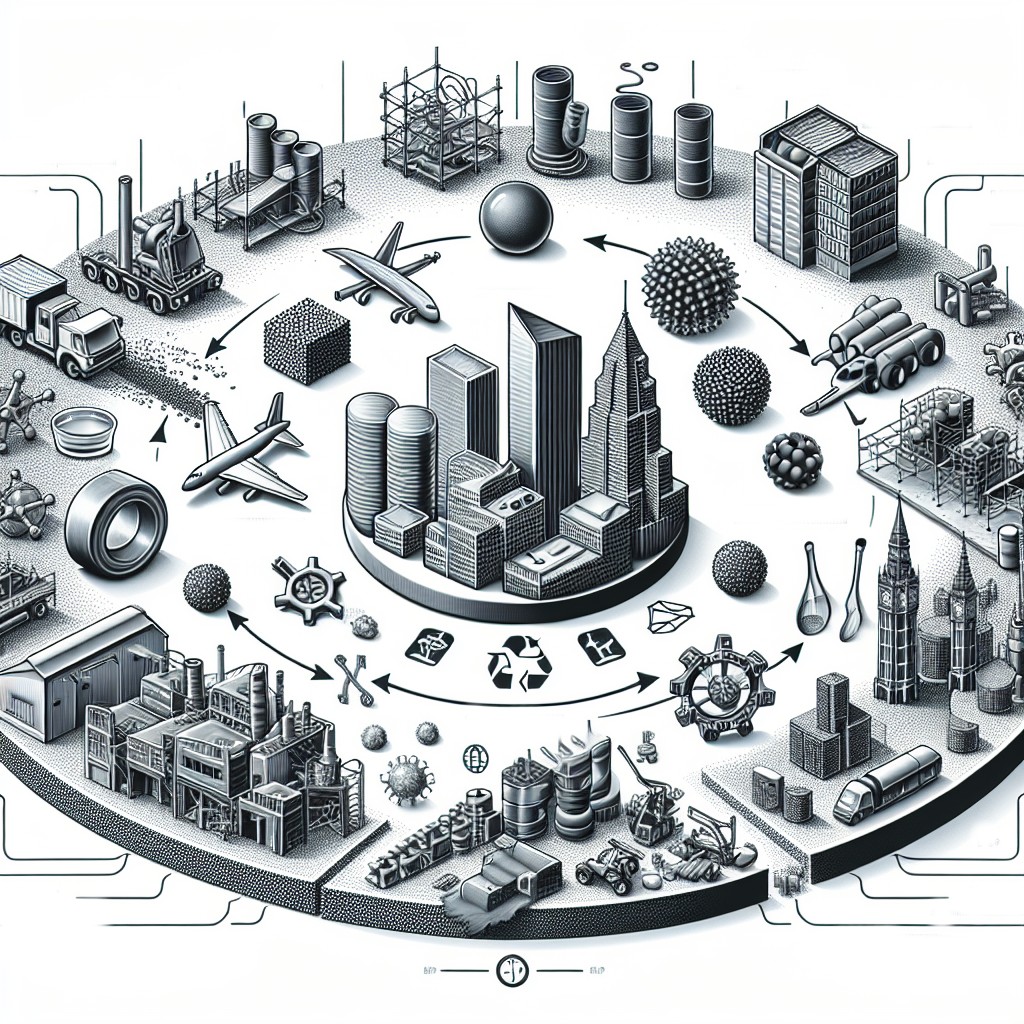
The polymer industry stands as a dynamic sector of materials science, profoundly influencing modern engineering, packaging, automotive, and aerospace industries. One of the focal points in polymer research and development is the creation of impact-resistant polymer composites. These composites, made by combining polymers with other materials such as fibers, aim to enhance their mechanical properties, particularly impact resistance. This article explores the latest innovations in the field of impact-resistant polymer composites, discussing materials, properties, applications, and future trends.
Introduction
Polymers are long-chain molecules that exhibit a variety of advantageous properties, including flexibility, elasticity, and resistance to chemicals. However, the inherent brittleness and limited mechanical strength of some pure polymers have driven research into composites, which combine polymers with reinforcing materials. The resulting polymer composites often exhibit superior properties, including remarkable impact resistance. This has opened a broad spectrum of applications, from automotive parts to protective gear. As the demand for materials that can withstand extreme conditions grows, innovation in impact-resistant polymer composites becomes even more critical. Exploring new materials, manufacturing techniques, and applications is pivotal for the continuous advancement of this vital field.
Innovative Materials in Impact-Resistant Composites
One of the significant advancements in polymer composites is the incorporation of nanomaterials. Nanoparticles, including carbon nanotubes, graphene, and nanoclays, have been shown to significantly enhance the impact resistance of polymer composites. For instance, carbon nanotubes, with their extraordinary strength and stiffness, when dispersed within a polymer matrix, provide remarkable improvements in mechanical properties. Moreover, the use of bio-based fibers such as hemp, flax, and jute as reinforcing materials has also gained traction. These natural fibers not only improve the impact resistance but also offer sustainable alternatives to synthetic fibers such as glass and carbon fibers. This shift towards eco-friendly composite materials reflects a growing commitment to sustainability in the polymer industry.
Manufacturing Techniques and Innovations
The production of impact-resistant polymer composites has seen significant innovations in manufacturing techniques. Advanced methods like injection molding, compression molding, and resin transfer molding have evolved to accommodate the integration of various reinforcing materials. Furthermore, the emergence of additive manufacturing, commonly known as 3D printing, has revolutionized the production of complex composite structures. By precisely controlling the deposition of materials layer by layer, 3D printing enables the creation of lightweight yet highly durable polymer composites with customized geometries. This level of customization is crucial for applications requiring tailored impact resistance profiles, such as aerospace components and sports equipment.

Applications of Impact-Resistant Polymer Composites
Impact-resistant polymer composites are widely used across multiple industries. In the automotive sector, they are employed to manufacture lightweight yet robust body panels, bumpers, and interior components that enhance fuel efficiency and passenger safety. The aerospace industry relies on these composites for structural components that must endure extreme forces and temperatures while remaining lightweight. In consumer electronics, impact-resistant polymers protect devices from drops and impacts, ensuring longevity and reliability. Moreover, protective equipment such as helmets, body armor, and athletic gear benefit from these composites, providing enhanced safety and performance. The broad application scope underscores the importance of continuous innovation in this area.
Challenges and Future Directions
Despite the significant advancements, the development of impact-resistant polymer composites faces several challenges. Achieving uniform dispersion of nanoparticles within the polymer matrix remains a complex task, often requiring sophisticated techniques and equipment. Additionally, the durability of bio-based fibers in harsh conditions and their compatibility with various polymers need further exploration. Addressing these challenges requires ongoing research and collaboration among material scientists, engineers, and industry stakeholders. The future of impact-resistant polymer composites lies in developing multifunctional materials that combine impact resistance with other desirable properties, such as flame retardancy, electrical conductivity, and UV resistance.
Conclusion
The quest for impact-resistant polymer composites continues to drive innovation in the polymer industry. By integrating advanced materials like nanomaterials and bio-based fibers and leveraging cutting-edge manufacturing techniques such as 3D printing, researchers and manufacturers are developing composites with superior performance. These materials play a critical role in various applications, from enhancing vehicle safety and efficiency to protecting electronic devices and ensuring the durability of sporting equipment. Although challenges remain, the trajectory of research and development in this field is promising. Continued advancements will not only push the boundaries of what these materials can achieve but also contribute to a more sustainable and resilient future.