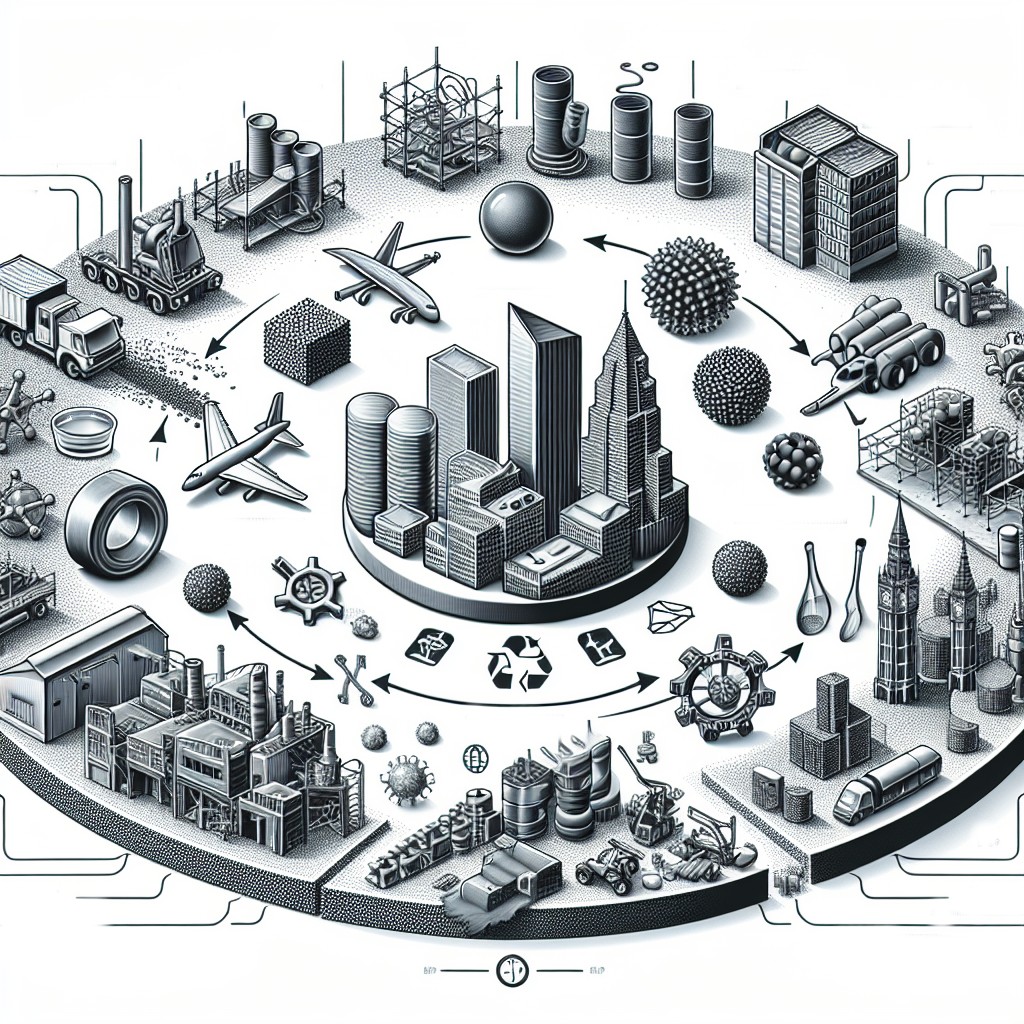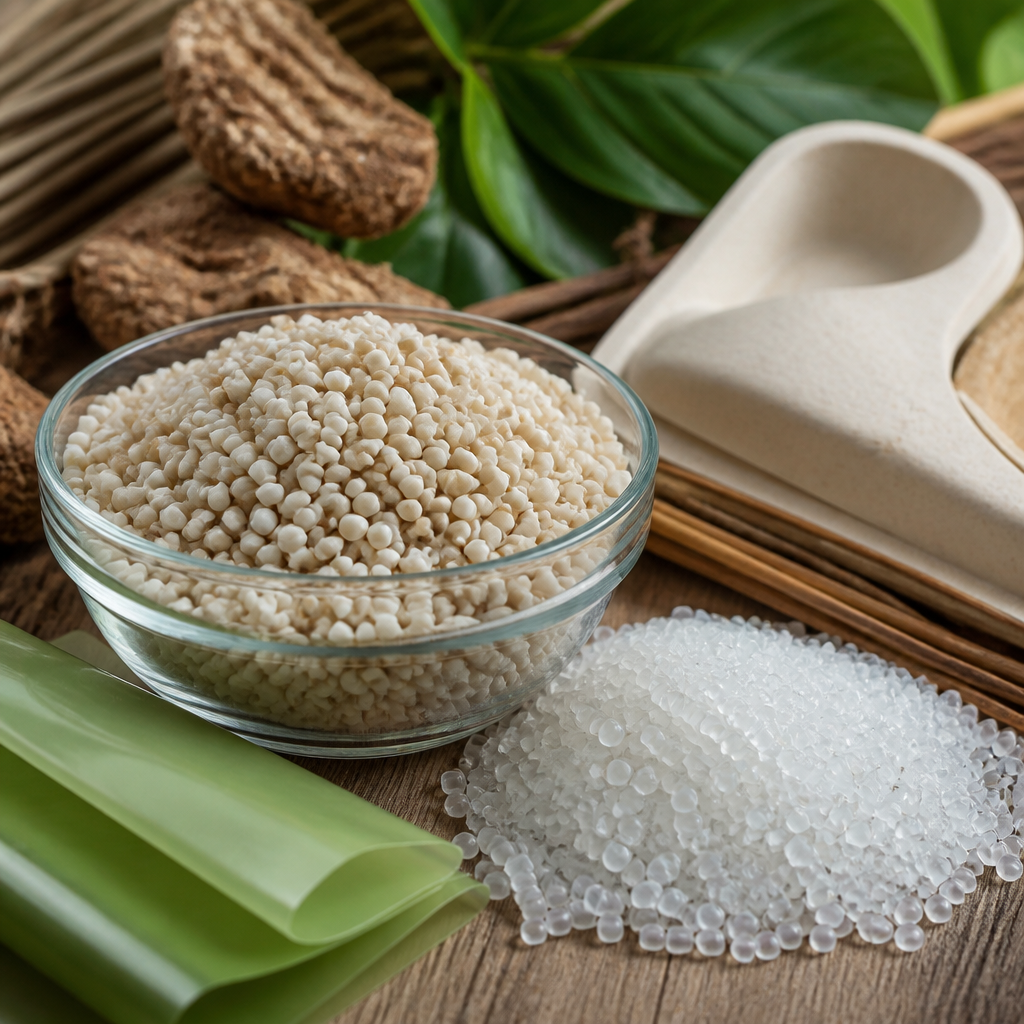
Innovations in sustainable polymer blends are reshaping how manufacturers reduce environmental impact without abandoning the performance modern products require. A polymer blend is a physical combination of two or more polymers designed to deliver a balance of properties that a single resin often cannot achieve alone. When that blend is called sustainable, it usually means the material lowers fossil resource use, cuts greenhouse gas emissions, improves recyclability, enables compostability in defined conditions, or incorporates renewable or recovered feedstocks. In practice, I have seen sustainability claims fail when teams focus on one metric, such as bio-based content, and ignore end-of-life behavior, contamination risk, or processing energy. The most credible innovation in sustainable polymer blends therefore starts with systems thinking.
Environmental impact matters because plastics sit at the intersection of climate, waste, water, land use, and chemical safety. Conventional polymers such as polyethylene, polypropylene, polystyrene, and PET have enabled lightweight packaging, medical sterility, and durable infrastructure, yet they also create persistent waste and rely heavily on petrochemical supply chains. Sustainable polymer blends aim to preserve the benefits of polymers while reducing harms across the life cycle. That life cycle includes feedstock extraction, polymerization, compounding, converting, use, collection, sorting, recycling, composting, energy recovery, and leakage into the environment. Every stage changes the environmental profile, so a good blend is not merely greener in theory; it performs better within a real collection and processing system.
As a hub topic within materials and properties, environmental impact should be understood through clear technical lenses. The key terms are life cycle assessment, carbon footprint, circularity, mechanical recycling, chemical recycling, biodegradation, compostability, renewable content, and compatibilization. Life cycle assessment compares impacts across categories such as global warming potential, eutrophication, acidification, and abiotic resource depletion. Compatibilization refers to additives or reactive chemistry that improve interfacial adhesion between otherwise immiscible polymers, which is crucial because many sustainable blends fail at the phase boundary. The current wave of innovation is not only about inventing new bioplastics. It is about matching material design to real waste infrastructure, preserving mechanical properties, minimizing additives that disrupt recycling, and proving improvements with standardized data.
How sustainable polymer blends reduce environmental impact
Sustainable polymer blends reduce environmental impact by changing feedstocks, extending product life, lowering processing burdens, and improving end-of-life outcomes. The strongest environmental gains usually come from preventing virgin resin demand. Blending recycled polyethylene with virgin polyethylene, for example, can cut embodied carbon while maintaining stiffness and impact resistance when odor, melt flow, and contamination are controlled. Similar gains appear in recycled PET blends used in thermoforms and fiber. In my own material selection work, the fastest wins often came from increasing recycled content in applications with moderate aesthetics requirements, because the qualification timeline was shorter than introducing an entirely new resin family.
Another route is blending bio-based polymers with conventional or recycled polymers to reduce fossil dependency. PLA blended with PBAT is a common example in compostable films, where PLA contributes stiffness and clarity while PBAT improves flexibility and toughness. Starch blends also remain relevant for bags, loose-fill, and certain agricultural uses, although moisture sensitivity and process stability must be managed carefully. These blends can reduce reliance on fossil feedstocks, but the environmental result depends on agricultural inputs, land use change, and whether the product actually reaches industrial composting. A bio-based blend that enters a landfill may not deliver the intended end-of-life benefit.
Design for durability is equally important. Extending service life lowers replacement frequency and often reduces total material throughput. Blends of polypropylene with elastomers, polyamides with recycled content, or engineering biopolyesters with impact modifiers can make parts last longer in appliances, automotive interiors, and consumer goods. However, there is a tradeoff: highly tailored multi-component blends may become harder to recycle if they are incompatible with established material streams. The best innovations therefore improve performance while remaining sortable, identifiable, and processable in existing recycling systems whenever possible.
Feedstocks, additives, and compatibilization strategies
The technical core of sustainable polymer blends lies in feedstock selection and compatibilization. Many polymers are immiscible, which means they separate into phases and exhibit weak interfaces, poor toughness, and inconsistent properties. Compatibilizers solve this by reducing interfacial tension or forming chemical bridges during melt processing. Maleic anhydride grafted polyolefins are widely used to couple polyethylene or polypropylene with polar materials such as polyamides, EVOH, cellulose fibers, or starch. Reactive extrusion with chain extenders can also rebuild molecular weight in recycled PET or PLA while improving blend morphology. These are not small details; morphology controls tensile strength, elongation, oxygen barrier, and long-term stability.
Additive choice has direct environmental implications. Stabilizers can preserve polymer properties through multiple processing cycles, enabling mechanical recycling rather than disposal. Antioxidants, UV stabilizers, and hydrolysis stabilizers are particularly important in recycled streams, where the material may already be degraded. At the same time, excessive or poorly selected additives can create compliance issues, complicate food-contact approval, and reduce recyclate quality. In packaging projects, I have repeatedly seen black colorants and complex adhesive layers undermine otherwise sound sustainability objectives because they hinder optical sorting and contaminate recycling output.
Natural fibers and mineral fillers offer another innovation pathway. Wood flour in polypropylene, cellulose in PLA, and calcium carbonate in polyolefins can reduce virgin polymer use, tune stiffness, and sometimes lower cost. Yet fillers are not automatically sustainable. If they make a pack too heavy, increase breakage, or interfere with reprocessing, their net benefit may disappear. Moisture uptake, interfacial adhesion, and dispersion quality all need close control. Sustainable blending is therefore less about marketing labels and more about balancing composition, processing, and the realities of post-use infrastructure.
Comparing environmental pathways for common blend strategies
Different blend strategies solve different environmental problems. Recycled-content blends primarily target carbon and resource conservation. Bio-based blends target fossil displacement and, in some cases, compostability. Durable engineering blends reduce replacement rates. Monomaterial-compatible blends improve recycling yield by fitting existing sortation streams. The right choice depends on product format, contamination risk, local regulation, and the recovery system actually available to users. A food tray sold in a region with strong PET bottle recycling may require a different design logic than an agricultural mulch film collected through farm programs or not collected at all.
| Blend strategy | Main environmental benefit | Typical example | Key limitation |
|---|---|---|---|
| Recycled-content blend | Lower virgin resin demand and carbon footprint | rPE blended with virgin PE for nonfood packaging | Contamination, odor, and property variability |
| Bio-based durable blend | Reduced fossil feedstock use | Bio-PA blended for automotive components | Feedstock sourcing and cost volatility |
| Compostable blend | Useful for organics-contaminated applications | PLA/PBAT film for food waste bags | Requires appropriate composting infrastructure |
| Recycling-compatible blend | Higher recovery in existing systems | PE-rich barrier film designed for PE recycling | Barrier and seal performance can be harder to achieve |
This comparison highlights a recurring truth: there is no universally best sustainable polymer blend. The strongest environmental option is the one aligned with use conditions and end-of-life reality. If contamination makes mechanical recycling unlikely, compostable blends can be justified in selected applications such as caddy liners and food-soiled serviceware, but only where certified composting access exists. If a product enters a mature polyolefin stream, a recycling-compatible structure usually delivers better circularity than a compostable alternative. Material innovation must follow waste system logic, not wishful thinking.
Standards, measurement, and proof of environmental claims
Reliable environmental impact assessment depends on standard methods. ISO 14040 and ISO 14044 define the framework for life cycle assessment, while product carbon footprint studies often follow ISO 14067 or the Greenhouse Gas Protocol. Compostability claims are commonly tested against ASTM D6400, ASTM D6868, EN 13432, or ISO 17088, depending on the product and market. Recycled content can be documented through chain-of-custody systems, and bio-based carbon content is often measured using ASTM D6866. These standards matter because two materials can both be called sustainable while performing very differently under disciplined measurement.
Life cycle assessment should be interpreted carefully. Results depend on system boundaries, functional unit, allocation method, electricity mix, transport distances, and assumptions about recycling rates. I have reviewed assessments where a blend looked superior only because landfill methane capture was overestimated or because the model assumed perfect collection of flexible films. Good practice requires sensitivity analysis and transparent scenario definition. For decision-makers, the most useful question is not whether one blend is green in absolute terms, but under what conditions it outperforms alternatives. That level of clarity prevents expensive material shifts that move impacts rather than reducing them.
Verification also includes performance testing. A blend that tears on high-speed packaging lines or fails drop tests can create more waste than the incumbent. Mechanical properties, seal integrity, migration compliance, weathering resistance, and process consistency are all part of environmental due diligence because premature failure has a material footprint. The most effective teams integrate sustainability metrics with design controls, supplier audits, and processing trials from the beginning instead of treating environmental claims as an afterthought.
Applications driving current innovation
Packaging remains the largest and most visible application area for sustainable polymer blends. Retail brands are moving toward mono-material PE and PP structures with tailored sealants, EVOH levels, and compatibilizers that preserve recyclability while maintaining shelf life. PET trays with higher recycled content are expanding, though thermoform-to-thermoform recycling still lags bottle recycling in many markets. In compostables, PLA/PBAT and starch-based blends serve food waste collection and selected fresh produce packs. The innovation focus is not just resin chemistry; it includes sortation markers, de-inking, wash-off labels, and adhesives that do not poison recycling streams.
Automotive and electronics applications show a different pattern. Here, durable bio-based polyamides, recycled polypropylene compounds, and fiber-reinforced blends help reduce weight and embedded emissions while meeting heat and impact requirements. OEMs increasingly ask for material passports, recycled content verification, and performance retention after aging. Building products also benefit from sustainable blends because service life is long and the carbon payoff from displacing virgin resin can accumulate over decades. Recycled PVC alternatives, wood-plastic composites, and polyolefin blends for piping and profiles are examples, although fire performance, creep resistance, and additives need strict control.
Medical uses remain more constrained because regulatory validation, sterilization compatibility, and extractables data are demanding. Even so, nonimplantable applications are beginning to test selected recycled-content strategies and bio-based feedstocks where traceability is robust. Across sectors, the pattern is consistent: successful innovation comes from co-design among polymer scientists, converters, recyclers, brand owners, and compliance teams. No blend is sustainable in isolation from the system that makes, uses, collects, and processes it.
Sustainable polymer blends deliver real environmental benefits when they are engineered for the full life cycle rather than for a single headline claim. The most important innovations combine recycled or renewable feedstocks with sound compatibilization, stable processing, and end-of-life pathways that exist in practice. Recycled-content blends often provide the fastest carbon reductions. Bio-based and compostable blends can be valuable in specific use cases, especially where contamination blocks conventional recycling. Recycling-compatible mono-material designs are increasingly important because they align product performance with established recovery infrastructure.
The central lesson is straightforward: environmental impact depends on fit. The right blend for a detergent pouch is not the right blend for an automotive panel, a medical tray, or a compost caddy liner. Teams should evaluate feedstock origin, additives, service life, collection likelihood, local recycling or composting access, and verified life cycle data before selecting a material. Standards-based testing and transparent assumptions are essential, because sustainability claims without proof create risk for both manufacturers and buyers.
As this hub within materials and properties, the topic should guide deeper exploration into recyclability, biodegradation, barrier design, mechanical performance, and regulatory compliance. Use these principles to assess every polymer blend decision: measure the full system, preserve function, and design for the most realistic end-of-life route. If you are developing or specifying materials, start with one product line, map its waste pathway, and compare blend options with real performance and life cycle evidence.
Frequently Asked Questions
What are sustainable polymer blends, and how are they different from conventional plastics?
Sustainable polymer blends are materials made by physically combining two or more polymers to create a new balance of performance, processing, and environmental benefits. Unlike conventional single-resin plastics that are often selected mainly for cost and mechanical performance, sustainable blends are designed with a broader set of goals in mind. These goals can include reducing dependence on virgin fossil-based feedstocks, lowering greenhouse gas emissions across the product life cycle, improving recyclability, increasing renewable or bio-based content, or enabling compostability in specific applications and waste systems.
What makes these blends especially important is that they allow manufacturers to fine-tune material behavior rather than relying on one polymer to do everything. For example, one component may contribute toughness, another may improve heat resistance, and a third may support biodegradation or renewable content targets. In practice, this means a company can often maintain the product performance customers expect while still making measurable progress on sustainability objectives.
It is also important to understand that “sustainable” does not describe a single fixed material category. It can refer to recycled-content blends, bio-based blends, compostable blends, or hybrid systems that combine several of these features. The sustainability value of a blend depends on the application, the local waste infrastructure, processing conditions, and the full life-cycle profile of the material. In other words, a sustainable polymer blend is not simply a greener plastic by marketing label; it is a carefully engineered material system intended to reduce environmental impact without sacrificing the functionality modern products require.
What kinds of innovations are driving progress in sustainable polymer blends?
Recent innovation in sustainable polymer blends is happening at several levels at once, which is why the field is advancing so quickly. One major area is compatibility technology. Many polymers do not naturally mix well, so researchers use compatibilizers, reactive additives, and tailored interfaces to improve adhesion between phases in a blend. Better compatibility can dramatically improve strength, impact resistance, durability, and process stability, making it possible to use recycled or bio-based components in applications that previously demanded only virgin engineering plastics.
Another important innovation is the use of advanced recycled feedstocks. Mechanical recycling has improved through better sorting, washing, decontamination, and melt filtration, while chemical recycling and purification technologies are expanding the range of usable recovered polymers. This allows manufacturers to incorporate post-consumer or post-industrial content into higher-value products with more predictable performance. At the same time, bio-based polymers such as PLA, PHA, bio-polyamides, and renewable-content polyesters are being blended more effectively with conventional or recycled resins to create practical material solutions for packaging, consumer goods, automotive components, and more.
Processing innovation is also making a major difference. Improved extrusion methods, compounding strategies, additives, and digital quality control tools help manufacturers maintain tighter control over viscosity, thermal stability, moisture sensitivity, and final part consistency. In addition, material developers are increasingly designing blends for end-of-life pathways from the beginning. That includes mono-material-compatible systems for easier recycling, compostable blends tailored to industrial composting environments, and formulations that minimize problematic additives. Taken together, these innovations are shifting sustainable polymer blends from niche alternatives into scalable, performance-driven materials for mainstream manufacturing.
Can sustainable polymer blends really match the performance of traditional materials?
In many cases, yes. One of the strongest advantages of polymer blending is that it allows material scientists to target specific performance gaps and solve them strategically. A sustainable material does not need to be identical to a traditional plastic to be commercially successful; it needs to meet the real demands of the intended application. Through careful formulation, sustainable polymer blends can achieve excellent mechanical strength, impact resistance, flexibility, chemical resistance, barrier properties, and thermal performance, depending on the design objectives.
For example, a bio-based polymer that performs well environmentally but lacks toughness on its own may be blended with another polymer to improve impact behavior. A recycled polymer stream that varies in performance may be stabilized or combined with virgin or renewable-content components to deliver more consistent processing and finished-part quality. In durable goods, automotive, and electronics-related applications, blends can be engineered to meet stiffness, dimensional stability, and heat requirements while still reducing virgin fossil input. In packaging, developers often focus on achieving the right combination of sealability, clarity, barrier performance, and end-of-life compatibility.
That said, performance matching is never automatic. Success depends on formulation, additive package, processing conditions, and product design. Some sustainable blends outperform traditional materials in certain areas while requiring tradeoffs in others. This is why performance should be evaluated through application-specific testing rather than assumptions. When manufacturers take that disciplined approach, sustainable polymer blends can absolutely serve as credible replacements for conventional plastics and, in some cases, offer a more optimized overall property profile.
How do sustainable polymer blends support recycling, compostability, and broader circular economy goals?
Sustainable polymer blends can support circular economy goals in multiple ways, but the exact contribution depends on how the blend is designed and where it will end up after use. Some blends are formulated to increase recycled content while maintaining functional performance, which directly helps create demand for recovered materials. That demand is essential for stronger recycling markets because it gives manufacturers a practical route to replace a portion of virgin resin with secondary raw materials. Other blends are designed to be more compatible with existing recycling streams, which can reduce sorting complexity and improve the quality of recovered material.
Compostability is another pathway, though it must be approached carefully and honestly. A compostable polymer blend may be beneficial in applications where contamination with food or organic waste makes conventional recycling difficult, such as certain food-service items or organic waste collection liners. However, compostability only provides real environmental value when the material is certified for the relevant composting conditions and when suitable collection and processing infrastructure actually exists. Home compostable and industrially compostable are not the same, and confusing the two can undermine both environmental outcomes and consumer trust.
From a broader circularity perspective, the best sustainable polymer blends are increasingly developed with end-of-life strategy built into the material concept. That means selecting components, additives, and structures that align with realistic recovery systems; avoiding combinations that are unnecessarily difficult to separate or recycle; and supporting longer product life where reuse or durability matters more than biodegradability. In short, sustainable polymer blends can be powerful tools for circular design, but their real success depends on systems thinking across sourcing, product use, collection, and recovery.
What should manufacturers consider when choosing a sustainable polymer blend for a product?
Manufacturers should begin by focusing on the product’s actual technical requirements rather than starting with a sustainability claim alone. The right blend must fit the application in terms of mechanical properties, heat resistance, chemical exposure, processing method, appearance, regulatory requirements, and expected service life. A packaging film, a consumer electronics housing, and an automotive interior component all have very different performance demands, so there is no universal sustainable blend that works for every case. The best selection process balances environmental objectives with engineering reality.
Next, companies should evaluate the blend through a life-cycle and end-of-life lens. That includes understanding whether the material contains recycled content, renewable feedstocks, or compostable elements; whether it works within existing recycling systems; how stable the supply chain is; and whether third-party certifications support sustainability claims. It is also wise to assess processing behavior, because moisture sensitivity, melt stability, shrinkage, tooling compatibility, and cycle times can influence both manufacturing cost and product quality. Even a highly promising sustainable blend must perform reliably on commercial production equipment to be viable at scale.
Finally, manufacturers should pay close attention to compliance, transparency, and communication. Depending on the industry, they may need to consider food-contact rules, chemical safety regulations, compostability certifications, recycled-content verification, or customer-specific material standards. Clear documentation matters because sustainability claims are increasingly scrutinized by regulators, brand owners, and consumers. The most successful adoption strategies usually involve cross-functional collaboration among materials engineers, procurement teams, sustainability leaders, converters, and recyclability experts. When that level of diligence is applied, sustainable polymer blends can deliver meaningful environmental gains while still meeting demanding business and product performance goals.