Single-use plastics shape modern convenience, but their environmental cost is far larger than the few minutes most items stay in use. The term single-use plastics refers to disposable products designed to be used once and discarded, including shopping bags, straws, sachets, cutlery, food wrappers, cups, takeout containers, and many forms of packaging made from polymers such as polyethylene, polypropylene, polystyrene, and polyethylene terephthalate. In materials work, I have seen how these products are valued for low cost, light weight, moisture resistance, and easy forming, yet those same properties make them persistent pollutants when waste systems fail. Understanding the impact of single-use plastics on the environment matters because these materials now move through nearly every ecosystem on Earth, affecting land, rivers, oceans, wildlife, climate, public infrastructure, and human health.
The scale of production explains why the issue has become central to environmental impact discussions. Global plastic production has risen from a niche industrial output in the mid twentieth century to hundreds of millions of metric tons each year, with packaging consistently representing the largest application segment. A substantial share of that packaging is discarded within days or even hours of purchase. Unlike materials such as paper, glass, or metals, many plastic items are technically recyclable but not practically recovered at high rates because they are lightweight, contaminated by food, made from mixed resins, or too cheap to justify collection and reprocessing. As a result, the environmental burden of single-use plastics is not limited to litter; it starts with fossil fuel extraction and continues through manufacturing, transport, use, disposal, leakage, fragmentation, and long-term persistence.
Environmental impact in this context means the measurable effects that a material causes across natural systems and built systems. For single-use plastics, those effects include greenhouse gas emissions, habitat damage, wildlife injury and death, chemical release, microplastic contamination, blocked drainage, visual blight, cleanup costs, and pressure on municipal waste systems. This hub article covers the full picture so readers can move from broad understanding to more focused topics such as marine pollution, recycling limitations, alternatives, material design, policy controls, and life cycle assessment. The key point is straightforward: single-use plastics are not environmentally harmful because plastic is inherently evil, but because an inexpensive, durable material has been paired with disposable behavior and uneven waste management at global scale.
How single-use plastics become environmental pollution
Single-use plastics become pollution when collection, sorting, and disposal systems do not keep pace with production and consumption. The main pathways are familiar: littering, overflowing bins, open dumping, wind transport from landfills, loss during transport, illegal disposal, stormwater wash-off, and leakage from poorly managed waste sites. Lightweight films and foamed plastics are especially mobile. In urban audits I have reviewed, plastic bags, snack wrappers, bottles, and food packaging appear repeatedly because they are common, low value, and easily carried by wind and water.
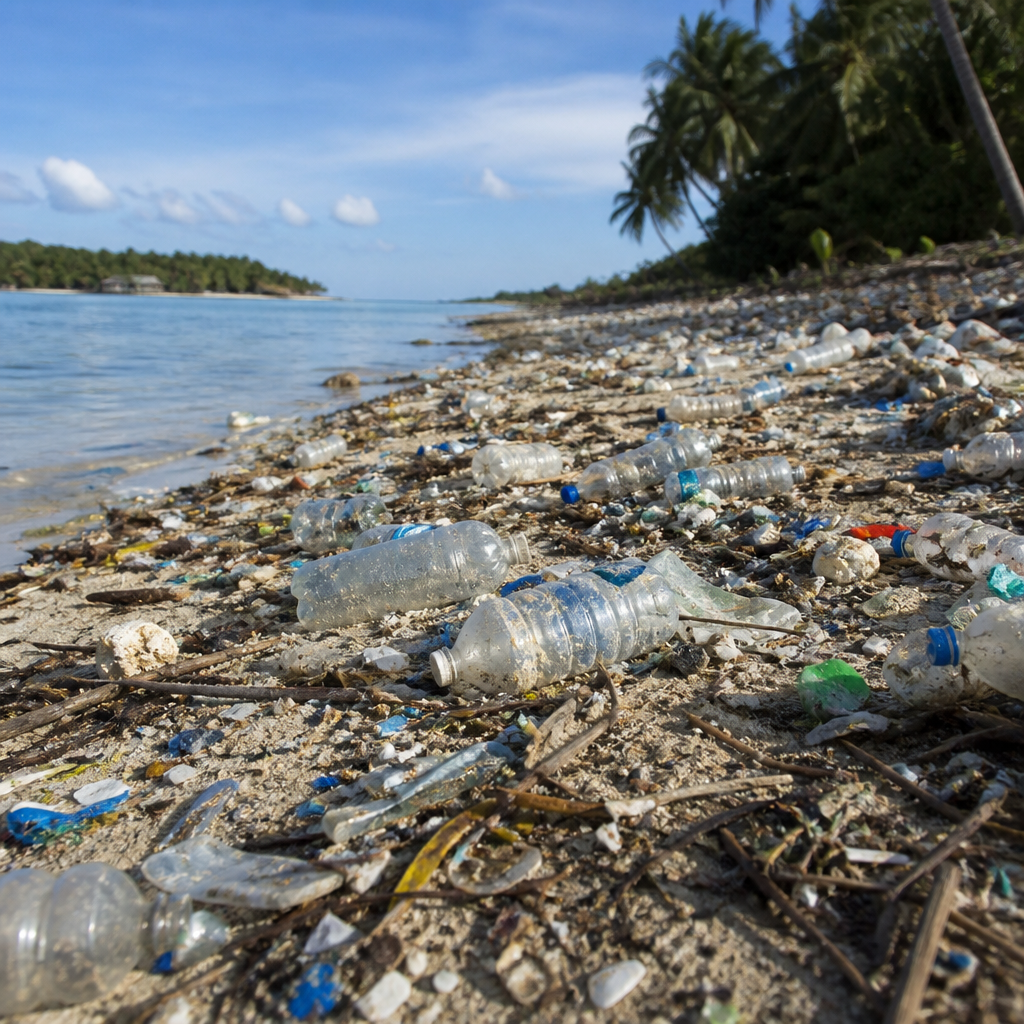
Once released, plastics travel. Rain washes street litter into drains, drains discharge to creeks and rivers, and rivers carry plastic to coastal waters. The International Union for Conservation of Nature has identified land-based sources as the dominant origin of marine plastic pollution, with rivers acting as major transport corridors. Fishing gear is another important source in marine settings, but consumer packaging still dominates much visible shoreline waste. This matters for environmental impact because damage is not confined to the place of disposal. A takeout lid dropped in one city can become part of a downstream wetland, estuary, or beach pollution problem within days.
Persistence is the second reason these materials accumulate. Most commodity plastics do not biodegrade in the ordinary sense under natural conditions. Sunlight, heat, abrasion, and oxidation cause them to fragment into smaller pieces rather than fully mineralize into carbon dioxide, water, and biomass. That fragmentation creates microplastics, generally defined as particles smaller than five millimeters, and nanoplastics at even smaller scales. Smaller particles are harder to recover, easier for organisms to ingest, and more widely dispersed through soils, sediments, fresh water, seawater, air, and indoor dust.
Damage to oceans, rivers, and freshwater systems
Marine pollution is the most widely recognized consequence of single-use plastics, but freshwater systems often bear the earliest and heaviest loads. Rivers receive urban runoff, wastewater overflows, industrial pellet loss, tire wear particles, synthetic fibers, and discarded packaging. Lakes and reservoirs trap floating plastics along shorelines and in vegetated margins, where they break down and interact with sediments. In many watersheds, the environmental impact of single-use plastics includes altered habitat quality, reduced aesthetic value, and added cleanup costs for local authorities.
In coastal and marine environments, plastic debris harms ecosystems in multiple ways. Large items can smother seagrass beds, abrade coral surfaces, and entangle marine mammals, turtles, birds, and fish. A well-documented example involves sea turtles mistaking plastic bags for jellyfish, leading to gut blockage, malnutrition, or death. Seabirds such as albatrosses often ingest bottle caps, fragments, and resin pellets, which occupy stomach space and reduce feeding success. Lost or discarded plastic fishing lines and nets continue trapping animals through ghost fishing, while everyday consumer plastics add to the same burden.
Microplastics intensify the problem because they move through food webs. Zooplankton, mussels, oysters, worms, and small fish can ingest particles directly from water or sediment. Predators then consume those organisms, allowing particles and associated chemicals to move upward through trophic levels. Scientists continue to study the exact biological outcomes, but evidence already shows inflammation, reduced feeding, lower reproductive success, and energy stress in many species exposed to plastic particles. For habitats already strained by warming, overfishing, nutrient pollution, and acidification, plastic contamination becomes one more chronic pressure.
| Environmental pathway | Typical single-use items involved | Primary effect |
|---|---|---|
| Stormwater runoff to rivers | Bags, wrappers, cups, lids | Litter transport, blocked drains, shoreline accumulation |
| Coastal deposition | Bottles, food containers, straws | Wildlife ingestion, tourism and cleanup losses |
| Fragmentation in sunlight and surf | Foam packaging, films, rigid fragments | Microplastic formation and sediment contamination |
| Open burning or poor disposal | Mixed packaging waste | Air pollution, toxic emissions, ash residues |
Effects on wildlife, biodiversity, and habitat quality
Wildlife impacts are not limited to iconic ocean species. On land, birds use plastic strips in nests, livestock ingest bags while grazing near dumps, and urban animals become entangled in rings, films, and food packaging. In wetlands, plastic debris can alter nesting sites, reduce oxygen exchange in sediments when it mats over surfaces, and trap smaller organisms. Biodiversity declines when repeated stressors reduce survival, reproduction, or habitat suitability, and single-use plastic waste contributes to each of those pathways.
Entanglement and ingestion are the two best-known direct effects. Entanglement can cause drowning, restricted movement, deep wounds, infection, and energy loss. Ingestion can create internal injury, false satiety, intestinal blockage, and exposure to additives or adsorbed pollutants. Additives used in some plastic products may include plasticizers, stabilizers, flame retardants, pigments, and processing aids. The degree of risk varies by polymer, formulation, and environmental conditions, but the wider point is clear: the environmental impact of single-use plastics is physical and chemical, immediate and long term.
Habitat quality also suffers in less visible ways. Plastic litter changes how shorelines and soils function by affecting water flow, heat absorption, and substrate structure. In mangroves and salt marshes, trapped debris can damage roots and seedlings. On agricultural land, plastic fragments from mismanaged mulch films, irrigation components, or packaging can contribute to soil contamination. Research on terrestrial microplastics now shows effects on earthworms, soil aggregation, and water retention, suggesting that what begins as visible litter can become a diffuse materials problem across ecosystems.
Climate, air pollution, and the life cycle footprint
Single-use plastics are often discussed as a waste issue, but they are equally a climate and energy issue. Most common plastics are derived from fossil feedstocks, especially natural gas liquids and petroleum. Emissions occur during extraction, refining, cracking, polymerization, converting, transportation, and end-of-life treatment. Life cycle assessment consistently shows that producing large volumes of short-lived plastic products locks in substantial greenhouse gas emissions before the item is ever discarded. When demand keeps rising, upstream emissions rise with it.
Disposal choices then shape the next part of the footprint. Landfilling may limit immediate litter leakage when facilities are well managed, but it does not recover material value and can allow lightweight waste to escape if cover and containment are poor. Incineration reduces volume and can generate energy, yet it also produces carbon dioxide and requires strict emissions controls for acid gases, particulates, and other pollutants. Open burning, still common where formal waste services are limited, is among the worst outcomes because it releases soot, toxic compounds, and hazardous fumes directly into nearby communities.
Claims that recycling alone will solve the problem are not supported by current system performance. Mechanical recycling works best for clean, sorted streams such as clear PET bottles or natural HDPE containers. It performs poorly for multilayer pouches, films, black plastics, food-contaminated packaging, and mixed small-format items like lids and cutlery. Chemical recycling technologies exist, but they are energy intensive, uneven in maturity, and not a license for unrestricted disposable consumption. The environmental impact of single-use plastics therefore has to be assessed across the full life cycle, not only at the bin.
Human health, cities, and economic costs
Environmental damage from single-use plastics quickly becomes a public health and economic issue. Blocked drains caused by bags, sachets, and food packaging contribute to urban flooding, which can spread sewage, damage roads, and create breeding conditions for mosquitoes. Municipalities then spend scarce budgets on street sweeping, drain clearing, beach cleaning, landfill management, and litter enforcement. Those costs are often hidden from consumers because the price of a disposable item rarely includes the expense of collecting it after use or remediating the damage when it escapes.
Human exposure is another growing concern. Microplastics have been detected in drinking water, seafood, table salt, indoor air, dust, and even human tissues in emerging studies. Researchers are still clarifying dose-response relationships and the specific role of particle size, shape, and chemical composition, so caution is appropriate. Still, no serious assessment concludes that widespread, persistent particle contamination is desirable. The prudent interpretation is that reducing unnecessary plastic leakage is a preventive environmental and public health measure, especially for communities near dumps, incinerators, or heavily polluted waterways.
There is also a fairness dimension. Low-income communities and countries often carry the highest burden of plastic waste despite contributing less to global consumption per capita than wealthier markets. Informal waste pickers may recover valuable materials under unsafe conditions, while low-value films and contaminated packaging remain in the environment or are burned. Tourism-dependent areas lose revenue when beaches are littered. Fisheries lose gear, time, and catch quality when waters are contaminated. In other words, the environmental impact of single-use plastics is also a development issue tied to infrastructure, governance, and equity.
What reduces the environmental impact most effectively
The most effective response follows the waste hierarchy: prevent unnecessary use first, then redesign, reuse, recycle where systems truly work, and manage residuals safely. In practice, the biggest gains come from eliminating avoidable items, shifting to reusable delivery models, simplifying materials, and improving collection. For example, replacing thin shopping bags with durable reusable bags cuts litter risk and repeated manufacturing over time when reuse actually occurs. Refillable beverage systems, deposit return schemes, and standardized food-service containers can achieve much larger reductions than simply switching from one disposable material to another.
Material substitution has to be evaluated carefully. Paper, molded fiber, aluminum, and compostable bioplastics can reduce certain impacts in some applications, but they are not universal fixes. Compostable packaging only performs as intended where industrial composting infrastructure, clear labeling, and contamination controls exist. Paper performs poorly when grease or wet strength additives complicate recovery. Heavier substitutes can increase transport emissions. The right question is not which single material is perfect, but which system delivers the required function with the lowest overall environmental burden in a specific context.
Policy and design decisions matter because consumer behavior alone cannot manage a flood of low-cost disposables. Effective measures include fees or bans on selected items, minimum recycled content standards, extended producer responsibility, deposit systems, procurement rules, and package design guidelines that favor mono-material formats, clear labeling, and size ranges that sorting equipment can capture. For businesses, source reduction and reuse pilots are no longer niche experiments; they are operational strategies with measurable waste and cost outcomes. For readers exploring materials and properties, that is the central lesson: environmental impact is designed into products long before disposal, and better outcomes come from changing systems, not only habits.
Single-use plastics have a disproportionate environmental footprint because they combine short service life with long persistence, high volume, and frequent mismanagement. Their impacts extend from fossil extraction and manufacturing emissions to litter, wildlife harm, blocked drains, marine contamination, microplastics, and cleanup costs. The evidence is broad and consistent across oceans, rivers, soils, cities, and supply chains: disposable plastic convenience shifts real environmental costs onto ecosystems and communities.
No single intervention will solve the problem everywhere, but the most reliable path is clear. Use less where items are unnecessary, design packaging that collection systems can actually handle, expand reuse where logistics support it, and enforce waste management standards that prevent leakage. Better policy, better product design, and better infrastructure work together; isolated recycling messages do not.
As the hub for environmental impact within materials and properties, this article sets the foundation for deeper reading on marine debris, microplastics, recycling performance, alternative materials, and life cycle assessment. If you are evaluating products, packaging, or sustainability strategy, start with one practical step today: identify the single-use plastic items in your system that deliver the least value and the most waste, then replace or redesign those first.
Frequently Asked Questions
What are single-use plastics, and why are they so harmful to the environment?
Single-use plastics are disposable plastic products designed to be used once and then thrown away. Common examples include shopping bags, straws, stirrers, cups, lids, cutlery, sachets, food wrappers, takeout containers, and a wide range of packaging materials made from polymers such as polyethylene, polypropylene, polystyrene, and polyethylene terephthalate. Their convenience is obvious, but the environmental tradeoff is severe. Most of these items are used for only a few minutes, yet they can persist in the environment for decades or even centuries because plastics do not biodegrade in the same way organic materials do. Instead, they gradually fragment into smaller pieces.
The harm begins long before disposal. Single-use plastics are typically made from fossil fuel feedstocks, so their production requires energy-intensive extraction, refining, and manufacturing processes that generate greenhouse gas emissions. After use, many of these items are too lightweight, low-value, contaminated, or difficult to sort to be effectively recycled at scale. As a result, large volumes are landfilled, incinerated, or escape into the natural environment. Once there, they clog waterways, degrade landscapes, and break apart into microplastics that contaminate soil, rivers, lakes, and oceans. In short, single-use plastics compress environmental damage into every stage of their life cycle, from raw material extraction to long-term pollution after disposal.
How do single-use plastics affect oceans, wildlife, and ecosystems?
Single-use plastics are especially damaging in marine and freshwater environments because they are easily carried by wind, stormwater, and rivers into larger bodies of water. Plastic bags, food packaging, foam containers, bottle caps, and other lightweight debris can drift across shorelines, settle on the seabed, or accumulate in gyres and coastal habitats. Wildlife often mistakes plastic for food or becomes entangled in it. Sea turtles may ingest plastic bags thinking they are jellyfish, seabirds can feed plastic fragments to their chicks, and fish, marine mammals, and crustaceans can be injured or killed by entanglement in discarded packaging or fishing-related plastic waste.
The ecological effects go beyond visible litter. As plastics weather, they fragment into microplastics and even nanoplastics, which can be consumed by plankton, shellfish, worms, insects, and small fish at the base of the food web. That means contamination can move upward through ecosystems, potentially affecting predators and altering feeding, reproduction, and growth. Plastics can also act as carriers for chemical additives and environmental pollutants, creating additional stress on already vulnerable habitats. Mangroves, coral reef systems, wetlands, and estuaries can all suffer when plastic debris accumulates and interferes with light, oxygen exchange, or species movement. The result is not just an aesthetic problem but a broad ecological disruption that weakens biodiversity and ecosystem resilience.
Why is recycling alone not enough to solve the single-use plastic problem?
Recycling plays an important role in waste management, but it is not a complete solution to the problem of single-use plastics. One major reason is that many disposable plastic items are not well suited for recycling systems. Thin films, multilayer packaging, sachets, foam products, and heavily contaminated food-service items are often difficult or uneconomical to collect, sort, and reprocess. Even when consumers place these products in recycling bins, local infrastructure may not be able to handle them. This creates confusion and contamination in the recycling stream, which can lower overall recovery rates.
Another challenge is that plastics are not infinitely recyclable in the way materials like glass or metal often are. Many polymers degrade in quality each time they are reprocessed, which limits their usefulness and can lead to downcycling into lower-value products rather than true circular reuse. Additives, dyes, labels, adhesives, and mixed-material formats further complicate recovery. In practical terms, the system struggles most with the exact products that dominate single-use consumption: cheap, lightweight, short-lived packaging. That is why experts increasingly emphasize reduction and redesign alongside recycling. Eliminating unnecessary single-use items, switching to reusable systems where practical, improving packaging design, and supporting producer responsibility policies are all necessary if society wants to reduce plastic pollution at meaningful scale.
What happens to single-use plastics after they are thrown away?
Once discarded, single-use plastics can follow several different paths, and not all of them are safe or controlled. Some are collected and sent to landfills, where they may remain for very long periods because they break down extremely slowly. Others are incinerated, which can reduce waste volume but also generates carbon emissions and, depending on the material and facility, may release harmful pollutants if not properly managed. A portion is collected for recycling, though actual recovery depends on local sorting capabilities, market demand, contamination levels, and the type of polymer involved.
A significant concern is that a notable share of single-use plastic waste is mismanaged. That means it may be littered, dumped, blown from bins or trucks, washed into storm drains, or carried from poorly managed disposal sites into rivers and coastal areas. Once exposed to sunlight, heat, mechanical abrasion, and weathering, larger items begin to crack and fragment rather than truly disappear. Over time, they become microplastics that spread through water, sediments, agricultural soils, and even the air. These particles have been detected far from their original source, showing how easily plastic pollution disperses once containment fails. So while throwing something away may make it vanish from view, in environmental terms it often just marks the start of a much longer and more damaging journey.
What are the most effective ways to reduce the environmental impact of single-use plastics?
The most effective approach is to reduce reliance on unnecessary disposable plastics at the source. That starts with everyday choices such as carrying reusable shopping bags, bottles, cups, food containers, and utensils, and choosing products with minimal or refillable packaging whenever possible. These individual actions matter most when they become consistent habits, because they directly reduce demand for throwaway items. Businesses can make a major difference as well by redesigning packaging, adopting reuse and refill models, replacing hard-to-recycle formats, and offering customers practical alternatives to disposable service ware.
At the larger systems level, policy and infrastructure are essential. Measures such as bans or fees on selected single-use items, deposit return programs, stronger waste collection systems, and extended producer responsibility laws can help shift the burden from consumers alone to manufacturers and retailers. Better product design also matters: materials should be chosen with end-of-life recovery in mind, avoiding unnecessary complexity that makes recycling difficult. Public education is another important piece, because people need clear guidance about what can be reused, recycled, or composted in their area. Ultimately, the goal is not simply to swap one disposable material for another, but to move toward systems that prioritize durability, recovery, and resource efficiency. That is the most credible path to reducing the long-term environmental damage caused by single-use plastics.