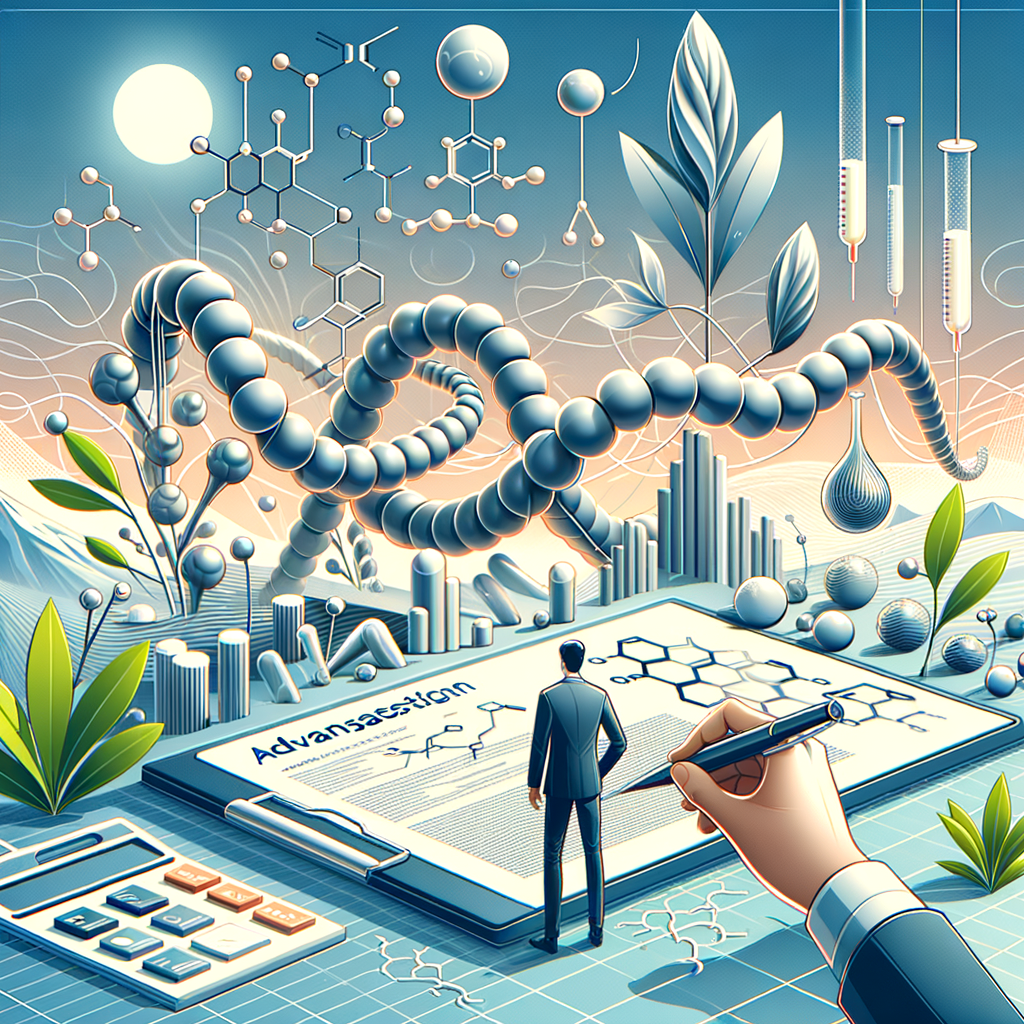
With the pressing demands of environmental sustainability and the global population’s insatiable need for food, the agricultural sector is under immense pressure to innovate and adapt. One such innovation promising a sustainable transformation in agriculture is the application of biodegradable polymers. These biodegradable polymers, also known as biopolymers, are proving to be a pivotal component in the shift towards sustainable farming practices. What sets these polymers apart from traditional non-biodegradable materials is their ability to break down naturally into non-toxic components, thereby reducing environmental pollution. The use of these materials extends beyond mere sustainability; they offer a pragmatic solution combating the problem of agricultural waste while improving yields and reducing dependency on conventional petrochemical-based plastics. In this exploration, we’ll delve deep into the role of biodegradable polymers in agriculture, examining their types, applications, benefits, challenges, and future perspectives. Through understanding how these materials function, we can better appreciate their critical role in reshaping the very fabric of agricultural practices worldwide.
Types of Biodegradable Polymers Used in Agriculture
Biodegradable polymers come in various forms, each serving specific agricultural needs. These include natural polymers like polysaccharides and proteins, as well as synthetic polymers such as polylactic acid (PLA) and polyhydroxyalkanoates (PHA). Polysaccharides, including starch and cellulose, are extensively used owing to their natural abundance and biodegradability. Starch-based polymers find applications in mulching films and controlled-release fertilizers. Cellulose derivatives, crucial for their strength and transparency, are used in packaging and mulch films, helping conserve soil moisture and reduce weed growth.
On the synthetic front, PLA, derived from renewable resources like corn starch, is a prominent biodegradable polymer employed in various agricultural applications. Its low toxicity and ability to decompose into lactic acid make it an ideal candidate for use in film and container production. Meanwhile, PHAs, a versatile family of bio-polymers synthesized by bacterial fermentation, stand out due to their incredible adaptability. PHAs degrade into water and carbon dioxide, offering a complete return to natural elements. These materials are revolutionizing seed coatings, protection films, and even biodegradable horticultural pots. Each type of polymer brings distinct advantages, catering to specific agricultural applications, promoting sustainable practices, and reducing environmental footprints.
Applications in Crop Production
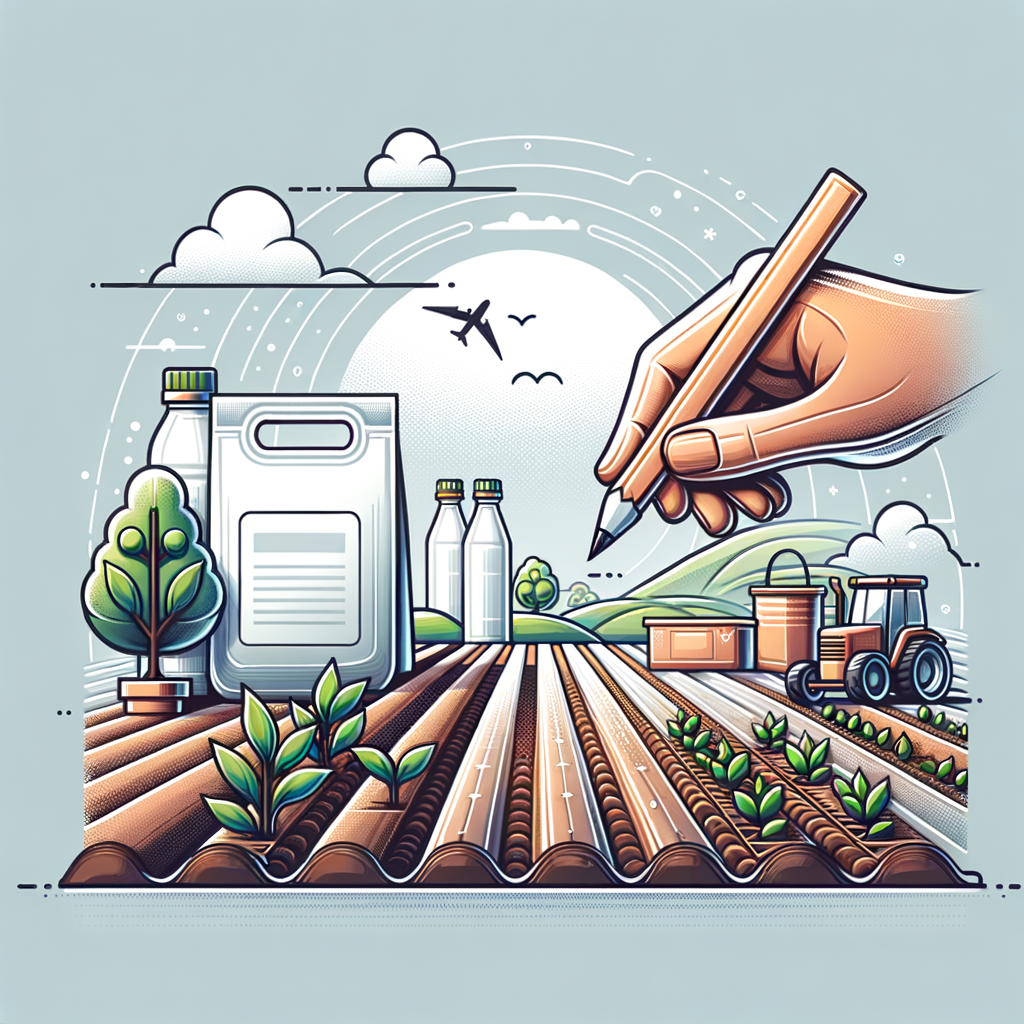
Biodegradable polymers have transformed crop production in several ways, enhancing efficiency, environmental compatibility, and productivity. Their primary application lies in mulch films. Traditional polyethylene films, despite their utility, contribute significantly to soil contamination due to non-degradation. Biodegradable alternatives readily decompose, enriching the soil and eliminating pollution.
Seed coatings represent another critical application. Biodegradable polymers ensure a controlled release of nutrients and pesticides, improving germination rates and promoting healthy plant growth. Furthermore, these coatings enable sustainable practices by minimizing chemical run-off and reducing the reliance on chemical fertilizers. With the refined control over nutrient delivery offered by these materials, farmers see improved crop yield and reduced environmental impact.
Applications in Controlled-Release Systems
The role of biodegradable polymers in controlled-release systems for fertilizers and pesticides is pivotal. Traditional methods often lead to excessive usage and wastage, with overused chemicals leaching into waterways. Biopolymers provide an efficient delivery system, reducing consumption rates and minimizing environmental harm. By encapsulating nutrients and active agents within polymer matrices, biopolymers ensure that these compounds are released gradually, matching the specific growth requirements of crops over time. This controlled efficiency translates into healthier plants, maximized resource usage, and a reduction in the adverse effects associated with chemical overuse.
Benefits of Biodegradable Polymers
The benefits of integrating biodegradable polymers into agriculture are manifold. Environmental sustainability stands at the forefront. Unlike conventional plastics, biodegradable polymers alleviate the burden of waste disposal, as they naturally decompose, reducing long-term pollution. This aligns agriculture with global ecological goals, by mitigating the pervasive problem of plastic pollution.
Economically, while the initial investment in biopolymers may be higher, they offer significant long-term cost savings. Enhanced yield quality, decreased chemical requirements, and improved soil health ultimately reduce the overall agricultural expenditure. Moreover, the lightweight nature of these polymers often leads to reduced shipping and handling costs.
Biodegradable polymers also facilitate innovation. They open avenues for new agricultural practices, promoting precision farming, improving soil structure, and amplifying microbial activity advantageous for plant growth. By prioritizing these sustainable materials, the agricultural sector can align with the growing consumer demand for environmentally responsible products, thus enhancing market competitiveness.
Challenges in Adoption
Despite their numerous advantages, the adoption of biodegradable polymers in agriculture faces several challenges. Primarily, costs are a significant barrier. The production of biodegradable polymers, especially those requiring sophisticated technology, often involves higher costs compared to conventional plastics. This financial consideration can be prohibitive for small-scale farmers and those in developing countries.
Performance issues can also arise. Inconsistent degradation rates and sensitivity to environmental conditions, such as temperature and moisture, impact the reliability of these materials. Furthermore, the life cycle assessments of some polymers reveal that not all biodegradable options offer a lower environmental impact than their non-biodegradable counterparts, particularly if not managed correctly.
Educational and infrastructural challenges also hinder widespread adoption. Implementing biodegradable polymers requires new training and understanding for farmers unfamiliar with these materials. In regions lacking the necessary infrastructure for proper deployment and management, the chances of maximizing benefits diminish.
Future Perspectives
The future of biodegradable polymers in agriculture looks promising, driven by advancements in material science and biotechnology. With continued research, it is expected that the cost of biopolymers will reduce, broadening accessibility. Enhanced properties, such as improved strength, weather resistance, and tailored degradation rates, will likely emerge, addressing current performance limitations.
Integration with digital agriculture technologies will also revolutionize their application. Combining biodegradable polymers with sensors and data analytics can create smart delivery systems for nutrients, optimizing crop inputs based on real-time environmental and plant data. This synergy between biopolymers and precision agriculture could transform farming practices, leading to unprecedented sustainability and efficiency levels.
Furthermore, governmental policies and incentives promoting the use of sustainable materials will catalyze the adoption of biodegradable polymers. As environmental consciousness grows among consumers, agricultural producers will adapt to these demands, driving innovation and investment in biopolymer technologies.
Conclusion
The reliance on biodegradable polymers in agriculture is not merely a trend but an essential evolution towards sustainable farming. The environmental advantages offered by these polymers, along with economic and functional benefits, underscore their significant role in reshaping agricultural practices. As we move into an era of heightened environmental awareness, the push towards biopolymers symbolizes agriculture’s commitment to sustainable growth and resource management.
Understanding and overcoming the challenges associated with their use, from cost to operational consistency, will be crucial to their successful integration. Nevertheless, the transformative potential of biodegradable polymers in agriculture is unparalleled. As innovation continues, these materials will undoubtedly become a central pillar in the global strategy to ensure food security and environmental stewardship, marking a pivotal moment in agricultural history, paving the path towards a more sustainable and responsible future.
Frequently Asked Questions
1. What are biodegradable polymers and how are they used in agriculture?
Biodegradable polymers, or biopolymers, are materials that can be decomposed by natural organisms, making them an environmentally friendly alternative to synthetic polymers. In agriculture, these biopolymers are being utilized in various forms to enhance sustainability. For instance, they are used as mulching films, which help in maintaining soil moisture, regulating soil temperature, and controlling weed growth. Biodegradable polymers also find their application in controlled release fertilizer encapsulations, where they gradually release nutrients into the soil, enhancing plant growth while reducing soil and water pollution. Another innovative use includes biopolymer coatings on seeds to protect them from pathogens and pests during germination. The use of these materials not only assists in improving agricultural productivity but also decreases the reliance on conventional plastic-based products that contribute to environmental pollution.
2. How do biodegradable polymers contribute to environmental sustainability in farming?
Biodegradable polymers play a key role in advancing environmental sustainability in agriculture by minimizing waste and reducing the carbon footprint. Their ability to break down naturally means that once they fulfill their purpose, such as temporary soil coverage or nutrient delivery, they revert to basic organic components without leaving any harmful residues. This eliminates the problem of plastic waste accumulation, a significant environmental issue associated with traditional agricultural practices. The use of biopolymers decreases soil contamination risks and lowers pollution levels in surrounding ecosystems. Furthermore, since many biopolymers are derived from renewable resources, like plant materials, they support the sustainable cycle of production and consumption in agriculture, contributing to a more balanced and eco-friendly agricultural industry.
3. Are there any limitations or challenges associated with using biodegradable polymers in agriculture?
While biodegradable polymers come with numerous benefits, they also present certain challenges. One major limitation is cost; biopolymers are generally more expensive to produce than traditional plastics, which can be a barrier for widespread adoption among farmers, especially in developing regions. Additionally, the durability and longevity of biopolymers can be a concern. For instance, they might not provide the same level of protection or functionality over extended periods as their non-degradable counterparts, particularly in extreme weather conditions. Another challenge lies in the production capacity; scaling up manufacturing processes to meet global agricultural demands while maintaining cost-effectiveness and material quality continues to be a hurdle. Lastly, the integration of biodegradable polymers into existing agricultural systems requires shifts in farming practices and knowledge transfer, which could pose an implementation challenge.
4. How do biodegradable polymers differ from conventional plastics used in agriculture?
The primary distinction between biodegradable polymers and conventional plastics lies in their environmental impact and decomposition process. Traditional plastics, made from petroleum, are non-biodegradable and persist in the environment for hundreds of years, contributing to pollution and long-term ecological damage. In contrast, biodegradable polymers decompose naturally through the action of microorganisms into water, carbon dioxide, and biomass, leaving no harmful residues. This quality makes biopolymers significantly more eco-friendly. Furthermore, while conventional plastics emanate from finite fossil fuels, many biopolymers are produced using renewable resources, reducing dependency on petrochemicals and encouraging sustainable resource utilization. However, it’s also essential to note that the mechanical and thermal performance of biopolymers can sometimes differ from that of conventional plastics, which might influence their specific application in agricultural practices.
5. What is the future outlook for biodegradable polymers in the agricultural sector?
The future of biodegradable polymers in agriculture looks remarkably promising as the global focus intensifies on sustainable practices and green technologies. Increased awareness about environmental issues coupled with stringent regulatory policies against non-degradable materials are set to boost the demand for biodegradable alternatives. Continuous advancements in polymer technology and material science are expected to improve the performance, affordability, and application scope of biopolymers in agriculture, making them more competitive with traditional plastic options. Research is also being directed towards innovative uses of biopolymers, such as developing smart biopolymer systems that respond to environmental cues. As these technologies mature, we can anticipate a more significant transformation in farming practices, paralleled by initiatives aimed at full-fledged adoption and support from agricultural policies worldwide. With concerted efforts from scientists, manufacturers, and policymakers, biodegradable polymers have the potential to become standard in agriculture, propelling the sector closer to achieving its sustainability goals.