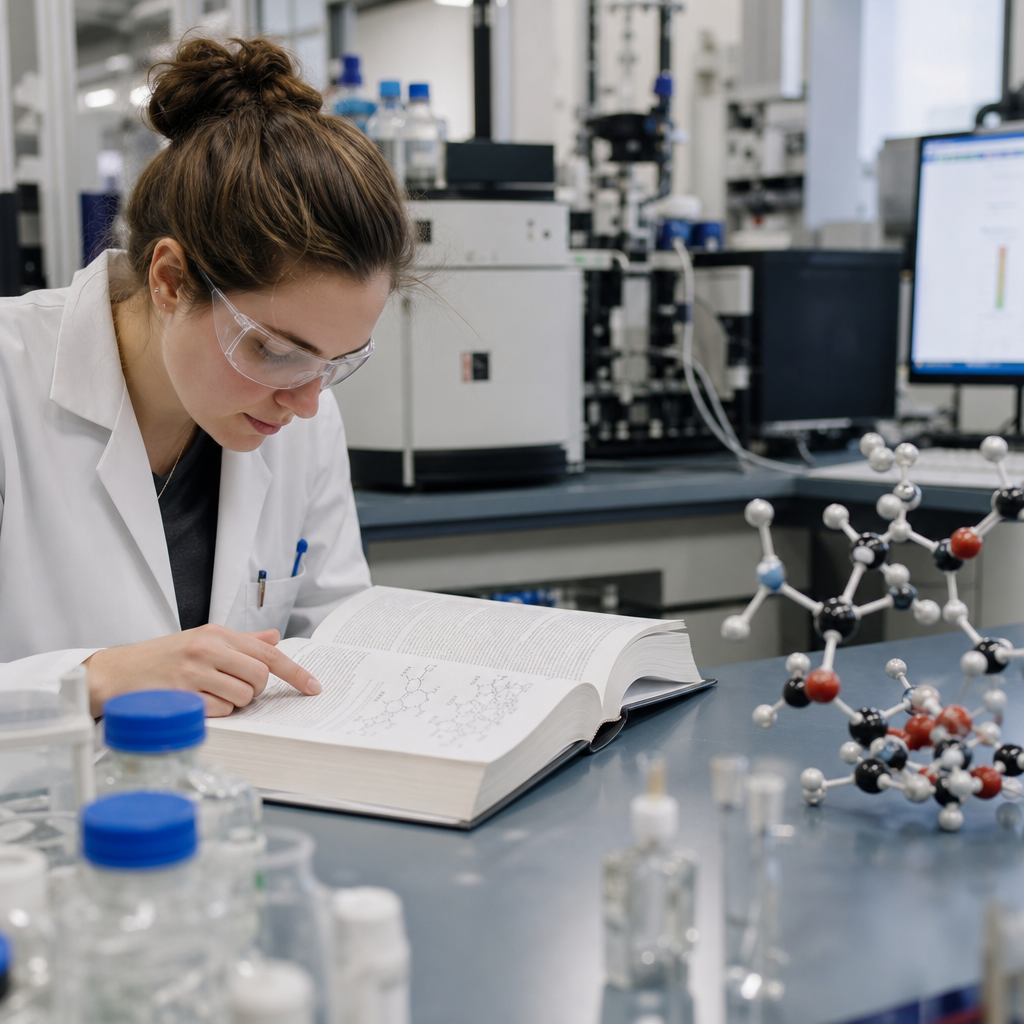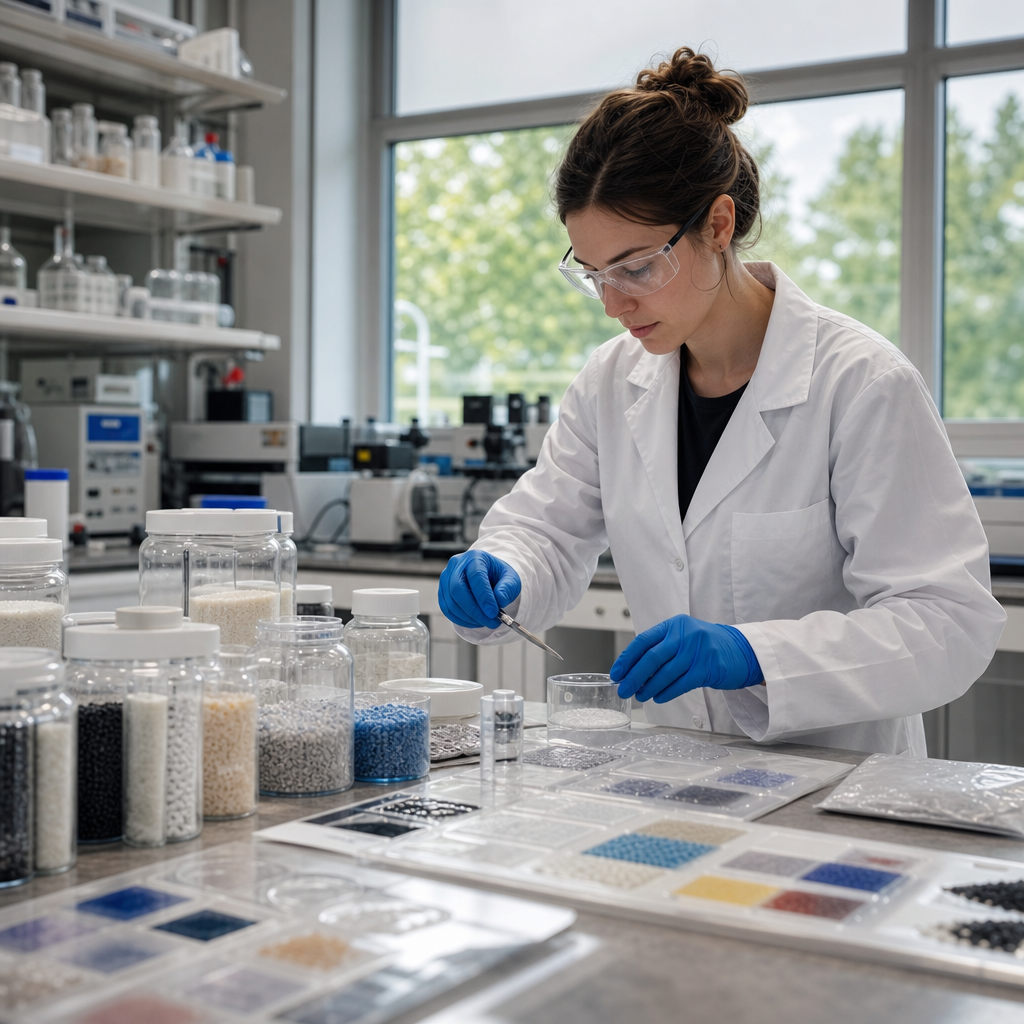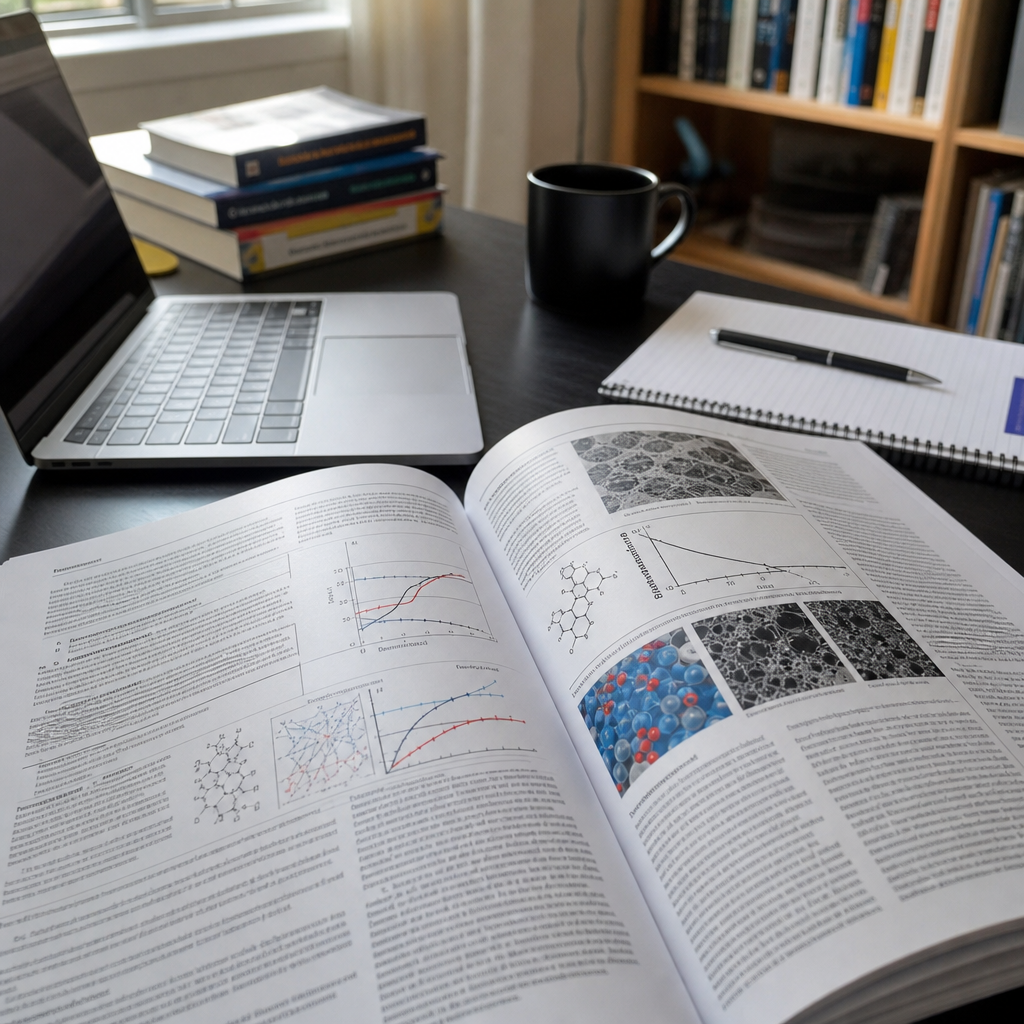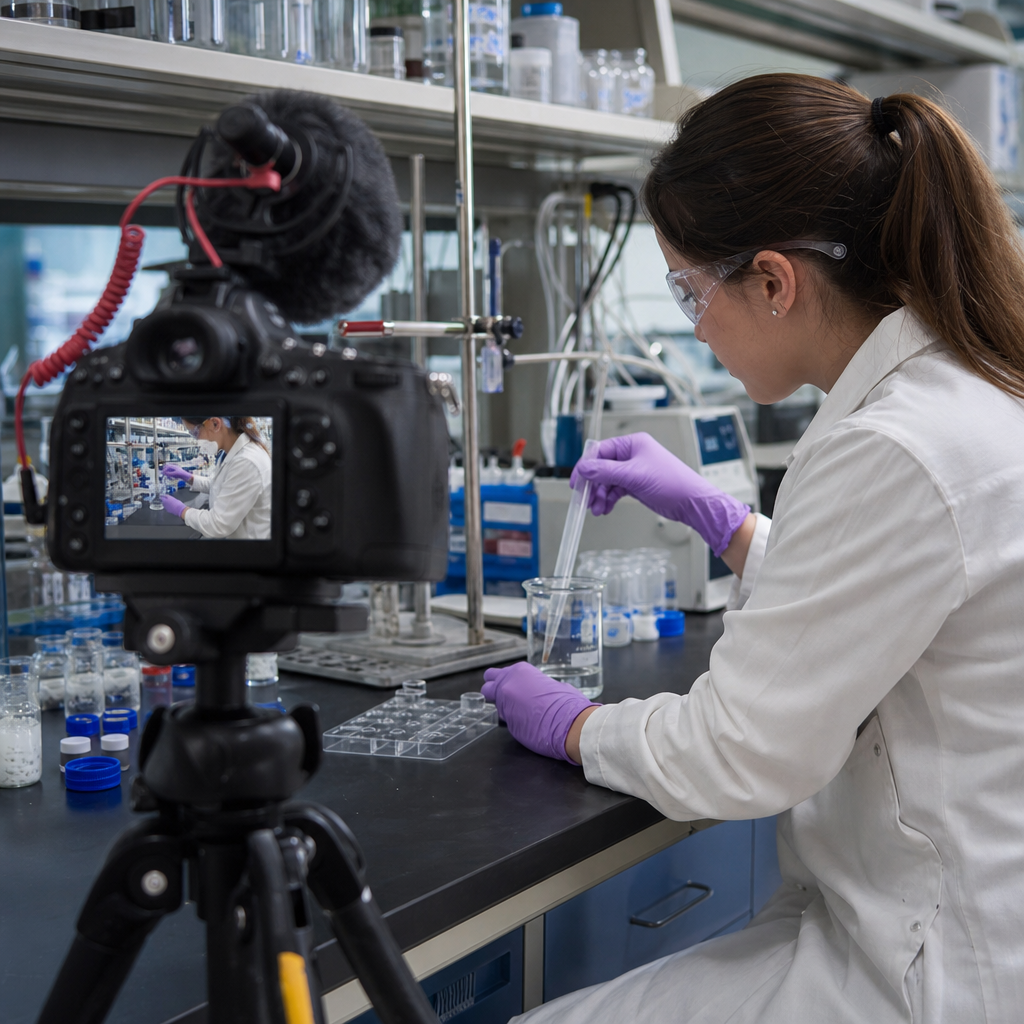
Advances in video tutorials for polymer research are reshaping how students, laboratory staff, and industry scientists learn complex methods, interpret data, and move from theory to reproducible practice. In polymer science, educational videos and podcasts now complement journal articles, standard operating procedures, and classroom lectures by showing how techniques actually look and sound in use. That matters because polymer research spans synthesis, rheology, spectroscopy, thermal analysis, microscopy, processing, and simulation, and each area contains steps that are easy to misunderstand when described only in text. I have seen new researchers read a procedure for gel permeation chromatography, then struggle with sample filtration, detector stabilization, or calibration because the crucial details were never visualized. A strong video tutorial closes that gap. It demonstrates instrument setup, safety checks, timing, and troubleshooting in a way written protocols rarely match. As a hub within educational resources, this article explains how educational videos and podcasts support polymer training, what formats work best, how leading topics are taught, which tools and standards improve quality, and where these media fit within broader research workflows for learning.
Why Video Tutorials Work in Polymer Research
Video tutorials are effective in polymer research because they externalize tacit knowledge. Tacit knowledge is the practical know-how that experienced researchers use automatically: how viscous a solution should appear before casting a film, how aggressively to sonicate without degrading a sample, or how to identify a poor baseline during differential scanning calorimetry. In my own lab work, the fastest gains in trainee performance often came after ten minutes of demonstration, not an hour of reading. That pattern is consistent across laboratories because polymers are sensitive to processing history, contamination, humidity, temperature, and shear. A tutorial can show the exact angle for pipetting into a narrow vial, the sequence for purging a DSC cell, or the expected appearance of a phase-separated blend after mixing.
Educational videos also reduce cognitive load by combining narration, labels, and live action. Instead of imagining a twin-screw extruder feed zone from a schematic, a learner can watch pellets bridge in the hopper and hear an explanation of why feed consistency affects residence time and melt homogeneity. Podcasts serve a different but useful role. They are ideal for interviews with principal investigators, instrument specialists, journal editors, and manufacturing engineers who can explain why a method matters, when it fails, and how a technique evolved. For a sub-pillar hub, the key point is simple: videos are best for procedures and visual interpretation, while podcasts are best for context, decision-making, and expert discussion.
Core Topics Educational Videos Should Cover
The strongest polymer education libraries are organized around the questions researchers actually ask. How do I synthesize a polymer reproducibly? How do I characterize molecular weight? How do I measure glass transition temperature? How do I prepare samples for scanning electron microscopy without artifacts? A hub on educational videos and podcasts should therefore cover the full workflow from monomer to material performance. Essential tutorial categories include polymerization methods such as free-radical, step-growth, ring-opening, and controlled techniques including ATRP and RAFT; characterization methods including NMR, FTIR, Raman, GPC or SEC, DSC, TGA, DMA, XRD, and rheometry; morphology methods including optical microscopy, SEM, TEM, AFM, and confocal imaging; and processing methods such as solvent casting, electrospinning, injection molding, extrusion, 3D printing, and composite layup.
Each category needs both introductory and advanced content. For example, a beginner rheology video should explain shear rate, viscosity, oscillatory testing, storage modulus, and loss modulus in plain language. An advanced series should cover strain sweeps, frequency sweeps, time-temperature superposition, Cox-Merz limitations, wall slip, edge fracture, and fixture selection for melts versus solutions. The same layered structure works for spectroscopy. Introductory videos can show peak assignment basics in FTIR for carbonyl, hydroxyl, and aromatic groups, while advanced lessons can address baseline correction, ATR penetration depth, crystallinity effects, and pitfalls in quantitative interpretation. Good hubs link these subtopics logically so researchers can move from basic concepts to specialized applications without losing continuity.
Best Formats for Educational Videos and Podcasts
Not every learning objective needs the same format. Short videos of three to seven minutes work well for single tasks such as calibrating a pH meter for emulsion polymerization or trimming a specimen for DMA. Mid-length tutorials of eight to fifteen minutes are better for complete workflows such as preparing SEC standards, dissolving samples, filtering, choosing columns, checking dn/dc assumptions, and interpreting distribution curves. Longer masterclasses can combine theory with demonstrations for topics like viscoelasticity or polymer degradation kinetics. I have found that researchers engage more consistently when a complex technique is broken into a sequence rather than delivered as a single lecture-length file.
Podcasts are most valuable when paired with transcripts, figures, or references. An interview about biodegradable polymers becomes more useful when the show notes link to ASTM compostability standards, lifecycle assessment frameworks, and landmark papers on PLA, PHA, and starch blends. Video tutorials benefit from chapter markers, on-screen parameter overlays, subtitles, and downloadable checklists. A clear visual structure improves retrieval later, which matters in the lab when someone needs to revisit one exact step during an experiment. For educational resource planning, a mixed library usually performs best: procedural videos for task execution, explainer animations for concepts, webinars for current research, and podcasts for professional perspective.
Production Standards That Make Tutorials Trustworthy
High-quality polymer tutorials are defined less by cinematic polish than by scientific reliability. Every useful video should identify the material system, instrument model, software version, environmental conditions, and test parameters. If a rheology tutorial uses a cone-and-plate geometry, it should state cone angle, diameter, gap assumptions, temperature control method, and whether evaporation protection was used. If a DSC tutorial discusses glass transition, it should report heating rate, sample mass, pan type, purge gas, and thermal history, because all of these affect results. Viewers need to know what is universally applicable and what is method-specific.
Established standards improve consistency. ASTM, ISO, and USP methods provide recognized references for testing and reporting. Instrument vendors such as Malvern Panalytical, TA Instruments, Waters, Bruker, Agilent, Shimadzu, Anton Paar, and Thermo Fisher often publish training content that is technically strong, especially for setup and maintenance. University channels and society webinars add methodological depth and broader interpretation. The most trustworthy educational videos state limitations clearly. A podcast on machine learning for polymer design should acknowledge data sparsity and bias. A microscopy tutorial should warn about beam damage, staining artifacts, and charging effects. That balance builds confidence because it reflects real laboratory practice rather than marketing language.
Examples of High-Value Tutorial Pathways
A hub article should help readers navigate from one topic to the next, so pathway design matters. One effective pathway is synthesis to confirmation to performance. A learner begins with a video on RAFT polymerization setup, then moves to NMR and SEC tutorials to confirm conversion and molecular weight distribution, and ends with rheology or tensile testing to connect structure to properties. Another pathway is failure analysis. Start with podcasts on common causes of brittle fracture in polymers, then link to tutorials on DSC for crystallinity, FTIR for oxidation, SEM fractography, and DMA for temperature-dependent modulus. This approach reflects how researchers solve practical problems.
| Learning goal | Best format | Example polymer topics | Main benefit |
|---|---|---|---|
| Perform a lab procedure | Step-by-step video | SEC sample prep, DSC pan sealing, electrospinning setup | Shows sequence, timing, and safety details |
| Understand a concept | Animated explainer | Glass transition, crystallization, viscoelasticity | Clarifies mechanisms and terminology |
| Interpret instrument output | Screen-record tutorial | Peak fitting, modulus plots, chromatograms | Teaches analysis decisions directly |
| Learn expert judgment | Podcast interview | Scale-up, formulation tradeoffs, method selection | Provides context and experience-based reasoning |
| Stay current on research | Webinar or panel discussion | Recycling, bio-based polymers, additive manufacturing | Connects methods to emerging applications |
These pathways also improve internal navigation across a content library. A page about microscopy should naturally point to sample preparation, image analysis, and artifact identification. A page on polymer processing should lead to tutorials on residence time, melt flow, die swell, orientation, and post-processing characterization. The hub becomes more than an index; it becomes a curriculum.
How Podcasts Expand Polymer Education Beyond the Bench
Podcasts are especially effective for areas where decision-making matters as much as technique. In polymer research, that includes formulation strategy, commercialization, regulation, sustainability, and career development. A well-produced interview with an adhesive scientist can explain why a pressure-sensitive adhesive fails in humid conditions, how tack and peel differ, and why test method selection changes product claims. A discussion with a recycling expert can clarify the distinction between mechanical recycling, chemical recycling, depolymerization, and compatibilization for mixed waste streams. These topics are difficult to teach fully in a procedural video because they depend on tradeoffs, economics, and application context.
For students and early-career researchers, podcasts also reveal the human side of the field. Hearing a process engineer describe scale-up problems in reactive extrusion or a biomaterials researcher explain sterilization constraints gives meaning to techniques learned elsewhere. The best educational podcasts avoid vague commentary. They reference named materials, standards, and case studies. For instance, a useful episode on barrier packaging should discuss EVOH, PET, multilayer structures, oxygen transmission rate, water vapor transmission rate, and how humidity affects performance. When podcasts reach that level of specificity, they become durable educational assets rather than disposable conversations.
Building an Effective Hub for Educational Videos and Podcasts
As the central page for educational videos and podcasts, this hub should organize content by intent, skill level, and research stage. Readers typically arrive with one of four needs: learn a technique, troubleshoot a problem, understand a concept, or explore a career or application area. The hub works best when these needs are visible immediately. Grouping content into synthesis, characterization, processing, analysis, and industry perspectives creates a clear structure. Within each cluster, brief summaries should explain what the learner will gain, prerequisites, and related topics. That saves time and improves completion rates because users can choose the right resource without guessing.
Maintenance is just as important as launch. Polymer methods change with new instruments, software interfaces, and reporting expectations. A tutorial recorded on one SEC platform may become confusing if the analysis software is redesigned. A responsible hub includes update dates, replacement notes, and links to companion resources such as glossaries, method checklists, and articles on specific techniques. It should also include accessibility features, especially transcripts, captions, and clear visuals for color-dependent graphs. In practice, the best educational resource centers combine durable fundamentals with regularly refreshed examples from current research. That keeps content useful for both undergraduate learning and advanced laboratory work.
Advances in video tutorials for polymer research have made education more practical, more searchable, and more closely aligned with how scientists actually learn in laboratories and product development teams. Videos excel when a learner must see a process, recognize a pattern, or follow a precise analytical workflow. Podcasts excel when a learner needs expert judgment, application context, or a deeper understanding of tradeoffs across methods, materials, and markets. Together, they strengthen training across synthesis, characterization, processing, sustainability, and commercialization. The main benefit is not convenience alone; it is better reproducibility and faster skill development. When educational media are structured around real research questions, grounded in recognized standards, and updated with clear parameters and limitations, they become reliable tools rather than supplementary extras. For an educational resources hub, the priority is to connect these formats into a coherent learning path that helps readers move from concept to execution. Build your library around the problems polymer researchers truly face, link related topics clearly, and review each resource for accuracy and practical value before publishing or sharing it.
Frequently Asked Questions
How are video tutorials improving training and knowledge transfer in polymer research?
Video tutorials are making polymer research training far more practical, consistent, and accessible than text-only instruction alone. In a field where outcomes often depend on subtle procedural details, videos help learners see exactly how a technique is performed in real laboratory conditions. That includes everything from setting up a polymerization reaction and preparing rheology samples to loading a DSC pan correctly, aligning a spectroscopy accessory, or recognizing when a melt or solution has the wrong appearance. These visual cues are difficult to capture fully in journal articles, standard operating procedures, or lecture slides, yet they often determine whether an experiment is reproducible.
Another major advantage is standardization. When research groups, core facilities, and industrial laboratories use well-designed video tutorials, they can reduce variability in how methods are interpreted and executed. New students, technicians, and scientists are less likely to miss key steps such as drying materials properly, controlling temperature history, avoiding sample contamination, or documenting calibration checks. Videos also support repeated learning. A trainee can pause, replay, and revisit specific stages of a workflow before entering the lab, which strengthens confidence and reduces errors during hands-on work.
Video-based learning is also especially valuable in interdisciplinary polymer science, where chemists, materials scientists, engineers, and analysts may need rapid orientation to unfamiliar tools and concepts. A spectroscopy expert may need a clearer understanding of extrusion behavior, while a synthetic polymer chemist may benefit from seeing how dynamic mechanical analysis is actually run. By visually connecting theory to practice, video tutorials speed up onboarding and help bridge gaps between subfields. The result is faster skill development, stronger reproducibility, and more effective communication across research teams.
Why are video tutorials especially useful for complex polymer characterization techniques?
Polymer characterization methods often involve workflows that are more nuanced than they appear on paper, which is exactly why video tutorials are so effective. Techniques such as rheology, FTIR, NMR, GPC/SEC, DSC, TGA, DMA, microscopy, and mechanical testing all require more than simply following a list of steps. Researchers must understand sample conditioning, instrument setup, environmental sensitivity, data quality checks, and common sources of error. A written protocol may say to ensure proper sample contact or avoid thermal history effects, but a video can show what proper contact looks like, how to detect a mounting problem, or why a previous heating cycle changes interpretation.
In polymer science, data can be strongly influenced by specimen preparation and handling. For example, a rheology tutorial can demonstrate trimming excess material, selecting the right geometry, monitoring slippage, and interpreting torque behavior during loading. A thermal analysis video can show the importance of pan sealing, purge gas control, and baseline verification. A spectroscopy tutorial can highlight alignment, background collection, and the practical differences between clean and contaminated spectra. These visual demonstrations reduce ambiguity and help researchers connect instrument behavior to the physics and chemistry of the material.
Video tutorials also support better troubleshooting. Many characterization errors are recognizable by sight, sound, or sequence rather than by a single written warning. An experienced instructor in a video can point out signs of poor dispersion, bubbles in a film, inconsistent thickness, sample degradation, or instrument drift. That kind of tacit knowledge is invaluable, particularly for early-career researchers who may not yet know what a problem looks like in real time. As a result, videos do not just teach technique execution; they improve experimental judgment, which is essential for producing reliable polymer data.
Can video tutorials and podcasts replace journal articles, SOPs, and traditional classroom teaching in polymer science?
Video tutorials and podcasts are powerful educational tools, but they work best as complements rather than replacements for journal articles, standard operating procedures, and formal instruction. Polymer research depends on both conceptual understanding and procedural precision. Journal articles remain essential for communicating experimental design, mechanistic insight, quantitative results, and scientific context. SOPs are still the backbone of controlled laboratory practice because they define approved methods, safety requirements, materials, parameters, and documentation standards. Classroom teaching and supervised mentoring continue to be critical for building theoretical foundations and encouraging deeper scientific reasoning.
What videos and audio formats do exceptionally well is bring those other resources to life. A journal article may explain a new polymerization route, but a video can show reactor setup, mixing sequence, viscosity changes, and purification workflow. An SOP may specify a conditioning time before DMA testing, while a tutorial can explain why that time matters and what happens if it is skipped. A podcast can add expert commentary on method selection, interpretation challenges, scale-up considerations, or common misconceptions in the field. Together, these formats create a richer learning environment than any single medium can provide.
For many laboratories, the most effective model is layered learning. Researchers first study the theory and method in papers or coursework, then review the SOP for exact lab requirements, and finally use a video tutorial to understand the physical execution of the technique. Afterward, podcasts or seminar recordings can deepen interpretation by exposing learners to real-world case studies and expert discussions. This blended approach improves retention, strengthens reproducibility, and supports both foundational education and day-to-day research practice in polymer science.
What should a high-quality polymer research video tutorial include to be truly useful?
A high-quality polymer research video tutorial should be scientifically accurate, visually clear, method-specific, and designed around reproducibility. At a minimum, it should define the purpose of the technique, the type of polymer system being studied, the materials and equipment required, and the exact workflow from preparation through data acquisition and interpretation. Strong tutorials do not assume that viewers already understand the hidden variables. Instead, they identify critical control points such as moisture sensitivity, molecular weight effects, temperature history, mixing order, atmosphere control, sample geometry, and calibration requirements.
It is also important for the tutorial to show the procedure under realistic laboratory conditions. That means including actual instrument interfaces, sample handling steps, safety considerations, and examples of both correct and incorrect practice. For instance, if the tutorial covers solution preparation for light scattering or SEC, it should address filtration, dissolution time, concentration range, and signs of incomplete solubilization. If it covers rheology, it should discuss gap setting, normal force, equilibration, and artifact recognition. If it covers thermal analysis, it should explain how heating rate, mass, pan type, and purge conditions influence results. These specifics are what transform a generic educational video into a practical research tool.
The best tutorials also include guidance on troubleshooting and interpretation. Viewers should come away not only knowing how to run an experiment, but also how to assess whether the data are credible. Useful features include annotated visuals, captions, parameter callouts, example datasets, common failure modes, and explanations of why each step matters scientifically. Accessibility matters as well. Clear audio, concise organization, searchable chapter sections, and compatibility with different experience levels make the content far more effective. In short, a truly useful polymer research tutorial does not just demonstrate a task; it teaches the reasoning that makes the task reproducible and meaningful.
How do advances in digital learning tools support reproducibility and collaboration in polymer research?
Advances in digital learning tools are playing a major role in improving reproducibility and collaboration across polymer research environments. One of the persistent challenges in polymer science is that experimental outcomes can be sensitive to procedural details that are inconsistently reported or interpreted. Video tutorials help reduce that problem by creating a shared visual reference for how methods are actually performed. When multiple researchers are trained using the same high-quality materials, there is less room for variation in sample preparation, instrument handling, calibration, and documentation practices.
These tools also make expertise easier to distribute across institutions and sectors. A university group developing a new method for polymer processing or characterization can create tutorials that help collaborators in industrial R&D, contract labs, or partner academic centers implement the method more reliably. This is especially important for techniques involving specialized equipment or uncommon materials, where in-person training may be limited. Digital content can preserve expert knowledge that might otherwise remain informal or localized within a single laboratory. That continuity is valuable for staff turnover, onboarding, remote collaboration, and multi-site projects.
In addition, modern platforms often combine video, audio, annotations, downloadable protocols, and data examples into integrated learning systems. That makes it easier for teams to align on expectations, compare results, and identify where deviations may have occurred. A researcher can review a tutorial before an experiment, consult the SOP during execution, and then compare their output with reference data shown in the training material. Podcasts and recorded discussions can further support collaboration by sharing expert perspectives on interpretation, scale-up, and method limitations. Overall, digital learning tools are helping polymer researchers move from isolated know-how toward more transparent, transferable, and reproducible scientific practice.