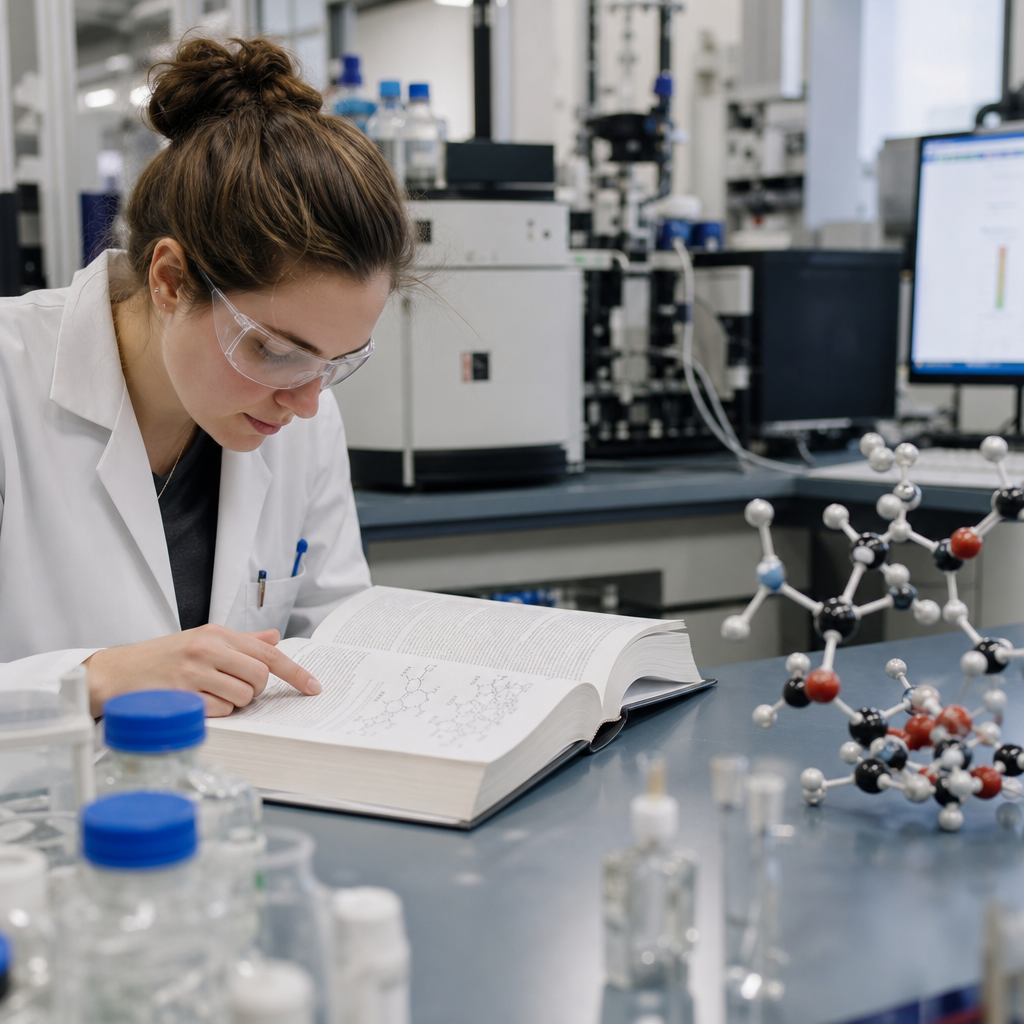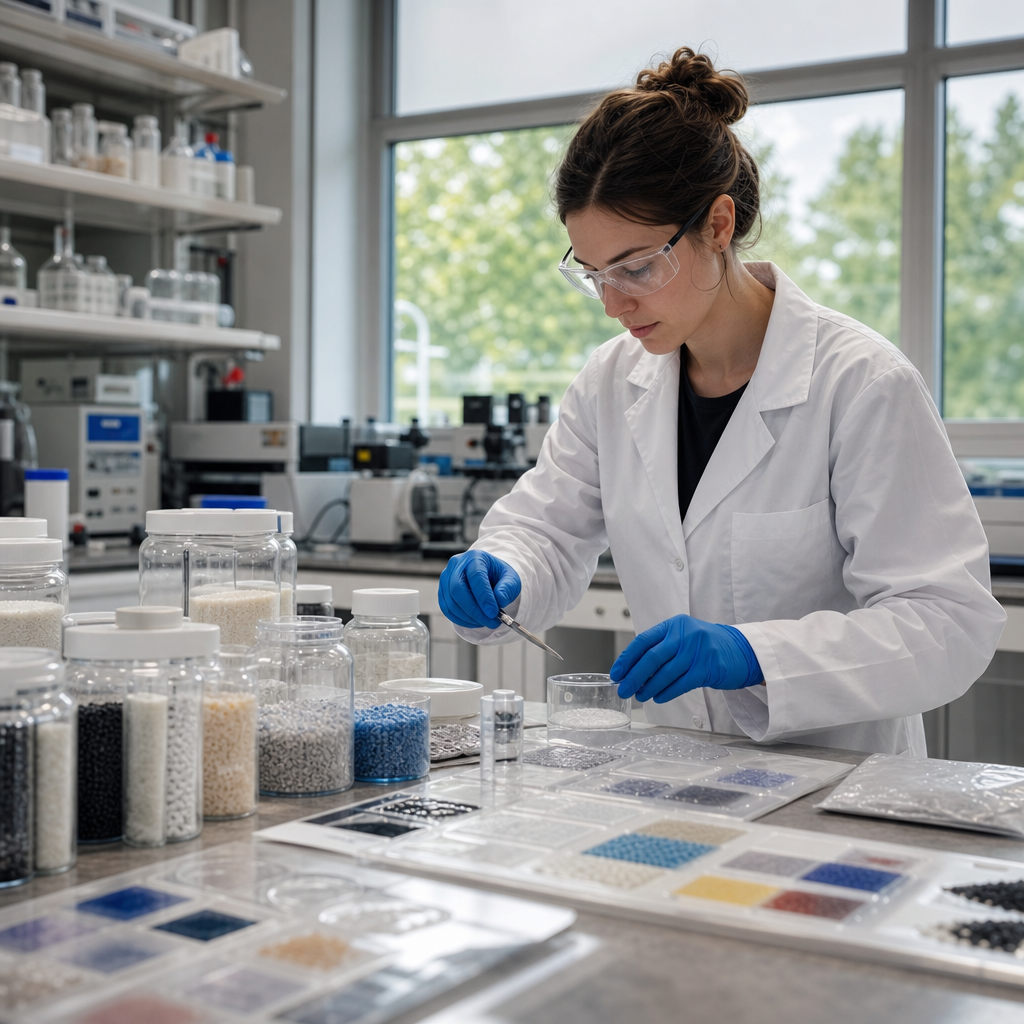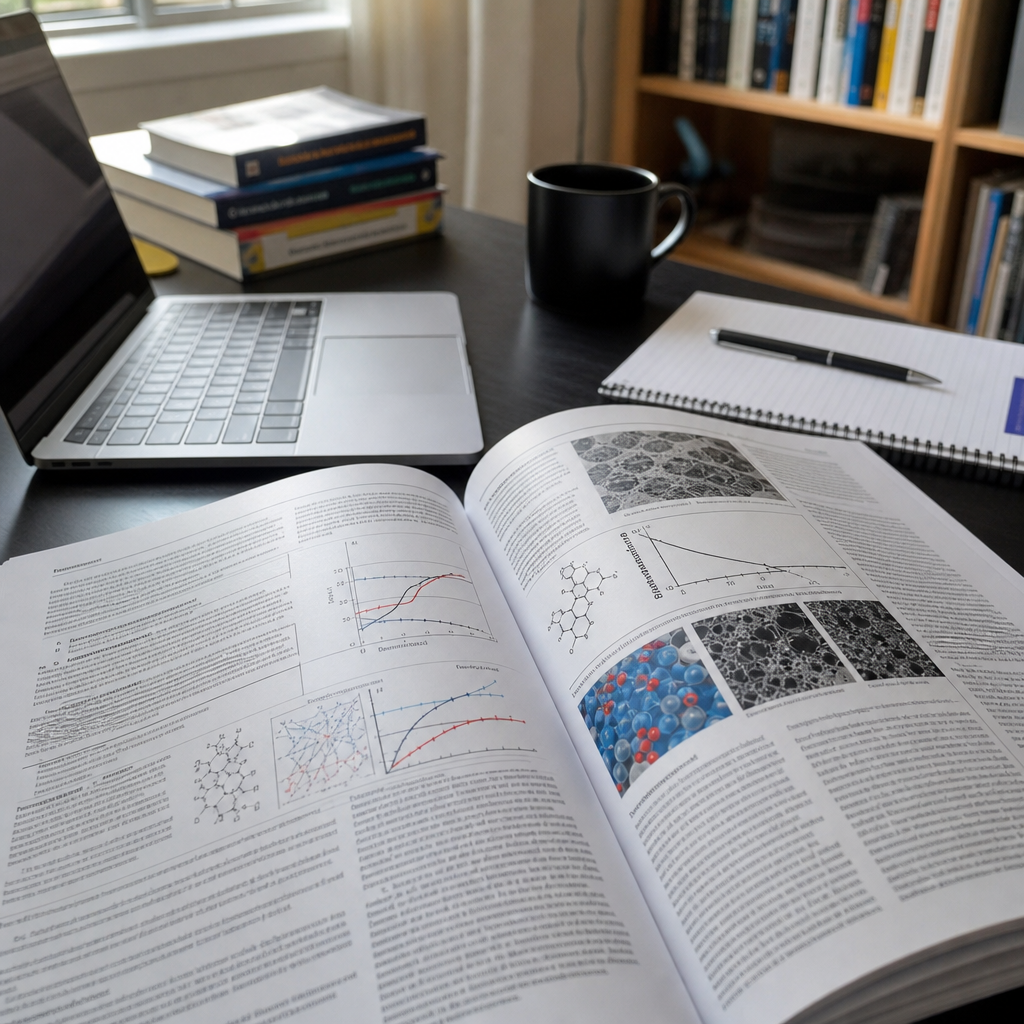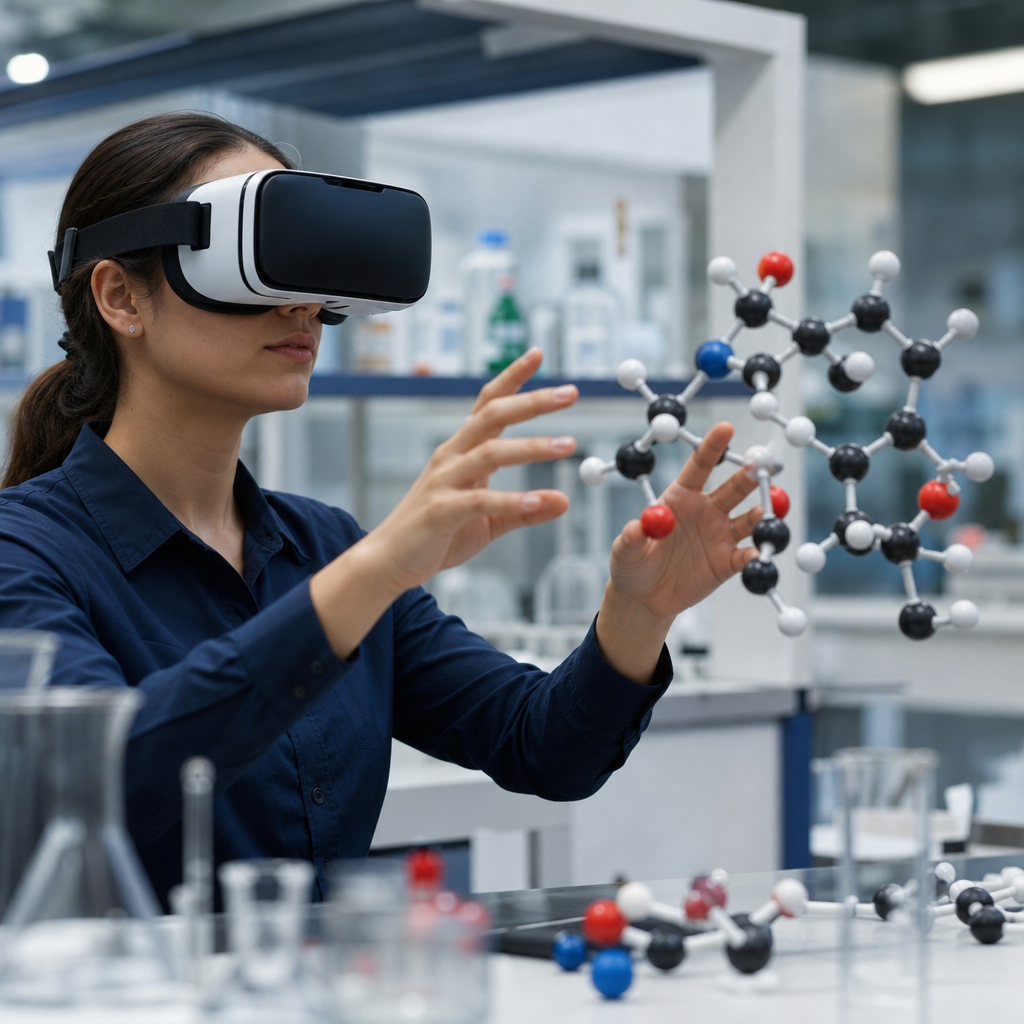
Advances in virtual reality tools for polymer education are reshaping how students learn structure, processing, and performance across chemistry, materials science, and engineering. In polymer education, virtual reality means immersive, computer-generated environments accessed through head-mounted displays or desktop simulators that let learners inspect macromolecules, processing equipment, and test data in three dimensions. The topic matters because polymers are inherently multiscale: students must connect molecular architecture, morphology, rheology, manufacturing, and end-use properties, yet traditional lectures and static diagrams rarely make those connections intuitive. I have seen students understand chain entanglement faster after manipulating a virtual melt than after several conventional tutorials on viscoelasticity. As a hub for software and tools, this article explains the current landscape, what these platforms do well, where they fall short, and how educators can choose, implement, and evaluate them for durable learning outcomes.
Polymer education covers subjects such as polymerization mechanisms, chain conformation, crystallinity, glass transition, additive compounding, extrusion, injection molding, mechanical testing, degradation, and recycling. Virtual reality tools support these topics by placing learners inside simulated laboratories, factories, and molecular models. Some platforms emphasize molecular visualization, allowing users to walk around polyethylene lamellae or compare tacticity in polypropylene. Others simulate processing lines, where students adjust screw speed, barrel temperature, mold cooling, or residence time and immediately observe changes in viscosity, orientation, shrinkage, and defect formation. A third category focuses on collaborative learning, letting classes share a virtual lab, annotate structures, and replay experiments. This breadth is why software and tools deserve dedicated coverage: institutions are no longer choosing whether to use immersive learning, but which combination of systems aligns with curriculum, budget, assessment, accessibility, and technical support.
Recent progress has accelerated because hardware is cheaper, graphics engines are more capable, and education software now integrates with learning management systems and standard scientific formats. Tools built on Unity and Unreal Engine can render complex molecular scenes, while WebXR has lowered deployment friction for browser-based modules. Molecular data can come from Protein Data Bank style viewers adapted for polymers, Materials Studio exports, LAMMPS trajectories, or custom datasets generated in MATLAB and Python. On the education side, instructors increasingly expect analytics dashboards, single sign-on, and compatibility with Canvas, Moodle, and Blackboard. The result is a more practical ecosystem. Instead of isolated demos, schools can deploy structured modules for polymer chemistry, processing, characterization, and sustainability, then track whether immersive work improves conceptual transfer, lab readiness, and retention. That operational maturity marks a real advance, not just a novel presentation layer for existing content.
Core categories of virtual reality tools used in polymer education
The most useful way to understand software and tools is by function. First are molecular visualization platforms. These environments show polymer chains, tacticity, crosslink density, crystalline regions, amorphous packing, and diffusion paths in three dimensions. They are especially effective for topics that students routinely misread in two-dimensional textbook figures, such as why branching lowers density in low-density polyethylene or how copolymer sequence distribution alters phase behavior. In my own teaching work, a stereochemistry lesson becomes more concrete when students compare isotactic, syndiotactic, and atactic arrangements at room scale, then watch how packing efficiency changes. Good molecular platforms also allow slicing, measuring bond angles, toggling force-field overlays, and loading time-resolved simulations to connect structure with dynamics.
Second are virtual process simulators. These recreate industrial polymer operations with enough interactivity to teach cause and effect. A student can run a twin-screw extruder, alter feeder rates for filler and resin, and then inspect torque, melt temperature, pressure profile, die swell, and pellet quality. In injection molding modules, they can adjust gate location, mold temperature, fill time, and packing pressure, then see sink marks, weld lines, warpage, and cycle-time implications. This is where immersive learning has major value for safety and cost. Running a real processing line for novices is expensive, time-limited, and sometimes hazardous. A virtual line gives unlimited repetition and controlled failure states. It also supports pre-lab preparation, which improves confidence before students enter a physical pilot plant.
Third are virtual laboratories for characterization and testing. These tools simulate differential scanning calorimetry, dynamic mechanical analysis, tensile testing, scanning electron microscopy interpretation, rheometry, and spectroscopy workflows. Students can practice sample preparation, parameter selection, calibration, and data interpretation before touching real instruments. Well-designed modules do not simply gamify button-clicking. They model why choices matter. For example, choosing an inappropriate heating rate in a DSC simulation can broaden transitions and obscure crystallization behavior; selecting the wrong strain amplitude in oscillatory rheology can move a sample outside the linear viscoelastic regime and invalidate modulus data. When the platform links instrument settings to polymer-specific outcomes, it teaches method discipline rather than only procedural memory.
Fourth are collaborative and authoring environments. These matter because polymer education is interdisciplinary and often project based. Students need spaces where chemists, mechanical engineers, and manufacturing specialists can review the same virtual artifact from different perspectives. Collaborative tools support instructor-led walkthroughs, peer annotation, and scenario branching. Authoring tools let departments build modules tied to their own equipment, local research strengths, or industry partners. A packaging program can create a PET bottle design exercise; a biomedical materials course can model hydrogel swelling and scaffold porosity; a sustainability course can compare mechanical recycling, chemical recycling, and biodegradation pathways. The best systems separate content creation from engine-level programming so subject experts can update lessons without a full software development team.
Features that distinguish modern platforms from early VR teaching demos
Early immersive teaching demos often impressed visitors but failed in routine instruction because they were visually striking and pedagogically shallow. Modern platforms are different in five practical ways: fidelity, interactivity, analytics, interoperability, and accessibility. Fidelity means more than better graphics. In polymer education it means plausible representation of chain motion, morphology, thermal history, and process constraints. A simulator does not need full molecular dynamics running in real time to be educationally valid, but it must preserve the relationships that matter. If increasing molecular weight lowers melt flow unpredictably or if crystallinity rises without realistic cooling dependencies, students learn the wrong model. Strong platforms use reduced-order models, validated datasets, or linked solvers so the feedback remains physically defensible.
Interactivity has also matured. Instead of passively watching a narrated scene, learners manipulate variables, test hypotheses, and compare outcomes. That matters because polymers are a subject of tradeoffs. Raising filler loading may improve stiffness but increase viscosity and processing difficulty. Increasing draw ratio can improve orientation and strength but may reduce ductility. Crosslinking enhances heat resistance yet hinders remelting and recycling. Immersive tools work best when they expose these competing effects clearly. Many now include scenario modes, where a student must meet specifications such as tensile strength, transparency, and cycle time simultaneously. This mirrors real industrial decision-making far better than isolated fact recall.
Analytics and integration are another leap forward. Instructors can now track time on task, parameter choices, common errors, and assessment outcomes. If half a class repeatedly misinterprets the effect of cooling rate on spherulite size, the platform can flag the misconception. Integration with LMS systems means VR work can sit inside normal course design rather than becoming an extracurricular novelty. Interoperability matters too. Support for standard 3D formats, simulation data import, xAPI event tracking, and cloud deployment lowers maintenance burdens. Finally, accessibility has improved through desktop fallback modes, subtitles, guided locomotion, adjustable text size, and shorter session design that reduces cybersickness. These are not minor details; they determine whether a tool serves a full cohort or only a small group of enthusiasts.
Leading software and tool approaches across the polymer curriculum
Different course goals require different software choices, and there is no single best virtual reality tool for polymer education. The strongest programs combine several approaches. Molecular courses benefit from platforms that import atomistic or coarse-grained structures and let students compare architecture, conformation, and packing. Processing courses need equipment-centered simulations with adjustable machine parameters and process data overlays. Characterization courses need instrument workflow modules tied to authentic datasets. Capstone courses often benefit from collaborative environments that connect material selection, process planning, and performance evaluation in one shared space.
| Tool approach | Best use in polymer education | Typical strengths | Main limitation |
|---|---|---|---|
| Molecular visualization VR | Chain structure, crystallinity, copolymers, diffusion | Excellent spatial understanding and stereochemistry teaching | May oversimplify processing-property relationships |
| Process simulation VR | Extrusion, injection molding, compounding, thermoforming | Strong cause-and-effect learning and safe repetition | Requires validated process models to avoid misleading outputs |
| Instrument lab VR | DSC, DMA, rheology, tensile testing, spectroscopy | Improves pre-lab readiness and method discipline | Can become procedural if data interpretation is weak |
| Collaborative authoring platforms | Capstones, design reviews, interdisciplinary projects | Scalable content creation and shared analysis | Needs faculty time and governance for quality control |
Among enabling tools, Unity remains common for education development because it balances graphics performance, asset libraries, and cross-platform deployment. Unreal Engine is often chosen for higher visual fidelity and simulation-rich environments. WebXR tools are useful when institutions need browser access without dedicated app installation. For data generation and validation, educators frequently pair immersive front ends with Python notebooks, MATLAB, COMSOL, ANSYS Polyflow, Moldflow, or open-source molecular simulation outputs. That hybrid architecture is often the best path. VR handles the learning interface, while established scientific tools provide credible underlying data. When evaluating vendors or building in-house content, ask a direct question: what model or dataset drives each response the learner sees? The answer reveals whether the platform teaches polymer science or only stages an attractive animation.
Implementation, assessment, and the realities of classroom adoption
Successful adoption depends less on novelty and more on instructional design. Start with the learning objective, not the headset. If students struggle to connect molecular weight distribution with melt behavior, choose a module that makes that relationship visible and measurable. If the goal is safer processing labs, prioritize equipment simulation and procedural checkpoints. In my experience, the best implementation sequence is orientation, focused task, debrief, and transfer activity. Students first learn controls in a neutral environment. They then complete a constrained polymer task, such as optimizing injection parameters for a semicrystalline part. Afterward, the instructor debriefs decisions, links observations to theory, and assigns a transfer problem in which conditions change. Without this structure, VR sessions become memorable but instructionally thin.
Assessment should measure more than enjoyment. Useful metrics include pre- and post-tests on core concepts, reduction in lab setup errors, quality of design decisions, and long-term retention. Some departments also track whether immersive preparation shortens time to competency on actual instruments or pilot-line equipment. Evidence from broader STEM education consistently shows that interactive visualization can improve spatial reasoning and procedural confidence, but gains are strongest when immersive activities are tied to feedback and reflection. Faculty should therefore combine embedded analytics with conventional evidence such as quizzes, lab reports, and oral explanations. A student who can adjust a virtual rheometer but cannot justify frequency sweep settings has not mastered the concept.
There are practical constraints. Hardware fleets require cleaning, charging, updates, and replacement planning. Content ages when software versions change or local equipment is upgraded. Accessibility must be planned from the outset for students who cannot use head-mounted displays comfortably. Budget decisions should include total cost of ownership, not only license fees. Even so, the educational case is strong when institutions target high-value use cases: hazardous labs, expensive instruments, bottleneck equipment, difficult spatial concepts, and large introductory cohorts. For programs building a resource hub under Educational Resources, the right strategy is to map each polymer topic to the tool type that teaches it best, pilot with measurable outcomes, document results, and expand where the learning benefit is clear.
Virtual reality tools for polymer education have moved beyond novelty and into practical curriculum design. The most effective platforms help students connect molecular structure, processing variables, characterization methods, and product performance in ways that lectures alone rarely achieve. Molecular visualization clarifies stereochemistry, crystallinity, and chain dynamics. Process simulators make extrusion, compounding, and injection molding safer and easier to repeat. Virtual instrument labs strengthen procedural readiness and data interpretation before precious lab time begins. Collaborative authoring environments extend these benefits across capstones and interdisciplinary projects. Together, these software and tools form a credible teaching ecosystem for the full polymer curriculum.
The central lesson is straightforward: choose immersive tools by learning objective, insist on physically credible models, and evaluate outcomes with the same rigor used for any other instructional method. Institutions that do this well usually combine established scientific software, a flexible VR delivery layer, LMS integration, and careful faculty guidance. They also acknowledge tradeoffs, including hardware management, accessibility, and ongoing content maintenance. That balanced approach builds trust and keeps adoption focused on measurable educational value rather than excitement alone.
As a hub page for software and tools within Educational Resources, this topic should guide readers toward detailed articles on molecular visualization platforms, virtual processing simulators, VR instrument labs, authoring systems, hardware selection, accessibility practices, and assessment methods. Use this framework to review your current polymer courses, identify the concepts students struggle to visualize or practice safely, and match those needs to the right virtual reality tools. Start with one high-impact module, measure the result, and build from evidence.
Frequently Asked Questions
What are virtual reality tools in polymer education, and how do they improve learning?
Virtual reality tools in polymer education are immersive digital environments that let students explore polymers in three dimensions rather than relying only on static textbook images, two-dimensional slides, or abstract equations. Using head-mounted displays or desktop-based simulators, learners can examine macromolecular structures, compare amorphous and semicrystalline morphologies, visualize chain entanglement, observe diffusion and deformation concepts, and interact with representations of processing equipment such as extruders, mixers, and injection molding systems. This matters because polymer science is naturally multiscale: students must connect molecular architecture and intermolecular interactions to microstructure, manufacturing behavior, and final material performance. VR makes those links much more visible and intuitive.
These tools improve learning by reducing the cognitive gap between theory and physical behavior. For example, a student can move from inspecting a polymer chain and its repeat units to seeing how branching, tacticity, crosslinking, crystallinity, or molecular weight distribution affects rheology, thermal response, toughness, barrier properties, or processing windows. Instead of memorizing disconnected concepts, learners can build mental models that explain why a polymer behaves the way it does. VR also supports active learning: students can manipulate variables, repeat scenarios, test outcomes, and receive immediate visual feedback. That level of interaction often increases engagement, strengthens spatial reasoning, and helps students retain complex material more effectively than passive instruction alone.
Why is virtual reality especially useful for teaching polymer structure, processing, and performance together?
VR is particularly valuable in polymer education because polymers cannot be understood fully at a single scale. Students need to see how molecular structure influences morphology, how morphology affects processing behavior, and how processing history determines final performance. In a traditional classroom, these relationships are often taught in separate units: chemistry first, then processing, then testing and applications. Virtual reality can unify them in one navigable environment. A learner might begin by examining chain flexibility and intermolecular forces, then move into a simulated extrusion or molding process, and finally analyze how orientation, residual stress, crystallinity, or filler dispersion changes mechanical or thermal properties.
This integrated approach mirrors how polymers are handled in real research and industrial practice. Engineers and scientists rarely make decisions based on chemistry alone or manufacturing alone; they constantly connect formulation, processing conditions, and property targets. VR helps students practice that systems-level thinking early. It can also clarify difficult topics such as viscoelasticity, time-temperature behavior, phase separation, fiber reinforcement, or fracture mechanisms by showing processes dynamically rather than as isolated diagrams. When students can see cause-and-effect relationships unfold spatially and temporally, they are better prepared to solve realistic materials problems and communicate across chemistry, materials science, and engineering disciplines.
How are modern VR platforms being used in polymer classrooms and laboratories?
Modern VR platforms are being used in several practical ways, ranging from lecture support to lab preparation and advanced simulation-based instruction. In classrooms, instructors use VR modules to guide students through polymer structures, morphology development, and processing workflows in a more interactive format than conventional slides. Students may enter a virtual environment to compare thermoplastics and thermosets, inspect copolymer architectures, or observe how cooling rate and deformation influence crystalline organization. In laboratory courses, VR is often used before hands-on sessions so learners can familiarize themselves with equipment, safety procedures, and process steps before entering a physical lab. That preparation can improve confidence, reduce setup errors, and make limited lab time more productive.
In more advanced settings, VR is paired with datasets, digital twins, or computational models so students can interpret real or simulated polymer test results inside an immersive environment. They may review stress-strain curves alongside a 3D specimen, examine fracture surfaces, map temperature gradients in processing equipment, or explore mixing and flow behavior in ways that are hard to observe directly in a lab. Some programs also use collaborative VR, allowing multiple students or an instructor and student to share the same environment, discuss observations, and solve problems together. This makes VR not just a visualization tool, but a platform for guided inquiry, design thinking, and team-based learning in polymer education.
What are the biggest educational benefits and limitations of virtual reality for polymer science students?
The biggest educational benefits of VR in polymer science are improved conceptual understanding, stronger engagement, better spatial visualization, and safer, more flexible access to complex learning experiences. Many polymer concepts are difficult because they involve invisible structures, time-dependent behavior, and interactions across scales. VR helps make these hidden phenomena more concrete. Students can revisit a concept multiple times, explore scenarios at their own pace, and observe relationships that would be impractical, expensive, or impossible to demonstrate physically. VR can also broaden access by giving learners exposure to industrial equipment or specialized experiments that their institution may not own. For polymer programs with limited lab resources, this can be especially valuable.
At the same time, VR is not a complete replacement for traditional instruction, physical experimentation, or real materials handling. Polymer education still depends on foundational mathematics, chemistry, mechanics, and laboratory interpretation skills. A visually impressive environment does not automatically guarantee deep understanding, especially if the simulation oversimplifies behavior or lacks instructional structure. Cost, hardware maintenance, content development time, accessibility concerns, and user comfort issues such as motion sickness can also limit adoption. The most effective implementations treat VR as part of a broader teaching strategy, combining immersive visualization with discussion, data analysis, experiments, and assessment. When used thoughtfully, VR enhances learning; when used superficially, it can become a novelty rather than a meaningful educational tool.
What should educators look for when selecting virtual reality tools for polymer education?
Educators should look first at scientific accuracy and learning alignment. A strong VR tool should represent polymer concepts faithfully and clearly connect to course outcomes in chemistry, materials science, or engineering. It should help students understand specific ideas such as chain architecture, crystallization, rheology, processing-structure relationships, degradation, reinforcement, or property testing rather than simply offering generic 3D experiences. Instructors should also evaluate whether the platform supports progressive learning, meaning students can move from basic visualization to deeper analysis, comparison, prediction, and problem solving. Ideally, the tool should include opportunities for guided exploration, embedded questions, or integration with assignments and lab activities.
Usability and practical implementation are equally important. Educators should consider whether the system works with headsets, desktops, or both; whether it supports individual and collaborative learning; how easily it fits into class time; and what technical support is required. Accessibility features, intuitive controls, and low barriers to student onboarding matter a great deal in real teaching environments. It is also helpful if the platform can incorporate authentic polymer data, process parameters, or case studies so students connect immersive experiences to real engineering decisions. Finally, instructors should choose tools that complement—not replace—core educational practices. The best VR platforms for polymer education deepen understanding of multiscale materials behavior, support evidence-based teaching, and help students connect molecular design, processing conditions, and performance outcomes in a way that feels both rigorous and engaging.