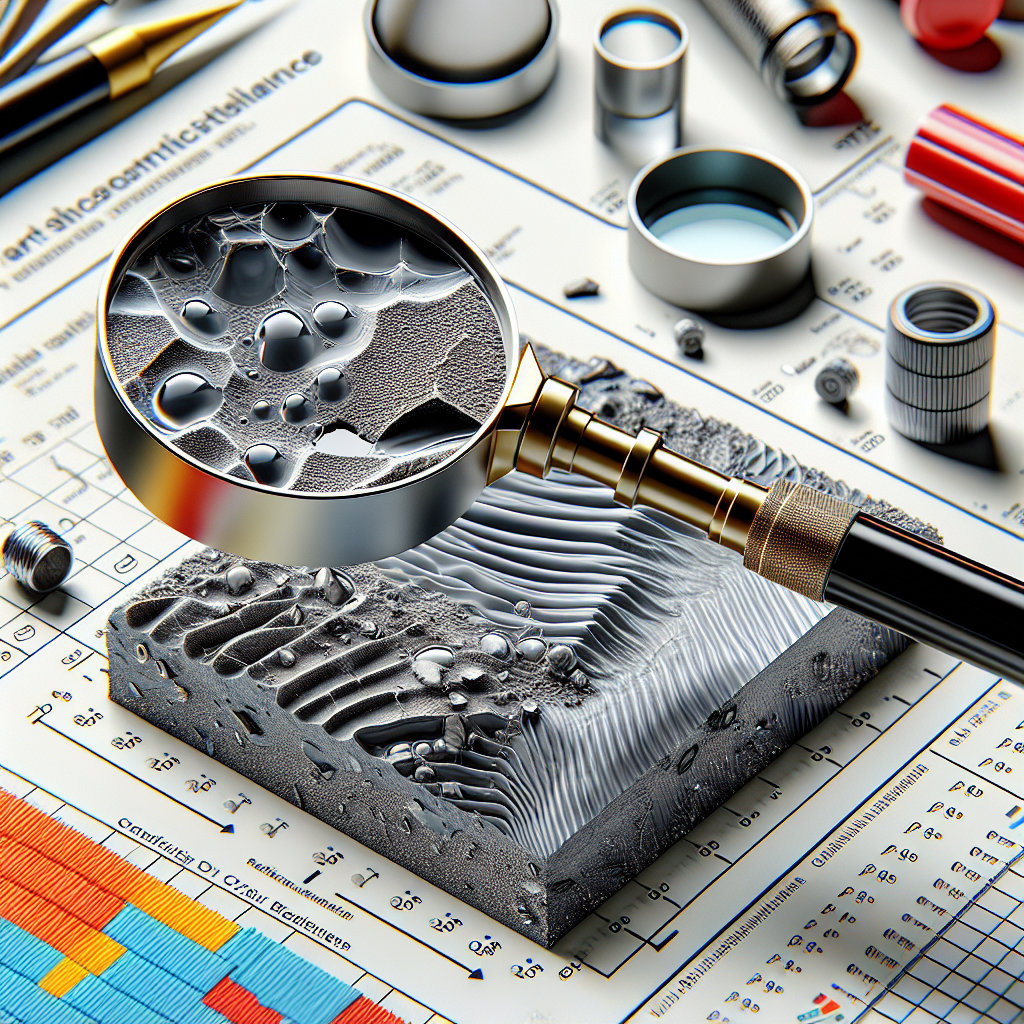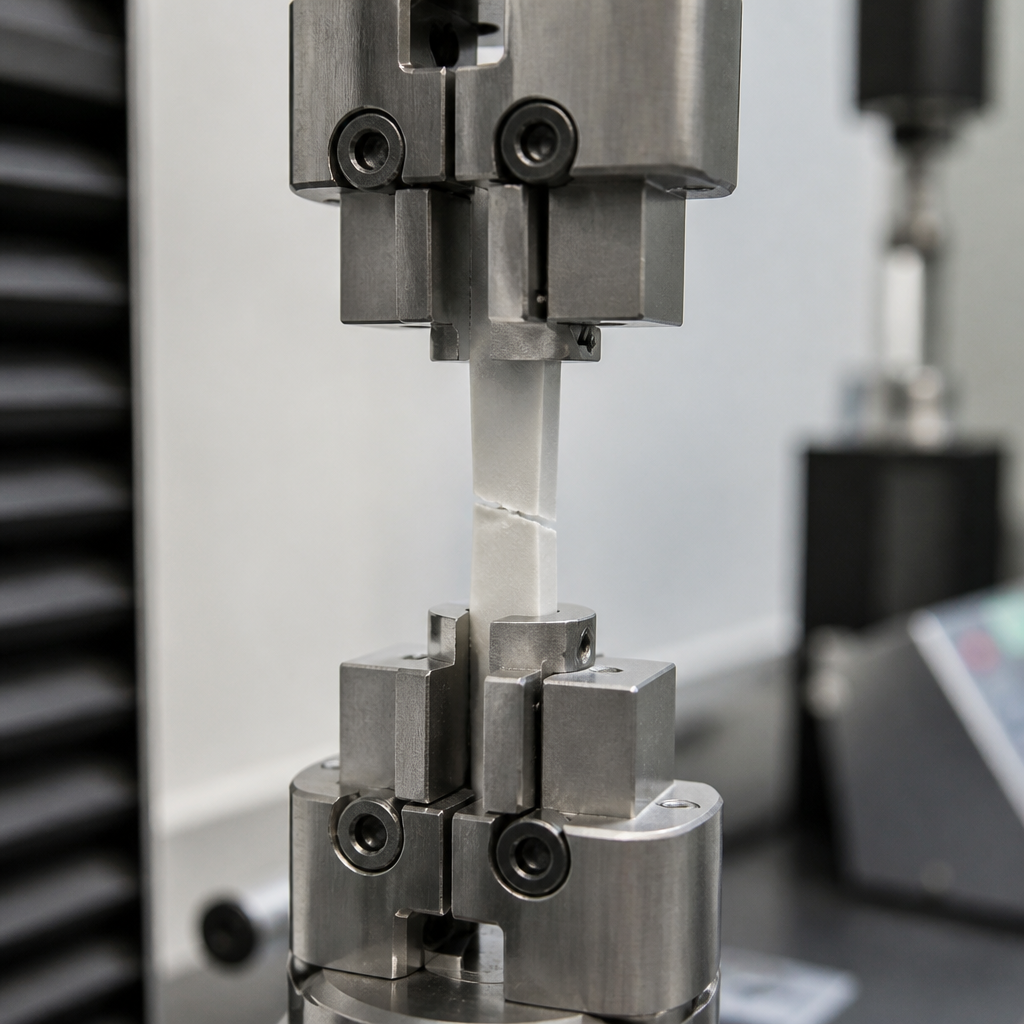
Advances in fracture toughness testing for polymers are reshaping how engineers evaluate failure risk, select materials, and validate designs across medical devices, packaging, automotive parts, electronics, and aerospace components. Fracture toughness testing measures a polymer’s resistance to crack initiation and crack growth under controlled loading. In practical terms, it answers a crucial question: if a notch, defect, weld line, or service crack exists, how much energy or stress can the material absorb before catastrophic fracture occurs? That question matters because many polymers appear strong in simple tensile tests yet fail unexpectedly when geometry, rate, temperature, or environment concentrates stress. Over the years, I have seen product teams rely on tensile strength alone, only to discover late in validation that a molded housing, adhesive joint, or thin-wall clip breaks from a small flaw that routine quality checks never flagged. Modern fracture methods reduce that risk.
For polymer fracture, the key metrics usually include stress intensity, energy release rate, essential work of fracture, and J-integral-based values, depending on the material behavior and test configuration. Standards from ASTM and ISO guide specimen design, pre-cracking, loading rates, and validity criteria, but polymers complicate the picture. Unlike many metals, polymers can be viscoelastic, rate sensitive, temperature dependent, anisotropic after processing, and prone to crazing or stable crack growth before final rupture. Semi-crystalline resins, amorphous thermoplastics, elastomer-modified blends, thermosets, and fiber-reinforced polymer composites each require different testing logic. As a result, advances in fracture toughness testing are not just about new machines. They include better specimen preparation, more precise crack monitoring, digital image correlation, instrumented impact methods, environmental chambers, and data reduction approaches that separate true fracture resistance from plastic deformation artifacts.
This hub article covers the major mechanical testing methods used to assess polymer fracture toughness and explains when each method works best. It also connects the subtopic to broader materials and properties decisions, because toughness data only becomes useful when linked to processing history, service temperature, chemical exposure, loading rate, and part geometry. If you need a clear framework for comparing methods such as plane-strain testing, J-based approaches, essential work of fracture, impact fracture, and fatigue crack growth, this guide provides that foundation.
Why fracture toughness testing for polymers is different
Fracture toughness testing for polymers differs from metal testing because polymers deform and fail through several competing mechanisms. In amorphous polymers such as PMMA or polycarbonate, crack-tip crazing, shear yielding, and localized heating can dominate. In semi-crystalline polymers such as polypropylene, polyethylene, and PEEK, lamellar morphology, crystallinity, and molecular orientation strongly influence crack resistance. In reinforced systems, fiber bridging, matrix cracking, and interfacial debonding complicate interpretation. Standard linear elastic fracture mechanics, which assumes a small plastic zone and limited nonlinear deformation, often works only for relatively brittle polymers under tightly controlled conditions. When specimens yield extensively before fracture, elastic-plastic methods are more appropriate.
Another complication is processing. Injection molding creates frozen-in orientation and weld lines; extrusion creates machine-direction anisotropy; additive manufacturing introduces interlayer weakness. I have tested nominally identical ABS specimens cut from different gate locations and measured materially different crack initiation behavior because local orientation altered craze formation. That is why serious programs record molding parameters, cooling conditions, humidity conditioning, and specimen extraction location alongside the mechanical data. A single toughness number without process context has limited design value.
Core standardized methods and what each one measures
The most established fracture toughness methods for polymers fall into several families. Compact tension and single-edge notched bend tests are commonly used to determine critical stress intensity factors or critical energy release rates when behavior is sufficiently brittle. ASTM D5045 is a widely used standard for plane-strain fracture toughness and strain energy release rate of plastic materials, and it remains the reference point for many thermoplastics and thermosets. ISO 13586 covers similar concepts for plastics using linear elastic fracture mechanics. These methods are strongest when the crack-tip plastic zone is small enough to satisfy validity requirements.
When yielding is significant, J-integral methods capture elastic-plastic crack driving force more realistically. For tougher polymers, especially ductile grades or thick sections, J-based resistance curves provide a better picture than a single initiation value. Essential work of fracture is especially useful for thin ductile sheets, films, and packaging materials where ligament yielding dominates. Instrumented impact testing extends conventional Izod or Charpy thinking by collecting force-displacement histories rather than only total absorbed energy. Fatigue crack growth testing adds another dimension by measuring crack advance under cyclic loading, which is critical for pressure pipes, snap-fit parts, and vibration-loaded housings.
| Method | Best suited for | Main output | Key limitation |
|---|---|---|---|
| Compact tension or SENB | Relatively brittle plastics, controlled notch sensitivity studies | KIC, GIC | Validity can fail if plastic deformation is too large |
| J-integral resistance curve | Ductile polymers and tougher sections | JIC, J-R curve | More complex data reduction and crack tracking |
| Essential work of fracture | Thin films and ductile sheets | we, non-essential work term | Sensitive to ligament geometry and stable tearing assumptions |
| Instrumented impact fracture | Rate-sensitive materials and fast-event screening | Initiation energy, propagation energy, force history | Results depend strongly on striker geometry and rate |
| Fatigue crack growth | Long-life cyclic applications | da/dN versus driving force | Testing is time intensive and environment sensitive |
Advances in specimen preparation and crack initiation control
One of the biggest improvements in polymer fracture testing has come before the test even starts: better notch and pre-crack preparation. A machined notch alone is often too blunt to represent a true crack-tip condition, so many standards require razor tapping or controlled pre-cracking. The challenge is that polymers can whiten, craze, or blunt during pre-cracking. Laboratories now use low-damage razor methods, cryogenic notching for selected materials, and optical verification to improve repeatability. For highly ductile systems, fatigue pre-cracking may be preferable, but only if the cycling conditions do not heat the specimen or alter morphology.
Microtomy and precision CNC preparation have also raised data quality. In thin films, a few tens of microns in ligament variation can shift essential work calculations. In molded plaques, extracting specimens from defined flow regions and documenting gate distance prevents apples-to-oranges comparisons. For welded plastic joints, fracture testing increasingly targets the heat-affected zone directly, using miniature specimens and local microscopy to ensure the crack starts where the design concern actually lies. These preparation advances have reduced scatter, which historically limited confidence in polymer toughness databases.
Digital measurement tools are changing data quality
Modern fracture testing no longer depends only on crosshead displacement and visual crack marking. Digital image correlation, high-speed video, clip gauges, crack opening displacement sensors, and compliance-based crack length calculations now give much richer crack-tip information. Digital image correlation is especially valuable because it maps full-field strain around the crack tip, revealing whether deformation remains localized or spreads across the ligament. In practice, this helps determine whether a nominally linear elastic result is truly valid or whether hidden plasticity is distorting the number.
High-speed cameras are also improving impact fracture analysis. Instead of reporting a single absorbed-energy value, labs can identify crack initiation timing, unstable propagation, and secondary ligament tearing. For transparent polymers, optical crack tracking can directly observe craze zone development in materials like PMMA. For opaque engineering resins, speckle patterns combined with image correlation provide similar insight. These tools support stronger root-cause analysis. When a PA66 housing fails after moisture conditioning, for example, the strain field often shows a shift from localized brittle initiation to broader ductile yielding, explaining why a dried sample and a conditioned sample can produce very different toughness rankings.
Environmental and rate-controlled testing now reflect service conditions better
Temperature, humidity, chemicals, and loading rate profoundly affect polymer fracture toughness, so one major advance is the routine integration of environmental control into test protocols. A fracture toughness value measured at 23 degrees Celsius and standard laboratory humidity may be irrelevant for an under-hood connector at 120 degrees Celsius, a frozen logistics crate at minus 30, or a sterilized medical component exposed to disinfectants. Environmental chambers attached to universal testing systems now allow in-situ testing at service temperatures, while fluid cells support testing in oils, fuels, surfactant solutions, or physiological media.
Rate control has improved as well. Because polymers are viscoelastic, a test run at 1 mm/min can tell a very different story from one run at impact speed. Instrumented drop-weight systems and servo-hydraulic frames fill the gap between quasi-static and high-rate loading. Slow crack growth testing for polyethylene pressure pipe is a strong example of service-relevant evolution. Methods such as full-notch creep testing and notched pipe testing have become essential for ranking PE grades intended for decades of field life, where resistance to environmentally assisted crack growth matters more than short-term strength. This shift toward realistic environments produces data that design teams can actually use.
From single values to resistance curves and mechanism-based interpretation
A single fracture toughness value is useful, but the most important advance is conceptual: the field has moved toward resistance curves and mechanism-based interpretation. Many polymers do not fail at the moment a crack starts. They can exhibit stable crack extension, ligament yielding, or crack-tip shielding before instability. J-R curves and R-curves capture how resistance evolves with crack growth, which is far more informative for damage-tolerant design. For glass-filled nylon, for instance, initiation may occur at a modest crack-driving force, but subsequent fiber bridging can temporarily raise resistance. In an unfilled amorphous polymer, the opposite can happen if craze breakdown causes rapid loss of stability.
This mechanism-based view also connects fracture testing to microscopy and thermal analysis. Scanning electron microscopy distinguishes brittle mirror zones, craze fibrils, ductile shear lips, and fiber pullout. Differential scanning calorimetry and DMA help explain why annealed PEEK often behaves differently from rapidly cooled PEEK, or why a plasticized PVC formulation loses crack resistance as temperature rises. The strongest testing programs combine numerical values with fractography, morphology, and conditioning records. That integrated approach turns fracture toughness from an isolated lab metric into a reliable design input.
How this hub connects the broader mechanical testing methods landscape
As a hub within materials and properties, fracture toughness testing sits alongside tensile, flexural, impact, fatigue, creep, hardness, and dynamic mechanical testing. None of those methods can replace it, but each adds context. Tensile testing defines modulus, yield stress, and elongation; impact testing screens fast-event sensitivity; fatigue measures damage accumulation; creep captures long-term deformation; DMA identifies glass transition and viscoelastic response. Fracture toughness bridges these datasets by focusing specifically on flaw tolerance. In product development, that often becomes the deciding property when parts include notches, bosses, knit lines, screw holes, or bonded interfaces.
The practical takeaway is straightforward. Select the fracture method that matches the polymer’s deformation mode, geometry, and service condition; control specimen preparation rigorously; measure crack growth with modern digital tools; and interpret the result alongside processing and environmental data. Engineers who do this make better material choices and avoid false confidence from oversimplified strength metrics. If you are building a comprehensive mechanical testing strategy for polymers, use fracture toughness as the central link between laboratory properties and real-world durability, then map supporting methods around it for a complete performance picture.
Frequently Asked Questions
What is fracture toughness testing for polymers, and why is it so important in real-world applications?
Fracture toughness testing for polymers evaluates how well a material can resist crack initiation and crack growth when it is exposed to stress. Unlike simple strength testing, which often measures how much load a material can carry before it breaks, fracture toughness testing focuses on what happens when a flaw already exists. That flaw might be a molded-in notch, a weld line, a scratch from handling, a defect created during assembly, or a crack that develops in service over time. In practical engineering terms, the test helps answer a critical question: if damage is present, will the part tolerate it safely or fail unexpectedly?
This matters because polymer components are used in demanding environments across medical devices, packaging, automotive systems, consumer electronics, industrial equipment, and aerospace applications. In many of these products, failure does not begin in a perfect specimen. It begins at stress concentrators, sharp corners, knit lines, holes, bonded joints, or environmental attack sites. A material with high tensile strength but poor fracture toughness may still fail prematurely if a small crack forms and rapidly propagates. Fracture toughness testing therefore gives engineers a more realistic basis for predicting service performance, validating designs, comparing materials, and reducing field failures.
It is also increasingly important because today’s polymers are more specialized than ever. Engineers are working with filled compounds, reinforced thermoplastics, multilayer packaging structures, additive manufacturing feedstocks, bio-based polymers, and highly regulated medical and aerospace materials. These materials can behave very differently from traditional unfilled plastics, especially when crack growth, temperature sensitivity, loading rate, and environmental exposure are considered. Advances in testing methods now allow more precise characterization of these behaviors, helping teams make smarter material selections and avoid overdesign or underdesign.
How is fracture toughness testing different from standard mechanical tests such as tensile, impact, or flexural testing?
Standard mechanical tests and fracture toughness tests are related, but they are not interchangeable. Tensile testing typically measures properties such as modulus, yield strength, elongation at break, and ultimate tensile strength under a relatively uniform loading condition. Flexural testing evaluates stiffness and strength in bending. Impact tests, such as Izod or Charpy, estimate how much energy a notched sample absorbs during a fast fracture event. These tests are useful and widely used, but they do not always capture how a crack behaves once it has formed in an actual part.
Fracture toughness testing is different because it intentionally introduces or evaluates a crack-like flaw and studies the material’s resistance to crack opening and propagation under controlled conditions. Depending on the method, results may be expressed in terms such as stress intensity, energy release rate, or critical strain energy associated with crack growth. This makes fracture toughness particularly valuable for failure analysis and durability assessment, because most structural failures begin at local defects rather than across an ideal, flawless cross-section.
Another key difference is sensitivity to service variables. Fracture behavior in polymers can change dramatically with temperature, loading rate, moisture, chemical exposure, molecular orientation, specimen thickness, and processing history. A polymer may show acceptable tensile strength yet behave in a brittle manner when notched, aged, or tested at low temperature. Fracture toughness methods are better suited to reveal those vulnerabilities. That is why engineers rely on them when product safety, long-term reliability, or regulatory confidence is at stake.
In short, traditional mechanical tests provide a broad baseline for material behavior, while fracture toughness testing provides a deeper understanding of flaw tolerance. The most robust material qualification programs use both. Together, they create a fuller picture of how a polymer is likely to perform during manufacturing, assembly, shipment, and end use.
What recent advances are improving fracture toughness testing for modern polymer materials?
Recent advances are making fracture toughness testing more accurate, more application-specific, and more useful for modern polymer design. One major improvement is the growing use of instrumented test systems that capture full load-displacement behavior rather than only reporting a single pass-fail or peak-value result. This allows engineers to distinguish between crack initiation and crack growth resistance, identify stable versus unstable fracture behavior, and better understand ductile-to-brittle transitions in polymer systems.
Another important advance is the expansion of testing approaches for polymers that do not behave like traditional linear-elastic materials. Many polymers exhibit viscoelasticity, plastic deformation, crazing, shear yielding, or time-dependent crack growth. Because of that, newer methods and analytical frameworks are being used to address elastic-plastic fracture mechanics, essential work of fracture concepts for thin ductile films, and crack resistance behavior under realistic loading conditions. These approaches are especially valuable in packaging films, medical components, and thin-wall molded products where conventional fracture assumptions may not fully apply.
Digital image correlation, high-speed imaging, and improved crack monitoring are also transforming the field. These tools allow researchers and engineers to observe local strain fields, crack tip deformation, and crack path evolution with far greater clarity. That visibility helps validate models, compare formulations, and identify how fillers, fibers, interfaces, or processing defects affect fracture response. In reinforced or anisotropic polymers, for example, imaging can reveal whether a crack is deflecting, branching, or interacting with microstructural features in ways that strongly influence toughness.
There have also been advances in environmental and application-relevant testing. Laboratories now more commonly evaluate fracture behavior under different temperatures, humidity levels, chemical exposures, sterilization conditions, and loading rates to better simulate service environments. This is particularly important for polymers used in under-hood automotive applications, implantable or disposable medical devices, battery enclosures, electronics housings, and aerospace interiors. When combined with finite element analysis and failure prediction models, these richer datasets help engineers design for durability with greater confidence and less guesswork.
Which factors most affect fracture toughness results in polymers?
Fracture toughness in polymers is influenced by a wide set of material, processing, environmental, and testing variables. Material structure is one of the most important. Polymer chemistry, molecular weight, crystallinity, crosslink density, rubber modification, filler content, fiber reinforcement, and additive package all affect how a crack forms and propagates. Some materials dissipate energy through mechanisms such as shear yielding, fibrillation, crazing, or crack deflection, while others fracture more abruptly with limited plastic deformation.
Processing history can be just as important as the resin itself. Injection molding conditions, cooling rate, orientation, residual stress, weld line formation, void content, and moisture conditioning can all significantly alter toughness. Two parts made from the same polymer grade may perform very differently if they were processed under different conditions. This is why fracture toughness data from generic datasheets should be used carefully; they may not represent the actual performance of a finished part geometry or manufacturing route.
Environmental exposure is another major factor. Temperature has a particularly strong effect because many polymers become more brittle at lower temperatures and softer or more ductile at higher temperatures. Moisture uptake, UV exposure, oxidation, sterilization cycles, fuels, cleaners, and other chemicals can also degrade the material or change its crack resistance. In many applications, environmental stress cracking and slow crack growth are among the most serious risks, especially for parts that experience sustained loads over long periods.
Finally, the test setup itself affects results. Specimen geometry, notch quality, pre-crack preparation, thickness, loading rate, and data reduction method all influence the reported fracture toughness value. Because polymers may show rate-dependent and nonlinear behavior, consistency in specimen preparation and test protocol is essential. The best results come from methods aligned with the application and interpreted by experts who understand both fracture mechanics and polymer behavior. That is what turns test data into actionable engineering insight rather than just a number on a report.
How do engineers use fracture toughness data to select materials and improve polymer product design?
Engineers use fracture toughness data to make better decisions at both the material-selection stage and the product-validation stage. During material screening, toughness data helps narrow the field between candidate polymers that may otherwise look similar based on tensile or impact properties alone. If a part is expected to contain notches, snap-fit features, thin sections, welded joints, molded-in stress, or exposure to aggressive environments, fracture toughness becomes a highly relevant differentiator. It helps identify which material is more likely to tolerate flaws without catastrophic crack growth.
In design and development, fracture toughness data supports a more realistic evaluation of safety margins. Engineers can use it to understand whether a detected defect is likely to remain stable, whether a geometry needs to be modified to reduce stress concentration, or whether wall thickness, rib placement, radius design, or assembly method should be changed. In high-reliability sectors such as medical, automotive, and aerospace, this information is especially valuable because it supports risk reduction and can improve confidence in design verification.
Fracture toughness data is also useful in failure analysis and lifecycle improvement. When a polymer component cracks in service, toughness testing can help determine whether the root cause was poor material selection, processing-induced brittleness, environmental degradation, or an overload condition acting on an existing flaw. That knowledge feeds directly back into redesign, supplier qualification, quality control, and manufacturing optimization. Over time, companies can use these insights to reduce warranty claims, improve product robustness, and shorten development cycles.
Perhaps most importantly, fracture toughness testing helps bridge the gap between laboratory characterization and real