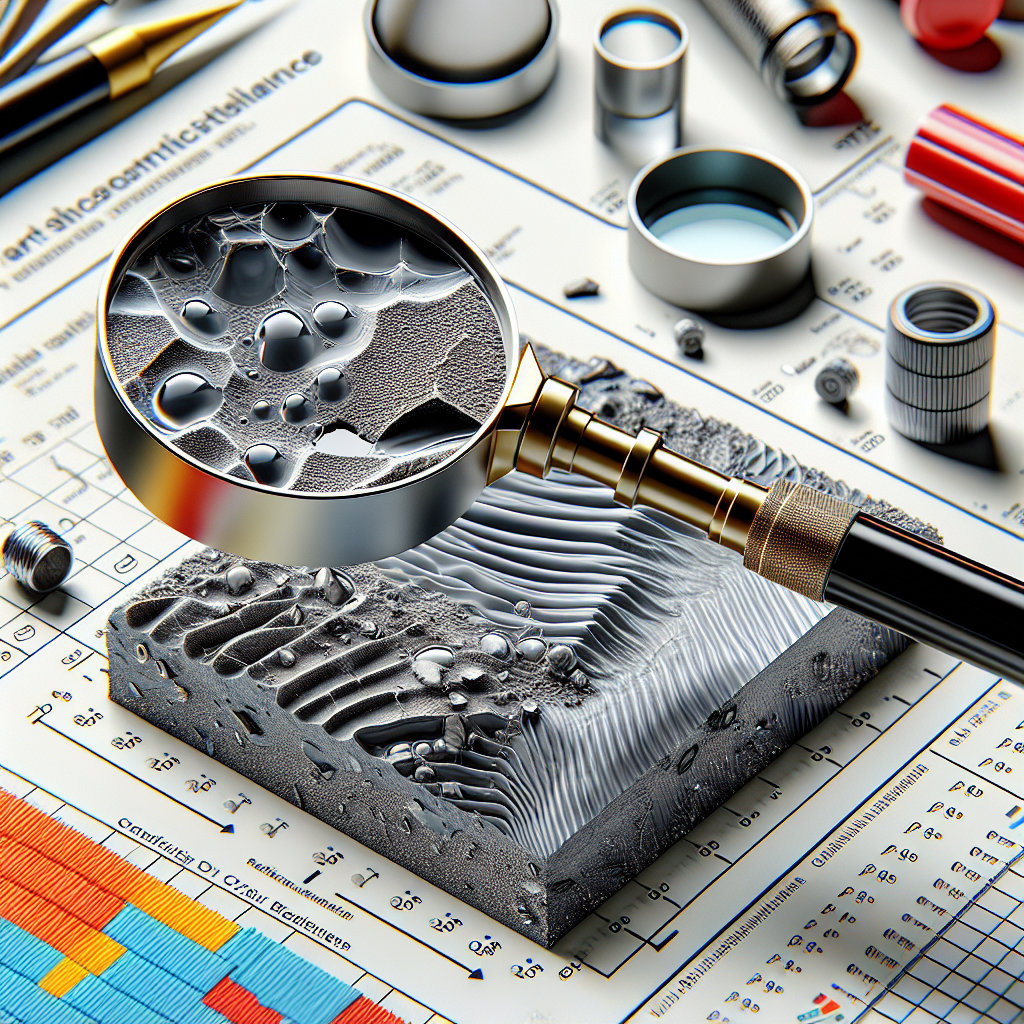
Evaluating the wear resistance of polymer materials is essential in product design because polymers often fail gradually, through surface loss, before they fail structurally. Wear resistance describes a material’s ability to withstand material removal, surface deformation, or damage caused by repeated contact, sliding, rolling, abrasion, or erosion. In the polymers field, that definition matters because many plastics, elastomers, and composites are chosen specifically for low weight, corrosion resistance, low friction, chemical stability, or cost advantages, then placed into moving assemblies where surfaces rub, impact, or scrape. I have seen this in gears, conveyor liners, seals, bushings, medical components, and consumer products: a polymer may pass tensile, impact, and thermal requirements, yet still create warranty problems when wear debris, dimensional loss, or frictional heating changes performance over time.
Mechanical testing methods for polymer wear resistance provide the data needed to prevent those failures. These methods simulate contact conditions in controlled ways, then measure mass loss, volume loss, friction coefficient, scratch depth, scar geometry, or change in surface appearance. The challenge is that wear is not a single property like density or hardness. It is a system response shaped by load, speed, counterface roughness, temperature, lubrication, environment, crystalline structure, fillers, additives, and even test duration. A nylon gear and a PTFE-filled acetal bearing can behave very differently under the same nominal load because transfer film formation, moisture uptake, viscoelastic heating, and contact mechanics all shift the wear mechanism.
That is why this hub article matters within Materials and Properties. It brings together the core mechanical testing methods used to evaluate polymer wear resistance, explains what each method reveals, and shows how to interpret results without overgeneralizing. If you need to compare resin grades, select a standard, understand tribology data from suppliers, or decide which deeper testing article to read next, this page provides the framework. It covers abrasion, sliding wear, scratch and mar resistance, erosion, friction testing, environmental effects, specimen preparation, and result interpretation in plain terms while keeping the technical precision engineers need for material selection and specification work.
What Wear Resistance Means in Polymers
Wear resistance in polymers is the ability to maintain function and dimensions when a surface experiences repeated mechanical interaction. In practice, engineers usually care about one of four outcomes: how much material is lost, how friction changes during service, whether the surface forms damaging debris, and how quickly appearance degrades. Common wear modes include abrasive wear from hard asperities or particles, adhesive wear from sliding contact and transfer, fatigue wear from repeated stress cycles, fretting wear from tiny oscillatory motion, and erosive wear from particle or fluid impact. Many polymer applications involve more than one mode at once. A filled polypropylene housing may experience scratch damage during assembly, while a PEEK thrust washer sees adhesive wear and heat buildup under dry sliding.
Polymers complicate wear testing because they are viscoelastic and thermally sensitive. Contact pressure can rise locally as the surface softens. Frictional heating can push the surface toward the glass transition temperature, changing both modulus and wear mechanism mid-test. Fillers such as glass fiber, carbon fiber, PTFE, graphite, molybdenum disulfide, and mineral reinforcements can improve one wear mode while worsening another. For example, PTFE often reduces friction and sliding wear, but may lower stiffness; glass fiber can improve load carrying yet increase counterface abrasion. Moisture absorption in nylon can increase toughness but alter dimensions and reduce hardness. These effects make direct application testing more valuable than relying on one generic wear number.
Core Mechanical Testing Methods Used as the Hub of Wear Evaluation
The main mechanical testing methods for polymer wear resistance fall into a practical sequence. Abrasion tests measure how a surface resists scraping or rubbing by an abrasive medium. Sliding wear tests evaluate friction and material loss against a defined counterface under load and speed. Scratch and mar tests assess resistance to visible damage from pointed or hard contacts. Erosion tests study repeated impact by particles or jets. Supporting measurements such as hardness, surface roughness, dynamic mechanical analysis, microscopy, and thermal characterization help explain why one formulation outperforms another. In my experience, the most reliable development programs use at least one screening test and one application-correlated test rather than depending on a supplier brochure value alone.
| Method | Typical Standard or Setup | What It Measures | Best Use |
|---|---|---|---|
| Abrasion | Taber abrasion, DIN abrasion | Mass or volume loss after controlled rubbing | Flooring, coatings, shoe soles, housings |
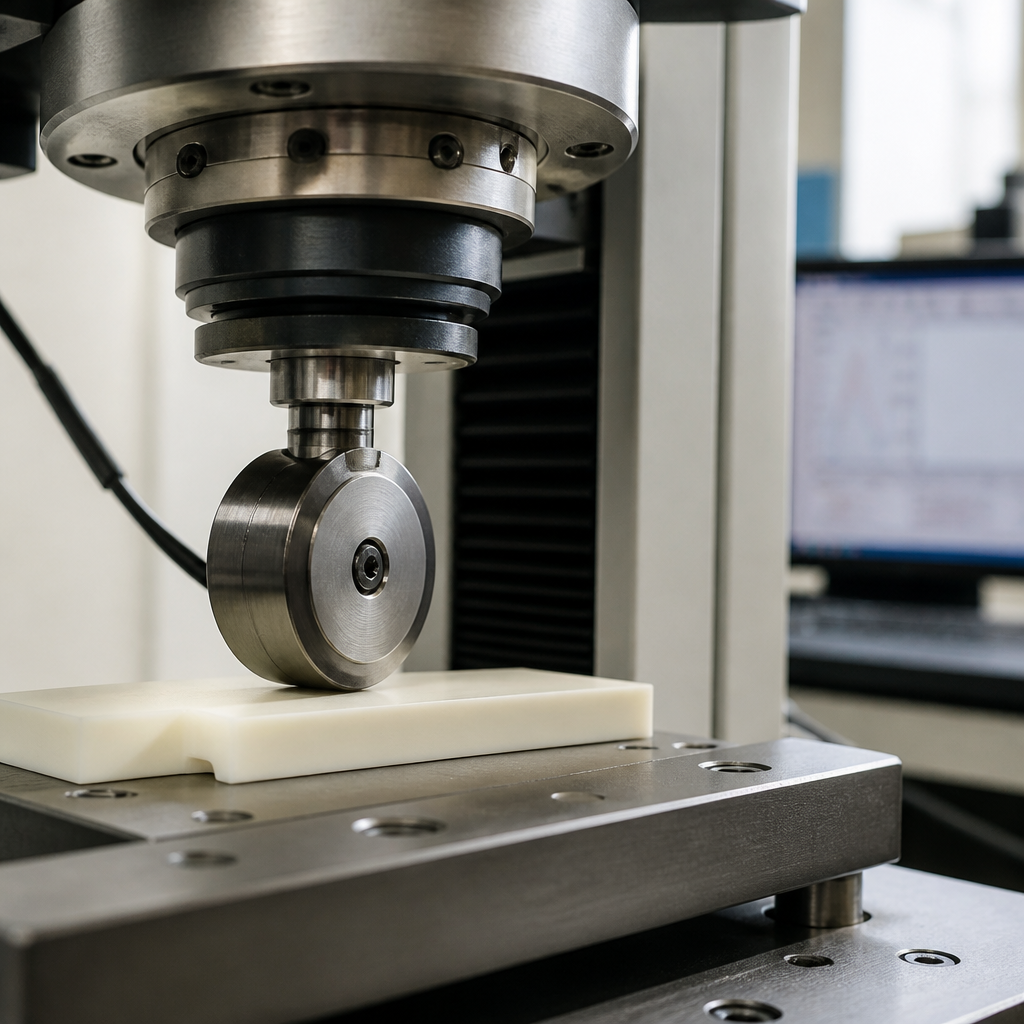
| Sliding wear | Pin-on-disk, block-on-ring, thrust washer rigs | Wear rate, friction coefficient, transfer film behavior | Bearings, gears, bushings, seals |
| Scratch and mar | Instrumented scratch, pencil hardness, mar tests | Scratch depth, visibility, recovery, surface damage | Automotive trim, consumer products, lenses |
| Erosion | Particle impingement or slurry rigs | Material loss from repeated impact | Pipes, ducts, pump components, liners |
| Supporting analysis | Microscopy, hardness, DMA, DSC, profilometry | Mechanism identification and property correlation | Failure analysis and formulation development |
Standards matter because wear data are extremely setup-sensitive. ASTM and ISO procedures define wheel type, abrasive grade, specimen geometry, load, speed, conditioning, and reporting conventions so that results can be compared with fewer hidden variables. Even then, cross-lab agreement is rarely as strong as with tensile testing. That is why serious reports document counterface material, roughness, humidity, temperature, lubrication state, number of cycles, cleaning method, and whether wear loss is reported as mass, volume, thickness change, or specific wear rate. Without that context, a wear value is not decision-grade engineering data.
Abrasion Testing: Dry Rubbing, Wheels, and Standardized Surface Loss
Abrasion testing is one of the most common starting points because it is relatively fast and discriminates clearly between formulations. In the Taber abrasion method, a flat specimen rotates while abrasive wheels apply a specified load for a set number of cycles. The result is usually reported as mass loss, haze increase, or wear index, depending on the material and end use. The method is widely used for plastics, coatings, laminates, and transparent parts because it simulates repeated rubbing from service or cleaning. Wheel selection is crucial: a more aggressive wheel can reorder rankings that looked favorable under milder conditions.
DIN abrasion testing, used often for elastomers and soles, measures volume loss after a specimen is pressed against abrasive paper under controlled travel. It is useful when resilience and soft surface deformation make wheel-based methods less representative. For semi-crystalline engineering plastics such as UHMWPE, acetal, and nylon, abrasion trends often reflect crystallinity, filler package, and molecular orientation, but they also depend on whether debris remains trapped at the interface or escapes. In practical development work, abrasion tests are excellent for screening compounds, color packages, or recycled content, yet they should not be mistaken for a full predictor of bearing or gear life because they emphasize abrasive mechanisms over sustained sliding contact behavior.
Sliding Wear and Friction Testing: The Most Important Tribology Data
When engineers ask how to evaluate wear resistance of polymer materials for moving parts, sliding wear testing is usually the most informative answer. Common rigs include pin-on-disk, pin-on-plate, block-on-ring, ring-on-block, and custom thrust washer or journal bearing setups. The specimen is loaded against a counterface, moved at controlled speed, and monitored for friction force and wear over time. Results are often reported as coefficient of friction and specific wear rate in cubic millimeters per newton-meter. Those numbers are useful only when paired with counterface details such as steel grade, hardness, roughness, and lubrication condition.
The key reason sliding wear tests matter is that they reveal mechanism changes. A PTFE-filled polymer may begin with low friction because a transfer film forms on the steel counterface. A dry nylon may start well, then absorb heat and moisture effects, causing friction variation and accelerated wear. PEEK can perform exceptionally under elevated loads, especially with carbon fiber or graphite, but mating surface finish still changes the outcome. I have repeatedly found that examining the worn surface under optical microscopy or SEM explains confusing data faster than rerunning the test blindly. Smearing, plowing, fibrillation, microcracking, and transfer film continuity each point to a different improvement path, whether that means changing filler type, reducing roughness, adding lubrication, or redesigning contact pressure.
Scratch, Mar, and Surface Damage Testing for Appearance and Function
Not all wear failures involve large material loss. In automotive interiors, appliance housings, electronics, and clear plastics, visible surface damage often determines customer acceptance before structural performance changes. Scratch and mar testing therefore sits alongside abrasion as a major mechanical testing method for polymer surfaces. Instrumented scratch tests drag a stylus across the surface under progressive or constant load and record penetration depth, residual depth, friction, and recovery. These data help distinguish brittle fracture from ductile plowing and show whether a surface heals elastically after contact. Polypropylene interior trim compounds, for example, are often tuned with elastomer modifiers, talc, or surface-texture strategies to reduce whitening and visible scratching.
Scratch results must be interpreted with end use in mind. A hard surface may resist shallow marks yet crack under concentrated loading. A softer TPO may show more groove depth but less whitening and better perceived appearance. Surface coatings, plasma treatment, and mold texture can change mar behavior dramatically. For transparent polymers such as polycarbonate and PMMA, scratch resistance is closely tied to optical haze growth, which is why hard coatings are common. In hub-and-spoke content planning, this topic naturally links to deeper articles on instrumented scratch testing, coating adhesion, and cosmetic durability because the testing methods overlap but the acceptance criteria differ by industry.
Erosive Wear, Environmental Effects, and How to Interpret Results Correctly
Erosive wear testing becomes important when polymers face particle-laden flow, slurry transport, dust streams, or repeated fluid impingement. Test rigs accelerate particles at a known angle and velocity onto the specimen, then measure mass or volume loss. Ductile materials often show higher wear at shallow impact angles, while brittle materials may wear fastest near normal impact. Polymer behavior can shift between those patterns depending on temperature and strain rate. In mining liners, pump components, and ducts, UHMWPE, polyurethane, and filled nylons are common candidates, but rankings change if wet slurry replaces dry particle impact. That is why the test medium must match service conditions closely.
Environmental control is equally critical across all wear methods. Temperature, humidity, UV exposure, chemical contact, and lubrication can alter polymer surfaces before testing even begins. Conditioning per ASTM or ISO is not paperwork; it determines repeatability. Nylon tested dry-as-molded and nylon equilibrated at 50 percent relative humidity can give materially different friction and wear results. Reporting should include specimen history, surface finish, replicate count, standard deviation, and post-test microscopy. The most useful conclusion is rarely “material A is wear resistant.” It is “material A showed lower specific wear rate than material B under these defined conditions because its transfer film was more stable and its surface temperature remained lower.” For engineers building a materials and properties knowledge base, that level of interpretation turns raw tribology numbers into sound design decisions. Select methods that mirror service, compare multiple mechanisms, and use the results to guide deeper testing or application trials.
Good wear evaluation programs combine standard tests with realistic prototypes. Start with abrasion or scratch screening, move to sliding wear under service-relevant loads, then confirm with assembled component trials. That sequence reduces risk, shortens material selection, and prevents false confidence from isolated numbers. If you are building specifications or choosing among polymer grades, use this hub as the starting map, then dig into each testing method in detail and match every result to the actual contact conditions your product will face in service.
Frequently Asked Questions
What does wear resistance mean for polymer materials, and why is it so important?
Wear resistance is a polymer material’s ability to withstand gradual surface damage or material loss when it is exposed to repeated contact, friction, sliding, rolling, abrasion, or particle impact. In practical terms, it describes how well a plastic, elastomer, or polymer composite can keep its surface integrity and dimensional stability over time while operating in a real application. This matters because polymer components often do not fail all at once. Instead, they commonly degrade progressively at the surface first, which can change fit, function, appearance, friction behavior, sealing performance, or load transfer long before a dramatic structural failure occurs.
In product design, wear resistance is especially important because polymers are frequently selected for applications where low weight, corrosion resistance, noise reduction, design flexibility, and cost efficiency are valuable. However, those benefits can be compromised if the material experiences excessive wear in service. A bearing made from an engineering plastic, for example, may initially perform well, but if its surface wears too quickly, clearances increase, friction changes, and the part may eventually lose precision or seize. Likewise, elastomeric seals can lose effectiveness as their surfaces abrade, and polymer coatings can fail by gradual thinning or scratching.
Another reason wear resistance is so significant is that polymer wear behavior is highly dependent on conditions. Unlike metals, polymers are often more sensitive to temperature, contact pressure, sliding speed, counterface roughness, lubrication, and environmental exposure. Small changes in operating conditions can produce large changes in wear rate. That means evaluating wear resistance is not just about asking whether one polymer is “good” or “bad.” It is about understanding how a specific material behaves in a specific tribological system, including the mating surface, motion type, contaminants, and service environment.
What are the main types of wear that affect plastics, elastomers, and polymer composites?
Polymers can experience several different wear mechanisms, and identifying the dominant one is a critical step in selecting or evaluating a material. The most common form is adhesive wear, which occurs when two surfaces slide against each other and small amounts of material transfer or detach because of local bonding and shearing at the contact interface. In polymers, adhesive wear can be influenced by surface energy, frictional heating, and the tendency of the material to soften under load.
Abrasive wear is another major category and is often seen when a harder surface, rough asperities, or embedded particles cut, plow, or scrape the polymer surface. This can happen in dusty environments, in components exposed to mineral fillers or debris, or when the counterface is too rough. Two-body abrasion involves a hard surface directly wearing the polymer, while three-body abrasion occurs when loose particles move between surfaces and act like an abrasive medium.
Fatigue wear also affects polymer materials, especially under repeated rolling or cyclic contact. In this case, the surface may crack, flake, or delaminate after repeated stress cycles even if each individual load is below the material’s short-term strength. Elastomers and layered composites can be particularly vulnerable when they are repeatedly deformed. Erosive wear is another concern in applications involving fluid flow or airborne particles, where repeated particle impact gradually removes material from the surface.
For polymer composites, the picture can become even more complex. Fibers, fillers, and reinforcements may improve wear resistance in one situation but worsen it in another by changing stiffness, heat generation, transfer film formation, or counterface damage. In addition, some polymers form protective transfer films on the mating surface during sliding, which can significantly reduce wear if conditions are favorable. Because multiple mechanisms can occur at once, good wear evaluation focuses not just on the total material loss, but also on understanding how and why the surface is degrading.
How is the wear resistance of polymer materials tested and measured?
Wear resistance is typically evaluated through laboratory tribological testing combined with post-test surface analysis. The exact test method depends on the intended application, because wear is not an intrinsic property that can be fully captured by a single universal number. Common test configurations include pin-on-disk, block-on-ring, thrust washer, reciprocating sliding, taber abrasion, slurry abrasion, and erosion testing. Each setup simulates a different contact mode, motion pattern, pressure level, and environmental exposure. For example, pin-on-disk tests are often used to study sliding wear and friction under controlled conditions, while abrasion tests may be more appropriate for products exposed to scratching or particulate contact.
During testing, engineers usually monitor material loss, wear rate, friction coefficient, and sometimes temperature at the contact zone. Material loss may be determined by mass change, thickness reduction, volume loss, or dimensional change. Volume-based wear rates are especially useful when comparing polymers of different densities. In many cases, the test results are normalized to the applied load and sliding distance so the data can be compared more meaningfully. Still, those numbers should always be interpreted carefully, because changing test duration, speed, pressure, humidity, or counterface material can alter the outcome dramatically.
Surface characterization is just as important as the numeric wear result. Microscopy, profilometry, hardness testing, and examination of transfer films or debris can reveal the wear mechanism at work. A polymer that shows low mass loss in a short test but exhibits severe surface cracking or thermal softening may not perform reliably in long-term service. Likewise, a material that creates a stable transfer film might improve over time under a certain set of conditions. Good evaluation therefore combines quantitative data with qualitative analysis so designers understand not only how much wear occurred, but also whether the mechanism is stable, accelerating, or likely to trigger functional failure.
Whenever possible, test conditions should match the real application as closely as possible. That includes load, speed, motion type, lubrication, mating surface, contamination level, and temperature. Accelerated testing can be valuable, but if the acceleration changes the wear mechanism, the results may become misleading. The most useful wear test is the one that faithfully represents actual service conditions while generating data that can guide material selection and design decisions.
What factors most strongly influence the wear performance of polymer materials in real applications?
Wear performance in polymers is shaped by a combination of material properties, contact conditions, and environmental effects. On the material side, hardness, modulus, toughness, crystallinity, molecular structure, thermal behavior, filler content, and surface characteristics all play a role. A polymer that is too soft may deform excessively and wear quickly under load, while a very stiff material may resist deformation but become more prone to brittle surface damage in certain conditions. Additives such as PTFE, graphite, glass fibers, carbon fibers, or solid lubricants can improve wear behavior, but they can also change friction, mating-surface wear, and heat generation.
Operating conditions are equally important. Contact pressure and sliding speed together strongly influence frictional heating, and heat can be especially significant for polymers because many soften as temperature rises. A material that performs well at room temperature under light load may wear rapidly if the local surface temperature climbs near its softening range. Counterface material and roughness also matter. A polished metal surface may support low wear for one polymer, while a rougher or chemically different counterface may produce severe abrasion or unstable transfer films.
Lubrication and contamination are other major variables. Some polymers are used specifically because they can run dry, but even dry-running materials often benefit from controlled surface finishes and operating limits. In lubricated systems, the lubricant chemistry can affect swelling, softening, or film formation. Dust, sand, fibers, or hard process particles can convert a mild sliding contact into a highly abrasive one. Moisture, chemicals, and UV exposure can also alter a polymer’s surface and mechanical properties over time, indirectly affecting wear resistance.
Part geometry and system design should not be overlooked. Misalignment, sharp edges, stress concentrations, poor heat dissipation, and insufficient support can all accelerate surface damage. In many cases, wear problems are not caused by the polymer alone, but by the interaction of the material with design details and operating conditions. That is why strong wear performance usually comes from optimizing the whole system rather than simply choosing the “hardest” or “strongest” polymer available.
How can engineers improve the wear resistance of polymer components during material selection and design?
Improving wear resistance starts with matching the material to the actual wear mechanism and service environment. Engineers should first define how the component moves, what it contacts, the expected load and speed, whether lubrication is present, what temperatures will occur, and whether contaminants or chemicals are involved. Once those factors are clear, material selection becomes much more effective. For example, self-lubricating engineering polymers may be ideal for dry sliding applications, while fiber-reinforced composites may be better suited for higher loads where dimensional stability is essential. Elastomers used in sealing or damping applications may need a balance of abrasion resistance, resilience, and chemical compatibility rather than maximum stiffness.
Formulation can make a substantial difference. Fillers and reinforcements such as PTFE, UHMWPE additives, molybdenum disulfide, graphite, carbon fibers, aramid fibers, or glass fibers are often used to tailor friction and wear properties. However, there is no universally best additive package. Some fillers reduce polymer wear but increase wear on the mating surface. Others improve stiffness but reduce toughness. The best approach is