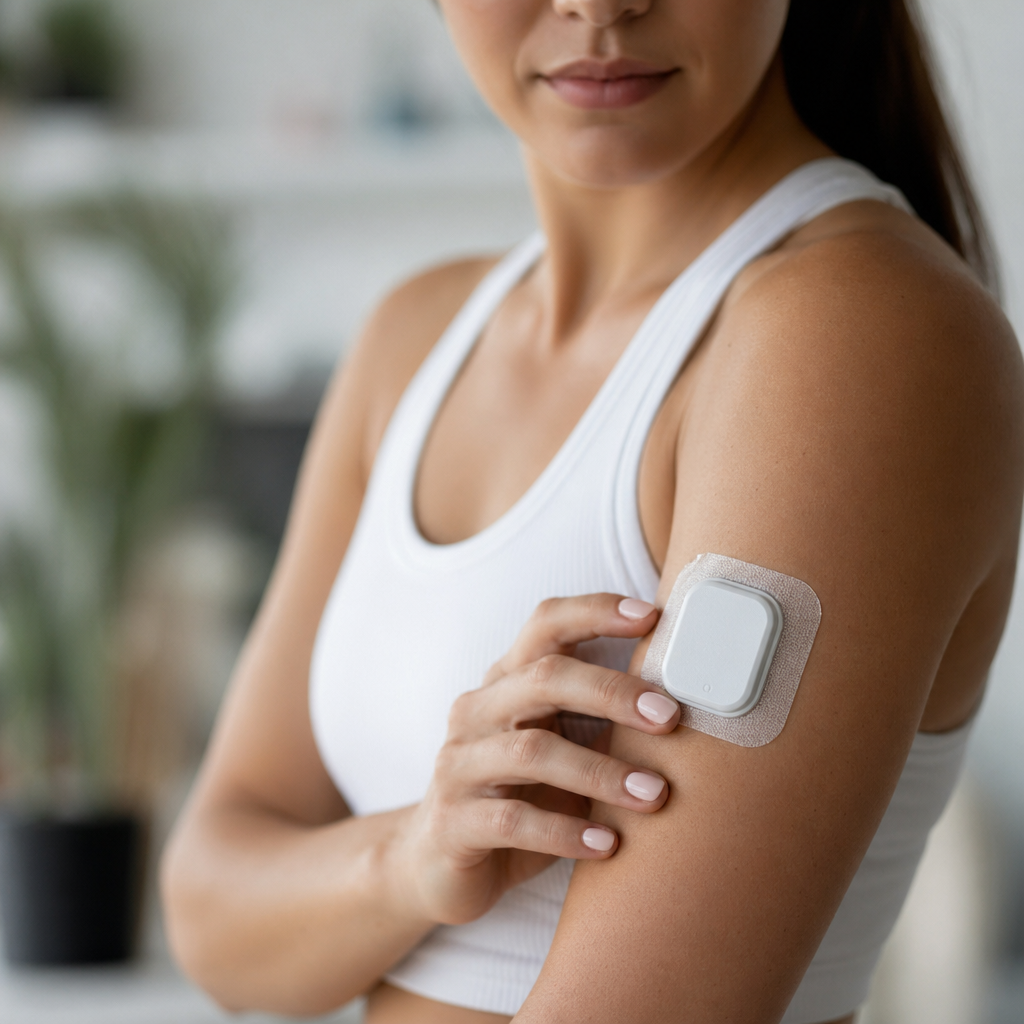
Healthcare wearables have moved from simple step counters to clinically relevant devices, and polymers are a major reason that transformation is happening. In medical and healthcare settings, wearables must do far more than look sleek or survive a gym session. They need to flex with skin, resist sweat and cleaning agents, protect electronics, enable accurate sensing, and remain comfortable long enough for patients to keep using them. Polymers, a broad class of materials built from repeating molecular units, make those requirements achievable at scale. From soft silicones and thermoplastic polyurethanes to conductive polymer composites and hydrogel interfaces, these materials now sit at the center of device design.
When I have worked with wearable product teams, the material conversation always becomes a clinical conversation very quickly. A strap that causes irritation will reduce adherence. An encapsulant that absorbs too much moisture can shift sensor readings. A housing that is too rigid can create motion artifacts in heart rate monitoring. In other words, polymer selection is not cosmetic. It directly shapes data quality, safety, reliability, manufacturability, and patient trust. That is why understanding how polymers are revolutionizing healthcare wearables matters to engineers, procurement teams, clinicians, and digital health leaders alike.
In this medical and healthcare hub, the term healthcare wearables includes consumer wellness devices with medical features, regulated remote patient monitoring tools, smart patches, rehabilitation sensors, drug delivery wearables, and emerging implant-adjacent skin-mounted systems. Polymers in this context include structural plastics, elastomers, adhesives, membranes, conductive inks, coatings, and biointerface materials. Their role is expanding because healthcare is shifting toward continuous monitoring, decentralized care, and more personalized treatment. Hospitals want fewer in-person checks when home monitoring is sufficient. Clinicians want longitudinal data instead of isolated readings. Patients want devices that disappear into daily life rather than announcing illness.
The result is a design challenge that traditional rigid materials solve poorly. Metals and ceramics remain valuable in sensors and components, but most wearable functions depend on materials that can bend, stretch, seal, cushion, and interface gently with the body. Polymers deliver that mix. They also support high-volume manufacturing methods such as injection molding, extrusion, film casting, lamination, and roll-to-roll printing, which helps lower cost for broad deployment. As this applications hub shows, polymer innovation is driving better biosignal capture, more skin-friendly devices, smarter drug administration, and more practical remote care models across the medical and healthcare wearable market.
Why polymers fit the realities of medical wearables
The first reason polymers matter is mechanical compatibility with the human body. Skin stretches, joints rotate, and soft tissue deforms continuously. A wearable that cannot accommodate that motion either feels uncomfortable or produces noisy data. Elastomeric polymers such as silicone rubber and thermoplastic polyurethane help devices conform to anatomy while protecting sensors and wiring. In practice, that means a cardiac patch can sit on the chest for days, or a glucose monitor adhesive can maintain contact through sleep, exercise, and showering.
The second reason is biocompatibility and chemical resistance. Healthcare wearables face sweat, sebum, disinfectants, lotions, and repeated handling. Medical-grade silicones are valued because they are chemically stable, skin compatible, and resilient over long wear periods. Polyurethanes are used for breathable films and protective overmolds. Polyethylene terephthalate and polyimide serve as durable flexible substrates in sensor assemblies. Selection depends on wear duration, sterilization approach, and regulatory classification, but the underlying principle is consistent: polymers provide a tunable platform for body-facing design.
They also enable miniaturization. Thin films, molded microfeatures, and printed conductive traces reduce bulk while maintaining function. This matters because adherence rises when a device is unobtrusive. Continuous glucose monitors illustrate the point well. Their user acceptance depends not only on sensor chemistry but also on the polymer adhesive, flexible housing, insertion mechanics, and moisture management system around the wear site. Similar material decisions influence ECG patches, temperature sensors, respiration monitors, and smart compression garments.
Core polymer families used in medical and healthcare devices
Different healthcare wearables rely on different polymer classes, and each solves a specific design problem. Silicones are widely used for soft contact surfaces, seals, and encapsulation because they remain flexible across temperature changes and generally show good skin tolerance. Thermoplastic polyurethane, often abbreviated TPU, combines toughness, elasticity, and processability, making it common in straps, films, catheter-adjacent wearables, and overmolded housings. Polyimide is a staple flexible electronics substrate because it handles heat and maintains dimensional stability during circuit fabrication.
Hydrogels are especially important where electrical coupling to skin matters. In ECG electrodes and other biosignal interfaces, hydrogels reduce contact impedance and improve signal fidelity. Acrylic and silicone adhesives are selected based on wear duration, peel force, breathability, and skin sensitivity profile. Conductive polymer composites, including formulations using PEDOT:PSS or carbon-filled elastomers, support flexible sensing and stretchable circuits. Fluoropolymers and specialized barrier films help manage water vapor transmission when device protection is critical.
| Polymer type | Typical wearable use | Why it is chosen |
|---|---|---|
| Silicone | Seals, skin-contact parts, encapsulation | Soft feel, stability, biocompatibility |
| TPU | Straps, films, overmolds | Elastic, durable, easy to process |
| Polyimide | Flexible circuits | Heat resistance and dimensional control |
| Hydrogel | Electrode interfaces | Low impedance and gentle skin contact |
| Acrylic or silicone adhesive | Patch attachment | Wear-time tuning and skin management |
No single polymer is best in every situation. I have seen teams default to a familiar material only to discover late in development that sweat uptake, adhesive residue, or poor ultrasonic weld quality created downstream problems. The strongest programs evaluate full system performance early: sensor function, comfort, manufacturability, shelf life, and cleaning exposure. That front-loaded material work often decides whether a wearable succeeds clinically and commercially.
Better sensing through soft interfaces and flexible electronics
One of the biggest ways polymers are transforming healthcare wearables is by improving signal capture from the body. Accurate sensing depends on consistent contact. Rigid surfaces lift, gap, or slide during motion, which introduces artifacts. Soft polymer interfaces maintain more stable coupling to skin, reducing noise in optical, electrical, and mechanical measurements. For photoplethysmography, used in heart rate and blood oxygen monitoring, polymer housings and optical windows help control pressure, light path geometry, and ambient light shielding.
For ECG and electromyography, the polymer-skin interface is even more critical. Hydrogel electrodes, conductive adhesive layers, and stretchable substrates reduce impedance and maintain electrical continuity during movement. Flexible circuit stacks built on polyimide or related films allow devices to bend with the torso or limb rather than resisting motion. This directly improves remote cardiac monitoring, rehabilitation tracking, and neuromuscular assessment.
Pressure sensing and strain sensing also benefit. Smart insoles for gait analysis use polymer foams, piezoresistive composites, and thin-film architectures to map load patterns. Rehabilitation sleeves use stretchable conductive traces embedded in elastomers to monitor joint angles. In wound care, polymer-based moisture and temperature sensors can be integrated into dressings to support earlier detection of complications. These applications all depend on polymers not just as packaging, but as active enablers of measurement.
Another important shift is the rise of printed and stretchable electronics. Screen printing, inkjet printing, and roll-to-roll methods can deposit conductive and dielectric materials onto polymer films, lowering cost and opening new form factors. This is particularly valuable for disposable patches and short-term diagnostic wearables, where economics matter as much as performance.
Comfort, adherence, and long-term wear
A healthcare wearable only works when patients keep wearing it, so comfort is a performance metric. Polymers allow engineers to tune softness, thickness, friction, and breathability in ways that metals cannot. A smart patch may look simple, but the comfort stack is complex: backing film, adhesive, release liner, cushioning layer, electrode interface, and edge geometry all influence whether the patch lifts early or causes skin trauma.
Breathable polyurethane films and microporous structures help manage transepidermal water loss and sweat accumulation. Soft silicone adhesives can reduce medical adhesive–related skin injury in fragile populations, though they may trade off differently in securement strength compared with acrylic systems. Older adults, neonates, and patients with chronic conditions often have compromised skin, so material choices must reflect real use conditions, not ideal lab assumptions.
Long wear also requires resistance to fatigue and environmental stress cracking. Repeated flexing around the wrist, chest, or ankle can break poorly designed housings or delaminate laminated layers. That is why accelerated life testing matters. Teams commonly evaluate peel retention, tensile properties, water ingress, and cyclic bending before launch. Standards such as ISO 10993 for biocompatibility assessment and IEC 60601-related safety considerations shape material screening and verification, especially for regulated devices.
Comfort has a psychological dimension too. Thin, fabric-like, skin-toned, or nearly invisible wearables can reduce stigma for patients managing chronic illness. Polymers make that softer, less medicalized aesthetic possible while still meeting engineering needs.
Drug delivery, wound care, and therapeutic wearables
Polymers are not only improving monitoring devices; they are expanding what wearables can actively do. In drug delivery, wearable injectors and on-body infusion systems depend on polymer reservoirs, flexible tubing, seals, adhesive interfaces, and protective housings. Material compatibility with biologic drugs is crucial because adsorption, extractables, and permeability can affect dose accuracy and stability. For large-volume injectors used in specialty therapies, polymer engineering influences comfort, wear duration, and needle protection.
In wound care, advanced dressings increasingly integrate sensing, moisture balance, and antimicrobial strategies. Hydrocolloids, alginates, polyurethane films, and hydrogel matrices already play central roles in dressing technology. When combined with miniaturized electronics, these polymer systems become wearable wound platforms that can monitor exudate, pH, temperature, or pressure. That creates a clearer picture of healing progression and can reduce unnecessary dressing changes.
Therapeutic wearables for pain management, compression, thermal therapy, or neuromodulation also rely heavily on polymers. A transcutaneous electrical stimulation patch, for example, needs a conductive interface, a soft substrate, insulation, and durable attachment. Compression sleeves with embedded sensors need yarns and elastomer systems that preserve both therapeutic compression and measurement accuracy over repeated use and washing. The polymer challenge is to blend clinical function with everyday usability.
Manufacturing, regulation, and the road ahead
Polymer innovation matters only if products can be manufactured consistently and cleared for use responsibly. In practice, scaling a healthcare wearable means controlling resin grades, molding conditions, adhesive coating uniformity, sterilization compatibility, and supply chain traceability. I have seen design teams underestimate lot-to-lot variation in adhesives or colorants, only to find it affects skin response or optical sensor performance. Material control plans, supplier quality agreements, and verification protocols are essential, not administrative extras.
Regulatory scrutiny is also increasing as wearables move closer to diagnosis and treatment. Materials with long histories in medical devices offer advantages because they come with known performance profiles and more established documentation pathways. Even then, device-specific testing remains necessary. Cytotoxicity, sensitization, irritation, shelf-life aging, ingress protection, and cleaning validation can all become gating issues. When electronics, adhesives, and body contact combine in a small form factor, interactions between materials often matter more than any single datasheet value.
Looking ahead, the most important advances will come from multifunctional polymer systems. Expect more self-healing elastomers, stretchable conductive networks, bioresorbable components for short-term monitoring, and membranes that selectively manage heat and moisture. Sustainable materials will also move higher on the agenda as healthcare organizations examine waste from single-use patches and sensors. Recyclability in medical wearables is difficult because of contamination, mixed-material construction, and embedded batteries, but design-for-disassembly is gaining attention.
The central takeaway is straightforward: polymers are revolutionizing healthcare wearables because they bridge the gap between machine requirements and human realities. They let devices bend without failing, sense without hurting, protect electronics without adding bulk, and stay on the body long enough to generate meaningful clinical data. For anyone building a medical and healthcare wearable strategy, materials should be discussed at the start, not after industrial design is finished. Explore the related articles in this Applications hub to go deeper into sensors, wound care, remote patient monitoring, drug delivery, and next-generation flexible medical devices.
Frequently Asked Questions
1. Why are polymers so important in modern healthcare wearables?
Polymers are central to healthcare wearables because they solve multiple performance challenges at the same time. Unlike rigid materials that can feel uncomfortable or limit movement, many polymers are lightweight, flexible, and capable of conforming closely to the body. That matters in medical wearables because accurate data collection often depends on stable skin contact. A heart-rate patch, glucose monitor, temperature sensor, or rehabilitation tracker can only perform well if the device stays in place comfortably over long periods.
Polymers also help protect sensitive electronics from real-world conditions such as sweat, skin oils, humidity, repeated bending, and exposure to cleaning agents. In clinical and home healthcare settings, wearable devices need to remain reliable through daily use, not just under ideal lab conditions. Polymer housings, films, coatings, and encapsulants can provide that barrier protection while still keeping devices thin and comfortable.
Another major advantage is design versatility. Engineers can tailor polymers for softness, stretch, breathability, chemical resistance, adhesion, transparency, or durability depending on the application. This makes them useful across a wide spectrum of wearable technologies, from disposable skin patches to long-term monitoring bands and smart textiles. In short, polymers are not just packaging materials; they are enabling materials that make healthcare wearables more wearable, more accurate, and more practical for real medical use.
2. How do polymers improve comfort and long-term wearability for patients?
Comfort is one of the biggest factors in whether a healthcare wearable succeeds in real life. A device may have excellent sensing technology, but if patients find it irritating, bulky, stiff, or sweaty, they are far less likely to wear it consistently. Polymers help address this problem by allowing designers to create devices that feel softer, lighter, and more natural on the body. Materials such as silicones, thermoplastic elastomers, polyurethanes, and specialized adhesive polymers can be engineered to move with the skin rather than fight against it.
This flexibility is especially important because human skin is not a flat, stationary surface. It stretches, wrinkles, sweats, and shifts throughout the day. Polymers can accommodate that movement, reducing pressure points and minimizing discomfort during walking, sleeping, exercise, or recovery. For wearable patches and skin-mounted sensors, polymer layers can also be designed to balance adhesion and gentle removal. That means the device stays attached when needed without causing unnecessary skin damage or irritation when replaced.
Breathability is another key area where polymers can make a difference. Some advanced polymer structures allow moisture vapor to pass through while still protecting the electronics inside. That helps reduce trapped sweat and skin maceration, which is particularly important for wearables intended for continuous monitoring. For elderly patients, children, and people with sensitive skin, these material choices can significantly improve compliance and overall user experience. In practical terms, polymers help turn a device from something a patient tolerates into something they can realistically wear for the duration required.
3. What role do polymers play in sensor performance and data accuracy?
Polymers contribute directly to sensor performance because material behavior influences how well a wearable interfaces with the body and protects the sensing components. For many healthcare wearables, accurate readings depend on consistent contact with skin or stable alignment with the monitored area. Flexible polymer substrates and interface layers allow sensors to stay close to the body even when the user moves, which can reduce motion artifacts and improve signal quality.
In addition, certain polymers are used as functional materials rather than just structural ones. Conductive polymers, ion-sensitive polymer layers, hydrogel-based polymer systems, and stretchable polymer composites can all support sensing mechanisms in devices that measure biopotentials, hydration, temperature, strain, or biochemical markers. These materials can be tuned for properties such as electrical conductivity, elasticity, permeability, and responsiveness to environmental changes, enabling more sophisticated wearable diagnostics.
Polymers also support accuracy by shielding electronics from interference and environmental damage. Encapsulation polymers can help prevent moisture ingress, corrosion, and contamination, all of which can degrade sensor reliability over time. Optical wearables, such as devices using photoplethysmography, may rely on transparent or optically optimized polymers to maintain signal quality while protecting internal components. When carefully selected and engineered, polymers improve not only the comfort of the device but also the consistency and trustworthiness of the data it collects. That is a major reason they are so valuable in wearables moving toward clinical relevance.
4. Are polymers durable enough for medical and healthcare environments?
Yes, many polymers are highly durable when chosen appropriately for the specific healthcare application. Durability in this context does not simply mean resistance to impact. Healthcare wearables must withstand repeated bending, stretching, sweat exposure, skin oils, temperature fluctuations, and routine cleaning or disinfection. Some may also need to tolerate sterilization processes or prolonged contact with adhesives and bodily fluids. Advanced medical-grade polymers are designed to perform under these demanding conditions.
For example, elastomeric polymers can endure repeated flexing without cracking, while barrier polymers can protect internal components from moisture and chemical exposure. Polyurethanes, silicones, fluoropolymers, and other specialized materials are often selected because they balance mechanical durability with biocompatibility and comfort. Engineers can also combine multiple polymer layers to create a wearable that is soft on the skin, structurally stable, and resistant to environmental wear.
That said, durability is never one-size-fits-all. A single-use diagnostic patch may prioritize low cost and skin friendliness, while a reusable monitoring device may require stronger chemical resistance and long-term mechanical integrity. The real strength of polymers lies in how customizable they are. Material scientists can tailor formulations, coatings, and composite structures to match the device’s intended lifespan and care requirements. In medical wearables, that level of adaptability is essential because durability must support both device reliability and patient safety.
5. How are polymers shaping the future of healthcare wearables?
Polymers are helping push healthcare wearables far beyond simple consumer fitness tracking and into more advanced medical applications. One of the biggest areas of progress is the development of soft, skin-like electronics that can monitor the body continuously with minimal disruption to daily life. Stretchable polymer substrates, printable polymer inks, and flexible encapsulation materials are making it easier to build thin, discreet wearables that feel less like gadgets and more like part of the body.
Polymers are also expanding what wearables can measure. Researchers are using polymer-based hydrogels, membranes, and conductive materials in systems designed to detect biomarkers in sweat, interstitial fluid, and other body-linked signals. This opens the door to more personalized monitoring for chronic conditions, recovery tracking, and preventative care. At the same time, polymer innovation is supporting integration with smart textiles, allowing sensors and conductive pathways to be embedded into garments, bandages, and compression materials.
Looking ahead, sustainability and manufacturability will be important themes as well. Polymers can support scalable production methods such as film processing, coating, molding, and printing, which is critical for bringing advanced wearables to market efficiently. There is also growing interest in recyclable, bio-based, and biodegradable polymer systems for certain disposable healthcare applications. Overall, polymers are not just improving existing devices; they are enabling entirely new categories of wearable healthcare technology that are more comfortable, more capable, and more suitable for continuous real-world use.