Innovations in polymer blends for enhanced physical properties are reshaping how engineers, product designers, and manufacturers balance stiffness, impact resistance, thermal stability, barrier performance, and processability in modern materials. A polymer blend is a physical mixture of two or more polymers, sometimes combined with compatibilizers, fillers, or impact modifiers, to achieve property combinations that a single resin cannot deliver economically. Physical properties, in this context, include tensile strength, modulus, elongation, toughness, density, transparency, heat deflection temperature, dimensional stability, wear resistance, and permeability to gases or moisture. I have worked with blend development teams where a small change in phase morphology or interfacial adhesion turned a brittle molding compound into a durable, production-ready material, so the importance of this topic is practical, not abstract. Polymer blends matter because they let manufacturers tune performance faster than inventing an entirely new polymer chemistry, while often using existing extrusion, compounding, and molding equipment. They also serve as a bridge between cost targets and demanding service conditions in packaging, automotive, medical devices, electrical housings, consumer goods, and infrastructure. For readers exploring physical properties across materials science, polymer blends are a central hub because they show how structure, processing, and end-use requirements interact in measurable ways.
Why polymer blends are used to improve physical properties
The main reason polymer blends succeed is that no single polymer optimizes every physical property simultaneously. Polypropylene offers low density and chemical resistance, yet can lose impact strength at low temperature. Polyamide provides strength and heat resistance, yet absorbs moisture, which changes dimensions and stiffness. Polycarbonate brings toughness and optical clarity, yet can be sensitive to scratch damage and stress cracking in some environments. By blending polymers, formulators can combine favorable traits while reducing weaknesses. In commercial practice, the goal is rarely perfection; it is targeted balance. An automotive interior part may need a specific flexural modulus, colorability, scratch resistance, low warpage, and acceptable cycle time. A food package may need oxygen barrier, sealability, clarity, and drop resistance. A medical tray may need sterilization stability, impact performance, and regulatory familiarity.
Physical property enhancement in blends depends on morphology. When two polymers are immiscible, they form dispersed domains, co-continuous networks, or layered structures depending on viscosity ratio, composition, and shear history. Domain size matters: finer dispersion generally improves toughness and appearance, while coarse morphology often leads to weak interfaces and premature failure. Interfacial tension controls how easily one phase disperses into another, and compatibilizers reduce that tension while creating chemical or physical bonding across phases. In my experience, many disappointing blend trials trace back not to wrong polymers, but to poor compatibilization or insufficient mixing energy. Engineers often focus on the resin data sheet, but the final physical properties are just as dependent on screw design, residence time, and cooling profile. That is why blend innovation is as much about processing science as material selection.
Key physical properties that define blend performance
When evaluating polymer blends, the most important physical properties usually fall into mechanical, thermal, dimensional, optical, and barrier categories. Mechanical properties include tensile strength, tensile modulus, flexural modulus, Izod or Charpy impact strength, elongation at break, hardness, fatigue resistance, and creep behavior. These values indicate whether a blend will crack, deform, or survive repeated loading in service. Thermal properties include glass transition temperature, melting behavior, Vicat softening point, heat deflection temperature, coefficient of thermal expansion, and thermal aging resistance. These metrics matter for parts exposed to engines, hot-fill packaging, sterilization, electronics heat, or outdoor temperature swings.
Dimensional stability is equally important. Moisture uptake, shrinkage, warpage, and post-mold crystallization can determine whether a component assembles properly. Optical properties such as haze, gloss, and transparency decide whether a blend can be used in display covers, appliance trims, or clear packaging. Barrier performance, especially oxygen transmission rate and water vapor transmission rate, is critical in food, pharmaceutical, and industrial packaging. Surface properties also count. Scratch resistance, coefficient of friction, wear, and paintability can determine product acceptance even when bulk mechanical performance is adequate. Good blend design begins with ranking these property requirements in order of business importance, because improving one property often compromises another. For example, adding rubbery phases can raise impact strength but lower stiffness and heat resistance. Increasing crystallinity may improve chemical resistance but reduce clarity. The most successful formulations manage these tradeoffs intentionally rather than reactively.
Major innovation pathways in modern polymer blends
Recent innovation in polymer blends follows several clear pathways: reactive compatibilization, morphology control, nanostructured reinforcement, recycled-content integration, and digital formulation support. Reactive compatibilization uses functionalized polymers such as maleic anhydride grafted polyolefins, glycidyl methacrylate copolymers, or isocyanate-bearing additives that react during melt processing to improve adhesion between phases. This is especially useful in difficult combinations like polyamide with polypropylene or polyester with elastomers. Morphology control uses tailored viscosity ratios, extensional mixing, and precise cooling to produce smaller domains and more stable co-continuous structures. In practice, this can turn a mediocre blend into one with far better impact retention and lower warpage.
Nanostructured reinforcement adds very small quantities of layered silicates, graphene derivatives, nanocellulose, or silica to selectively stiffen one phase, improve barrier properties, or stabilize morphology. These systems require careful dispersion; otherwise, the particles act as defects instead of reinforcements. Recycled-content integration is another major advance. Brands want post-consumer recycled polyethylene terephthalate, polypropylene, or polyethylene in demanding applications, but recycled streams often have variable molecular weight and contamination. Modern blend systems use chain extenders, stabilizers, odor absorbers, and compatibilizers to restore melt strength and make recycled polymers perform more consistently. Digital formulation support, including rheology modeling, design of experiments, and machine learning-assisted screening, is shortening development cycles. Instead of running dozens of blind compounding trials, teams can prioritize combinations with the highest probability of meeting physical property targets. The result is faster scale-up and better consistency from lab to plant.
Common blend systems and the properties they improve
Several polymer blend families dominate industrial use because they solve recurring physical property challenges. PC/ABS blends combine the toughness and heat resistance of polycarbonate with the processability and lower cost of acrylonitrile butadiene styrene. These blends are widely used in automotive interiors, power tool housings, and electronics because they offer good impact strength, attractive surface finish, and balanced stiffness. PPE/PS blends, often known through modified polyphenylene ether systems, provide dimensional stability, electrical performance, and low moisture absorption for electrical and appliance applications. PA/PP blends target the gap between polyamide strength and polypropylene moisture resistance, though they usually require strong compatibilization to avoid weak interfaces.
TPO and TPV systems are also important. Thermoplastic polyolefins blend polypropylene with elastomeric phases to improve impact strength and ductility in automotive fascia, trim, and roofing membranes. Thermoplastic vulcanizates add dynamically crosslinked rubber domains, giving better elastic recovery and weatherability for seals and soft-touch components. PET/PE or PET/PP combinations appear in packaging and recycling streams, where compatibilizers can reduce brittleness and improve processability. Barrier blends such as PA/EVOH structures target oxygen-sensitive foods, while biodegradable blends such as PLA/PBAT balance stiffness and compostability with improved flexibility. Each system illustrates a basic truth: physical property enhancement comes from matching chemistry to end-use stress conditions, then controlling morphology so the intended mechanism actually appears in the molded or extruded product.
| Blend system | Primary property gain | Typical application | Main tradeoff |
|---|---|---|---|
| PC/ABS | Impact strength with good heat performance | Electronics housings | Lower chemical resistance than some engineering resins |
| TPO | Low-temperature toughness and low density | Automotive exterior parts | Lower stiffness than filled engineering polymers |
| TPV | Elastic recovery and weather resistance | Seals and gaskets | Higher formulation complexity |
| PA/PP | Strength plus reduced moisture sensitivity | Under-hood components | Needs robust compatibilization |
| PLA/PBAT | Improved flexibility in compostable products | Films and bags | Heat resistance limitations |
How compatibilizers and interfacial engineering drive results
Compatibilizers are the enabling technology behind many high-performance polymer blends. They work by reducing interfacial tension, improving stress transfer between phases, and stabilizing fine morphology during processing. A classic example is maleic anhydride grafted polypropylene in polypropylene/polyamide blends. The anhydride groups react with amine end groups in the polyamide, while the polypropylene backbone remains miscible with the polyolefin phase. This creates stronger interfacial adhesion, smaller domain sizes, and measurable gains in impact and tensile performance. Similar logic applies to styrene-ethylene-butylene-styrene grafted systems, epoxy-functional chain extenders in polyester blends, and block copolymer compatibilizers in styrenic systems.
Interfacial engineering also includes selective localization of fillers or additives. If a nanoclay sits at the interface between phases, it can reduce coalescence and improve barrier properties more efficiently than if it disperses randomly. Rheological matching is another overlooked tool. When the dispersed phase viscosity is too low relative to the matrix, droplets coalesce easily under shear, causing poor morphology. Adjusting molecular weight, adding reactive extenders, or changing processing temperature can improve viscosity balance and preserve fine dispersion. In development work, I have seen two formulations with identical nominal composition produce sharply different physical properties simply because one was compounded with better devolatilization and lower melt residence time. That difference changed degradation, viscosity, and domain stability. The lesson is clear: interfacial design is not a minor additive decision; it is the core mechanism that unlocks enhanced physical properties.
Processing methods and characterization tools that matter
Processing determines whether blend innovations reach their theoretical potential. Twin-screw extrusion remains the standard compounding method because it provides distributive and dispersive mixing, controlled feeding, venting, and modular screw configurations. Injection molding, blow molding, film extrusion, thermoforming, and additive manufacturing each impose different thermal and shear histories that can alter final morphology. For example, high shear near a gate can orient phases and fillers, changing impact behavior and shrinkage. Rapid quenching can freeze a desirable fine structure, while slow cooling may allow coalescence or excessive crystallization. Drying is essential for hygroscopic polymers like PET and polyamides; otherwise hydrolytic degradation reduces molecular weight and weakens physical properties before the part is even made.
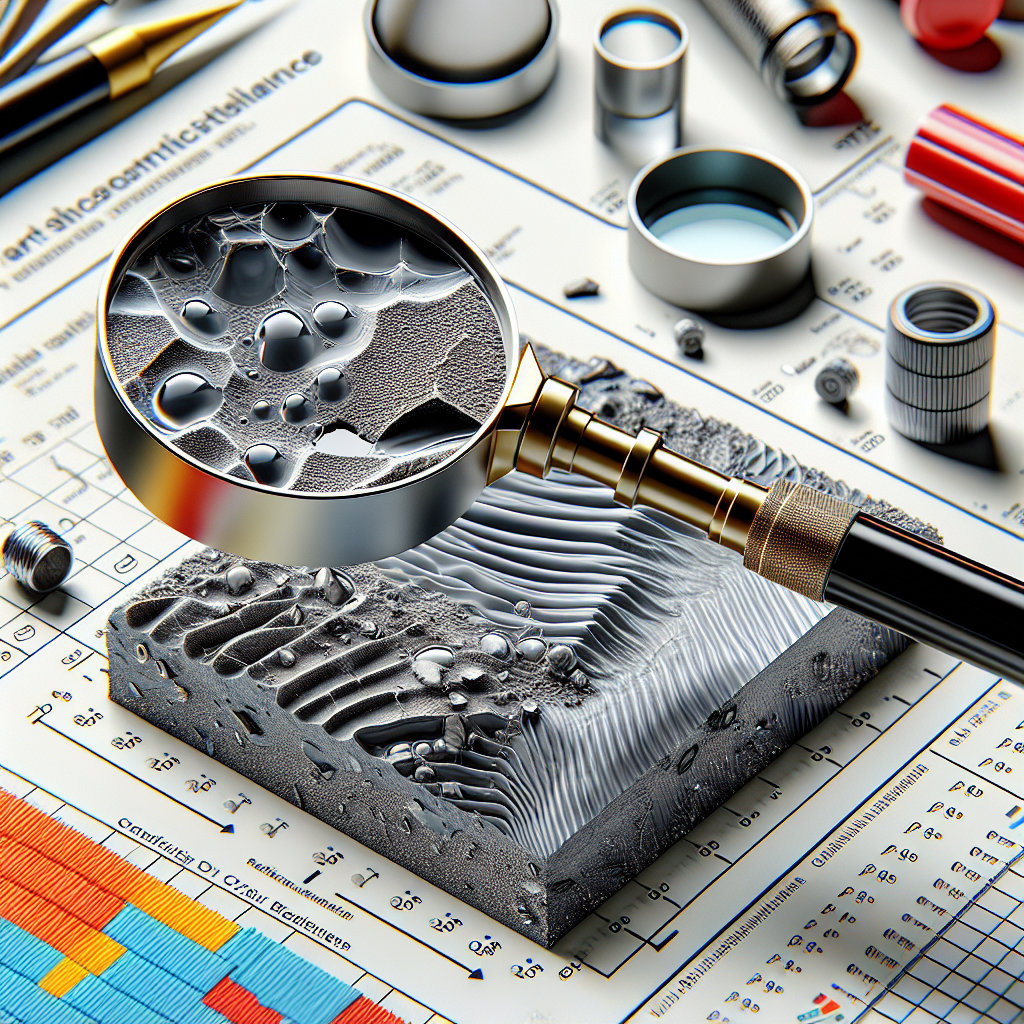
Reliable characterization is equally important. Differential scanning calorimetry reveals melting transitions, crystallinity, and glass transitions. Dynamic mechanical analysis shows storage modulus, loss modulus, and damping behavior across temperature, which is especially useful for multiphase systems. Scanning electron microscopy helps visualize phase size and fracture surfaces. Rheometry measures viscosity and elasticity, which predict processability and morphology stability. Mechanical testing follows recognized methods such as ASTM D638 for tensile properties, ASTM D256 for Izod impact, ASTM D790 for flexural performance, and ISO equivalents where required by customers. For barrier applications, oxygen and water vapor transmission testing is essential. A blend should never be judged by one headline value alone. The best evaluations connect composition, process conditions, morphology, and measured performance in a closed loop, allowing teams to refine formulations with evidence rather than guesswork.
Application trends, sustainability pressures, and future direction
Application trends are pushing polymer blends toward more multifunctional physical properties at lower environmental cost. In automotive programs, lightweighting still matters, but parts also need scratch resistance, low VOC emissions, and performance in electric vehicle thermal environments. In packaging, downgauging requires blends that maintain puncture resistance and seal integrity with less material. In medical and consumer products, sterilization stability, chemical resistance, and cosmetic quality remain critical. At the same time, sustainability pressures are changing how blends are designed. Recyclability is now a physical property strategy as much as a waste strategy. Designers increasingly prefer mono-material or near-compatible systems because complex multilayer or multi-resin structures can be difficult to recover at scale.
Future innovation will likely center on smarter compatibilizers for recycled and bio-based feedstocks, better predictive modeling of morphology, and blends tailored for circular manufacturing. There is growing interest in dynamic covalent chemistry, where reversible bonds may improve repairability or reprocessability without sacrificing performance during use. Another promising direction is upcycled mixed-plastic blending, where difficult waste streams are transformed into usable materials through selective compatibilization and stabilization. This will not replace virgin engineering polymers in every demanding application, but it can open large markets in durable goods, pallets, housings, and construction products. For anyone studying materials and physical properties, polymer blends deserve sustained attention because they turn molecular and processing principles into real, scalable performance gains. Review your current material choices, map the physical property gaps, and explore whether a well-designed polymer blend can close them more effectively than a single resin.
Frequently Asked Questions
What are polymer blends, and why are they important for improving physical properties?
Polymer blends are physical combinations of two or more polymers designed to deliver a more balanced performance profile than a single material can typically provide on its own. Instead of creating an entirely new polymer through complex synthesis, engineers can blend existing resins to combine desirable traits such as stiffness, toughness, heat resistance, dimensional stability, chemical resistance, optical clarity, or improved barrier performance. This makes polymer blending one of the most practical and cost-effective routes to material innovation across industries including packaging, automotive, electronics, medical devices, and consumer products.
The importance of polymer blends lies in their flexibility. Many polymers perform very well in one area but fall short in another. For example, one resin may offer excellent rigidity but poor impact resistance, while another may be tough and easy to process but lack thermal stability. By blending them, material scientists can tailor the final physical properties to meet specific application demands. This ability to fine-tune performance is especially valuable when products must withstand mechanical stress, elevated temperatures, moisture exposure, repeated use, or strict weight targets.
Modern innovations in polymer blends have made these systems even more effective. The use of compatibilizers, reactive additives, functionalized polymers, nanofillers, and advanced compounding methods allows previously incompatible materials to work together more efficiently. As a result, manufacturers can achieve improved morphology control, better interfacial adhesion, and more predictable mechanical and thermal behavior. In practical terms, polymer blends help close performance gaps, reduce material costs, support lightweighting strategies, and accelerate the development of high-performance products without requiring an entirely new base chemistry.
How do compatibilizers improve the performance of polymer blends?
Compatibilizers are among the most important innovations in polymer blend technology because they help dissimilar polymers interact more effectively at the microscopic level. Many polymers are naturally immiscible, meaning they tend to separate into distinct phases rather than forming a stable, uniform material. When this happens, the interface between those phases can be weak, leading to poor stress transfer, reduced toughness, inconsistent mechanical properties, and processing challenges. Compatibilizers are added to improve adhesion between these phases and stabilize the blend morphology.
In simple terms, a compatibilizer acts like a molecular bridge. It typically contains chemical groups that can interact with both polymers in the blend, reducing interfacial tension and helping disperse one phase more evenly throughout the other. This improved dispersion often leads to significant gains in physical properties such as impact strength, elongation at break, fatigue resistance, and dimensional consistency. Better compatibility can also improve thermal performance, reduce warpage, and enhance surface quality in molded parts.
Recent developments have gone beyond traditional additive approaches. Reactive compatibilization, for instance, allows chemical reactions to occur during melt processing, creating grafted or in situ interfacial structures that strengthen the bond between blend components. This has been particularly useful in engineering blends where high performance is required under mechanical load or thermal cycling. Compatibilizers also play a key role in recycling and sustainability by making mixed-polymer waste streams more usable. Overall, they are essential to unlocking the full potential of polymer blends, especially when the goal is to achieve a carefully engineered combination of strength, toughness, stability, and processability.
Which physical properties can be enhanced through innovations in polymer blends?
Innovations in polymer blends can improve a wide range of physical properties, often in combinations that are difficult to achieve with a single resin. Mechanical properties are usually the first target. These include tensile strength, flexural modulus, impact resistance, elongation, abrasion resistance, and fatigue durability. For example, a blend may be developed to make a material stiffer without making it too brittle, or tougher without sacrificing too much dimensional stability. This kind of balance is central to modern product engineering.
Thermal properties are another major area of improvement. Polymer blends can be formulated to raise heat deflection temperature, improve resistance to thermal aging, or maintain mechanical integrity over a wider service temperature range. For parts used near engines, electronics housings, appliances, or industrial equipment, this is especially valuable. Some blends are also designed for better flame performance, although this often requires additional additives and careful regulatory consideration.
Barrier and environmental resistance properties can also be enhanced significantly. In packaging and storage applications, blends may be optimized to limit the transmission of oxygen, moisture, solvents, or aromas. In industrial and consumer settings, resistance to chemicals, UV exposure, hydrolysis, or environmental stress cracking may be improved through thoughtful blending strategies. Processability is another important category; innovations can reduce melt viscosity, improve flow in thin-wall molding, expand extrusion windows, or support more consistent part quality. The most advanced polymer blend systems are not focused on improving just one property in isolation, but on creating a well-integrated property package that aligns with real-world service conditions and manufacturing constraints.
What recent innovations are driving better performance in polymer blends?
Several recent innovations are pushing polymer blends far beyond traditional resin mixing. One of the most important is improved control over morphology, meaning the size, shape, and distribution of phases within the blend. Through advanced compounding equipment, better screw designs, and more precise processing conditions, manufacturers can create finer and more stable phase structures. This directly influences how the blend responds to stress, heat, and environmental exposure. A well-controlled morphology often translates into stronger, tougher, and more reliable materials.
Another major innovation is the rise of reactive processing and functionalized additives. Instead of simply combining ingredients, engineers can now encourage specific interactions during melt blending, such as grafting, chain extension, branching, or in situ compatibilization. These reactions can dramatically improve interfacial bonding and long-term performance. Nanofillers and hybrid reinforcement systems are also gaining traction. When used correctly, materials such as nanoclays, graphene derivatives, silica, or specialized fibers can improve stiffness, barrier properties, thermal stability, and even electrical characteristics, all while maintaining relatively low loading levels.
Data-driven formulation is also changing the field. Materials development is increasingly supported by simulation, rheological modeling, structure-property analysis, and machine learning tools that help predict blend behavior before full-scale production trials. At the same time, sustainability-focused innovation is accelerating the use of recycled content, bio-based polymers, and circular design strategies within blend systems. These advancements are making it possible to engineer polymer blends that deliver higher performance, lower weight, improved manufacturability, and better environmental outcomes. In short, the field is evolving from simple trial-and-error blending into a far more sophisticated materials engineering discipline.
How do manufacturers choose the right polymer blend for a specific application?
Choosing the right polymer blend starts with defining the actual performance requirements of the end use, not just selecting materials based on a single headline property. Manufacturers typically evaluate the mechanical loads the part will experience, the temperature range it must tolerate, the chemical or moisture exposure it may face, the dimensional tolerances required, and the expected service life. They also consider how the part will be manufactured, whether by injection molding, extrusion, blow molding, thermoforming, additive manufacturing, or another process. A blend that performs well in the lab but processes poorly at production scale may not be viable.
From there, engineers assess trade-offs. Increasing stiffness may reduce impact resistance. Improving toughness may affect heat resistance or flow behavior. Adding barrier performance may complicate recyclability or raise cost. This is why polymer blend design is usually a multi-variable optimization problem. Material developers often compare candidate blends using tensile, impact, rheological, thermal, and aging data, along with prototype part testing under real or simulated use conditions. Factors such as shrinkage, weld-line strength, creep resistance, surface appearance, and regulatory compliance can all influence the final selection.
Cost and supply chain stability are also critical. A technically excellent blend must still fit the product’s commercial goals and be available at the right scale and consistency. Increasingly, sustainability goals are part of the decision as well, including recycled content, potential for reprocessing, carbon footprint, and end-of-life considerations. The best selection process is collaborative, involving material suppliers, design engineers, processors, and quality teams. When done well, choosing a polymer blend is not just about finding a material that works, but about identifying a formulation that delivers the right balance of physical properties, manufacturability, economics, and long-term reliability for the intended application.