With the increasing awareness of environmental issues, the recycling of polymers has emerged as a crucial topic of discussion. Polymers, commonly known as plastics, are ubiquitous in modern society due to their versatility and durability. However, these same qualities also make plastics a significant environmental concern. The persistent nature of polymers means they can linger in the environment for centuries, causing widespread ecological damage. Moreover, the production of virgin plastics heavily relies on non-renewable resources, contributing to energy consumption and greenhouse gas emissions. Therefore, polymer recycling—a method to process used plastics into reusable materials—offers a promising solution to mitigate these environmental issues. Understanding the environmental impact of polymer recycling is essential to evaluate its benefits and recognize areas for improvement. This article will explore the various aspects of polymer recycling, its environmental implications, and the potential it holds for a more sustainable future.
Benefits of Polymer Recycling
One of the primary environmental benefits of polymer recycling is the reduction in the need for virgin plastic production. Recycling plastics lessens the demand for new resources such as crude oil and natural gas, which are predominantly used in the production of plastics. By decreasing this demand, we can conserve energy and reduce greenhouse gas emissions, contributing to the mitigation of global warming. Additionally, polymer recycling minimizes the volume of waste sent to landfills. Since plastics account for a significant portion of municipal solid waste, recycling them can significantly reduce landfill use and extend the lifespan of existing landfill sites.
Furthermore, polymer recycling helps in reducing pollution. The improper disposal of plastics, especially single-use items, results in pollution of the land, water, and air. Plastics can break down into microplastics or release harmful chemicals as they degrade. By recycling this waste, we can prevent these adverse environmental consequences. Recycled polymers can also support the circular economy, wherein materials are continuously cycled through reuse and recycling, thereby preserving resources.
Challenges of Polymer Recycling
Despite its benefits, polymer recycling also faces several challenges. One of the major issues is the collection and sorting of plastic waste. The diversity in plastic types necessitates separation for effective recycling, as each type can have different processing requirements. Many recycling facilities struggle with the high cost and technical challenges of sorting varied plastic types, leading to inefficiencies in the recycling process.
Additionally, contamination of plastic waste poses a significant problem. Mixed materials, labels, food residue, or chemicals can severely hinder the recycling process, reducing the quality and value of the recycled product. This contamination often results in the incineration or landfilling of contaminated materials, thereby diminishing the environmental benefits of recycling.
Another challenge is the economic viability of polymer recycling. The fluctuating prices of virgin materials often make recycled plastics less competitive, impacting the economic feasibility of recycling operations. Without substantial demand or incentives for recycled content, recycling facilities can face financial sustainability issues.
Technological Advancements in Polymer Recycling
Technological advancements are critical in overcoming some of the challenges faced by polymer recycling. Advanced sorting technologies, such as near-infrared technology and artificial intelligence, have been developed to improve the efficiency of sorting mixed plastics. These technologies allow for more precise separation, leading to higher purity levels in recycled products.
Moreover, chemical recycling techniques are gaining attention as a promising solution. Traditional mechanical recycling involves melting and re-manufacturing plastics, which can degrade the quality of the polymer over time. In contrast, chemical recycling breaks down polymers into monomers, which can be re-polymerized into materials of similar quality to virgin plastics. However, chemical recycling is energy-intensive, and its environmental impact compared to traditional recycling must be carefully evaluated.
Impact on Ecosystems and Biodiversity
The comprehensive implementation of polymer recycling can greatly benefit ecosystems and biodiversity. By reducing the volume of plastic pollution, the harmful effects on wildlife and habitats can be mitigated. Animals often ingest or become entangled in plastic waste, which can lead to injury, illness, or death. Marine ecosystems, in particular, face severe threats from plastic debris, with plastic waste contaminating waters and affecting marine life. By recycling polymers, we can reduce these threats and encourage healthier ecosystems. Furthermore, proper recycling practices can decrease the amount of plastic reaching oceans, thereby lessening the problems associated with oceanic plastic pollution.
Global Efforts and Policies on Polymer Recycling
Various international policies and initiatives have been established to promote polymer recycling. The European Union, for instance, has implemented the Circular Economy Action Plan, which emphasizes the reduction of plastic waste and increased recycling rates. This initiative includes targets for achieving a higher percentage of plastic packaging recycling by 2030. Similarly, countries such as South Korea and Japan have achieved high recycling rates through comprehensive waste management policies and initiatives that encourage recycling among citizens and industries. These efforts collectively aim to foster innovation in recycling technologies, improve the quality and marketability of recycled materials, and promote responsible consumption habits.
Corporate Responsibility and Innovation
Corporations also play a significant role in advancing polymer recycling practices. Many companies have committed to increasing the use of recycled materials in their products and packaging. By doing so, they actively contribute to the demand for recycled polymers, fostering market growth for these materials. Furthermore, some corporations are investing in research and development to improve recycling technologies and processes, which can enhance efficiency and reduce costs. Brands are increasingly acknowledging the importance of sustainability, leading to collaborations and partnerships aimed at enhancing recycling infrastructure and spreading awareness about polymer recycling.
Future Prospects of Polymer Recycling
The future of polymer recycling is promising, with various innovations and strategies being explored to enhance its effectiveness. One potential development is the improvement of biodegradable and compostable polymers, which may alleviate some recycling challenges by offering alternative disposal methods. Additionally, the global trend towards stricter regulations on plastic usage and disposal can spur further advancements in recycling technologies and practices. Policymakers, industries, and consumers must work collaboratively to create systems that support sustainable recycling practices, achieve high recycling rates, and foster positive environmental outcomes.
Impact on Greenhouse Gas Emissions
Polymer recycling has a notable impact on greenhouse gas emissions. Producing recycled polymers consumes less energy compared to creating new plastics from raw materials. For instance, studies have shown that recycling plastic can save up to 80% of the energy used in virgin plastic production. This energy saving translates into reduced carbon emissions, helping to combat climate change.
However, not all recycling processes are equally beneficial. Mechanical recycling generally has lower emissions compared to chemical recycling due to energy requirements. Therefore, continuous efforts are needed to optimize these processes to ensure that the environmental benefits are maximized.
Conclusion
In conclusion, polymer recycling represents a pivotal approach to addressing the environmental challenges associated with plastic waste. The numerous benefits underscore its potential to reduce landfill waste, conserve resources, and diminish pollution, contributing positively to ecosystem health and biodiversity. Despite the challenges, including economic viability, collection, sorting complexities, and contamination issues, technological advances and robust policy frameworks offer pathways to overcome these obstacles. Enhanced recycling technologies, global policy initiatives, and corporate responsibility drive the development of efficient recycling systems and processes. It is imperative for stakeholders across sectors to engage collaboratively, fostering innovation and creating conducive environments for polymer recycling practices to thrive. The integration of recycling into a broader circular economy framework holds promise for a more sustainable future, ensuring the natural environment is protected for generations to come. Continued efforts and collective action from individuals, communities, industries, and policymakers will be critical in realizing the full potential of polymer recycling, ultimately leading to a reduction in the environmental footprint of plastics worldwide.
The road ahead for polymer recycling is one marked by both challenges and opportunities. Embracing technological advancements, strengthening policies, and incentivizing the use of recycled materials will be essential. Additionally, public awareness and participation in recycling efforts are critical to sustaining the momentum towards a low-carbon, resource-efficient economy. As society continues to grapple with the environmental repercussions of plastic waste, embracing comprehensive polymer recycling strategies will be essential in building a more sustainable future for the planet.
Frequently Asked Questions
1. What are the environmental benefits of recycling polymers?
Recycling polymers offers several environmental benefits that make it an essential practice in our fight against pollution and climate change. To begin with, recycling reduces the volume of waste that ends up in landfills and natural environments, such as oceans. Since polymers can take hundreds of years to decompose, their accumulation can damage wildlife habitats and marine ecosystems. By recycling, we minimize this risk and promote healthier ecosystems.
Additionally, recycling polymers conserves natural resources. The production of new plastics typically requires fossil fuels, such as oil and natural gas. By using recycled materials, we decrease reliance on these non-renewable resources, thus reducing greenhouse gas emissions associated with their extraction and processing. Moreover, recycling generally consumes less energy compared to producing new plastics, further cutting down carbon emissions. Overall, polymer recycling contributes to a more sustainable use of resources and aids in battling climate change.
2. How does the quality of recycled polymers compare to new plastics?
The quality of recycled polymers can vary depending on several factors, including the type of polymer, the contaminants present, and the recycling process used. Modern advancements in recycling technologies often produce recycled polymers that are quite comparable in quality to their virgin (new) counterparts, especially for applications like packaging or construction materials.
However, certain high-performance applications may still require virgin polymers due to demands for specific properties like clarity, strength, or purity. Despite these limitations, ongoing R&D is constantly improving the quality and functionality of recycled materials, making them suitable for a broader range of products. Brands and manufacturers are also paying more attention to designing products that are easier to recycle from the outset, further enhancing the potential quality of recycled polymers.
3. What challenges are associated with polymer recycling?
Despite its benefits, polymer recycling faces several challenges. One of the most significant hurdles is contamination. Plastics often become mixed with different materials, lowering the quality of recycled outputs. Sorting and cleansing processes are necessary, but they can be costly and technologically demanding.
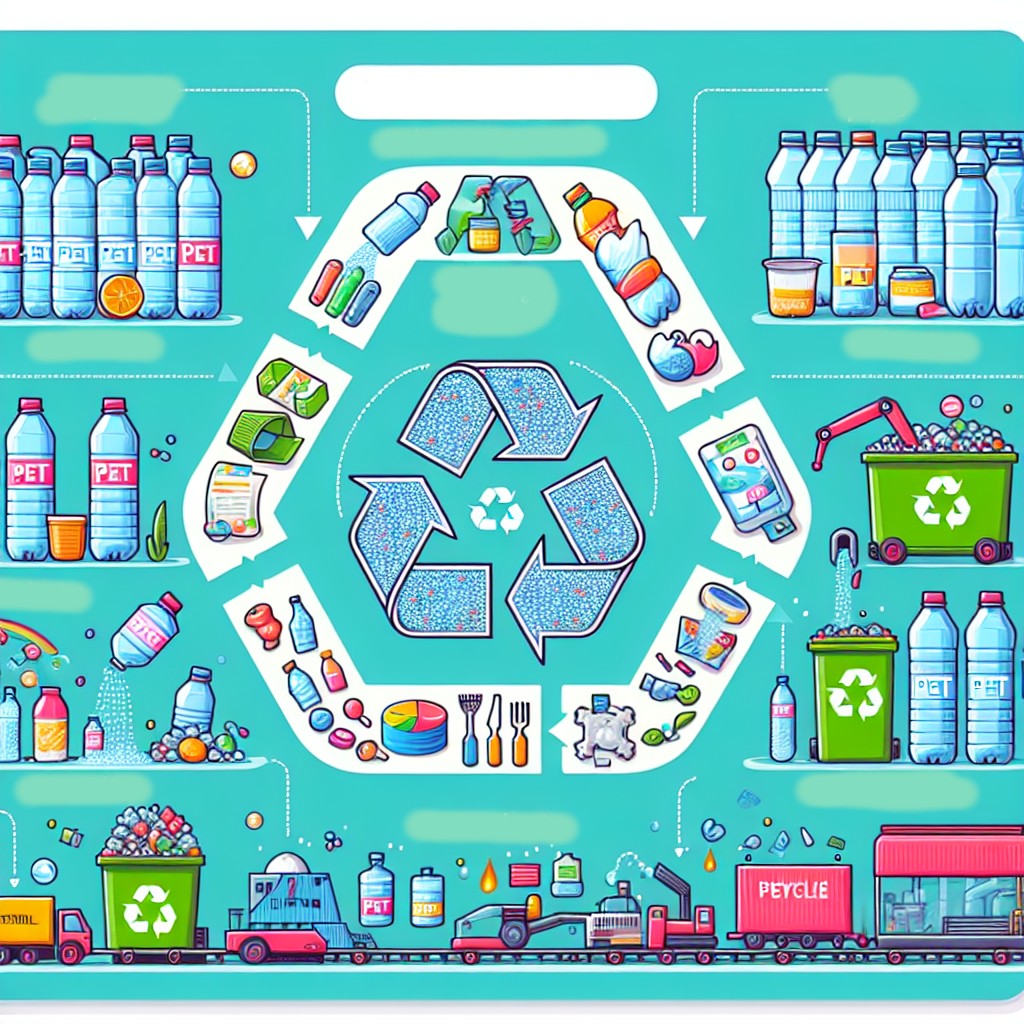
Another hurdle is the variety of plastics in use. Not all plastics are recyclable, and some types require different processing techniques. For instance, PET (Polyethylene Terephthalate) used in bottles is easier to recycle compared to multi-layer packaging, which might blend different polymers. These complexities mean that effective recycling systems require significant investment and coordination.
Finally, market factors can also pose challenges. Sometimes the demand for recycled polymers is insufficient, or the costs associated with recycling can make it less economically viable compared to producing new plastics. Governments and organizations must address these economic aspects through incentives and regulations to bolster the recycling industry.
4. Are there any downsides to polymer recycling?
While polymer recycling is beneficial, it does come with some downsides. One concern is energy consumption. Although recycling typically uses less energy than producing new materials, it is not entirely without its own energy demands. The transport, sorting, and processing of plastics require energy, which contributes to emissions, albeit to a lesser extent than virgin production.
Moreover, recycling infrastructure can be expensive to develop and maintain. Not all countries or regions have equally efficient systems in place, which can limit the effectiveness and scope of recycling efforts. Additionally, while technology for recycling is improving, not all plastics are easily or cost-effectively recycled, meaning that certain products might still end up in landfills or incinerators.
Another aspect to consider is the stability of the recycled plastic market. Economic viability can fluctuate due to varying costs of raw materials, regulatory changes, and consumer demand for sustainable products. Nevertheless, despite these downsides, the overall environmental gain makes recycling a worthwhile endeavor.
5. How can individuals contribute to improving polymer recycling efforts?
Individuals play a vital role in improving polymer recycling efforts. First and foremost, proper segregation of waste at home can significantly enhance the efficiency of local recycling programs. Understanding which plastics are recyclable and ensuring they are clean and appropriately disposed of can prevent contamination, making the recycling process more effective.
Additionally, consumers can support polymer recycling by purchasing products made of recycled materials. Increased demand for these products can drive market growth and innovation in recycling technologies. Choosing goods with minimal plastic or those designed for easy recycling also sends a clear signal to manufacturers about consumer preferences.
Moreover, advocating for better policies and infrastructure by connecting with local representatives or participating in community cleanups can further promote robust recycling systems. Education and awareness activities, sharing information about the importance and impact of recycling, can also inspire more people to prioritize sustainability, enhancing collective recycling efforts. By making conscious choices and taking direct actions, individuals can help advance the effectiveness of polymer recycling.