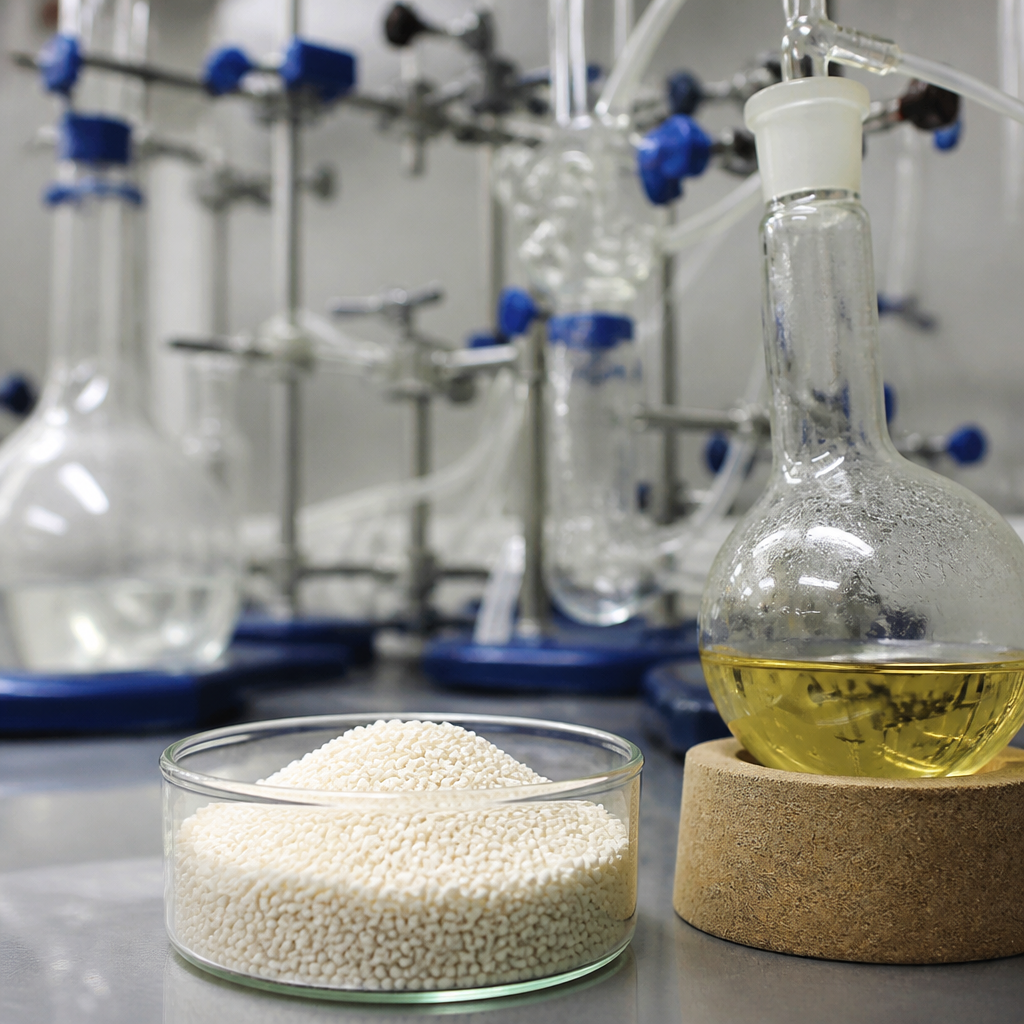
Catalysts determine whether many polymer reactions are commercially practical, selectively controllable, and economically viable. In polymer chemistry, a catalyst is a substance that changes reaction rate or pathway without being consumed in the overall stoichiometric balance, while a polymer reaction is any chemical process that builds, modifies, links, or breaks macromolecular chains. When readers ask about the role of catalysts in polymer reactions, they usually mean more than speed. They want to know how catalysts influence molecular weight, tacticity, branching, conversion, heat management, impurity tolerance, and final material properties. From years spent reviewing plant data, troubleshooting reactor fouling, and comparing resin specifications against catalyst batches, I can say that catalyst choice often explains why two polymers with the same monomer name perform very differently in service.
This matters because polymers sit inside packaging films, automotive components, medical devices, coatings, adhesives, pipes, insulation, and textile fibers. Their chemical properties are not accidental. A polypropylene grade suitable for living hinges needs controlled stereoregularity. A polyethylene pipe resin needs a carefully tuned molecular weight distribution and comonomer incorporation profile. A polyurethane foam system needs catalysts that balance blowing and gelling reactions within seconds. In each case, the catalyst does not merely accelerate chemistry; it shapes the architecture of the molecule and therefore the behavior of the material. Understanding catalyst function is essential for anyone studying materials and properties because structure, processing, and end-use performance are linked through reaction chemistry.
Within the broader discussion of chemical properties, catalysts sit at the center of reactivity, selectivity, stability, and degradation control. They govern chain initiation in free-radical systems, propagation and transfer in coordination polymerization, ring-opening efficiency in cyclic monomers, and network formation in thermosets. They also influence residual contaminants, side products, recyclability, and color formation. As a hub topic, this article maps the major catalyst families used in polymer reactions, explains how they affect polymer structure, and clarifies the tradeoffs engineers and chemists must manage when moving from laboratory synthesis to industrial production and product performance.
How Catalysts Control Polymer Formation
The fundamental role of a catalyst in polymer formation is to lower activation barriers and direct the reaction along a preferred mechanistic route. That statement sounds simple, but in practice it covers distinct functions. A catalyst can generate the active center where chains grow, stabilize a transition state that favors one stereochemical outcome, suppress termination, promote insertion of one monomer over another, or activate functional groups for condensation. In polymer plants, these effects are measured through conversion rate, catalyst productivity, molecular weight distribution, comonomer response, and impurity sensitivity. If one of those metrics shifts, resin performance usually shifts with it.
Consider polyethylene made by coordination catalysis. The catalyst creates a metal-carbon bond that repeatedly inserts ethylene, growing a chain in a controlled way. Change the catalyst from a traditional Ziegler-Natta system to a single-site metallocene, and the polymer can move from broad to narrow composition distribution, with clearer control over short-chain branching. That structural difference affects density, sealability, toughness, and optical clarity. In other words, the catalyst translates molecular events into commercial properties. The same principle applies across polymer classes. In epoxy curing, tertiary amines accelerate epoxide ring opening and alter gel time. In polyester synthesis, titanium alkoxides increase esterification and transesterification rates, helping manufacturers reach target intrinsic viscosity faster.
Catalysts also influence process safety and energy demand. A highly active catalyst can reduce reactor temperature, residence time, or pressure requirement, which lowers utility costs and can simplify equipment design. Yet high activity can create hot spots, runaway risk, or mixing challenges if heat removal lags behind reaction rate. I have seen pilot trials where a catalyst package that looked ideal in bench glassware produced unacceptable exotherms in a larger vessel. Scale changes mass transfer, diffusion, and impurity exposure, so catalyst performance must always be judged in the real process window, not just by small-scale conversion data.
Major Catalyst Families Used in Polymer Chemistry
Polymer chemistry uses several major catalyst families, each tied to particular reaction mechanisms and polymer types. Free-radical initiator systems, though often distinguished from classical catalysts, function catalytically in practical discussions because they govern radical generation and strongly affect polymerization kinetics. Organic peroxides and azo compounds are standard for vinyl monomers such as styrene and methyl methacrylate. Coordination catalysts include Ziegler-Natta, metallocene, post-metallocene, and chromium-based Phillips systems for olefin polymerization. Condensation and transesterification reactions often rely on antimony, titanium, tin, zinc, or germanium catalysts. Polyurethane reactions commonly use tertiary amines and organotin compounds. Ring-opening polymerizations use catalysts such as stannous octoate, aluminum complexes, phosphazene bases, and strong organic acids or bases depending on monomer class.
Each family has a characteristic balance of activity, selectivity, robustness, and regulatory burden. Ziegler-Natta catalysts transformed polypropylene manufacturing by enabling isotactic structures with commercially useful crystallinity. Metallocenes later improved control over comonomer incorporation and uniform active sites, producing specialty polyethylene and elastomers with tailored distributions. The Phillips catalyst remains important in high-density polyethylene because of its durability and ability to generate broad molecular weight materials valued in blow molding. In polyethylene terephthalate production, antimony trioxide has long been effective, but market pressure over heavy-metal residues has pushed interest toward titanium and germanium alternatives, especially for packaging and fiber applications with strict color requirements.
| Catalyst family | Typical polymer reactions | Main advantage | Key limitation |
|---|---|---|---|
| Ziegler-Natta | Polyethylene, polypropylene | High productivity and stereocontrol | Sensitive to poisons and broader site distribution |
| Metallocene/single-site | Olefin copolymers, specialty polyolefins | Precise microstructure control | Higher cost and cocatalyst demands |
| Peroxide/azo systems | Free-radical vinyl polymerization | Simple initiation and broad applicability | Less control over architecture |
| Titanium, antimony, tin catalysts | Polyesters, polyurethanes, condensation systems | Fast functional-group conversion | Color, toxicity, or residue concerns |
| Ring-opening catalysts | PLA, caprolactam, epoxides | Access to biodegradable or specialty polymers | Moisture sensitivity and side reactions |
Effects on Molecular Weight, Architecture, and Chemical Properties
Catalysts shape polymer chemical properties by controlling molecular weight and chain architecture. Molecular weight affects tensile strength, melt viscosity, impact resistance, creep, and solvent response. If a catalyst promotes chain transfer, molecular weight drops. If it suppresses termination or transfer, chains grow longer. Broadly distributed active sites create broad molecular weight distribution, which can improve processing in extrusion because short chains ease flow while long chains preserve melt strength. Narrow distributions can improve consistency and optical performance but may process differently. These are not abstract differences. Film converters notice them immediately in bubble stability, die pressure, and seal behavior.
Architecture matters just as much. Catalysts can favor linear chains, long-chain branching, block sequences, or controlled copolymer placement. In polypropylene, stereospecific catalysts determine isotactic, syndiotactic, or atactic arrangement, which in turn governs crystallinity and heat resistance. Isotactic polypropylene owes its commercial value to catalyst-enabled tacticity. In elastomeric olefin copolymers, single-site catalysts can distribute comonomer more evenly, reducing crystallizable segments and increasing flexibility. In polyesters and polyamides, catalysts affect end-group balance and side reactions such as ether formation or cyclic oligomer generation, which later influence hydrolysis resistance, volatility, and processing stability.
Catalyst residues can also alter chemical behavior after polymerization ends. Residual metals or acidic species may promote oxidation, discoloration, odor formation, or premature degradation during melt processing. Stabilizer packages are often designed with the catalyst history in mind. For example, phosphites and hindered phenols in polyolefins help neutralize hydroperoxides and protect against metal-catalyzed oxidation. In biodegradable polymers such as polylactic acid, residual tin or alternative catalysts can influence hydrolytic stability and composting behavior. So when evaluating chemical properties, it is not enough to ask what catalyst built the polymer; one must also ask what residue remained and how it interacts with additives, moisture, oxygen, and heat over the product lifecycle.
Industrial Examples Across Thermoplastics and Thermosets
Real-world polymer production shows how deeply catalyst choice affects outcomes. In high-density polyethylene for detergent bottles, producers often value catalysts that create broad molecular weight distribution because that combination supports parison strength during blow molding. In contrast, certain linear low-density polyethylene films benefit from metallocene catalysts that provide narrow composition distribution, excellent toughness, and puncture resistance. Packaging engineers may describe these materials by performance attributes, but those attributes trace directly to catalytic control of chain growth and comonomer placement.
Polypropylene offers an even clearer example. Modern supported Ziegler-Natta catalysts, combined with tailored external donors, allow manufacturers to tune isotacticity, xylene solubles, and hydrogen response. Those parameters determine whether a grade is suited for injection molding, fibers, cast film, or impact copolymer applications. If hydrogen response is high, molecular weight can be adjusted efficiently in-reactor. If stereoselectivity changes, stiffness and heat deflection temperature move with it. Plants monitor these relationships tightly because slight catalyst variation can push a resin off specification.
In thermosets, catalyst timing is everything. Polyurethane foam depends on a delicate balance between the reaction that forms urethane linkages and the reaction that generates gas from water-isocyanate chemistry. Amine catalysts may favor blowing, while organotin compounds often favor gelling. Adjust that balance, and the foam can collapse, scorch, shrink, or cure correctly with the desired cell structure. Epoxy adhesives show a similar dependence. Latent catalysts allow shelf stability, then activate under heat to deliver rapid cure in electronics, composites, or automotive assembly. Unsaturated polyester resins rely on peroxide initiation and promoter systems to cure at practical rates in fiberglass parts, tanks, and marine laminates. In every case, the catalyst package is inseparable from manufacturability and final performance.
Selection Criteria, Tradeoffs, and Emerging Directions
Selecting a catalyst for polymer reactions requires balancing kinetics, selectivity, cost, safety, environmental profile, and end-use compliance. The best catalyst is rarely the fastest one. It must work under realistic raw material purity, temperature control, reactor metallurgy, and downstream finishing conditions. Feed contaminants such as water, oxygen, sulfur compounds, catalyst poisons, or trace acids can deactivate sensitive systems. Recovery requirements matter too. Homogeneous catalysts may provide exceptional control but complicate separation and residue management. Heterogeneous catalysts can simplify product isolation and reactor operation but may offer less uniform active sites.
Regulation increasingly shapes catalyst decisions. Food contact limits, medical material biocompatibility, and sustainability targets all influence acceptable residues and process choices. Heavy-metal concerns have encouraged lower-toxicity catalyst development, while circular economy goals are pushing catalysts for depolymerization, chemical recycling, and reactive compatibilization of mixed plastic streams. Enzymatic catalysis is gaining ground in specialty polyester synthesis and recycling because enzymes can operate under mild conditions with remarkable selectivity, though scale, cost, and substrate scope still limit wider adoption. Organocatalysts are another active area, especially for ring-opening polymerization where metal-free routes can reduce contamination concerns in biomedical applications.
Digital tools are improving catalyst development as well. High-throughput experimentation, spectroscopy, kinetic modeling, and machine-learning-assisted design help researchers screen ligands, cocatalysts, and process conditions faster than traditional one-factor testing. Still, no software replaces sound mechanistic understanding. The most successful teams connect catalyst structure to polymer microstructure, then connect microstructure to processability and performance. That chain of reasoning is what makes catalyst science central to the chemical properties of polymers rather than a narrow manufacturing detail.
Catalysts are the decision point where polymer chemistry becomes material performance. They control how fast reactions proceed, which structures form, how efficiently plants operate, and how stable finished polymers remain through processing and use. For anyone building knowledge in materials and properties, understanding catalysts means understanding why polymers differ in crystallinity, flexibility, strength, hydrolytic resistance, oxidation stability, and curing behavior even when the base monomer appears similar. The catalyst defines the pathway, and the pathway defines the material.
The clearest takeaway is practical: when evaluating any polymer, ask how it was catalyzed. That question reveals likely molecular weight distribution, stereochemistry, residue profile, side reactions, and processing limits. It also opens the door to smarter material selection, better troubleshooting, and more realistic comparisons between grades. As you explore related pages in this chemical properties hub, use catalyst behavior as the thread connecting synthesis, structure, additives, degradation, and application performance.
Study catalysts closely, and polymer reactions stop looking like black-box recipes. They become understandable, controllable systems with predictable consequences. That perspective helps chemists formulate better resins, helps engineers run more stable processes, and helps buyers choose materials that truly match service conditions. Continue through the subtopic articles to deepen that understanding and apply it to real polymer selection and performance challenges.
Frequently Asked Questions
What is the role of a catalyst in polymer reactions?
A catalyst in a polymer reaction does much more than simply make the chemistry go faster. Its central role is to alter the reaction pathway so that polymer formation, modification, crosslinking, or degradation can occur under practical and controllable conditions. In industrial polymer chemistry, that matters because many reactions would otherwise be too slow, require too much energy, produce too many byproducts, or generate polymers with inconsistent properties. A catalyst enables the reaction to proceed efficiently without being consumed in the overall stoichiometric balance, which is why relatively small amounts can have a major effect on performance and cost.
Just as importantly, catalysts help determine what kind of polymer is made. They influence molecular weight, molecular weight distribution, branching, stereochemistry, comonomer incorporation, end-group structure, and overall architecture. Those structural details directly affect material properties such as strength, flexibility, transparency, thermal resistance, melt behavior, and chemical durability. In other words, the catalyst often shapes the final product as much as the monomers do. That is why the role of catalysts in polymer reactions is usually discussed in terms of selectivity, process control, and economics, not just reaction rate.
How do catalysts affect the structure and properties of polymers?
Catalysts affect polymer structure by controlling how chains start, grow, transfer, branch, and terminate. In a polymerization reaction, even small changes in the catalytic environment can alter how often active sites form, how long chains continue growing, and which monomer units are inserted at each step. This means the catalyst has a direct influence on chain length, polydispersity, stereoregularity, copolymer sequence distribution, and the degree of branching or crosslinking. These are not minor laboratory details; they are the variables that determine whether a material behaves like a rigid plastic, a soft elastomer, a high-performance engineering resin, or a brittle low-value product.
For example, in coordination polymerization, catalyst design can strongly influence tacticity, meaning the spatial arrangement of side groups along the polymer backbone. That arrangement changes crystallinity, melting point, stiffness, and processability. In other systems, catalysts can help produce more linear polymers for high strength, or more branched structures for flexibility and easier melt flow. In copolymer synthesis, catalysts also affect how evenly different monomers are incorporated, which can tune impact resistance, adhesion, barrier performance, and optical clarity. Because polymer properties are rooted in molecular structure, catalyst choice becomes one of the most powerful tools for materials engineering.
Why are catalysts so important for making polymer reactions commercially practical?
Polymer reactions must be economically viable at scale, and catalysts are often what make that possible. Commercial production depends on high productivity, predictable quality, low energy consumption, manageable reaction times, and minimal waste. A well-chosen catalyst can lower activation barriers, allowing polymer reactions to occur at lower temperatures or pressures, which reduces utility costs and equipment demands. It can also improve yield and reduce side reactions, meaning more of the raw materials end up in the desired polymer rather than in unwanted byproducts that must be separated, treated, or discarded.
Catalysts also support process consistency, which is essential in manufacturing. Producers need polymers with reproducible melt index, molecular weight, composition, and mechanical performance from batch to batch or across continuous production runs. Catalytic systems help deliver that control. In addition, many modern catalytic technologies allow faster throughput and higher selectivity, which improve plant productivity and reduce overall cost per kilogram of polymer. From an environmental and regulatory standpoint, efficient catalysts can also reduce solvent use, cut emissions, and lower the generation of hazardous residues. That combination of productivity, quality control, and resource efficiency is why catalysts are foundational to the commercial success of polymer chemistry.
Are all catalysts used in polymer chemistry the same, or do different reactions require different types?
Different polymer reactions require very different catalysts because polymer chemistry includes a broad range of mechanisms and goals. There is no universal catalyst that works for all systems. Some catalysts are designed for chain-growth polymerizations such as coordination, cationic, anionic, or radical-mediated processes, while others are used for step-growth polymerizations, curing reactions, ring-opening polymerization, transesterification, hydrolysis, hydrogenation, oxidation, or depolymerization. The ideal catalyst depends on the monomer type, desired polymer architecture, operating conditions, impurity tolerance, and target application.
For instance, coordination catalysts are widely used for olefin polymerization because they can control monomer insertion and stereochemistry with high precision. Organometallic catalysts are especially important where chain architecture and tacticity are critical. Acid or base catalysts may be used in condensation and polyester-forming reactions, where they accelerate bond-forming steps between functional groups. Radical initiator systems, though technically distinct from some classical catalyst categories, are also central to many polymerization processes because they govern how active species are generated and sustained. In post-polymerization modification or degradation, entirely different catalytic systems may be chosen to break, rearrange, or functionalize existing chains. The diversity of catalysts reflects the diversity of polymer reactions themselves.
How does catalyst selection influence sustainability and future innovation in polymer science?
Catalyst selection plays a major role in making polymer chemistry more sustainable. A highly selective catalyst can reduce waste by steering reactions toward the desired product and limiting side reactions. It can lower energy use by enabling reactions at milder temperatures and pressures. It can also improve atom efficiency, reduce purification burdens, and support the use of safer solvents or solvent-free processing. In recycling and circular materials development, catalysts are increasingly important for controlled depolymerization, chemical recycling, and upcycling, where the goal is not only to break polymers down, but to do so selectively enough to recover useful monomers or create higher-value products.
Looking ahead, catalysts are central to innovation in advanced materials and greener manufacturing. Researchers are developing catalytic systems that work with renewable feedstocks, biodegradable polymers, precision copolymers, and recyclable-by-design materials. There is also strong interest in catalysts that provide exceptional control over sequence, topology, and functionality, allowing chemists to build polymers with tailored performance for electronics, medicine, packaging, and clean energy technologies. In that sense, catalysts are not just tools for improving existing reactions; they are enabling technologies that expand what polymer chemistry can achieve. As demands increase for better performance, lower environmental impact, and more circular material lifecycles, catalyst design will remain one of the most important drivers of progress in the field.