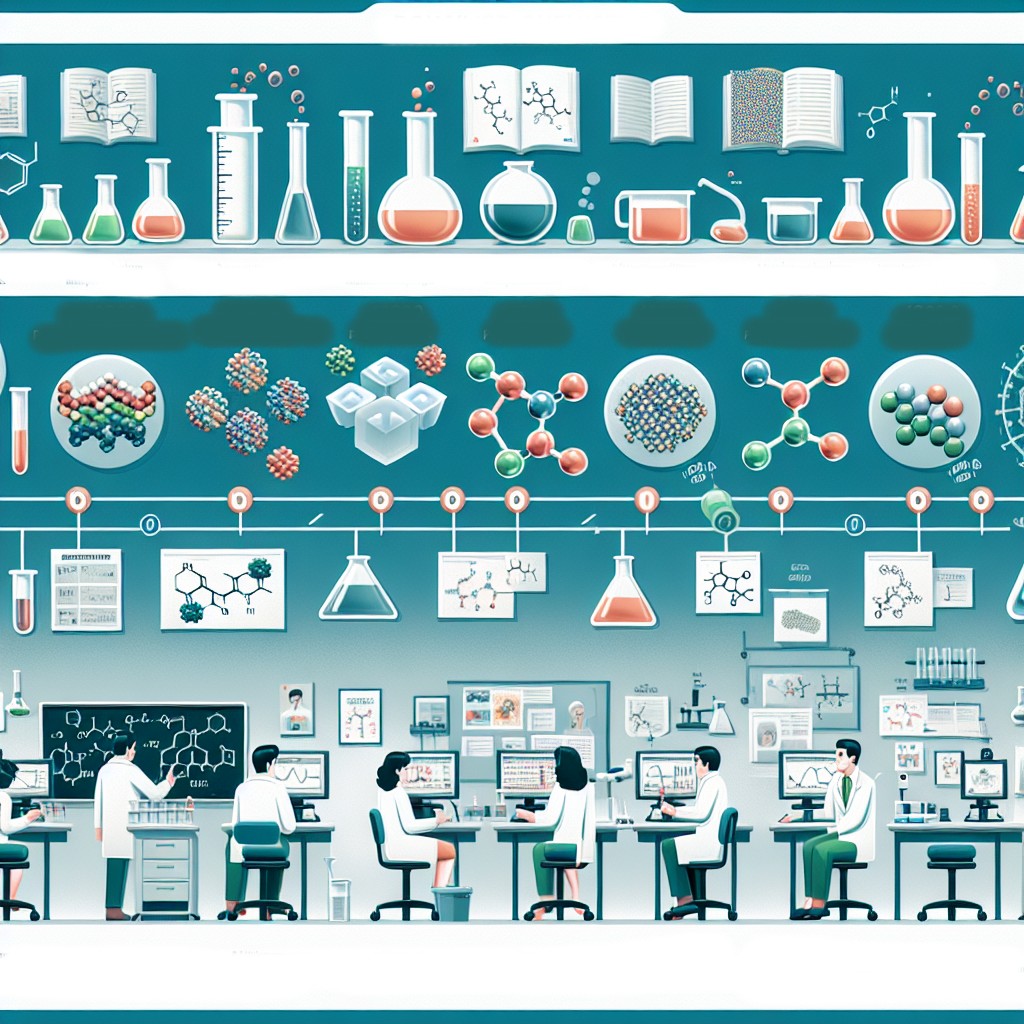
The emergence of smart polymers has revolutionized numerous industries, redefining how materials are perceived and utilized. These polymers, often referred to as stimuli-responsive polymers, are designed to change their properties in reaction to environmental stimuli, such as temperature, pH, light, and electrical fields. This ability allows them to operate dynamically, offering innovative applications and solutions across various sectors. Since their breakthrough, smart polymers have gained significant attention in healthcare, industry, and beyond, reshaping what is possible in material science. This article delves into the transformative power of smart polymers, examining how their unique characteristics are altering traditional approaches, unlocking new possibilities, and paving the way for advancements previously thought unattainable.
Smart polymers differentiate themselves from conventional polymeric materials through their sensitivity and responsiveness to subtle changes in their environment. This characteristic inherently affords them a versatility previously unimagined in materials science. The innovations resulting from their applications are starting to permeate many facets of daily life, from bioengineering to environmental sustainability. The subsequent sections will provide an extensive overview of their development, key properties, and application areas, underlining why these futuristic materials are considered a game-changer in modern technology.
Applications in Healthcare and Medicine
One of the most significant impacts of smart polymers is evident in the field of healthcare and medicine. These materials have opened avenues for novel drug delivery systems, offering precision and control previously unavailable. Smart polymers can be engineered to respond to specific physiological cues within the human body, thereby releasing medications at controlled rates directly to targeted sites. This specificity reduces side effects, enhances therapeutic effectiveness, and improves patient compliance. For instance, pH-sensitive polymers are utilized to release drugs in specific areas of the gastrointestinal tract, addressing ailments more effectively.
Furthermore, the application of thermoresponsive polymers in developing smart wound dressings represents another groundbreaking advance. These dressings ensure that the wound environment maintains optimal healing conditions by adjusting their properties in response to temperature changes. Additionally, their role in developing self-healing materials is vital, allowing for instant repair without the need for external intervention. Smart polymers, thus, not only promote faster recovery but also enhance the durability and longevity of medical products.
Environmental and Energy Solutions
In the quest for sustainable and eco-friendly solutions, smart polymers are spearheading change with innovative applications that bridge the gap between advanced technology and ecological consciousness. The environmental sector increasingly relies on these materials to mitigate pollution and ensure sustainable practices. For example, stimuli-responsive hydrogels are adept at capturing contaminants from water, providing an efficient method for water purification. Their ability to swell and deswell in response to specific stimuli such as pH or ionic strength, permits selective extraction of pollutants, a crucial step in maintaining clean water resources.
Smart polymers also exhibit potential in the energy sector, where they contribute to developing more efficient and sustainable energy systems. They play an instrumental role in manufacturing energy storage devices, such as batteries and supercapacitors, where they improve conductivity, storage capacity, and cycle life. Notably, electroactive polymers can serve as flexible and efficient materials in solar panels, significantly boosting their efficiency and decreasing costs. These advancements mark a significant step towards reducing our dependence on fossil fuels and maximizing renewable energy output.
Industrial and Consumer Applications
Beyond healthcare and environmental solutions, smart polymers are transforming industrial processes and consumer products. In the manufacturing industry, these materials enable innovations such as self-assembling components that adapt according to specific needs, thereby reducing production times and costs. Smart polymers are also part of advancements in additive manufacturing, or 3D printing, where they allow for the production of dynamic and adaptive objects. By changing shape or properties in response to stimuli, these polymers offer new capabilities in product design and functionality.
On the consumer front, smart textiles have become a notable application of these materials. Clothing that adapts its properties to temperature changes, moisture levels, or movement provides substantial benefits in terms of comfort and utility. Moreover, embedded optical or conductive fibers in smart textiles offer applications in wearable technology, providing real-time health monitoring and connectivity capabilities. So, whether in the form of adaptive clothing or wearable electronics, smart polymers have penetrated consumer markets, enhancing lifestyles with their innovative features.
The Future Horizon
As research continues to elucidate the capabilities and expand the applications of smart polymers, the future of material science looks promising. These materials are poised to address longstanding challenges across multiple industries, offering solutions that were once beyond reach. In the years ahead, we can anticipate even more sophisticated smart polymers that can respond to a broader range of stimuli with increased precision and functionality.
One of the exciting prospects includes the integration of artificial intelligence with smart polymers to develop systems capable of learning and adapting autonomously. Such systems could introduce new paradigms in robotics, artificial skin, and further in biocompatible implants or devices. The intersection of AI and these responsive materials could revolutionize industries, leading to a more seamless integration of technology with human lives.
Conclusion
Smart polymers are at the forefront of material science innovation, bringing dynamic and adaptive solutions to pressing global challenges. Their ability to significantly alter their properties in response to environmental stimuli endows them with the versatility necessary to drive advances across multiple domains including healthcare, environmental sustainability, energy production, and consumer products. These materials offer new opportunities for efficiency, cost-effectiveness, and personalization, elevating the scope of what is technologically achievable.
The implications of smart polymer technology ripple outwards, influencing not only material science but also fostering cross-disciplinary collaboration in technology, biology, and engineering. The potential of these materials is vast, and as scientists and engineers continue to innovate, smart polymers are likely to become increasingly integrated into everyday life, significantly enhancing our ability to interact with and manipulate our surroundings in meaningful ways. Their ongoing development heralds a future where material functions closely align with human needs, signifying a substantial leap forward in how scientific advancements can better serve society as a whole.