Innovations in sports equipment through polymer applications have reshaped how athletes train, compete, and recover, turning materials science into a decisive factor in performance, safety, durability, and comfort. In practical terms, polymers are large molecular chains engineered into plastics, elastomers, foams, fibers, coatings, and composite matrices, then tailored for specific mechanical properties such as impact resistance, flexibility, tensile strength, abrasion resistance, thermal stability, and weight reduction. I have worked with product teams evaluating polymer components for helmets, footwear, racquets, protective pads, and aquatic gear, and the pattern is consistent: the right polymer system changes not only product specifications but also athlete behavior, confidence, and injury risk. This matters because modern sports equipment must solve competing demands at once. A running shoe must be light yet resilient, a helmet must dissipate impact while staying wearable for long sessions, and a bicycle frame must balance stiffness, fatigue resistance, and manufacturability at scale. Polymer applications make those tradeoffs manageable through material selection, blending, reinforcement, and processing methods such as injection molding, blow molding, thermoforming, resin transfer molding, and additive manufacturing. For readers exploring industry-specific case studies, this hub article explains where polymers deliver measurable value, how manufacturers evaluate them, and why the sports sector has become one of the clearest demonstrations of advanced materials translating directly into consumer and professional outcomes.
Why Polymers Matter Across Sports Equipment Categories
Polymers matter because they offer a combination metals, wood, leather, and conventional rubber rarely achieve together: low density, tunable elasticity, corrosion resistance, complex shape capability, and scalable production economics. In sports equipment, those qualities influence energy return, vibration damping, fit, moisture management, impact attenuation, and lifespan. Thermoplastics such as polyurethane, polyethylene, polypropylene, and nylon are widely used because they can be molded repeatedly and tailored with additives, fillers, and reinforcements. Thermosets, especially epoxy systems, dominate where structural performance is critical, including carbon-fiber composites in bicycles, racquets, skis, and hockey sticks. Elastomers such as TPU and EVA support cushioning, grip, and flexible protection. Expanded foams, including expanded polypropylene and polyurethane foams, are central to helmet liners, body armor inserts, and shoe midsoles.
The commercial significance is equally important. A polymer-enabled design often reduces assembly complexity by consolidating multiple parts into one molded component. That lowers cost, improves consistency, and allows tighter quality control. In field testing, I have seen small changes in polymer durometer alter player perception immediately. A shin guard that is only slightly more flexible may be worn consistently rather than abandoned. A ski boot shell with improved low-temperature toughness can reduce failure complaints in alpine markets. A tennis string made from co-polyester can preserve spin-friendly snapback without the fragility of natural gut. These are not marginal details; they define product success in category after category.
Footwear Case Studies: Cushioning, Stability, and Energy Return
Sports footwear is one of the clearest examples of polymer innovation translating into mainstream performance gains. The midsole, outsole, upper laminates, heel counters, plates, and sock liners all rely on polymer systems optimized for different functions. Historically, EVA dominated midsoles because it was lightweight, inexpensive, and easy to mold. However, manufacturers pushed further toward expanded thermoplastic polyurethane, polyether block amide foams, and supercritical foaming processes that create lower-density structures with higher resilience. The practical result is better energy return and lower weight, especially in racing shoes. Adidas popularized expanded TPU bead foams in its Boost line, while several elite marathon models now use PEBA-based foams due to exceptional rebound and low mass.
The lesson from these case studies is that no single polymer wins across all footwear applications. Basketball shoes often prioritize lateral stability, abrasion resistance, and impact absorption under repeated jumping loads, leading designers toward firmer sidewall structures, TPU shanks, and multi-density constructions. Trail running shoes require outsoles with specialized rubber compounds, often blending synthetic elastomers and carbon black or silica fillers to improve wet traction and wear resistance. Football boots and soccer cleats rely on lightweight thermoplastic plates, stud geometries, and upper films that withstand bending and abrasion while maintaining touch and fit. In every segment, performance comes from polymer architecture rather than one magic material.
Manufacturers validate these gains through compression set testing, rebound analysis, flex fatigue studies, slip resistance measurements, and biomechanical wear trials. Standards are not identical across all brands, but the methodology is rigorous: evaluate force attenuation, deformation retention, bond durability, and environmental aging. Heat, sweat, UV exposure, and repeated loading all degrade poorly chosen polymers. The best products account for these factors early in development, which is why premium sports footwear increasingly integrates simulation, athlete feedback, and lab verification into one materials workflow.
Helmet and Protective Gear Applications: Managing Impact More Intelligently
Helmet innovation depends heavily on polymer science because impact management is fundamentally a materials problem. Most helmets use a hard outer shell, often polycarbonate or ABS, combined with an energy-absorbing foam liner such as expanded polystyrene or expanded polypropylene. The shell spreads load and resists penetration, while the foam crushes in a controlled way to reduce peak acceleration transferred to the head. EPP is particularly valuable in multi-impact scenarios because it can recover shape better than EPS, making it attractive in cycling, snow sports, and certain training applications. For rotational impact mitigation, manufacturers increasingly incorporate low-friction polymer layers or elastomeric structures that allow slight movement between shell and liner, reducing torsional forces associated with brain injury.
Protective equipment beyond helmets follows the same principle. Mouthguards use ethylene-vinyl acetate because it can thermoform closely to teeth while retaining shock-absorbing properties. Shoulder pads, chest protectors, and baseball catcher gear often combine rigid polypropylene shells with energy-absorbing foams and moisture-resistant textiles. In contact sports, viscoelastic polymers have become especially important. Materials like D3O remain flexible during movement but stiffen under sudden impact, allowing slimmer protective designs that athletes are more willing to wear. That wearability factor is often overlooked, yet it strongly influences real safety outcomes.
Regulatory standards shape this category. Helmet design is influenced by organizations such as ASTM, CPSC, NOCSAE, and EN standard bodies depending on sport and market. Compliance requires repeatable impact attenuation, retention system performance, and environmental conditioning tests. In product reviews I have participated in, teams that understand polymer aging perform better during certification. A liner that passes when new may underperform after heat cycling or sweat exposure. Serious manufacturers therefore treat material compatibility, adhesive selection, and shell-liner bonding as essential safety variables, not secondary production details.
Composite Equipment: Racquets, Bicycles, Skis, and Sticks
Composite sports equipment demonstrates how polymers act not only as standalone materials but also as structural enablers. In carbon-fiber reinforced products, the polymer matrix, usually epoxy, binds fibers, transfers loads, protects against environmental damage, and governs much of the component’s toughness and fatigue behavior. A bicycle frame is not simply carbon fiber; it is a fiber-resin system whose layup schedule, cure cycle, and interface quality determine stiffness, compliance, and failure mode. The same applies to tennis racquets, golf shafts, hockey sticks, rowing shells, and skis. I have seen two products built with similar fibers perform very differently because one resin system handled crack propagation and impact damage far better.
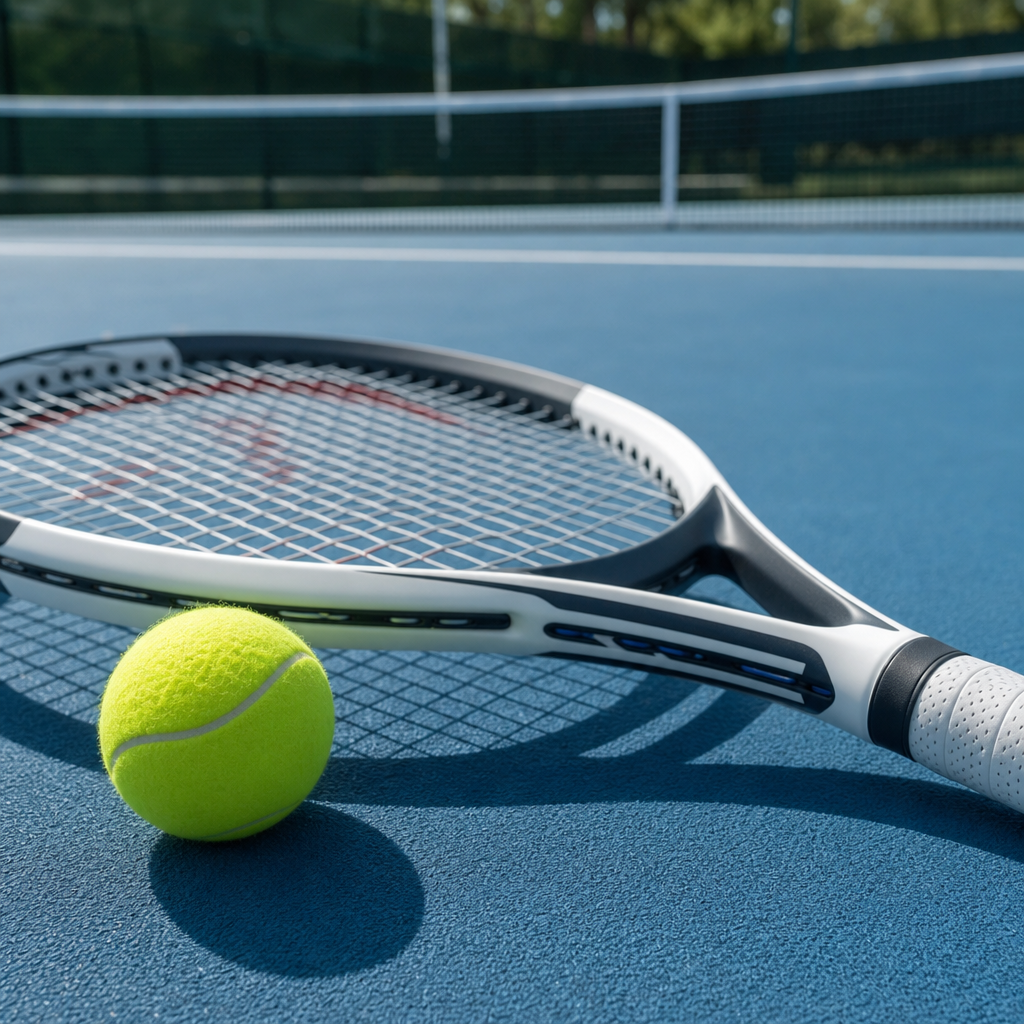
In tennis, composite frames use polymer matrices and damping inserts to tune feel as much as power. Players notice whether a racquet feels muted, crisp, stable, or harsh, and those sensations emerge from vibration behavior influenced by resin content, foam filling, grommet materials, and handle construction. In cycling, thermoplastic composites are gaining attention because they offer faster processing and potential recyclability compared with traditional thermosets, though high-end performance and heat resistance still favor epoxy systems in many applications. Ski and snowboard brands also use polymer sidewalls, topsheets, base materials, and adhesive layers to control edge hold, glide, durability, and torsional response under cold-weather conditions.
| Equipment Category | Common Polymer Application | Primary Performance Benefit | Typical Tradeoff |
|---|---|---|---|
| Running shoes | PEBA or expanded TPU midsoles | High energy return with low weight | Higher cost and variable long-term compression behavior |
| Cycling helmets | Polycarbonate shell with EPS or EPP liner | Impact attenuation and lightweight protection | Single-impact limits for some foam systems |
| Tennis racquets | Epoxy composite frame with polymer dampers | Stiffness tuning and vibration control | Complex manufacturing and repair difficulty |
| Hockey sticks | Carbon-epoxy shaft with thermoplastic blade elements | Power transfer and reduced mass | Brittle failure risk under repeated abuse |
| Swim goggles | Silicone seals and polycarbonate lenses | Comfort, clarity, and impact resistance | Scratch sensitivity without coatings |
Water Sports, Ball Sports, and Fitness Equipment
Water sports rely on polymers because they resist corrosion, tolerate repeated wetting, and can be tuned for flexibility or rigidity. Swim goggles use polycarbonate lenses for impact resistance and optical clarity, silicone for facial seals, and anti-fog polymer coatings to maintain visibility. Wetsuits are based on foamed chloroprene rubber, commonly called neoprene, which traps gas bubbles to provide insulation and buoyancy. Surfboards combine foam cores, polymer resins, fiberglass reinforcements, and protective coatings; paddle sports use polyethylene kayaks for impact resistance or composite systems for lightweight speed-oriented designs. Even fishing and sailing equipment increasingly uses high-performance polymer fibers and UV-stable housings.
In ball sports, polymer applications are equally pervasive. Modern footballs, basketballs, and volleyballs often replace natural leather with polyurethane or PVC-based synthetic covers engineered for grip consistency and weather resistance. Baseball bats made from composite materials use polymer matrices to tune barrel response, while bat grips, overwraps, and protective knobs use thermoplastic elastomers for comfort and control. Artificial turf systems depend on polyethylene fibers, infill materials, shock pads, and backing layers that must balance traction, durability, heat management, and player safety. The debate around turf systems also shows the limitations of polymers: surface temperature, microplastic shedding, and maintenance remain valid concerns requiring better formulations and end-of-life planning.
Fitness equipment may appear less advanced, but polymers are essential there too. Resistance bands rely on elastomer chemistry for predictable stretch and fatigue resistance. Foam rollers use expanded polymers with controlled density gradients. Home gym machines use nylon bushings, TPU grips, polyamide pulleys, and protective polymer coatings to reduce noise and wear. These products succeed when polymers solve practical user issues such as sweat resistance, floor protection, quiet operation, and easy cleaning. In commercial facilities, maintenance staff often judge equipment quality less by marketing claims and more by whether polymer touchpoints crack, discolor, or loosen after thousands of user cycles.
Manufacturing, Sustainability, and the Future of Polymer Sports Equipment
The next phase of innovation in sports equipment through polymer applications is being driven by processing technology and sustainability pressures as much as by raw material discovery. Additive manufacturing enables customized lattice midsoles, protective inserts, helmet fit components, and orthopedic sports supports with geometries impossible in traditional molding. Brands and specialist labs now use 3D-printed elastomer lattices to target zone-specific compression and airflow. In parallel, automated fiber placement, precision resin infusion, and digital twin simulation are improving consistency in composite sports products that once depended heavily on manual craftsmanship.
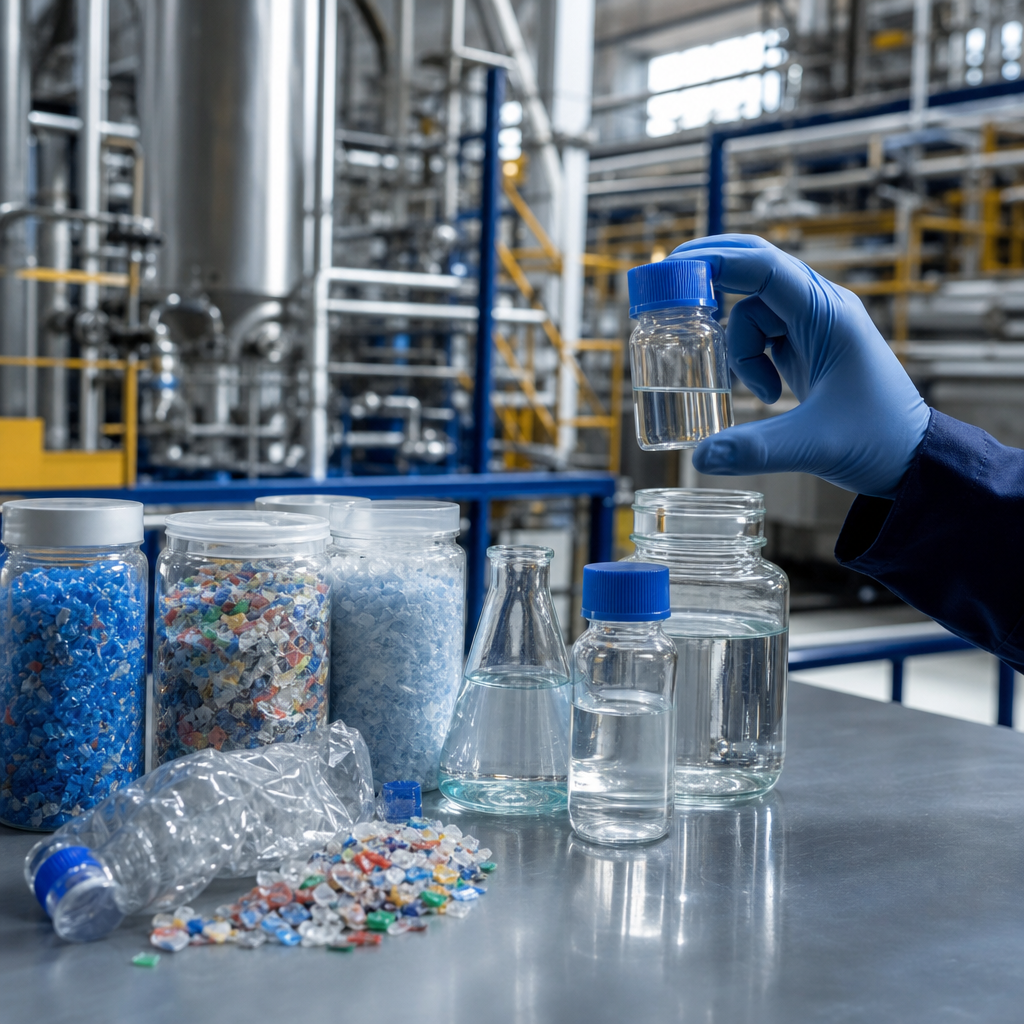
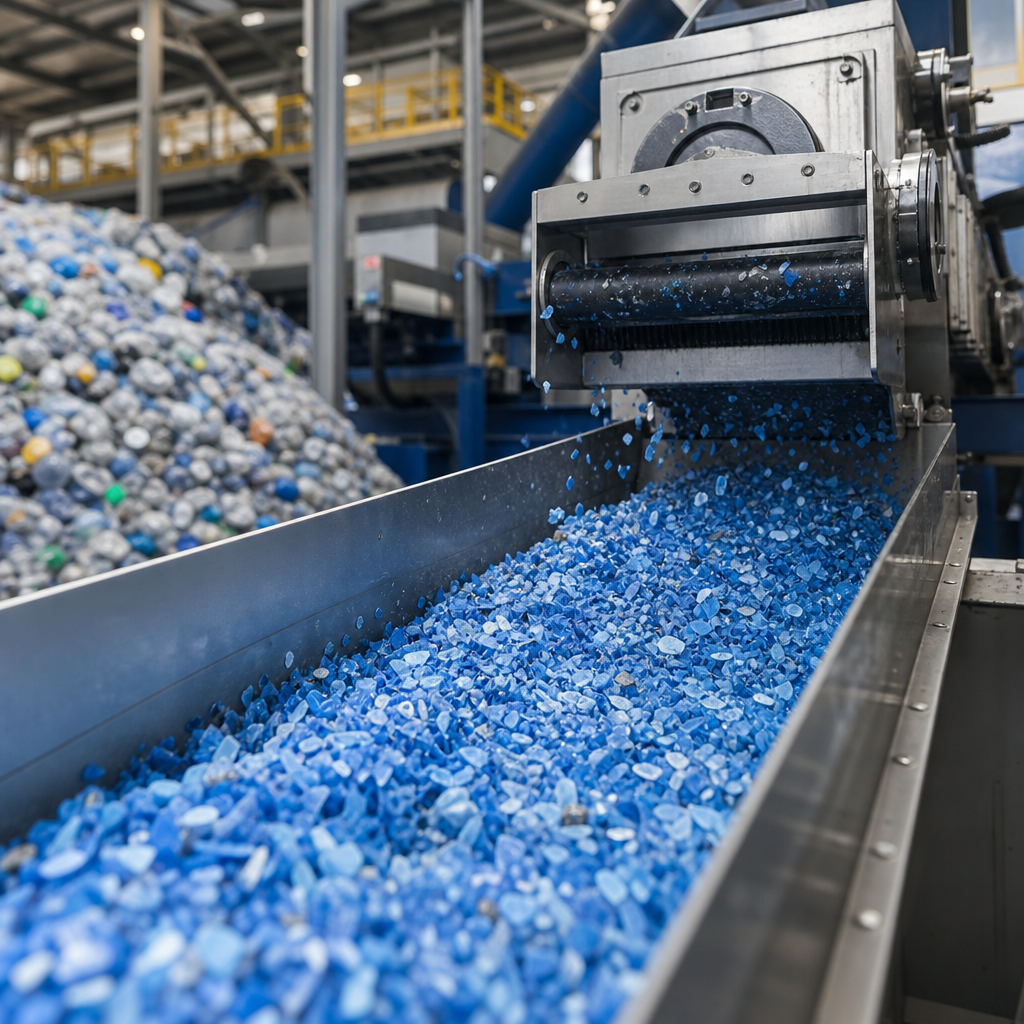
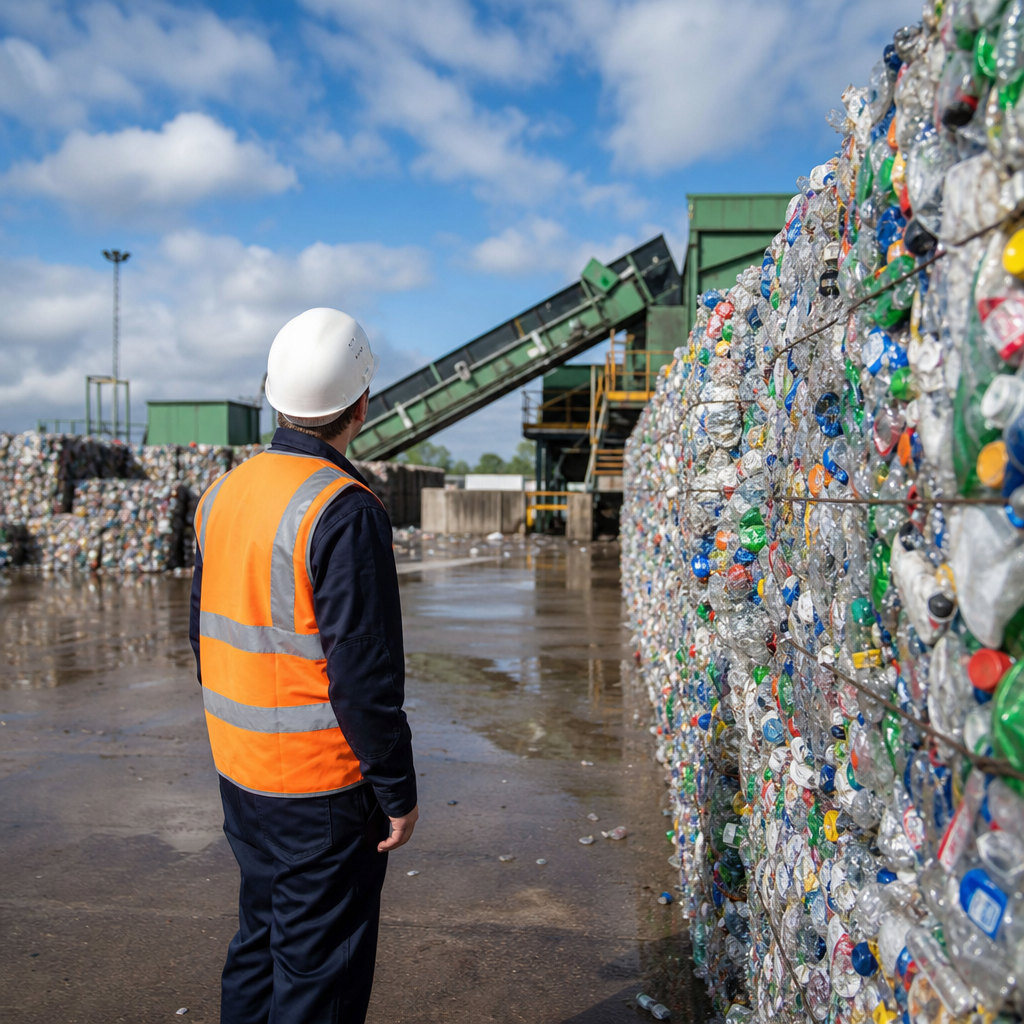
Sustainability is forcing harder questions. Many high-performance polymers are difficult to recycle because they are multi-material, heavily bonded, or based on thermoset chemistry. Brands are responding with mono-material design strategies, recycled polyester textiles, bio-based polyamides, mechanically recycled TPU content, and thermoplastic composite experiments. These improvements are real, but tradeoffs remain. Recycled feedstocks can introduce variability, bio-based content does not automatically reduce total environmental impact, and durability must not be sacrificed in products where safety matters. The best approach is lifecycle engineering: lower material waste, extend usable life, design for disassembly where possible, and validate that revised materials still meet mechanical and safety targets.
For companies building an industry-specific case studies library, sports equipment is an ideal hub because it shows polymer science operating in full view of consumers. Material choice is visible in shoe rebound, helmet safety, racquet feel, and goggle comfort. The broader lesson is straightforward: polymers are not generic plastics but precision tools for engineering performance. Organizations that study athlete use conditions, select materials with discipline, and test beyond minimum compliance create products that perform better and last longer. If you are developing content or products in this space, map each equipment category to its polymer function, failure mode, and user benefit, then explore the connected case studies that deepen each application.
Frequently Asked Questions
1. How are polymers changing the design and performance of modern sports equipment?
Polymers have become one of the most important material families in modern sports equipment because they can be engineered to deliver very specific performance characteristics that traditional materials often cannot match on their own. In sports applications, polymers are used as plastics, elastomers, foams, fibers, coatings, and composite matrices, allowing manufacturers to fine-tune weight, flexibility, stiffness, impact absorption, and surface durability. This flexibility in design means a running shoe midsole can be optimized for energy return, a bicycle helmet can be built to better manage crash forces, and a tennis racquet can balance strength with vibration damping.
One of the biggest advantages of polymers is that they can be tailored at the molecular and formulation level. By changing additives, processing conditions, or reinforcing materials, engineers can create equipment that is lighter without sacrificing strength, softer without losing resilience, or tougher without becoming overly rigid. In elite sports, even small material improvements can influence speed, control, endurance, and recovery. That is why polymers are now central to equipment innovation across footwear, protective gear, racquets, balls, apparel, and training devices.
Beyond pure performance, polymers also expand manufacturing possibilities. Advanced molding, extrusion, lamination, and composite fabrication techniques enable more precise geometries and more consistent products. This allows brands to design ergonomic equipment that fits athletes better and performs more predictably in real-world conditions. In short, polymers are not just replacing older materials; they are redefining how sports equipment is conceived, produced, and optimized.
2. What types of polymers are most commonly used in sports equipment, and why?
A wide range of polymers are used in sports equipment because different sports demand different mechanical and environmental properties. Thermoplastics such as polycarbonate, polyethylene, polypropylene, and nylon are widely used due to their durability, low weight, and processability. Polycarbonate, for example, is valued in protective eyewear and helmet shells because of its excellent impact resistance. Polyethylene appears in applications such as sliding surfaces, inserts, and protective components where toughness and wear resistance matter. Nylon is frequently used in fibers, textiles, and structural parts because it offers strength, abrasion resistance, and long-term reliability.
Elastomers are another major category. Materials such as polyurethane, thermoplastic elastomers, and synthetic rubbers are essential when flexibility, grip, cushioning, and rebound are needed. They are commonly found in shoe soles, handle grips, mouthguards, padding, and shock-absorbing elements. Polyurethane in particular is highly valued for its versatility, as it can be formulated into soft foams for comfort, dense elastomers for durability, or coatings for protection. This makes it especially useful in footwear and protective equipment.
Fiber-reinforced polymer composites are also crucial in high-performance gear. These materials combine a polymer matrix with reinforcing fibers such as carbon or glass to create components with very high strength-to-weight ratios. They are widely used in bicycles, hockey sticks, racquets, paddles, skis, and helmets. The polymer matrix holds the reinforcement in place, distributes loads, and protects against environmental damage. The result is equipment that can be lighter, stiffer, and more responsive than metal or wood alternatives. Manufacturers choose among these polymer systems based on the exact balance of impact resistance, flexibility, thermal stability, moisture resistance, and cost required by the sport.
3. How do polymer applications improve athlete safety and injury protection?
Safety is one of the strongest reasons polymers are so widely used in sports equipment. Many polymers can absorb, disperse, or manage energy in ways that help reduce the severity of impacts. In helmets, for example, polymer foams such as expanded polystyrene or other advanced energy-absorbing foams compress under load to reduce the force transmitted to the head. Meanwhile, tough outer shells made from impact-resistant polymers help distribute the load over a wider area and protect against penetration, cracking, and abrasion. This layered approach is a major reason modern protective equipment performs far better than earlier generations.
Polymers also contribute to injury prevention through flexibility, fit, and comfort. Protective pads, braces, and supports made from foams and elastomers can be shaped to the body, helping equipment stay in place during movement while reducing pressure points. A better fit matters because gear that shifts, pinches, or feels uncomfortable is less likely to be worn correctly. In that sense, polymer engineering improves not only the protective function of equipment but also compliance and usability. Athletes benefit from gear that protects them without restricting natural motion.
Another important safety advantage is durability under repeated use. Sports equipment is often exposed to sweat, UV light, moisture, temperature changes, and repeated impacts. Properly selected polymers can retain their protective properties across these conditions better than some conventional materials. That said, performance depends heavily on design, quality control, and proper replacement intervals. Even advanced polymers degrade over time, so equipment safety is strongest when material innovation is combined with testing standards, athlete education, and routine inspection.
4. In what ways do polymers enhance comfort, durability, and recovery in sports products?
Polymers play a major role in athlete comfort because they can be engineered to cushion the body, manage pressure, and improve fit. Foamed polymers in footwear, insoles, padding, and seating surfaces help reduce localized stress on joints and soft tissue. In shoes especially, advanced midsole foams are designed to provide a combination of softness, resilience, and energy return, which can improve comfort over long training sessions while also supporting performance. In apparel and wearable supports, polymer-based fibers and stretch materials help garments move with the body rather than against it.
Durability is another key advantage. Sports equipment must withstand abrasion, impact, bending, moisture exposure, and repeated mechanical loading. Many polymers are excellent at resisting wear and environmental stress, which helps extend product life and maintain performance over time. Protective coatings, polymer composites, and reinforced plastics are commonly used to prevent cracking, delamination, and surface degradation. This is especially important in outdoor sports, where equipment may be exposed to sun, rain, dirt, and fluctuating temperatures. A well-designed polymer system can preserve structural integrity and appearance better than many older material solutions.
Recovery products also benefit significantly from polymer technology. Foam rollers, compression components, braces, massage tools, and cold-therapy systems often rely on polymers for their balance of softness, resilience, hygiene, and manufacturability. Materials can be selected to provide controlled compression, ergonomic support, or repeated deformation without permanent collapse. In practical terms, this means recovery tools can be made more comfortable, more durable, and more effective for repeated use. As sports science increasingly emphasizes training load management and post-exercise recovery, polymer-based products continue to expand in both sophistication and importance.
5. What is the future of polymer innovation in sports equipment?
The future of polymer innovation in sports equipment is likely to focus on smarter performance, greater personalization, and improved sustainability. On the performance side, manufacturers are increasingly developing highly specialized polymer blends and composite systems that respond more precisely to movement, load, and impact. This includes foams with better energy return, elastomers with more predictable damping behavior, and composite structures tuned for sport-specific stiffness and flex patterns. As data from athlete testing becomes more advanced, material design can become more targeted, leading to equipment that is optimized not just for a sport, but for a position, movement style, or individual athlete profile.
Personalization is another major direction. Because polymers are highly adaptable and work well with advanced manufacturing methods, they support custom fitting and product tuning at scale. Technologies such as 3D printing, digital scanning, and precision molding are making it easier to create helmets, insoles, protective inserts, and performance components tailored to individual body geometry and biomechanical needs. This can improve comfort, reduce injury risk, and enhance efficiency. For athletes, that means equipment may become increasingly customized rather than standardized.
Sustainability is also becoming a defining issue in polymer development. The sports industry is under growing pressure to reduce waste, use recycled content, improve product longevity, and explore bio-based or more easily recyclable materials. While high-performance requirements can make sustainability challenging, research is moving toward polymer systems that balance elite-level functionality with lower environmental impact. Future innovation will likely involve recyclable thermoplastics, lower-emission production processes, and multi-material designs that are easier to disassemble and recover. The next generation of sports equipment will not only aim to be lighter and stronger, but also more responsible from a lifecycle perspective.