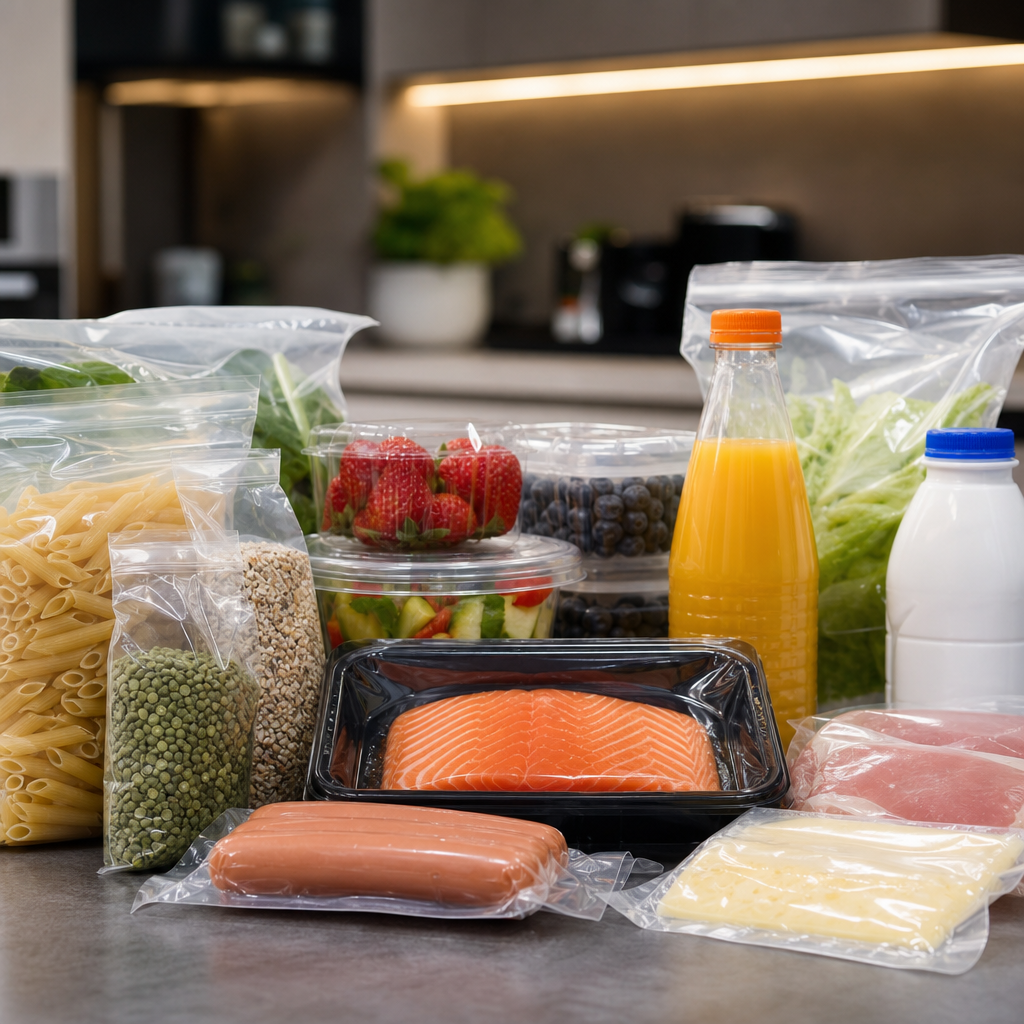
Polymers have transformed packaging industry solutions by making containers lighter, stronger, safer, and more adaptable to modern supply chains. In practical terms, a polymer is a large molecule built from repeating units, then processed into materials such as polyethylene, polypropylene, polyethylene terephthalate, polystyrene, polyvinyl chloride, and advanced bio-based resins. In packaging, these materials appear as bottles, films, pouches, trays, caps, labels, protective foams, and multilayer barrier structures. After years working with converters, brand teams, and plant managers, I have seen one consistent reality: polymer selection is never only about cost. It determines shelf life, machinability, recyclability, transport efficiency, product safety, and regulatory compliance.
The impact of polymers on packaging industry solutions matters because packaging now sits at the intersection of performance, sustainability, and logistics. Food producers need oxygen and moisture barriers that preserve freshness without slowing line speeds. Pharmaceutical companies require sterile, tamper-evident, chemically resistant systems validated against strict standards. E-commerce brands need impact protection and weight reduction to manage shipping damage and parcel costs. Industrial chemical suppliers need compatibility, puncture resistance, and reliable closure integrity. Across all of these sectors, polymers solve specific operational problems that paper, glass, or metal alone often cannot solve at scale.
This hub article examines industry-specific case studies and applications so readers can understand not just which polymers are used, but why they are chosen, where they fail, and how they are evolving. It covers performance criteria, common resin families, converting methods, sustainability pressures, and real-world sector examples. If you are comparing packaging materials, planning a product launch, or evaluating redesign opportunities, the key question is straightforward: which polymer structure best protects the product while meeting cost, compliance, and circularity goals? The answer depends on end use, and the details matter.
Why Polymers Dominate Modern Packaging Systems
Polymers dominate packaging because they deliver a rare combination of low mass, high processability, tunable barrier properties, and design flexibility. Polyethylene, especially LDPE and HDPE, is valued for sealability, toughness, and chemical resistance. Polypropylene brings stiffness, heat resistance, and clarity in oriented formats. PET provides excellent transparency, strength, and carbon dioxide retention, making it the standard for beverage bottles. EVOH, nylon, and metallized layers are added when oxygen barrier or puncture resistance must be increased. These materials can be extruded, blow molded, thermoformed, injection molded, cast, laminated, or coextruded into precise structures optimized for product needs.
In operations, the advantages are measurable. Lightweight polymer packaging lowers freight costs compared with glass and metal, while reducing breakage and worker handling risk. Flexible polymer pouches can cut material consumption dramatically versus rigid formats, often using a fraction of the resin by weight. High-speed form-fill-seal equipment is designed around predictable seal windows, coefficient of friction targets, and film stiffness profiles that polymers can provide consistently. For brands, polymers also enable shelf appeal through gloss, transparency, printability, and unusual shapes that support product differentiation in crowded retail channels.
There are tradeoffs. Some high-performance polymer structures are difficult to recycle because they combine incompatible layers. Barrier coatings can complicate recovery streams. Additives that improve slip, UV resistance, or antistatic behavior must still satisfy migration and compliance requirements. The practical lesson from packaging projects is that no polymer is universally best. Effective packaging industry solutions begin with the product hazard profile, distribution environment, filling process, and target end-of-life pathway, then map those needs to the simplest material structure that performs reliably.
Food and Beverage Case Studies: Shelf Life, Safety, and Speed
Food and beverage packaging shows the clearest impact of polymers because small material changes can directly alter waste rates, sensory quality, and line efficiency. A common case is fresh meat packaging, where processors use multilayer trays and lidding films combining PET, PE, and EVOH. PET gives stiffness and clarity, PE provides sealability, and EVOH contributes oxygen barrier. In modified atmosphere packaging, maintaining gas composition is essential; if oxygen transmission is too high, discoloration and spoilage accelerate. In one conversion program I supported, adjusting a lidding film sealant layer reduced leakers on a high-speed tray sealer and improved pack integrity without changing the tray footprint.
Beverage packaging offers another well-established example. PET replaced much of the glass in water and soft drink markets because it combines transparency, impact resistance, and carbon dioxide retention with dramatically lower transport weight. Bottle performance depends on orientation during stretch blow molding, base design, acetaldehyde control, and top-load strength. For hot-fill juices, heat-set PET or polypropylene-based alternatives may be selected depending on filling temperature and panel design. For dairy, HDPE remains common because it handles refrigeration, protects against impact, and runs efficiently on blow molding lines at large volume.
Flexible snack packaging demonstrates both the power and the challenge of polymer packaging. Laminates using BOPP, metallized films, or PE sealant layers protect against oxygen, grease, and moisture while preserving crispness. They also print well and convert economically. The challenge is circularity: many legacy snack packs were designed for performance first, with mixed-material structures that are hard to recycle. Current redesign work often focuses on moving toward mono-material PE or PP structures while preserving seal strength, dead-fold behavior, puncture resistance, and machine speed.
| Sector | Typical Polymer Solution | Primary Benefit | Main Constraint |
|---|---|---|---|
| Beverages | PET bottles | Clarity, strength, light weight | Need for recycled content and collection quality |
| Fresh food | PET/PE/EVOH trays and films | Barrier performance and leak control | Multilayer recycling complexity |
| Snacks | BOPP or PE-based flexible laminates | Moisture barrier and printability | Balancing shelf life with recyclability |
| Dairy | HDPE bottles and tubs | Impact resistance and process efficiency | Light and oxygen sensitivity for some products |
Healthcare and Pharmaceutical Applications: Compliance Drives Material Choice
In healthcare and pharmaceutical packaging, polymer selection is governed by patient safety, sterilization compatibility, extractables and leachables risk, and regulatory documentation. Here, packaging is part of the product system, not a cosmetic afterthought. HDPE bottles for tablets are common because they offer moisture resistance, good dimensional control, and compatibility with child-resistant closures. Blister packs often use PVC, PVDC-coated structures, cyclic olefin materials, or aluminum combinations depending on the moisture and oxygen sensitivity of the drug. For sterile devices, Tyvek and medical-grade films paired with polymer trays are validated for microbial barrier and seal integrity.
One recurring issue in pharmaceutical packaging projects is the gap between lab approval and production reality. A resin may pass compatibility screening, yet fail under gamma sterilization, ethylene oxide exposure, or distribution vibration. Seal initiation temperature, particulate generation, and stress cracking matter as much as nominal barrier values. In medical device packaging, I have seen teams underestimate how sharply thermoformed tray geometry influences seal uniformity and transit damage. A polymer with excellent datasheet properties can still underperform if draw ratios are too aggressive or if the sealant layer is mismatched to the lidding substrate.
The strongest polymer packaging solutions in this sector are developed through validation discipline. That means ASTM and ISO test methods, accelerated aging where appropriate, transit testing, and documented change control. It also means acknowledging limitations. PVC remains effective in some blister applications, but sustainability and chlorine-related concerns have pushed many companies to evaluate alternatives. Bio-based materials attract interest, yet many still lack the barrier consistency, sterilization robustness, or regulatory history needed for critical pharmaceutical use. In this sector, polymer innovation succeeds only when performance, documentation, and patient protection align.
E-commerce and Consumer Goods: Lightweight Protection at Scale
The rise of e-commerce changed packaging design priorities. Packages now move individually through parcel networks, facing drop events, compression, vibration, and weather exposure. Polymers became essential because they provide cushioning, tamper evidence, dimensional efficiency, and reduced shipping weight. Poly mailers made from polyethylene films replaced many corrugated boxes for apparel and soft goods, lowering cube and freight costs. Air pillows, expanded polyethylene foams, and molded polymer inserts protect electronics and cosmetics without adding the mass of traditional dunnage. For subscription brands, polymers also support clean unboxing through resealable closures, easy-open tear features, and glossy printed surfaces.
Real-world performance depends on system design, not just material type. A thin mailer can outperform a heavier alternative if seal strength, dart impact resistance, and puncture resistance are matched to the product profile. For electronics, antistatic and electrostatic discharge properties may be mandatory. For household cleaners sold online, stress crack resistance, cap torque retention, induction seals, and leak-proof secondary packaging are critical because a single failure can damage multiple parcels in transit. In practice, the best packaging industry solutions for e-commerce are tested through ISTA protocols that simulate drops, vibration, and compression in parcel environments.
Consumer goods packaging also illustrates how polymers support brand goals and manufacturing efficiency simultaneously. Personal care brands use PET, PP, and specialty elastomers to create dispensers, pumps, and squeezable tubes that communicate premium value. Household products rely on HDPE and PP for chemical resistance and stiffness. Refill pouches are increasingly adopted because flexible polymers use less material than rigid bottles, though they require thoughtful design to maintain pourability and compatibility with existing recycling systems. The lesson across these case studies is clear: polymers enable customization at scale, but only when structural design and logistics data are treated as one decision.
Industrial, Agricultural, and Specialty Packaging: Performance Under Harsh Conditions
Industrial and agricultural packaging places polymers in some of the harshest service conditions. Fertilizers, agrochemicals, lubricants, solvents, and construction materials demand chemical resistance, puncture strength, UV stability, and closure reliability. HDPE jerrycans, fluorinated containers, woven polypropylene sacks, stretch films, shrink hoods, and intermediate bulk container components are standard solutions because they withstand rough handling better than many alternatives while remaining cost-effective. For hazardous materials, polymer packages must satisfy UN performance requirements for drop resistance, stacking, leakproofness, and material compatibility, making resin choice a compliance issue as well as a functional one.
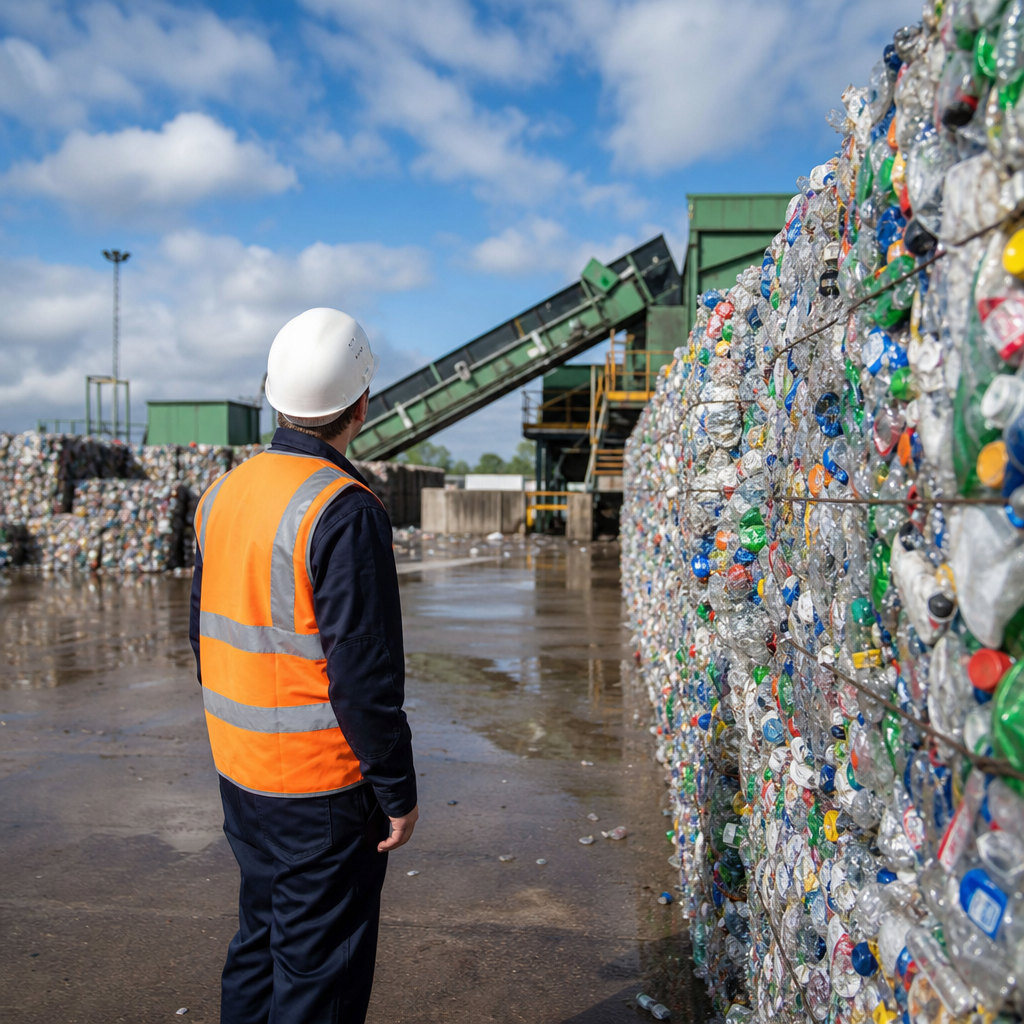
Agricultural films show another major application. Greenhouse covers, mulch films, silage wraps, and bale films are engineered from polyethylene grades tailored for tensile strength, elongation, cling, and UV stabilization. The value is not abstract. Better film durability can improve crop protection, reduce replacement frequency, and limit spoilage in feed storage. Yet end-of-life management remains difficult when films are contaminated with soil or organic residue. Collection systems, wash capacity, and local recycling economics often determine whether an otherwise effective polymer solution is truly sustainable in practice.
Specialty packaging for electronics, automotive parts, and high-value components often uses engineered polymers for static control, abrasion resistance, and dimensional precision. Conductive or dissipative compounds protect sensitive devices. Reusable totes and trays molded from PP or HDPE support closed-loop logistics in manufacturing plants, reducing one-way packaging waste and improving part presentation at the assembly line. These applications highlight a wider point: the impact of polymers on packaging industry solutions is not limited to retail shelves. In many B2B environments, polymers quietly reduce damage, improve process control, and lower total system cost.
Sustainability, Recycling, and the Next Generation of Polymer Packaging
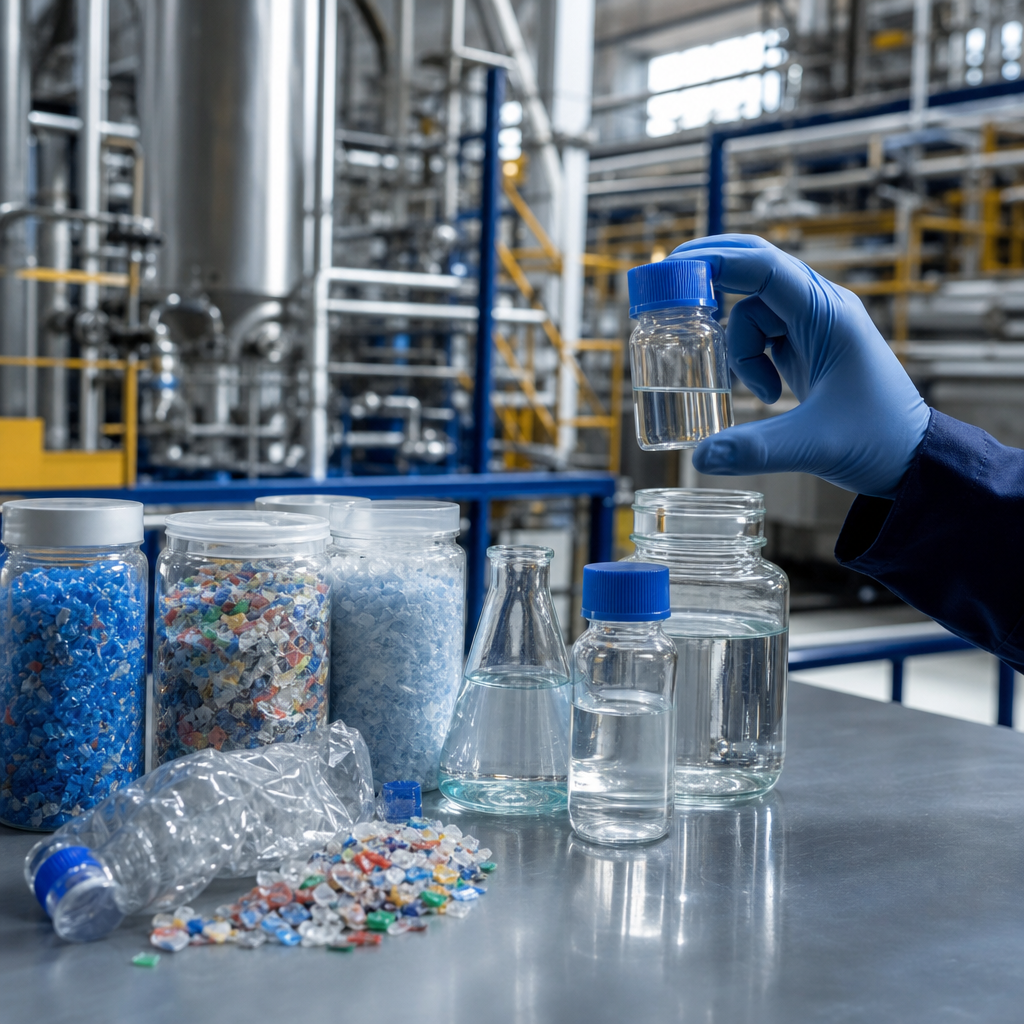
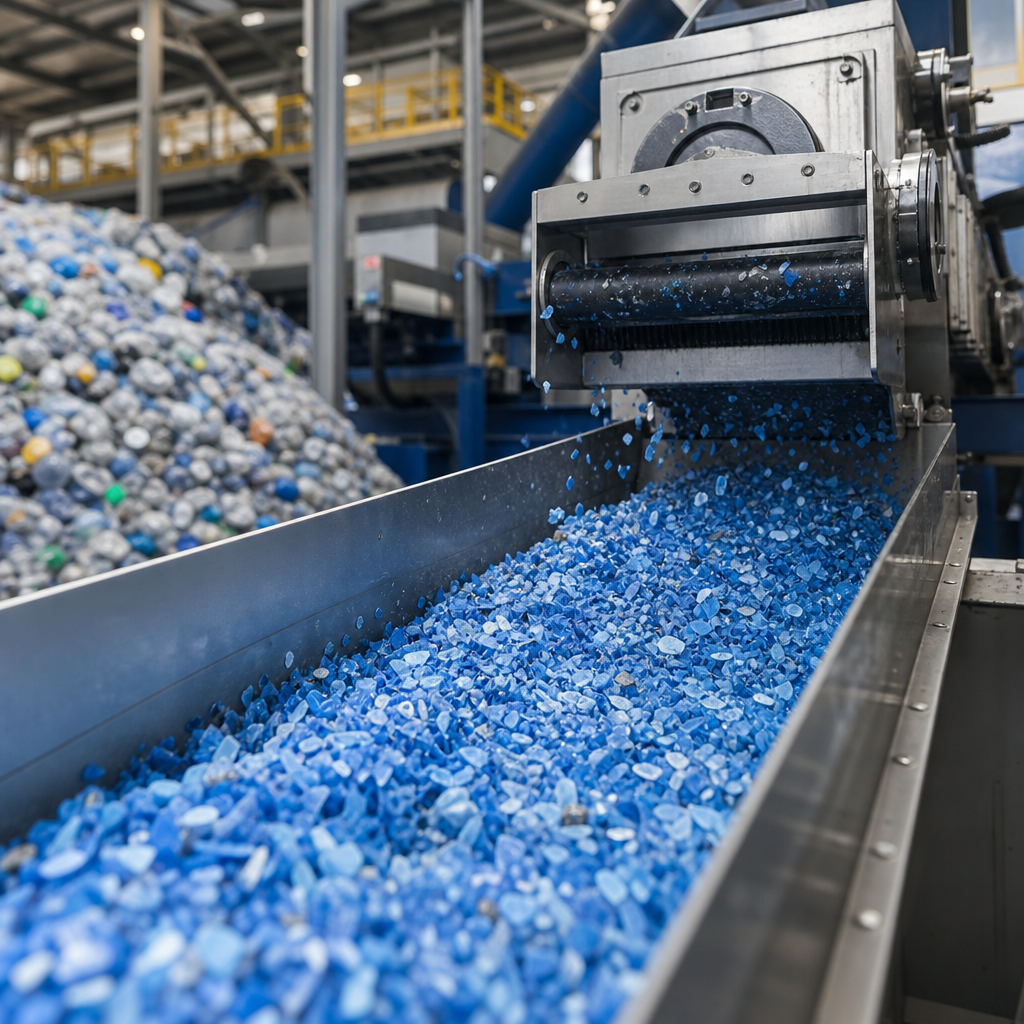
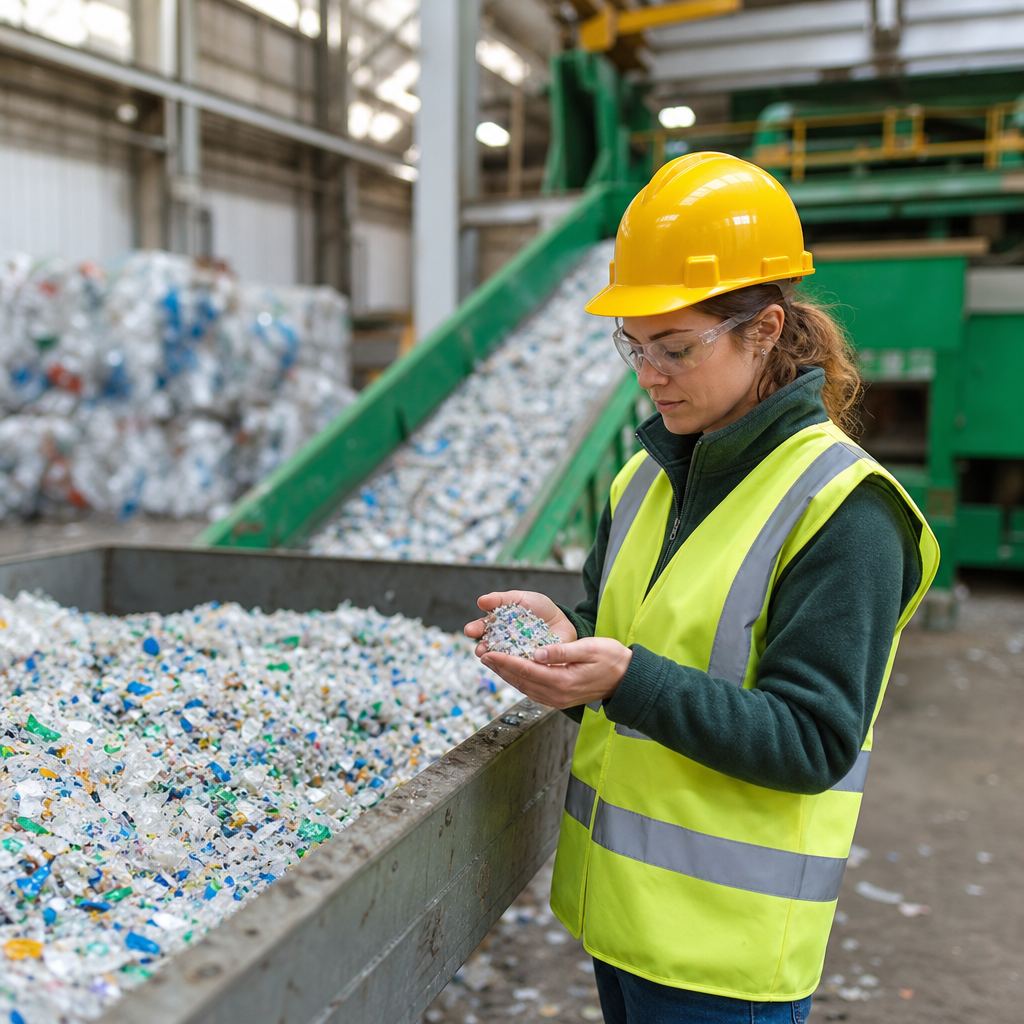
Sustainability is now the defining pressure shaping polymer packaging decisions. Brands face recycled-content mandates, extended producer responsibility fees, retailer scorecards, and consumer scrutiny. The technical response is design for recovery: reducing pigments, avoiding incompatible laminations, simplifying structures, increasing mono-material formats, and specifying resins with established collection pathways. Recycled PET has become central in beverage packaging because it offers a credible closed-loop route when collection and sorting systems perform well. PE and PP recycling continue to improve, though food-contact approval, odor control, and property retention remain active challenges.
Compostable and bio-based polymers are often discussed, but they are not universal replacements. PLA, PHA, and starch-based blends can work well in selected food service and organic waste capture systems, yet many require specific industrial composting conditions and may contaminate mechanical recycling streams if mislabeled or poorly sorted. Paper-polymer hybrids can reduce plastic content, but coatings and laminations still affect repulpability and barrier performance. From my experience, the most credible sustainability programs start with reduction and simplification before switching materials. A downgauged, recyclable PE pouch may outperform a novel substrate that lacks collection infrastructure.
The next generation of polymer packaging will be defined by better data, not just better resin chemistry. Digital product passports, life-cycle assessment tools, spectroscopy-based sorting, and advanced recycling technologies are improving decision quality across the value chain. Even so, fundamentals remain unchanged. The best polymer packaging industry solutions align material science with actual use conditions, regulatory demands, and realistic recovery options. For companies building a case studies and applications roadmap, the takeaway is simple: analyze each industry’s product risks, distribution stresses, and end-of-life realities before choosing a polymer format. Do that rigorously, and polymers remain one of the most effective tools for safer, smarter, and more sustainable packaging. Review your current packaging portfolio, identify one high-impact redesign opportunity, and use these sector examples to guide the next step.
Frequently Asked Questions
How have polymers changed packaging industry solutions?
Polymers have fundamentally reshaped packaging by giving manufacturers a material family that is lightweight, durable, flexible, and highly adaptable to product-specific needs. Before polymers became widely used, many packaging formats depended more heavily on glass, metal, and paper-based structures alone, which often added weight, increased transportation costs, and limited design flexibility. Polymer-based materials made it possible to create bottles, films, pouches, trays, caps, labels, and protective components that could be engineered for strength, barrier performance, transparency, impact resistance, heat tolerance, or resealability.
In practical supply chain terms, this transformation means packages can be made lighter without sacrificing performance, which improves shipping efficiency and reduces breakage during handling and transit. Polymers also support modern retail and e-commerce demands by enabling packaging that protects products from moisture, oxygen, contamination, and physical damage while remaining convenient for consumers to open, carry, store, and dispose of. Their design versatility also supports branding, shelf appeal, tamper evidence, and portion control. As a result, polymers are not just alternative materials in packaging industry solutions; they are central to how modern packaging is designed, optimized, and scaled.
What types of polymers are most commonly used in packaging?
Several polymer types dominate packaging applications, and each is selected for a specific combination of cost, processability, mechanical properties, and barrier performance. Polyethylene, often used in both low-density and high-density forms, is one of the most common packaging polymers because it offers toughness, chemical resistance, and excellent usefulness in films, bags, bottles, and liners. Polypropylene is valued for its stiffness, heat resistance, and fatigue performance, making it a strong choice for caps, containers, microwaveable packaging, and hinged closures.
Polyethylene terephthalate, commonly known as PET, is widely used for beverage bottles, food jars, and thermoformed trays because it provides clarity, strength, and good gas barrier properties. Polystyrene is used in rigid containers, cups, and protective foam applications where lightweight structure and insulation are important. Polyvinyl chloride, or PVC, has historically been used in certain films, shrink sleeves, and specialty packaging applications because of its clarity and versatility, although usage varies by market and regulatory preference. Beyond these traditional materials, advanced bio-based resins and other specialty polymers are gaining attention for applications where renewable feedstocks, compostability, or improved sustainability profiles are desired. The best polymer for any packaging solution depends on the product being packed, shelf-life requirements, distribution conditions, regulatory standards, and end-of-life considerations.
Why are polymers considered so effective for food and consumer product packaging?
Polymers are highly effective in food and consumer packaging because they can be tailored to protect products from the exact hazards most likely to reduce quality or safety. Different polymer structures can help block moisture, oxygen, light, grease, odors, and contaminants, all of which can affect shelf life and product performance. For food packaging, this is especially important because preserving freshness, flavor, texture, and hygiene is essential from the production line to the consumer’s home. For personal care, household, and pharmaceutical-related packaging, polymers also support leak prevention, dosage control, chemical compatibility, and tamper resistance.
Another reason polymers are so effective is their processing flexibility. They can be blow molded into bottles, extruded into films, thermoformed into trays, injection molded into caps and closures, and laminated into multilayer structures that combine several performance benefits in one package. This gives packaging engineers tremendous control over how a package performs in real-world conditions. Polymers also improve convenience features consumers now expect, such as resealable zippers, easy-pour spouts, lightweight containers, squeezable bottles, and single-serve portions. In other words, polymers succeed in packaging because they do more than contain a product; they actively help preserve, protect, present, and distribute it efficiently.
What role do polymers play in sustainable packaging strategies?
Polymers play a complex but increasingly important role in sustainable packaging strategies. On one hand, they are often criticized when packaging is difficult to recycle, improperly disposed of, or designed without end-of-life planning. On the other hand, polymers can significantly improve sustainability when they are used intelligently. Because many polymer packages are lightweight, they can reduce transportation energy use and lower emissions compared with heavier alternatives. They can also reduce product waste by extending shelf life, preventing breakage, and preserving freshness, which is a major sustainability benefit since wasted food and damaged goods carry their own environmental costs.
Today, sustainable polymer packaging solutions increasingly focus on downgauging, mono-material design, improved recyclability, incorporation of post-consumer recycled content, and the use of bio-based or compostable polymers where appropriate. Brand owners and packaging developers are also redesigning labels, adhesives, caps, and multilayer structures so they are more compatible with recycling systems. The most effective sustainability approach is usually not about eliminating polymers altogether, but about choosing the right polymer, using only as much material as necessary, designing for collection and recovery, and aligning packaging performance with real infrastructure capabilities. In that context, polymers remain essential to packaging innovation, especially as circular economy goals become more central to industry decision-making.
How do polymers support innovation in modern packaging design and supply chains?
Polymers support innovation by giving packaging developers a broad toolbox for solving technical, commercial, and logistical challenges. In design terms, they enable everything from transparent, premium-looking containers to flexible pouches that reduce material usage and shipping space. They can be engineered for puncture resistance, seal integrity, printability, thermal stability, controlled permeability, and compatibility with automation equipment. This matters because modern packaging must do more than simply hold a product; it must run efficiently on filling lines, survive warehousing and transportation, meet regulatory requirements, communicate brand identity, and perform well in increasingly complex distribution environments, including direct-to-consumer shipping.
In supply chains, polymers help reduce package weight, improve cube efficiency, lower breakage rates, and support high-speed manufacturing. Their consistency and processability make them ideal for scaled production across food, beverage, healthcare, industrial, and consumer goods sectors. They also enable smart packaging developments such as modified atmosphere packaging, high-barrier multilayer films, tamper-evident closures, and packages designed for convenience and extended shelf life. As global supply chains become more demanding and consumers expect better performance with less waste, polymers continue to provide the material versatility needed to create packaging industry solutions that are practical, protective, efficient, and forward-looking.