Polymers in the automotive industry have moved from niche substitutes for metal and rubber to core engineering materials that shape vehicle safety, efficiency, comfort, manufacturing speed, and sustainability. In practical terms, a polymer is a large molecule built from repeating units, and in automotive design that broad category includes commodity plastics such as polypropylene, engineering resins such as polyamide and polycarbonate, elastomers such as EPDM and thermoplastic vulcanizates, and matrix materials used in fiber-reinforced composites. I have worked on programs where a seemingly small resin change altered tooling strategy, assembly methods, recyclability pathways, and warranty risk, which is why this topic deserves careful treatment rather than generic claims about lightweighting. Automakers use polymers because they can reduce mass, resist corrosion, enable complex geometries, absorb impact, insulate noise, integrate multiple parts into one molded component, and support high-volume production with repeatable quality. Yet every gain comes with tradeoffs involving heat resistance, creep, dimensional stability, volatile emissions, paintability, joining, repairability, and end-of-life recovery. This hub article examines how polymers are used across major vehicle systems, what material-selection criteria actually drive decisions, and what recent case studies reveal about battery electric vehicles, interiors, under-hood applications, and circularity. It is designed as a central reference for industry-specific case studies, giving readers a framework they can apply whether they are studying passenger cars, commercial vehicles, or emerging mobility platforms.
Why Polymers Became Foundational Automotive Materials
The automotive sector adopted polymers at scale because they solve several manufacturing and performance problems simultaneously. Replacing stamped metal with injection-molded or blow-molded plastic can cut part count, consolidate fasteners, reduce corrosion exposure, and shorten assembly time. A front-end module made from glass-filled polypropylene or polyamide can integrate mounts, air guides, and energy-management features that would otherwise require several stamped pieces. That matters in high-volume plants, where seconds saved per vehicle translate into millions of dollars over a model cycle. Weight reduction is another major driver. The U.S. Department of Energy has long cited the relationship between mass and fuel consumption, and while exact savings depend on platform, powertrain, and drive cycle, reducing vehicle weight remains one of the most reliable ways to improve efficiency or extend electric range. Polymers also bring design freedom. Interior surfaces, HVAC housings, lighting lenses, bumper fascias, and battery pack covers all rely on the ability of polymers to take complex shapes while meeting appearance and durability requirements. In my experience, the strongest business case appears when a polymer enables a system redesign, not merely a one-for-one material swap. The result can be lower total system cost, fewer leak paths, better packaging, and simpler logistics across global plants.
Core Polymer Families and What They Do Best
No single polymer fits all automotive requirements, so engineers select materials by balancing thermal, mechanical, chemical, processing, and regulatory demands. Polypropylene remains one of the workhorses of the industry because it is inexpensive, chemically resistant, relatively light, and highly versatile in talc-filled, mineral-filled, impact-modified, and long-glass-fiber grades. It is common in bumper substrates, door trims, wheel liners, battery cases for low-voltage systems, and underbody shields. Polyamide, especially PA6 and PA66 with glass reinforcement, is preferred for under-hood parts such as air-intake manifolds, coolant components, and structural brackets because it offers higher temperature resistance and strength, though moisture absorption must be managed during design validation. Polycarbonate and PC/ABS blends dominate lighting and interior trim where impact strength, dimensional control, and surface quality matter. Polyurethane appears in seating foams, acoustic insulation, and some adhesive systems. Thermoplastic elastomers and EPDM support sealing, soft-touch surfaces, and vibration control. High-performance polymers such as PEEK, PPS, and fluoropolymers enter specialized zones requiring chemical resistance or elevated temperature capability, especially in electrified powertrains. Composites extend the field further: short-glass-filled thermoplastics serve mass-market applications, while carbon-fiber-reinforced polymers are used selectively in premium structures where cost can be justified by stiffness and weight savings.
Material Selection Criteria in Real Vehicle Programs
Material selection in automotive programs is a gated decision process anchored in target costs, performance specifications, process capability, and supply continuity. Engineers begin with environmental conditions: maximum service temperature, fluid exposure, UV load, stone impact, humidity, and crash energy. They then move to mechanical requirements such as tensile modulus, elongation at break, fatigue behavior, creep under sustained load, and notch sensitivity. Processing constraints come next. A resin that performs well in the laboratory may still fail commercially if it warps in large tools, requires long cycle times, or cannot hold tight tolerances after paint bake. Global automakers also assess regional sourcing and regulatory compliance, including REACH, RoHS, IMDS reporting, and increasingly strict recycled-content rules. Interior materials face additional scrutiny for odor, fogging, scratch resistance, and low volatile organic compound emissions. I have seen teams reject otherwise strong candidates because they created squeak-and-rattle issues when paired with adjacent substrates, or because weld-line weakness compromised crash performance. Validation therefore extends beyond basic datasheets into CAE simulation, mold-flow analysis, accelerated aging, thermal cycling, salt spray, stone-chip testing, and full vehicle durability. Good polymer selection is not choosing the strongest material; it is choosing the most balanced material for the complete operating context.
Case Studies Across Major Automotive Applications
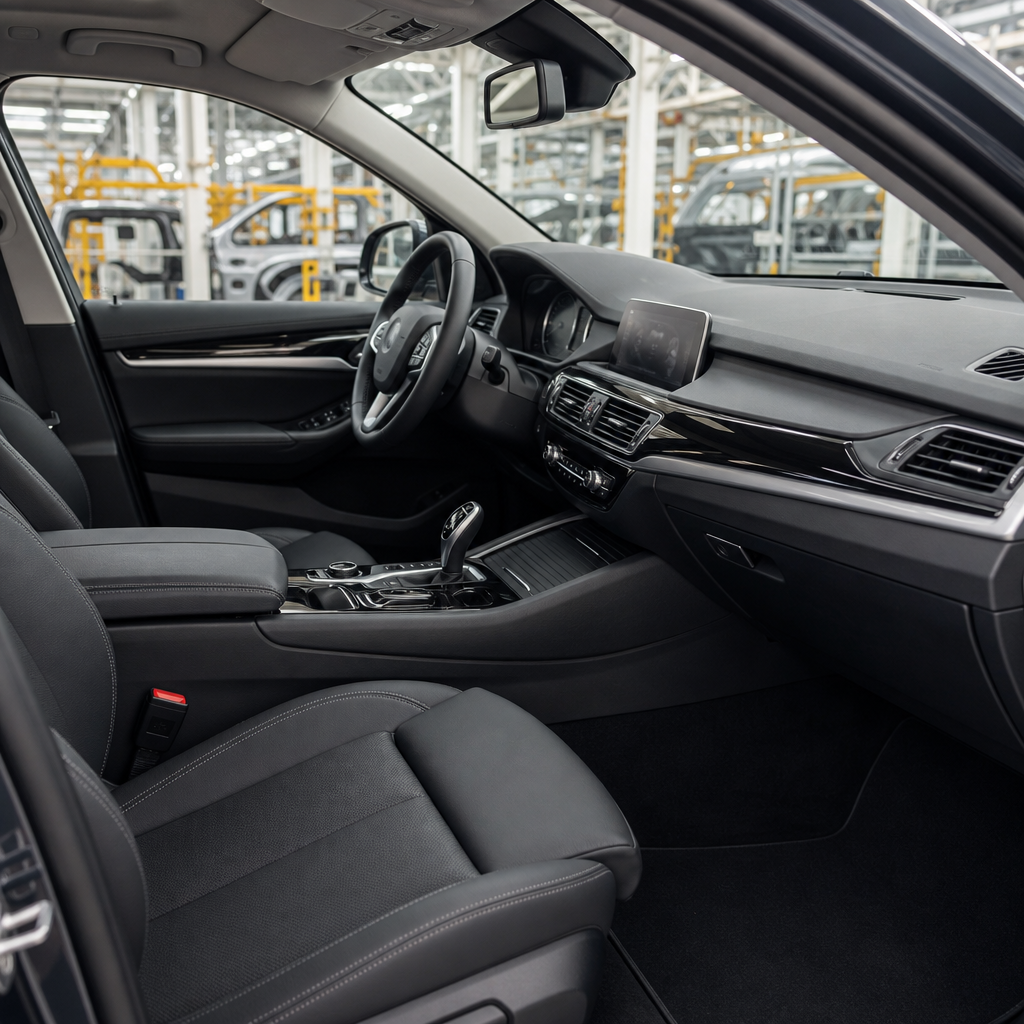
The most instructive way to understand polymers in the automotive industry is through application-specific case studies. In bumper systems, polypropylene compounds became standard because they combine impact performance, paintability options, and low density. Modern fascias are expected to survive minor impacts, hold class-A surfaces, and support radar-friendly designs for driver-assistance systems. In air-intake manifolds, glass-filled polyamide replaced aluminum in many programs because it reduces weight and allows smooth internal runners with integrated resonators and mounting features. In fuel systems, multilayer plastic tanks produced by blow molding have been adopted widely because they improve packaging freedom and resist corrosion; barrier layers such as EVOH help meet evaporative emissions targets. Interior instrument panels often use TPO skins, ABS, PC/ABS, and polyurethane foams to balance touch quality, crash performance, and manufacturability. Lighting offers another revealing example: polycarbonate lenses enabled complex headlamp geometries and lower weight compared with glass, though coatings are essential to improve scratch and UV resistance. Electrified vehicles add fresh case studies, including battery pack housings, high-voltage connectors, cell spacers, and thermal-management components that rely on flame-retardant and electrically insulating polymers. Across all of these examples, success depends less on material marketing and more on disciplined system engineering.
| Application | Common Polymer | Primary Benefit | Key Constraint |
|---|---|---|---|
| Bumper fascia | Impact-modified polypropylene | Low weight and moldability | Paint adhesion and cold-impact balance |
| Air-intake manifold | Glass-filled polyamide | Part integration and heat resistance | Moisture effects on dimensions |
| Headlamp lens | Polycarbonate | Optical clarity and impact strength | Requires hard-coat protection |
| Door seal | EPDM or TPE | Elastic recovery and weather resistance | Compression-set management |
| Battery component | Flame-retardant engineering resin | Electrical insulation | Thermal runaway requirements |
Battery Electric Vehicles and the New Polymer Demand Curve
Battery electric vehicles are changing polymer demand not simply by increasing lightweighting pressure but by redefining thermal, electrical, and fire-performance requirements. In internal combustion platforms, polymers often clustered in interiors, body panels, and under-hood air or fluid handling systems. In EVs, they now play critical roles in high-voltage connector housings, busbar supports, cable management, battery module spacers, cell holders, thermal-interface elements, inverter enclosures, and charging-system components. Materials in these areas must provide dielectric strength, comparative tracking resistance, dimensional stability, and flame performance while surviving vibration and thermal cycling. Standards such as UL 94 ratings are relevant, but automotive qualification goes beyond single flammability labels because pack-level abuse, venting behavior, and interaction with adjacent materials matter. Several EV manufacturers have increased use of glass-fiber-reinforced polyamides, polypropylene compounds with flame-retardant packages, and advanced thermoset or thermoplastic composites in battery covers and underbody shields. One recurring lesson from programs I have reviewed is that polymer choice in EVs is inseparable from system architecture. A resin that appears suitable for a connector body may fail if assembly torque, coolant exposure, or adjacent copper geometry creates unexpected creep, arcing, or sealing problems. The best case studies therefore treat the polymer as part of the electrical and thermal system, not an isolated component.
Manufacturing Methods, Economics, and Quality Control
Processing determines whether a polymer concept becomes a profitable automotive solution. Injection molding dominates because it offers high throughput, dimensional repeatability, and the ability to integrate clips, ribs, living hinges, and localized reinforcements. Blow molding remains essential for ducts, reservoirs, and fuel tanks. Extrusion supports weather seals, wire coatings, and tubing. Compression molding and resin-transfer processes are used where larger composite parts justify longer cycles. The economics are highly sensitive to tooling, cycle time, scrap rate, and post-processing. For example, a low-cost resin can become expensive if it requires high mold temperatures or experiences unacceptable sink, warpage, or knit-line weakness. Quality systems in automotive plastics are correspondingly rigorous. Suppliers are expected to work within IATF 16949 quality management requirements, use APQP and PPAP discipline, and maintain traceability on color, filler loading, moisture content, and regrind levels. Dimensional checks, DSC thermal analysis, FTIR material verification, ash testing for glass content, and CT scanning for weld quality may all appear in launch plans. In real manufacturing plants, the most common failures are not dramatic material collapses but process drifts: drying deviations in hygroscopic resins, mold venting problems, inconsistent gate freeze, or contamination that alters surface appearance and mechanical performance.
Sustainability, Recycling, and Regulatory Pressure
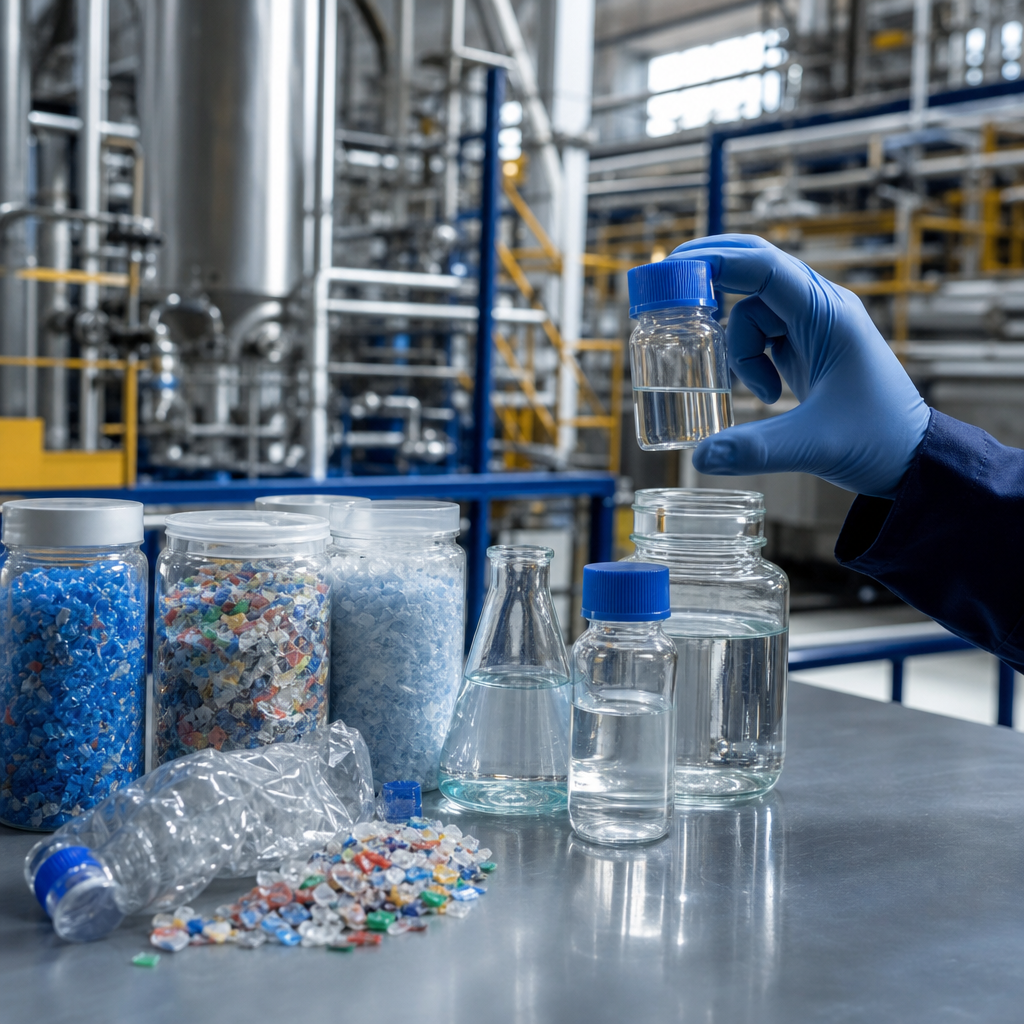
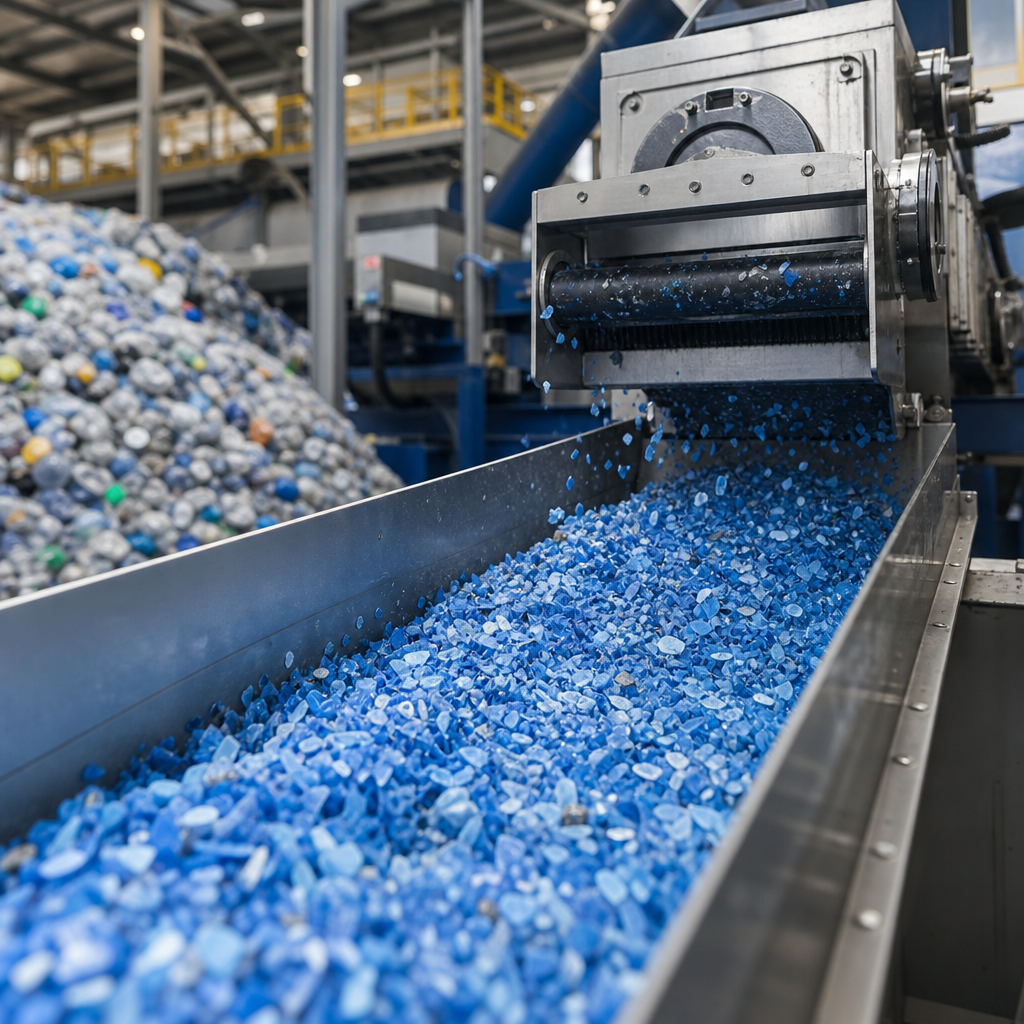
Sustainability has shifted from a marketing layer to a hard engineering and procurement requirement in automotive polymers. Carmakers are under pressure to reduce lifecycle emissions, increase recycled content, improve dismantling, and document material composition across global supply chains. Polypropylene and PET have seen growing interest in mechanically recycled grades for non-visible and semi-visible components, while chemically recycled feedstocks are being evaluated for stricter applications where property retention and contaminant control are critical. The challenge is consistency. Recycled polymers can vary in molecular weight, odor profile, color, and impact strength, which complicates qualification for safety-relevant parts. Design for disassembly is equally important. Multi-material assemblies bonded with incompatible adhesives or overmolded inserts can deliver excellent in-use performance but poor end-of-life recovery. European regulations, including the End-of-Life Vehicles framework, continue to influence global design decisions by pushing OEMs toward recoverability and restricted substances compliance. In my view, the strongest case studies are the ones that do not treat sustainability as separate from engineering. A door panel using recycled polypropylene only succeeds if it still meets scratch, odor, weathering, and fastening requirements at plant scale. Circularity in automotive plastics is real, but it advances through verified specifications, not slogans.
What This Hub Means for Industry-Specific Case Studies
As a hub for industry-specific case studies under case studies and applications, this page establishes the recurring questions every deeper article should answer. Which polymer family was chosen, and what alternatives were rejected? What vehicle-level problem did the material solve: mass, cost, corrosion, acoustics, electrical insulation, crash packaging, or assembly simplification? Which standards, tests, and manufacturing constraints shaped the decision? What tradeoffs appeared after launch, including repairs, warranty, recyclability, or regional sourcing risk? These questions create a consistent lens for comparing polymers in passenger vehicles, trucks, buses, EV battery systems, interior modules, exterior panels, and under-hood assemblies. The central lesson is straightforward: polymers in the automotive industry are not generic plastics replacing metal. They are engineered material systems chosen through validated case-specific logic. When that logic is disciplined, polymers deliver lighter vehicles, lower system cost, better passenger experience, and new design freedom. When it is weak, they create avoidable failures in heat aging, fit and finish, sealing, or end-of-life recovery. Use this hub as the starting point for evaluating each application on its own terms, then move into the related case studies with a sharper framework for material, process, and business decisions.
Frequently Asked Questions
1. What are polymers, and why have they become so important in the automotive industry?
Polymers are large molecular materials made from repeating structural units, and in the automotive sector they now serve as foundational engineering materials rather than simple substitutes for metal or rubber. This broad family includes commodity plastics such as polypropylene, engineering resins such as polyamide and polycarbonate, elastomers such as EPDM, and thermoplastic vulcanizates used in sealing and flexible components. Their importance comes from the fact that modern vehicles demand a combination of light weight, durability, design freedom, corrosion resistance, cost control, and manufacturing efficiency that few traditional materials can deliver on their own.
Automakers rely on polymers because they can be tailored for specific performance requirements. Some grades are optimized for impact resistance in bumper systems, others for heat resistance under the hood, others for transparency in lighting assemblies, and still others for softness and tactile quality in interiors. This tunability allows engineers to select materials based on the exact mechanical, thermal, chemical, and aesthetic needs of each part. In practice, polymers support everything from instrument panels and door trims to fuel system components, battery housings, cable insulation, seals, clips, and air intake manifolds.
Another reason polymers have become central to automotive design is the pressure to improve fuel economy, extend electric vehicle range, and reduce emissions across the vehicle life cycle. Replacing heavier materials with high-performance polymers can reduce mass significantly, which helps improve efficiency without compromising functionality. At the same time, polymers often enable part consolidation, meaning multiple metal parts can be redesigned as a single molded component. That reduces assembly time, lowers fastener counts, simplifies logistics, and can improve consistency in manufacturing. Taken together, these advantages explain why polymers are now embedded in nearly every major vehicle system.
2. How do polymers improve vehicle performance, safety, and passenger comfort?
Polymers improve vehicle performance in several interconnected ways, starting with weight reduction. Lower vehicle mass contributes to better fuel economy in internal combustion vehicles and longer driving range in electric vehicles. It can also improve handling dynamics, acceleration efficiency, and component packaging. Because many polymer parts can be molded into complex geometries, engineers can optimize airflow, integrate mounting points, and design structures that would be difficult or expensive to produce in metal. This freedom often leads to better overall system performance rather than just lighter individual parts.
In safety applications, polymers play a much larger role than many people realize. They are used in airbag housings, energy-absorbing interior panels, bumper fascias, seating components, wire protection systems, and numerous under-the-skin structural and semi-structural applications. Certain polymer systems are designed to absorb and dissipate impact energy, helping reduce damage during low-speed collisions and improve occupant protection in specific scenarios. In electrical and electronic systems, insulating polymers help maintain reliability and reduce the risk of short circuits. For electric vehicles in particular, flame-retardant and electrically insulating polymer formulations are increasingly important in battery-adjacent applications.
Passenger comfort is another major area where polymers excel. Interior polymers contribute to reduced noise, vibration, and harshness through seals, foams, soft-touch surfaces, and acoustic insulation. Elastomers such as EPDM are widely used in weatherstripping to keep out wind, water, and road noise. Thermoplastic materials used in dashboards, consoles, and trim parts provide both design flexibility and improved tactile experience, helping manufacturers create more refined cabins. Polymers also support climate comfort by appearing in HVAC systems, vents, ducts, and insulation components that help maintain efficient cabin temperature control. In short, polymers are essential not just for how a vehicle performs, but for how safe, quiet, and comfortable it feels to the driver and passengers.
3. Which types of polymers are most commonly used in automotive applications, and where are they typically found?
The automotive industry uses a wide range of polymers, each selected for a specific balance of cost, strength, heat resistance, flexibility, chemical resistance, and processability. Polypropylene is one of the most widely used because it is lightweight, cost-effective, chemically resistant, and easy to process. It commonly appears in bumper components, battery cases, interior trim, wheel liners, and various underbody and cabin parts. Polyamide, often known as nylon, is used where greater mechanical strength and heat resistance are required, making it common in engine covers, air intake manifolds, connectors, and under-hood components exposed to elevated temperatures.
Polycarbonate is valued for impact resistance and optical clarity, so it is frequently used in lighting systems, glazing-related applications, and interior display components. ABS and PC-ABS blends are common in dashboards, pillar trims, and decorative interior elements because they combine stiffness, toughness, and excellent surface finish. Polyurethane appears in seat cushions, insulation, and interior comfort systems, while PVC still has a role in cable insulation, underbody coatings, and selected interior or sealing applications depending on design and regulatory preferences.
Elastomers are equally important. EPDM is heavily used in weather seals, hoses, and vibration-damping components because it performs well in outdoor conditions and resists ozone, heat, and water exposure. Thermoplastic vulcanizates are popular for dynamic seals and flexible exterior or under-hood applications because they combine rubber-like elasticity with thermoplastic processing advantages. In more advanced or high-temperature settings, engineers may specify PBT, PPS, PEEK, fluoropolymers, or reinforced composites. These materials are especially relevant in electronics, electrification systems, high-performance assemblies, and components that must withstand chemicals, thermal cycling, or demanding mechanical loads. The key point is that no single polymer dominates every application; rather, the industry depends on a carefully engineered material portfolio matched to the function of each part.
4. What are the biggest manufacturing and design advantages of using polymers instead of traditional materials?
One of the biggest advantages of polymers is design freedom. Processes such as injection molding, blow molding, thermoforming, and extrusion allow manufacturers to create highly complex geometries with integrated features that would be difficult, expensive, or impossible to produce using metal fabrication alone. Engineers can mold in clips, channels, ribs, mounting points, hinges, and aesthetic textures as part of a single component. This capability supports part consolidation, which reduces assembly complexity, cuts tooling for secondary components, and lowers the number of fasteners and joining operations required on the production line.
Manufacturing speed is another major advantage. Polymer processing can be highly repeatable and scalable, especially for high-volume automotive platforms. Once a tool is validated, manufacturers can produce large numbers of consistent parts with tight dimensional control and relatively low cycle times. This is especially beneficial for interior, exterior, and under-hood components that must be produced in large quantities with reliable quality. In many cases, polymer-based manufacturing also reduces post-processing requirements, because color, texture, and surface finish can be built directly into the molded part rather than added later.
Polymers also offer strong advantages in durability and lifecycle performance. Unlike many metals, they do not rust, and many grades provide excellent resistance to moisture, road salt, fuels, lubricants, and cleaning chemicals. That makes them particularly useful in exterior trim, fluid-handling systems, electrical housings, and underbody components. From a cost standpoint, the total system savings can be substantial even when the raw material itself is more expensive than a traditional alternative, because the full equation includes lower weight, fewer parts, simplified assembly, lower transportation costs, and better manufacturing efficiency. In a comprehensive automotive case study, this is often where polymers stand out most clearly: their value is not limited to the material itself, but extends across design, production, assembly, and in-service performance.
5. How do polymers support sustainability and the future of automotive innovation?
Polymers support sustainability first by helping reduce vehicle weight, which improves operational efficiency over the life of the vehicle. In internal combustion vehicles, lower weight generally means lower fuel consumption and reduced tailpipe emissions. In electric vehicles, lightweight polymer components can contribute to improved range, better energy efficiency, and more flexible battery-system packaging. These use-phase benefits are a major reason polymers are considered strategically important in sustainable mobility, especially as automakers face increasingly strict regulatory targets and consumer demand for more efficient vehicles.
Beyond lightweighting, the industry is making progress in recyclable, recycled, and bio-based polymer solutions. Many manufacturers now incorporate recycled content into selected interior and non-visible components, while material suppliers continue developing grades that retain strong mechanical and aesthetic performance even with more circular feedstocks. Design-for-recycling principles are also gaining attention, including material labeling, simplified assemblies, and the reduction of difficult-to-separate multi-material combinations where feasible. While recycling automotive plastics at scale still presents technical and logistical challenges, the direction of innovation is clear: polymers are increasingly being designed with end-of-life recovery in mind.
Looking ahead, polymers will be even more important as vehicles become more electrified, connected, and software-defined. Electric powertrains require lightweight structures, thermal management components, insulating materials, and flame-retardant systems that many advanced polymers can provide. Autonomous and connected vehicles also depend on sensors, radar-transparent components, electronic housings, display systems, and cable management solutions where polymer performance is critical. In other words, polymers are not just supporting the current automotive industry; they are helping define its future. Their role in sustainability and innovation is expanding from simple weight reduction to enabling new architectures,