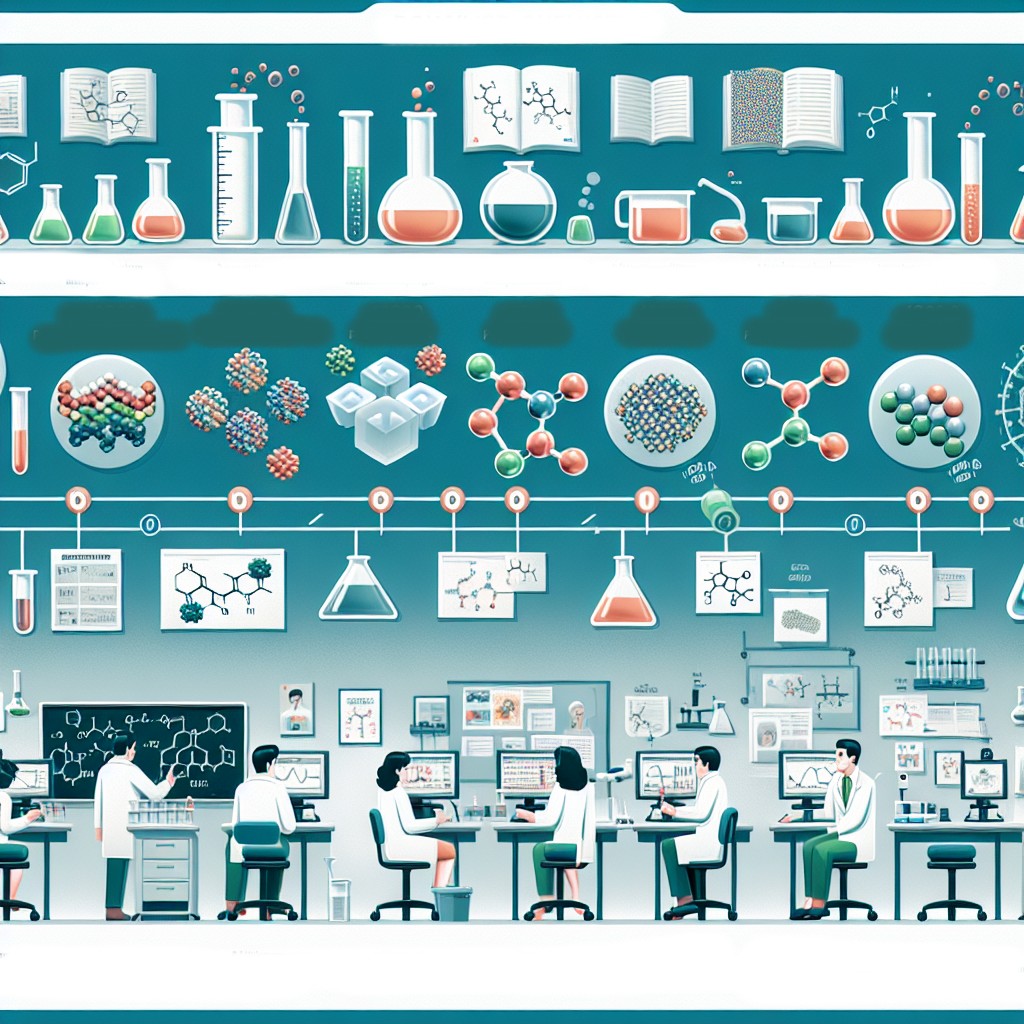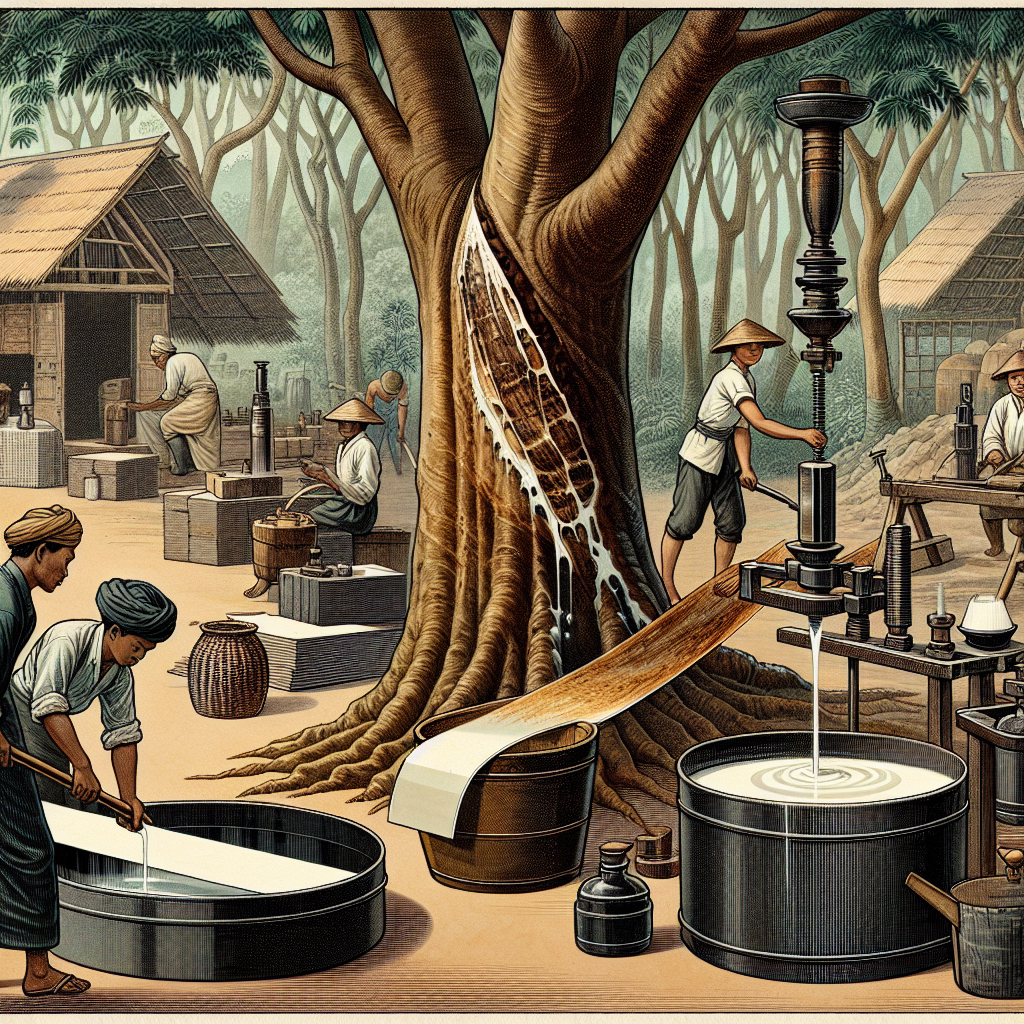
Polymers play a pivotal role in the industrial and economic landscapes of North America. These versatile substances, composed of large molecules, are in high demand across various sectors, including automotive, construction, healthcare, and packaging. From everyday items like plastic bags to advanced automotive components, polymers are an integral part of manufacturing processes and consumer products. This article examines the trends, challenges, and opportunities surrounding the polymer industry in North America, providing insight into how the market is reacting to changing global demands and technological advancements. This analysis also delves into the regulatory environment, supply chain dynamics, and emerging innovations within the sector. Understanding the market dynamics of polymers is essential for industries that rely heavily on them, and it provides a framework for stakeholders aiming to capitalize on current trends and future opportunities.
North American Polymer Market Overview
The polymer market in North America is characterized by its significant size and diverse application range. The United States, Canada, and Mexico make up this region, with the United States leading in both production and consumption. The region boasts a well-established infrastructure that supports polymer production, with numerous manufacturers, processors, and distributors playing crucial roles. In 2022, North America’s polymer industry was valued at nearly 130 billion USD, with projections indicating steady growth at a compound annual growth rate (CAGR) of around 4% over the coming years. This growth can be attributed to technological innovations, increased demand in automotive applications, and the rising use of biodegradable polymers.
Key Drivers and Market Trends
The growth of the polymer market in North America is driven by several factors. A significant driver is the rise in demand from the automotive industry, which seeks lightweight, durable materials to enhance fuel efficiency and reduce emissions. Additionally, the shift towards sustainable packaging solutions has increased the demand for bio-based and recyclable polymers. The medical sector is another substantial driver, with polymers used in various applications, such as medical devices, prosthetics, and hygiene products.
The packaging industry, especially those segments focused on food and beverage, is embracing flexible packaging solutions made from polymers. These solutions offer advantages, including extended shelf life, reduced weight, and lower transportation costs. Furthermore, consumer preferences for environmentally friendly packaging are promoting innovation and adaptation in the polymer sector.
Technological advancements in polymer chemistry and processing facilities are facilitating the production of high-performance and specialty polymers tailored to specific industrial needs. The adoption of 3D printing technologies has opened new horizons for the polymer industry, allowing for rapid prototyping and the creation of complex components with polymers.
Challenges Confronting the Industry
Despite the optimistic outlook, the North American polymer industry also faces several challenges. The environmental impact of polymers, particularly conventional plastics, has garnered significant attention. Issues related to waste management, marine pollution, and recycling present substantial obstacles. Regulatory measures are increasingly demanding stricter compliance on the part of manufacturers, prompting shifts toward sustainable and environmentally friendly alternatives.
Economic fluctuations, trade policies, and supply chain disruptions such as those experienced during the COVID-19 pandemic also pose threats to the industry. Supply chain resilience has become a focal point, with companies investing in diversification and domestic production to mitigate risks associated with international dependencies.
Regulatory Environment
The regulatory landscape for polymers in North America is intricate, involving different levels of government agencies and regulatory bodies. In the United States, the Environmental Protection Agency (EPA) plays a critical role in overseeing the environmental aspects of polymer production and usage. Regulations addressing pollution, waste management, and safety standards directly impact the industry. Compliance with the Toxic Substances Control Act (TSCA) is mandatory, ensuring that chemicals, including polymers, pose no unreasonable risk to health or the environment.
Canada and Mexico have similar regulatory frameworks, with emphasis on environmental protection and safety standards. Canada’s Canadian Environmental Protection Act (CEPA) outlines provisions that govern the production and use of chemicals, including polymers. Meanwhile, Mexico’s General Law on Climate Change and initiatives under the National Development Plan emphasize sustainable practices in industrial production, including polymers.
Regional Dynamics and Opportunities
North America’s polymer market dynamics vary on a regional basis. The United States, as the largest market, continues to be a leader in innovation and production. Key industrial hubs including the Gulf Coast, Midwest, and Great Lakes regions are pivotal to the market, with numerous manufacturers, research institutions, and supply networks located in these areas.
California and Texas are specifically noteworthy due to their industrial capacities and facilities related to the automotive and aerospace sectors, respectively. These states provide opportunities for growth in specialized polymers designed for high-performance applications.
In Canada, the polymer industry is expanding thanks to advancements in processing technologies and increased investment in research and development. Innovation in sustainable polymers is particularly strong, supported by government initiatives aiming to reduce carbon footprints and promote green technologies.
Mexico’s polymer market is growing as well, driven by its strategic location and trade agreements such as the United States-Mexico-Canada Agreement (USMCA), which facilitate exports. The country’s automotive industry continues to push for advanced polymer applications to build competitive, cost-effective cars for both domestic and international markets.
Sustainability and Innovation
Sustainability is a forefront concern in the North American polymer landscape. Companies are increasingly investing in green chemistry and circular economy models to reduce environmental footprints. The development of bio-based polymers derived from renewable resources presents a promising alternative to traditional petroleum-based plastics.
Advanced recycling technologies, such as chemical recycling, are underway to effectively manage polymer waste, converting it back into monomers for the creation of new polymers. This process closes the loop, aiming to establish a more sustainable lifecycle for polymers.
The potential for innovation within the polymer sector is substantial. Research is being conducted to improve polymer durability, functionality, and recyclability, while reducing costs. Novel applications, such as shape-memory polymers and self-healing materials, are gaining attention for their advanced features and potential to transform industries.
Conclusion
The North American polymer industry is undergoing significant transformation driven by both market demands and regulatory pressures. With continued emphasis on sustainability and innovation, this sector has the potential to address current challenges while seizing new opportunities. Strategic investments in research, development, and processing technologies are crucial to maintain the region’s competitive advantage. Companies that leverage these dynamics can expect to thrive, as consumer and industrial demand for versatile, sustainable, and high-performance polymers continues to grow. Policymakers and industry leaders must collaborate to facilitate these advancements, ensuring that North America remains at the forefront of the global polymer industry. As polymers continue to integrate more deeply into modern life, understanding these trends is crucial for stakeholders seeking to navigate and capitalize on the evolving market landscape.