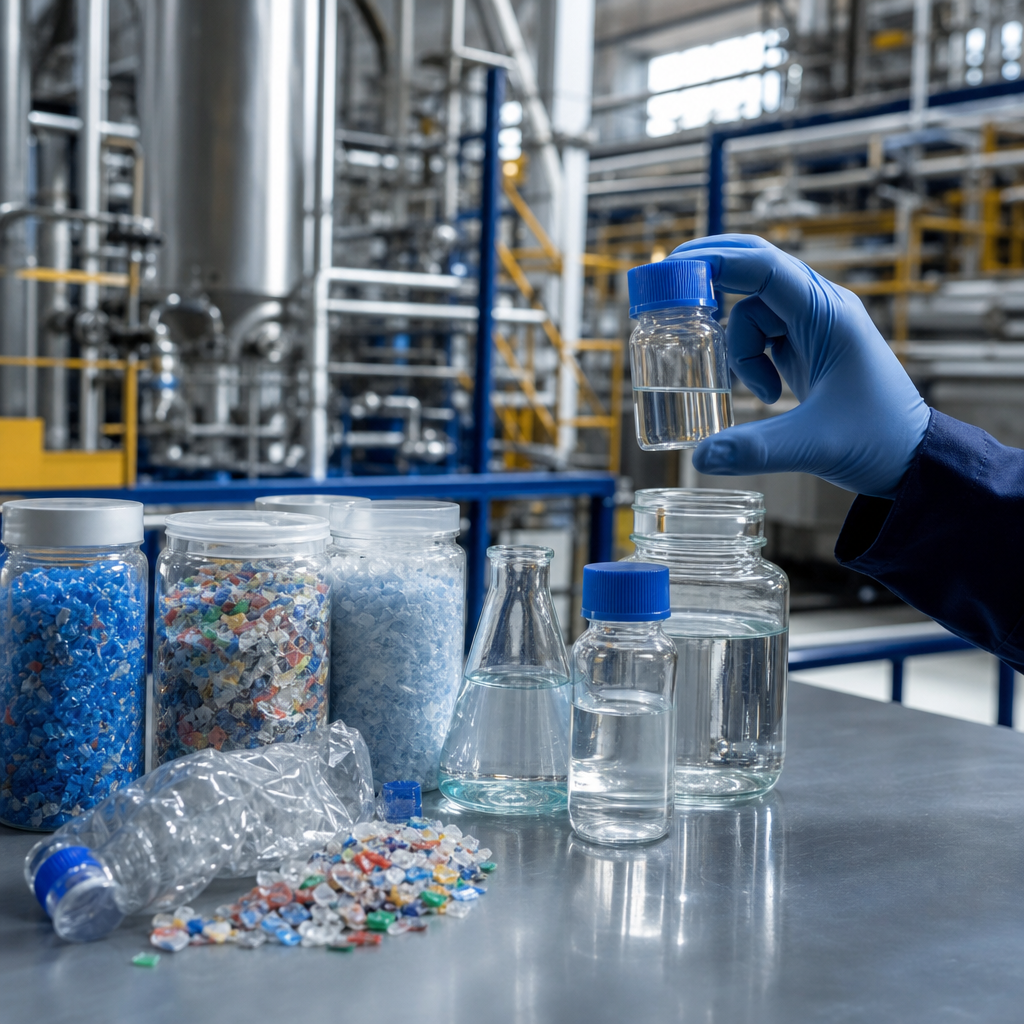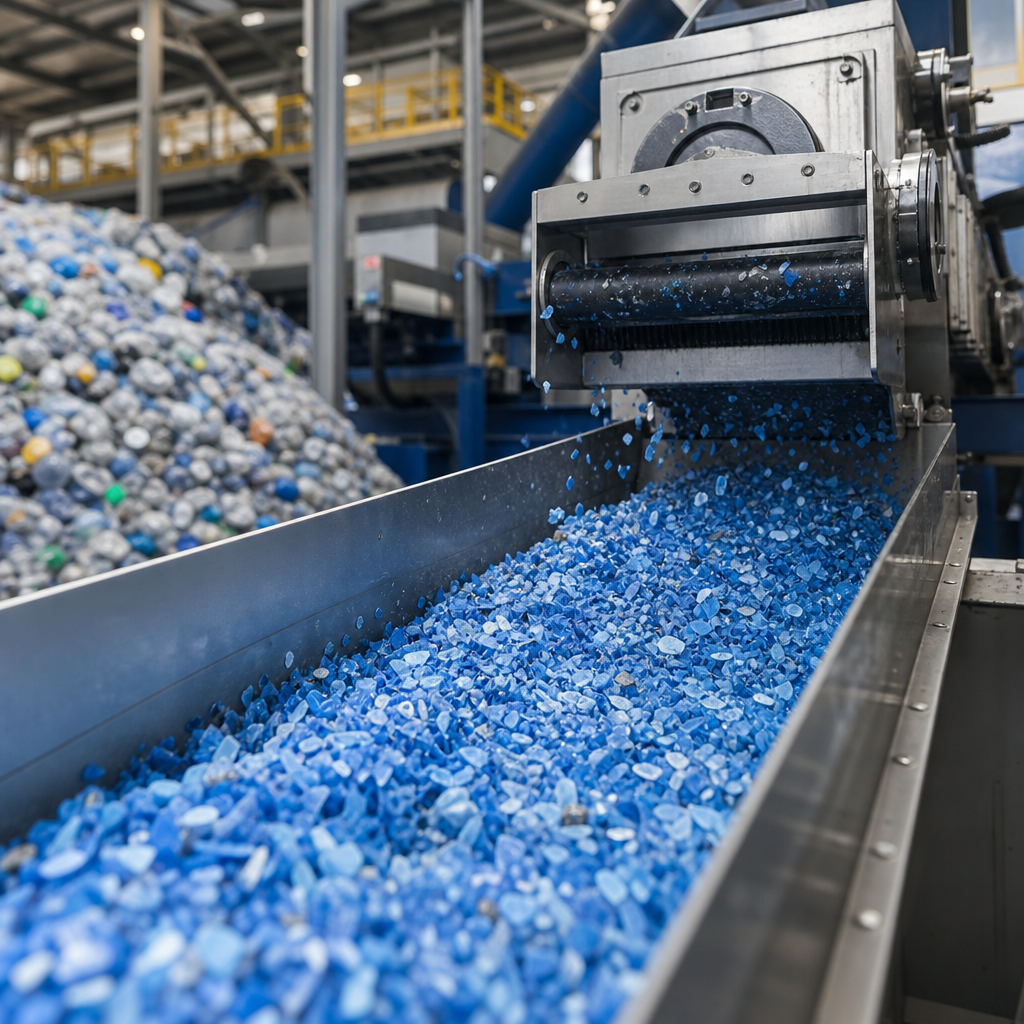
Innovations in polymers for heat management in electronics are reshaping how engineers design smaller, faster, and more reliable devices. In modern electronics, heat is not a side issue; it is often the main constraint on performance, lifespan, battery safety, signal stability, and user comfort. When a processor throttles, an LED junction yellows, or a battery pack ages prematurely, unmanaged heat is usually the root cause. I have worked on thermal materials selection for compact electronics, and the pattern is consistent: once power density rises, the polymer system around the component becomes as important as the silicon itself.
In this context, polymers include thermoplastics, thermosets, elastomers, adhesives, coatings, encapsulants, films, and composite matrices used to insulate, bond, protect, or structurally support electronic assemblies. Heat management refers to the control of thermal generation, transfer, spreading, storage, and dissipation across a device. Traditional polymers are usually thermal insulators, with conductivity around 0.1 to 0.4 W/m·K. That property is useful for electrical isolation, but it becomes a limitation in high-power electronics, 5G modules, electric vehicles, wearable devices, data centers, and aerospace systems. The innovation challenge is straightforward: keep the electrical, mechanical, processing, and cost advantages of polymers while dramatically improving thermal behavior.
This matters because the electronics industry is balancing contradictory demands. Products must become thinner and lighter while handling more current and higher clock speeds. They must survive thermal cycling, vibration, moisture, and increasingly strict fire and outgassing requirements. At the same time, manufacturers want automated dispensing, low cure temperatures, reworkability in some applications, and compatibility with high-volume production. New polymer technologies solve these problems by combining advanced fillers, smarter molecular architectures, better interface engineering, and application-specific formulations. As a hub for polymers in high-tech and electronics, this article explains where these materials fit, how they work, and which innovations are changing real products today.
Why thermal polymers matter in electronics applications
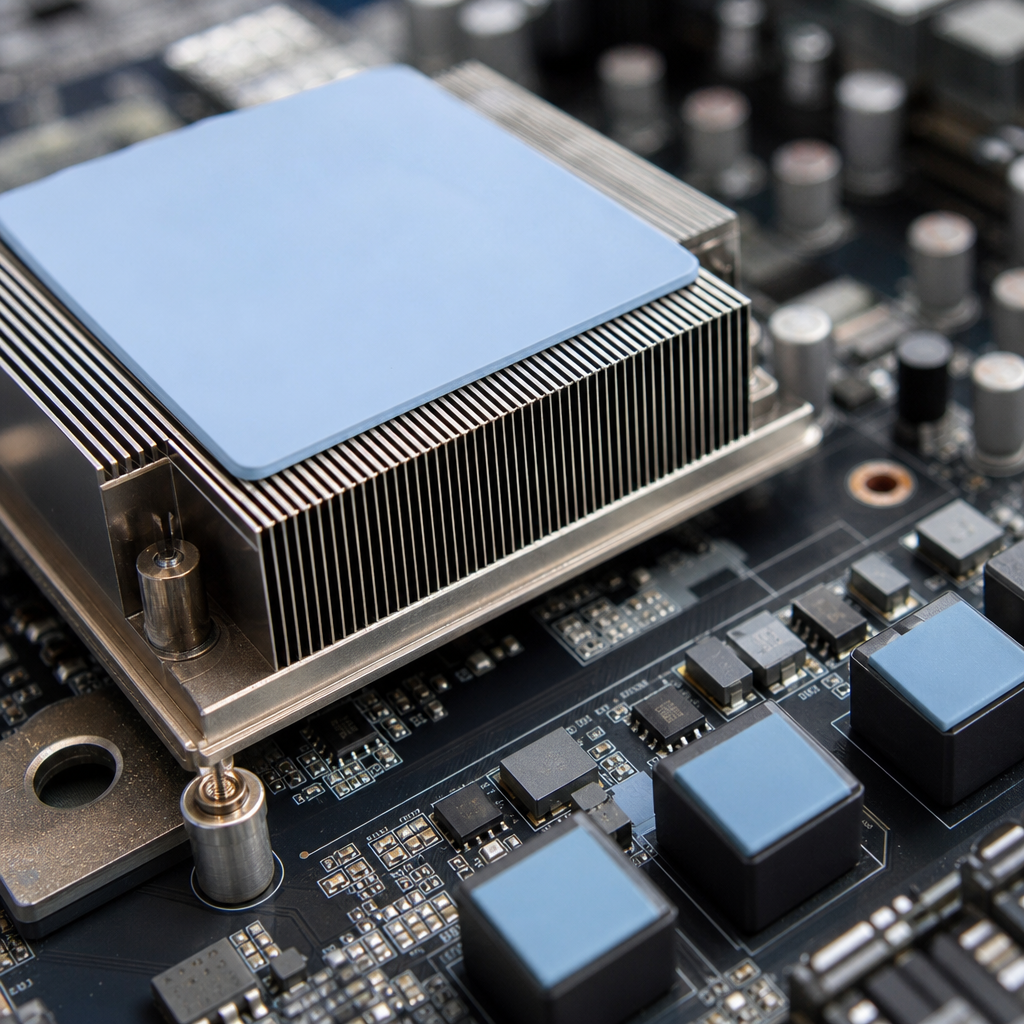
The first question most engineers ask is simple: why use a polymer at all for heat management when metals and ceramics conduct heat better? The answer is that electronics assemblies need more than conductivity. They need conformability to uneven surfaces, dielectric strength, low weight, corrosion resistance, vibration damping, manufacturability, and cost control. A thermal interface material between a chip and heat sink must fill microscopic air gaps, because air conducts heat very poorly at roughly 0.026 W/m·K. A rigid metal insert cannot do that job alone. A polymer-based gap filler, grease, pad, or phase change material can, especially when loaded with thermally conductive fillers.
In practice, polymers appear throughout the thermal stack. They are used in thermal interface materials for CPUs, power modules, and LEDs; potting compounds for inverters and chargers; underfills for flip-chip packages; encapsulants for sensors; adhesive films in displays; dielectric substrates in printed circuit boards; housings for batteries and consumer devices; and coatings that manage heat and environmental exposure. In electric vehicles, for example, silicone gap fillers and polyurethane potting materials help spread heat from battery cells and power electronics while maintaining electrical isolation. In smartphones, graphite may spread heat laterally, but polymer adhesives and films still determine contact resistance and assembly reliability.
The most important performance metric is not bulk conductivity alone. Engineers also evaluate through-plane versus in-plane conductivity, thermal contact resistance, dielectric breakdown strength, coefficient of thermal expansion, modulus, viscosity, cure profile, flammability rating, and long-term stability under humidity and thermal aging. A material advertised at 8 W/m·K may underperform a 3 W/m·K product if it pumps out under thermal cycling or fails to wet the interface properly. That is why application context matters more than headline numbers.
Core material classes and how they are evolving
Silicones remain the dominant polymer family for demanding thermal management because they retain flexibility over wide temperatures, often from below -40°C to above 150°C, and resist weathering and moisture well. They are widely used in gap pads, gels, greases, and encapsulants. Epoxies are favored where structural strength, adhesion, and dimensional stability matter, such as die attach, underfill, and thermally conductive adhesives. Polyurethanes are common in potting and battery applications because formulators can tune softness, toughness, and cure behavior. Polyimides, liquid crystal polymers, fluoropolymers, and high-performance thermoplastics such as PPS and PEEK are important where continuous high-temperature service, chemical resistance, or precision molding are required.
The major evolution is the move from neat polymers to highly engineered composites. Aluminum oxide is still one of the most common fillers because it offers a good balance of conductivity, dielectric performance, availability, and cost. Boron nitride is valued for high thermal conductivity with electrical insulation, making it a preferred choice in many advanced pads and films. Aluminum nitride and silicon carbide are used in more specialized systems. Graphite, graphene, carbon fibers, carbon nanotubes, and metal particles can produce higher conductivity, especially in-plane, but they require careful control to avoid electrical conductivity where insulation is needed.
Formulation science has become much more sophisticated. Filler shape and size distribution now matter as much as filler percentage. Spherical particles improve flow and processability, platelet fillers can create directional heat pathways, and hybrid filler systems often outperform a single filler type. Surface treatments such as silane coupling agents improve polymer-filler adhesion, reduce interfacial phonon scattering, and support better mechanical durability. Some suppliers also align fillers during processing with magnetic, electric, or shear fields to produce anisotropic thermal performance, which is especially useful in thin devices where heat must move vertically to a metal frame or spread laterally away from a hotspot.
Breakthroughs driving better heat transfer
The most significant innovation in recent years is not a single miracle polymer; it is the refinement of thermal pathways at multiple scales. Heat moves poorly across mismatched interfaces, so researchers and manufacturers have focused on reducing contact resistance between polymer matrix and filler, and between the final material and the electronic surface. In commercial products, that means softer gap fillers that compress with lower stress, dispensable gels that wet roughness more completely, and phase change materials that flow at operating temperature but remain stable during storage and assembly.
Another breakthrough is the development of high-loading systems that remain processable. Historically, adding enough ceramic filler to reach useful conductivity made materials too viscous, brittle, or heavy. Improved rheology control, multimodal particle packing, and optimized resin chemistry now allow much higher filler fractions without making dispensing or molding impossible. That advance is visible in automotive inverter potting compounds, LED encapsulants, and battery pack gap fillers, where manufacturers now specify conductivity levels that were difficult to reach in polymer systems a decade ago.
Researchers are also moving beyond conductivity as the only design goal. Some polymer systems are engineered for thermal stability, flame retardancy, and dielectric performance under elevated temperature rather than maximum heat flow. This is essential in high-voltage applications. A battery module material must not only move heat away from cells; it must also resist thermal runaway propagation, maintain insulation, and meet standards such as UL 94 for flammability. In power electronics, partial discharge resistance and comparative tracking performance can be as critical as conductivity. The best formulations balance these competing requirements instead of chasing a single laboratory metric.
| Polymer system | Typical fillers | Main electronics use | Key advantage | Main limitation |
|---|---|---|---|---|
| Silicone gel or pad | Aluminum oxide, boron nitride | CPU, GPU, power module interfaces | Low stress, strong conformability | Moderate mechanical strength |
| Epoxy adhesive | Alumina, aluminum nitride | Die attach, structural bonding | High adhesion and stability | Higher stiffness can add stress |
| Polyurethane potting compound | Alumina, silica blends | Chargers, battery modules, sensors | Tunable softness and processability | Moisture sensitivity during processing |
| Polyimide or LCP composite | Boron nitride, graphite | Flexible circuits, advanced packaging | High temperature capability | Higher material cost |
Case studies across high-tech and electronics
LED lighting offers a clear case study because junction temperature directly affects lumen output, color stability, and service life. Early LED systems often relied on metal-core boards and basic encapsulants, but today high-power modules use polymeric thermal interface materials, reflective high-temperature molding compounds, and specialized silicones that resist yellowing under blue light and heat. In several product teardowns I have reviewed, the thermal bottleneck was not the heat sink size but the interface between the LED package and the housing. Replacing a standard pad with a lower-resistance silicone gap filler reduced operating temperature enough to extend useful life and maintain color consistency.
Consumer electronics present a different challenge: very thin profiles and strict assembly tolerances. Laptops, tablets, and smartphones often combine vapor chambers or graphite spreaders with pressure-sensitive thermal films, structural adhesives, and EMI-shielding polymer components. Here, polymers must do several jobs at once. They may bond a battery, cushion drop impact, isolate electrically, and move heat to a chassis. Foldable devices add another constraint: thermal materials must flex repeatedly without delamination or pump-out. That has accelerated interest in soft, low-modulus formulations and thin composite films with controlled anisotropic conductivity.
Automotive electronics may be the most demanding market. Onboard chargers, DC-DC converters, traction inverters, radar modules, and battery packs all generate substantial heat and face wide ambient swings, vibration, coolant exposure, and long warranty periods. Suppliers such as Henkel, Dow, DuPont, Momentive, and Parker Lord have expanded portfolios of thermal gap fillers, encapsulants, and adhesive systems specifically for these environments. A battery pack, for instance, may use a flame-retardant polyurethane or silicone material between cells and cooling plates to improve heat transfer while limiting mechanical stress. In power modules based on silicon carbide, higher switching frequencies and temperatures make low-void encapsulation and reliable thermal interfaces mandatory, not optional.
Data centers and telecommunications provide another strong example. As processors and power supplies run hotter, thermal interface materials, potting compounds, and high-performance PCB laminates become more critical to uptime. In 5G radio units, compact form factors and outdoor exposure demand polymer systems that combine thermal conductivity, UV resistance, and environmental sealing. Materials that perform well in a lab can still fail in the field if they absorb moisture, crack under thermal cycling, or lose adhesion after salt fog exposure. Real qualification therefore includes accelerated aging, JEDEC-style reliability testing where relevant, and close analysis of thermal resistance over time, not just on day one.
Design rules, tradeoffs, and what engineers should evaluate
Choosing a polymer for electronics heat management starts with the heat path. Define where heat is generated, where it must go, and what interfaces interrupt that route. Then match the material to the assembly method and reliability target. For a delicate BGA package, a soft gel may be safer than a stiff adhesive. For a power resistor mounted to a metal baseplate, a cure-in-place gap filler may outperform a preformed pad because it reduces interfacial voids. For a battery enclosure, the right answer may be a thermally conductive structural adhesive combined with a flame-retardant insulator, not one material doing everything.
Several tradeoffs are unavoidable. Higher filler loading often improves conductivity but raises density and viscosity. Softer materials reduce stress and improve wet-out but may creep or pump out over time. Carbon-based fillers can deliver excellent heat spreading but may compromise electrical insulation. Ceramic-filled systems are usually safer electrically, yet they can be more abrasive in processing and may require special dispensing equipment. Cost matters as well. Boron nitride and aluminum nitride generally outperform commodity fillers in many applications, but procurement teams will notice the price difference immediately.
Testing must reflect real use conditions. Measure thermal impedance under the same pressure, thickness, and surface roughness expected in production. Evaluate aging after humidity exposure, thermal shock, power cycling, and compressive set where applicable. Check compatibility with neighboring materials, including plastics, metals, conformal coatings, and coolants. Finally, involve manufacturing early. I have seen excellent lab formulations rejected because cure time slowed the line, shelf life was too short, or rework was impossible. The best thermal polymer is the one that meets thermal targets, survives field conditions, and can be processed consistently at scale.
The future of polymers in electronics thermal management
The direction of travel is clear: polymer systems will become more multifunctional, more tailored, and more deeply integrated with package architecture. Expect broader use of anisotropic composites, printable thermal materials for additive and hybrid manufacturing, and formulations designed for next-generation semiconductors such as gallium nitride and silicon carbide. As power densities rise, engineers will rely more on materials that combine heat transfer with electrical isolation, flame resistance, sensor compatibility, and mechanical compliance. Sustainability will also influence development, with growing attention on lower-VOC processing, halogen-free flame retardants, and designs that simplify disassembly or recycling.
For companies working in polymers in high-tech and electronics, the central lesson is practical. Thermal management is no longer only about adding a bigger heat sink. It is about engineering the full material stack around the device, and polymers are at the center of that stack. The most successful projects begin with a realistic map of thermal loads, interface conditions, and reliability risks, then choose polymer systems based on measured performance rather than brochure claims. If you are building products in lighting, consumer devices, telecom, automotive, or energy systems, review your current thermal path and identify where advanced polymer materials can remove heat, reduce stress, and improve long-term reliability.
Frequently Asked Questions
1. Why are polymers becoming so important for heat management in modern electronics?
Polymers are becoming central to thermal management because electronics have changed dramatically. Devices are smaller, power densities are higher, components are packed more tightly, and users expect quiet, lightweight, reliable products with long service life. In that environment, traditional thermal solutions such as bulky metal heat spreaders, fans, and rigid ceramic components are not always enough on their own. Engineers increasingly need materials that can manage heat while also meeting electrical insulation, weight, manufacturability, cost, and form-factor requirements. That is where advanced polymers stand out.
Modern thermal polymers are not just generic plastics. They are highly engineered materials designed to perform multiple jobs at once. Depending on the application, a polymer may need to transfer heat away from a processor, electrically isolate a power module, damp vibration, survive repeated thermal cycling, resist chemicals, and fit into a very thin or complex shape. This multifunctionality is one of the biggest reasons polymers are so valuable in electronics design. They can be formulated into thermal interface materials, gap fillers, encapsulants, potting compounds, adhesives, conformal coatings, housings, battery barriers, and even structural parts that contribute to heat spreading.
Another major factor is manufacturability. Polymers can be molded, dispensed, coated, laminated, or printed in ways that support high-volume electronics production. That makes them attractive for everything from smartphones and wearables to automotive power electronics and data center hardware. In practical design work, the best thermal material is not always the one with the highest conductivity on a datasheet. It is the one that fits the assembly process, maintains contact over time, handles mechanical stress, and delivers stable real-world thermal performance. Advanced polymers often provide that balance better than more rigid or heavier alternatives.
As electronics continue to push toward higher performance in smaller packages, polymers are no longer viewed as secondary support materials. They are becoming active enablers of thermal design, reliability, and product innovation.
2. What kinds of polymer innovations are improving thermal performance in electronics today?
One of the biggest innovations is the development of thermally conductive polymer composites. Base polymers are combined with fillers such as boron nitride, aluminum oxide, aluminum nitride, graphite, graphene-related materials, or other engineered particles to improve heat transfer. The goal is to create a material that still behaves like a polymer in terms of processing and flexibility, but performs much better thermally than conventional plastics. These composites are being tailored for specific needs, including through-plane conductivity for moving heat across an interface, in-plane conductivity for spreading heat across a surface, and combinations of thermal conductivity with electrical insulation.
Another important area is thermal interface materials, or TIMs. These include gap fillers, thermal gels, pads, phase-change materials, and curable compounds designed to reduce contact resistance between hot components and heat sinks or housings. In many assemblies, surface roughness, flatness variation, and stack-up tolerances create air gaps, and air is a poor conductor of heat. Advanced polymer TIMs solve this problem by conforming to surfaces and maintaining intimate contact under pressure or during thermal cycling. Recent innovations focus on lower bond-line thickness, improved pump-out resistance, better long-term stability, lower stress on delicate components, and compatibility with automated dispensing or assembly processes.
Researchers and manufacturers are also improving polymer chemistry itself. New resin systems are being designed for better thermal stability, lower outgassing, higher mechanical integrity, and stronger adhesion to metals, ceramics, and semiconductor packages. In battery systems and power electronics, flame-retardant and thermally resilient polymer formulations are increasingly important because safety is inseparable from heat management. In flexible electronics and wearable devices, soft and stretchable thermally functional polymers are enabling heat control in products that cannot use rigid conventional solutions.
There is also growing innovation in anisotropic materials, where heat is encouraged to move in a preferred direction. That is useful when engineers want to spread heat laterally away from a hotspot or move it vertically toward a chassis while limiting electrical conduction. In addition, additive manufacturing and advanced compounding techniques are opening the door to more customized thermal polymer parts with controlled filler orientation and geometry. Taken together, these innovations are turning polymers into precision thermal tools rather than simple insulating plastics.
3. How do thermally conductive polymers compare with metals and ceramics in electronic cooling?
Thermally conductive polymers do not replace metals and ceramics in every situation, but they fill a very important space between them. Metals such as aluminum and copper still offer much higher bulk thermal conductivity than most polymer-based materials, which makes them ideal for heat sinks, cold plates, and major heat-spreading structures. Ceramics can combine thermal performance with electrical insulation and high temperature resistance, which is especially valuable in demanding power applications. However, both metals and ceramics come with tradeoffs including weight, rigidity, machining cost, brittleness in the case of ceramics, electrical conductivity in the case of metals, and limitations in forming complex integrated shapes.
Thermal polymers are attractive because they can deliver good-enough or application-optimized thermal performance while solving other engineering problems at the same time. For example, a thermally conductive polymer housing may not rival aluminum as a pure heat spreader, but it can reduce weight, simplify manufacturing, maintain electrical isolation, lower part count, and integrate clips, channels, and mounting features into a single molded component. In many compact electronics products, that systems-level advantage matters more than chasing the highest possible conductivity number.
Another important distinction is contact behavior. A metal block may have very high conductivity, but if it does not make good contact with the heat source because of warpage, tolerance gaps, or stress concerns, real thermal performance suffers. Soft polymer TIMs often outperform harder materials at the interface because they conform to microscopic irregularities and displace air. In other words, thermal resistance in electronics is often dominated by interfaces, not just by the conductivity of the bulk material. This is one reason polymer-based interface materials are so widely used even in systems that rely on metal heat sinks.
That said, material selection should be realistic and application-specific. Thermally conductive polymers generally have lower conductivity than metals, and some formulations become more difficult to process as filler loading increases. Designers also need to watch for issues such as viscosity, brittleness, coefficient of thermal expansion mismatch, moisture sensitivity, and long-term aging. The best approach is not to think in terms of one class of materials replacing another, but rather to see polymers, metals, and ceramics as complementary tools in a complete thermal architecture.
4. What should engineers evaluate when selecting a polymer for thermal management?
Thermal conductivity is important, but it should never be the only selection criterion. Engineers need to look at the full thermal path and the actual function the polymer must perform. Is the material supposed to spread heat, bridge a gap, bond two surfaces, encapsulate electronics, electrically isolate a component, or provide structural support while aiding heat dissipation? The answer changes everything. A material that works well as a dispensable gap filler may be completely wrong for an injection-molded enclosure or a battery module barrier.
One of the most overlooked factors is total thermal resistance in the real assembly. A material with an impressive conductivity value may still perform poorly if it requires a thick bond line, does not wet the surface well, traps voids, or loses conformity over time. Contact resistance, compression behavior, cure shrinkage, and long-term interface stability often matter just as much as bulk conductivity. In practical electronics design, I have found that understanding the interface conditions and assembly tolerances is often more useful than focusing narrowly on a single datasheet number.
Mechanical properties also matter greatly. The polymer may need to remain soft to avoid stressing chips, solder joints, or substrates during thermal cycling. Alternatively, it may need enough stiffness to hold a component in place or survive vibration. Coefficient of thermal expansion, modulus, elongation, and fatigue resistance all influence long-term reliability. Electrical properties are equally critical. Many thermal polymers must provide insulation while moving heat, especially around power devices, LED modules, battery systems, and densely integrated circuit assemblies.
Processing and manufacturability should be evaluated early, not at the end. Engineers should ask whether the material is compatible with automated dispensing, screen printing, molding, or lamination. They should consider cure time, storage stability, reworkability, cleanliness, outgassing, and whether the material can scale in production without introducing defects. Environmental resistance is another major issue. The right polymer must survive humidity, temperature extremes, chemical exposure, UV exposure where relevant, and repeated thermal shock without cracking, delaminating, bleeding, or losing thermal effectiveness.
Finally, reliability validation is essential. Selection should be based on application-relevant testing, not just vendor claims. Thermal cycling, powered aging, drop and vibration tests, dielectric testing, and interface inspection after aging provide much more confidence than initial performance measurements alone. In electronics thermal management, the best polymer is the one that performs consistently after months or years of real service, not just on day one in the lab.
5. Where are polymer heat-management innovations having the biggest impact right now?
Some of the strongest impact is in compact consumer electronics, where thermal constraints directly affect speed, battery life, skin temperature, and reliability. Smartphones, tablets, laptops, wearables, and wireless devices all require