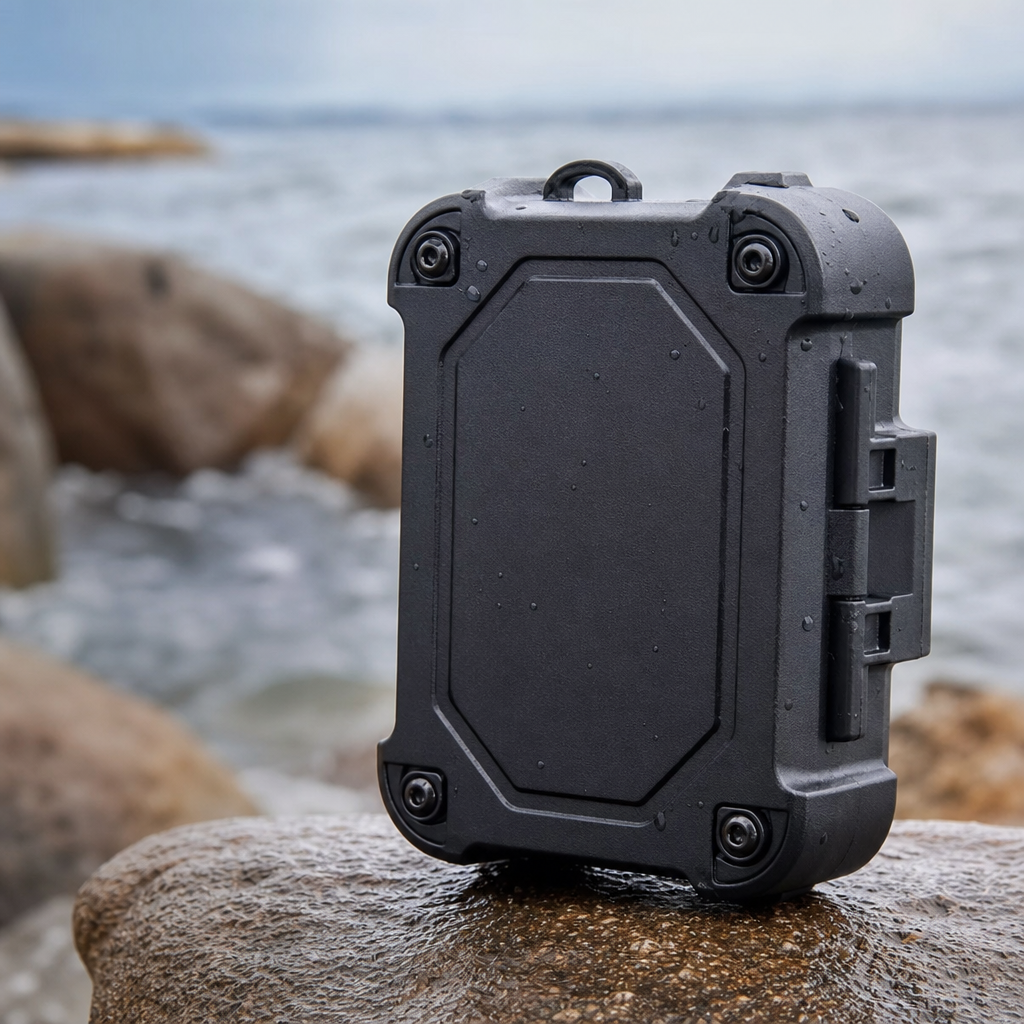
Electronic casings do far more than give devices a finished shape. They protect circuit boards, batteries, connectors, displays, antennas, and sensors from impact, moisture, heat, chemicals, ultraviolet light, and daily wear. In modern electronics, polymers are the materials that make this protection practical at scale. When engineers ask how polymers improve the durability of electronic casings, they are really asking how material science extends product life, lowers warranty claims, and enables lighter, thinner, safer devices across consumer electronics, automotive systems, industrial controls, and medical equipment.
In my work with enclosure specifications and supplier qualification, I have seen the same pattern repeatedly: casing durability is rarely determined by thickness alone. It depends on polymer selection, additive packages, molding quality, environmental resistance, and design details such as rib geometry, screw boss reinforcement, sealing interfaces, and flame-retardant compliance. A low-cost enclosure made from the wrong resin can crack around fasteners, discolor under sunlight, or warp near a heat source. A well-engineered polymer housing, by contrast, can survive years of drops, thermal cycling, vibration, and cleaning exposure while still meeting appearance standards.
Polymers used in electronic casings include commodity plastics such as ABS, engineering resins such as polycarbonate, PC/ABS blends, polyamide, PBT, and high-performance materials such as PPS and PEEK for specialized environments. Each polymer brings a different balance of impact strength, stiffness, dielectric behavior, flame resistance, processability, dimensional stability, chemical resistance, and cost. This hub article covers polymers in high-tech and electronics from the casing perspective: what durability means, which materials are used, how they perform in real applications, what tradeoffs matter, and how engineers validate long-term reliability before a device reaches the market.
What durability means in electronic casings
Durability in an electronic casing means the enclosure continues protecting internal components and maintaining fit, function, and appearance throughout its service life. That includes resisting drop shock, abrasion, creep under fastener load, stress cracking from cleaners, heat aging from internal electronics, ultraviolet exposure in outdoor use, and ingress from dust or water when seals are present. For handheld products, durability also includes tactile retention: clips still snap, buttons still actuate, and surfaces do not become brittle or slippery after repeated handling. In industrial and medical products, durability often means surviving sterilants, oils, disinfectants, and more aggressive duty cycles than consumer devices face.
The most useful way to evaluate casing durability is not by a single property but by a performance envelope. Impact strength matters, but so do heat deflection temperature, coefficient of thermal expansion, tensile modulus, notch sensitivity, and comparative tracking index in designs that place material near energized components. Standards and test methods guide these decisions. Engineers commonly review UL 94 flammability ratings, IEC requirements for electrical safety, IP ratings for ingress protection, ASTM impact tests, and long-term heat aging data from material datasheets. Good polymer selection aligns these requirements with the actual use case rather than with generic assumptions.
Core polymers used in high-tech and electronics
ABS remains common because it molds cleanly, holds cosmetic texture well, and balances cost with acceptable toughness for routers, monitors, set-top boxes, and many household electronics. Polycarbonate offers much higher impact resistance and better heat performance, which is why it appears in power tool housings, ruggedized handhelds, transparent covers, and devices exposed to rough handling. PC/ABS blends are among the most widely used enclosure materials because they combine the toughness and temperature resistance of polycarbonate with the processability and surface finish of ABS. For many laptop shells, automotive electronics housings, and control panels, PC/ABS is the default starting point.
PBT and PET are important where dimensional stability, electrical properties, and connector performance matter, especially in internal housings and precision electronic parts. Polyamide, including glass-filled nylon grades, is selected for structural sections needing stiffness and wear resistance, though moisture absorption must be managed because it changes dimensions and mechanical behavior. In harsher thermal environments, PPS delivers excellent chemical resistance, low moisture uptake, and stable performance around hot electronics. For premium or niche applications such as aerospace electronics, semiconductor equipment, or implantable device components, materials like PEEK justify their cost through exceptional thermal endurance, strength retention, and sterilization resistance.
| Polymer | Durability strength | Typical electronics use | Main tradeoff |
|---|---|---|---|
| ABS | Good toughness and surface durability | Consumer housings, monitors, routers | Lower heat and UV resistance |
| Polycarbonate | Excellent impact resistance | Rugged handhelds, covers, power tools | Can scratch and stress crack without the right grade |
| PC/ABS | Balanced impact, heat, and processability | Laptops, dashboards, control housings | Performance varies by blend formulation |
| PBT | Dimensional stability and electrical performance | Connectors, internal enclosures | Less drop toughness than PC-based materials |
| PPS | High heat and chemical resistance | Automotive electronics, industrial controls | Higher cost and more specialized processing |
How polymers absorb impact and prevent failure
One of the most direct ways polymers improve casing durability is by managing impact energy. Metals are strong, but many thin metal housings dent permanently and transmit shock to internal components. Properly chosen polymers deform elastically or plastically in a controlled way, dissipating energy before it reaches the printed circuit board. Polycarbonate is especially valuable here because of its high impact strength, even at lower temperatures compared with many other plastics. In drop-tested handheld scanners and portable medical devices, a PC-rich enclosure often reduces cracked displays and broken mounting points compared with brittle resins or poorly blended materials.
Impact resistance, however, is not just a resin property. I have seen supposedly tough housings fail because sharp corners concentrated stress or because knit lines from poor gate placement weakened the wall near a screw boss. Rib design, wall uniformity, and draft angles all affect whether an enclosure survives repeated drops. Overmolded thermoplastic elastomers can further improve edge protection and grip, especially in mobile electronics. For products marketed as rugged, durability comes from the polymer system and the part design working together. Material alone cannot compensate for weak geometry, but the right polymer gives designers far more room to build reliable, lightweight protection.
Thermal stability, flame resistance, and electrical safety
Electronic casings sit next to heat sources: processors, power supplies, LEDs, batteries, charging circuits, and motors. A durable enclosure must resist warping, embrittlement, and color change as temperatures rise over time. That is why engineering polymers with elevated heat deflection temperatures matter. Polycarbonate and PC/ABS perform well in many consumer and automotive environments, while PPS, LCP, and PEEK support much higher continuous-use temperatures in specialized equipment. Thermal cycling is equally important. A casing that expands and contracts too aggressively can loosen fasteners, distort seals, and create cosmetic gaps that customers interpret as poor quality.
Flame resistance is another core durability factor because a housing must contain faults rather than contribute to them. Many electronics require UL 94 V-0 or V-1 rated materials, especially near batteries and power electronics. Flame-retardant packages can influence toughness, flow, and long-term appearance, so grade selection must be validated, not assumed. Electrical durability also matters. Polymers insulate, maintain creepage and clearance distances, and can resist tracking when the correct grades are chosen. In chargers, switchgear, and automotive control modules, these properties directly affect safety and longevity. The best casing materials therefore protect against both mechanical abuse and electrically induced failure modes.
Chemical, moisture, and weather resistance in real environments
Many enclosure failures happen after contact with the real world, not in the lab. Skin oils, sunscreen, alcohol wipes, automotive fluids, detergents, fertilizers, salt spray, and industrial lubricants can all attack susceptible polymers. Environmental stress cracking is a frequent culprit. A glossy housing may leave production looking perfect, then develop fine cracks around snaps or screw bosses after exposure to a cleaner while under residual stress. Polycarbonate can be vulnerable to certain chemicals, which is why medical or industrial designs often use specially stabilized grades, blends, or alternative polymers when frequent disinfection or solvent contact is expected.
Outdoor electronics add ultraviolet radiation, humidity, and temperature swings. UV-stabilized ASA, UV-modified polycarbonate blends, and properly pigmented materials can retain impact strength and color much better than standard indoor grades. Weatherability is critical for telecom boxes, EV charging station housings, outdoor sensors, and solar-related electronics. Moisture behavior must also be understood. Nylon absorbs water and can toughen in some conditions, yet dimensional drift may compromise precision assemblies or sealing surfaces. PBT and PPS absorb far less moisture and often hold tolerances better. Durable casing design means matching polymer chemistry to the actual environment, including cleaning regimen, climate, and service interval.
Lightweighting, manufacturability, and long-term economics
Polymers improve durability not only by surviving abuse but by enabling designs that manufacturers can make consistently. Injection molding supports integrated ribs, bosses, snap-fits, sealing channels, and internal mounts in a single part, reducing secondary assembly and eliminating weak interfaces. Lower mass also reduces drop energy, which directly helps portable electronics. In wearables, drones, laptops, and handheld test equipment, every gram matters. A lighter casing can improve ergonomics and reduce shipping cost while still meeting stiffness targets through geometry and reinforcement. Glass or mineral-filled grades can boost rigidity where needed, although fillers may reduce impact performance if used without care.
From a lifecycle cost perspective, the right polymer lowers scrap, improves assembly yield, and reduces field failures. I have seen programs save substantial warranty expense by moving from a basic ABS housing to a better matched PC/ABS or flame-retardant polycarbonate grade after early cracking or heat distortion appeared in pilot builds. The resin cost increased, but total product cost fell because rework, returns, and brand damage dropped. This is why serious enclosure engineering looks beyond raw material price. Durability is an economic variable. A casing that protects electronics longer creates better reliability metrics, fewer service calls, and higher customer trust.
Application case studies across the electronics sector
Consumer electronics show how polymer choice shapes everyday durability. Smartphone and tablet makers often combine polymer frames, elastomer seals, and fiber-reinforced internal supports to survive torsion, button cycling, and repeated charging. Laptop makers use PC/ABS for bottom covers and display assemblies because it balances stiffness, appearance, and impact resistance at useful wall thicknesses. In gaming peripherals, ABS remains common, but premium devices use tougher blends or reinforced nylons where switches and high-contact zones need longer fatigue life. In each case, the enclosure protects delicate electronics while preserving surface quality under constant handling.
Automotive electronics push casings much harder. Under-hood sensor housings, battery management systems, radar modules, and EV charging components face heat, vibration, chemicals, and road splash. That is why PBT, PA, and PPS are standard choices, often with glass reinforcement and validated sealing features. Medical electronics add another layer: repeated cleaning and regulatory scrutiny. Portable diagnostic devices, infusion systems, and monitoring equipment rely on polymers that resist hospital disinfectants without crazing or losing mechanical integrity. Industrial controls and factory automation systems need flame resistance, oil resistance, and stable dimensions around connectors. Across these sectors, polymers remain the central material platform because they combine protection, electrical insulation, and manufacturing efficiency better than any single alternative.
How engineers validate casing durability before launch
No polymer should be selected on datasheet values alone. Durable electronic casings are validated through a structured test plan that reflects actual use and misuse. Typical protocols include drop testing at multiple orientations, thermal cycling, high-temperature aging, humidity exposure, vibration, torque retention around screws, chemical wipe testing, abrasion, UV weathering, and ingress testing where relevant. Finite element analysis helps predict stress concentration, but physical testing still reveals molding defects, knit line weakness, and assembly interactions that simulation may miss. Supplier process control also matters because moisture content, barrel temperature, and mold cooling can significantly change part quality.
As this hub for polymers in high-tech and electronics, the clearest takeaway is simple: electronic casing durability is engineered, not assumed. The best results come from matching polymer chemistry to impact loads, heat profile, chemical exposure, safety requirements, and manufacturing method, then confirming performance through disciplined testing. Polycarbonate, ABS, PC/ABS, PBT, nylon, PPS, and advanced materials each solve different problems, and the right choice can extend product life dramatically. If you are planning a device program or reviewing enclosure failures, start by auditing the casing material, grade, and design as a system, then build your next material decision on evidence rather than habit.
Frequently Asked Questions
1. How do polymers make electronic casings more durable than other materials?
Polymers improve the durability of electronic casings by combining impact resistance, design flexibility, environmental protection, and manufacturing efficiency in one material platform. Unlike brittle materials that may crack under sudden force, many engineering polymers are able to absorb and dissipate impact energy, which helps protect internal components such as printed circuit boards, batteries, displays, and connectors during drops, vibration, and everyday handling. This is especially important in consumer electronics, industrial handhelds, medical devices, and automotive electronics, where repeated use and accidental impacts are common.
Another major advantage is that polymers can be tailored to meet specific performance requirements. Engineers can select polymer families and additives that improve toughness, flame resistance, ultraviolet stability, chemical resistance, dimensional stability, or thermal performance depending on the end-use environment. For example, a casing for outdoor electronics may require UV-resistant polymers, while a housing for factory equipment may need resistance to oils, cleaning agents, and abrasion. This tunability allows manufacturers to design enclosures that last longer in real-world conditions rather than relying on a one-size-fits-all material choice.
Polymers also support durable casing designs through precise molding and integration of functional features. Ribs, snap-fits, gaskets, bosses, cable guides, and reinforcement structures can often be molded directly into the enclosure, reducing assembly complexity and minimizing weak points. Fewer joints and fewer separate parts can translate into better structural integrity and fewer failure opportunities over time. In practical terms, polymers help electronic casings withstand more abuse while keeping devices lighter, more manufacturable, and more cost-effective to produce at scale.
2. What types of environmental threats do polymer electronic casings protect against?
Polymer casings are designed to shield electronics from a broad range of environmental threats that can shorten product life or cause sudden failure. One of the most important is moisture. Water exposure, humidity, and condensation can corrode metal contacts, interfere with circuits, degrade batteries, and reduce sensor accuracy. When used with proper seals, coatings, and enclosure design, polymers help create a protective barrier that limits moisture ingress and supports higher reliability in both indoor and outdoor applications.
They also help defend against chemicals and contaminants encountered in normal use. Electronic devices may be exposed to hand oils, lotions, cleaning agents, fuels, solvents, industrial fluids, dust, salt spray, and airborne pollutants. Many engineering-grade polymers are selected specifically for their resistance to these substances, helping casings retain their shape, strength, and appearance even in demanding environments. This is critical in sectors such as healthcare, manufacturing, transportation, and telecommunications, where enclosure degradation can lead to maintenance problems and reduced equipment uptime.
Heat and ultraviolet radiation are two additional threats that polymer science addresses. Elevated temperatures can cause warping, embrittlement, or dimensional changes if the wrong material is used, while prolonged UV exposure can fade, crack, or weaken a casing over time. Advanced polymers and stabilizer packages are engineered to withstand these conditions far better than commodity plastics. In many applications, the casing must also survive daily abrasion, repeated button presses, connector insertion cycles, and minor surface impacts. By resisting wear while maintaining structural and cosmetic integrity, polymers help preserve both device function and product quality throughout a longer service life.
3. Which polymers are commonly used in electronic casings, and why are they chosen?
Several polymers are widely used in electronic casings, each chosen for a different balance of mechanical, thermal, electrical, and aesthetic properties. ABS is one of the most familiar materials because it offers good toughness, impact resistance, surface finish, and cost-effectiveness. It is often used in consumer electronics where appearance and manufacturability are important. Polycarbonate is another key material, valued for its exceptional impact strength, dimensional stability, and optical compatibility in designs that include clear or translucent sections. In many casings, engineers use PC/ABS blends to combine the toughness and heat performance of polycarbonate with the processability and finish quality of ABS.
For more demanding environments, manufacturers often turn to nylon, PBT, PPS, or high-performance thermoplastics. Nylon can provide strong mechanical properties and wear resistance, though moisture absorption must be managed in the design. PBT is commonly used in electrical and electronic components because of its dimensional stability, electrical insulation properties, and resistance to heat and chemicals. PPS and similar advanced polymers are selected when devices need to operate in high-temperature or chemically aggressive environments, such as industrial controls, under-hood automotive electronics, or specialized sensing systems.
Material selection rarely depends on one property alone. Engineers evaluate drop performance, wall thickness, creep resistance, flame retardancy, electromagnetic compatibility, UV durability, moldability, regulatory requirements, and target cost before choosing a resin. Fillers and reinforcements such as glass fiber may be added to improve stiffness and dimensional control, while flame-retardant packages help meet safety standards. In other words, the best polymer for an electronic casing is the one that matches the full performance profile of the device, not just its basic shape or appearance.
4. How do polymers help electronic casings handle heat, flame, and electrical safety requirements?
Polymers play a central role in helping electronic casings meet heat and electrical safety requirements because they can be engineered to perform far beyond simple structural protection. In electronics, casings often sit close to processors, power supplies, charging circuits, batteries, and connectors that generate heat during operation. If a material softens too easily or loses dimensional stability, the enclosure may warp, place stress on internal assemblies, or compromise seals and fasteners. Engineering polymers designed for thermal stability help the casing retain its shape and mechanical integrity under sustained operating temperatures and short-term thermal spikes.
Flame resistance is equally important. Many electronic housings are made from flame-retardant polymer grades that are formulated to slow ignition, reduce flame spread, and improve self-extinguishing behavior. These materials are selected to help manufacturers meet safety standards such as UL ratings and other industry-specific compliance requirements. This is especially relevant for chargers, battery housings, control modules, networking equipment, and appliances, where overheating or electrical faults must not quickly escalate into larger safety risks. By choosing the correct resin system, engineers can improve both product durability and user protection.
From an electrical standpoint, polymers are also valuable because many offer excellent insulating properties. This helps isolate internal components, reduce the risk of unintended electrical contact, and support safer enclosure design around sensitive circuitry. Some formulations can also be modified for electrostatic discharge control or electromagnetic shielding compatibility when needed. The result is that polymers do not simply surround the electronics; they actively contribute to thermal management, fire safety, insulation, and long-term reliability in devices that must operate consistently under real electrical and environmental stress.
5. Why are polymers so important for extending product life and reducing warranty claims?
Polymers are important for extending product life because the casing is often the first line of defense against the conditions that cause electronics to fail. When a housing resists cracking, moisture intrusion, UV degradation, chemical attack, and repeated mechanical stress, the internal electronics are far less likely to experience premature damage. That directly influences how long a product remains functional in the hands of the user. A durable casing also helps preserve alignment of connectors, support of internal mounts, and sealing performance, all of which contribute to stable long-term operation.
From a business standpoint, better polymer casings can reduce warranty claims by preventing common field failures. Drops that would otherwise fracture a brittle housing, exposure that would lead to corrosion, or heat that would distort an enclosure can all result in expensive returns, repairs, or replacements. By selecting polymers with the right toughness, thermal resistance, and environmental durability, manufacturers can improve reliability before the product ever reaches the market. This is one reason materials engineering has become such a strategic part of electronic product development.
Polymers also help reduce warranty risk because they enable more consistent, scalable manufacturing. Injection molding and related processes allow tight control over complex geometries, wall thicknesses, integrated features, and repeatable part quality. That consistency matters because poorly controlled housings can create fit issues, stress concentrations, and sealing problems that show up later as field failures. In short, when engineers ask how polymers improve the durability of electronic casings, the answer goes beyond material choice alone. Polymers help create stronger, safer, lighter, and more reliable enclosures that protect device performance, improve customer satisfaction, and support a longer product lifecycle.