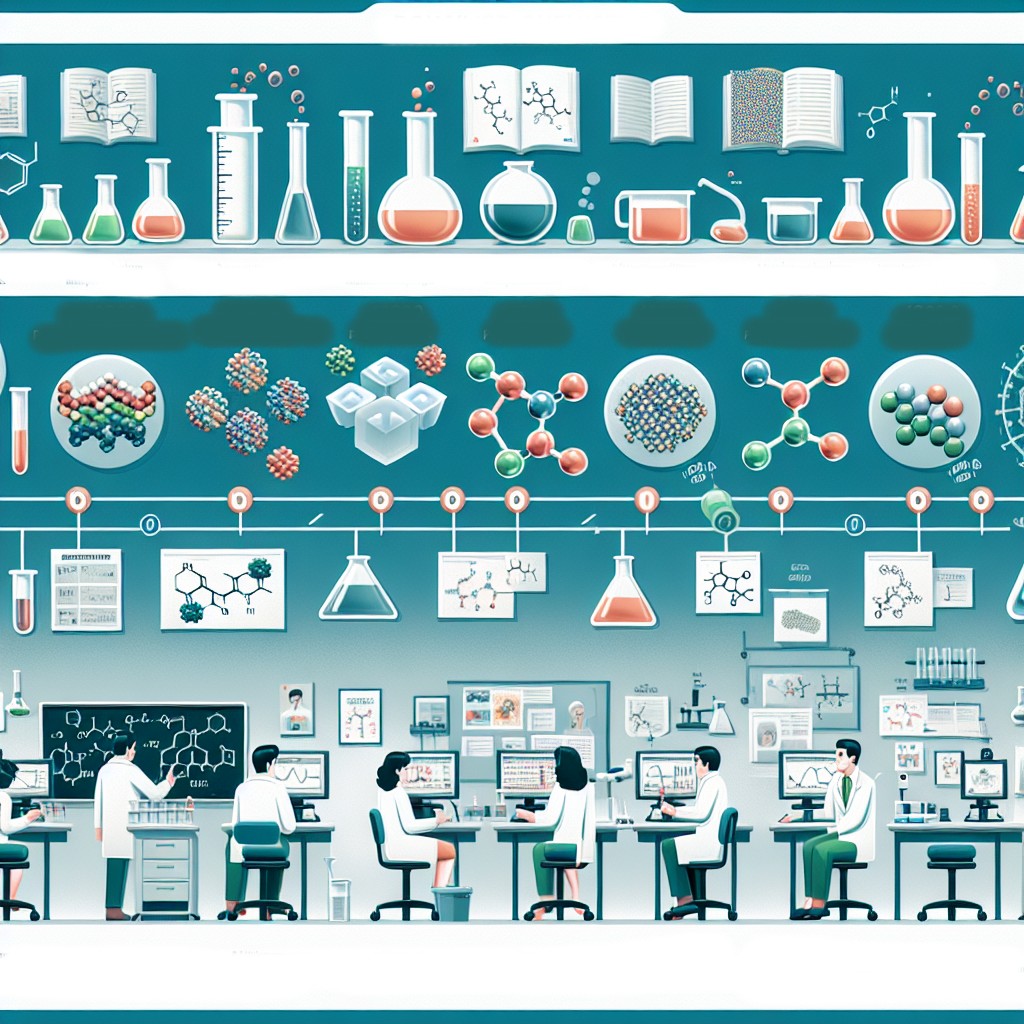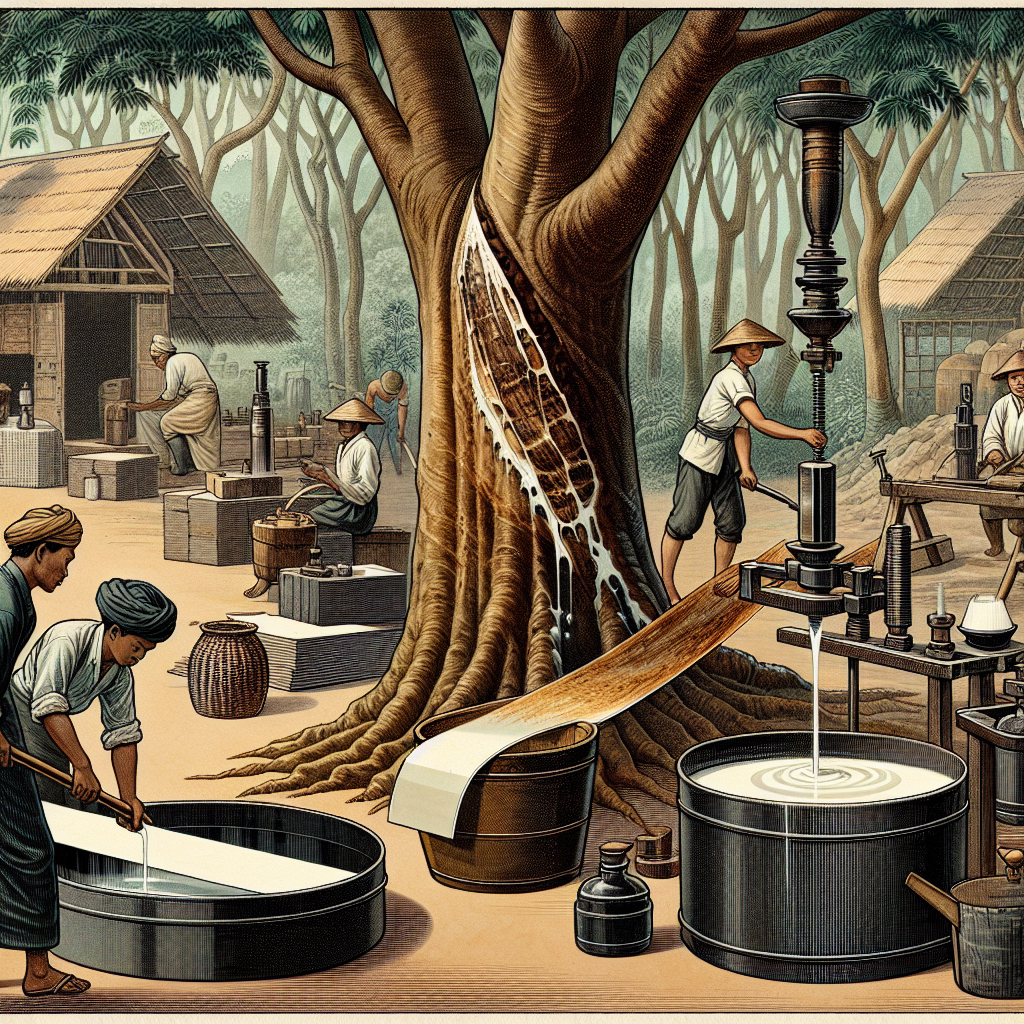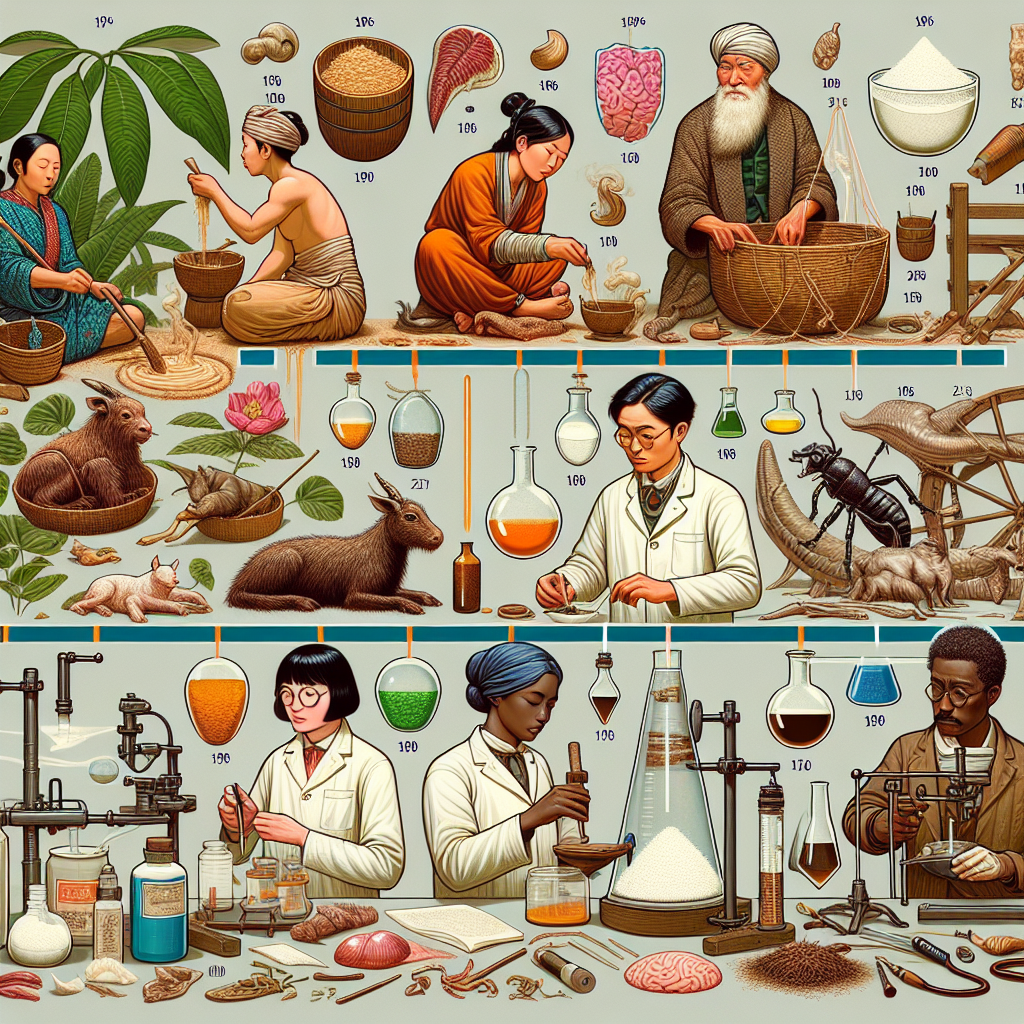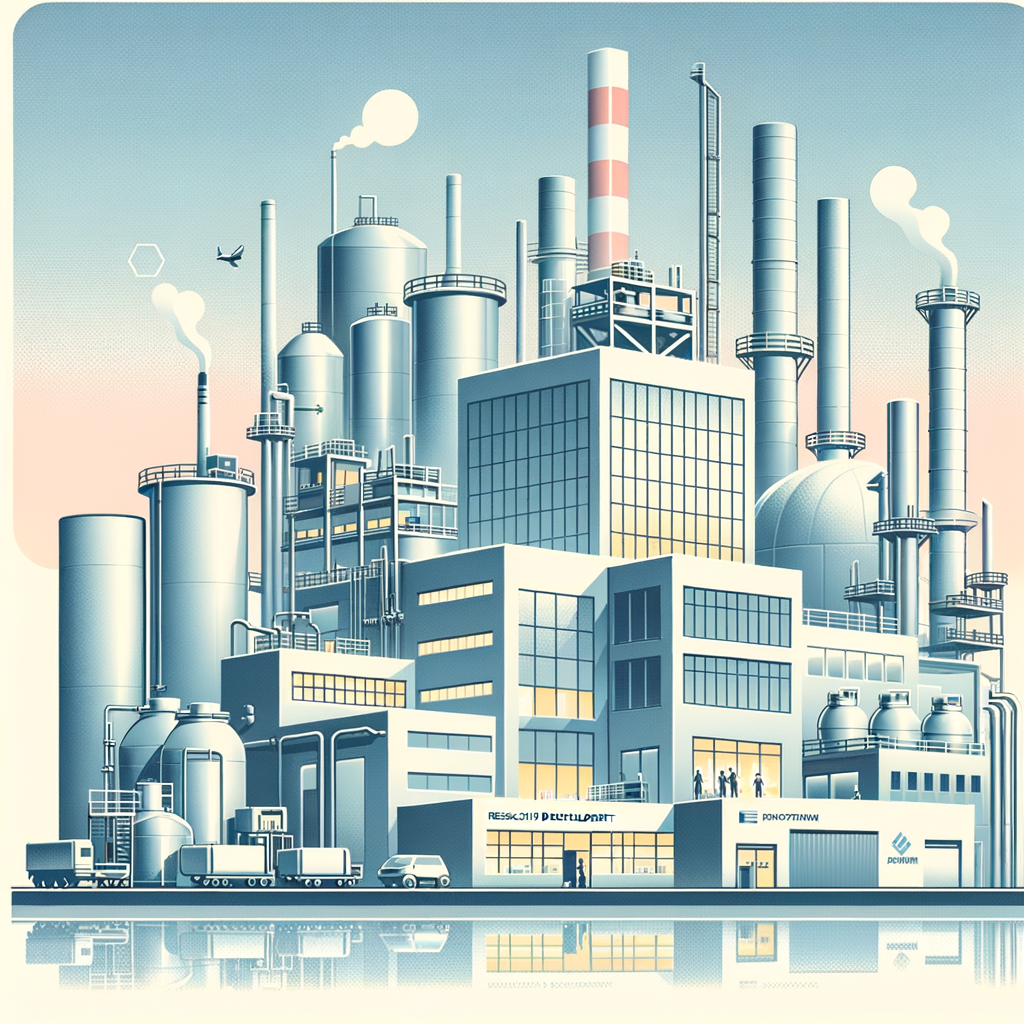
The polymer industry in Japan holds a significant position within the global landscape of polymer production and innovation. Renowned for its cutting-edge research, technological advancements, and sustainable practices, Japan’s polymer sector continues to evolve and adapt to dynamic market demands. Polymers, which are large molecules composed of repeating structural units, are found in myriad applications across various industries, including automotive, electronics, healthcare, and packaging. As globalization accelerates and demands for sustainable solutions grow, Japan’s approach to polymer science serves as a model for integrating traditional methods with innovative technologies. This comprehensive examination of Japan’s polymer industry provides insight into its historical background, major players, technological advancements, and the challenges and opportunities it faces. By examining these dimensions, stakeholders can better understand how Japan maintains its competitive edge, focusing on quality, efficiency, and environmental sustainability. This article delves into the historical context of the polymer industry in Japan, analyzes its contributions to international markets, and anticipates future trends and innovations that could shape the industry. We will explore the critical factors that underpin Japan’s success, such as its robust infrastructure, government policies supporting research and development, collaboration between academia and industry, and its commitment to sustainable practices. Furthermore, understanding the interplay of these elements within the Japanese polymer sector will offer valuable insights applicable to global industries. The comprehensive case study not only sheds light on Japan’s strategies but also encourages a broader dialogue about the role of polymer industries worldwide. Examining key elements offers valuable insights into Japan’s enduring strength and addresses pressing global challenges such as environmental issues and resource scarcity.
Historical Background and Development
Japan’s journey into polymer science and industry began in the early 20th century, with significant developments occurring during and post-World War II. Initially, the industry concentrated on synthetic fibers like nylon and polyester, driven by textile demands. As Japan’s economy burgeoned in the latter half of the century, so did its polymer industry, shifting its emphasis towards more diverse and complex polymer types, such as plastics and advanced composites. During the 1960s and 1970s, Japan witnessed notable industrial growth underpinned by massive investments in science and technology. The polymer sector thrived with the rise of “miracle economy,” where concerted efforts were made to improve synthetic chemical production methods. This era saw Japan becoming a leader in petrochemical production, thereby bolstering its polymer capabilities. Japanese companies focused on innovation to meet the burgeoning demands of both domestic and international markets, leading to breakthroughs in polymer manufacturing processes that enhanced product quality and efficiency.
Japan’s shift towards high-value-added polymer products coincided with the 1980s economic boom. The automotive and electronics industries, major consumers of polymer products, drove technological advancements. The use of engineering plastics for car components and electronic devices spurred Japanese firms to develop new polymers with superior properties, such as increased strength, reduced weight, and higher resistance to environmental factors. Additionally, polymer-based innovations in these sectors improved fuel efficiency, product durability, and miniaturization, becoming a vital export component. The nation’s strategic approach during this period positioned it at the forefront of global polymer production.
Major Players and Industry Dynamics
Japan’s polymer market is comprised of several key players, including multinational corporations such as Mitsubishi Chemical Holdings, Sumitomo Chemical Co., and Toray Industries. These companies dominate both domestic and international markets, owing to their extensive research capabilities, diverse product portfolios, and strategic global partnerships. Japanese conglomerates prioritize innovation, often investing heavily in R&D to ensure their polymer products meet the highest standards of quality and environmental compliance. This culture of continuous enhancement enables Japanese firms to maintain their competitive edge, offering high-performance solutions across various end-use industries.
Mitsubishi Chemical Holdings, for instance, has established itself not only as a leading producer but also as an innovator in polymer science. Its focus on creating specialty polymers with unique properties has secured its prominence in sectors like healthcare, where advanced polymers are crucial for medical equipment and devices. Sumitomo Chemical Co. is another significant player, known for its dedication to developing eco-friendly polymer products. Its commitment to sustainable manufacturing practices aligns with global environmental objectives, influencing the broader industry to adopt green technologies and reduce carbon footprints.
Toray Industries has carved a niche with its advanced materials, catering to diverse applications, including aerospace, sports, and consumer goods. By leveraging its expertise in carbon fiber and other reinforced materials, Toray has expanded its influence beyond conventional polymers, setting benchmarks for innovation in advanced material sciences. This dynamic ecosystem, characterized by both collaboration and competition, fosters a healthy industrial environment where companies continually push boundaries to introduce cutting-edge polymer solutions.
Technological Advancements and Innovations
Japanese companies are renowned for their role in pioneering polymer technology. This emphasis on technological advancement has pioneered various innovative products that have set global industry standards. The integration of nanotechnology into polymer production exemplifies Japan’s commitment to innovation. By manipulating materials at the molecular level, Japanese researchers have developed polymers with enhanced properties such as improved thermal conductivity and mechanical strength. These advancements are crucial for sectors requiring high-performance materials, including the electronics and automotive industries.
Moreover, Japan has made significant strides in biopolymer development, focusing on reducing reliance on fossil-based resources. Companies investing in bioplastic research address environmental concerns by offering sustainable polymer alternatives that do not compromise performance. These biopolymers facilitate a circular economy approach, where waste is minimized, and recycling is prioritized. The adoption of artificial intelligence and machine learning within Japan’s polymer research further solidifies its leadership. By utilizing advanced analytics, Japanese firms optimize polymer production processes, predicting outcomes and improving quality control. These technologies help manage resources more efficiently, reducing waste and energy consumption. This technological synergy highlights Japan’s holistic approach to innovation.
Challenges and Opportunities
Even with its strength, Japan’s polymer industry confronts several challenges. Regulatory pressures aimed at enhancing sustainability have forced companies to rethink traditional practices, necessitating expensive technological overhauls. Furthermore, fluctuating raw material prices and geopolitical tensions can impact market stability. However, these challenges also present opportunities for innovation and growth. By embracing digitalization, companies can streamline operations and bolster supply chain resilience. Digital tools allow for real-time monitoring and management of production processes, minimizing disruptions due to external uncertainties. Expansion into emerging international markets offers Japanese firms growth opportunities. By leveraging strategic partnerships, businesses can enter new territories, fostering knowledge exchange and enhancing their global presence. Aligning with international sustainability frameworks will empower Japan’s polymer sector to contribute positively to global environmental goals.
Conclusion
In conclusion, Japan’s polymer industry exemplifies a successful convergence of tradition and innovation. It stands as a testament to how strategic investments in research and collaboration between academia and industry can drive sustained industrial growth. The sector’s adaptability to emerging trends and commitment to environmental responsibility position it as a pivotal player on the world stage. While it faces challenges, these are catalysts for innovation. The lessons learned from Japan’s polymer industry can provide valuable insights for other nations seeking to bolster their polymer capacities in a rapidly changing world. The future of the polymer industry in Japan appears promising, marked by a continued emphasis on quality, sustainability, and technological excellence.
The steadfast commitment to progressing the polymer sciences and responding to global challenges ensures that Japan remains a leader. This case study serves not only as a reflection of Japan’s past achievements but also as an inspiring blueprint for future progress, underscoring the crucial role polymers will play in addressing environmental and economic challenges worldwide. The journey of Japan’s polymer industry is a narrative of continuous improvement; its innovative spirit will undoubtedly persist, shaping future directions and applications of polymer technology globally.