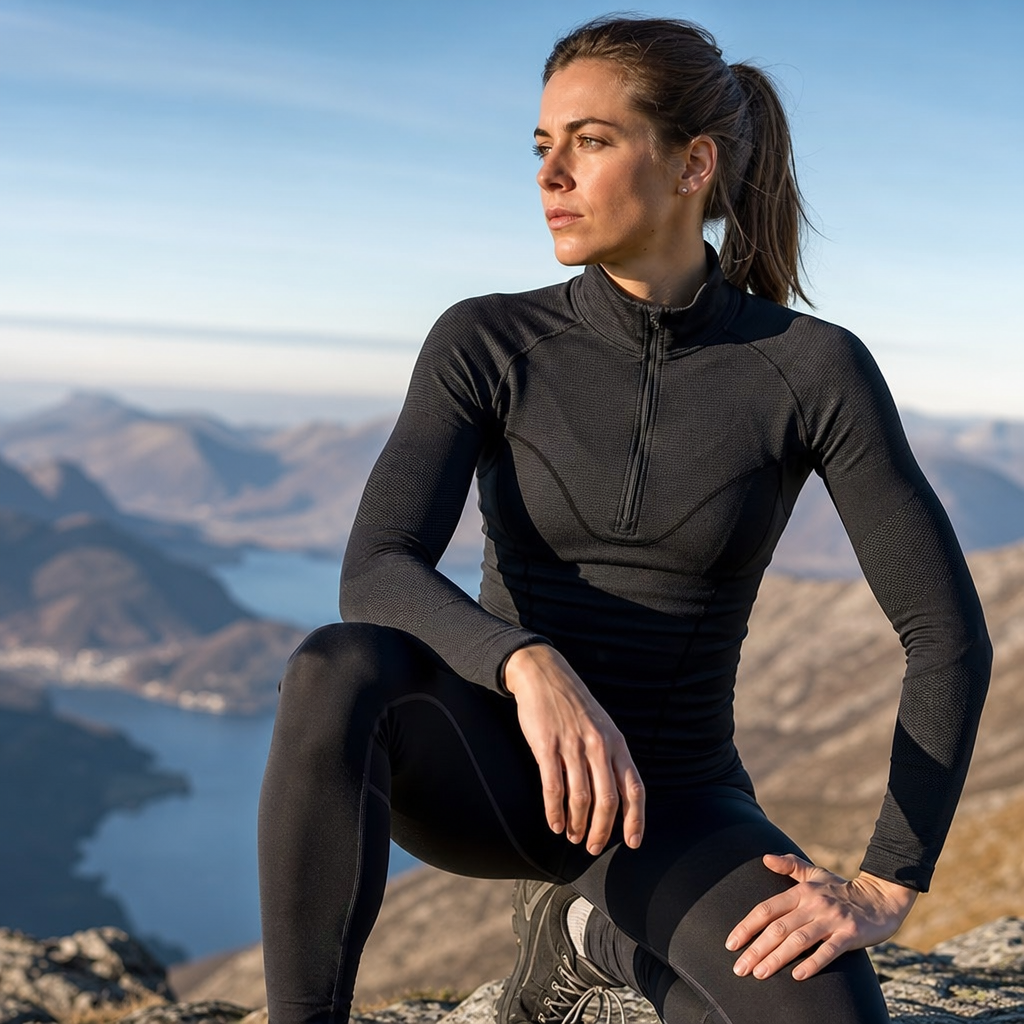
Performance wear depends on polymers more than most shoppers realize. From the stretch in running tights to the waterproof shell on a hiking jacket, modern sports and leisure apparel is built around engineered plastics designed to manage motion, moisture, heat, and durability. In textile science, a polymer is a long-chain molecule made of repeating units; in apparel, those chains become fibers, films, foams, coatings, elastics, and laminates that change how clothing behaves under stress. As someone who has worked with textile specifications for athletic garments, I have seen the same lesson repeat across product categories: fabric construction matters, but polymer selection usually determines whether a garment feels supportive, breathable, resilient, or disposable after one season.
Understanding how polymers enhance performance wear matters for athletes, outdoor brands, designers, and consumers because expectations are higher than ever. People want leggings that recover after hundreds of stretches, cycling jerseys that wick sweat instead of holding it, fleece that stays light when damp, and shells that block rain without trapping heat. Those outcomes are not accidental. They come from combining polymer chemistry with yarn engineering, knitting or weaving methods, and finishing technologies. This Sports and Leisure hub article explains the key materials, how they function in real garments, where they work best, and what tradeoffs brands must manage around comfort, cost, care, and sustainability. It also provides a foundation for deeper pages covering footwear, swimwear, outdoor gear, protective equipment, and smart textiles.
Core polymers used in sports and leisure apparel
The most important polymers in performance wear are polyester, nylon, elastane, polypropylene, polyurethane, and fluorine-free or fluorinated barrier chemistries used in finishes and membranes. Polyester, usually polyethylene terephthalate or PET, dominates base layers, jerseys, shorts, and fleece because it is strong, dimensionally stable, quick-drying, and relatively inexpensive. It absorbs little water compared with cotton, so sweat spreads across fiber surfaces and evaporates faster. That is why marathon shirts, football training tops, and gym tees are commonly polyester-rich. Recycled PET from bottles is now widely used, although recycled content alone does not guarantee better overall impact if the garment sheds microfibers quickly or has a short lifespan.
Nylon, especially nylon 6 and nylon 6,6, is chosen when abrasion resistance and a smooth hand feel are priorities. Many running shells, backpacks, compression garments, and yoga pants use nylon blends because nylon is tougher than standard polyester under repeated rubbing. It also dyes well and can deliver a softer, less plasticky touch. Elastane, often sold under brand names such as Lycra, is the polymer that enables stretch and recovery. Even a small percentage, often 5 to 20 percent, can radically change fit and movement. Polypropylene appears in socks and thermal base layers because it is extremely hydrophobic and lightweight. Polyurethane is central to coatings, faux leather surfaces, foam structures, and breathable waterproof membranes. In practical terms, each polymer solves a specific problem, and the best garments layer several of them together rather than relying on a single miracle fabric.
Moisture management, breathability, and thermal control
One of the most common questions in sports and leisure apparel is simple: how do polymers keep athletes dry? The direct answer is that most synthetic performance fibers do not absorb much moisture into the fiber interior, so sweat can be moved along the yarn and fabric surface instead of being stored inside the material. Moisture management depends on capillary action, cross-sectional fiber shape, yarn twist, fabric density, and finishes. Polyester can be engineered with channels or multi-lobed profiles that increase surface area and improve wicking. Brands have used this approach in training shirts and baselayers for years because it helps sweat spread faster, which speeds evaporation and reduces cling.
Breathability and thermal regulation are related but different. A breathable garment allows water vapor and excess heat to escape; a thermally efficient garment slows heat loss when conditions are cold or windy. Fleece made from polyester traps air in a lofty structure, which improves insulation without much weight. Mesh panels made from fine filament polyester or nylon increase air permeability in high-sweat zones like the back and underarms. Waterproof-breathable jackets use polymer membranes or coatings with microscopic pores or hydrophilic transport mechanisms. Expanded polytetrafluoroethylene membranes became famous in outdoor shells, while polyurethane-based systems are also common. In field testing, I have seen jacket performance depend as much on face fabric wet-out and vent placement as on membrane claims. A shell can have impressive lab numbers and still feel swampy during uphill movement if the outer textile saturates or the fit limits airflow.
Stretch, recovery, and biomechanical support
Freedom of movement is the reason stretch polymers changed sportswear permanently. Before elastane blends became widespread, athletic garments had to rely on loose cuts, mechanical stretch from knitting, or bulky panels. Elastane introduced high extension with strong recovery, allowing close-fitting silhouettes that move with the body. In leggings, sports bras, compression shorts, ski base layers, and swimwear, this matters because the garment must deform repeatedly without bagging out. A pair of tights that loses recovery at the knees or seat is not merely unattractive; it changes support, fit, and friction behavior during exercise.
Compression apparel shows how polymer behavior translates into biomechanics. Moderate compression from nylon-elastane or polyester-elastane blends can reduce fabric flutter, improve proprioceptive feel, and help garments stay stable during running, team sports, or gym training. Claims about major performance enhancement should be treated carefully, because research is mixed and outcomes depend on pressure distribution, garment fit, and activity type. Still, in practice, athletes often prefer compression fabrics because they reduce chafing and create a secure feel. Warp knits with high elastane content are especially effective where controlled stretch is required. The key design principle is power, meaning the force needed to stretch the fabric. Too little power and support disappears; too much and the garment restricts movement or becomes hard to put on. Polymer choice and yarn denier are what let manufacturers tune that balance precisely.
Durability, protection, and weather resistance
Performance wear must survive abrasion, laundering, UV exposure, body oils, and repeated flexing. Polymers are critical here because different chemistries fail in different ways. Nylon usually outperforms polyester in abrasion resistance, which is why trail-running packs, climbing pants, and durable shell face fabrics often feature high-denier nylon. Polyester generally holds color and UV resistance well, making it useful for sun-exposed jerseys and outdoor tops. Polyurethane coatings can add water resistance or wind resistance, but coating thickness affects hand feel and breathability. Seam tapes, durable water-repellent treatments, and laminate adhesives are also polymer systems, and they often determine whether a premium jacket remains functional after years of use.
Protective performance in sports and leisure goes beyond rainwear. Polymer foams such as EVA and PU are used in padding, midsoles, and impact zones in protective shorts, helmets, and sports bras. Thermoplastic polyurethane, or TPU, appears in overlays, reinforcements, and elastic films because it is tough, flexible, and bondable. Ultraviolet protection can be improved through fiber choice, fabric density, pigmentation, and additives integrated into the polymer matrix. Chlorine resistance matters in swimwear, where polyester blends can outlast standard nylon-elastane constructions in heavily chlorinated pools. Anti-odor finishes, antimicrobial additives, and snag-resistant yarns also rely on polymer-compatible chemistry. The result is not just comfort but product longevity, which is one of the most underrated performance metrics in apparel.
How common polymers compare in sportswear applications
Choosing the right polymer means matching material behavior to sport, climate, and user expectations. The table below summarizes how the most common options are used in Sports and Leisure apparel and where each material tends to perform best.
| Polymer | Main strengths | Common sportswear uses | Typical limitations |
|---|---|---|---|
| Polyester | Quick drying, durable, low cost, good shape retention | Jerseys, fleece, training tops, shorts, linings | Can retain odor; hand feel varies by yarn quality |
| Nylon | High abrasion resistance, soft feel, strong filament yarns | Leggings, shells, packs, hosiery, compression wear | Can absorb more moisture than polyester; often higher cost |
| Elastane | Exceptional stretch and recovery | Tights, swimwear, bras, cuffs, fitted base layers | Heat, chlorine, and oils can degrade elasticity over time |
| Polypropylene | Very light, hydrophobic, good for insulation systems | Socks, thermal underwear, cold-weather base layers | Difficult dyeing; hand feel and odor control can be issues |
| Polyurethane and TPU | Flexible barriers, coatings, films, durable bonding | Rainwear membranes, overlays, printed support zones | Breathability and aging depend heavily on formulation |
Construction methods that amplify polymer performance
Polymers do not work in isolation; the same fiber can perform very differently depending on how it is spun, knit, woven, finished, and assembled. Circular knits create stretch and softness ideal for tees and leggings, while warp knits deliver stability and compression for technical garments. Woven nylon or polyester shells can be calendared to tighten the surface, improving wind resistance and down-proof performance. Brushed interiors increase loft and next-to-skin comfort. Filament yarns create smooth, low-friction surfaces, whereas staple yarns can feel more natural but may pill more easily if poorly engineered.
Finishes are where much of the final magic happens. Moisture-wicking finishes alter surface energy to help spread sweat. Durable water repellents change how water beads on shell fabrics. Anti-odor systems may use silver, zinc, quaternary ammonium chemistry, or non-biocide approaches that reduce bacterial attachment. Bonded seams and ultrasonic welding use polymer compatibility to reduce bulk and prevent leakage. In cycling apparel, printed silicone grippers, elastic tapes, and power-mesh panels are all polymer-enabled components. In my experience reviewing garment failures, weak lamination and low-quality elastane are more common causes of disappointment than the headline fabric itself. That is why serious product development teams test pilling, colorfastness, hydrolysis resistance, stretch recovery, and dimensional stability before scaling production.
Sustainability, recycling, and realistic tradeoffs
No discussion of polymers in performance wear is complete without addressing environmental impact. Synthetic fibers are derived largely from fossil feedstocks, and many garments release microfibers during washing and wear. At the same time, these materials can extend product life, reduce drying energy, and improve durability compared with some natural alternatives in demanding sports use. The honest view is that polymers are neither inherently irresponsible nor automatically sustainable; impact depends on feedstock, manufacturing energy, chemistry choices, garment longevity, repairability, and end-of-life options.
Several strategies are improving the picture. Recycled polyester and recycled nylon reduce dependence on virgin raw material, though closed-loop textile-to-textile recycling remains limited compared with bottle-to-fiber systems. Mono-material design can make recycling easier by avoiding complex blends, yet many high-performance garments still require elastane, membranes, foams, or mixed trims. Solution dyeing can reduce water use. Fluorine-free water repellents are replacing long-chain fluorochemicals in many outdoor categories, though performance under extreme conditions still varies by formulation. Better care guidance also matters: washing synthetics less often, using lower temperatures, air drying, and using microfiber-catching filters or bags can reduce impact. For brands in Sports and Leisure, the smartest path is not to promise a perfect fabric but to design garments that perform well for years, can be repaired where possible, and use the simplest material architecture consistent with the product brief.
Polymers enhance performance wear by solving the core problems athletes and active consumers face: sweat, movement, weather, friction, and repeated use. Polyester speeds drying, nylon improves toughness, elastane provides stretch and recovery, polypropylene reduces weight and moisture uptake, and polyurethane-based systems add protection and structure. The best sports and leisure garments combine these materials with smart fabric construction, disciplined testing, and realistic claims. When those elements align, a shirt feels cooler on a run, a legging keeps its shape through training cycles, and a shell remains protective when conditions shift quickly.
For anyone building, buying, or evaluating sportswear, the practical takeaway is straightforward: look past marketing labels and focus on fiber content, fabric construction, finish type, and intended use. A hiking shell, spin-class top, swimsuit, and recovery tight all demand different polymer solutions. Use this hub as your starting point for the broader Applications landscape in Sports and Leisure, then explore related articles on footwear components, swimwear materials, outdoor layering systems, and protective gear design. The more clearly you understand polymer function, the easier it becomes to choose apparel that performs better, lasts longer, and fits the realities of how people actually train and play.
Frequently Asked Questions
1. What role do polymers actually play in performance wear?
Polymers are the foundation of most modern performance wear because they give fabrics properties that natural fibers alone usually cannot deliver consistently. In apparel, polymers are used to create fibers such as polyester, nylon, acrylic, elastane, and polypropylene, as well as films, membranes, foams, coatings, and laminated layers. That means polymers are responsible for many of the features consumers associate with athletic and outdoor clothing, including stretch, shape retention, moisture management, wind resistance, waterproofing, abrasion resistance, and lightweight insulation.
At a practical level, polymer chemistry lets manufacturers engineer garments for very specific conditions. A runner’s shirt may use polyester filaments shaped to move sweat away from the skin, while compression leggings may rely on elastane for controlled stretch and recovery. A ski shell may combine woven nylon with a polymer membrane that blocks liquid water but allows water vapor to escape. Even the durability of seams, waistbands, prints, and protective finishes often depends on polymer-based materials. In short, polymers do not just “make up” the fabric; they determine how the garment performs during movement, heat, friction, and repeated washing.
2. How do polymers help athletic clothing manage moisture and temperature?
Polymers help regulate comfort by controlling how a garment interacts with sweat, air, and heat. Different polymer fibers behave differently around moisture. For example, polyester and polypropylene absorb very little water into the fiber itself, which helps garments dry quickly. Instead of holding moisture the way some traditional materials can, these fibers are often engineered to spread sweat across the surface of the fabric so it can evaporate faster. This process is commonly described as wicking, and it is one of the main reasons polymer-rich base layers and training tops are popular for exercise.
Temperature management also depends on structure, not just fiber type. Polymer fibers can be spun into very fine filaments, hollow cores, brushed surfaces, mesh zones, or multilayer knits that trap warmth or increase airflow as needed. In cold-weather gear, polymer-based fleece and synthetic insulation create pockets of still air that reduce heat loss while remaining relatively lightweight. In hot-weather clothing, lightweight synthetic knits can encourage ventilation and speed evaporation, helping the body cool itself more efficiently. Some advanced textiles even incorporate coatings, phase-change materials, or ceramic-infused polymer systems designed to reflect heat, disperse it, or store and release thermal energy. The result is apparel that can be tuned for sweating, resting, climbing, sprinting, or exposure to changing weather.
3. Why are stretch and recovery in performance wear so dependent on polymers?
Stretch and recovery are some of the clearest examples of polymer performance in action. Garments such as yoga pants, cycling bibs, training shorts, and fitted base layers need to move with the body without sagging out of shape. That is where elastomeric polymers, especially elastane, become essential. These materials can elongate significantly under stress and then return close to their original shape once the force is removed. This property allows clothing to support dynamic movement while maintaining fit, comfort, and muscle-hugging structure.
The benefit goes beyond simple flexibility. A fabric that recovers well is more resistant to bagging at the knees, seat, elbows, and waistband, which improves both appearance and long-term function. Manufacturers also blend stretch polymers with stronger fibers like nylon or polyester to balance mobility with toughness. For instance, a pair of climbing pants may use nylon for abrasion resistance and elastane for freedom of movement, while a sports bra may rely on carefully controlled polymer blends to provide compression, rebound, and support. The molecular design of these materials is what enables clothing to bend, compress, and rebound repeatedly through intense use without quickly losing performance.
4. How do polymer membranes and coatings make jackets waterproof yet breathable?
Waterproof-breathable outerwear depends heavily on polymer science because the challenge is not simply blocking rain; it is blocking liquid water while still allowing perspiration vapor to escape. To achieve this, manufacturers use polymer membranes, films, or coatings made from materials such as polyurethane or expanded fluoropolymer structures. These systems are often bonded to textile layers in laminates, creating shells that resist outside moisture while helping reduce the clammy feeling that would come from trapping sweat inside.
There are two main ways these systems work. Microporous membranes use pores small enough to stop raindrops but large enough to let water vapor pass under the right conditions. Hydrophilic coatings and membranes, by contrast, may have no visible pores; instead, they move moisture through the polymer by molecular transport driven by humidity and temperature differences. In both cases, performance depends not just on the membrane itself but on the entire construction, including seam sealing, durable water repellent surface treatments, face fabrics, and inner liners. This is why one jacket may feel better during high-output hiking than another even if both are labeled waterproof. The polymer layers, how they are engineered, and how they are integrated into the garment all shape real-world breathability, weather protection, and durability.
5. Are polymers in performance wear durable and sustainable, or are there tradeoffs?
There are definitely tradeoffs, and this is one of the most important conversations in modern apparel. On the durability side, polymers often perform exceptionally well. They can resist abrasion, maintain elasticity, dry quickly, and hold up to repeated flexing better than many alternatives. That durability is valuable because longer-lasting garments can reduce replacement frequency, especially in high-use categories like running, training, hiking, and work-outdoor crossover apparel. Polymer-based performance wear also allows designers to make lighter garments that still deliver strength, weather protection, and functional comfort.
At the same time, most conventional apparel polymers are derived from petrochemicals, and synthetic textiles can contribute to microfiber shedding during washing and wear. That has pushed the industry toward improved material strategies, including recycled polyester and nylon, bio-based polymer feedstocks, lower-impact dyeing and finishing processes, mono-material designs that are easier to recycle, and better garment construction for longevity and repair. Sustainability in this category is rarely a simple matter of “synthetic equals bad” or “technical equals better.” The more accurate view is that polymers offer major functional advantages, but those benefits need to be balanced with thoughtful sourcing, responsible manufacturing, reduced shedding, and end-of-life planning. As performance wear evolves, the most promising direction is not abandoning polymers altogether, but engineering and using them more intelligently.