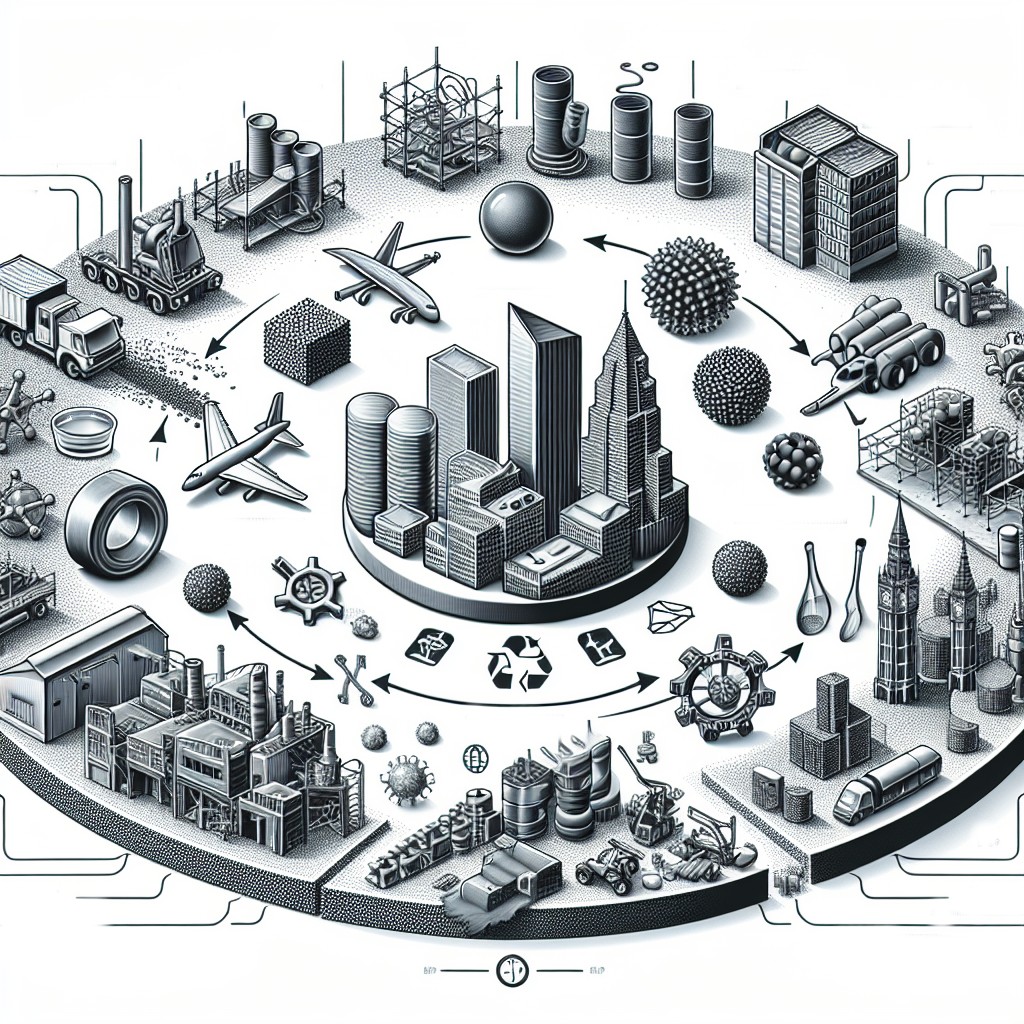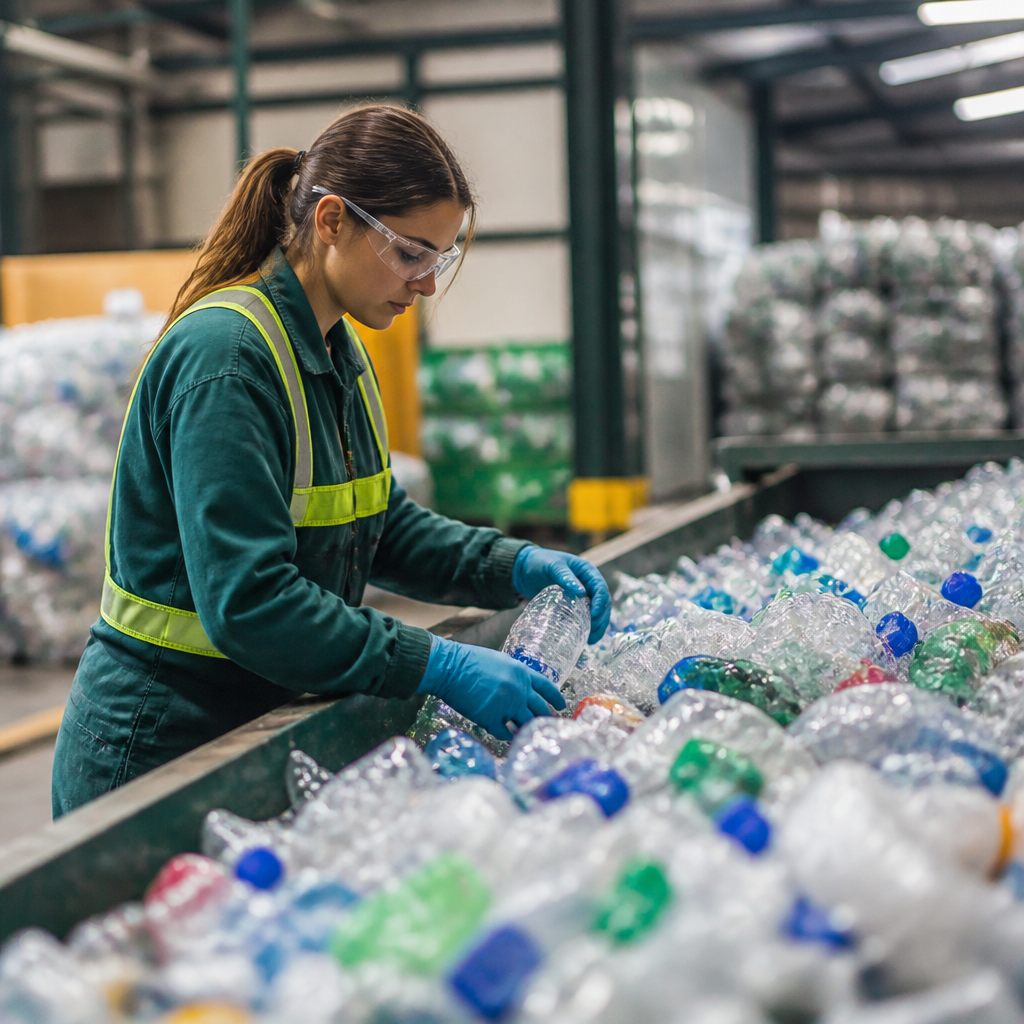
Recycling improves the sustainability of polymers by reducing demand for virgin fossil feedstocks, cutting waste, lowering greenhouse gas emissions, and keeping valuable materials in circulation longer. In materials science, polymers are large molecules made of repeating units, and in everyday use they include plastics such as polyethylene, polypropylene, PET, PVC, polystyrene, nylon, and engineering resins used in packaging, construction, electronics, textiles, and vehicles. Sustainability, in this context, means meeting performance needs while reducing environmental burdens across the full life cycle, from raw material extraction and manufacturing to use, reuse, recovery, and end-of-life management. When I evaluate polymer systems for clients, recycling is rarely a side issue; it is one of the first variables that changes carbon footprint, regulatory risk, product design choices, and long-term cost.
The environmental impact of polymers is often misunderstood because the material itself is only one part of the system. A lightweight polymer pouch may use less energy in transport than a glass container, yet be harder to recycle. A durable polypropylene component in an appliance may prevent waste for years, yet still create disposal problems if additives, labels, or metal inserts complicate recovery. That is why a useful discussion of polymer sustainability must look beyond slogans and focus on collection, sorting, contamination, product design, recycled content quality, and realistic end markets. Recycling matters because it can reduce landfill use and litter, but its deeper value is that it converts discarded products into secondary raw materials, helping manufacturers preserve performance while lowering environmental pressure.
This article serves as a hub for environmental impact within the broader materials and properties topic. It explains how recycling works for common polymers, where it delivers measurable sustainability gains, what technical and economic barriers limit results, and how design for recyclability improves outcomes. It also connects the issue to life-cycle assessment, circular economy strategy, and policy trends such as extended producer responsibility and minimum recycled content requirements. If you need a practical foundation for understanding polymer sustainability, start here: the central question is not whether recycling is good in the abstract, but when, how, and for which polymers it creates the strongest environmental benefit.
Why polymer recycling changes environmental impact
Recycling changes the environmental profile of polymers because producing recycled resin usually requires less energy than making virgin resin from petrochemical or gas-based feedstocks. The exact savings depend on polymer type, collection systems, contamination levels, and processing routes, but the pattern is well established in life-cycle studies: mechanical recycling of PET and HDPE often delivers substantial reductions in greenhouse gas emissions compared with virgin production. For companies reporting Scope 3 emissions, switching part of a packaging portfolio from virgin polyethylene or PET to verified post-consumer recycled content can materially lower product footprint. In procurement reviews I have seen, even modest recycled content targets force better data discipline because buyers must trace source streams, quality standards, and certification methods.
Recycling also reduces pressure on extraction and refining. Virgin polymers typically begin with crude oil or natural gas liquids processed into monomers such as ethylene, propylene, styrene, vinyl chloride, terephthalic acid, and caprolactam. Those steps are capital intensive and emissions heavy. By recovering polymers after use, manufacturers can substitute part of that raw material demand with secondary feedstock. This does not eliminate all impacts, because washing, grinding, remelting, depolymerizing, or transporting waste also consumes energy, but it often shifts the balance meaningfully in the right direction. The strongest gains usually occur when material is collected in relatively clean streams, sorted accurately, and recycled into products that can tolerate or are engineered for the resulting resin properties.
Another environmental gain is waste prevention. Polymers are durable, which is useful during service life but problematic when discarded carelessly. Recycling diverts material from landfill and can reduce leakage into terrestrial and marine environments. It is not a complete answer to litter or microplastics, yet effective recycling systems reduce the volume of unmanaged waste that can fragment over time. This matters especially for high-volume packaging polymers such as PET, HDPE, LDPE, and PP. The practical sustainability benefit is straightforward: every ton recovered and reused is a ton less likely to become a disposal burden and a ton less likely to require virgin production.
Mechanical recycling, chemical recycling, and where each fits
Mechanical recycling is the most established route for polymers. It typically involves collection, sorting, shredding, washing, melt filtration, and pelletizing. This route works best when waste streams are clean and polymer types are well separated. PET beverage bottles are a common success case because deposit return systems, near-infrared sorting, and established flake-to-pellet processing create relatively reliable feedstock. HDPE milk bottles and detergent containers also perform well when color, additives, and contamination are controlled. Mechanical recycling generally has the lowest energy use among recycling routes, which is why it often provides the strongest sustainability advantage when feasible.
Chemical recycling covers several methods, including depolymerization, solvolysis, pyrolysis, and gasification. These processes break polymers into monomers, oligomers, oils, or syngas that can be used to make new materials. Chemical routes are valuable when plastics are mixed, heavily contaminated, multilayered, or difficult to process mechanically. For example, PET and nylon can be depolymerized under specific conditions to recover feedstock suitable for high-quality reprocessing. Polyolefin pyrolysis can generate hydrocarbon outputs for petrochemical crackers, though yields, economics, and actual environmental performance vary widely by plant design and input quality. In my experience, chemical recycling is best treated as a complement to mechanical recycling, not a substitute for it.
The choice between these routes is a matter of fit, not ideology. Mechanical recycling preserves more material value when the waste stream is suitable. Chemical recycling can expand recovery options for materials that would otherwise be burned or buried, but it typically requires higher energy input, tighter process control, and clearer mass-balance accounting. A credible sustainability strategy prioritizes waste prevention and reuse first, mechanical recycling where possible, and chemical recovery for streams that cannot reliably be managed otherwise.
How different polymers respond to recycling
Not all polymers behave the same way in recycling systems. PET has strong recycling infrastructure in many regions and can be turned into bottle-grade or fiber applications if contamination is controlled. HDPE is widely recycled into bottles, pipes, crates, and durable products. Polypropylene recycling has expanded, especially from rigid packaging and automotive parts, but PP still faces lower collection rates in some markets than PET or HDPE. LDPE films are technically recyclable, yet in practice they are difficult because they tangle in sorting equipment and are often contaminated with food residue or labels.
PVC presents a more complicated case because chlorine content and additives can create processing and emissions concerns if waste is not properly managed. Polystyrene, especially expanded polystyrene foam, is lightweight and bulky, making collection expensive relative to recovered material value. Nylon, ABS, polycarbonate, and other engineering polymers can be excellent candidates for closed-loop recycling in industrial settings where feedstock purity is high, such as manufacturing scrap from automotive or electronics production. Thermosets and fiber-reinforced composites are more challenging because they do not remelt like thermoplastics, although grinding, filler reuse, and emerging chemical processes can recover part of their value.
| Polymer | Common Uses | Recycling Outlook | Main Limitation |
|---|---|---|---|
| PET | Beverage bottles, trays, fibers | Strong mechanical recycling market | Food contamination, colored material |
| HDPE | Bottles, caps, pipes | Widely recyclable | Additives and mixed colors |
| PP | Rigid packaging, automotive parts | Growing recovery systems | Lower collection in some regions |
| LDPE | Films, bags, wraps | Technically recyclable | Sorting and contamination issues |
| PVC | Pipes, profiles, flooring | Selective recycling streams | Chlorine and additive complexity |
| PS | Foam packaging, food service items | Limited economics | Low density, transport cost |
These differences explain why blanket statements about “plastic recycling” are not useful. Sustainability performance depends on resin chemistry, product format, additive package, contamination profile, and available infrastructure. The best environmental result often comes from matching the polymer to an application that already has a functioning recovery pathway.
Design for recyclability and recycled content quality
Design decisions made before a product is manufactured strongly determine whether recycling will succeed. A package made from a single polymer family, with detachable labels, minimal pigments, and compatible closures, is much easier to recycle than a multilayer structure combining PET, aluminum, polyamide, adhesives, and dark colorants. Black plastics have historically caused problems for optical sorting systems because carbon black absorbs near-infrared signals, though newer detection technologies are improving performance. Adhesives, barrier layers, inks, and fillers can also reduce yield or downgrade resin quality. When I review packaging specifications, small choices such as changing a label adhesive or avoiding full-body shrink sleeves often have outsized effects on actual recyclability.
Recycled content quality is another central issue. Each thermal cycle can degrade some polymers through chain scission, oxidation, or contamination accumulation, which may reduce molecular weight, melt flow consistency, impact resistance, optical clarity, or odor performance. Processors manage this with stabilizers, compatibilizers, blending strategies, solid-state polymerization for PET, and strict incoming feedstock control. Closed-loop systems generally produce the highest-value results because the waste stream is known and composition is consistent. Open-loop recycling still has value, but when food-contact, cosmetic, or medical standards apply, quality assurance becomes far more demanding.
Good design therefore serves two environmental goals at once: it increases collection and reprocessing success, and it protects the usability of the recycled polymer so that the material stays in the economy longer. A product that is technically recyclable but consistently downgraded into low-value applications is better than disposal, but it is not the strongest circular outcome.
Limits, tradeoffs, and the role of policy and measurement
Recycling improves sustainability, but it is not limitless. Polymers cannot always be recycled indefinitely without property loss, contamination buildup, or uneconomic sorting effort. Transportation distances can erode environmental gains if waste is shipped long routes to find a processor. Cleaning contaminated packaging uses water, energy, and chemicals. Some products are too small, too complex, or too hazardous to recover efficiently. Incineration with energy recovery may outperform poor recycling systems in narrow cases, especially where electricity and heat displace carbon-intensive alternatives, though material value is then lost. Honest sustainability analysis must recognize these tradeoffs.
This is why life-cycle assessment is essential. Standards such as ISO 14040 and ISO 14044 provide a framework for comparing impacts including climate change, resource use, eutrophication, acidification, and human toxicity. A defensible study defines system boundaries, allocation rules, recycled content assumptions, and end-of-life scenarios clearly. In practice, I advise teams to avoid using a single metric alone. Carbon footprint matters, but so do litter risk, water use, toxicity concerns, and whether a recycling claim reflects real regional infrastructure rather than theoretical possibility. Tools such as GaBi and SimaPro help model these differences, but the quality of the result always depends on the quality of the data.
Policy increasingly determines whether recycling scales. Deposit return systems improve bottle collection rates. Extended producer responsibility shifts part of waste management cost to producers, encouraging packaging redesign. Recycled content mandates create stable demand for secondary resin, which is critical because collection only works when end markets are reliable. Public procurement rules can also accelerate adoption by specifying recycled polymers in construction products, transportation assets, and consumer goods. For manufacturers, the message is clear: design choices, supply contracts, and compliance planning now directly affect environmental impact and market access.
Recycling improves the sustainability of polymers when it is approached as a system, not a slogan. The biggest benefits come from reducing virgin feedstock demand, lowering life-cycle emissions, preventing waste, and preserving material value through repeated use. Those benefits are strongest for polymers and product formats that can be collected cleanly, sorted accurately, and reprocessed into high-quality secondary resin. PET and HDPE often show what success looks like, while films, composites, foams, and additive-heavy products show where technical barriers still need work.
The practical lesson is that polymer sustainability depends on alignment between material selection, product design, recovery infrastructure, and end-market demand. Mechanical recycling should be prioritized where clean streams exist. Chemical recycling has a role for difficult fractions, but it must be evaluated carefully on energy use, yields, and accounting transparency. Designers should simplify structures, choose compatible components, and protect resin quality. Buyers should ask for traceable recycled content and region-specific recyclability evidence. Policymakers should support collection systems and stable markets that turn waste into feedstock.
For anyone working in materials and properties, environmental impact is no longer a peripheral concern. It is central to product performance, compliance, cost, and brand credibility. Use this hub as your starting point, then map each polymer application against its real recycling pathway, not its marketing claim. That is how recycling delivers measurable sustainability gains instead of theoretical ones.
Frequently Asked Questions
What does it mean for recycling to improve the sustainability of polymers?
Recycling improves the sustainability of polymers by extending the useful life of materials that have already been produced, rather than relying exclusively on new, virgin raw materials. Most conventional polymers used in products such as packaging, textiles, automotive parts, electronics housings, and building materials are made from fossil-based feedstocks. When these materials are recycled, manufacturers can reduce demand for additional oil and gas extraction, lower the amount of waste sent to landfills or incinerators, and keep valuable carbon-based materials in circulation for longer.
From a sustainability perspective, this matters because polymers carry environmental impacts across their entire life cycle. Energy is required to extract feedstocks, refine them, synthesize polymers, manufacture products, transport goods, and manage waste at end of life. Recycling can reduce impacts at several of these stages by substituting recycled resin for virgin polymer, often with lower overall energy use and greenhouse gas emissions. It also supports a more circular materials economy, where products and materials are recovered, sorted, reprocessed, and reused instead of being discarded after a single use.
Importantly, recycling is not just about waste management. It is a resource-efficiency strategy. Polymers such as PET, HDPE, polypropylene, nylon, and some engineering plastics retain significant material value after first use if they are collected and processed properly. By recovering that value, recycling helps align polymer use with broader sustainability goals such as conserving resources, reducing pollution, lowering climate impacts, and improving long-term material productivity.
How does polymer recycling reduce greenhouse gas emissions and dependence on virgin fossil feedstocks?
Polymer recycling can reduce greenhouse gas emissions because making recycled material often requires less energy than producing virgin polymer from raw fossil resources. Virgin polymer production typically involves multiple energy-intensive stages, including extraction of crude oil or natural gas, refining, cracking, monomer production, polymerization, compounding, and final product manufacturing. Each of these stages contributes to emissions. When a polymer is recycled, many of the earliest and most carbon-intensive upstream steps are partially avoided.
For example, mechanical recycling of plastics such as PET, HDPE, and polypropylene generally involves collection, sorting, washing, shredding, melting, and pelletizing. While these steps still consume energy, they usually have a lower emissions profile than producing entirely new resin from fossil feedstocks. The exact benefit depends on the polymer type, contamination levels, transport distances, electricity mix, and processing technology, but in many cases the life-cycle carbon footprint of recycled resin is meaningfully lower than that of virgin material.
Recycling also decreases dependence on virgin fossil feedstocks by turning used polymer products into secondary raw materials. This means manufacturers can replace a portion of virgin resin with post-consumer or post-industrial recycled content in new products. Over time, that substitution helps reduce pressure on finite resources and makes supply chains more resilient. In practical terms, every ton of polymer that is successfully recycled and reused can represent a ton of material that does not need to be produced from scratch, provided quality and application requirements are met.
That said, the climate benefit is strongest when recycling systems are well designed. High collection rates, good sorting infrastructure, low contamination, and end markets for recycled polymers all improve the emissions advantage. Recycling is therefore most effective when combined with smart product design, material selection, and policies that support circular manufacturing.
Which types of polymers can be recycled, and are some more sustainable to recycle than others?
Many widely used polymers can be recycled, but they do not all perform equally in real-world recycling systems. Common recyclable plastics include polyethylene in forms such as HDPE and LDPE, polypropylene, PET, polystyrene in some applications, PVC under controlled conditions, nylon, and certain engineering polymers. However, actual recyclability depends not only on polymer chemistry but also on product design, local collection systems, sorting technology, contamination levels, additives, colorants, labels, multilayer structures, and whether there is stable demand for the recycled output.
PET and HDPE are often considered among the most established and practical polymers for large-scale recycling because they are widely collected, relatively well understood by recyclers, and commonly used in packaging formats with developed end markets. Polypropylene is increasingly recycled as infrastructure improves. Nylon can also be recycled, especially in industrial or textile-specific systems, though collection and processing can be more complex. Engineering resins used in automotive and electronics applications may be recyclable as well, but separation and performance requirements can make recovery more challenging.
Some polymers are less sustainable to recycle in practice because they are harder to sort or degrade more quickly during reprocessing. Multilayer packaging is a major example. Even if each layer is technically made from recyclable materials, the combined structure can be difficult to separate economically. Similarly, heavily filled, pigmented, or additive-rich polymers may yield recycled material with lower performance or narrower application options. Thermoset polymers, unlike most thermoplastics, cannot simply be melted and remolded, which limits traditional recycling pathways, although specialized chemical or feedstock recovery methods are emerging.
So, are some polymers more sustainable to recycle than others? Yes, especially when considering the whole system. A polymer is more sustainable to recycle when it can be collected efficiently, sorted accurately, reprocessed with minimal loss, and converted into a product that displaces virgin material at meaningful scale. In other words, sustainability is not determined by material type alone. It depends on how well the polymer fits into an effective circular infrastructure.
What is the difference between mechanical recycling and chemical recycling for polymers?
Mechanical recycling and chemical recycling are two different approaches to recovering value from polymer waste. Mechanical recycling is the more established method and involves physically processing used plastics into new material without fundamentally changing the polymer’s chemical structure. Typical steps include collection, sorting, cleaning, grinding, melting, filtering, and pelletizing. The recycled pellets can then be used to manufacture new products. This approach is widely used for polymers such as PET, HDPE, and polypropylene and is generally favored when material streams are relatively clean and well sorted.
The main sustainability advantage of mechanical recycling is that it is often more energy-efficient and less complex than producing new polymers or converting waste back into basic chemical building blocks. However, it does have limitations. Repeated heating and processing can degrade polymer chains, reduce material performance, or narrow the range of applications for the recycled resin. Contamination from food residues, mixed materials, dyes, adhesives, and incompatible polymers can also lower quality and make recycling less viable.
Chemical recycling, sometimes called advanced recycling, breaks polymers down into smaller molecules, monomers, or feedstock-like substances through processes such as depolymerization, solvolysis, pyrolysis, or gasification. Depending on the technology and polymer type, the output can sometimes be used to produce near-virgin-quality material. This can be useful for certain hard-to-recycle waste streams, including mixed plastics, contaminated materials, or polymers that are difficult to process mechanically.
That said, chemical recycling is not a single technology, and its sustainability profile varies widely. Some processes are promising for specific polymers, such as depolymerization of PET or nylon back to monomers. Others require high temperatures, significant energy input, or complex purification, which can reduce environmental benefits if not managed carefully. For this reason, chemical recycling is best understood as a complementary tool rather than a universal replacement for mechanical recycling. In most sustainability strategies, the preferred order is to reduce unnecessary polymer use, design products for reuse and recyclability, maximize mechanical recycling where possible, and apply chemical recycling where it offers a clear technical and environmental advantage.
What challenges limit the sustainability benefits of polymer recycling, and how can they be addressed?
Although recycling plays an important role in making polymers more sustainable, it is not automatically effective in every case. One major challenge is contamination. Food residues, mixed materials, inks, labels, adhesives, and non-compatible polymers can reduce the quality of recycled resin or make processing uneconomical. Another issue is product design. Many polymer products are not created with recycling in mind and may include multilayer films, composite structures, dark pigments, fillers, or additives that interfere with sorting and reprocessing.
Collection and infrastructure also matter. A polymer may be technically recyclable in a laboratory or pilot setting but still fail to be recycled at scale if local systems cannot collect, sort, and market it efficiently. Inconsistent recycling rules across regions create confusion for consumers and contamination for facilities. Market demand is another limiting factor. If manufacturers do not consistently buy recycled polymers, recyclers have less incentive to invest in better equipment and higher recovery rates.
Material performance can be a further constraint. Some polymers lose mechanical properties, color quality, or purity after repeated recycling cycles, which can restrict their use in high-specification applications. This is especially important in sectors such as food packaging, healthcare, automotive, and electronics, where regulatory and performance standards are strict. In these cases, sustainability improvements often depend on combining better sorting, compatibilizers, purification technologies, closed-loop systems, and thoughtful blending of recycled and virgin content.
Addressing these challenges requires a system-wide approach. Designers can simplify packaging formats, avoid problematic additives, and choose polymers with realistic end-of-life pathways. Manufacturers can incorporate more recycled content and support design-for-recycling standards. Policymakers can improve labeling, harmonize collection systems, and create