Finding internship opportunities in the polymer industry starts with understanding how the field is structured, where employers recruit, and which courses and training programs signal that a student can contribute from day one. The polymer industry includes plastics, elastomers, coatings, adhesives, composites, membranes, packaging materials, biomedical polymers, and recycling technologies. Internship opportunities appear across research laboratories, resin manufacturers, processors, consumer goods companies, automotive suppliers, medical device firms, and sustainability startups. For students and early-career professionals, internships matter because they convert classroom theory into practical skills, create industry contacts, and often lead directly to full-time offers.
When I have helped students prepare for polymer internships, the most common mistake has been searching too narrowly. Many look only for roles labeled “polymer intern,” while employers often advertise under materials science, chemical engineering, product development, quality, applications engineering, compounding, analytical chemistry, or manufacturing. A successful search begins by mapping the full landscape of polymer-related work, then aligning coursework, lab experience, and training programs to the needs of specific employers. This article serves as a hub for that process, with a strong focus on courses and training programs that improve internship prospects and help candidates evaluate where they fit.
Key terms are worth defining early. Polymer science focuses on molecular structure, synthesis, characterization, and behavior of long-chain materials. Polymer engineering applies that science to design, processing, testing, and manufacturing. Converting refers to turning polymer resins into usable products through methods such as injection molding, extrusion, blow molding, thermoforming, fiber spinning, and additive manufacturing. Characterization includes techniques like DSC, TGA, FTIR, DMA, rheometry, GPC, and tensile testing. Employers use these terms in internship descriptions, and students who understand them can target opportunities more accurately and describe their training in language hiring managers recognize.
This topic matters now because the polymer sector is changing quickly. Companies are hiring around lightweighting, medical materials, electric vehicles, barrier packaging, biopolymers, and circular economy initiatives. At the same time, internship competition is stronger because many employers want candidates who already understand safety, quality systems, and basic processing. Courses and training programs can close that gap. The right combination of academic classes, short technical courses, certifications, software training, and hands-on lab work makes a resume more credible and makes interviews easier. If you want to build a clear path into this industry, start by understanding which learning experiences connect most directly to real internship openings.
Understand where polymer internships actually exist
Polymer internships are concentrated in places where materials are designed, tested, processed, or regulated. Large chemical producers recruit interns for resin development, applications labs, analytical testing, and process engineering. Processors hire for injection molding, extrusion, quality assurance, tooling support, and continuous improvement. Consumer brands bring interns into packaging development and product testing. Automotive and aerospace suppliers need support in composites, lightweight plastics, sealants, and validation. Medical device companies recruit students who understand biomaterials, clean manufacturing, and documentation. Universities, national laboratories, and contract research organizations also offer polymer research internships, especially for students interested in graduate school.
Search strategies should reflect this breadth. Use company career pages, university career portals, professional societies, and niche job boards. The Society of Plastics Engineers, ACS Division of Polymer Chemistry, SAMPE, and ASM often expose students to employers before roles are posted broadly. LinkedIn can help, but keyword choice matters. Strong searches include “materials science intern plastics,” “polymer characterization intern,” “compounding intern,” “applications engineering plastics,” “coatings intern,” or “packaging materials intern.” Geographic flexibility also expands options significantly because many polymer manufacturing sites are located outside major city centers, often near industrial corridors, medical manufacturing hubs, or automotive clusters.
It also helps to understand the internal structure of polymer employers. A resin company may have separate teams for R&D, technical service, quality, pilot plant operations, and regulatory support. A molder may divide internships between process engineering, quality, tooling, and automation. If your coursework emphasizes analytical methods, a quality or characterization role may be a better match than pure manufacturing. If you enjoy troubleshooting machines, process engineering can be ideal. Students who apply to the right functional area get better results than those who send generic applications to every opening with the word materials in it.
Build a course plan that matches internship requirements
The most effective course plan combines fundamentals, application-specific learning, and practical exposure. Core classes that consistently help include polymer chemistry, polymer physics, thermodynamics, transport phenomena, materials characterization, statistics, and process engineering. In chemical engineering programs, reaction engineering, unit operations, and process control are especially useful. In materials science programs, structure-property relationships, phase behavior, fracture, and microscopy matter. Mechanical engineering students can compete for many polymer roles if they add electives in plastics design, manufacturing, rheology, or composites.
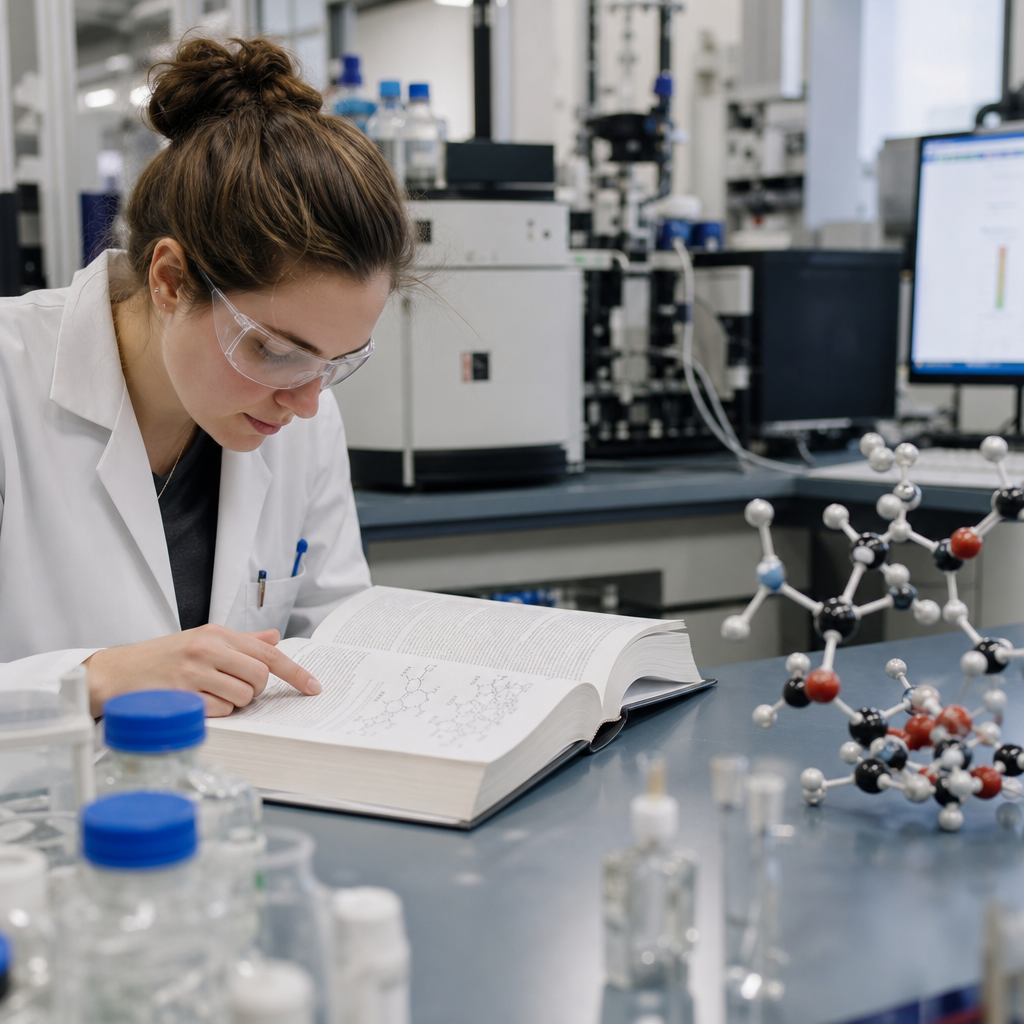
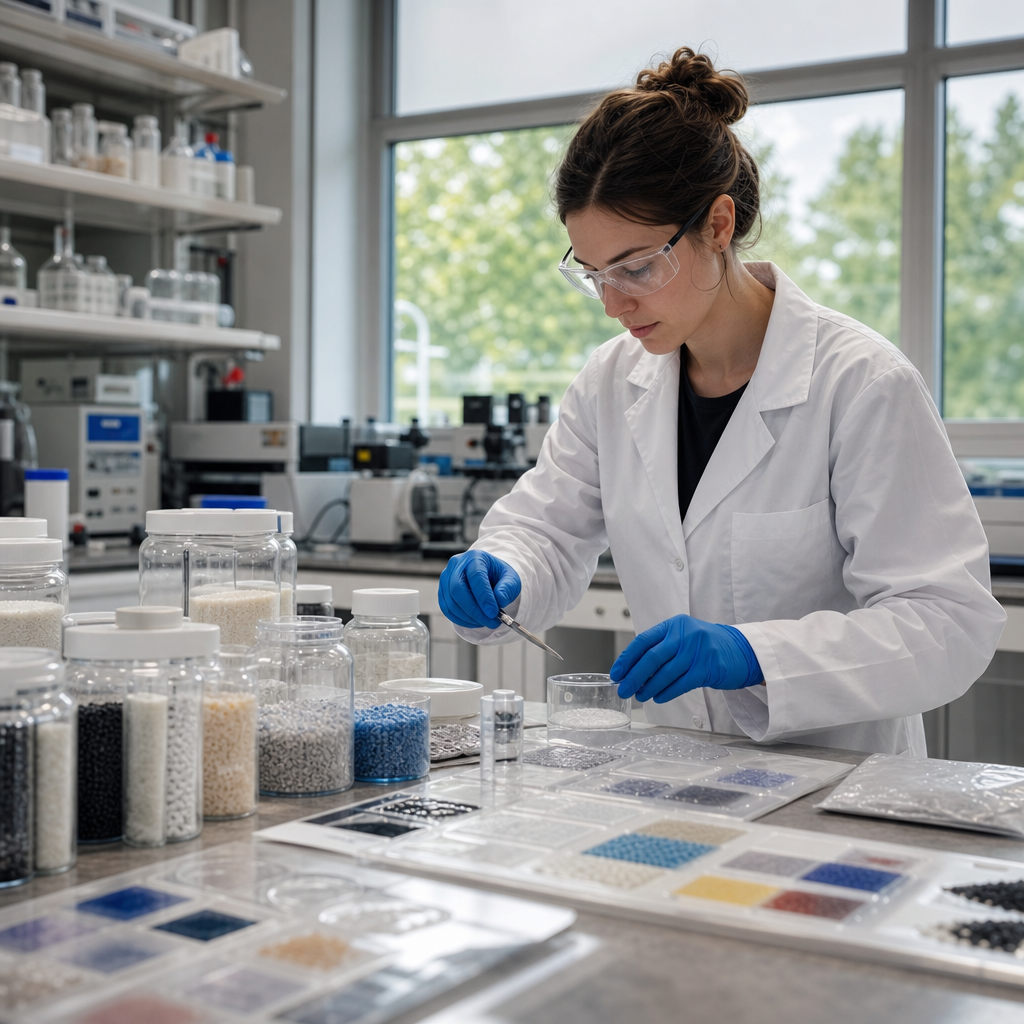
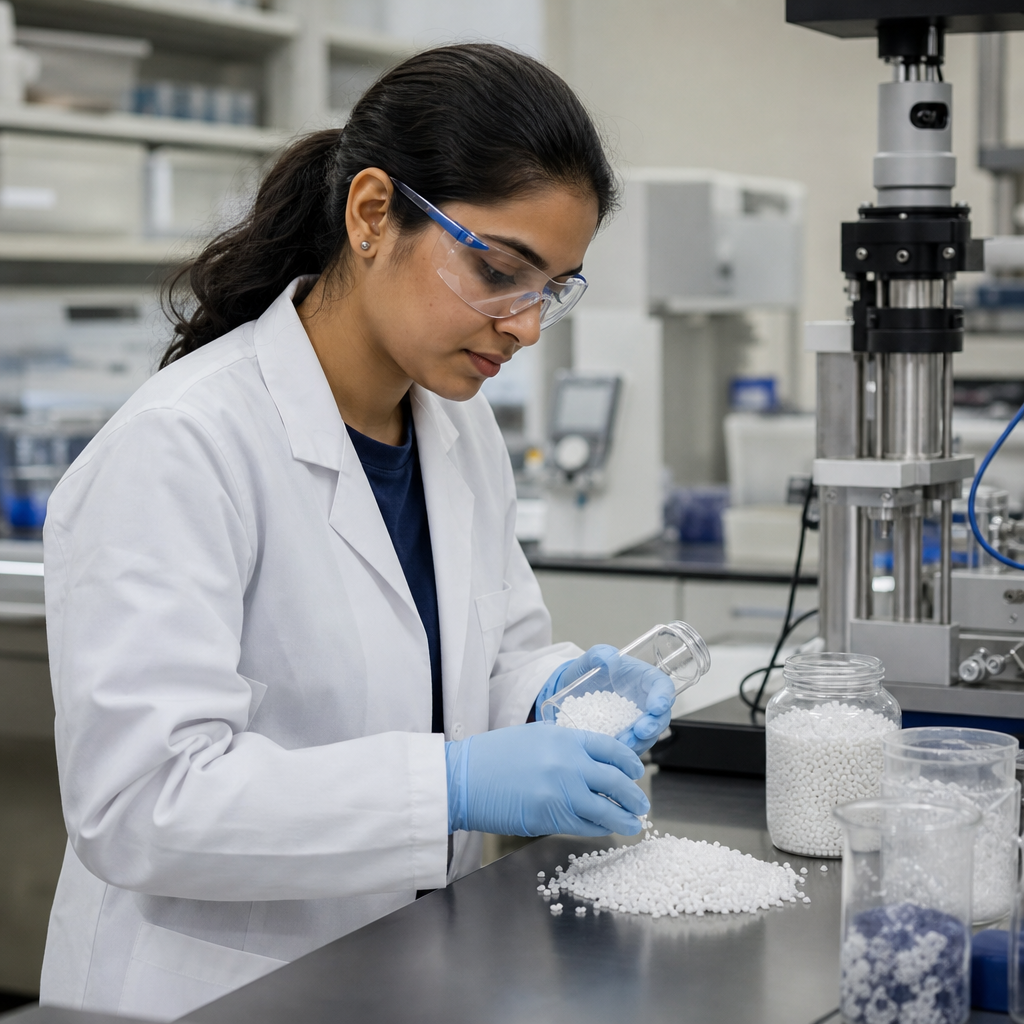
Recruiters tend to look for evidence that a student can interpret data, understand process variables, and work safely around equipment. That is why laboratory courses often matter as much as lecture courses. A student who has run DSC, interpreted FTIR spectra, prepared tensile bars, or analyzed viscosity curves can discuss results in concrete terms. Those examples are stronger than saying you are passionate about polymers. In interviews, specific course projects also signal readiness: optimizing extrusion temperature profiles, comparing crystallinity after annealing, evaluating filler dispersion, or studying how molecular weight influences melt flow index.
Because this article is a hub for courses and training programs, it is useful to organize the learning options by direct internship value.
| Course or Training Area | What You Learn | Internship Roles It Supports |
|---|---|---|
| Polymer Chemistry | Polymerization mechanisms, molecular architecture, additives | R&D, synthesis, formulation, technical service |
| Polymer Processing | Extrusion, injection molding, drying, cooling, defects | Process engineering, manufacturing, quality |
| Characterization Lab | DSC, TGA, FTIR, DMA, rheology, mechanical testing | Analytical lab, quality, failure analysis |
| Composites and Coatings | Reinforcement, curing, adhesion, surface performance | Aerospace, automotive, coatings, adhesives |
| Recycling and Sustainability | Mechanical recycling, compatibilizers, LCA, regulations | Sustainability, product stewardship, packaging |
| Data and Software Tools | Excel, Minitab, JMP, CAD, DOE, SPC | Manufacturing, quality, product development |
If your program does not offer a deep polymer curriculum, fill the gaps intentionally. Many students use electives from chemistry, manufacturing, packaging science, or biomedical engineering to create a polymer-focused profile. Others strengthen fundamentals through independent study, capstone projects, undergraduate research, or online technical training. Hiring managers are usually flexible on degree title if they can see relevant coursework and practical competence. What they want is proof that you understand materials behavior and can contribute without needing every concept explained from scratch.
Use training programs, certifications, and labs to stand out
Short courses and technical training often make the difference between a credible candidate and a generic applicant. Universities with strong polymer programs, including Akron, UMass Lowell, Penn State Behrend, Case Western Reserve, and several packaging or composites centers, regularly host extension courses, webinars, and industry-facing training. These programs can cover resin selection, failure analysis, injection molding, additive formulation, design of experiments, statistical process control, and regulatory topics. Even if a course is brief, it gives you vocabulary, methods, and examples you can use in interviews and project work.
For manufacturing-oriented internships, practical processing education is especially valuable. Paulson Training Programs are widely recognized in plastics processing and mold design. RJG training is respected for scientific molding and process monitoring. Students do not need every certification, but familiarity with cavity pressure concepts, process windows, short shot studies, gate seal, and common molding defects immediately improves their credibility with processors. In extrusion settings, any training that covers screw design basics, die swell, melt temperature control, and line troubleshooting can help you stand out because many applicants know theory but not shop-floor realities.
Analytical and quality-focused candidates should prioritize metrology, data integrity, and test method awareness. Training in ASTM and ISO test standards matters because polymer companies live by documented methods. Knowing the difference between ASTM D638 tensile testing and impact methods such as Izod or Charpy helps when discussing materials data sheets. Exposure to DSC for glass transition and melting behavior, TGA for thermal stability and filler content, and rheology for processability is equally important. If you can explain not only what a test does but why a company uses it in release testing, troubleshooting, or product development, you become more attractive to employers.
Software training is often underestimated. In real internship work, students spend significant time organizing results, graphing trends, performing capability studies, and writing reports. Proficiency in Excel is essential, while Minitab or JMP is helpful for design of experiments, regression, ANOVA, and process capability. CAD experience supports tooling, product design, and manufacturing roles. Some research groups value MATLAB or Python for data analysis. I have seen strong candidates lose momentum because they could not communicate data clearly. A short course in statistics or DOE can produce immediate gains in both technical performance and interview confidence.
Find opportunities through faculty, societies, and targeted outreach
Many polymer internships are filled through relationships before they become highly visible online. Faculty members with industry ties often know which companies need summer help in characterization labs, pilot plants, or sponsored projects. If you have taken a polymer, materials, or processing course, visit office hours and ask which companies have hired former students. Bring a resume and a short statement of interest. Professors are far more likely to recommend students who can describe their interests precisely, such as packaging barrier materials, elastomer formulation, or injection molding optimization, rather than simply saying they want any internship.
Professional societies create another access point. Student membership in SPE, ACS, SAMPE, or ASM gives you conference access, local section events, webinars, scholarships, and direct contact with practicing engineers and scientists. Poster sessions and technical meetings are especially useful because conversations begin around actual work. A student who discusses a class project on recycled polypropylene or carbon fiber composites has a natural reason to connect with professionals. Those interactions often lead to referrals, plant visits, or invitations to apply when internships open. In this industry, informed networking works better than cold networking.
Targeted outreach should be disciplined and specific. Build a list of thirty to fifty companies across resin production, processing, consumer products, automotive, medical, and sustainability. Then identify recruiters, alumni, lab managers, or technical service leaders. A strong outreach message is short: who you are, what polymer-related coursework or training you have completed, what type of internship you seek, and why their work matches your interests. Mentioning a company’s materials platform, product line, or recent sustainability initiative shows that you did your homework. Generic messages asking if there are any openings usually fail because they create work for the recipient without proving fit.
Prepare application materials for polymer-specific roles
A polymer internship resume should read like a technical summary, not a generic student profile. Put relevant coursework near the top if you have limited experience. Include laboratory techniques, processing equipment, software, and standards you know. Use project bullets with outcomes: reduced warpage in a molding simulation, compared crystallization behavior using DSC, designed a DOE for tensile strength, or characterized recycled blends by melt flow and FTIR. Numbers help. If you tested twenty samples, analyzed three formulations, or improved cycle time in a lab exercise, say so. Specificity signals technical maturity.
Cover letters and application answers should connect your training to the employer’s needs. For a manufacturing internship, discuss process parameters, troubleshooting, or SPC. For an R&D role, emphasize experimental design, literature review, and characterization. For a sustainability-focused company, mention recycling, LCA, or policy coursework. Keep your language concrete. Instead of saying you are interested in innovation, say you want to work on compounding and characterization of post-consumer recycled polyethylene for packaging applications. That level of clarity reassures hiring teams that you understand the field and are not applying blindly.
Interview preparation should include technical stories, not memorized definitions. Be ready to explain a polymer project from objective to result, including methods, data interpretation, and what you would improve. Expect questions about why polymers fail, how processing affects properties, or how you would approach a defect such as sink marks, brittleness, poor adhesion, or inconsistent viscosity. If you do not know an answer, reason from fundamentals. Good interviewers value structured thinking. They want interns who can learn quickly, ask careful questions, and document observations accurately in labs or production environments.
Evaluate internships by learning value, not title alone
Not every polymer internship with a promising title delivers meaningful growth, and some excellent opportunities hide behind ordinary titles such as quality intern or manufacturing intern. Evaluate internships based on exposure to materials decisions, equipment, data, and mentorship. Ask whether you will work with specific processes, test methods, formulations, or product lines. Ask who supervises interns and how projects are scoped. Strong internships produce tangible outputs: test plans, process studies, validation reports, material comparisons, or pilot trials. Weak internships leave students doing administrative tasks with little technical ownership.
It is also important to weigh sector fit. A role in medical polymers may teach documentation, validation, and regulatory discipline. An automotive supplier may offer faster exposure to scale-up, composites, and high-volume manufacturing. A packaging company may sharpen understanding of barrier performance, sealing, recyclability, and cost constraints. A startup may provide broad responsibility but less formal training. None of these is universally best. The right choice depends on whether you want research depth, manufacturing fluency, sustainability exposure, or a pathway into a specific market. Choose the internship that builds the next skill, not just the biggest brand name.
The clearest path forward is simple: map the polymer sectors that interest you, build coursework and training around those sectors, and apply with technical precision. Start now by reviewing your current classes, identifying one or two missing skill areas, and adding a targeted training program or lab experience that makes your candidacy stronger. Then create a focused company list and begin outreach before peak recruiting season. Internship opportunities in the polymer industry reward students who prepare early, speak the industry’s language, and show they can turn materials knowledge into practical results.
Frequently Asked Questions
1. Where should I look for internship opportunities in the polymer industry?
Start by searching where polymer employers actually recruit, not just on broad internship websites. The polymer industry is spread across many segments, including plastics, elastomers, coatings, adhesives, composites, membranes, packaging, biomedical materials, and recycling technologies, so internship postings may appear under several different job titles and business units. Look at career pages for resin manufacturers, compounders, converters, packaging companies, consumer goods manufacturers, automotive suppliers, medical device companies, specialty chemical firms, and sustainability-focused materials startups. Many organizations post internships under headings such as materials science, R&D, product development, process engineering, quality, applications engineering, manufacturing, or sustainability rather than simply “polymer internship.”
University career centers, faculty mailing lists, undergraduate research offices, and department-specific bulletin boards are also valuable because polymer-related openings are often targeted to students in chemical engineering, materials science, chemistry, mechanical engineering, and plastics engineering. Professional societies can be especially useful as well. Organizations tied to materials, chemistry, coatings, plastics, composites, and packaging frequently share student opportunities, conference job boards, and networking events that lead to internships before they are widely advertised. In addition, research laboratories, national labs, and academic labs working on biomaterials, membranes, recycling, additive manufacturing, or soft materials may offer summer positions that build highly relevant polymer experience even if the listing does not use industry language. A strong search strategy combines company websites, faculty connections, professional associations, alumni networks, and targeted keyword searches such as “polymer materials intern,” “plastics engineering intern,” “coatings R&D intern,” “composites intern,” and “packaging materials intern.”
2. What coursework and technical skills make me a stronger candidate for a polymer industry internship?
Employers want evidence that you understand both the science of polymer materials and the practical realities of how they are processed, tested, and used. Strong coursework often includes polymer science, organic chemistry, physical chemistry, materials science, transport phenomena, thermodynamics, rheology, reaction engineering, and manufacturing or processing classes. Depending on the role, classes in extrusion, injection molding, composite manufacturing, coatings formulation, biomaterials, or recycling systems can be especially valuable. Recruiters pay attention to whether your background suggests you can step into a lab, pilot plant, or manufacturing floor and contribute quickly.
Hands-on technical skills matter just as much as classroom knowledge. Familiarity with characterization methods such as DSC, TGA, FTIR, DMA, tensile testing, impact testing, viscosity or rheology measurements, microscopy, and permeability testing can immediately strengthen your application. For process-focused roles, experience with mixing, compounding, molding, extrusion, film casting, curing, or quality testing is highly relevant. Data analysis skills are also increasingly important; being comfortable with Excel, statistical analysis, Python, MATLAB, Minitab, or laboratory data systems shows that you can work with experimental and production data in a professional setting. If you have completed lab projects, undergraduate research, senior design, or maker-space work involving material selection, formulation, mechanical testing, or product performance, make that visible on your resume. Employers are not expecting a finished expert, but they do want proof that you understand material-property relationships and can learn quickly in a technical environment.
3. How can I tailor my resume and application for polymer industry internships?
A strong polymer internship resume is specific, technical, and results-oriented. Begin by aligning your application with the employer’s segment of the industry. A coatings company may care about formulation, surface properties, and testing methods, while a packaging company may prioritize barrier performance, film processing, sustainability, and product qualification. Instead of using a generic resume for every role, adjust your summary, project descriptions, and skills section so the most relevant coursework, instruments, and experiences are easy to see in the first few seconds. If the job posting mentions polymer characterization, process optimization, quality systems, compounding, or recycling, mirror that language honestly when it matches your background.
Your bullet points should focus on what you did, how you did it, and what happened as a result. For example, rather than writing “Worked in a materials lab,” describe the actual tasks: “Prepared polymer blend samples, conducted DSC and tensile testing, analyzed thermal and mechanical data, and presented recommendations on composition-performance tradeoffs.” Quantify outcomes whenever possible, such as reduction in defect rate, number of formulations screened, or improvement in test repeatability. Also include software, instruments, and manufacturing exposure in a clean technical skills section. In your cover letter or email, connect your interest in the company’s products to your academic preparation. Mentioning a company’s application area, such as medical polymers, recycled packaging, adhesives for electronics, or lightweight automotive composites, shows genuine interest and helps hiring teams picture where you could add value. The overall goal is to make it easy for employers to see a direct match between their work and your preparation.
4. Is networking really necessary for finding polymer internships, and how should I do it?
Yes, networking is extremely helpful in the polymer industry because many opportunities are filled through referrals, conference conversations, faculty connections, and alumni introductions before they become easy to find online. Polymer is a specialized field, and hiring managers often trust recommendations from professors, research advisors, former interns, or industry professionals who understand the technical demands of the work. Networking does not mean asking strangers for jobs; it means building informed, professional conversations that help you learn how different parts of the industry hire and what skills matter most.
Start close to home by speaking with professors in materials science, chemistry, chemical engineering, and related departments, especially those whose work touches polymers, soft materials, composites, membranes, packaging, or sustainability. Ask whether they know alumni or industry contacts hiring interns. Attend career fairs with a short introduction that clearly explains your academic focus and interests, such as polymer processing, biomaterials, coatings, or recycling. Professional society meetings, webinars, student chapters, technical conferences, and local manufacturing tours can also open doors. When reaching out on LinkedIn or by email, keep your message short and informed: mention your area of study, why their company or role interests you, and one or two relevant experiences. Then ask for advice, not immediately for a position. Follow up professionally, thank people for their time, and stay in touch when you complete a project or gain a new skill. In a technical industry, well-informed networking often leads to better opportunities because it helps you target employers more precisely and learn how to present yourself in a way that matches real hiring needs.
5. What types of polymer industry internships are available, and how do I choose the right one?
Polymer internships span much more than bench research, so it is important to understand the main categories before applying. Research and development internships are common in resin manufacturing, specialty chemicals, coatings, biomedical materials, and advanced composites. These roles may involve synthesis, formulation, thermal analysis, mechanical testing, and material characterization. Process and manufacturing internships are common at plastics processors, packaging plants, automotive suppliers, and consumer goods manufacturers, where interns may work on extrusion, injection molding, compounding, scale-up, quality improvement, troubleshooting, or lean manufacturing projects. Product development and applications engineering internships often focus on how materials perform in real products, which can be a great fit for students who like both technical work and customer-facing problem solving.
There are also internships in quality assurance, regulatory support, technical service, sustainability, recycling, and supply chain functions that are highly relevant to polymer careers. For example, an internship in recycled materials qualification or packaging sustainability can be especially valuable as circular economy goals become more important across the industry. To choose the right internship, think about the kind of work you want to test early in your career. If you enjoy experimentation and data interpretation, an R&D role may be ideal. If you prefer fast-paced environments with visible operational impact, manufacturing or process engineering may suit you better. If you are interested in product performance, customer needs, and commercialization, applications or product development may be a better fit. The best internship is not always the one with the most impressive title; it is the one that gives you relevant technical exposure, mentorship, and concrete accomplishments you can build on for your next opportunity in the polymer industry.