Preparing for a career in polymer manufacturing starts with understanding how plastics, elastomers, fibers, adhesives, and composite resins move from raw chemistry to finished products on high-speed production lines. Polymer manufacturing is the industrial process of converting natural or synthetic polymers into usable materials through compounding, extrusion, injection molding, blow molding, thermoforming, film casting, fiber spinning, curing, and recycling. A career in this field can lead to roles in production, process engineering, quality assurance, maintenance, tooling, research and development, regulatory compliance, technical sales, and plant leadership. Because polymers are used in medical devices, automotive components, packaging, electronics, construction products, and consumer goods, the field offers broad employment options and long-term relevance.
Courses and training programs matter because polymer plants do not hire only on general manufacturing interest; they hire for practical capability, safety awareness, and process understanding. In my experience working with manufacturing training pathways, the strongest candidates can explain material behavior, read a process sheet, understand statistical process control, and connect classroom concepts to plant-floor realities such as cycle time, scrap rate, moisture control, screw design, and preventive maintenance. Employers want people who can learn quickly without compromising safety or quality. That makes this educational resources hub important: it helps students, career changers, and early professionals identify which courses, credentials, and hands-on training programs actually build job-ready skills for polymer manufacturing, rather than collecting unrelated coursework that looks impressive but does not translate to production performance.
If you are asking how to prepare for a career in polymer manufacturing, the short answer is this: build a foundation in materials science and manufacturing processes, add targeted technical training, gain hands-on experience, learn quality and safety systems, and choose a specialization that matches hiring demand in your region. This page covers the full map of courses and training programs that support that path. It is designed as a hub under educational resources, so it explains the major training categories and helps you decide where to go deeper next, whether you are exploring certificates, apprenticeships, associate degrees, university programs, online learning, or employer-sponsored training.
Start with the Core Knowledge Every Polymer Manufacturing Professional Needs
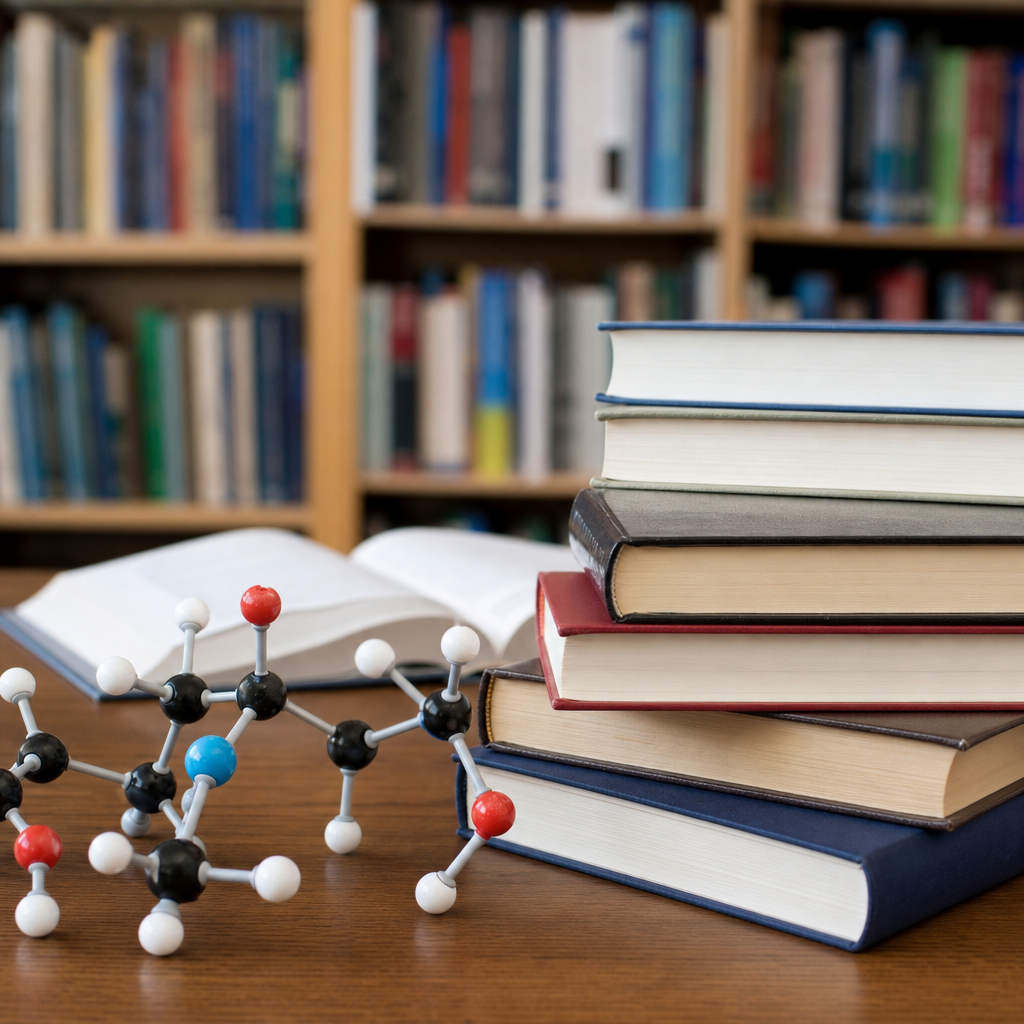
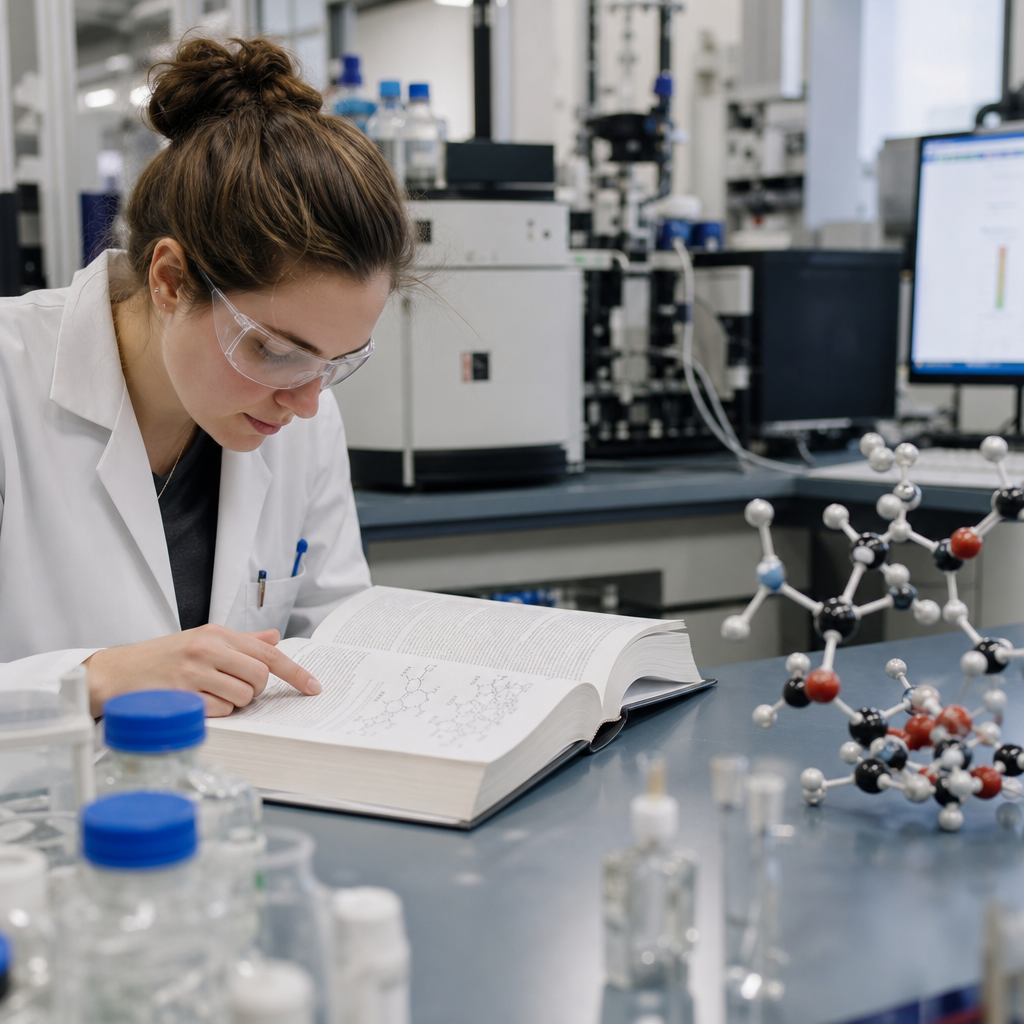
The first educational layer is foundational knowledge. Before focusing on a specific machine or job title, you need to understand what polymers are, how they behave, and why processing conditions matter. The most useful introductory courses cover polymer chemistry, polymer physics, materials selection, manufacturing fundamentals, blueprint reading, industrial math, and basic statistics. You do not need a PhD-level treatment to get started, but you do need clear command of concepts such as thermoplastics versus thermosets, amorphous versus semi-crystalline structures, melt flow index, glass transition temperature, tensile strength, shrinkage, viscosity, and degradation.
In real plants, these ideas are not academic trivia. A processor handling nylon must think about moisture absorption before molding. A technician running polyethylene film must understand how temperature profile and die conditions affect gauge consistency. A quality specialist evaluating polypropylene parts needs to know how crystallinity influences warpage and impact performance. That is why the best early courses tie theory directly to processing outcomes. Community colleges often do this well in manufacturing technology programs, especially when they include labs with injection molding presses, extruders, tensile testers, or DSC and FTIR demonstrations. University materials programs go deeper on chemistry and structure-property relationships, which is valuable if you are aiming for engineering, formulation, or R&D roles.
Good foundational training also introduces the business context. Polymer manufacturing runs on throughput, yield, uptime, and compliance. Students should learn how scrap affects cost, why cycle time drives profitability, and how customer specifications govern process windows. Even a short course in lean manufacturing or industrial operations can help. People who understand both material science and plant economics become more useful faster because they can frame technical decisions in terms supervisors and plant managers care about.
Choose the Right Education Path: Certificate, Degree, Apprenticeship, or Employer Training
There is no single best training route into polymer manufacturing. The right path depends on your target role, budget, time horizon, and local industry base. For production technician or operator roles, a short certificate in plastics technology, manufacturing processes, machine operation, or industrial maintenance can be enough to get hired, especially if the program includes safety training and lab work. For process technician, quality technician, mold technician, or maintenance specialist roles, employers often prefer an associate degree in plastics technology, mechatronics, manufacturing engineering technology, or instrumentation. For process engineer, materials engineer, product development engineer, and plant engineering roles, a bachelor’s degree in chemical engineering, materials science, mechanical engineering, polymer engineering, or industrial engineering is typically expected.
Apprenticeships deserve special attention because they combine paid work with structured instruction. In regions with strong manufacturing clusters, apprenticeships can be one of the fastest ways to become employable while avoiding heavy student debt. A plastics processing apprenticeship may include classroom training on extrusion, molding, tooling, and quality, combined with supervised machine setup, changeovers, and troubleshooting on the floor. Employer-sponsored training is also common. Many resin suppliers, machine OEMs, mold makers, and large converters run in-house programs on screw and barrel maintenance, scientific molding, resin drying, process validation, and root cause analysis. These can be highly valuable because they teach the exact methods and equipment used in production.
| Training path | Typical length | Best for | Common outcomes |
|---|---|---|---|
| Short certificate | 8 weeks to 1 year | Entry-level operators, career changers | Production roles, basic machine operation, safety readiness |
| Associate degree | 2 years | Technicians and quality roles | Process setup, troubleshooting, maintenance support, lab work |
| Bachelor’s degree | 4 years | Engineering and leadership-track roles | Process engineering, product development, validation, management potential |
| Apprenticeship | 1 to 4 years | Hands-on learners seeking paid experience | Job-ready technical skill with wage progression |
| Employer training | Days to months | New hires and advancing employees | Plant-specific competence, faster promotion readiness |
When comparing programs, look beyond the credential title. Ask whether students work with real processing equipment, whether local employers advise the curriculum, what percentage of graduates are placed in manufacturing jobs, and whether the program teaches troubleshooting rather than only terminology. Those details tell you more than a glossy brochure. A focused certificate with strong industry ties may outperform a broader program with little lab exposure.
Prioritize Courses and Training Programs That Match Actual Plant Skills
The most effective courses for polymer manufacturing are the ones that align with recurring plant-floor problems. If a program claims to prepare students for plastics careers, it should teach polymer processing, quality systems, machine safety, and process optimization in practical terms. High-value technical topics include injection molding setup, extrusion fundamentals, blow molding basics, thermoforming, compounding, mold design awareness, drying and material handling, regrind management, color control, and part inspection. For rubber and thermoset environments, look for curing, mixing, rheology, and compression or transfer molding content.
Quality training is just as important as process training. Plants rely on dimensional inspection, destructive and non-destructive testing, lot traceability, and controlled documentation. Courses in statistical process control, metrology, gauge repeatability and reproducibility, root cause analysis, corrective and preventive action, and quality management systems give candidates an edge. Employers value people who understand Cp, Cpk, control charts, sampling plans, and the discipline of recording process changes. In regulated sectors such as medical devices, aerospace, and food-contact packaging, this knowledge is not optional.
Digital and automation skills are increasingly part of job readiness. Modern polymer plants use PLCs, HMIs, robotics, vision systems, MES platforms, and process data historians. You do not need to become a controls engineer to benefit from introductory coursework in automation, sensors, robotics, and data analysis. A technician who can interpret alarms, navigate machine interfaces, and spot process drift from trend data is far more useful than one who relies only on trial and error. Training in Excel, Minitab, or basic industrial data tools also helps, especially for quality and process roles.
Finally, do not overlook maintenance-adjacent learning. Many production problems are actually equipment problems. Courses in hydraulics, pneumatics, electrical fundamentals, lubrication, alignment, preventive maintenance, and troubleshooting can separate you from other applicants. In polymer manufacturing, stable equipment is inseparable from stable quality.
Build Experience Through Labs, Internships, and Recognized Industry Programs
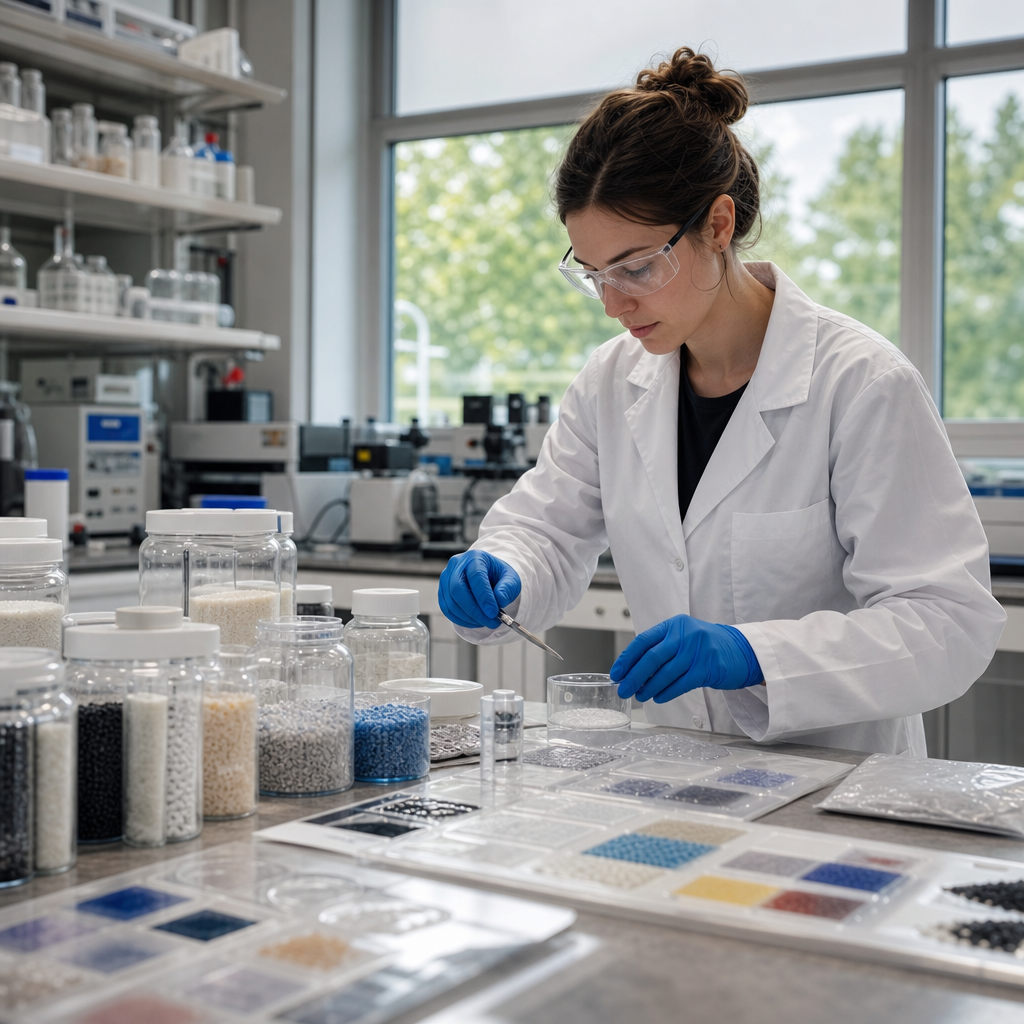
Hands-on experience turns training into employability. I have seen candidates with modest academic records outperform stronger test-takers simply because they had set up a mold, dried resin correctly, documented a parameter change, or investigated a recurring defect. Labs matter because polymers are sensitive to variables that only make sense when you see them in action. A lecture can define splay, short shots, die swell, sink marks, voids, weld lines, and burn marks. A lab shows you how those defects emerge and how to correct them systematically.
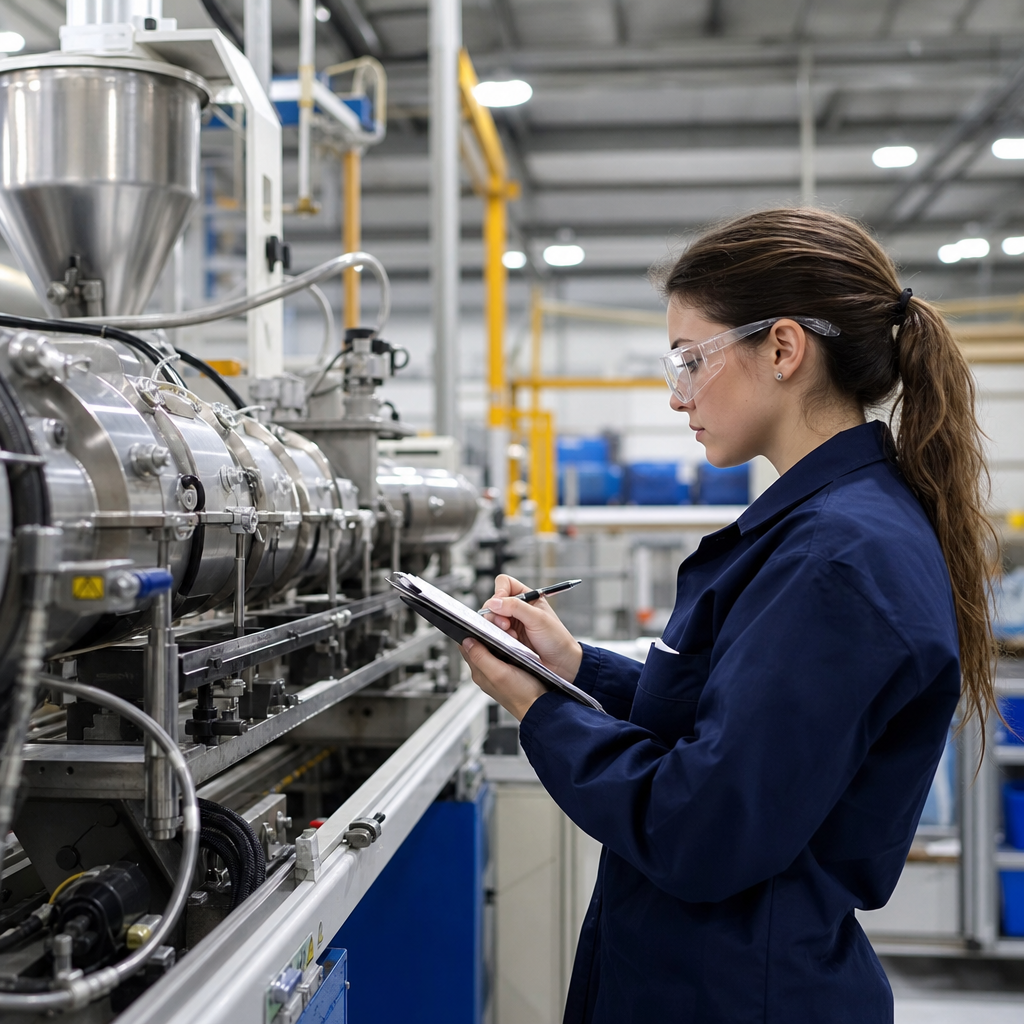
Internships, co-ops, and plant tours are especially valuable because they teach professional habits as well as technical skill. Students learn shift discipline, lockout/tagout expectations, escalation protocols, housekeeping standards, and the pace of continuous production. They also learn that a polymer plant is rarely just about one machine. Resin receiving, drying, conveying, tooling, chilling, compressed air, grinders, mixers, QA labs, and packaging all affect final quality. Exposure to this system view helps new hires contribute sooner.
Look for programs connected to recognized industry organizations and training providers. Universities with polymer engineering or plastics technology strengths often partner with regional manufacturers. Community colleges in manufacturing corridors frequently align curriculum with local injection molders, film converters, compounders, and automotive suppliers. Professional associations, resin companies, and equipment manufacturers also offer respected short courses. Programs built around scientific molding principles, process validation, Six Sigma methods, OSHA safety requirements, and ISO 9001 quality practices are particularly useful because employers already understand their relevance.
If formal internships are unavailable, create your own experience stack. Work in general manufacturing, machine operation, warehouse logistics, maintenance support, or quality inspection while taking polymer-focused courses. Join technical webinars. Study equipment manuals. Ask local companies for plant tours or job shadowing. Document what you learn in a portfolio with project summaries, process observations, and training certificates. In interviews, concrete examples beat generic enthusiasm every time.
Use This Educational Resources Hub to Plan Your Next Step
This page is the hub for courses and training programs within educational resources, so its purpose is not only to explain the options but to help you act on them. Start by identifying the role you want in the next one to three years. If your goal is an entry-level production job, prioritize short training in plastics processing, safety, measurement, and machine operation. If you want to become a process technician, add setup, troubleshooting, SPC, and maintenance coursework. If you are targeting engineering, choose a degree path that includes materials science, heat transfer, fluid flow, design of experiments, and manufacturing systems.
Then map your learning in stages. First, complete foundational courses. Second, add process-specific training such as injection molding or extrusion. Third, build quality and safety credentials. Fourth, get hands-on experience through labs, internships, or entry-level plant work. Fifth, deepen your specialization with advanced training in validation, automation, tooling, or regulatory requirements. This staged approach prevents a common mistake: collecting disconnected certificates without building a coherent story of capability.
The main benefit of preparing deliberately for a career in polymer manufacturing is speed to competence. Plants reward people who can combine material knowledge, process discipline, and safe execution. Whether you start through a certificate, degree, apprenticeship, or employer-led program, the winning strategy is the same: learn the fundamentals, practice on real equipment, and align your education with the jobs companies are actually filling. Use this hub as your roadmap, then move to the specific resources most relevant to your target role and region. Pick one training path, enroll, and begin building experience now.
Frequently Asked Questions
1. What education and technical background do I need to start a career in polymer manufacturing?
A strong starting point for a career in polymer manufacturing is a foundation in math, chemistry, physics, and industrial problem-solving. Many entry-level production, quality, and process technician roles can be accessed with a high school diploma, technical training, or an associate degree, especially if you also have hands-on experience with manufacturing equipment, maintenance, or quality systems. For roles involving process engineering, materials development, product design, tooling, or plant optimization, employers often prefer a bachelor’s degree in chemical engineering, materials science, mechanical engineering, manufacturing engineering, polymer science, or a closely related field.
Just as important as formal education is understanding how polymers behave during processing. That means learning the basics of thermoplastics, thermosets, elastomers, additives, fillers, reinforcements, and composite systems. You should also become familiar with core manufacturing methods such as compounding, extrusion, injection molding, blow molding, thermoforming, film casting, fiber spinning, curing, and recycling. Employers value candidates who understand how raw material selection affects melt flow, viscosity, shrinkage, crystallinity, cure behavior, mechanical strength, surface finish, and final product performance.
It also helps to build practical skills in blueprint reading, statistical process control, basic machine operation, measurement tools, troubleshooting, and manufacturing documentation. If possible, take coursework or training in quality assurance, industrial safety, automation, robotics, PLC basics, and lean manufacturing. In polymer manufacturing, the strongest candidates are often the ones who can connect material science with what actually happens on a fast-moving production floor.
2. Which skills are most important if I want to succeed in polymer manufacturing?
Success in polymer manufacturing depends on a combination of technical knowledge, mechanical awareness, discipline, and communication. On the technical side, you need to understand how materials respond to heat, pressure, shear, cooling, mixing, and moisture. Small changes in temperature profile, screw speed, mold design, residence time, or additive loading can significantly affect output, scrap rates, cycle time, and product quality. That is why process awareness is one of the most valuable skills you can develop.
Problem-solving is equally important. Manufacturers need people who can identify root causes when defects appear, such as warpage, sink marks, voids, flash, brittleness, gels, inconsistent thickness, poor adhesion, contamination, or color variation. Being able to interpret data, observe patterns, and make controlled process adjustments is a major advantage. Quality-focused thinking matters as well, because polymer manufacturing relies on repeatability, specification control, and compliance with customer and industry requirements.
Beyond technical ability, employers look for reliability, attention to detail, safety awareness, and the ability to work well with operators, engineers, maintenance teams, supervisors, and quality personnel. Production environments often move quickly, and communication can directly affect uptime, troubleshooting speed, and product consistency. If you can pair material knowledge with calm decision-making, a continuous-improvement mindset, and the discipline to follow procedures, you will be well positioned for long-term growth in this industry.
3. How can I gain hands-on experience before applying for polymer manufacturing jobs?
The best way to prepare is to get as close as possible to real production environments. Internships, apprenticeships, co-op programs, and entry-level roles in plastics or industrial manufacturing are excellent starting points. Even if your first position is not specifically titled “polymer manufacturing,” experience in machine operation, quality inspection, maintenance support, materials handling, or production coordination can be highly relevant. Employers often value proven shop-floor experience because it shows that you understand schedules, safety, process discipline, and the realities of manufacturing work.
You can also build practical exposure through technical schools, community colleges, workforce training centers, and university labs that offer instruction in extrusion, injection molding, materials testing, and process control. If available, look for opportunities to use testing equipment such as melt flow indexers, tensile testers, hardness testers, moisture analyzers, rheology tools, and microscopy systems. Familiarity with these tools helps you understand how manufacturers connect processing conditions to measurable product performance.
Another effective strategy is to work on projects that demonstrate your interest in materials and manufacturing. That might include lab reports, capstone projects, CAD-to-production assignments, quality improvement studies, recycling process research, or case studies on defect reduction. Certifications in safety, lean manufacturing, Six Sigma fundamentals, or quality systems can also strengthen your profile. When you apply for jobs, highlight specific examples of troubleshooting, process optimization, equipment familiarity, or data analysis rather than speaking only in general terms. Concrete experience, even from training environments, can make a major difference.
4. What kinds of jobs and career paths are available in polymer manufacturing?
Polymer manufacturing offers a wide range of career paths, which is one reason the field appeals to people with different strengths and education levels. At the production level, common roles include machine operator, extrusion technician, molding technician, compounding operator, quality inspector, maintenance technician, and production scheduler. These positions build practical knowledge of equipment, materials, process parameters, and product standards. For many professionals, they serve as the first step toward supervisory or technical specialist roles.
With more education or experience, you may move into positions such as process engineer, manufacturing engineer, tooling engineer, materials engineer, product development specialist, quality engineer, EHS specialist, automation engineer, or plant manager. Some professionals focus on specific products like films, pipes, packaging, fibers, medical components, automotive parts, adhesives, coatings, or composite structures. Others work in research and development, where they help create new formulations, improve recyclability, reduce cycle times, or enhance product durability and performance.
The field also has strong overlap with sustainability, advanced manufacturing, and supply chain operations. As companies invest in circular materials, recycled content, lightweight composites, and energy-efficient processing, new opportunities continue to emerge. In practical terms, a polymer manufacturing career can grow from hands-on production work into leadership, technical sales, application engineering, regulatory compliance, or global operations. If you are willing to keep learning, the industry offers both upward mobility and specialization.
5. How should I prepare for interviews and stand out to employers in polymer manufacturing?
To stand out, start by showing that you understand both the science and the production realities of polymer manufacturing. Before an interview, research the company’s products, markets, processing methods, and materials. Learn whether the business focuses on injection molding, extrusion, blow molding, film, fiber, thermoset systems, adhesives, or composites. Review common process variables, likely quality challenges, and relevant safety concerns. Employers notice when candidates speak specifically about the company’s operations instead of using generic manufacturing language.
Be prepared to discuss how polymer materials behave during processing and how defects can be prevented or corrected. You may be asked about shrinkage, moisture sensitivity, degradation, mixing consistency, cooling rates, dimensional control, or resin selection. If you have direct experience, explain what equipment you used, what issues occurred, how you diagnosed them, and what results you achieved. If you are early in your career, draw from labs, internships, school projects, certifications, or technical training. What matters most is demonstrating structured thinking, curiosity, and a willingness to learn.
You should also emphasize safety, quality, and teamwork. Polymer manufacturing environments depend on people who can follow procedures, document accurately, communicate clearly, and stay focused under production pressure. Bring examples that show dependability, troubleshooting ability, and process improvement. Finally, ask smart questions about training, advancement, equipment, quality systems, and continuous improvement goals. Thoughtful questions show that you are serious about building a long-term career, not just finding any job. That combination of technical preparation and professional maturity is what often separates strong candidates from the rest.