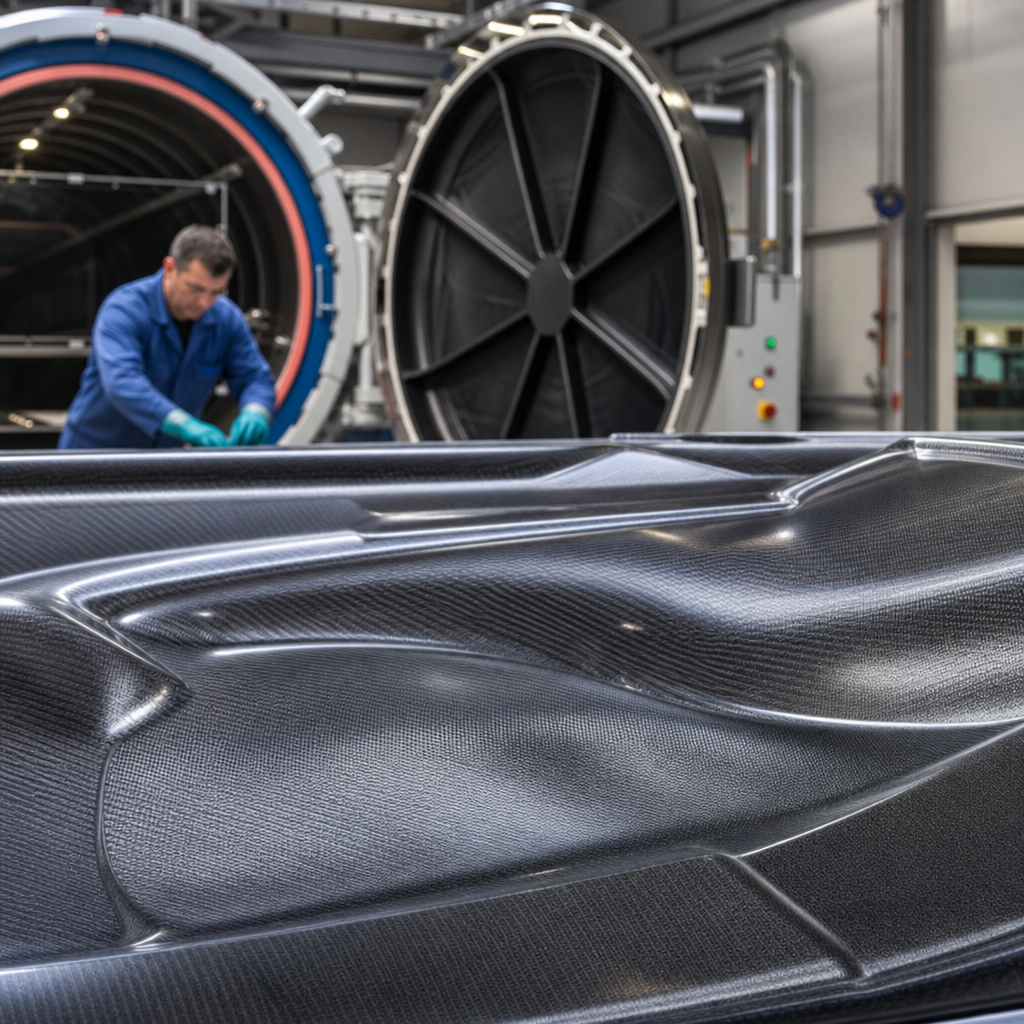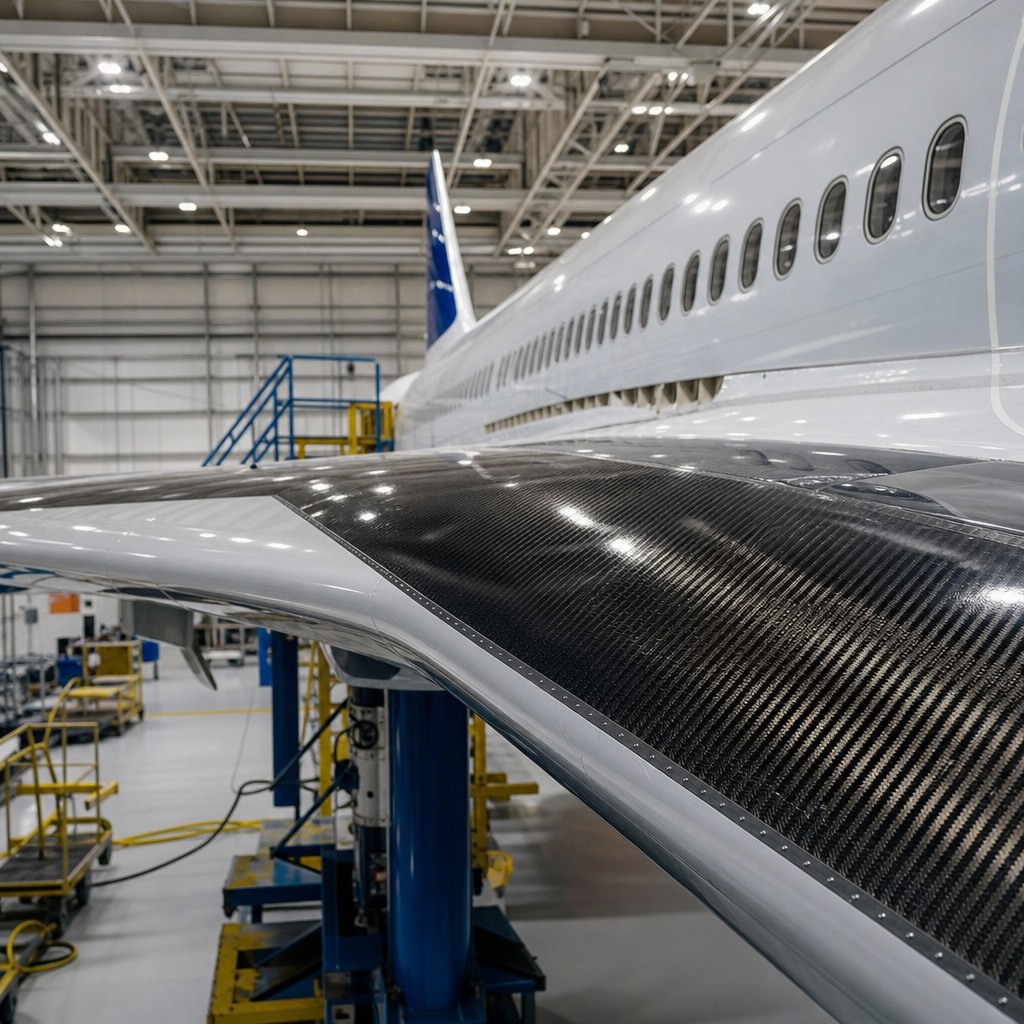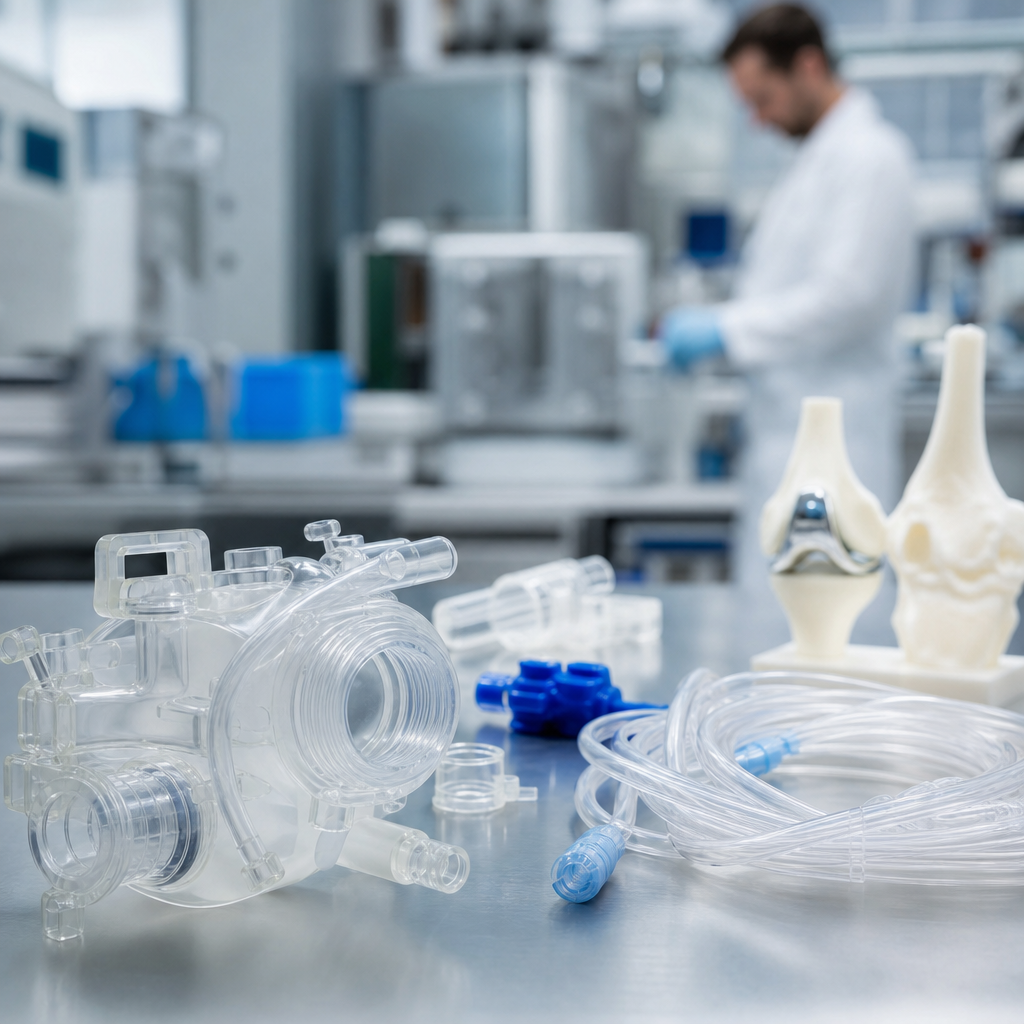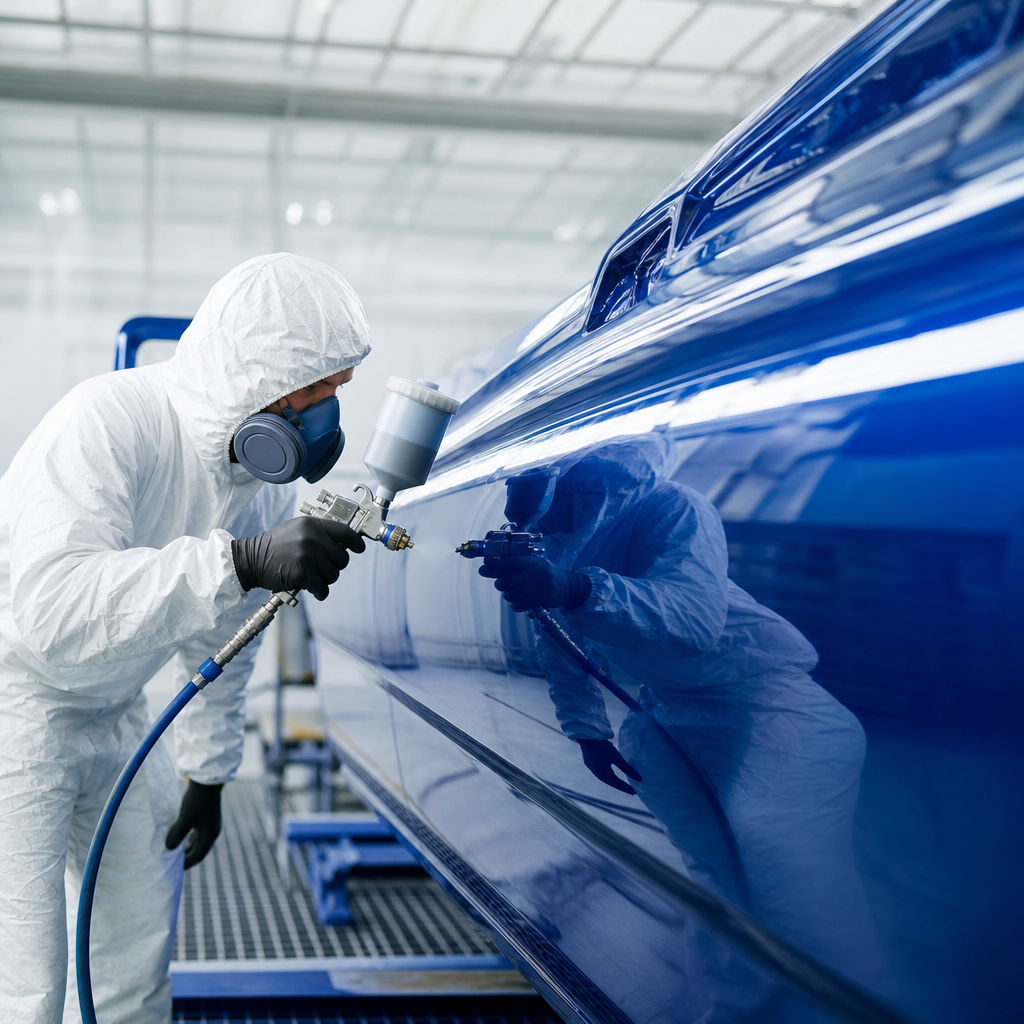
Innovations in high-performance polymer coatings are reshaping how manufacturers protect assets, extend service life, and meet stricter performance requirements across aerospace, automotive, energy, electronics, medical devices, and industrial infrastructure. High-performance polymer coatings are engineered surface layers made from advanced resin systems such as fluoropolymers, epoxies, polyurethanes, polyimides, PEEK, polysiloxanes, and hybrid chemistries designed to deliver exceptional resistance to heat, corrosion, chemicals, wear, UV exposure, fouling, or electrical stress. In practical terms, these coatings solve expensive failure modes that conventional paints and varnishes cannot reliably prevent. I have worked with coating selection teams on line upgrades and field remediation programs, and the same lesson appears repeatedly: coating performance is not a cosmetic issue; it is a reliability, maintenance, safety, and total-cost issue.
The term high-performance polymers refers to macromolecular materials with tightly controlled molecular architecture, strong thermal stability, high mechanical integrity, and specialized functionality. When formulated as coatings, they can be applied by spray, dip, powder, electrophoretic deposition, coil coating, plasma processes, or vapor-based methods, then cured into films that bond to metal, composites, glass, ceramics, or plastics. Key metrics include adhesion, hardness, elongation, coefficient of friction, dielectric strength, permeability, weatherability, and resistance to solvents, salt spray, and cyclic temperature shock. Standards from ASTM, ISO, NACE, and UL often govern how these properties are tested. This matters because a coating that survives 3,000 hours of ASTM B117 salt fog, passes ISO 12944 corrosion category requirements, or retains gloss after years of QUV exposure directly reduces downtime and replacement frequency.
Why does this topic matter now? Because operating environments are becoming harsher while regulatory and sustainability expectations are rising. Electric vehicles expose coatings to thermal cycling, dielectric demands, and aggressive battery chemicals. Renewable energy assets sit offshore or in deserts where UV, salt, abrasion, and moisture attack every exposed surface. Medical devices require biocompatible, cleanable, low-particulate coatings. Semiconductor and electronics manufacturers need thin films with precise dielectric or barrier performance at micron-scale tolerances. At the same time, manufacturers are moving away from high-VOC systems, hexavalent chromium pretreatments, and PFAS-dependent technologies where alternatives are viable. The result is a wave of innovation in resin design, nanocomposite reinforcement, smart functionality, processing methods, and lifecycle engineering.
As a hub for high-performance polymers, this article maps the major coating chemistries, explains what new developments are changing the market, and outlines how engineers should evaluate coating systems for demanding applications. The central idea is straightforward: the best coating is not the one with the longest datasheet, but the one whose chemistry, surface preparation, cure profile, and service environment are tightly matched.
Core coating chemistries and what makes them high performance
Not all polymer coatings fail for the same reason, so innovation starts with chemistry selection. Epoxy coatings remain the backbone of heavy-duty corrosion protection because they provide strong adhesion, chemical resistance, and good mechanical strength. Fusion-bonded epoxy is widely used on pipelines and reinforcing steel, while novolac epoxies are chosen for tank linings and aggressive chemical immersion. Their limitation is UV chalking and brittleness under some thermal and impact conditions, which is why epoxy primers are often topcoated with more weatherable systems.
Polyurethanes deliver excellent abrasion resistance, flexibility, and gloss retention, making them common in transportation, wind components, and exterior industrial equipment. Aliphatic polyurethane topcoats are especially valued for UV durability. Polysiloxane coatings, including epoxy-siloxane hybrids, have gained ground because they combine weatherability with reduced layer count in bridge and offshore maintenance programs. Fluoropolymers such as PTFE, FEP, PFA, ETFE, and PVDF bring outstanding chemical inertness, low surface energy, and heat resistance. In cookware, valves, semiconductor components, and architectural panels, fluoropolymer coatings provide release performance and long-term weatherability that few alternatives can match.
For extreme heat, polyimides, polyamide-imides, and silicone-based systems stand out. These chemistries are used on aerospace parts, exhaust components, nonstick industrial tooling, and electrical insulation systems where continuous temperatures can exceed the comfort zone of standard resins. PEEK and other high-performance thermoplastics are increasingly applied as powder coatings or overmold-compatible protective layers because they combine wear resistance, chemical resistance, and mechanical toughness. In electronics, parylene coatings deposited by chemical vapor deposition create highly uniform conformal films on complex geometries, protecting sensors, circuit boards, and implantable devices from moisture and contamination.
What makes these materials high performance is not just raw resistance. It is the ability to maintain functional properties over time under combined stresses: humidity plus voltage, salt plus impact damage, fuel plus temperature cycling, or sterilization plus flexing. In real projects, long-term property retention matters more than a single peak test result.
Recent innovations driving the next generation of polymer coatings
The most significant innovations in high-performance polymer coatings are happening at the formulation and interface level. Nanocomposite technology is one example. By dispersing nanoscale silica, alumina, graphene derivatives, nanoclays, or boron nitride into a polymer matrix, formulators can improve barrier properties, scratch resistance, thermal conductivity, or dielectric behavior without adding excessive thickness. The challenge, which I have seen firsthand in production trials, is dispersion quality. Poorly distributed nanoparticles can create agglomerates that reduce consistency and actually weaken film performance. The best systems use surface-treated particles and tightly controlled mixing energy.
Another major advance is self-healing and damage-responsive coatings. These systems use microcapsules, reversible bonds, or dynamic polymer networks that can repair small scratches or restore barrier integrity after minor damage. While still more common in specialty and research-led applications than commodity industrial use, the concept is moving into aerospace composites, automotive clear coats, and anticorrosion primers. The commercial value is obvious: small coating defects often become corrosion initiation points.
Low-temperature cure technology is also changing adoption patterns. Historically, many high-performance coatings required elevated temperatures that limited use on heat-sensitive substrates or complicated field application. New catalyst packages, UV-curable oligomers, moisture-cure urethanes, and dual-cure systems allow advanced performance on plastics, composites, and assembled electronics. Powder coatings based on fluoropolymers, polyesters, and specialty hybrids are improving transfer efficiency while reducing solvent emissions. For manufacturers under pressure to cut VOCs and energy consumption, process innovation is now as important as material innovation.
Functional surfaces are another high-growth area. Antimicrobial coatings for healthcare touchpoints, anti-icing coatings for wind and aerospace, conductive and electrostatic-dissipative coatings for electronics assembly, and hydrophobic or oleophobic surfaces for sensors and optical housings all build on high-performance polymer platforms. These coatings are no longer sold only as protection; they are sold as system enablers. A battery pack coating, for example, may need flame retardancy, electrical insulation, stone-chip resistance, and thermal management in a single stack.
| Coating type | Primary strengths | Common applications | Key tradeoff |
|---|---|---|---|
| Epoxy | Adhesion, corrosion resistance, chemical resistance | Pipelines, tanks, rebar, primers | Limited UV stability |
| Polyurethane | Abrasion resistance, flexibility, color retention | Vehicles, wind towers, equipment exteriors | Moisture sensitivity during cure |
| Fluoropolymer | Nonstick behavior, chemical inertness, weatherability | Valves, architectural panels, cookware, semiconductor parts | Higher cost and processing complexity |
| Polysiloxane hybrid | UV durability, long exterior life, lower coat count | Bridges, offshore structures, steel assets | Application window can be narrow |
| Parylene | Pinhole-free conformal coverage, dielectric protection | Electronics, sensors, medical devices | Specialized vacuum deposition required |
| PEEK powder coating | Wear resistance, toughness, heat and chemical resistance | Industrial components, medical tools, aerospace parts | High processing temperature |
Industry applications where coating innovation delivers measurable value
In aerospace, every gram and every maintenance interval matters. High-performance polymer coatings protect aluminum, titanium, composites, and fasteners against corrosion, hydraulic fluids, erosion, and thermal extremes. Modern aircraft coating stacks often combine conversion layers, epoxy primers, and polyurethane or fluorinated topcoats, while engine-adjacent parts use polyimide or ceramic-reinforced organic systems. The move toward more composite airframes increases demand for coatings that manage galvanic interactions and lightning-strike protection interfaces.
In automotive and electric mobility, coating requirements have broadened beyond exterior appearance. Battery housings need dielectric coatings and underbody stone-chip protection. E-motor components may require insulating varnishes and thermal-management coatings. Brake systems, fuel-system parts, and fastening hardware all benefit from polymer coatings that reduce friction or prevent corrosion. Powder coatings and UV-cure systems are growing because they support higher throughput and lower emissions. OEM approval remains strict, so successful innovation must prove compatibility with assembly temperatures, chemical exposures, and warranty expectations.
Energy infrastructure presents some of the harshest service conditions. Offshore wind towers and transition pieces face salt spray, immersion zones, abrasion, and fatigue loading. Oil and gas operators need internal and external coatings for pipelines, tanks, downhole tools, and process vessels. In these sectors, coating breakdown can trigger leaks, unscheduled shutdowns, or safety incidents, so specification discipline is essential. ISO 12944, NORSOK systems, and owner-specific standards often define coating thickness, surface prep, holiday testing, and cure verification. The most effective programs pair robust chemistry with inspection rigor.
Electronics and medical devices showcase the precision side of high-performance polymers. Conformal coatings based on acrylics, urethanes, silicones, epoxies, and parylene protect assemblies from moisture, ionic contamination, and corrosion. For implantable or wearable medical devices, coatings must also address biostability, sterilization resistance, and patient safety. A coating that performs well on a metal valve body may be completely unsuitable for a catheter component or sensor package. That is why coating innovation increasingly includes application-specific validation rather than broad generic claims.
How engineers select the right coating system
Choosing a high-performance polymer coating starts with a service-environment map. I normally break this into seven variables: substrate type, operating temperature, chemical exposure, mechanical wear, weathering, electrical requirements, and maintenance access. If a steel enclosure sits indoors with occasional cleaning, the answer may be a straightforward powder coating. If a duplex stainless valve sees chlorides, solvents, and thermal cycling, the decision tree changes fast. Good selection work identifies the dominant failure mode first, because one property almost always matters most.
Surface preparation is equally important. Even the most advanced resin will fail early on a contaminated or poorly profiled surface. Abrasive blast standards such as SSPC-SP 10 or Sa 2.5, cleanliness checks for salts and dust, and proper pretreatment on aluminum or galvanized steel all influence adhesion and long-term corrosion resistance. In electronics, plasma cleaning or controlled masking may matter more than roughness. Cure control is another common weak point. I have seen excellent coatings underperform because oven mapping was inconsistent or humidity during field cure exceeded specification limits.
Testing should mirror actual service as closely as possible. Salt fog alone is not enough. Engineers should combine cyclic corrosion, immersion, impact, abrasion, flexibility, dielectric testing, thermal shock, and UV exposure based on use case. Electrochemical impedance spectroscopy can reveal barrier degradation before visible failure appears. Differential scanning calorimetry, FTIR, and cross-section microscopy help confirm cure and detect formulation issues. When coating suppliers provide only isolated lab numbers without a full test context, that is a warning sign.
Total cost must also be calculated correctly. A lower-cost coating that requires three maintenance cycles in ten years is often more expensive than a premium system applied once. Include labor, shutdown cost, inspection, rework, environmental controls, and expected service life. This is where polymer coating innovation proves its value: not in brochure claims, but in reduced lifecycle burden.
Sustainability, regulation, and the future of high-performance polymers
Sustainability in coatings is no longer limited to VOC reduction, although low-solvent and waterborne advances remain important. The broader shift includes longer asset life, lower cure energy, safer raw materials, improved recyclability, and reduced dependence on substances under regulatory scrutiny. Fluorinated chemistries illustrate the complexity. Some fluoropolymers deliver unmatched performance and durability, yet parts of the fluorochemical supply chain face increasing pressure due to persistent compound concerns. The practical response is not simplistic substitution. It is careful application review, material stewardship, and use of alternatives where they can truly meet requirements.
Bio-based monomers, non-isocyanate polyurethane pathways, solvent-free powder systems, and smarter application controls are all gaining traction. Digital tools are helping too. Process monitoring, robotic spray systems, inline film-thickness measurement, and data-driven maintenance planning improve consistency and reduce waste. Over the next decade, I expect the strongest growth in multifunctional coatings that combine corrosion protection with thermal, electrical, or surface-energy management, especially for electrification, advanced manufacturing, and harsh-environment infrastructure.
For companies building an innovative products and solutions portfolio, high-performance polymer coatings deserve hub-level attention because they connect material science directly to uptime, compliance, and product differentiation. The key takeaways are clear. First, coating chemistry must match the actual failure mechanism, not a generic preference. Second, innovation is coming from nanocomposites, smart healing, low-energy curing, and multifunctional design. Third, application quality, surface preparation, and verification testing are just as important as resin choice. Finally, sustainability decisions require balanced engineering judgment, because durability and environmental profile must be considered together.
If you are evaluating high-performance polymers for a new product, retrofit, or reliability program, start with the service environment, then compare coating systems against measurable performance standards and lifecycle cost. That disciplined approach turns coating selection from a purchasing decision into a durable competitive advantage.
Frequently Asked Questions
What are high-performance polymer coatings, and how are they different from conventional coatings?
High-performance polymer coatings are engineered surface layers formulated from advanced resin systems to deliver protection and functionality far beyond what standard decorative or general-purpose coatings can provide. Instead of focusing only on color, gloss, or basic corrosion resistance, these coatings are designed to perform under demanding thermal, chemical, mechanical, and environmental conditions. Common chemistries include fluoropolymers, epoxies, polyurethanes, polyimides, PEEK, polysiloxanes, and hybrid systems that combine the strengths of multiple material families.
What sets them apart is their ability to solve highly specific performance challenges. Depending on the application, a high-performance polymer coating may be engineered for exceptional wear resistance, low friction, UV stability, dielectric insulation, chemical inertness, thermal management, anti-fouling behavior, or long-term resistance to corrosion and oxidation. In industries such as aerospace, automotive, energy, electronics, medical devices, and industrial infrastructure, those capabilities are essential because failure at the surface can compromise safety, efficiency, compliance, and overall asset life.
Conventional coatings often perform well in mild service environments, but they may degrade more quickly when exposed to salt spray, aggressive solvents, high temperatures, repeated sterilization, or cyclic mechanical stress. High-performance polymer coatings are specifically developed to maintain adhesion, barrier integrity, and functional performance in those harsher conditions. In practical terms, that means less downtime, lower maintenance frequency, longer component life, and more predictable performance across the full operating cycle.
What recent innovations are driving the next generation of high-performance polymer coatings?
Recent innovation in high-performance polymer coatings is being driven by a combination of materials science, process engineering, and end-use performance requirements. One major area of advancement is hybrid chemistry design, where formulators combine polymers such as epoxy and polysiloxane, or polyurethane and fluoropolymer, to balance toughness, weatherability, flexibility, and chemical resistance. These hybrid systems are helping manufacturers avoid the trade-offs that once forced them to choose one property at the expense of another.
Another important development is the use of nano-enhanced and microstructured additives. Carefully dispersed nanoparticles, ceramic reinforcements, and functional fillers can improve scratch resistance, abrasion performance, thermal stability, barrier properties, and even conductivity or insulation depending on the intended use. At the same time, advances in dispersion technology and surface modification are making it easier to achieve those benefits without sacrificing coating uniformity or processability.
Application technologies are evolving as well. Precision deposition methods, improved curing systems, and better surface preparation techniques are enabling thinner, more consistent coatings with stronger adhesion and fewer defects. In electronics and medical applications, ultra-thin high-performance coatings are especially valuable because they can provide moisture protection, dielectric performance, or biocompatible barriers without adding significant bulk or interfering with part geometry.
Sustainability is also shaping innovation. Manufacturers are increasingly developing low-VOC, solvent-free, waterborne, powder, and energy-efficient curing formulations to meet environmental regulations and corporate sustainability goals. At the same time, digital monitoring and smart manufacturing are improving quality control, allowing producers to optimize cure conditions, coating thickness, and process repeatability. Together, these innovations are expanding what polymer coatings can do while making them more scalable, efficient, and compliant with modern manufacturing expectations.
Which industries benefit most from high-performance polymer coatings, and why?
High-performance polymer coatings create value across many sectors, but the benefits are especially significant in industries where components face severe operating environments or strict regulatory demands. In aerospace, these coatings help protect lightweight substrates from corrosion, erosion, fuel exposure, UV radiation, and extreme temperature variation. Because aircraft and spacecraft systems depend heavily on reliability and weight efficiency, advanced coatings play a direct role in durability, fuel economy, and maintenance reduction.
In automotive applications, high-performance polymer coatings support the shift toward lighter materials, electrification, and longer service intervals. They are used to improve corrosion resistance on metal parts, protect battery systems and electronics, reduce friction on moving components, and maintain exterior durability under exposure to road salts, moisture, fuels, and weathering. As vehicles become more complex and more electrified, coatings are increasingly expected to deliver multiple functions at once, such as insulation, thermal stability, and chemical resistance.
The energy sector also relies heavily on advanced coatings. Oil and gas infrastructure, pipelines, offshore platforms, wind systems, and power generation equipment all operate in harsh conditions involving saltwater, abrasion, chemicals, pressure, and thermal cycling. High-performance polymer coatings help reduce degradation, prevent corrosion under insulation, improve flow efficiency, and extend maintenance intervals. In renewable energy systems, they also help protect surfaces exposed to UV radiation, moisture ingress, and long-term outdoor weathering.
Electronics and medical devices are two additional sectors where coating innovation is especially impactful. In electronics, polymer coatings can provide conformal protection against humidity, dust, corrosion, and electrical interference while preserving miniaturization. In medical devices, coatings may be selected for sterilization resistance, lubricity, chemical stability, and biocompatibility. In both fields, the coating is often not just a protective finish but an enabling technology that helps the product meet safety, performance, and lifecycle requirements.
How do manufacturers choose the right high-performance polymer coating for a specific application?
Selecting the right high-performance polymer coating starts with a clear understanding of the service environment and the primary failure modes that need to be prevented. Manufacturers first evaluate exposure conditions such as temperature range, UV intensity, humidity, chemical contact, mechanical wear, impact, pressure, and electrical demands. They also consider whether the coating needs to serve a single purpose, such as corrosion protection, or a multifunctional role that might include abrasion resistance, dielectric performance, low friction, or cleanability.
Substrate compatibility is equally important. Metals, composites, ceramics, elastomers, and engineered plastics each present different adhesion and thermal expansion considerations. A coating that performs extremely well on steel may not behave the same way on aluminum, carbon fiber, or polymer-based components. Surface preparation, pretreatment chemistry, primer requirements, and cure schedule all influence whether the final system will achieve the required bond strength and long-term stability.
Manufacturing constraints also play a major role in coating selection. Decision-makers must account for application method, cycle time, film thickness tolerance, curing temperature, line speed, repairability, and cost of ownership. For example, a high-temperature cure polyimide system may be ideal from a performance standpoint but impractical for temperature-sensitive assemblies. Likewise, a fluoropolymer may offer excellent chemical resistance and low surface energy, but it may require specialized processing that affects production economics.
The most effective selection process balances laboratory data with real-world validation. That usually means reviewing standards-based test results for corrosion, adhesion, abrasion, thermal aging, solvent resistance, and weatherability, then confirming performance through field trials or accelerated life testing. The best coating choice is not simply the one with the highest specification on paper. It is the system that meets functional requirements reliably, integrates into the manufacturing process efficiently, and delivers the strongest lifecycle value over time.
What are the biggest challenges and future opportunities in high-performance polymer coatings?
One of the biggest challenges in high-performance polymer coatings is managing complexity. End users increasingly expect one coating to deliver multiple benefits at once, such as corrosion resistance, mechanical durability, low friction, thermal stability, chemical resistance, and regulatory compliance. Achieving all of those properties in a single formulation can be difficult because improving one characteristic may weaken another. Formulators must carefully balance resin chemistry, additive package, curing behavior, and application conditions to create coatings that remain stable and manufacturable at scale.
Another challenge is the growing pressure to meet sustainability and health standards without compromising performance. Regulations related to volatile organic compounds, hazardous substances, and energy use are pushing the industry toward cleaner processes and safer chemistries. That transition creates opportunity, but it also requires intensive reformulation work, long qualification timelines, and new production investments. In highly regulated sectors such as aerospace and medical devices, even small formulation changes can trigger extensive validation requirements.
Despite those hurdles, the future opportunity is substantial. Smart and functional coatings are a particularly promising area, including systems that can self-heal minor damage, signal wear or corrosion, resist biofouling, manage heat, or respond dynamically to environmental changes. Advanced polymer architectures and additive technologies are making these capabilities increasingly realistic for commercial use. There is also growing interest in coatings tailored for electrification, lightweight composites, semiconductor protection, hydrogen infrastructure, and next-generation medical devices.
Looking ahead, the industry is likely to move toward more customized, data-driven coating solutions rather than one-size-fits-all products. As simulation tools, materials informatics, and process analytics improve, manufacturers will be able to design coating systems with greater precision for specific service conditions and substrates. That means faster development cycles, better performance predictability, and more efficient use of materials. In short, the future of high-performance polymer coatings is not just about making surfaces tougher. It is about turning surfaces into active, high-value engineering assets that support durability, efficiency, and innovation across modern manufacturing.