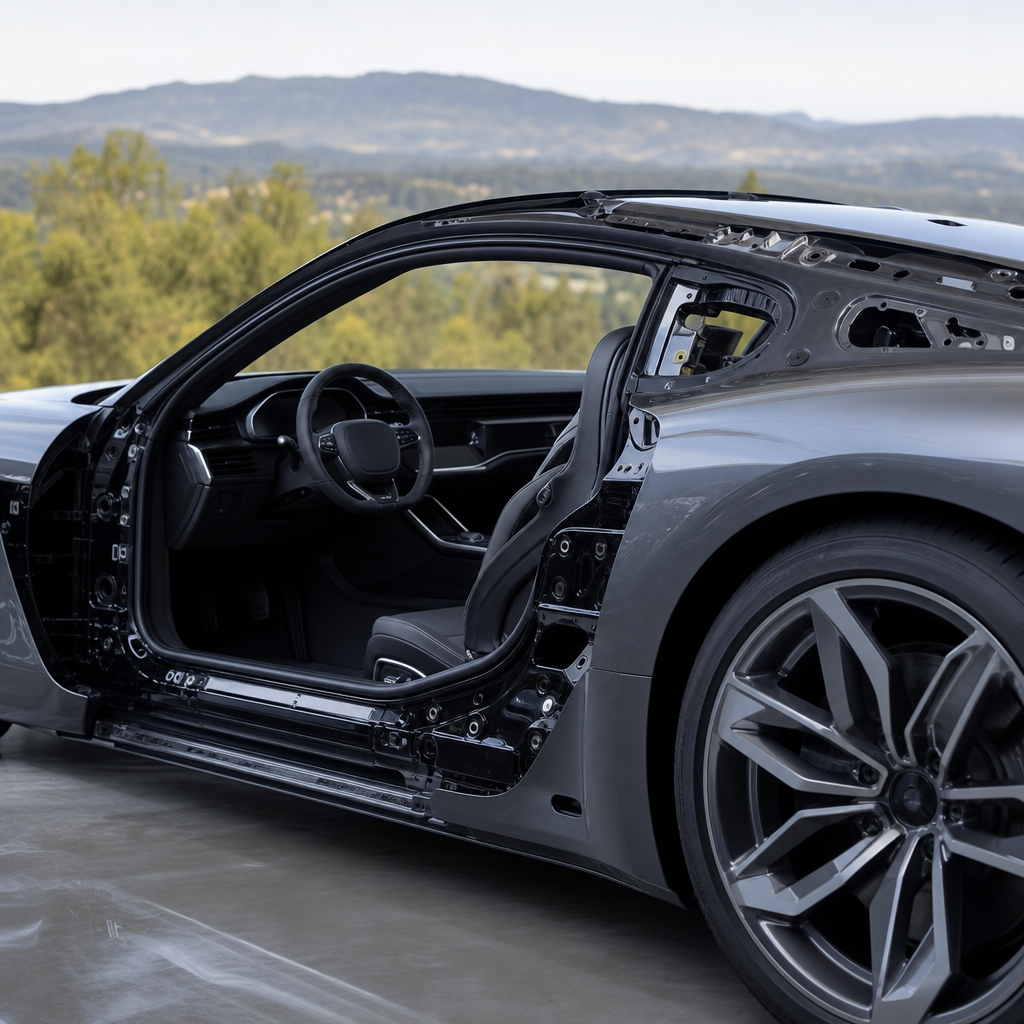
The future of polymer solutions in automotive design is being shaped by a simple engineering reality: vehicles must become lighter, safer, cleaner, smarter, and more affordable at the same time. In practice, polymers are helping manufacturers meet those competing goals better than almost any other material class. In automotive terms, polymer solutions include thermoplastics, thermosets, elastomers, fiber reinforced composites, foams, coatings, adhesives, sealants, and additive manufacturing feedstocks used to replace, protect, join, insulate, or enhance traditional metal parts. They appear in bumper fascias, battery housings, wiring insulation, interior soft touch surfaces, under hood covers, glazing alternatives, structural inserts, acoustic barriers, and radar transparent sensor covers.
I have worked with product teams evaluating material substitutions, and the pattern is consistent across programs: polymer selection is no longer a trim level decision made late in development. It is now an early platform strategy tied directly to crash performance, vehicle range, assembly speed, cost control, and sustainability targets. That shift matters because the auto industry is under pressure from emissions rules, electric vehicle adoption, software defined architectures, and consumer expectations for comfort and design freedom. A steel intensive vehicle can still succeed, but future platforms increasingly depend on smart combinations of metals and polymers.
Understanding this topic requires a few key definitions. Thermoplastics such as polypropylene, polyamide, polycarbonate, ABS, and PBT can be melted and remolded, which makes them suitable for high volume injection molding and, in some cases, recycling. Thermosets such as epoxy and polyurethane cure into permanent networks, offering dimensional stability and heat resistance but creating more difficult end of life pathways. Elastomers provide flexibility and sealing performance. Composites combine a polymer matrix with glass or carbon fibers to improve stiffness and strength. When engineers talk about polymer solutions, they are not discussing one material but an integrated toolbox.
This hub article explains how that toolbox is evolving, where it is creating the most value, and which innovations are likely to define the next generation of vehicle design.
Why polymers are becoming central to automotive platforms
Automakers use polymers because they solve multiple engineering problems at once. The most obvious advantage is mass reduction. Replacing metal with plastic or composite components can lower part weight substantially, and every kilogram removed can support lower energy consumption or extended electric driving range. The exact benefit varies by vehicle architecture, but lightweighting remains one of the most persistent business cases for polymer adoption.
Weight is only part of the story. Polymers also support part integration, allowing several brackets, ducts, clips, and channels to be molded into a single component. I have seen a front end module redesign eliminate fasteners, reduce assembly stations, and improve dimensional repeatability simply by moving from a multi piece stamped assembly to a glass fiber reinforced thermoplastic carrier. That kind of consolidation reduces tooling complexity upstream and warranty risk downstream.
Design freedom is another major driver. Complex curves, hidden attachment features, overmolded inserts, living hinges, textured Class A surfaces, and transparent or translucent effects are much easier to achieve with polymers than with formed metal. This enables distinctive styling while preserving manufacturability at scale. It also helps cabin designers manage touch points, noise damping, and thermal comfort in ways consumers notice immediately.
Modern vehicle platforms are also packed with electronics, and polymers play a supporting role that is often overlooked. Connector housings, wire coatings, battery module spacers, high voltage busbar insulation, thermal interface materials, and sensor encapsulants all rely on carefully specified polymer chemistries. As advanced driver assistance systems and infotainment architectures grow more complex, polymer performance requirements become more exacting.
Key innovations in polymer solutions and where they are used
Current innovation is not about replacing all metal with plastic. It is about matching the right polymer system to the right function and then engineering around performance limits. Several material families are leading this shift.
High performance thermoplastics are expanding under hood and electrified powertrain use. Polyamides, PPA, PPS, and PEEK can tolerate higher temperatures, aggressive fluids, and long service life while maintaining dimensional stability. These materials appear in coolant components, electrical connectors, pump housings, and e-motor support parts where conventional commodity plastics would creep or degrade.
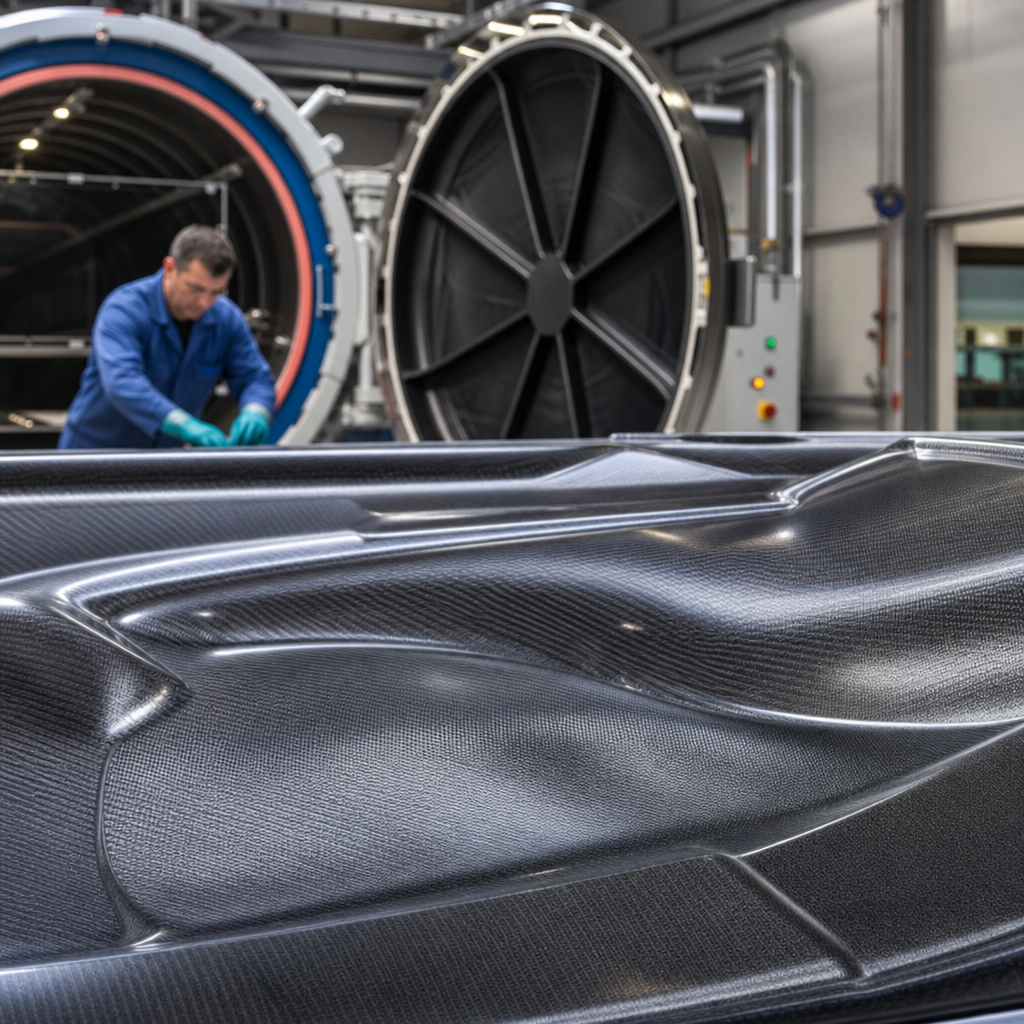
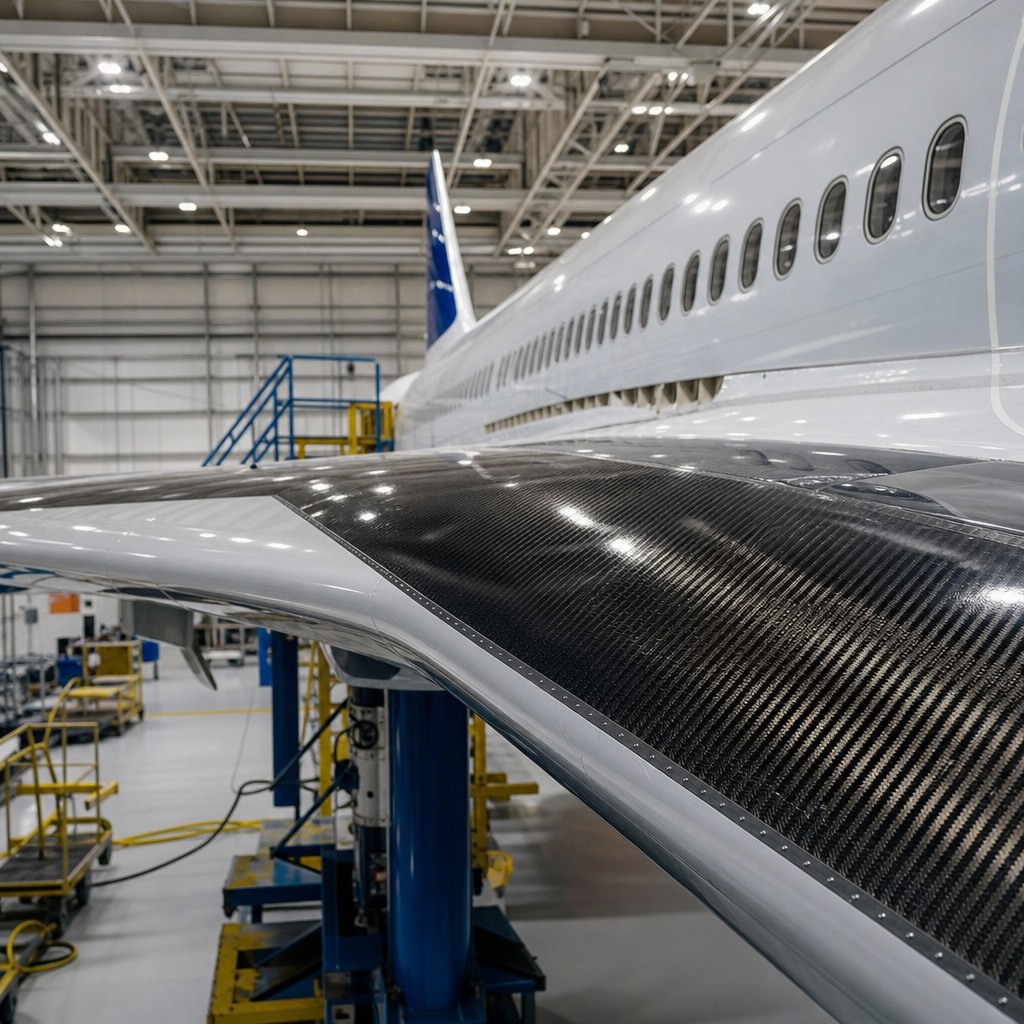
Long fiber reinforced thermoplastics and sheet molding compounds are pushing into semi structural and structural applications. Glass fiber reinforced polypropylene and polyamide are used in front end carriers, seat structures, and load floors. Carbon fiber composites remain more expensive, but they deliver excellent specific stiffness in performance vehicles, selective closures, and battery protection structures. As processing improves, especially with compression molding and hybrid overmolding, composites are moving from niche to targeted mainstream use.
Polyurethane systems continue to evolve beyond seating foam. Reaction injection molded polyurethane, structural foams, and energy absorbing pads support impact management, NVH control, and lightweight encapsulation. Expanded polypropylene and expanded thermoplastic polyurethane are increasingly important in crash management and reusable protective inserts because they combine resilience with low density.
Adhesives and sealants are one of the most consequential polymer categories in modern assembly. Structural adhesives allow mixed material body construction by joining metals, composites, and plastics while distributing loads more evenly than spot welds alone. Battery packs depend on gap fillers, potting compounds, fire resistant sealants, and thermal runaway barriers, many of which are highly specialized silicone, epoxy, or polyurethane formulations. In practice, joining chemistry is now as strategic as substrate chemistry.
| Polymer solution | Typical automotive applications | Main design benefit | Key limitation |
|---|---|---|---|
| Polypropylene and talc filled PP | Interior trim, bumper systems, battery covers | Low cost, low density, good moldability | Lower heat resistance than engineering resins |
| Glass fiber reinforced polyamide | Front end modules, brackets, under hood parts | Higher stiffness and thermal performance | Moisture sensitivity can affect dimensions |
| Polycarbonate blends | Glazing, lighting, displays, interior components | Optical quality and impact resistance | Scratch resistance often needs coatings |
| Carbon fiber composites | Roof panels, performance structures, battery protection | Exceptional strength to weight ratio | High material and processing cost |
| Structural adhesives | Body assembly, battery packs, mixed material joints | Load distribution and design flexibility | Cure time and repair complexity |
Electric vehicles are accelerating polymer adoption
Electric vehicles have changed the material conversation because they intensify the need for lightweighting, thermal management, electrical insulation, and fire performance. Battery systems in particular have created demand for polymer innovation at every level, from cell holders to pack covers. Engineers need materials that resist dielectric breakdown, survive vibration, manage heat, and meet flame standards without adding unnecessary mass.
One of the most important trends is the rise of polymer based battery enclosures and hybrid housings. Aluminum still dominates many battery structures, but reinforced thermoplastics and thermoset composites are gaining ground in covers, trays, and underbody shields. These solutions can integrate mounting points, cooling channels, and protective ribs in a single part. Some programs use sandwich structures that combine metal skins with polymer cores to balance stiffness, impact resistance, and weight.
Thermal management is another active frontier. Electric powertrains depend on precise temperature control, and polymers are being formulated for coolant exposure, thermal conductivity, and electrical isolation. Traditionally, many plastics were thermal insulators only. Today, suppliers offer thermally conductive but electrically insulating compounds for housings, module interfaces, and heat spreading functions. That capability is especially useful around power electronics, onboard chargers, and battery module components.
Sensor integration also matters more in EVs and software rich vehicles. Radar transparent fascias, lidar housings, camera brackets, and antenna covers often rely on polymers tuned for electromagnetic performance and dimensional precision. In development work, small changes in resin, pigment, wall thickness, or filler content can affect signal transmission. That means material engineering is now influencing autonomous function, not just appearance or weight.
Manufacturing, validation, and real world tradeoffs
The future of polymer solutions depends as much on processing as on chemistry. Injection molding remains the workhorse for high volume parts, but it is being enhanced through gas assist molding, microcellular foaming, in mold decoration, overmolding, insert molding, and multi material molding. These methods increase function density and reduce downstream operations. Compression molding and resin transfer molding remain important for larger composite parts, while thermoplastic tape placement and organosheet forming are opening new options for structural reinforcements.
Additive manufacturing also has a growing role, though mainly in tooling, prototyping, low volume parts, fixtures, and service components rather than mass production of major structural pieces. Automotive teams use polymer based 3D printing to shorten validation cycles, test package space, and iterate ducting or bracket concepts before committing to hard tooling. The technology is valuable because it compresses decision time, even when the final production material differs.
Validation is where optimistic material substitution either succeeds or fails. Automotive polymers must meet requirements for impact, creep, fatigue, chemical exposure, UV stability, fogging, odor, thermal aging, abrasion, weathering, flammability, and dimensional consistency. Industry standards from organizations such as SAE International, ISO, UL, and OEM specific specifications guide these tests. A resin that performs well in a lab coupon can still fail in an assembled system if weld lines, knit lines, moisture uptake, or anisotropic fiber orientation are not controlled.
Tradeoffs are unavoidable. Lightweight polymers may expand more than metals with temperature changes. Composites can deliver stiffness but complicate repair. Recycled content can support sustainability goals but may narrow processing windows. Flame retardant additives can improve safety while affecting toughness or surface finish. The best teams address these issues early through simulation, material cards, mold flow analysis, accelerated aging, and close collaboration between design, manufacturing, and supplier quality groups.
Sustainability, regulation, and the next competitive edge
Sustainability is moving polymer strategy beyond lightweighting alone. Regulators, investors, and customers now want lower life cycle emissions, better recyclability, reduced volatile organic compounds, and more transparent supply chains. That pressure is changing what counts as an advanced automotive polymer solution.
Recycled and bio based content are growing quickly, especially in interior applications, underbody shields, wheel liners, and nonvisible structural carriers. Post consumer recycled polypropylene, chemically recycled polyamide, natural fiber composites, and mass balance certified feedstocks are increasingly common in procurement discussions. The most credible programs do not treat recycled content as a marketing label. They validate odor, color consistency, impact performance, and long term durability before release.
Design for disassembly is also becoming more important. Mixed material assemblies joined permanently with incompatible adhesives or coatings can create end of life problems, even if they perform well in service. Forward looking OEMs and suppliers are therefore exploring mono material concepts, detachable fastener strategies, digital material passports, and better sortability in dismantling streams. Europe is especially influential here, as extended producer responsibility and circular economy policies continue to shape vehicle material decisions.
Looking ahead, the winning polymer innovations will be the ones that combine manufacturability, regulatory compliance, and system level value. Expect more multifunctional materials, including self reinforcing thermoplastics, flame resistant battery polymers, low dielectric sensor compatible resins, and surface engineered plastics that replace paint or secondary finishing. Expect more simulation led design and AI assisted materials screening, but also more scrutiny of claims. In automotive development, a polymer solution is only future ready when it survives cost review, plant reality, safety validation, and end of life assessment.
For design leaders, the main lesson is clear: polymers are no longer secondary materials used only for trims and covers. They are central enablers of lightweight construction, electrification, sensor integration, manufacturing efficiency, and circular design. The future of polymer solutions in automotive design will belong to teams that understand materials at the system level, qualify them rigorously, and use them where they create measurable engineering advantage. Use this hub as your starting point, then map each component category, joining method, and sustainability target against the polymer options most likely to deliver durable competitive value.
Frequently Asked Questions
1. Why are polymer solutions becoming so important in the future of automotive design?
Polymer solutions are becoming central to automotive design because they help solve several major engineering challenges at once. Modern vehicles must reduce weight to improve energy efficiency, extend electric vehicle range, and lower emissions, but they also need to maintain or improve safety, durability, comfort, manufacturability, and cost control. Polymers are uniquely well suited to this balancing act. Compared with many traditional materials, they can deliver significant weight reduction while still offering strong mechanical performance, corrosion resistance, design flexibility, and compatibility with high-volume manufacturing.
Another reason polymers are gaining importance is that vehicle design itself is changing. Automakers are integrating more electronics, sensors, battery systems, aerodynamic components, and complex interior features into vehicles than ever before. Materials now need to do more than simply provide structure. They may need to manage heat, insulate electrically, dampen noise and vibration, resist chemicals, improve aesthetics, and support intricate part geometries. Thermoplastics, thermosets, elastomers, reinforced composites, foams, coatings, adhesives, and sealants can all be engineered for these multifunctional roles.
Polymers also support production efficiency. Many polymer parts can be molded into complex shapes with fewer assembly steps, which can reduce part count, shorten manufacturing time, and lower overall system cost. In some cases, a single molded polymer component can replace multiple metal parts and fasteners. That kind of integration is especially valuable as automakers seek scalable ways to produce both conventional and electric vehicles. In short, the future of polymer solutions in automotive design is tied to their ability to help manufacturers build lighter, smarter, safer, and more economical vehicles without forcing a compromise in performance.
2. How do polymer materials help make vehicles lighter without sacrificing safety?
Weight reduction is one of the most important advantages polymers bring to automotive design, but the real value lies in how that weight is reduced intelligently. Many polymer-based materials have a much lower density than steel and can often replace heavier components in interior systems, exterior panels, under-the-hood parts, fluid handling systems, seating, insulation, and selected structural applications. That lower mass directly supports better fuel economy in internal combustion vehicles and improved battery efficiency and driving range in electric vehicles.
Safety, however, is not simply about using the strongest possible material in every location. It is about using the right material in the right place for crash management, occupant protection, and system reliability. Advanced polymer solutions can be engineered to absorb impact energy, manage deformation, reduce brittle failure, and protect passengers in ways that complement metals and other materials. Fiber reinforced composites, for example, can provide high specific strength and stiffness, while elastomers and foams contribute to cushioning, sealing, and vibration reduction. In impact systems, interior trim, and pedestrian safety applications, polymers can be designed to behave predictably under load.
Automotive safety also depends on durability over time. Polymers used in vehicles are formulated to withstand heat cycles, moisture, chemicals, UV exposure, and mechanical stress. When properly selected and validated, they can maintain performance over long service lives. In addition, adhesives and sealants improve safety by enhancing body stiffness, supporting crash performance, and protecting sensitive systems from water and contaminant intrusion. So while polymers do reduce weight, their future role is much broader: they help engineers optimize the full safety-performance package rather than simply replacing mass with less mass.
3. What types of polymer solutions are likely to shape next-generation electric and smart vehicles?
Next-generation electric and smart vehicles will rely on a wide spectrum of polymer solutions because these vehicles demand materials that can perform across mechanical, thermal, electrical, and digital functions simultaneously. In electric vehicles, polymers are especially important in battery pack housings, cell spacers, busbar insulation, connectors, cable coatings, thermal interface materials, sealants, flame-retardant barriers, and lightweight structural components. These applications require carefully engineered materials that can provide electrical insulation, thermal management, chemical resistance, dimensional stability, and fire performance.
Thermoplastics are expected to play a major role because they are versatile, lightweight, and efficient to process. They can be used in housings, interior modules, air management systems, and electronic enclosures. Thermosets and high-performance composites will continue expanding in areas where heat resistance, structural rigidity, and long-term stability are critical. Elastomers will remain essential for seals, gaskets, hoses, vibration isolation, and weatherproofing, especially as electric powertrains introduce different thermal and acoustic demands than combustion engines. Foams will also gain importance in acoustic insulation, energy absorption, and occupant comfort.
For smart vehicles, polymers support the integration of sensors, displays, radar-transparent panels, lighting systems, wire protection, and advanced human-machine interfaces. As vehicles become more connected and autonomous, material requirements are evolving beyond strength and appearance. Components may need to enable signal transmission, protect electronics, support miniaturization, and allow more seamless part integration. Additive manufacturing feed materials are also likely to grow in importance for prototyping, tooling, custom components, and eventually selected end-use parts. Altogether, polymer solutions are not just enabling electric and smart vehicles to exist; they are helping define how these vehicles are packaged, protected, and manufactured.
4. Are polymer solutions sustainable enough for the future of automotive manufacturing?
Sustainability is one of the biggest questions surrounding polymer use in the automotive sector, and the answer is increasingly yes, provided materials are selected and managed responsibly. One of the strongest sustainability benefits of polymers comes from lightweighting. Reducing vehicle mass can lower energy consumption during use, which often creates substantial environmental gains over a vehicle’s lifetime. In electric vehicles, lighter components can improve range and reduce the energy required per mile. In conventional vehicles, the same principle contributes to lower fuel consumption and emissions.
Beyond use-phase benefits, the polymer industry is advancing in several important sustainability areas. Recyclable thermoplastics, bio-based polymers, recycled content compounds, and lower-emission manufacturing processes are all becoming more relevant in automotive applications. Design for disassembly and material recovery is receiving more attention as automakers pursue circular economy goals. At the same time, manufacturers are improving how polymers are compounded and processed to reduce waste, energy use, and volatile emissions. Adhesives, coatings, and sealants are also evolving to support cleaner production methods and longer service life.
That said, sustainability is not automatic. Not every polymer solution is equally recyclable, and complex multi-material systems can create end-of-life challenges. The future of sustainable automotive polymers will depend on better material tracing, smarter part design, improved sorting and recovery infrastructure, and more collaboration across the supply chain. The most promising path is not simply replacing one material with another, but optimizing the full lifecycle of each component. When polymers are chosen for durability, efficiency, resource reduction, and realistic end-of-life strategies, they can play a highly credible role in more sustainable automotive manufacturing.
5. How will polymer innovations change the way cars are designed and manufactured in the coming years?
Polymer innovations are likely to change both vehicle architecture and production strategy in meaningful ways. On the design side, polymers give engineers greater freedom to create complex geometries, consolidate parts, integrate multiple functions into a single component, and tailor material properties to specific performance needs. This means future vehicles may use fewer individual parts, more modular systems, and more application-specific components that combine structural, thermal, acoustic, sealing, and aesthetic roles. That kind of integration can improve efficiency while also opening new possibilities in styling, packaging, and user experience.
From a manufacturing standpoint, polymers support fast, scalable production methods such as injection molding, overmolding, reaction processes, composite layup systems, and additive manufacturing. These methods can reduce tooling complexity in some applications, shorten assembly sequences, and improve repeatability for high-volume production. Adhesives and sealants are also changing assembly lines by enabling multi-material joining strategies that support lighter and more sophisticated vehicle bodies. As automakers combine metals, composites, and engineered plastics in the same platform, polymer-compatible joining and surface technologies will become even more important.
In the longer term, innovation will likely focus on smarter material systems rather than just lighter ones. Engineers are developing polymers with improved thermal conductivity, flame resistance, electromagnetic compatibility, self-healing potential, enhanced recyclability, and better performance in demanding battery and electronic environments. Digital engineering tools are also making it easier to simulate polymer behavior early in development, helping manufacturers select materials more precisely and reduce trial-and-error. The result is that polymer solutions will increasingly influence how vehicles are conceived from the start, not merely how individual parts are substituted later. That shift will make polymers a defining part of future automotive design rather than a secondary material choice.