Polymers have become foundational to advanced manufacturing because they combine tunable chemistry, scalable processing, and performance profiles that metals, ceramics, and glass often cannot match at comparable cost. In practical terms, a polymer is a large molecule built from repeating units, while advanced manufacturing refers to production methods that integrate high precision, digital control, novel materials, and continuous process improvement. When these two domains meet, the result is faster product development, lighter components, better thermal and electrical management, and more efficient fabrication across aerospace, medical devices, electronics, energy, packaging, and automotive systems.
I have seen this shift firsthand in factories moving from conventional machined parts to injection molded, extruded, thermoformed, and additively manufactured polymer components. Teams rarely adopt polymers simply because they are cheaper. They adopt them because a well-selected polymer can reduce assembly steps, consolidate multiple parts into one geometry, improve corrosion resistance, support cleanroom production, or enable a property that was previously difficult to achieve, such as optical clarity with impact resistance or flame retardancy with low weight. That practical flexibility is why innovations in polymer solutions now sit at the center of modern product strategy.
This topic matters because manufacturing performance increasingly depends on materials engineering. Designers need polymers that survive sterilization, exposure to fuels, UV radiation, abrasion, and repeated loading. Production engineers need materials that flow predictably in molds, bond reliably in overmolding operations, and maintain dimensional stability within tight tolerances. Sustainability leaders need recyclable, bio-based, or mass-balanced options that reduce lifecycle impact without compromising throughput. In this hub article, the impact of polymers on advanced manufacturing processes is explored through material classes, processing methods, digital workflows, sector applications, and the next wave of innovations shaping polymer solutions.
Why polymers are central to advanced manufacturing
Polymers are central to advanced manufacturing because they offer a rare combination of design freedom and process compatibility. Commodity materials such as polyethylene and polypropylene serve high-volume applications, while engineering polymers such as polyamide, polycarbonate, PEEK, PPS, and PEI address demanding thermal, mechanical, and chemical environments. Thermoplastics can be melted and reprocessed, thermosets provide crosslinked stability, and elastomers deliver flexibility and sealing performance. This breadth allows manufacturers to tailor materials to both the application and the process rather than forcing a design into the limits of a single material family.
One of the biggest manufacturing advantages is part consolidation. A molded polymer housing can integrate clips, living hinges, bosses, seals, and cable routing into one part that would require multiple stamped or machined metal components. In an automotive interior assembly, that can lower tool count, reduce fasteners, cut labor, and improve noise damping. In medical devices, polymer housings can integrate transparent windows, snap fits, and sterilization-resistant surfaces while maintaining traceability requirements under ISO 13485 controls. This is not a marginal improvement; it changes cost structure, assembly quality, and time to market.
Polymers also support advanced functionality. Conductive compounds can dissipate static in electronics manufacturing. Liquid crystal polymers perform well in miniature connectors because of low warpage and strong flow in thin walls. High-temperature fluoropolymers protect wire insulation in harsh environments. Fiber-reinforced thermoplastics improve stiffness-to-weight ratios, especially in aerospace brackets and mobility applications. The key point is that polymers are no longer viewed as substitutes for traditional materials. They are enabling materials that make advanced manufacturing systems faster, more precise, and more adaptable.
Core processing technologies driving polymer innovation
Processing technology determines whether a polymer solution succeeds in production. Injection molding remains the dominant route for high-volume precision parts because it can deliver repeatability, short cycle times, and complex geometries. Modern electric molding machines, cavity pressure sensors, and scientific molding methods have improved process control significantly. By tracking fill time, hold pressure, gate freeze, and cooling behavior, manufacturers can reduce scrap and maintain Cp and Cpk targets on critical dimensions. For products such as drug delivery devices or electronic connectors, that level of consistency is essential.
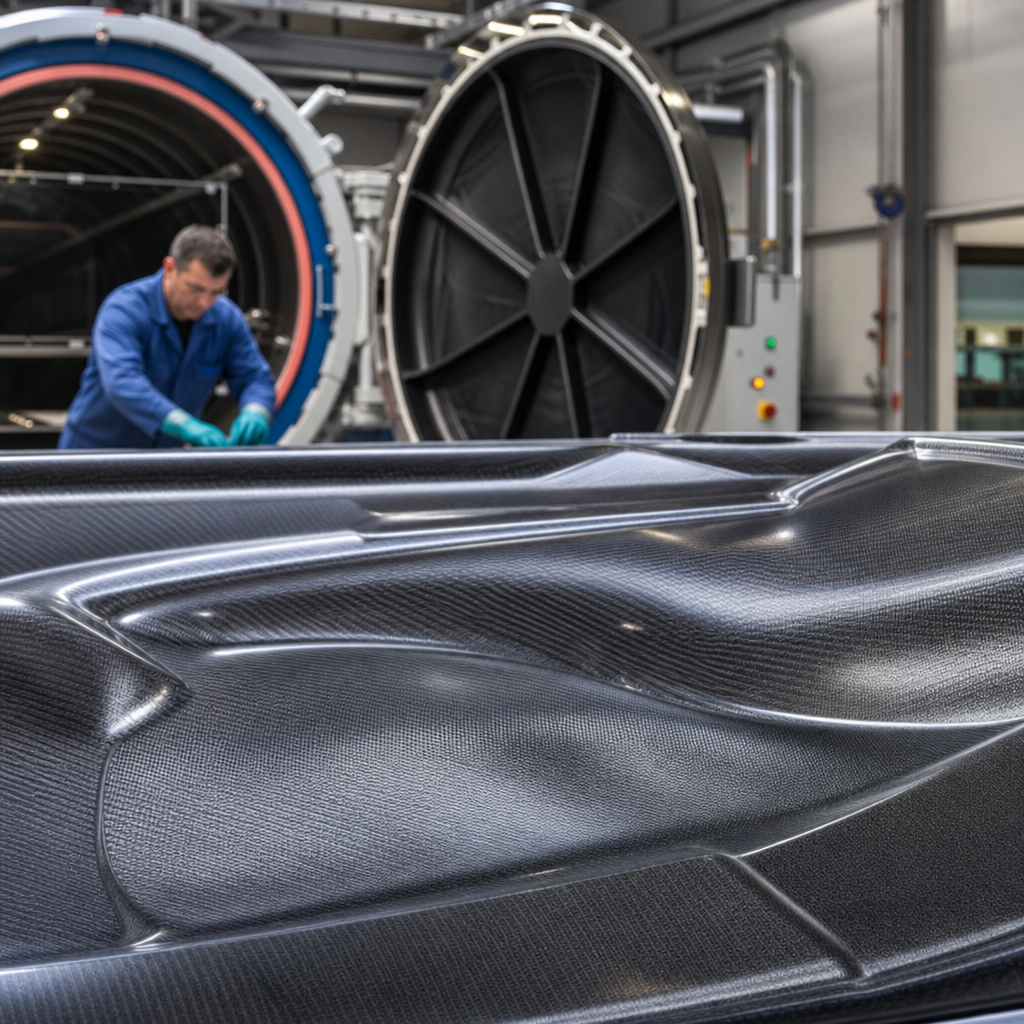
Extrusion, blow molding, thermoforming, rotational molding, compression molding, pultrusion, and resin transfer molding each play distinct roles. Extrusion supports tubing, films, sheets, and profiles used in packaging, construction, and medical systems. Blow molding enables hollow containers and ducts. Thermoforming remains effective for large, thin-wall parts with lower tooling cost than injection molding. Composite-oriented methods such as resin transfer molding and pultrusion are especially important when polymer matrices are paired with glass or carbon fibers for structural applications. The most successful manufacturers choose the process based on required geometry, annual volume, tolerance, resin behavior, and downstream assembly needs.
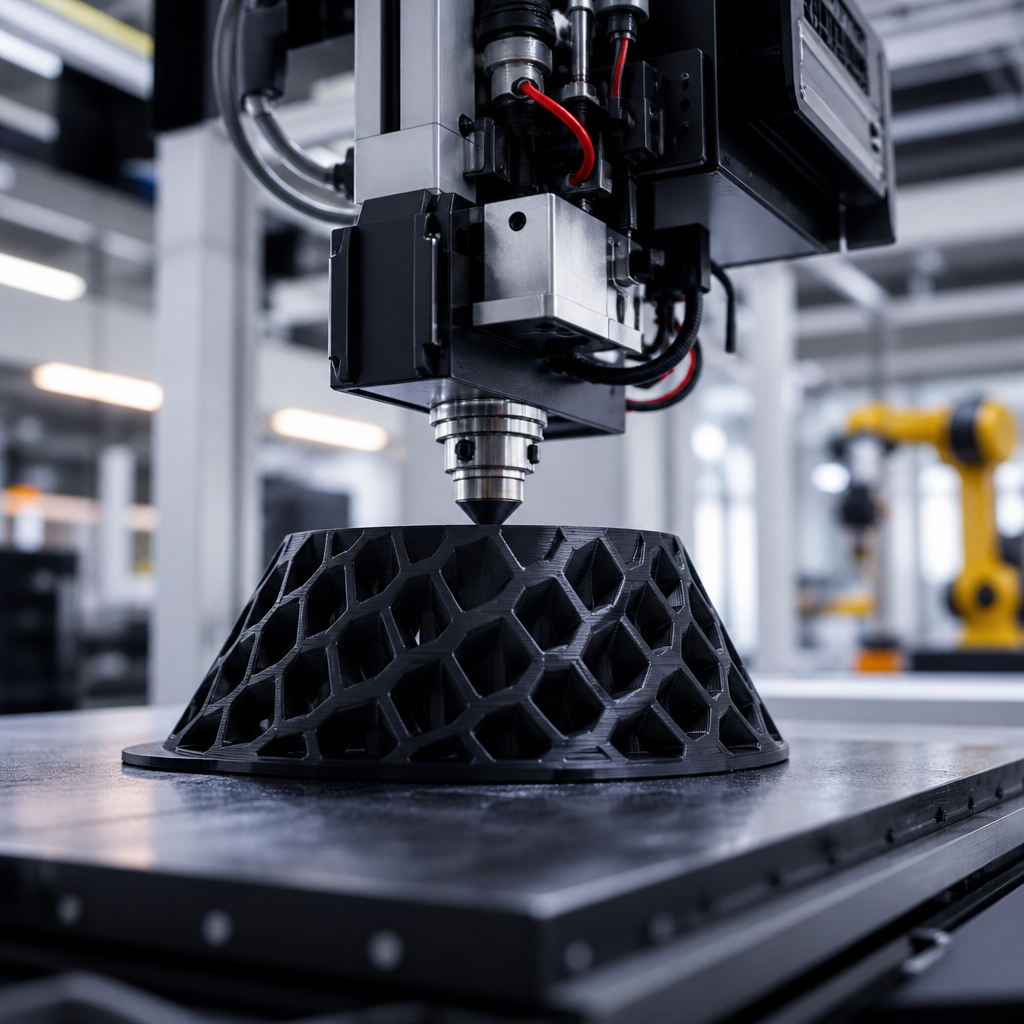
Additive manufacturing has expanded polymer innovation even further. Fused filament fabrication, selective laser sintering, stereolithography, material jetting, and high-temperature extrusion systems now support production-grade prototyping and, in selected cases, end-use parts. Nylon 12 powder in laser sintering is widely used for lightweight ducting and customized enclosures. ULTEM in aerospace additive systems offers flame, smoke, and toxicity performance valued in cabin interiors. The strength of additive is not that it replaces molding in every case. Its strength lies in fast iteration, low-volume customization, spare part strategies, and geometries impossible to tool economically.
How material science improves performance, precision, and durability
Material science is where innovations in polymer solutions become commercially meaningful. Base resins are rarely used alone in advanced manufacturing. They are compounded with glass fiber, carbon fiber, mineral fillers, impact modifiers, flame retardants, UV stabilizers, lubricants, antistatic agents, colorants, and processing aids. These additives alter modulus, shrinkage, thermal conductivity, tribology, dielectric behavior, and weatherability. A nylon compound filled with 30 percent glass fiber will process and perform very differently from unfilled nylon, especially in stiffness, creep resistance, and moisture response.
Precision depends heavily on understanding polymer behavior over time and temperature. Unlike many metals, polymers can exhibit viscoelasticity, anisotropy, and nonlinear shrinkage. That means mold design, gate location, cooling channel layout, and fiber orientation all influence final dimensions. In one electronics enclosure program I worked on, warpage was reduced not by changing the mold steel first, but by shifting from a standard polycarbonate blend to a lower-shrink, mineral-reinforced grade and rebalancing gate flow. The lesson was simple: robust polymer manufacturing starts with matching rheology and end-use conditions to the process window.
Durability is equally nuanced. Chemical resistance charts are useful, but they do not replace application-specific testing. Stress cracking can occur when a polymer that seems chemically compatible meets residual stress, cleaning agents, and cyclic loading. Hydrolysis can affect polyester materials in humid heat. Repeated steam sterilization can embrittle some transparent polymers while others, such as PPSU, hold up well. Manufacturers that succeed with advanced polymer solutions validate through accelerated aging, thermal cycling, mechanical testing, and regulatory standards rather than relying on generic data sheets alone.
Digital manufacturing, automation, and quality control
Advanced manufacturing is increasingly digital, and polymer processing benefits directly from that shift. Simulation tools such as Autodesk Moldflow, Moldex3D, and Sigmasoft help engineers predict fill patterns, weld lines, sink, air traps, cooling performance, and fiber orientation before tooling is cut. In extrusion and film lines, inline measurement systems monitor thickness, width, and gauge variation in real time. Machine connectivity through MES and SCADA platforms allows supervisors to correlate process settings with quality outcomes and trace lot history for regulated sectors.
Automation is especially valuable because polymers are sensitive to variation in drying, handling, and temperature control. Hygroscopic materials such as nylon, PET, and TPU require moisture management to avoid hydrolytic degradation or cosmetic defects. Robotic part removal reduces inconsistency and prevents deformation of hot parts. Closed-loop hot runner control, gravimetric blending, and automated vision inspection help maintain consistency across shifts and across plants. For multi-cavity tools producing millions of parts, small improvements in process capability can prevent expensive quality escapes.
| Manufacturing goal | Polymer-focused solution | Typical example |
|---|---|---|
| Reduce weight | Glass-filled thermoplastics or foamed structural parts | Automotive front-end modules |
| Improve customization | Additive manufacturing with nylon or photopolymer resins | Patient-specific surgical guides |
| Increase throughput | Scientific molding and automated handling | High-volume medical closures |
| Boost durability | High-performance polymers with stabilizer packages | Aerospace cable clamps |
| Enhance traceability | Digital process monitoring and serialized production data | Regulated diagnostic components |
Quality control has also become more sophisticated. Coordinate measuring machines, optical scanners, DSC, TGA, FTIR, rheometers, and microsection analysis are routinely used to verify polymer composition and process integrity. In my experience, the best operations do not treat quality as an inspection department at the end of the line. They build a control plan around resin certification, incoming moisture checks, setup validation, first-article approval, in-process monitoring, and periodic destructive testing. That integrated approach is what turns polymer innovation into dependable manufacturing performance.
Industry applications shaping the polymer solutions landscape
Different sectors push polymer innovation in different directions, which is why this subtopic functions best as a hub. In automotive and mobility, the pressure centers on lightweighting, electrification, interior aesthetics, and cost-effective scale. Battery systems use polymers for cell spacers, busbar insulation, thermal barriers, connector bodies, and cooling components. Under-hood applications increasingly rely on polyphthalamide, PPS, and fluoropolymers that tolerate heat and chemicals better than older materials. Electric vehicles also amplify demand for flame-retardant and dielectric polymer systems with stable long-term performance.
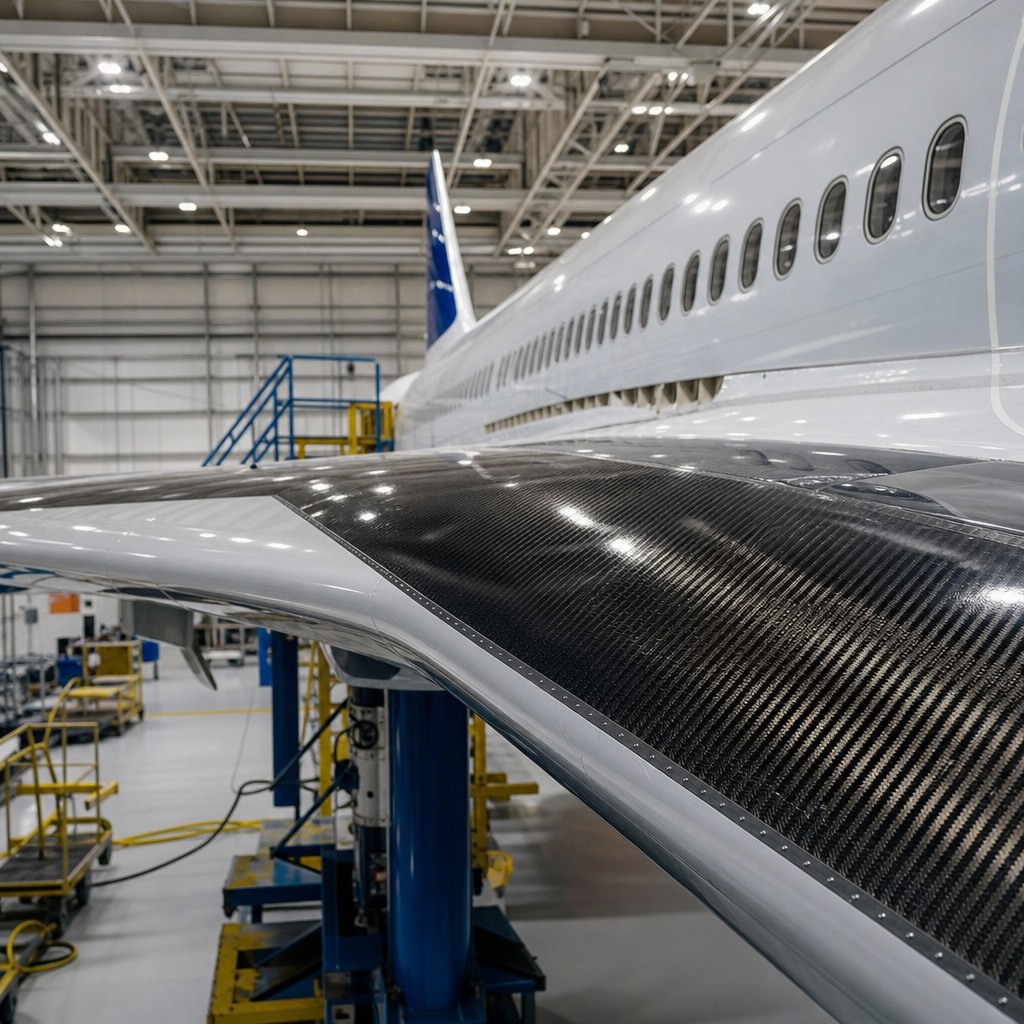
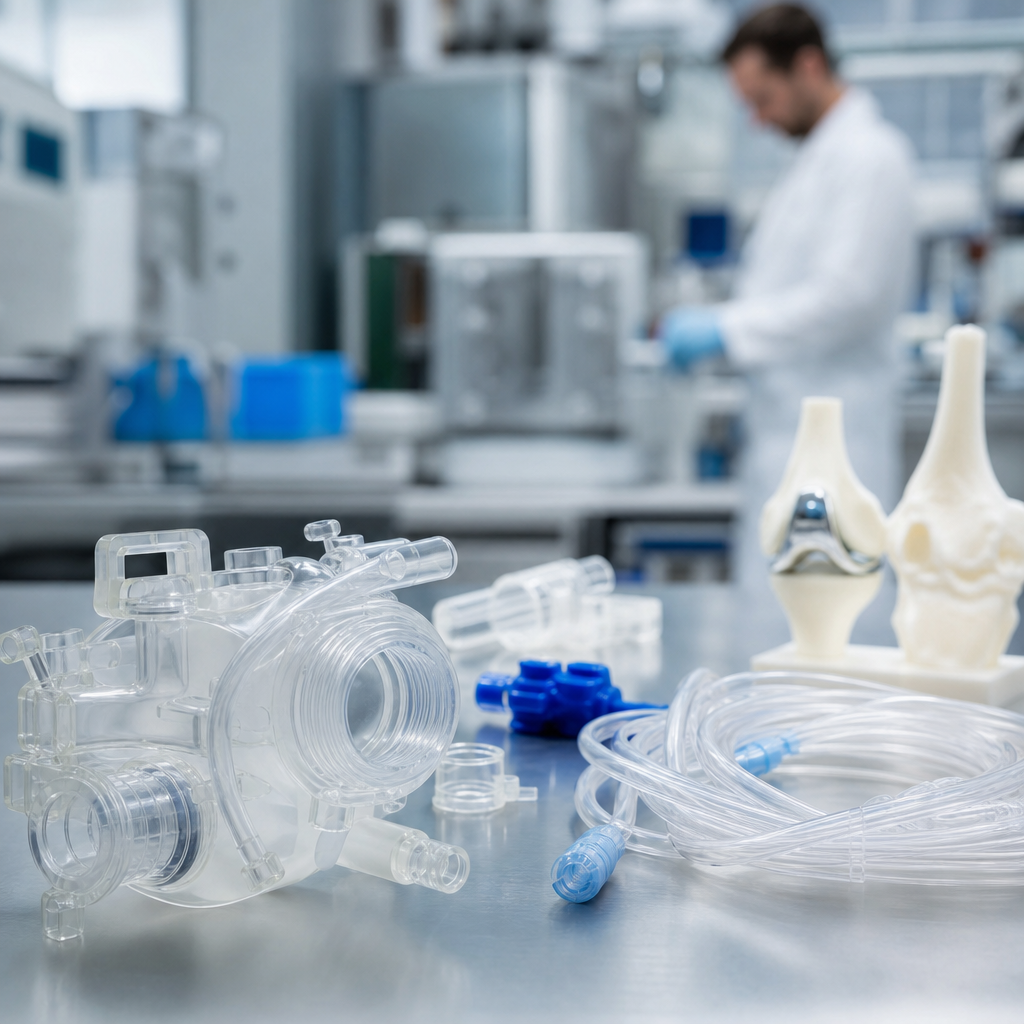
In aerospace, polymers matter because every gram counts, but certification discipline is stringent. Cabin interiors, wire management systems, clips, ducts, seals, and composite structures depend on materials that satisfy flame, smoke, and toxicity requirements while resisting fatigue and environmental exposure. Medical manufacturing values polymers for biocompatibility, transparency, sterilization resistance, and disposable product economics. Syringes, catheter components, inhalers, diagnostic cartridges, and surgical instrument handles all rely on carefully chosen resins and highly controlled processing windows. Electronics manufacturing uses high-flow and dimensionally stable polymers in connectors, housings, wearables, and thermal management assemblies.
Packaging, consumer goods, industrial equipment, and renewable energy are equally important. Barrier films protect food and pharmaceuticals. Polyurethane and epoxy systems support wind blade manufacturing and coatings. UHMWPE reduces friction in conveyor components. Fluoropolymers and crosslinked polyethylene contribute to cable reliability in energy infrastructure. Across these industries, the pattern is consistent: manufacturers seek polymer solutions that solve multiple problems at once, such as lower mass, better corrosion resistance, fewer parts, safer operation, and streamlined production.
Sustainability, circularity, and the next generation of polymer solutions
Sustainability has moved from a side consideration to a core design criterion in advanced manufacturing. That does not mean every polymer application can switch immediately to a recycled or bio-based alternative. Performance, regulatory approvals, contamination risk, and supply stability all matter. Still, the market is changing quickly. Mechanical recycling has improved for polyethylene, polypropylene, PET, and some engineering materials. Chemical recycling and depolymerization technologies are expanding options for mixed or difficult waste streams. Mass-balance feedstocks are giving manufacturers a practical pathway to lower fossil input without redesigning every process from scratch.
Design for circularity is becoming more disciplined. Single-material packaging structures, detachable components, clearer resin identification, and reduced use of incompatible additives all make recovery easier. In durable goods, long service life and repairability can be more impactful than simple material substitution. I have seen programs deliver better environmental results by extending product life through improved UV stabilization and wear resistance, thereby avoiding premature replacement. Lifecycle thinking matters because a polymer with higher initial footprint may still produce lower overall impact if it reduces energy consumption, transportation weight, or maintenance over years of use.
The next generation of polymer solutions includes self-reinforced materials, conductive polymers for printed electronics, vitrimer systems with rework potential, advanced biopolymers, and composites designed for easier recycling. AI-assisted formulation development is helping compounders identify promising additive packages faster, while digital twins are improving process optimization. Manufacturers that want an edge should map application requirements carefully, validate materials under real conditions, and build partnerships with resin suppliers, processors, and testing labs. The impact of polymers on advanced manufacturing processes is not theoretical. It is already visible on production floors, in certified products, and across global supply chains. Companies that treat polymers as strategic engineering platforms rather than commodity inputs will be better positioned to innovate, scale, and compete. Use this hub as the starting point for deeper exploration of material selection, process design, application-specific performance, and sustainable polymer innovation.
Frequently Asked Questions
1. Why are polymers so important in advanced manufacturing processes?
Polymers are important in advanced manufacturing because they offer an unusual combination of design flexibility, processability, cost efficiency, and performance tuning that few other material classes can match at scale. At a basic level, polymers are large molecules made from repeating units, but in manufacturing terms, they are highly adaptable engineering materials whose chemistry can be adjusted to achieve very specific results. Manufacturers can tailor stiffness, toughness, heat resistance, chemical resistance, transparency, electrical behavior, and surface properties by modifying the polymer structure, additives, fillers, or reinforcement systems. That tunability makes polymers especially valuable in industries where precision and functional integration matter.
Another major reason polymers matter is that they are compatible with many of the core methods used in advanced manufacturing, including additive manufacturing, injection molding, thermoforming, extrusion, microfabrication, automated composite layup, and overmolding. These processes benefit from polymers because many polymer systems can be melted, cured, or shaped with a level of control that supports repeatability and complex geometry. Compared with metals, ceramics, or glass, polymers often require lower processing temperatures, shorter cycle times, and less energy-intensive forming methods. That can translate into faster production, reduced tooling wear, and lower overall manufacturing costs.
Polymers also support the broader goals of advanced manufacturing, such as digital integration, lightweighting, part consolidation, and continuous process improvement. In modern production environments, engineers increasingly rely on simulation, smart process monitoring, and precise material-property control. Polymers fit well into this framework because their formulations and processing windows can be optimized through data-driven methods. In applications such as aerospace interiors, medical devices, electronics housings, consumer products, and automotive components, polymers enable parts that are lighter, more intricate, and more functionally integrated than many traditional materials would allow. In short, polymers are foundational to advanced manufacturing because they make it easier to align material performance with modern demands for speed, precision, customization, and scalable production.
2. How do polymers improve efficiency, precision, and scalability in modern manufacturing?
Polymers improve manufacturing efficiency by reducing the energy, time, and complexity needed to produce finished parts. Many polymers can be processed at lower temperatures than metals or ceramics, which lowers energy consumption and can shorten thermal cycling times. In high-volume environments such as injection molding, thermoplastics can move rapidly from melting to shaping to cooling, allowing fast and repeatable production. In thermoset and composite systems, curing chemistries can be tuned for production speed or performance depending on the application. This process flexibility helps manufacturers balance throughput with product quality.
From a precision standpoint, polymers are well suited to advanced manufacturing methods that demand fine dimensional control and complex geometries. They can be molded into intricate forms, printed layer by layer in additive systems, or engineered into micro-scale features for electronics, medical components, and precision fluidic systems. Because polymers can flow into detailed molds or be deposited with controlled pathing, they support tight tolerances and high feature fidelity when process parameters are properly managed. Their ability to combine multiple functions in a single part also reduces assembly steps, which can improve dimensional consistency and reduce cumulative manufacturing error.
Scalability is another area where polymers excel. A material that works in prototyping can often be adapted to pilot and full-scale production with the right formulation and process development. For example, a polymer component first evaluated through 3D printing may later be transitioned to injection molding for higher-volume manufacturing while preserving much of the original design intent. Polymers also integrate well with automation, robotics, in-line sensing, and closed-loop quality systems. Manufacturers can track melt behavior, temperature, viscosity, shrinkage, and cure characteristics to maintain consistent quality across large production runs. This combination of efficient processing, fine control, and production scalability is one of the main reasons polymers have become central to advanced manufacturing strategies.
3. What advantages do polymers offer compared with metals, ceramics, and glass in advanced manufacturing?
Polymers offer several practical advantages over metals, ceramics, and glass, particularly when cost, weight, design freedom, and manufacturability are major decision factors. One of the most recognized advantages is lightweight performance. In transportation, aerospace, robotics, and portable electronics, reducing mass can improve fuel efficiency, energy consumption, handling, and user comfort. Polymers generally have much lower density than metals and can often replace heavier materials without sacrificing the performance needed for the intended application.
Another advantage is their ability to be processed into complex shapes with fewer manufacturing steps. Metals may require machining, joining, forming, and finishing across multiple stages, while ceramics and glass often involve brittle behavior or demanding thermal processing. By contrast, polymers can frequently be molded or printed into near-net-shape parts, reducing scrap, simplifying assembly, and enabling features such as internal channels, snap-fits, living hinges, integrated seals, and embedded cosmetic textures. This kind of part consolidation is highly valuable in advanced manufacturing because it supports efficiency, reliability, and design innovation.
Polymers also stand out for their customizable property profiles. While metals are often selected for strength and conductivity and ceramics for hardness or heat resistance, polymers can be formulated for a very broad range of applications. They can be made rigid or flexible, insulating or conductive, transparent or opaque, chemically resistant, biocompatible, flame-retardant, low-friction, or fiber-reinforced. This range allows engineers to fine-tune materials to exact product requirements rather than overengineering around the limitations of a less adaptable material.
That said, polymers are not universally superior. Metals often outperform them in extreme structural and high-temperature environments, and ceramics or glass can provide better hardness, optical purity, or thermal stability in certain uses. The true advantage of polymers is not that they replace every traditional material, but that they expand what is possible in manufacturing by offering an outstanding balance of performance, processability, and cost. In many advanced manufacturing settings, that balance is exactly what enables innovation.
4. How are polymers used in technologies like 3D printing, composites, and smart manufacturing?
Polymers play a central role in several of the most important technologies associated with advanced manufacturing. In 3D printing, or additive manufacturing, polymers are among the most widely used materials because they are available in forms that suit many printing methods, including filaments, powders, resins, and pellets. Thermoplastics such as nylon, ABS, PLA, and high-performance materials like PEEK are used for functional prototypes, tooling, jigs, fixtures, and end-use parts. Photopolymer resins are used where surface finish, detail, or medical and dental precision are critical. The value of polymers in 3D printing lies in their ability to support rapid iteration, customization, geometric freedom, and low-volume production without the need for conventional tooling.
In composites, polymers serve as matrix materials that bind reinforcing fibers such as carbon fiber, glass fiber, or aramid. These polymer matrix composites are especially important in aerospace, automotive, wind energy, and sporting goods because they combine low weight with high specific strength and stiffness. Advanced manufacturing methods such as automated fiber placement, resin transfer molding, filament winding, and compression molding depend on polymer systems with carefully controlled flow, cure, and bonding behavior. By adjusting the resin chemistry and reinforcement architecture, manufacturers can produce structures that are optimized for directional loading, durability, and environmental resistance.
In smart manufacturing, polymers contribute not only as structural materials but also as enablers of digital and functional integration. They are used in sensor housings, flexible electronics, cable insulation, encapsulation systems, wearable devices, and components that require dielectric control or chemical stability. Some polymers are also being developed for self-healing behavior, shape memory response, conductivity, or embedded sensing capability. In digitally connected production environments, polymer processing can be monitored in real time using data from temperature sensors, pressure sensors, rheological measurements, and machine learning systems. This allows manufacturers to improve consistency, reduce defects, and optimize cycle conditions. As smart manufacturing evolves, polymers are becoming more than passive materials; they are increasingly part of the functional, responsive, and data-informed systems that define modern production.
5. What are the main challenges and future opportunities for polymers in advanced manufacturing?
The main challenges associated with polymers in advanced manufacturing typically involve heat resistance, long-term durability, sustainability, and process consistency. While many engineering polymers perform exceptionally well, some still face limitations under extreme temperatures, heavy mechanical loading, intense UV exposure, or aggressive chemical environments. In structural applications, creep, dimensional instability, or aging behavior can become important design concerns. Advanced manufacturers must therefore select polymer systems carefully and validate performance under real operating conditions rather than relying only on nominal material data.
Another challenge is process sensitivity. Polymer properties are strongly influenced by how the material is handled during manufacturing. Variables such as moisture content, melt temperature, cooling rate, shear history, cure profile, and filler dispersion can affect final performance. In additive manufacturing, for instance, layer adhesion and anisotropy can influence mechanical behavior. In injection molding, shrinkage and warpage must be controlled to maintain dimensional accuracy. In composites, void content and cure uniformity can determine structural reliability. This means that successful use of polymers often depends on rigorous process control, material characterization, and quality assurance systems.
Sustainability is also a major issue and a major opportunity. Concerns about plastic waste,