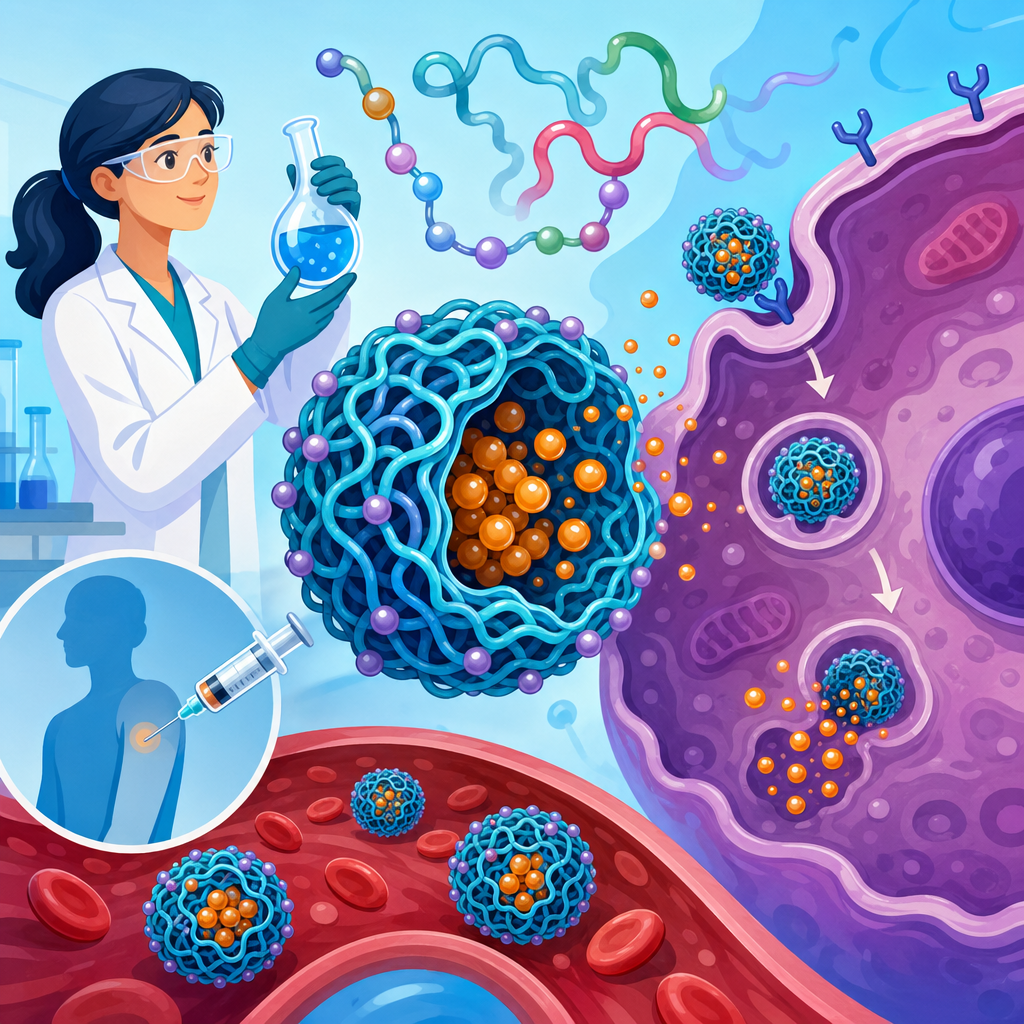
Advances in polymer-based drug delivery systems are reshaping medical and healthcare practice by making treatments safer, more precise, and easier for patients to follow. A polymer-based drug delivery system is any therapeutic platform in which natural, synthetic, or hybrid polymer materials control how a drug is protected, released, targeted, or absorbed in the body. In practical terms, these systems can turn a short-lived molecule into a long-acting injection, help an anticancer agent accumulate in tumors, or allow a fragile biologic to survive long enough to reach its site of action. Across hospitals, specialty clinics, and outpatient care, polymer science now sits at the center of modern formulation strategy because performance is no longer judged only by what a drug does, but also by how, where, and when it is delivered.
I have worked with teams evaluating sustained-release microspheres, hydrogel dressings, and implantable depots, and the same lesson appears repeatedly: delivery design often determines whether a promising molecule becomes a useful medicine. The healthcare importance is straightforward. Better delivery can lower dosing frequency, reduce systemic toxicity, improve adherence, stabilize sensitive active ingredients, and enable personalized treatment. It also supports major therapeutic shifts, including biologics, gene therapies, regenerative medicine, and targeted oncology. For a hub article covering medical and healthcare applications, the key question is not whether polymers matter, but which polymer architectures, release mechanisms, and clinical pathways are driving the most meaningful advances today.
Core materials and release mechanisms in modern polymer therapeutics
Polymer-based delivery begins with material selection. The field commonly uses biodegradable polymers such as poly(lactic-co-glycolic acid), or PLGA, polylactic acid, polycaprolactone, chitosan, alginate, hyaluronic acid, polyethylene glycol, and methacrylate-based networks. Each material contributes distinct behavior. PLGA degrades by hydrolysis into lactic and glycolic acids and has become a benchmark for injectable depots and microspheres. Polyethylene glycol improves solubility and circulation time, although repeated exposure can create immunogenicity concerns in some patients. Natural polymers such as alginate and chitosan offer biocompatibility and mucoadhesion, making them attractive for wound care, oral delivery, and tissue-facing formulations.
Release control usually relies on one or more mechanisms: diffusion through a polymer matrix, polymer swelling, erosion, cleavage of covalent linkers, or stimuli-responsive structural change. Diffusion-dominated systems work when dissolved drug molecules move out through water-filled pores. Erosion-controlled systems depend on the polymer breaking down over time, which is central to many long-acting injectables. Hydrogels can absorb water, expand, and release cargo gradually, while pH-sensitive or temperature-sensitive polymers alter permeability under local physiological conditions. In oncology and inflammatory disease, researchers also use enzyme-responsive linkers that break in specific tissue microenvironments. These mechanisms are not interchangeable; the right choice depends on molecular weight, dose, therapeutic window, administration route, and desired pharmacokinetic profile.
In healthcare settings, formulation teams balance four variables constantly: drug stability, loading efficiency, release reproducibility, and manufacturability. A protein may remain active only in a hydrated hydrogel, while a hydrophobic small molecule may fit better inside polymeric nanoparticles or solid implants. A depot intended for monthly dosing must avoid burst release, but it also cannot trap too much active ingredient and fail to reach therapeutic concentrations. These tradeoffs explain why successful systems are usually built around the properties of a specific drug rather than a one-size-fits-all polymer platform.
Long-acting injectables, implants, and patient adherence
One of the clearest healthcare wins from polymer drug delivery is the rise of long-acting formulations. Long-acting injectables use polymer matrices, microspheres, or in situ forming depots to release medicine over weeks or months. Clinically, this matters in schizophrenia, opioid use disorder, contraception, diabetes, and hormone-sensitive cancers, where missed doses can lead to relapse or loss of disease control. When I review adherence data with clinical teams, the pattern is consistent: reducing dosing frequency often improves real-world outcomes more effectively than increasing theoretical potency.
PLGA microsphere products remain a leading example. After injection, water enters the microsphere, the polymer gradually hydrolyzes, and the drug diffuses out in a controlled pattern. Similar principles support depot formulations of peptide therapies and hormonal agents. Implantable systems extend the concept further. A subdermal implant can provide sustained release for months or years, as seen in contraceptive devices and some ophthalmic applications. Compared with daily tablets, these systems reduce pill burden, stabilize plasma concentration, and limit the peaks and troughs associated with side effects or reduced efficacy.
Not every long-acting system is automatically better. Clinicians must consider injection-site reactions, difficult dose adjustments, and the challenge of stopping therapy quickly if adverse events occur. Manufacturing complexity is another constraint because particle size distribution, residual solvent levels, sterilization conditions, and polymer molecular weight directly affect release kinetics. Still, in patient populations where adherence is a major barrier, polymer-enabled sustained delivery can create measurable clinical value that conventional immediate-release dosage forms rarely match.
Targeted nanoparticles and precision oncology
Targeted drug delivery is one of the most discussed advances in polymer therapeutics, especially in cancer care. Polymeric nanoparticles can encapsulate chemotherapeutics, protect them in circulation, and alter biodistribution so more drug reaches diseased tissue relative to healthy organs. This does not eliminate toxicity, but it can narrow exposure and improve therapeutic index. In plain terms, the delivery system helps medicine act more where it is needed and less where it causes harm.
Two targeting strategies dominate. Passive targeting exploits abnormal vasculature in tumors, where leaky blood vessels and weak lymphatic drainage may allow nanoscale particles to accumulate more than free drug. Active targeting adds ligands such as antibodies, peptides, folate, or sugars to the particle surface so the system binds preferentially to receptors overexpressed on tumor or immune cells. Surface chemistry is crucial here. Too little shielding and particles are cleared rapidly by the mononuclear phagocyte system; too much shielding and cellular uptake can fall.
Researchers are also refining polymer-drug conjugates in which a drug is chemically linked to a polymer backbone using cleavable bonds. This can improve solubility, extend half-life, and enable intracellular release under acidic or reductive conditions. In oncology clinics, the practical value lies in better tolerated regimens and the possibility of combining imaging and therapy in a single nanocarrier. However, the field has learned that animal success does not always translate cleanly to human tumors because blood flow, stromal density, and immune interactions vary widely. The most credible advances therefore focus on formulations with a clear mechanistic rationale, scalable production, and biomarker-guided patient selection.
Hydrogels, wound care, and localized therapy
Hydrogels have become indispensable in medical and healthcare applications because they combine high water content, soft tissue compatibility, and flexible drug loading. These crosslinked polymer networks can be engineered as injectable gels, wound dressings, ocular inserts, contact materials, and tissue scaffolds. In wound care, hydrogels maintain a moist environment, absorb exudate, reduce mechanical trauma during dressing changes, and release antimicrobials, growth factors, analgesics, or anti-inflammatory agents directly at the wound bed. For diabetic ulcers, burns, and postsurgical wounds, this local delivery approach can improve healing conditions while reducing systemic exposure.
Advanced hydrogel systems now respond to pH, temperature, glucose, reactive oxygen species, or enzymes associated with disease states. A thermoresponsive polymer may remain injectable at room temperature and gel after administration at body temperature, simplifying minimally invasive treatment. In ophthalmology, mucoadhesive hydrogels extend contact time on the eye surface, which can improve efficacy for dry eye therapies or anti-infective drugs that would otherwise wash away quickly. In orthopedics and regenerative medicine, hydrogel depots are being designed to release anti-inflammatory molecules and growth factors in staged sequences that mirror healing biology.
| Application | Typical polymer approach | Main clinical benefit | Key limitation |
|---|---|---|---|
| Long-acting injection | PLGA microspheres or in situ depots | Reduced dosing frequency and steadier exposure | Hard to reverse dose quickly |
| Cancer nanotherapy | Polymeric nanoparticles or polymer-drug conjugates | Improved distribution and lower off-target toxicity | Variable tumor uptake in humans |
| Wound management | Hydrogels, films, or electrospun polymer mats | Localized therapy and moist healing environment | Mechanical durability can be limited |
| Mucosal delivery | Mucoadhesive chitosan or alginate systems | Better retention and absorption at tissue surfaces | Inconsistent absorption between patients |
In my experience, the best hydrogel products succeed because they solve two problems at once: they function as a physical care material and as a pharmaceutical delivery platform. That dual role is especially valuable in chronic wounds, where infection control, pain management, and tissue protection must happen simultaneously. The challenge is ensuring sufficient mechanical integrity, sterilization compatibility, and shelf stability without compromising biocompatibility or release performance.
Oral, transdermal, mucosal, and implantable innovations
While injectable systems receive most attention, polymer science is also expanding oral, skin, and mucosal drug delivery. Oral polymer matrices can protect acid-sensitive molecules, delay release until the intestine, or increase residence time at absorptive surfaces. Enteric coatings made from pH-responsive polymers prevent premature drug release in the stomach and are standard in many gastrointestinal and enzyme formulations. More advanced oral systems use permeation enhancers, mucoadhesive polymers, or nanoparticulate carriers to improve uptake of poorly soluble compounds. This is especially important because many new drug candidates fall into low-solubility categories and fail without formulation support.
Transdermal delivery uses polymers in patches, microneedle arrays, and pressure-sensitive adhesives to move drugs across the skin in a controlled manner. For nicotine, hormones, analgesics, and some neurologic drugs, patches offer stable exposure and avoid first-pass metabolism. Dissolving polymer microneedles represent a notable advance because they can deliver vaccines, peptides, and macromolecules with less pain than standard injections. In public health settings, this could simplify administration and reduce sharps waste. Mucosal systems for nasal, buccal, vaginal, and pulmonary delivery similarly depend on polymers to increase retention, penetration, and dose consistency. Chitosan is widely studied in nasal formulations because it can enhance mucoadhesion and transiently influence epithelial permeability.
Implantable polymer systems add another layer of precision. Drug-eluting stents, biodegradable implants, and localized chemotherapy wafers release active ingredients directly where intervention is needed. This approach has already changed cardiovascular care by reducing restenosis risk in selected stent designs and has influenced localized treatment strategies in neurosurgery and ophthalmology. The defining medical advantage is high local exposure with reduced systemic burden, although implantation procedures, foreign body response, and device retrieval or degradation remain important design considerations.
Biologics, nucleic acids, regulation, and the path to clinical adoption
The newest frontier for polymer-based drug delivery systems is the transport of fragile biologics, including peptides, proteins, messenger RNA, small interfering RNA, DNA constructs, and cell-associated therapies. These payloads are powerful but unstable. They degrade quickly, trigger immune reactions, and often cannot cross cellular barriers without assistance. Polymer carriers help by condensing nucleic acids, shielding them from nucleases, facilitating endosomal escape, and extending circulation time. Cationic polymers, dendritic architectures, and biodegradable ionizable systems are all under active investigation, though toxicity and batch reproducibility must be managed carefully.
Clinical translation depends on more than elegant laboratory data. Regulators evaluate polymer chemistry, degradation products, excipient safety, sterility assurance, extractables and leachables, residual monomers, particle characterization, and long-term stability. Guidance from agencies such as the U.S. Food and Drug Administration and the European Medicines Agency places strong emphasis on quality by design, validated analytical methods, and manufacturing controls. For nanoparticle systems, critical quality attributes often include particle size, polydispersity index, zeta potential, encapsulation efficiency, release profile, and in vitro to in vivo correlation where feasible. If those attributes drift during scale-up, clinical performance can change.
Healthcare adoption also requires economic realism. A sophisticated polymer carrier is valuable only if it improves outcomes enough to justify manufacturing complexity, storage requirements, and reimbursement challenges. The strongest candidates are platforms that solve a clear clinical problem: nonadherence, narrow therapeutic index, poor solubility, local toxicity, or instability of the active ingredient. As a hub within the broader Applications topic, this medical and healthcare overview points to the most important subareas for deeper exploration: oncology nanomedicine, long-acting injectables, wound and tissue repair materials, implantable delivery devices, oral and mucosal systems, and advanced carriers for biologics and genetic medicines.
Polymer-based drug delivery systems have moved from formulation niche to foundational healthcare technology because they change how therapies behave inside real patients, not just inside laboratory models. The most important advances are practical ones: long-acting depots that support adherence, nanoparticles that improve distribution, hydrogels that combine local care with controlled release, and implants or mucosal platforms that place medicine where it works best. The science matters, but the clinical value is even clearer. Better delivery can reduce toxicity, increase convenience, stabilize difficult molecules, and open therapeutic options that standard dosage forms cannot achieve.
For medical and healthcare applications, the future belongs to platforms designed around specific patient needs, validated with strong manufacturing controls, and matched to the biology of the disease being treated. The field is advancing fastest where materials science, pharmacokinetics, device engineering, and clinical workflow are developed together rather than in isolation. If you are building out your understanding of this subtopic, use this hub as the starting point and continue into the connected articles on oncology, wound care, implants, mucosal delivery, and biologic therapeutics to see where polymer delivery is creating the biggest impact next.
Frequently Asked Questions
1. What are polymer-based drug delivery systems, and why are they important in modern medicine?
Polymer-based drug delivery systems are therapeutic platforms that use polymer materials to control how a medicine is carried, protected, released, and absorbed in the body. These polymers may be natural, such as chitosan, alginate, gelatin, and hyaluronic acid; synthetic, such as polyethylene glycol (PEG), polylactic acid (PLA), polylactic-co-glycolic acid (PLGA), and polycaprolactone (PCL); or hybrid combinations that bring together the strengths of multiple materials. Instead of delivering a drug in its simplest form and relying on the body to handle everything else, polymer-based systems are designed to improve how the drug behaves from the moment it is administered until it reaches its target.
Their importance comes from the fact that many drugs have real limitations when given conventionally. Some break down too quickly in the bloodstream, some cause side effects because they spread throughout the body rather than staying near diseased tissue, and some require frequent dosing that can reduce patient adherence. Polymer-based delivery systems address these problems by shielding sensitive molecules, extending circulation time, controlling release over hours, days, or even months, and in some cases directing the therapy toward a specific tissue or cell type. This can make treatment more effective while reducing toxicity.
In practical healthcare terms, these technologies are helping transform treatment strategies across cancer, infectious disease, pain management, hormone therapy, ophthalmology, and regenerative medicine. They can convert a short-lived compound into a long-acting injectable, improve the absorption of poorly soluble drugs, reduce the need for repeated administrations, and make therapies more convenient for patients. That combination of precision, safety, and usability is why polymer-based drug delivery is considered one of the most influential areas of pharmaceutical innovation today.
2. How do polymer-based drug delivery systems control drug release and targeting?
Polymer-based systems control drug release by engineering the physical and chemical properties of the carrier material. The drug may be encapsulated inside polymer nanoparticles, dispersed within a hydrogel, embedded in a microsphere, chemically attached to a polymer backbone, or loaded into a polymer-coated implant. Release then depends on specific mechanisms such as diffusion through the polymer matrix, gradual polymer degradation, swelling in response to water, environmental triggers, or cleavage of chemical bonds that attach the drug to the carrier. By adjusting polymer composition, molecular weight, crystallinity, crosslinking density, porosity, and surface characteristics, researchers can fine-tune how quickly or slowly the drug becomes available.
Targeting can occur in two main ways: passive targeting and active targeting. Passive targeting relies on the natural behavior of the body and the disease environment. For example, in some tumors and inflamed tissues, blood vessels are leakier than normal, allowing nanoscale carriers to accumulate more readily than free drug molecules. Active targeting adds another level of specificity by decorating the polymer carrier with ligands such as antibodies, peptides, sugars, or small molecules that bind to receptors expressed more strongly on certain cells. This can improve uptake where the treatment is needed and potentially reduce exposure in healthy tissues.
Advanced systems also respond to biological cues. Some polymers are designed to release drugs in acidic environments, in the presence of particular enzymes, or under temperature changes, redox conditions, light, ultrasound, or magnetic fields. These so-called stimuli-responsive or “smart” delivery systems are especially promising because they offer more controlled, context-dependent therapy. The overall result is a more strategic way of delivering medicine: not just giving a drug, but deciding when, where, and at what rate it should act.
3. What are the main advantages of polymer-based drug delivery compared with traditional dosage forms?
The biggest advantage is control. Traditional tablets, capsules, or injections often release drug quickly and broadly, which can create sharp peaks and drops in drug concentration. Polymer-based systems can smooth out that pattern by maintaining more consistent levels over time. This often translates into better therapeutic performance, fewer side effects, and reduced dosing frequency. For patients, fewer doses can mean improved convenience and stronger adherence to treatment, which is especially important in chronic disease management.
Another major benefit is protection of fragile therapeutics. Biologics such as peptides, proteins, nucleic acids, and some vaccines are easily degraded by enzymes, moisture, pH shifts, or immune recognition. Polymer carriers can shield these agents during storage and after administration, helping preserve their activity long enough to reach the target site. This has become increasingly valuable as the pharmaceutical pipeline includes more complex molecules that cannot be delivered effectively through standard formulations alone.
Polymer-based systems can also improve solubility and bioavailability. Many powerful drugs suffer from poor water solubility, which limits absorption and consistency. Encapsulation in polymer micelles, nanoparticles, or amorphous solid dispersions can enhance dissolution and transport. In addition, these systems can be tailored for a range of delivery routes, including oral, injectable, transdermal, ocular, nasal, pulmonary, and implantable formats. That flexibility gives formulators more tools to adapt treatment to the clinical need.
Equally important, polymer technologies support more personalized and disease-specific therapy. A formulation can be engineered for immediate release, delayed release, sustained release, localized delivery, combination therapy, or triggered release. In oncology, for example, they may help concentrate cytotoxic drugs closer to tumors. In pain medicine, they may provide long-acting relief from a single administration. In tissue repair, they may combine structural support with gradual drug release. These advantages explain why polymer-based systems are increasingly central to next-generation medicine rather than being viewed as simple packaging for drugs.
4. What recent advances are driving innovation in polymer-based drug delivery systems?
One of the most significant advances is the development of smarter, more functional polymer architectures. Researchers are moving beyond simple carriers and creating systems that actively respond to disease-related signals or external triggers. Stimuli-responsive polymers can change structure, swell, degrade, or release their payload when exposed to pH changes, enzymes, temperature shifts, redox conditions, light, ultrasound, or magnetic fields. This allows for more precise delivery, especially in complex diseases where timing and location matter as much as the drug itself.
Nanotechnology has also greatly accelerated the field. Polymer nanoparticles, nanogels, dendritic systems, polymer-drug conjugates, and self-assembled micelles offer high surface area, tunable size, and customizable surface chemistry. These features improve circulation behavior, cell uptake, and tissue interaction. At the same time, hybrid systems that combine polymers with lipids, inorganic materials, or biologically derived components are broadening design possibilities. These platforms can merge mechanical stability, biocompatibility, targeting capability, and controlled release in ways that were difficult to achieve with single-material systems.
Another major area of progress involves biodegradable and bioresorbable materials. Polymers that safely break down into non-toxic byproducts are making long-acting injectables, implants, and depot formulations more practical and more acceptable clinically. This is particularly useful in treatments that benefit from sustained exposure over weeks or months, such as hormonal therapy, psychiatric care, chronic inflammation, or cancer support regimens. Advances in manufacturing are helping too, including microfluidics, 3D printing, precision particle engineering, and scalable nanoparticle fabrication methods that improve reproducibility and support translation from the laboratory to commercial production.
Finally, polymer-based delivery is increasingly intersecting with biologics, gene therapy, RNA medicines, and precision medicine. As healthcare moves toward highly targeted interventions, delivery becomes just as important as the active ingredient. New polymer systems are being designed to carry messenger RNA, siRNA, CRISPR-related components, immune modulators, and combination payloads with improved stability and reduced toxicity. This is one of the clearest signs that advances in polymer-based drug delivery are not incremental—they are helping define how future therapies will actually reach patients effectively.
5. What challenges and future opportunities exist for polymer-based drug delivery systems?
Despite their promise, polymer-based drug delivery systems still face important scientific, regulatory, and manufacturing challenges. Biocompatibility remains a central concern, because a polymer that performs well in the lab must also be safe over the short and long term in the human body. Researchers need to understand how the material degrades, whether it triggers immune reactions, how it distributes across tissues, and whether repeated exposure changes patient response. Small differences in polymer chemistry or particle size can affect safety and performance, so consistency is essential.
Manufacturing and scale-up are also major hurdles. A formulation that works in early-stage research may be difficult to reproduce reliably at commercial scale. Parameters such as particle size distribution, drug loading, release kinetics, sterilization stability, and shelf life all need tight control. Regulatory review can be more complex than for conventional dosage forms because these systems often combine device-like and drug-like characteristics, especially when they involve implants, targeted nanoparticles, or responsive materials. Developers must show not only that the active drug works, but that the carrier system itself is robust, reproducible, and safe.
Even with these challenges, the future is exceptionally strong. Opportunities include more personalized formulations tailored to disease biology, patient age, route of administration, and treatment duration. There is also growing interest in multi-functional carriers that can diagnose, deliver therapy, and monitor response in one integrated platform. In oncology and immunology,