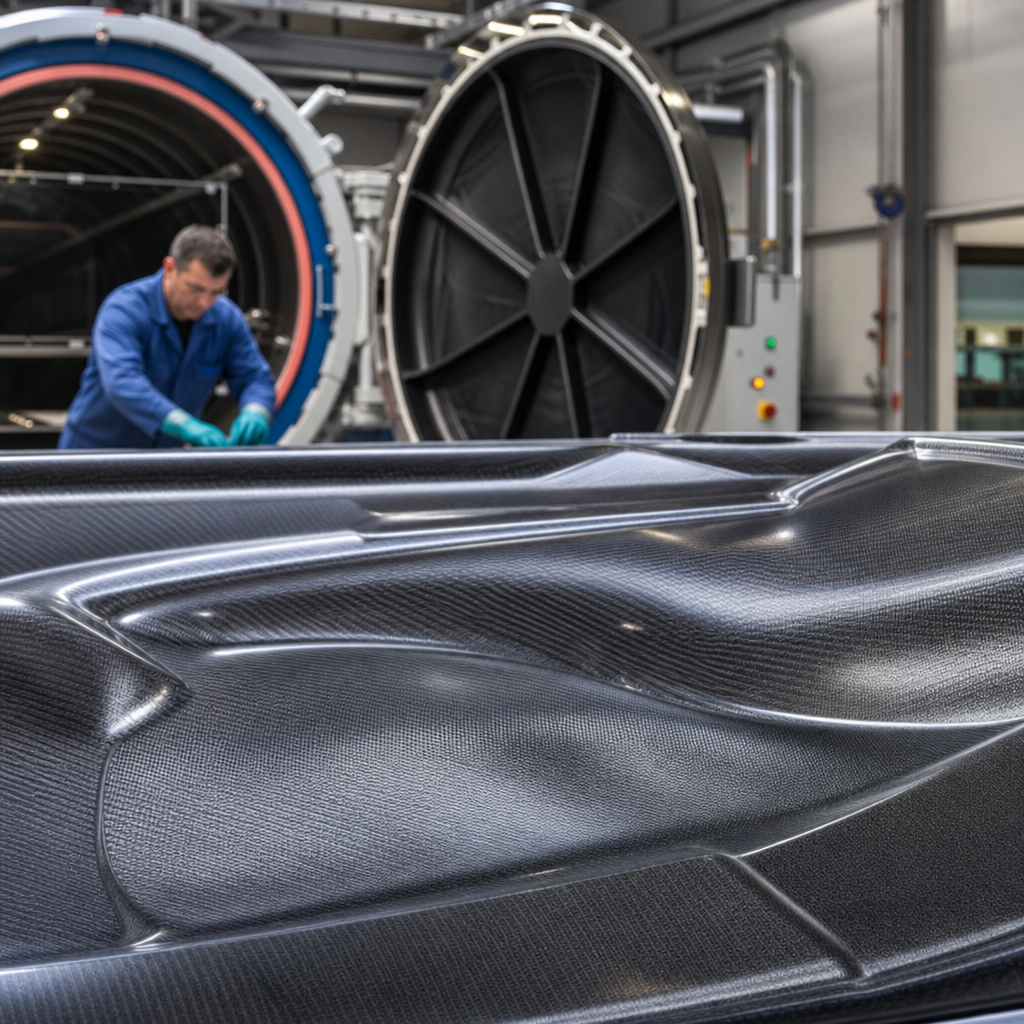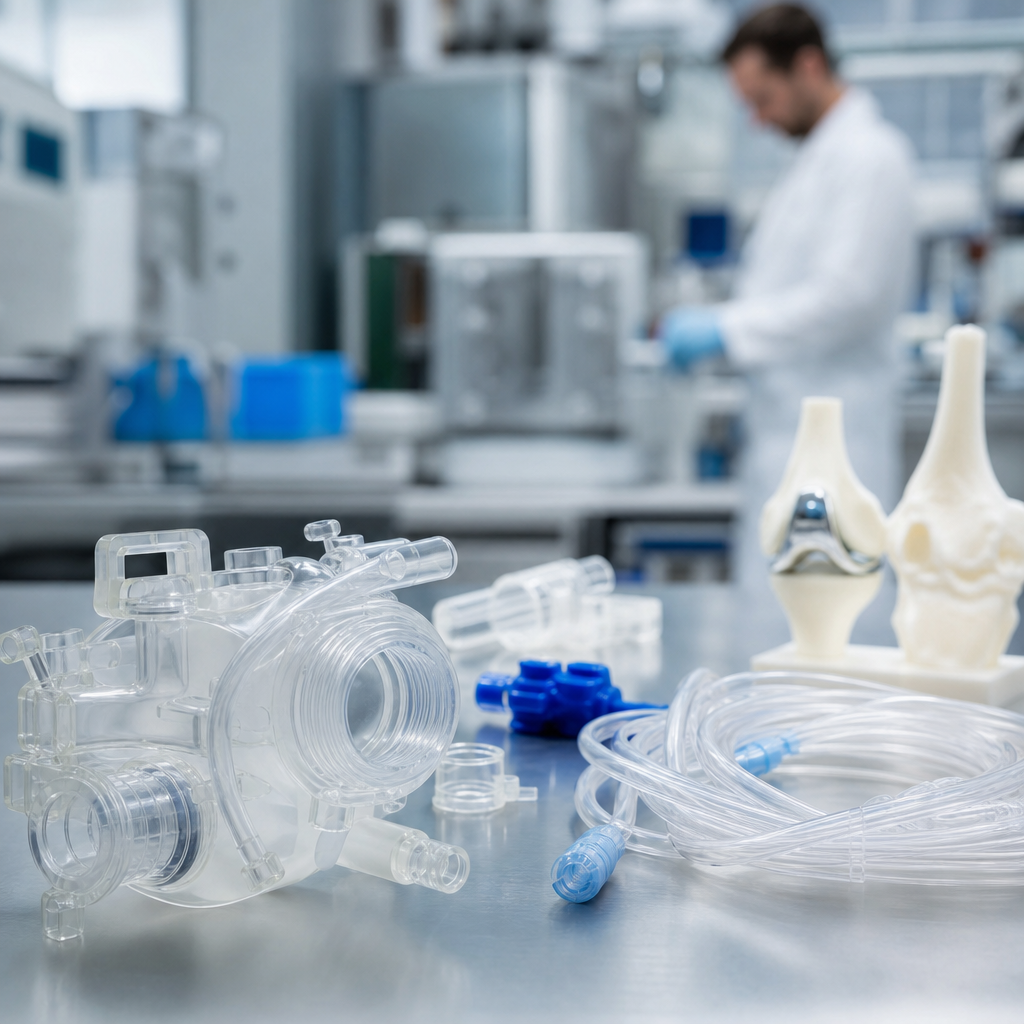
Advances in polymer products for environmental protection are reshaping how industries prevent pollution, conserve resources, and meet stricter sustainability targets. In practical terms, polymer products include membranes, coatings, films, geosynthetics, absorbents, composites, and engineered plastic components designed for environmental use. Environmental protection in this context means controlling emissions, treating water, reducing waste, improving energy efficiency, and supporting cleaner infrastructure. Over the past decade, I have seen this category move from commodity materials toward highly engineered systems with measurable performance targets, verified life-cycle data, and application-specific formulations.
This matters because environmental performance is increasingly judged on outcomes, not intentions. A wastewater plant needs membranes that maintain flux and resist fouling. A landfill operator needs geomembranes with long service life and reliable seam integrity. A packaging company needs barrier films that cut food waste while reducing material use. Regulators, procurement teams, and engineers now expect polymer products to demonstrate chemical resistance, durability, recyclability, and compliance with standards such as NSF, ASTM, ISO, EPA guidance, REACH, and RoHS where relevant. New product launches are therefore not minor line extensions; they are often responses to pressing technical gaps and new compliance demands.
As a hub for new product launches under innovative products and solutions, this article explains where the market is advancing, what problems the latest polymer products solve, and how buyers should evaluate them. It covers water treatment membranes, pollution-control coatings, circular packaging materials, geosynthetics for containment, biodegradable and bio-based alternatives, and smart polymer systems with sensing or self-healing functions. It also highlights the tradeoffs that matter in real deployments, because the best environmental polymer product is rarely the one with the boldest marketing claim. It is the one that delivers verified performance, manageable cost, and a realistic end-of-life pathway.
Water Treatment Membranes and Separation Products
One of the most important areas for new polymer product launches is water treatment. Polymer membranes are now central to ultrafiltration, nanofiltration, reverse osmosis, membrane bioreactors, and selective ion separation. Common base materials include polyvinylidene fluoride, polysulfone, polyethersulfone, polyamide thin-film composite layers, and increasingly modified hydrophilic blends that reduce fouling. In municipal and industrial systems, the commercial objective is clear: increase permeate quality, maintain throughput, extend cleaning intervals, and lower energy consumption per cubic meter treated.
Recent launches focus on fouling resistance, chlorine tolerance, and selective contaminant removal. For example, membrane manufacturers are introducing low-pressure reverse osmosis elements that achieve target salt rejection at reduced operating pressure, directly lowering electricity use. Others are applying zwitterionic or hydrophilic surface chemistries to minimize organic fouling in wastewater reuse. In pilot programs I have reviewed, even a modest reduction in transmembrane pressure drift can improve operating economics because cleaning chemicals, downtime, and pump load all decline together. Products targeting PFAS concentration and removal are also gaining attention, especially polymer sorbent resins and hybrid membrane systems designed for difficult trace contaminants.
Launches in this category should be judged by standard metrics: flux, rejection, fouling rate, clean-in-place compatibility, mechanical strength, and lifespan under actual feedwater conditions. Buyers should ask for third-party test protocols, not only brochure claims. A membrane that performs well in synthetic feedwater may underperform in high-organic industrial wastewater. The strongest products are those released with full pilot data, module compatibility details, and clear operating envelopes for pH, temperature, oxidant exposure, and cleaning frequency.
Protective Coatings, Liners, and Barrier Systems
Another major stream of innovation involves polymer coatings and liners that prevent environmental contamination before it starts. Epoxy, polyurethane, fluoropolymer, polyethylene, and vinyl ester systems are widely used to protect tanks, pipelines, secondary containment structures, and processing equipment from corrosion and chemical attack. New launches increasingly emphasize lower volatile organic compound content, faster cure schedules, stronger adhesion to difficult substrates, and longer maintenance cycles. That combination matters because coating failure often becomes an environmental incident long before it becomes a structural one.
Advanced barrier products are also expanding in water infrastructure, chemical storage, and industrial flooring. Multi-layer polymer liners now combine puncture resistance, chemical resistance, and UV stability in a single system. In wastewater facilities, I have seen upgrades from older lining materials to modern reinforced polymer systems cut repair frequency significantly, especially in zones exposed to hydrogen sulfide, acids, or abrasion. Self-priming and moisture-tolerant formulations are another useful launch trend because they shorten shutdown windows and make field application more reliable in less-than-ideal conditions.
The best new coatings and liners are specific about service environment. A product suitable for potable water contact is not automatically suitable for aggressive solvent exposure. A secondary containment liner for acids needs different resistance data than a geomembrane for landfill capping. Product launches that include immersion test results, ASTM adhesion data, abrasion performance, and documented cure requirements are more credible than launches framed around sustainability language alone. Environmental protection depends on barrier integrity, and barrier integrity depends on precise specification.
Sustainable Packaging and Circular Polymer Materials
Packaging is one of the most visible areas where polymer innovation affects environmental outcomes. New products now aim to reduce virgin resin use, improve recyclability, maintain product protection, and lower overall material intensity. This includes mono-material flexible packaging, high-recycled-content polyethylene and polypropylene formats, advanced barrier films compatible with recycling streams, and refill or reuse packaging components made from durable engineered polymers. The environmental challenge is not simply replacing plastic with another material. It is preserving function while improving the system-level footprint.
In food packaging especially, poorly designed substitutions can increase emissions by increasing food spoilage. That is why many successful launches focus on downgauging and barrier efficiency rather than simplistic replacement. Ethylene vinyl alcohol barrier structures, metallocene polyethylene films, and compatibilizer-enhanced recycled blends are being used to maintain oxygen and moisture control with less material. Chemical recycling feedstock integration is also beginning to appear in commercial launches, although availability and cost remain uneven across regions.
Claims in this segment need careful scrutiny. Compostable is not the same as recyclable, and industrial compostability under EN 13432 or ASTM D6400 does not guarantee suitable disposal infrastructure in every market. Bio-based content also does not automatically mean lower life-cycle impact if land use, transport, or end-of-life handling are unfavorable. The strongest packaging launches provide life-cycle assessment summaries, recycled content certification, food-contact compliance where applicable, and compatibility guidance for existing collection or sorting systems.
Geosynthetics, Containment, and Soil Protection Products
Geosynthetics are among the most consequential polymer products for environmental protection because they are used in landfills, mining, stormwater systems, roads, canals, and remediation sites. This category includes geomembranes, geotextiles, geonets, geogrids, geocells, and geosynthetic clay liners. Recent product launches focus on improved stress crack resistance, enhanced weldability, textured surfaces for slope stability, leak detection integration, and longer service life under ultraviolet exposure or aggressive leachate conditions.
High-density polyethylene remains dominant in many containment applications, but formulations and manufacturing controls continue to improve. In practice, a new geomembrane product is only as good as its installation quality, so the most useful launches support better field outcomes through wider panel options, more stable extrusion characteristics, and stronger quality assurance protocols. I have seen projects benefit from products that reduce seam variability because the seam is often the system’s most vulnerable point. In mining and waste containment, chemical compatibility with site-specific leachate remains non-negotiable.
| Product Type | Primary Environmental Use | Key Launch Trend | Main Evaluation Criteria |
|---|---|---|---|
| Geomembrane | Containment of leachate and contaminated liquids | Higher stress crack resistance and leak detection integration | Chemical resistance, seam strength, UV durability |
| Geotextile | Filtration, separation, erosion control | Greater clogging resistance and recycled content options | Permittivity, puncture strength, survivability class |
| Geogrid | Soil reinforcement and slope stabilization | Higher tensile performance with lighter structures | Creep resistance, junction strength, installation damage tolerance |
| Geocell | Erosion control and load support | Faster deployment systems for remote sites | Cell stiffness, anchoring reliability, long-term durability |
For buyers, the practical question is whether a new geosynthetic product reduces environmental risk over decades, not just during installation. That means reviewing oxidative induction time, carbon black dispersion where relevant, puncture resistance, interface friction, and field quality control methods. Strong launches are supported by project case histories, not only laboratory values. A landfill cap, tailings facility, or stormwater basin is too important for guesswork.
Bio-Based, Biodegradable, and Compostable Polymer Launches
Bio-based and biodegradable polymer products attract the most attention, but they also generate the most confusion. New launches in this category include polylactic acid, polyhydroxyalkanoates, starch blends, cellulose derivatives, and bio-based polyethylene or polyamide made partly from renewable feedstocks. Their environmental value depends heavily on application fit. In my experience, these materials perform best when the disposal pathway is defined upfront and the product is engineered for a short, contamination-prone use cycle such as food serviceware, agricultural mulch films, or controlled compostable packaging.
For environmental protection, the useful innovation is not just biodegradability. It is targeted degradation behavior without compromising necessary performance during use. Agricultural mulch films, for example, are being launched with improved field stability followed by degradation characteristics designed to reduce retrieval labor. In marine or open-environment applications, however, biodegradability claims require particular caution because degradation rates vary widely by temperature, oxygen, microbial activity, and thickness. There is no universal biodegradable outcome.
Decision-makers should distinguish among bio-based carbon content, home compostability, industrial compostability, soil biodegradation, and recyclability within existing streams. A product can be bio-based and not biodegradable. It can be biodegradable and not recyclable. It can be compostable in an industrial facility but contaminate conventional plastics recycling if mis-sorted. The strongest launches state these distinctions plainly and provide certification details, intended recovery routes, and contamination management guidance for users and waste handlers.
Smart Polymers, Self-Healing Systems, and Air Pollution Applications
The newest frontier in polymer products for environmental protection combines materials science with monitoring and adaptive performance. Smart polymers can change permeability, respond to pH, indicate wear, or support embedded sensing. Self-healing coatings and sealants are being developed to repair microcracks through encapsulated agents or reversible polymer networks, extending the life of protective barriers. In environmental terms, these launches matter because early failure detection and autonomous repair reduce leaks, maintenance waste, and catastrophic release risk.
Air pollution control is another active launch area. Polymer media and filter materials are being optimized for particulate capture, chemical resistance, and lower pressure drop in industrial dust collection and gas treatment systems. Expanded PTFE membranes, engineered nonwovens, and chemically resistant polymer housings are common examples. A small pressure-drop improvement across a filter system can have measurable energy benefits at scale, especially in continuously operated industrial plants. Product launches that pair filtration efficiency with longer service intervals often deliver both operational and environmental gains.
As this hub expands into deeper coverage of individual launches, keep one principle in view: environmental polymer innovation succeeds when product claims are tied to operating data, standards compliance, and realistic end-of-life planning. Whether you are evaluating a new membrane, coating, package, geosynthetic, or biodegradable resin, ask the same core questions: What problem does it solve, under what conditions, for how long, and with what disposal or recovery pathway? Use that framework to compare new products rigorously and choose solutions that protect both performance and the environment.
Frequently Asked Questions
1. What kinds of polymer products are most important for environmental protection today?
The most important polymer products for environmental protection are those that solve measurable industrial and infrastructure problems, especially in water treatment, pollution control, containment, and resource efficiency. Membranes are among the most widely used because they help separate contaminants from water, wastewater, and industrial process streams with high precision. They are essential in desalination, municipal water reuse, industrial effluent treatment, and selective recovery of valuable materials. Advanced polymer membranes can be engineered for improved permeability, fouling resistance, chemical stability, and selectivity, making them a core technology in modern environmental systems.
Coatings and barrier films are also highly significant. Protective polymer coatings are used to extend the life of pipelines, tanks, processing equipment, and concrete structures that operate in corrosive or chemically aggressive environments. By reducing corrosion and material degradation, these products lower maintenance needs, prevent leaks, and reduce the environmental risk associated with infrastructure failure. Barrier films help control vapor transmission, chemical permeation, and moisture intrusion in applications ranging from landfill caps to packaging systems designed to reduce spoilage and waste.
Geosynthetics, including geomembranes, geotextiles, geogrids, and geocomposites, play a major role in environmental protection projects. They are used in landfills, mining operations, wastewater lagoons, canals, and stormwater management systems to contain contaminants, stabilize soils, manage drainage, and prevent seepage into groundwater. Absorbent polymer materials are another important category, especially for spill response and filtration. They can be designed to capture oils, solvents, heavy metals, or other hazardous substances efficiently. In addition, polymer composites and engineered plastic components help reduce energy use and emissions by making systems lighter, more durable, and more corrosion-resistant. Together, these products form the backbone of many practical environmental solutions across industry, utilities, transportation, and construction.
2. How are polymer membranes improving water treatment and wastewater reuse?
Polymer membranes are transforming water treatment because they allow operators to separate suspended solids, dissolved contaminants, microorganisms, and specific chemical species with a level of control that traditional treatment methods often cannot match on their own. In environmental protection, this matters because cleaner water discharge, water reuse, and reduced freshwater withdrawal are now central goals for municipalities and industries alike. Membrane technologies such as microfiltration, ultrafiltration, nanofiltration, reverse osmosis, and membrane bioreactors are used to address different treatment challenges depending on the target contaminants and required water quality.
One of the biggest advances is in membrane material design. New polymer chemistries and surface modifications help reduce fouling, which is one of the main operational barriers in filtration systems. Fouling occurs when organic matter, biological growth, scaling compounds, or suspended particles accumulate on the membrane surface and reduce performance. Modern membranes are being engineered with hydrophilic surfaces, antimicrobial properties, and improved pore structures to maintain higher flux and longer service life. This improves efficiency, lowers cleaning frequency, and reduces energy and chemical consumption over time.
Another major improvement is the ability to tailor polymer membranes for specific applications. In industrial wastewater treatment, membranes can be selected to remove oils, dyes, metals, salts, and fine particulates from highly variable waste streams. In municipal reuse systems, they help produce high-quality water suitable for irrigation, industrial cooling, groundwater recharge, or even advanced potable reuse after additional treatment. Polymer membranes also support resource recovery by concentrating valuable byproducts that can be reused instead of discarded. As regulations tighten around discharge quality and water scarcity becomes more pressing, polymer membrane systems are increasingly valued not only for contaminant removal but also for helping facilities operate in a more circular, resource-efficient way.
3. In what ways do polymer products help reduce pollution and prevent environmental contamination?
Polymer products help reduce pollution in both preventive and corrective ways. On the preventive side, they are often used to create physical barriers that stop contaminants from escaping into soil, air, or water. Geomembranes in landfill liners, secondary containment systems in chemical storage areas, and impermeable liners in ponds and waste containment basins are all examples of polymer-based solutions that prevent leaks and migration of hazardous substances. This kind of containment is critical because it addresses pollution before it spreads, which is usually more effective and less costly than remediation after contamination has occurred.
Polymer coatings and linings also contribute significantly to pollution prevention. Industrial equipment exposed to chemicals, moisture, abrasion, or harsh weather can corrode or fail over time, creating pathways for emissions or spills. High-performance polymer coatings protect these surfaces, maintain system integrity, and reduce the risk of release incidents. In air pollution control systems, engineered plastic components and corrosion-resistant polymer structures are often used in scrubbers, ducting, and chemical handling systems because they can withstand aggressive environments while maintaining performance. This supports safer emissions control and more reliable treatment operations.
On the corrective side, absorbent polymers, filtration media, and sorbent materials are used to capture existing pollutants from water and surfaces. Some are designed for oil spill recovery, while others target specific contaminants such as hydrocarbons, metals, or organic compounds. Polymer-based filtration systems are also common in stormwater treatment, industrial pretreatment, and point-source pollution control. In addition, lightweight polymer composites can reduce fuel use in transportation and infrastructure systems, indirectly lowering emissions associated with energy consumption. The broader value of polymer products lies in their versatility: they can be engineered to resist chemicals, remain durable in difficult environments, and perform highly specialized environmental functions that directly support cleaner operations and lower contamination risks.
4. Are modern polymer products environmentally sustainable, or do they create new concerns?
Modern polymer products can be highly sustainable when they are properly designed, selected, and managed, but the answer is not purely yes or no. Their environmental value depends on the full life cycle of the product, including raw material sourcing, manufacturing, service life, performance benefits, and end-of-life handling. In many environmental applications, polymers deliver strong sustainability advantages because they are lightweight, durable, corrosion-resistant, and capable of replacing heavier or less efficient materials. If a polymer membrane enables water reuse, a geomembrane prevents groundwater contamination, or a coating doubles the life of a storage tank, the net environmental benefit can be substantial.
That said, there are legitimate concerns that need to be addressed. Some polymer products are derived from fossil-based feedstocks, and their production can carry energy and emissions impacts. End-of-life management is another challenge, especially if products are difficult to recycle because of contamination, multilayer construction, or complex composite design. In some cases, poor product design or inadequate waste handling can lead to plastic pollution or material losses into the environment. For that reason, sustainability in this field increasingly focuses on designing for durability, recyclability, lower toxicity, reduced material intensity, and compatibility with circular economy strategies.
The industry is responding with meaningful innovation. This includes bio-based polymers, recycled-content formulations, longer-life engineered materials, and products designed for easier recovery and reuse. Environmental performance is also being improved through better testing, life cycle assessment, and more transparent material selection criteria. For users and specifiers, the key is not to assume that all polymer products are automatically sustainable or unsustainable. Instead, it is best to evaluate whether a product prevents more environmental harm than it creates, how long it lasts, how efficiently it performs, and whether it can be responsibly managed at end of life. In many cases, advanced polymer products are not just acceptable from a sustainability standpoint; they are essential tools for meeting today’s environmental protection goals.
5. What industries benefit most from advances in polymer products for environmental protection?
A wide range of industries benefit from these advances, but the greatest impact is often seen in sectors with strict environmental compliance needs, intensive water use, corrosive operating conditions, or high risk of contamination. Water and wastewater utilities are among the biggest beneficiaries because polymer membranes, piping components, tank linings, seals, and treatment media directly support filtration, disinfection, reuse, and infrastructure reliability. These systems help utilities meet tighter discharge standards, improve water recovery, and reduce maintenance costs associated with aging assets.
Mining, oil and gas, and chemical processing also benefit substantially because they operate in environments where containment, corrosion resistance, and chemical compatibility are critical. Geosynthetics are widely used in tailings management, heap leach pads, evaporation ponds, and secondary containment systems. Polymer linings, composites, and specialized components help protect equipment while reducing the likelihood of leaks, seepage, and unplanned failures. In manufacturing, polymer products support cleaner production through fluid handling systems, emissions control equipment, wastewater treatment units, and lightweight process components that improve energy efficiency.
Construction, transportation, agriculture, and renewable energy also see important gains. In construction and civil engineering, geotextiles, drainage composites, and barrier systems help manage stormwater, stabilize soils, and protect groundwater. In transportation, lightweight polymer composites can lower fuel consumption and emissions. In agriculture, polymer films, irrigation components, and water management materials can improve efficiency while reducing runoff and resource waste. Renewable energy sectors use advanced polymers in components exposed to moisture, chemicals, UV radiation, and temperature extremes, where long-term durability is essential. The common thread across all these industries is that advanced polymer products help organizations control environmental risks more effectively while also improving operational performance, compliance confidence, and long-term sustainability outcomes.