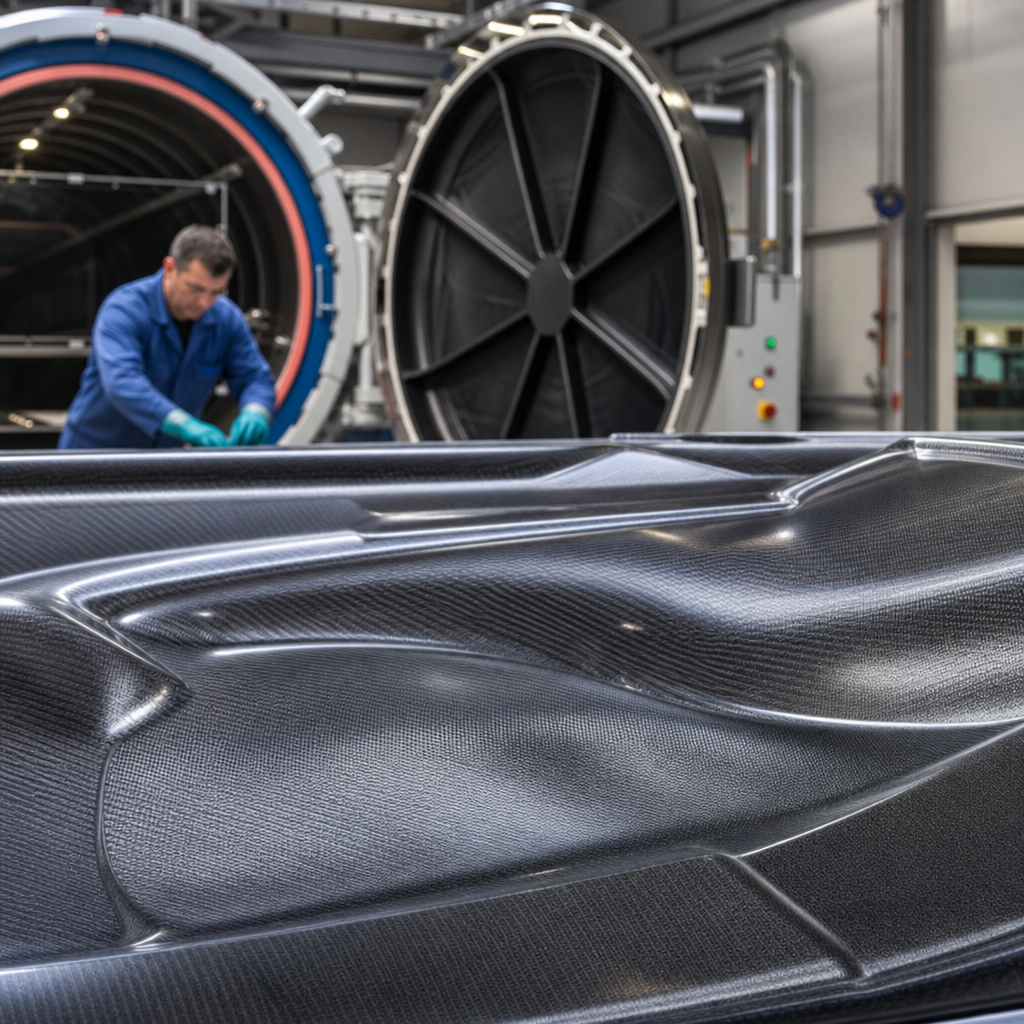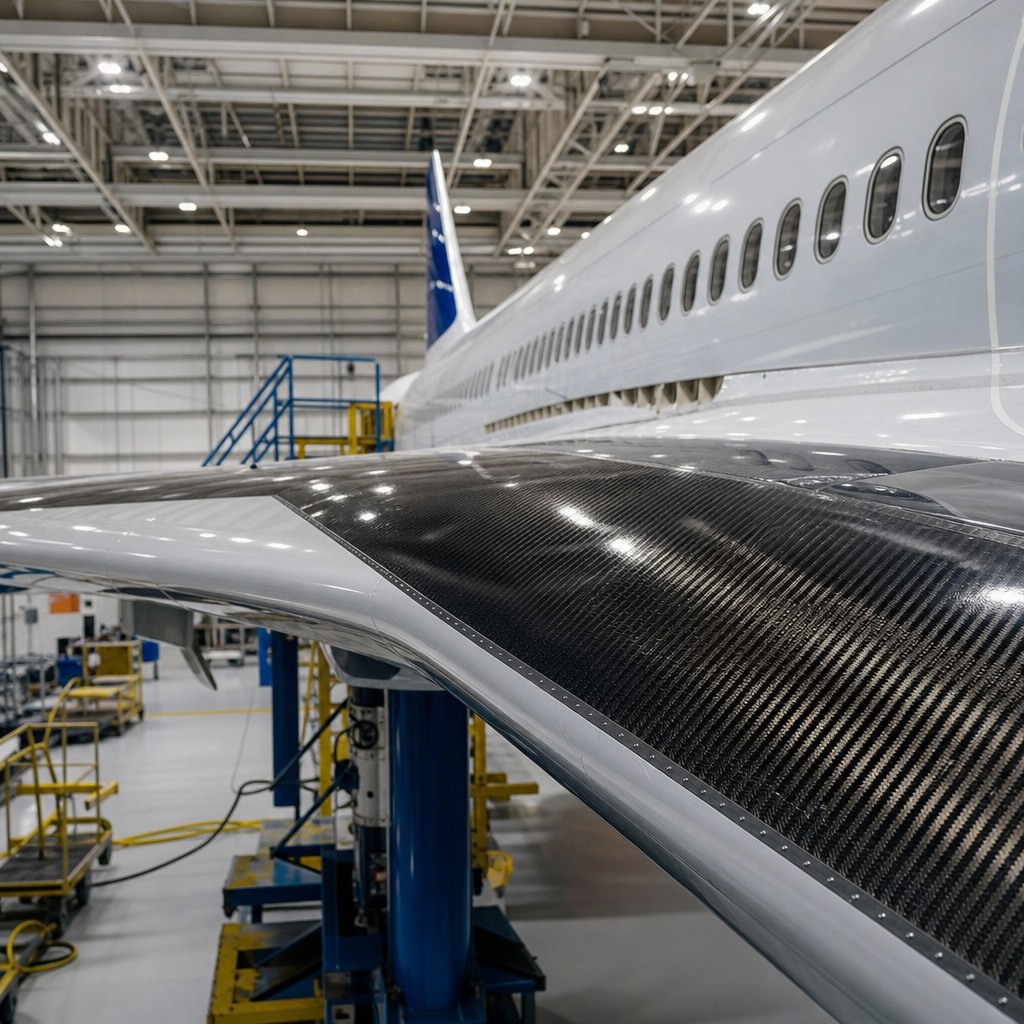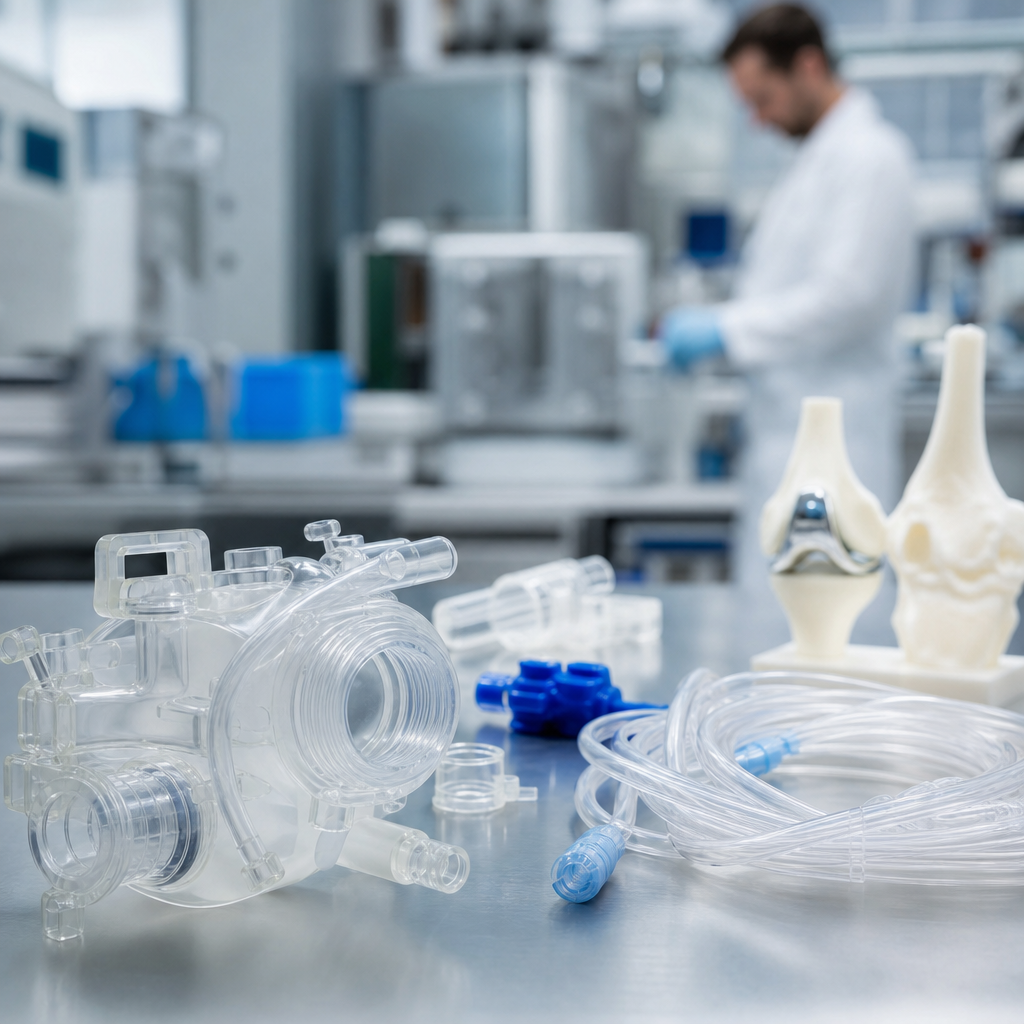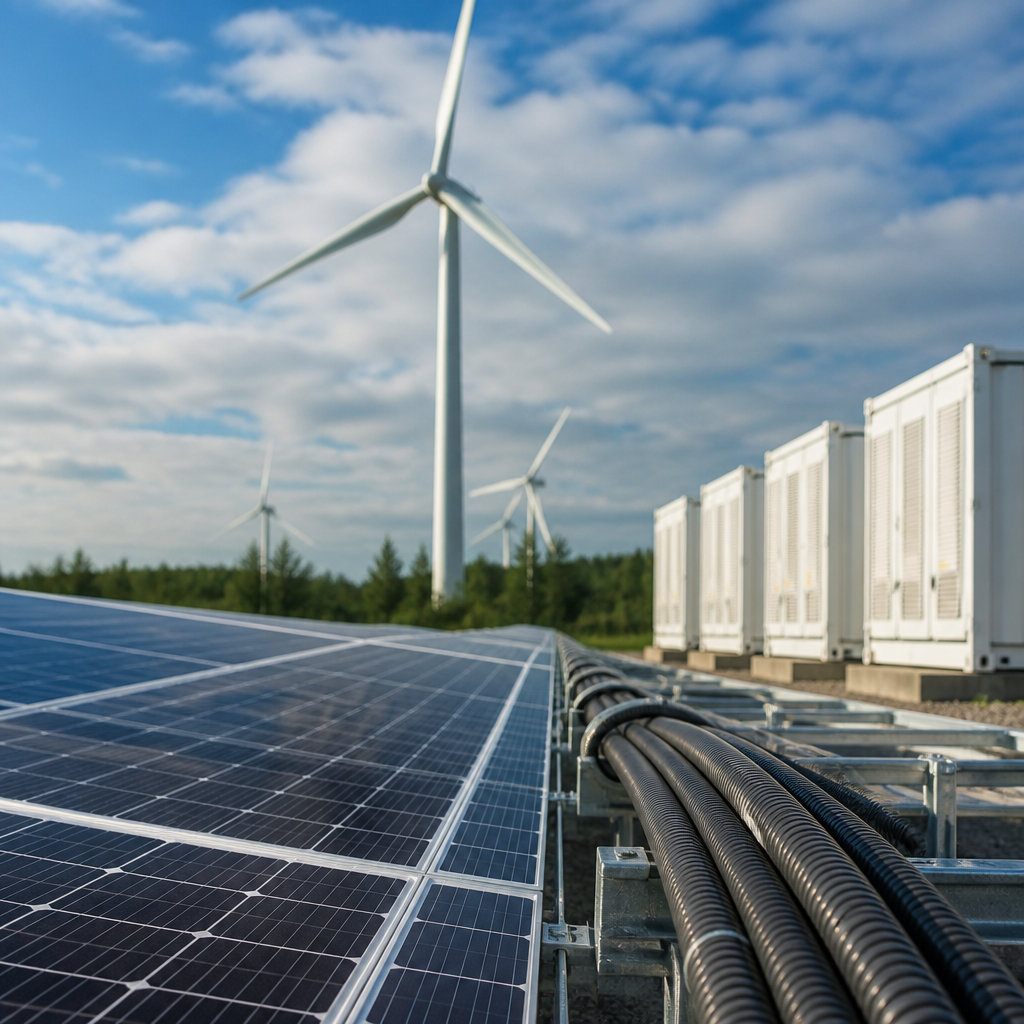
Cutting-edge polymer solutions are reshaping the renewable energy sector by making wind turbines lighter, solar modules more durable, batteries safer, hydrogen systems more efficient, and grid infrastructure more resilient. In practical terms, “polymer solutions” means engineered plastics, elastomers, thermosets, thermoplastics, coatings, films, sealants, membranes, foams, and composites designed to solve a performance problem under harsh operating conditions. In the renewable energy sector, those conditions are unforgiving: ultraviolet exposure, thermal cycling, salt spray, abrasion, moisture ingress, electrical stress, chemical attack, and long service lives that often exceed twenty years. When I evaluate new product launches in this field, I look beyond marketing claims and focus on measurable outcomes such as dielectric strength, flame performance, permeability, fatigue resistance, weight reduction, circularity, and total installed cost.
This topic matters because renewable energy deployment now depends as much on materials science as on generation technology. A solar farm can lose output if backsheet polymers crack. A wind blade can require expensive repair if resin systems do not control fatigue and lightning damage. A battery pack can fail compliance if cell-to-pack insulation and thermal barriers underperform. Hydrogen production and storage become uneconomic when membranes, liners, and seals cannot balance durability with low permeation. New product launches are therefore not side notes; they are leading indicators of how manufacturers are solving bottlenecks in scale, safety, and cost. As a hub for new product launches under innovative products and solutions, this article maps the categories, standards, and commercial priorities that define which polymer technologies matter now and which are likely to shape procurement decisions next.
Why New Polymer Product Launches Matter in Renewable Energy
New product launches in renewable energy polymers typically address one of five recurring constraints: lower weight, longer life, higher efficiency, easier processing, or better compliance. In wind energy, a resin launch may shorten infusion time for large blades while improving fracture toughness. In solar, a new encapsulant may reduce potential-induced degradation and improve adhesion after damp heat testing. In battery systems, thermal interface materials, cell spacers, busbar insulation, and flame-retardant housings are introduced to meet stricter safety expectations while supporting fast manufacturing. Product innovation often succeeds not because the chemistry is entirely novel, but because the formulation balances multiple tradeoffs better than prior generations.
Manufacturers also launch polymers in response to changing regulation and supply chain realities. Europe’s restrictions on certain halogenated substances, growing use of life cycle assessment in public tenders, and pressure to simplify recycling are forcing reformulation. At the same time, developers want fewer material variants, easier automation, and stronger quality control. I have seen buyers reject a technically strong material simply because cure windows were too narrow or because qualified sourcing was limited to one region. The best new launches are therefore application-ready. They come with test data, process guidance, adhesion compatibility, weathering results, and evidence against familiar standards such as IEC, UL, ASTM, ISO, DNV, or NORSOK, depending on the application.
Wind Energy: Composites, Coatings, and Adhesives Driving Larger Turbines
Wind energy remains one of the most polymer-intensive segments in renewables. Modern blades depend on epoxy, polyester, vinyl ester, polyurethane, structural adhesives, core materials, gelcoats, lightning protection interfaces, and erosion-resistant coatings. As turbines grow past 100-meter blades, fatigue life and manufacturability become central. Recent product launches in blade resin systems frequently target lower exotherm, faster cure, improved infusion over long distances, and better crack resistance around spar caps and root sections. Suppliers such as Huntsman, Covestro, Olin, Hexion, and Gurit have all focused product development on large-part processing where small defects can become field failures.
Leading edge erosion is another launch hotspot. Offshore blades face rain, hail, airborne particulates, and salt exposure that can degrade aerodynamic performance and reduce annual energy production. New polyurethane-based protective coatings and tapes are being marketed with improved elongation, adhesion retention, and field repairability. Structural adhesives are also evolving. A blade bondline must handle cyclic loads for decades, so new adhesive launches emphasize toughness, cure consistency, and compatibility with automated dispensing. Thermoplastic composites are gaining attention as well because they offer faster cycle times and a clearer end-of-life pathway than traditional thermosets, although cost and tooling demands still limit widespread replacement in very large blades.
Solar Energy: Films, Encapsulants, and Backsheets Built for 25-Year Durability
Solar module reliability depends heavily on polymer selection. The main polymer systems include encapsulants such as EVA and POE, backsheets based on fluoropolymers or polyolefin structures, junction box potting compounds, cable insulation, sealants, and frontsheet alternatives for lightweight modules. The most important question buyers ask about a new solar polymer product is simple: will it survive decades of heat, humidity, UV radiation, and electrical bias without causing power loss? Product launches in this segment therefore focus on damp heat stability, hydrolysis resistance, adhesion, optical transmission, PID mitigation, and lower moisture ingress.
Encapsulant launches increasingly emphasize POE formulations for better electrical insulation and lower water vapor transmission compared with standard EVA in some module designs. Backsheet innovation has shifted too. Fluoropolymer-rich constructions historically delivered strong weatherability, but cost and sustainability pressures have driven growth in coextruded polyolefin backsheets and fluorine-free alternatives. Not all fluorine-free designs perform equally, so serious suppliers provide extended UV, thermal cycling, and humidity-freeze data. New product launches also support emerging module formats, including bifacial, glass-glass, flexible, and building-integrated photovoltaics. In those formats, polymer performance affects not just durability but weight, fire classification, transparency, and installation method.
Battery Storage and Electrification: Safety-Critical Polymer Innovation
Grid-scale battery energy storage systems and electrified transport share many polymer needs: dielectric insulation, thermal management, flame retardancy, gasketing, venting, sealing, structural support, and lightweight housings. In recent years, the strongest wave of new product launches has centered on mitigating thermal runaway and simplifying battery pack assembly. Silicone foams, intumescent barriers, ceramic-filled thermal pads, polyamide and polycarbonate blends, and thermally conductive but electrically insulating compounds are now core product categories. Companies including DuPont, BASF, SABIC, Solvay, Saint-Gobain, 3M, and Elkem have launched application-specific grades that target battery module and pack architectures rather than generic plastics demand.
What distinguishes a credible battery polymer launch is validated performance under realistic abuse conditions. A useful material must retain mechanical integrity after thermal aging, manage compression set, meet flammability expectations such as UL 94, and integrate with automated dispensing or molding. It also needs chemical resistance against coolants, electrolytes, and cleaning agents. I have seen specification teams prioritize assembly efficiency almost as highly as fire performance, because milliseconds per part matter at scale. That is why snap-fit thermoplastics, low-density insulation foams, gap fillers with dispensability control, and laser-weldable housings are receiving attention. The lesson is straightforward: in energy storage, polymers are not peripheral consumables; they are safety-critical design elements.
Hydrogen, Fuel Cells, and Electrolyzers: Membranes, Liners, and Sealing Systems
Hydrogen systems expose polymers to demanding combinations of pressure, temperature, purity requirements, and permeation risk. New product launches commonly focus on proton exchange membranes, bipolar plate coatings, tank liners, compression seals, valve seats, and hose materials. In electrolyzers and fuel cells, membrane chemistry directly influences conductivity, durability, and system efficiency. Perfluorosulfonic acid membranes remain established, but manufacturers are also advancing hydrocarbon-based alternatives and reinforced structures to improve dimensional stability and reduce cost. For balance-of-plant components, elastomer selection matters because hydrogen can challenge sealing performance through swelling, embrittlement interactions, and leakage pathways.
Composite pressure vessels illustrate why polymer innovation is strategic. Type IV hydrogen tanks use a polymer liner wrapped with carbon fiber composite, combining low weight with high pressure capability. New liner materials and multilayer approaches aim to reduce permeation without sacrificing processability. In electrolyzer stacks, seals must tolerate caustic or acidic environments, pressure cycling, and long uptime expectations. Product launches that solve one property while compromising purity or lifetime rarely survive qualification. Buyers increasingly ask for permeation data, media compatibility, and accelerated aging correlations, not just datasheet values. That shift is healthy because hydrogen economics depend on reliability every bit as much as on catalyst performance.
Grid, Cables, and Power Electronics: Often Overlooked Polymer Launch Opportunities
Renewable energy expansion depends on transmission, distribution, inverters, transformers, and connectors, all of which rely on advanced polymers. Cable insulation and sheathing compounds, potting resins, encapsulants for power electronics, thermally conductive gap fillers, and weatherable enclosures are seeing steady innovation. Cross-linked polyethylene remains central in many cable systems, yet suppliers continue to launch improved formulations for higher cleanliness, better scorch control, and longer operating life. Inverters and converters need polymer solutions that combine dielectric strength, flame retardancy, dimensional stability, and heat dissipation, especially as power density rises.
| Application | Key polymer category | Main launch priority | Typical qualification focus |
|---|---|---|---|
| Wind blades | Epoxy resins, adhesives, coatings | Fatigue life and faster processing | DNV guidance, erosion testing, fracture toughness |
| Solar modules | Encapsulants, backsheets, sealants | Weathering and electrical reliability | IEC 61215, damp heat, PID resistance |
| Battery storage | Thermal barriers, housings, gap fillers | Fire safety and assembly efficiency | UL 94, thermal aging, compression set |
| Hydrogen systems | Membranes, liners, seals | Low permeation and chemical durability | Pressure cycling, purity, media compatibility |
| Power electronics | Potting compounds, encapsulants, insulators | Heat management and dielectric strength | Thermal conductivity, CTI, insulation performance |
These launches matter commercially because a small materials improvement can unlock larger system gains. For example, a more thermally conductive encapsulant can extend inverter life, while a tougher cable jacket can reduce maintenance in offshore substations. The challenge is that qualification cycles are long, especially in grid hardware. Suppliers that win tend to provide application engineering support, failure analysis capability, and documented consistency across manufacturing sites. In this category, polymer innovation succeeds when it reduces field risk rather than merely offering incremental lab performance.
Sustainability, Circularity, and What Procurement Teams Should Demand
The next generation of polymer launches in renewable energy will be judged not only on performance but on sustainability credentials. Recycled content, bio-based feedstocks, lower volatile organic compound profiles, PFAS scrutiny, and design for disassembly are increasingly part of procurement conversations. In practice, these claims require careful verification. A polymer with recycled content may be suitable for housings yet unsuitable for high-voltage insulation if contamination affects dielectric performance. A bio-based resin may reduce fossil feedstock use but still need proof of weatherability and long-term mechanical stability. Serious buyers should request third-party life cycle data, chain-of-custody documentation, and clarity on whether environmental claims apply to mass balance, actual content, or cradle-to-gate emissions.
For companies tracking new product launches across innovative products and solutions, the smartest approach is to evaluate polymers through a structured lens: application fit, standards compliance, processing window, total cost of ownership, supply security, and end-of-life pathway. This hub page should guide deeper exploration into specific launches across wind, solar, storage, hydrogen, and grid technologies. The core takeaway is clear: cutting-edge polymer solutions are enabling renewable energy systems to last longer, perform better, and scale faster. If you are sourcing materials, qualifying components, or planning product strategy, use this overview as your starting framework, then build a shortlist of suppliers whose launches are backed by real data, field relevance, and manufacturing support.
Frequently Asked Questions
1. What are polymer solutions, and why are they so important in renewable energy applications?
Polymer solutions are advanced material systems based on engineered plastics, elastomers, thermosets, thermoplastics, coatings, films, sealants, membranes, foams, and fiber-reinforced composites that are specifically designed to solve demanding performance challenges. In the renewable energy sector, these materials are critical because equipment must operate for years in harsh environments that include ultraviolet exposure, moisture, salt spray, temperature extremes, vibration, chemical contact, mechanical fatigue, and electrical stress. Traditional materials such as metals, glass, and ceramics remain essential, but polymers often provide a more flexible way to improve durability, reduce weight, simplify manufacturing, and lower total system cost.
What makes polymers especially valuable is their tunability. Engineers can tailor stiffness, impact resistance, thermal stability, flame retardancy, dielectric behavior, corrosion resistance, permeability, and weatherability to suit a very specific application. For example, a polymer coating can protect solar components from environmental degradation, a composite structure can reduce the mass of a wind turbine blade while maintaining strength, and an elastomeric seal can prevent moisture ingress in a battery pack or hydrogen system. In other words, polymer solutions are not just substitutes for conventional materials; they are performance enablers that help renewable technologies become more efficient, safer, longer-lasting, and more commercially viable.
2. How do advanced polymers improve the performance of wind and solar energy systems?
In wind energy, advanced polymers play a major role in blade design, nacelle components, cable protection, sealing systems, and corrosion-resistant surfaces. Wind turbine blades commonly rely on polymer matrix composites because they deliver a high strength-to-weight ratio, which is essential for large rotor designs. Lighter blades can reduce gravitational loads and mechanical stress on the hub, drivetrain, and tower, while still allowing longer blade lengths that capture more energy. Polymers are also used in protective coatings and adhesives that help blades resist rain erosion, ultraviolet damage, thermal cycling, and fatigue cracking over long service intervals.
In solar energy systems, polymers are equally important for encapsulants, backsheets, junction box potting, cable insulation, sealants, and anti-soiling or weather-resistant coatings. These materials help protect photovoltaic modules from moisture, dirt, temperature swings, and electrical insulation failures. High-performance polymer films and sealants can extend module service life by limiting water ingress and reducing degradation caused by environmental exposure. Lightweight polymer-based components can also support easier installation and lower transport costs. Taken together, these material improvements contribute to stronger energy output, lower maintenance requirements, and better long-term return on investment for both wind and solar assets.
3. What role do polymers play in battery safety, hydrogen technologies, and broader energy storage systems?
Polymers are central to the safety, reliability, and efficiency of modern energy storage technologies. In battery systems, they are used in separators, thermal interface materials, electrical insulation, flame-retardant housings, foams, gaskets, adhesives, and potting compounds. These materials help manage heat, prevent short circuits, isolate sensitive components, absorb vibration, and protect against moisture and contaminants. As battery packs become larger and more energy-dense, polymer solutions become even more important because they help address thermal runaway mitigation, structural integrity, and long-term durability under repeated charging and discharging cycles.
In hydrogen applications, polymers are used in membranes, liners, seals, valve components, and protective materials for storage and transport systems. Hydrogen is a demanding medium because it can challenge material compatibility, sealing performance, and long-term mechanical stability. Specialized polymer membranes are foundational in many fuel cell and electrolyzer designs, where they support ion transport while maintaining separation between gases. Meanwhile, elastomers and engineered thermoplastics are often selected for sealing and containment functions where chemical resistance, pressure performance, and low permeability are vital. Across both batteries and hydrogen infrastructure, the right polymer formulation can improve system safety, reduce maintenance frequency, support weight reduction, and enable more scalable renewable energy storage solutions.
4. How do polymer solutions help make renewable energy infrastructure more durable and resilient?
Durability is one of the biggest economic drivers in renewable energy, and polymer solutions directly support longer service life across generation, storage, and transmission infrastructure. Renewable assets are often deployed in remote, offshore, desert, or industrial environments where exposure to weather, chemicals, and mechanical wear is constant. Polymers can be engineered to withstand ultraviolet radiation, oxidation, corrosion, abrasion, hydrolysis, and electrical tracking, making them highly effective for protective barriers and structural support functions. This is especially important for systems expected to operate for 20 years or more with minimal downtime.
Examples include corrosion-resistant polymer coatings for towers and support structures, cable jacketing that maintains flexibility and insulation performance over time, sealants that block water and dust intrusion in exposed enclosures, and composite materials that resist fatigue better than many traditional alternatives in cyclical loading conditions. In grid infrastructure, polymers are widely used in insulators, housings, connectors, and protective systems that must maintain electrical reliability in demanding conditions. By helping components survive stress without excessive weight, corrosion, or maintenance burden, polymer technologies increase operational resilience and can significantly reduce lifecycle costs across the renewable energy value chain.
5. What should manufacturers and project developers look for when selecting polymer materials for renewable energy applications?
Material selection should begin with the real operating environment and the specific failure modes that need to be prevented. A polymer that performs well in one renewable application may not be suitable for another, even within the same technology category. Decision-makers should evaluate mechanical loads, temperature range, ultraviolet exposure, humidity, chemical contact, electrical requirements, flame performance, permeability, regulatory compliance, and expected service life. They should also consider how the material will be processed, assembled, repaired, and recycled, since manufacturability and end-of-life strategy are becoming more important in sustainable design.
It is also essential to look beyond simple datasheet values. The most effective polymer solution is usually one that has been validated through application-specific testing such as accelerated weathering, fatigue analysis, dielectric testing, chemical compatibility evaluation, and long-term aging studies. Collaboration with material scientists, converters, and component engineers can reveal whether a coating, film, composite, elastomer, or thermoplastic system will perform reliably under real-world stress. Manufacturers and developers should prioritize materials that offer a balanced combination of performance, durability, safety, and cost efficiency. When chosen strategically, advanced polymer solutions can do more than protect renewable energy equipment; they can unlock better design freedom, improved uptime, and stronger long-term project economics.