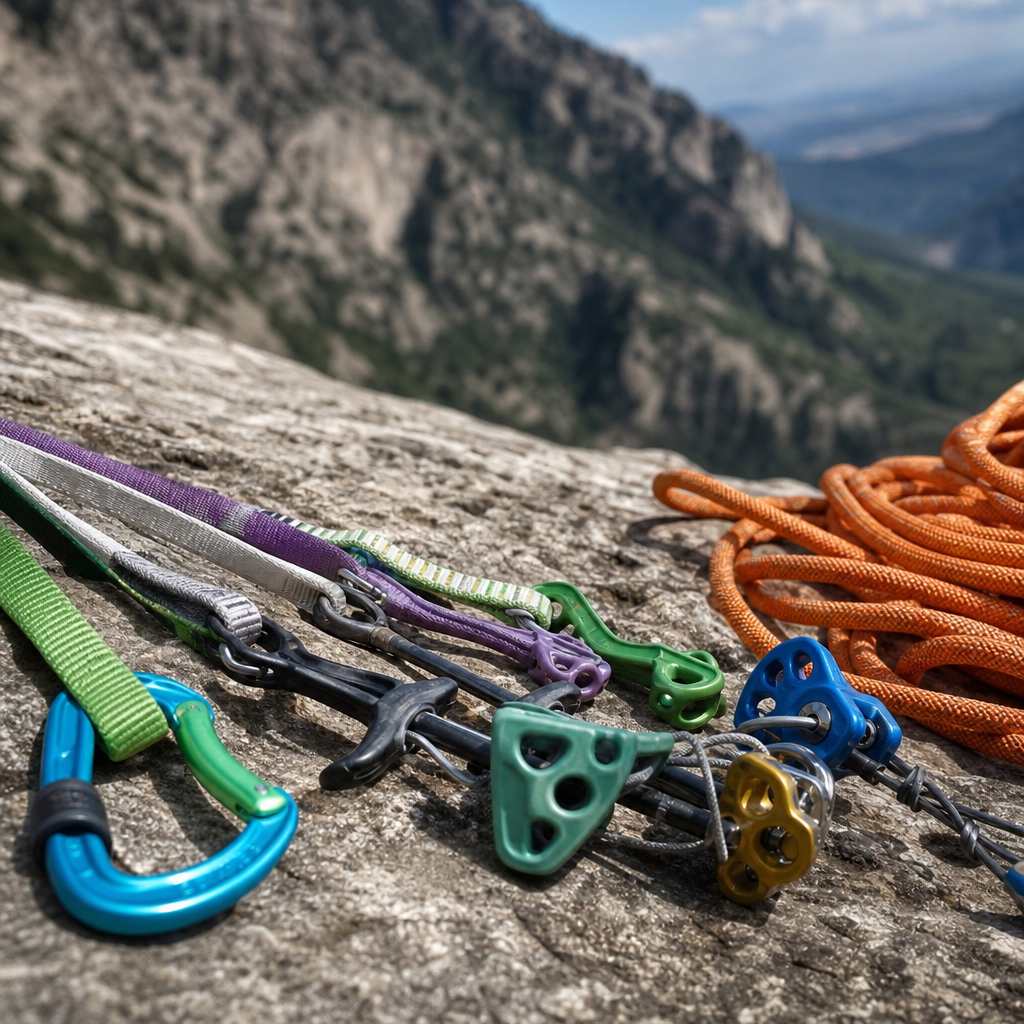
How polymers are revolutionizing climbing gear is no longer a niche materials story; it is the reason modern climbers can move faster, fall safer, and trust equipment in environments that would have overwhelmed older designs. In climbing, a polymer is a large molecule made of repeating units, used alone or blended into fibers, foams, films, coatings, and engineered plastics. From dynamic ropes and helmet shells to shoe rubber and weatherproof jackets, polymers shape nearly every point of contact between climber and rock. I have worked with product teams evaluating ropes, packs, and protective equipment, and the same lesson appears repeatedly: material choice changes performance more than cosmetic design ever will. For the broader Sports and Leisure category, climbing is a useful hub topic because it shows how advanced polymers influence safety, comfort, durability, and cost all at once. Understanding these materials helps buyers choose gear intelligently, helps retailers explain tradeoffs clearly, and helps outdoor brands develop products that meet modern expectations for reliability, weight reduction, and environmental responsibility.
Why polymers dominate modern climbing equipment
Polymers dominate climbing gear because they deliver a rare combination of low density, high tensile performance, impact management, abrasion resistance, and process flexibility. Traditional materials such as cotton, leather, steel, and untreated wood still have roles, but they cannot match what nylon, polyurethane, thermoplastic elastomers, polycarbonate, ultra-high-molecular-weight polyethylene, and EVA foams offer in weight-sensitive systems. A climbing rope must absorb energy during a fall, resist edge wear, and remain flexible after repeated use. Nylon does that better than natural fibers because its molecular structure gives it elasticity and toughness. A helmet must spread impact forces while staying light enough that people actually wear it for long approaches and multi-pitch routes. Polycarbonate shells and expanded polypropylene or EPS liners make that possible.
The practical value is easy to see in the field. Thirty years ago, a rack, rope, helmet, and pack for a long alpine route imposed a significant weight penalty. Today, polymer engineering has reduced grams across every category, which directly lowers fatigue and indirectly improves safety by preserving decision-making late in the day. The same trend appears in indoor climbing, sport climbing, trad climbing, mountaineering, and via ferrata. In each case, polymers help manufacturers tune stretch, friction, stiffness, waterproofing, and thermal behavior with precision. That tunability is why climbing gear has become more specialized without becoming inaccessible.
Ropes, slings, and harness textiles
The clearest example of polymer innovation in climbing is the rope system. Dynamic climbing ropes are typically built around nylon cores and sheaths because nylon stretches under load, dissipating fall energy and reducing peak force on the climber, belayer, and protection. Standards from UIAA and EN define minimum performance thresholds for impact force, elongation, sheath slippage, and fall count, but brands compete through construction details such as dry treatments, braid density, and handling feel. In product testing, I have seen two ropes with similar diameter perform very differently after repeated wet-dry cycles because polymer coatings and yarn quality determine how quickly the sheath stiffens or fuzzes.
Static ropes, by contrast, are engineered for minimal elongation in hauling, rescue, caving, and fixed-line use. Their polymer makeup prioritizes stability over energy absorption. Webbing and sewn slings also rely heavily on nylon and high-performance polyethylene. Nylon slings are more elastic and tolerate dynamic loading better, while Dyneema or Spectra slings, both forms of ultra-high-molecular-weight polyethylene, are lighter and less water absorbent. The tradeoff is lower melting temperature and lower knot-holding efficiency, which matters in anchor building. Harnesses use layered polymer textiles, load-bearing webbing, foams, and thermoplastic reinforcements to distribute force across the waist and legs while limiting bulk. Modern harness design is really polymer architecture disguised as sewing.
Helmets, protective components, and impact control
Climbing helmets show how polymers solve multiple problems in one product. Hardshell helmets often combine an ABS shell with an expanded polypropylene or EPS foam liner. Foam-first helmets may use a thin polycarbonate cap over EPP or EPS to cut weight. ABS offers toughness and puncture resistance, polycarbonate gives a high strength-to-weight ratio, EPS crushes to absorb one major impact, and EPP can recover better from smaller repeated knocks. These distinctions matter because climbing hazards are mixed: falling rocks, swinging impacts, dropped gear, and careless handling in packs. The best material choice depends on whether the user prioritizes durability for daily guiding, low weight for long alpine missions, or compactness for travel.
Other protective components depend on polymers too. Belay gloves often mix leather with aramid stitching and synthetic back panels for heat and abrasion management. Knee pads for crack climbing use viscoelastic foams and durable elastomeric covers. Even the humble chalk bag relies on synthetic fabrics and fleece-like polymer liners that retain chalk while resisting moisture. In Sports and Leisure retail, these are not side notes; they are examples of how polymer selection determines whether an accessory remains useful after a season of hard use or becomes landfill by spring.
Climbing shoes and the science of friction
Climbing shoes may be the most familiar consumer-facing expression of polymer science. The sticky rubber on the outsole is typically a proprietary elastomer blend engineered for friction, deformation, rebound, and wear. Soft compounds smear well on volumes and sandstone because they conform to micro-irregularities, increasing real contact area. Firmer compounds edge better on tiny holds because they deform less and transfer force more directly. There is no universally best shoe rubber; the route style, temperature, and climber technique determine which polymer formulation performs best.
Midsoles and rands add another layer of polymer tuning. Thermoplastic materials and synthetic composites shape stiffness, toe power, and long-term tension. Uppers may use leather, microfiber, knit synthetics, or laminated polymer fabrics, each affecting stretch and fit. In indoor climbing gyms, where frequent use and textured walls accelerate wear, polyurethane-coated toe patches can dramatically improve durability for toe hooks. In competition climbing, where modern routes demand coordination moves and contact strength on large volumes, softer rubber and more adaptable uppers often outperform traditional stiff builds. The footwear lesson is simple: polymers do not merely make shoes lighter; they define climbing style by controlling frictional behavior and force transfer.
Apparel, weather protection, and thermal regulation
Climbing apparel has been transformed by polymers just as thoroughly as hard goods. Base layers now use polyester and polyamide yarns with engineered cross sections that improve wicking and drying compared with cotton. Midlayers use polyester fleece, grid knits, and active-insulation fills that trap heat while moving moisture during stop-start efforts. Shell jackets rely on membranes and coatings based on expanded PTFE, polyurethane, or polyester systems to balance water resistance, breathability, and packability. For climbers, that balance is decisive. A shell that blocks rain but traps sweat can chill a leader at the belay faster than a lighter garment with better vapor transfer.
Softshell pants, stretch woven jackets, and abrasion panels on knees, seat, and cuffs all depend on elastane blends, nylon face fabrics, and durable water repellent chemistry. Polymer insulation has also expanded the range of safe conditions for recreational climbers. Synthetic fills maintain more warmth than down when wet, making them valuable on mixed routes, sea cliffs, and shoulder-season objectives. The result is broader participation in Sports and Leisure because clothing is no longer a limiting factor for most weather windows. Material systems that once belonged only to elite alpine equipment are now common in mainstream climbing apparel.
Weight, durability, sustainability, and cost tradeoffs
Polymer innovation improves climbing gear, but it always involves tradeoffs. Lighter is not automatically better, and stronger on paper does not always mean safer in real use. Ultra-light helmet constructions can reduce fatigue, yet some users may prefer the long-term dent resistance of a heavier hardshell. Dyneema slings resist water and weigh little, but nylon remains preferable where heat, knots, or dynamic behavior are key concerns. Shoe rubber that feels incredible for smearing may wear out quickly in a busy gym. Coated waterproof fabrics can shed rain effectively, but contamination from sunscreen, chalk, and body oils gradually reduces performance.
| Gear category | Common polymers | Main benefit | Primary tradeoff |
|---|---|---|---|
| Dynamic ropes | Nylon | Energy absorption | Water uptake without treatment |
| Slings | Nylon, UHMWPE | Low weight or better elasticity | Heat sensitivity in UHMWPE |
| Helmets | ABS, polycarbonate, EPS, EPP | Impact management at low weight | Different limits for repeat impacts |
| Shoes | Elastomer rubber, PU, TPU | Friction and structure tuning | Wear varies by compound |
| Shell apparel | PU, polyester, ePTFE systems | Weather protection | Breathability and care demands |
Sustainability adds another important layer. Most high-performance climbing polymers come from fossil-derived feedstocks, and mixed-material products are hard to recycle. Brands are responding with solution-dyed yarns, recycled nylon and polyester, PFAS-free water repellents, bio-based polyamides, and repair programs. These are meaningful steps, but the environmental picture remains complex. Recycled content can reduce virgin input, yet durability is still the most important sustainability feature in many gear categories. A rope or shell that lasts longer and performs consistently can have lower practical impact than a greener-sounding product that fails early and must be replaced.
How this shapes the wider Sports and Leisure market
Climbing is a hub topic within Sports and Leisure because it demonstrates how advanced polymers migrate across categories. The same EVA and EPP foams used in helmets appear in cycling, skiing, and paddlesports. Moisture-managing polyester systems developed for mountain apparel influence running, hiking, and training wear. UHMWPE fibers used in slings and cut-resistant packs appear in sailing lines, fishing equipment, and protective gloves. Once a polymer proves itself in climbing, where consequences of failure are obvious, it often spreads into broader recreational markets.
For consumers, this means buying decisions should focus less on marketing language and more on use case. Ask which polymer system is doing the critical job. Does the rope need dry treatment for ice and alpine use? Is the helmet intended for repeated daily abuse or occasional weekend objectives? Does the shoe rubber match edging on limestone, smearing on granite, or plastic holds indoors? Does the shell use a membrane construction suitable for long storms or a lighter coating better for dry, windy conditions? Clear answers lead to better purchases and fewer disappointments.
The biggest benefit of polymer-driven climbing gear is not novelty. It is confidence built through better engineering. Climbers now have ropes with predictable elongation, helmets with sophisticated impact management, shoes tuned for specific movement styles, and apparel systems that extend comfort and safety across more conditions. As the Sports and Leisure market evolves, polymers will continue to drive the next generation of gear through smarter blends, cleaner chemistries, and designs built for repair and longer service life. If you are building a climbing kit or expanding an outdoor product line, start by understanding the materials, then match them to the actual demands of the climb. That is where performance, value, and trust come together.
Frequently Asked Questions
1. What makes polymers so important in modern climbing gear?
Polymers are central to modern climbing gear because they combine low weight, high strength, flexibility, durability, and weather resistance in ways that older materials often could not. In climbing, every gram matters, but so does reliable performance under repeated loading, abrasion, moisture, ultraviolet exposure, and sudden impact. Polymers make it possible to engineer gear that is strong enough to protect a climber during a fall while still being light enough to carry on long approaches, alpine routes, and multi-pitch days.
Dynamic ropes are one of the clearest examples. Nylon fibers, which are polymers, allow a rope to stretch under load and absorb fall energy rather than transferring the full force directly to the climber and anchors. That controlled elongation is a major safety advantage. In helmets, engineered polymers are used in both the outer shell and the impact-absorbing foam liner, helping reduce head injury risk by dispersing and absorbing energy. In climbing shoes, specialized rubber compounds provide the friction and sensitivity climbers depend on for edging, smearing, and precision footwork.
Beyond safety and performance, polymers also improve consistency and design freedom. Manufacturers can tailor polymer blends, densities, coatings, and fiber structures for specific applications, whether the goal is a rope that handles smoothly, a harness with long-term abrasion resistance, or a shell jacket that blocks wind and rain without trapping too much sweat. That level of material tuning is a big reason climbing gear has become more specialized, more dependable, and more comfortable across sport climbing, trad, ice, mountaineering, and gym use.
2. How do polymer-based climbing ropes improve safety during falls?
Polymer-based climbing ropes, usually made primarily from nylon, improve safety because they are designed to manage energy instead of resisting force in a completely rigid way. When a climber falls, the rope stretches and absorbs part of the fall energy. This reduces peak impact force on the climber’s body, the belayer, and the protection system. That is exactly what a dynamic rope is supposed to do: catch the fall while lowering the violence of the stop.
The polymer structure of the rope matters at both the fiber and rope-construction level. Nylon filaments are arranged into yarns, then twisted and woven into a kernmantle design, with a strong core for load-bearing and an outer sheath for protection against abrasion. Because polymers can be processed with high precision, rope makers can control elongation, handling, knotability, and durability. That allows different rope models to be optimized for single-pitch sport climbing, alpine use, ice climbing, or long trad routes where weight and water resistance are especially important.
Modern polymer treatments also make ropes more reliable in challenging environments. Dry treatments and protective coatings can reduce water absorption, which is crucial in snow, ice, and mixed climbing because a wet rope can become heavier, stiffer, and less manageable. Improved sheath materials can increase resistance to sharp rock abrasion and repeated use through belay devices. While no rope is indestructible, polymer science has made today’s ropes more predictable, more durable, and better able to maintain performance over time when properly used, inspected, and retired according to manufacturer guidelines.
3. In what ways are polymers changing climbing helmets, harnesses, and protective equipment?
Polymers have transformed protective climbing equipment by allowing designers to create products that are lighter, more comfortable, and better at managing impact and wear. In helmets, different polymer components often work together as a system. A hard outer shell, commonly made from a tough plastic such as ABS or polycarbonate, helps resist penetration and spread impact across a broader area. Underneath, a foam liner made from expanded polymer materials absorbs energy by deforming during a hit. This layered approach gives climbers a helmet that is practical enough to wear all day while still offering serious protection.
Harnesses also benefit heavily from polymer innovation. High-strength synthetic webbing, reinforced tie-in points, foam components, and abrasion-resistant fabrics all contribute to a harness that can support major loads without becoming bulky or restrictive. Advanced polymer fibers and laminated constructions help distribute pressure more comfortably across the waist and legs, which matters on hanging belays, projecting sessions, and long descents. Compared with older, heavier constructions, modern polymer-based harnesses can be more ergonomic while still meeting stringent safety standards.
Other protective equipment shows the same pattern. Belay gloves, pads, sling materials, pack fabrics, and weatherproof apparel all rely on polymers to deliver a balance of toughness and usability. Even small details such as buckle housings, gear loops, reinforcement films, and coatings can affect how gear performs in cold, wet, abrasive, or high-UV conditions. The broader story is that polymers do not just replace older materials; they allow equipment to be engineered as integrated systems where comfort, durability, and protection support one another.
4. Why are polymer rubbers and synthetic materials such a big deal in climbing shoes and apparel?
In climbing shoes, polymer-based rubber compounds are one of the biggest performance drivers because they directly affect grip, precision, support, and sensitivity. Shoe rubber must do several things at once: generate friction on rock and plastic, deform enough to conform to tiny features, remain durable under repeated abrasion, and provide the right balance of stiffness and softness for different styles of climbing. That is not easy, and it is why manufacturers invest heavily in compound design. Small changes in polymer formulation can produce noticeably different results in edging power, smearing ability, and overall feel on the wall.
The rest of the shoe also depends on polymers. Synthetic uppers, rand materials, midsoles, and adhesives all influence fit retention, structure, and long-term durability. A well-designed rand helps transfer power to the toe, while the upper material affects stretch, breathability, and how the shoe breaks in. Because polymers can be tuned for flexibility, resilience, and abrasion resistance, brands can build shoes for steep bouldering, technical face climbing, crack climbing, or all-day comfort on long routes.
In apparel, polymers are equally important. Jackets, base layers, insulation, and soft shells often use synthetic fibers and membranes to manage weather and moisture. These materials can help block wind, resist rain, wick sweat, dry quickly, and maintain warmth even in damp conditions. For climbers, that translates into better thermal regulation and mobility in constantly changing environments. Whether someone is climbing in an indoor gym, a desert crag, or a frozen alpine couloir, polymer-based textiles help keep clothing lighter, more packable, and more functional than many traditional alternatives.
5. Are there any downsides to polymers in climbing gear, and what should climbers watch for?
Yes, polymers offer major advantages, but they are not maintenance-free and they do have limitations. Over time, polymer-based gear can degrade from ultraviolet exposure, abrasion, dirt contamination, repeated loading, chemicals, heat, and simple aging. A rope that looks fine externally may still have suffered internal wear after heavy use or a severe fall. Helmet foams can become compromised after impacts, even if damage is not dramatic. Harness webbing can weaken from abrasion or contamination, and shoe rubber performance naturally changes as it wears down.
Climbers should also understand that not all polymers behave the same way. Some are excellent at absorbing energy, some are optimized for stiffness, and some are chosen mainly for weather resistance or low weight. That means gear must be used for its intended purpose. For example, a dynamic rope should never be treated like a static line, and a lightweight alpine helmet should not be assumed to perform identically to every other helmet design in every scenario. The sophistication of polymer engineering is a strength, but it also means users need to pay attention to specifications, certifications, and manufacturer recommendations.
The practical takeaway is that inspection, storage, and timely retirement matter just as much as material quality. Climbers should store gear away from direct sunlight and excessive heat, keep it away from harsh chemicals, inspect it regularly for cuts, glazing, soft spots, delamination, deformation, and unusual wear, and replace gear after major impacts or when it reaches the end of its service life. Polymers have made climbing dramatically safer and more capable, but the best results come when advanced materials are matched with informed use and disciplined gear care.