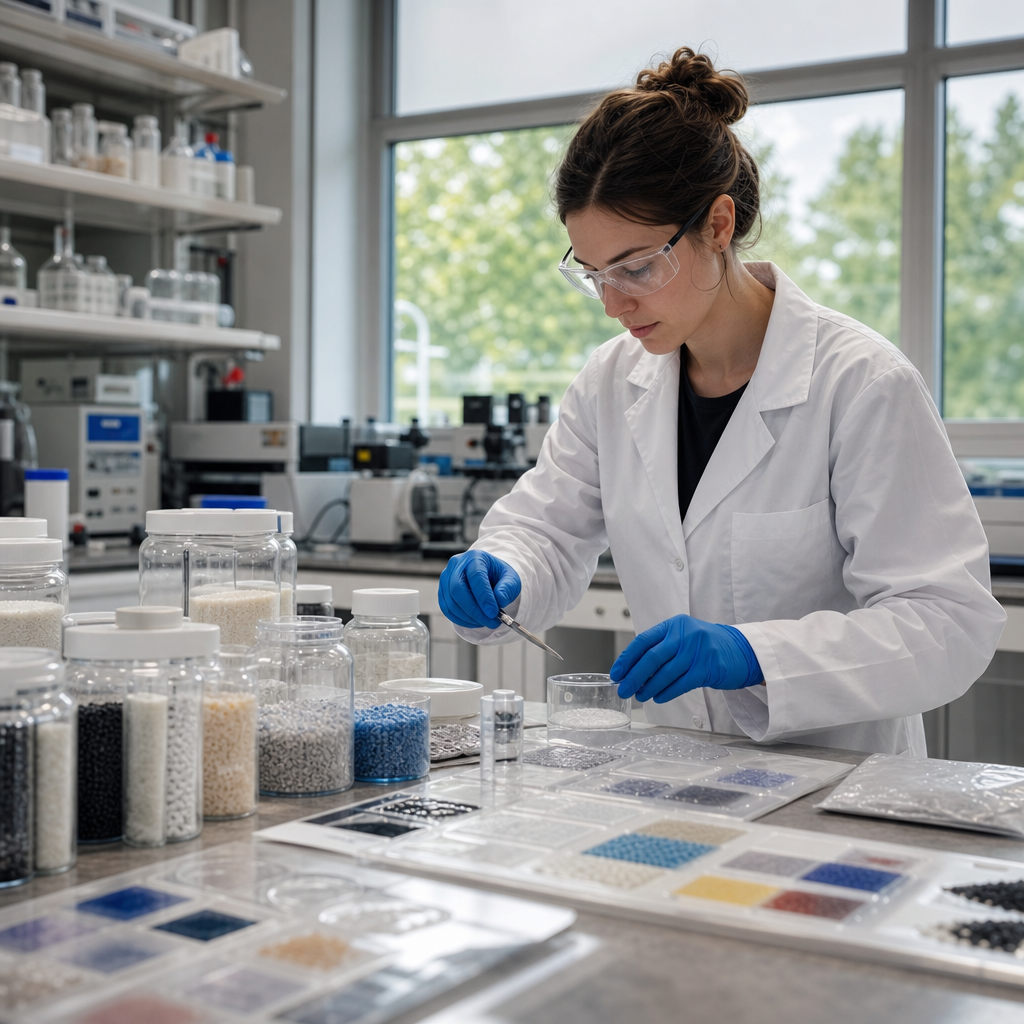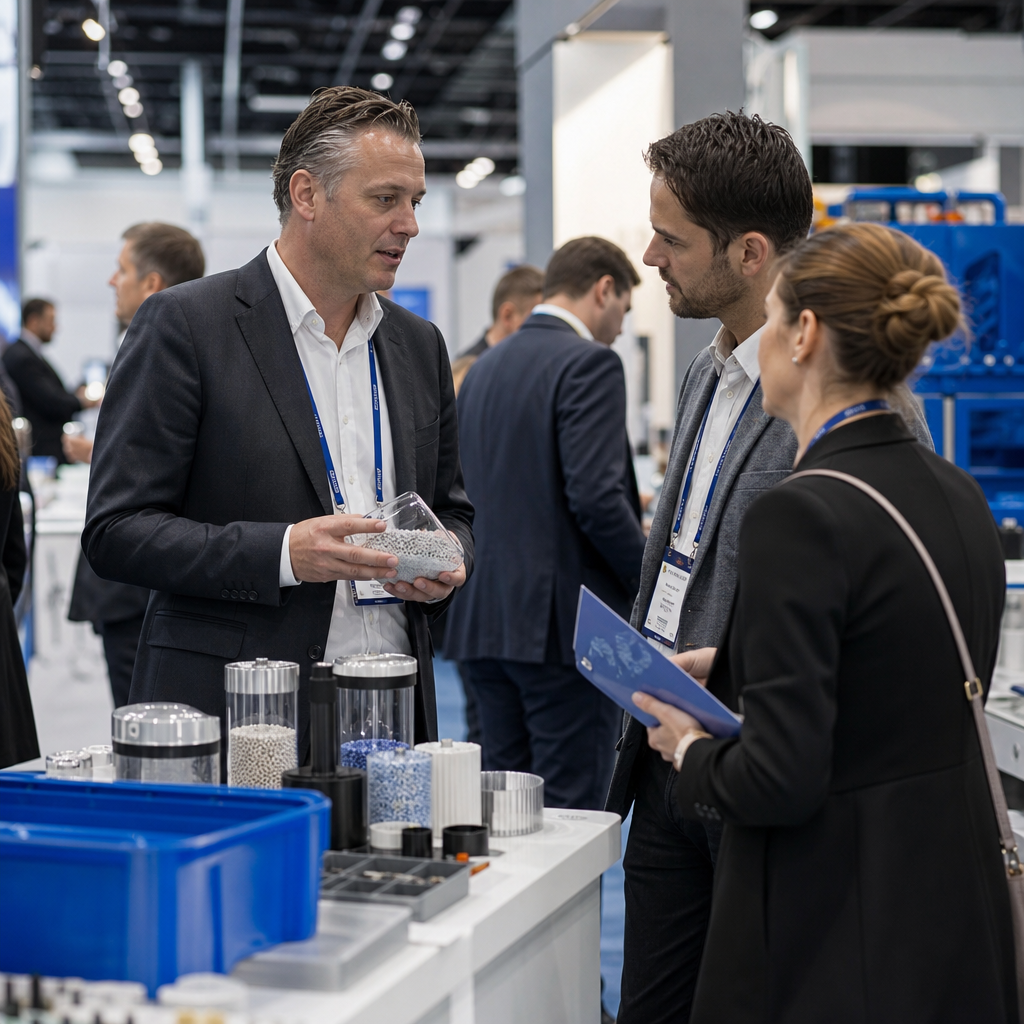
Polymer industry expos are concentrated marketplaces of knowledge, equipment, materials, and relationships, and knowing how to use them well can accelerate technical learning, supplier discovery, and commercial growth. In practical terms, an expo combines a trade show floor, conference sessions, workshops, standards discussions, and informal networking into one event built around plastics, elastomers, composites, additives, processing, recycling, and related manufacturing technologies. For companies that buy resin, specify compounds, run extrusion or injection molding lines, design products, or evaluate sustainability strategies, these events can compress months of research into a few focused days. I have attended polymer conferences as both a visitor and an exhibitor, and the difference between a costly trip and a high-return trip is rarely the badge price. It comes down to preparation, discipline on the floor, and a clear follow-up process.
The term polymer industry expo covers a broad range of formats. Some events are heavily commercial, with large machinery demonstrations and supplier booths. Others are technical conferences centered on formulation science, rheology, processing optimization, testing methods, barrier performance, recyclability, and regulatory change. Many blend both models. Major examples include NPE, K, Fakuma, PLASTIMAGEN, Compounding World Expo, and specialized workshops run by organizations such as SPE and AMI. Each serves a different purpose. A design engineer may attend to compare high-heat materials, a plant manager to evaluate automation and screw design, a procurement leader to benchmark resin supply options, and a sustainability team to understand mechanical versus chemical recycling economics.
This matters because the polymer sector changes quickly and expensively. A new additive package can improve impact performance but complicate food-contact compliance. A lower-cost recycled feedstock may reduce emissions yet introduce variability in melt flow index, color, odor, or contamination. Equipment upgrades can increase output and reduce scrap, but only if they align with tooling, drying, material handling, and operator training. Expos are where these tradeoffs become visible. You can compare technical data sheets with actual molded parts, ask processors how a resin runs on the floor, hear regulators explain policy direction, and test whether a supplier’s claims survive detailed questions. Used well, conferences and workshops become a decision-making engine, not just a calendar event.
Set clear objectives before you register
The most effective expo strategy starts before travel approval. Define exactly what success looks like. In my experience, attendees who arrive with vague goals such as “see what is new” leave with tote bags and scattered notes. Attendees who define five to eight priority outcomes leave with usable intelligence. Good objectives are specific: identify three alternative suppliers for post-consumer recycled polypropylene, compare two hot-runner control systems, learn the latest PFAS-related compliance implications for fluoropolymer processing aids, or find workshops covering design for recyclability under APR or RecyClass guidance.
Segment those goals by function. Technical goals may include evaluating tensile, flexural, HDT, creep, or barrier performance in candidate materials. Operations goals may focus on OEE, scrap reduction, energy use, gravimetric blending accuracy, mold changeover, or dryer dew point control. Commercial goals can include benchmarking lead times, minimum order quantities, contract structures, and regional capacity. Educational goals should cover standards and methods, such as ASTM and ISO test protocols, UL requirements, FDA food-contact frameworks, and lifecycle assessment approaches using recognized tools like GaBi or SimaPro.
Once objectives are set, map them to event assets. Review the exhibitor directory, conference agenda, workshop tracks, and networking events. Most large polymer expos publish exhibitor categories by resin family, machinery type, testing services, software, and automation systems. Build a list of must-see booths and rank them by importance. Then identify conference sessions that answer your hardest questions. If your company is exploring lightweighting, prioritize talks on long-fiber thermoplastics, foaming, finite element validation, and warpage control. If you are evaluating recycling, look for sessions on wash-line contamination, odor mitigation, compatibilizers, de-inking, and mass balance claims.
Just as important, decide what not to spend time on. Expos are dense environments, and attention is your scarcest resource. Limit low-value meetings, skip generic presentations that repeat brochure language, and focus on areas where hands-on comparison matters. A thirty-minute machine demonstration with a knowledgeable process engineer often delivers more value than three superficial booth visits. The goal is not to cover the whole hall. The goal is to answer the right questions better than you could from your desk.
Plan your expo schedule like a project manager
A polymer expo should be managed like a short, high-intensity project with defined tasks, dependencies, and outputs. Start by building a daily schedule that balances booth meetings, technical sessions, meals, and note consolidation. I recommend scheduling your highest-priority booth visits early in the morning, when technical staff are available and your attention is strongest. Reserve late morning and midafternoon for conference sessions. Keep at least one hour each day open for unexpected opportunities, because some of the best conversations happen when a processor overhears your question or a supplier introduces a specialist from another division.
Use a simple qualification framework for each exhibitor. Before the event, prepare questions covering technical fit, processability, commercial terms, validation data, and implementation support. For materials suppliers, ask about melt flow range, lot-to-lot consistency, VOC profile, colorability, regrind tolerance, moisture sensitivity, and real processing windows. For machinery suppliers, ask for throughput at your target resin and part geometry, not generic nameplate output. For additives suppliers, ask how the package affects haze, yellowing, plate-out, migration, and downstream welding or printing. If a supplier cannot answer in detail, request a follow-up with the application engineer, not just the sales representative.
Record information systematically. At large events, memory fails quickly because products and claims blur together. Use a standard template on your phone or tablet. Capture supplier name, product line, key specifications, claimed advantages, constraints, samples requested, next step, and confidence level. Photograph booth signage and material labels only when permitted, and tie each photo to your notes immediately. I have seen teams return with hundreds of unlabeled photos that become useless within a week. A structured record turns expo observations into comparable data.
| Expo goal | Best event activity | Questions to ask | Useful output |
|---|---|---|---|
| Find new material suppliers | Targeted booth meetings | What are the key properties, certifications, lead times, and minimums? | Shortlist with qualification notes |
| Improve process efficiency | Machine demos and workshops | What output, scrap rate, energy draw, and labor changes are realistic? | Capex comparison and pilot ideas |
| Understand regulations | Conference sessions | Which standards or policies are changing, and by when? | Compliance action list |
| Benchmark sustainability options | Panels plus supplier meetings | What recycled content, traceability, and LCA assumptions support the claim? | Decision matrix for materials strategy |
Use the show floor to evaluate claims, not just collect brochures
The show floor is where theory meets operating reality. Every supplier can present polished slides, but expos allow you to inspect parts, watch equipment run, and probe the assumptions behind performance claims. When evaluating resins or compounds, ask to see molded plaques, extruded profiles, blown film, thermoformed parts, or finished customer applications. A data sheet may report impact strength and modulus under controlled conditions, yet actual surface finish, weld-line behavior, gate blush, sink, and color consistency often determine whether a material is usable in production. Put the sample in your hand and ask what machine, tool temperature, drying condition, and cycle time produced it.
For processing equipment, insist on context. Throughput numbers without resin type, screw configuration, back pressure, moisture content, and die geometry are not decision-grade information. If an extrusion line is running a filled polypropylene at the booth, ask how performance changes with a hygroscopic engineering resin or a recycled stream with variable bulk density. If an injection molding cell shows a rapid cycle, ask about mold cooling design, robot integration, reject handling, and preventive maintenance intervals. The best exhibitors welcome these questions because they know implementation determines value.
Testing and quality providers also deserve close attention. Polymer performance is often limited not by chemistry but by weak validation discipline. Visit labs that offer DSC, TGA, FTIR, DMA, rheology, GC-MS, colorimetry, permeation testing, and failure analysis, and ask how they support root-cause investigations. If your team struggles with cracking, odor, delamination, or inconsistent viscosity, a good analytical partner can save months of guesswork. I have found that expos are especially useful for comparing service depth: some labs merely run methods, while others help interpret whether the result points to oxidation, contamination, hydrolysis, poor dispersion, or excessive shear history.
Workshops on the expo floor can be surprisingly valuable because they translate product claims into operating practices. Short sessions on screw design, mold venting, drying, filtration, reclaim handling, antistatic performance, or color changeover often reveal practical details that formal presentations omit. Treat these as mini-consultations. If a presenter explains that a certain PCR stream requires tighter melt filtration and odor management, ask what mesh size range, venting setup, or additive combination has worked in comparable applications. Specificity is the difference between education and marketing.
Make conferences and workshops your learning engine
The conference program is the educational backbone of a strong expo visit, especially for teams using this page as a hub for conferences and workshops planning. Technical sessions answer the questions that booth staff cannot always cover in depth, and workshops provide a structured way to build competence in materials, processing, testing, and sustainability. If you are early in a topic, a workshop offers a fast baseline. If you are solving a specific problem, a conference presentation can expose methods, benchmarks, and pitfalls that shorten your development cycle.
Choose sessions that match your decision stage. At the exploration stage, prioritize overview talks on market direction, technology landscapes, and standards updates. For example, if your company is assessing bio-based polymers, start with sessions defining feedstocks, drop-in versus novel chemistries, end-of-life realities, and current application limits. At the validation stage, move toward narrow technical topics such as nucleation effects in polypropylene, hydrolytic stability in polyesters, flame-retardant mechanisms, barrier enhancement with nanofillers, or devolatilization in compounding. At the implementation stage, seek case studies showing line speed, scrap reduction, torque behavior, residence time management, and commercial results.
Workshops are especially powerful because they encourage note-taking around methods instead of claims. A good polymer workshop will cover terminology, process windows, common failure modes, and diagnostic approaches. In sessions on injection molding, for instance, I look for discussion of fill balance, pack and hold optimization, gate freeze, venting, clamp force, mold temperature control, and dimensional stability over time. In recycling workshops, the most useful content usually addresses contamination classes, sortation technologies, compatibilization, odor control, and the realistic limits of repeated heat history. These are the details that translate directly to plant decisions and product specifications.
Do not attend sessions passively. Prepare one question for each high-priority presentation and ask it if the answer is not covered. Speakers often share their most candid insights during Q&A or in hallway conversations afterward. When a presenter references a named standard, study, or test method, write it down. Standards such as ASTM D1238 for melt flow, ASTM D638 for tensile properties, ISO 1133, and UL flammability methods frequently shape supplier claims and customer requirements. Knowing which methods were used lets you compare data correctly instead of mixing unlike results.
Network with purpose and follow up while information is fresh
Networking at polymer expos is not random socializing. It is a disciplined way to build a technical and commercial intelligence network across resin suppliers, molders, compounders, machinery OEMs, recyclers, labs, consultants, and end users. The best contacts are often peers facing similar processing or compliance problems, because they can explain what actually happened after the purchase order. I have learned more from ten-minute conversations with plant engineers about dryer maintenance, regrind management, or black speck troubleshooting than from many polished product pitches.
Approach networking with relevance. Introduce yourself with your application area, process, and current challenge. “We mold thin-wall polypropylene closures and are evaluating higher PCR content without losing hinge performance” invites a meaningful response. So does “We are seeing lot-to-lot variation in a glass-filled nylon and want better incoming QC methods.” Specific context helps the other person decide whether they can help, and it makes your conversation memorable. Use receptions, association meetups, and technical poster sessions to find these people, not just formal meetings.
Follow-up should begin before you leave the venue. Each evening, sort your contacts into three groups: immediate action, monitor, and archive. Send quick thank-you emails to priority contacts with one line on the next step, such as requesting a sample, technical data package, trial support, or a plant visit. Attach your questions while the conversation is still fresh. Back at the office, convert expo findings into a shared report with ranked opportunities, risks, and owners. Include timelines for sample evaluation, trials, compliance review, capex analysis, and commercial negotiation. Without this step, even excellent expo visits decay into disconnected memories.
Measure return and turn one event into a year-round resource
The value of a polymer industry expo should be measured against outcomes, not attendance. Useful metrics include qualified suppliers identified, technical risks reduced, samples tested, trials completed, scrap savings found, compliance actions clarified, and revenue opportunities created. If your team returns with a better screw design recommendation, a lower-odor PCR source, a validated test lab, or a clearer pathway to meet customer sustainability demands, the expo has paid for itself in concrete ways. If not, the issue is usually process, not event quality.
As a hub within Educational Resources, conferences and workshops should feed an ongoing learning system. Turn notes from one expo into future reading lists, internal lunch-and-learns, supplier scorecards, and deeper evaluations of materials, machinery, recycling, and regulatory topics. Link each insight to a next article or internal resource so your team can keep building expertise between events. The best companies do not treat expos as isolated trips. They use them to sharpen strategy, update assumptions, and make better polymer decisions all year. Choose your next event carefully, arrive with a plan, ask rigorous questions, and follow through quickly. That is how to make the most of polymer industry expos.
Frequently Asked Questions
1. How should I prepare before attending a polymer industry expo?
The most productive expo visits start well before you arrive at the venue. Begin by defining exactly what success looks like for your company or team. In the polymer industry, goals usually fall into a few practical categories: finding new material suppliers, comparing processing equipment, learning about recycling and sustainability trends, meeting compounders or toll processors, understanding standards and regulatory changes, or identifying partners for product development. When you are clear on your priorities, the event becomes much easier to navigate because you can separate “interesting” from “important.”
Next, review the exhibitor list, conference agenda, workshop schedule, and any networking events. Large polymer expos often cover plastics, elastomers, composites, additives, tooling, automation, testing, quality control, and circular economy solutions all in one place, so trying to see everything is rarely the best strategy. Instead, build a short list of must-visit booths and must-attend sessions. If your objective is supplier discovery, identify target exhibitors by product type, resin family, processing method, region, or certification capability. If your focus is technical learning, prioritize sessions on processing optimization, material performance, compounding, recyclability, compliance, and emerging manufacturing technologies.
It is also smart to schedule meetings in advance. Many of the best conversations at expos happen because both sides planned for them. Reach out to key exhibitors, existing suppliers, potential customers, and technical contacts ahead of time. Let them know what you want to discuss, whether that is a new polymer grade, a machine upgrade, a sustainability initiative, or a sourcing challenge. This helps vendors bring the right technical staff, samples, data sheets, or case studies to the meeting.
Finally, prepare a practical system for capturing information. Bring a list of questions, a note-taking method, and a way to organize contacts by priority. At polymer expos, you may collect information on melt flow, thermal properties, chemical resistance, recycling compatibility, lead times, equipment throughput, maintenance needs, and application fit in a single afternoon. Without a simple structure, those details get lost quickly. Strong preparation turns the expo from a crowded event into a focused business and technical opportunity.
2. What is the best way to navigate the expo floor without getting overwhelmed?
The key is to treat the expo floor like a working marketplace rather than a sightseeing tour. Polymer industry expos are dense environments where materials, machinery, software, testing services, and manufacturing solutions are all competing for attention. If you walk in without a plan, it is easy to spend hours on booths that are interesting but not relevant to your immediate goals. A better approach is to divide your time into blocks and assign each block to a category, such as raw materials, additives, extrusion equipment, injection molding systems, recycling technologies, or quality and testing tools.
Start with your highest-priority booths early in the day, when your attention is strongest and exhibitor staff are usually more available for meaningful discussions. When you approach a booth, lead with a concise explanation of your application or need. For example, instead of asking, “What do you do?” ask, “We are evaluating materials for an application that needs impact resistance, heat stability, and better recyclability—what would you recommend?” This shifts the conversation from a generic sales pitch to a practical technical exchange.
It also helps to evaluate exhibitors consistently. Compare suppliers not just on product claims, but on processing support, technical documentation, quality systems, regional availability, testing capabilities, customization options, and responsiveness. In polymer markets, two materials that look similar in a brochure can be very different in supply stability, processing behavior, compliance status, or long-term support. The same applies to equipment: advertised throughput is only one part of the story; maintenance, integration, training, energy use, and process control matter just as much.
Leave room for discovery, but keep it intentional. Some of the most valuable expo moments come from finding a new additive technology, automation tool, or recycling process you were not originally searching for. The goal is not to eliminate exploration, but to control it. If a booth is promising but not urgent, log it for a second pass later. By moving through the floor with structure, you can cover more ground, ask better questions, and leave with useful comparisons instead of general impressions.
3. How can I use conference sessions, workshops, and standards discussions to gain real value?
Many attendees underuse the educational side of polymer industry expos, yet that is often where the deepest value is found. The trade show floor shows what is available now, while conference sessions and workshops explain why technologies matter, how materials behave, where regulations are moving, and what operational changes companies are making in response. If your team wants more than a list of suppliers, these sessions can dramatically accelerate learning.
Choose sessions based on business relevance, not just broad interest. For example, if your company is working on lightweighting, recycled content integration, improved barrier performance, or process efficiency, attend presentations tied directly to those objectives. In practical terms, good sessions can help you understand how certain polymer families compare, what processing windows are realistic, which additives solve specific problems, what testing protocols are emerging, and how design decisions affect end-of-life recovery. This kind of context makes later conversations with exhibitors much more productive because you can ask informed follow-up questions.
Standards discussions are especially important. In the polymer sector, standards, certifications, and regulatory frameworks influence material selection, product qualification, customer acceptance, and market access. Whether the topic is recycled content verification, food-contact compliance, flame retardancy, medical material requirements, automotive specifications, or environmental reporting, these discussions often reveal what buyers and regulators will expect next. Companies that understand those changes early are better positioned to adapt product development and sourcing strategies before the market forces them to do so.
To get the most from sessions, take notes with action in mind. Do not just record facts; capture implications. Ask yourself: Does this affect our current materials? Should we test an alternative resin? Is a machine upgrade becoming more justified? Are there new compliance risks? Is there a supplier at the expo that can help us act on this information? When you connect session insights directly to booth visits and follow-up work, the educational content becomes operational value rather than passive information.
4. What are the most effective networking strategies at a polymer industry expo?
Effective networking at a polymer expo is less about collecting as many business cards as possible and more about building a small number of relevant, useful relationships. Because these events bring together resin producers, compounders, processors, equipment manufacturers, recyclers, consultants, researchers, and end users, they offer a rare opportunity to talk across the value chain in one place. That matters in the polymer industry, where technical performance, manufacturability, supply reliability, sustainability goals, and commercial viability are tightly connected.
Start by identifying the types of people most relevant to your goals. If you are solving a processing issue, prioritize application engineers, technical sales specialists, machinery experts, and testing professionals. If your focus is growth, spend more time with purchasing leads, product managers, distribution partners, and prospective customers. If sustainability is central, look for recycling operators, material scientists, certification experts, and companies working on circular material streams. Networking becomes much more productive when you know which roles can actually help move a project forward.
Approach conversations with specificity. A good networking opener in this environment usually references a challenge, application, or market trend. For example, you might ask how others are handling post-consumer recycled content in demanding applications, how suppliers are addressing volatile raw material availability, or what processors are doing to improve consistency with new material blends. These are better conversation starters than general introductions because they invite practical insight and signal that you understand the industry context.
Do not overlook informal settings. Some of the best relationships at expos begin during coffee breaks, receptions, technical roundtables, or hallway conversations after a session. People are often more candid in those moments than they are at a booth. That said, the real value comes from disciplined follow-up. After the expo, sort contacts into categories such as immediate opportunity, technical follow-up, future partnership, and industry intelligence. Send concise follow-up messages that reference what you discussed and propose a next step. In a relationship-driven sector like polymers, consistent and relevant follow-up is what turns a brief expo meeting into a useful long-term connection.
5. How do I turn expo insights into measurable business and technical results after the event?
The expo is only the starting point. The companies that gain the most from polymer industry expos are not necessarily the ones that attend the most sessions or visit the most booths; they are the ones that convert what they learn into decisions, tests, supplier actions, and commercial movement. As soon as the event ends, review your notes while the details are still fresh. Organize everything into categories such as materials to evaluate, equipment to compare, contacts to follow up with, standards issues to monitor, and market opportunities to investigate. Without this first step, even a very successful expo can fade into a pile of brochures and half-remembered conversations.
Then move from information to prioritization. Identify the top opportunities with the clearest business impact. That might mean requesting samples of a new resin or additive, scheduling a machine demonstration, arranging a technical call with a compounding partner,