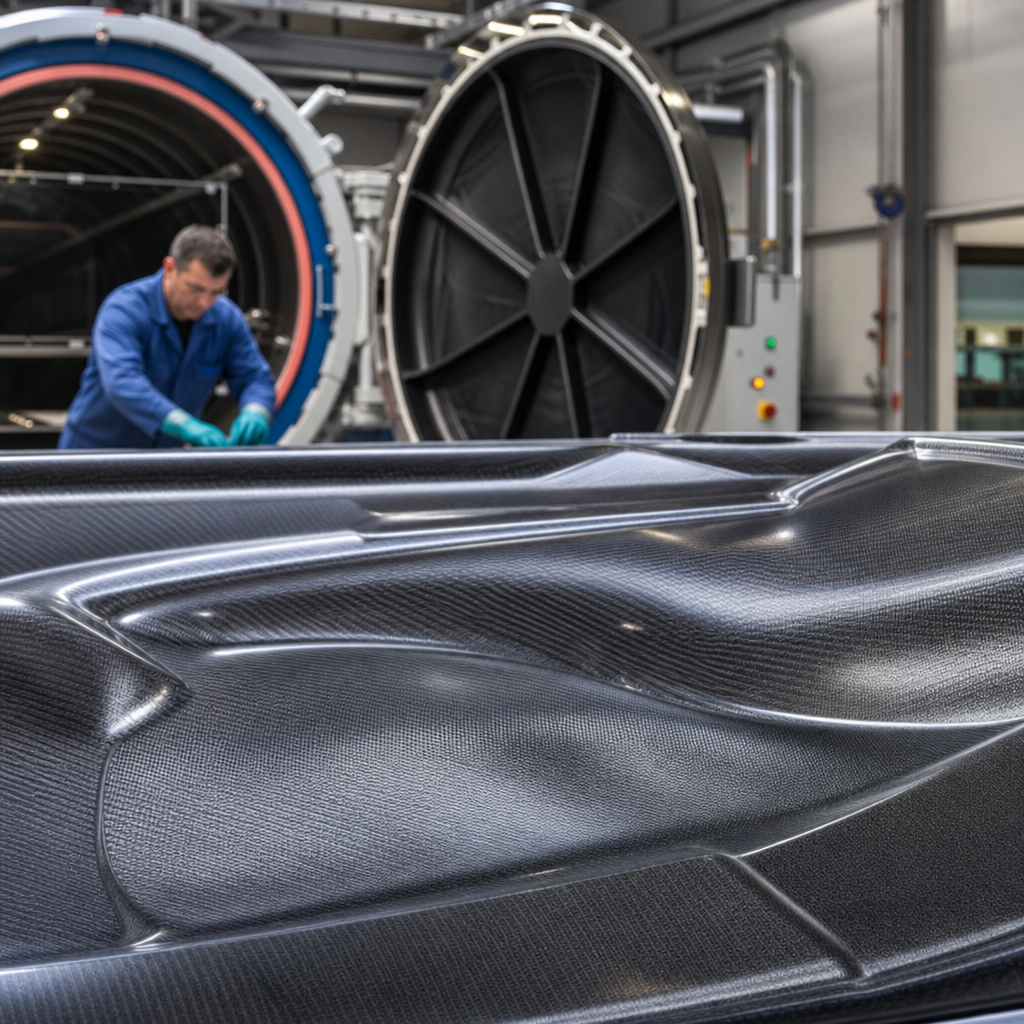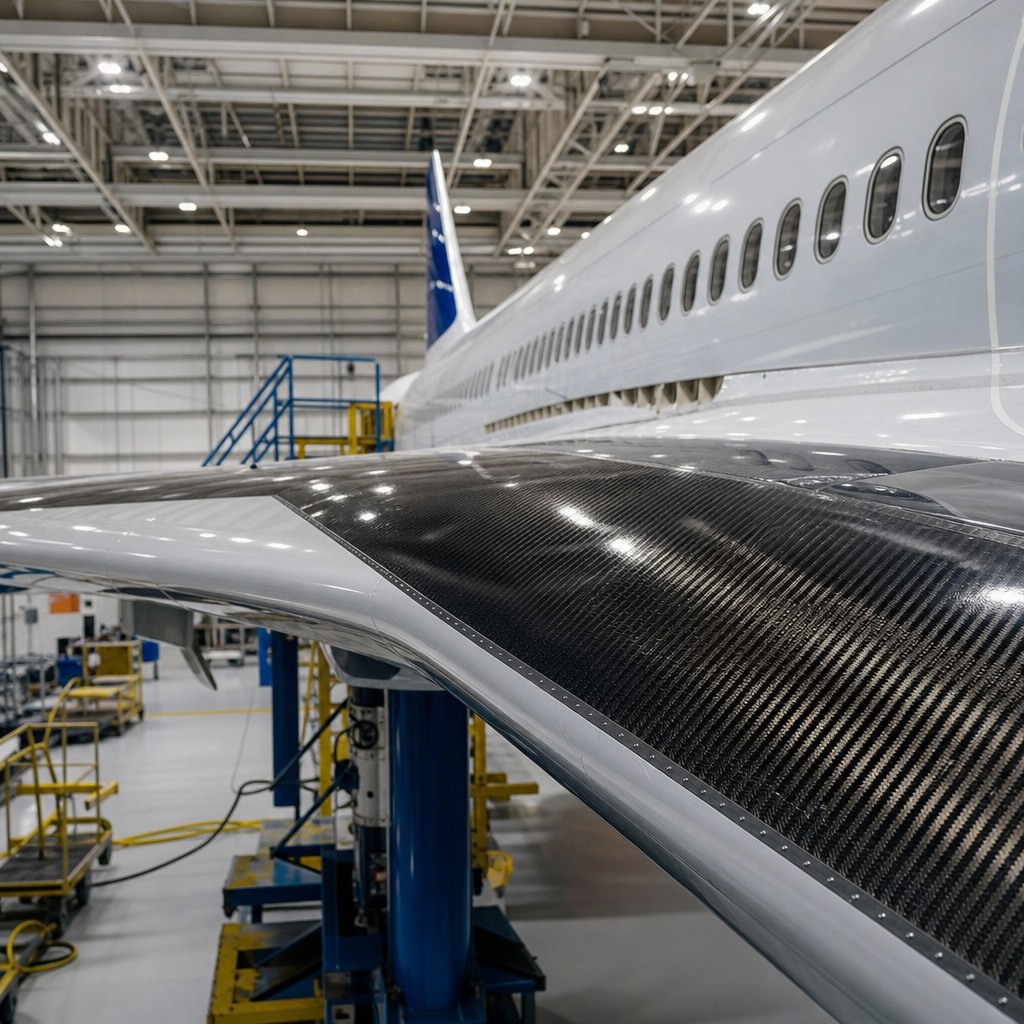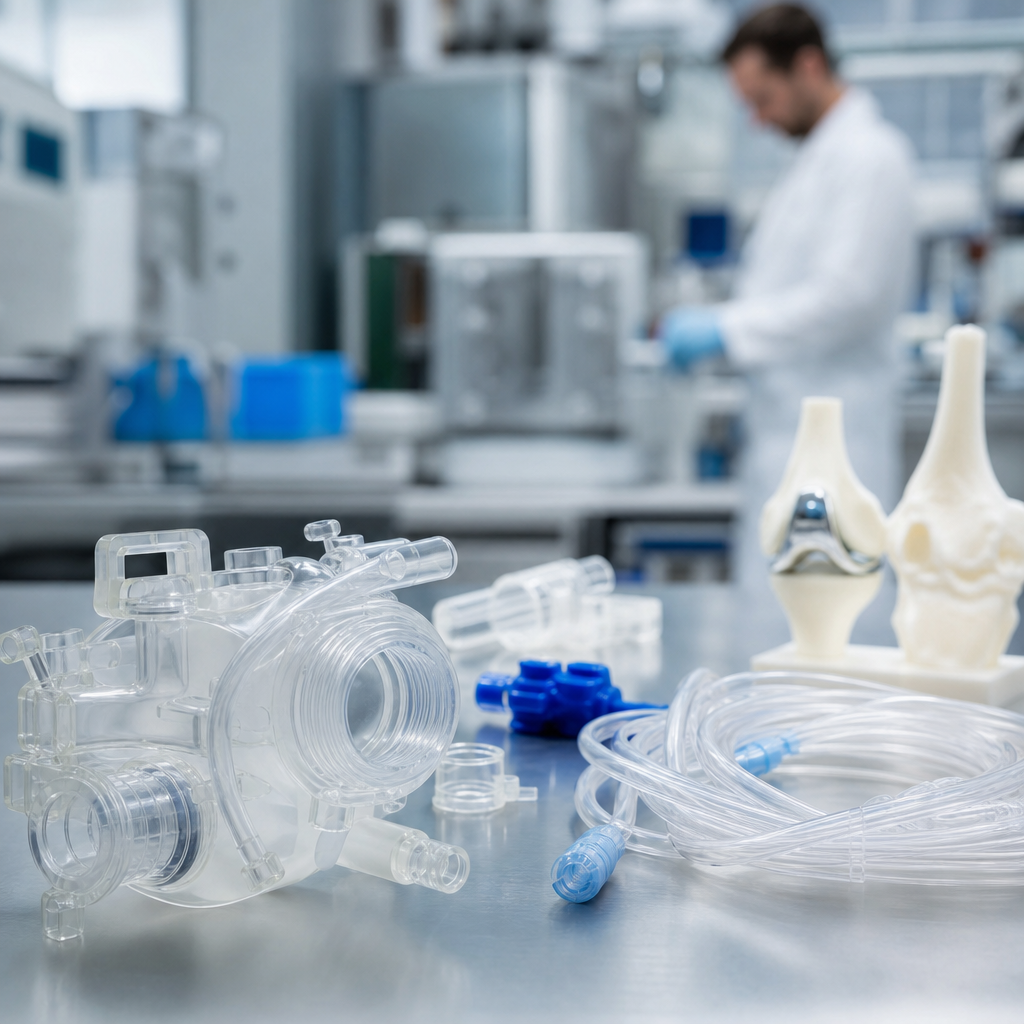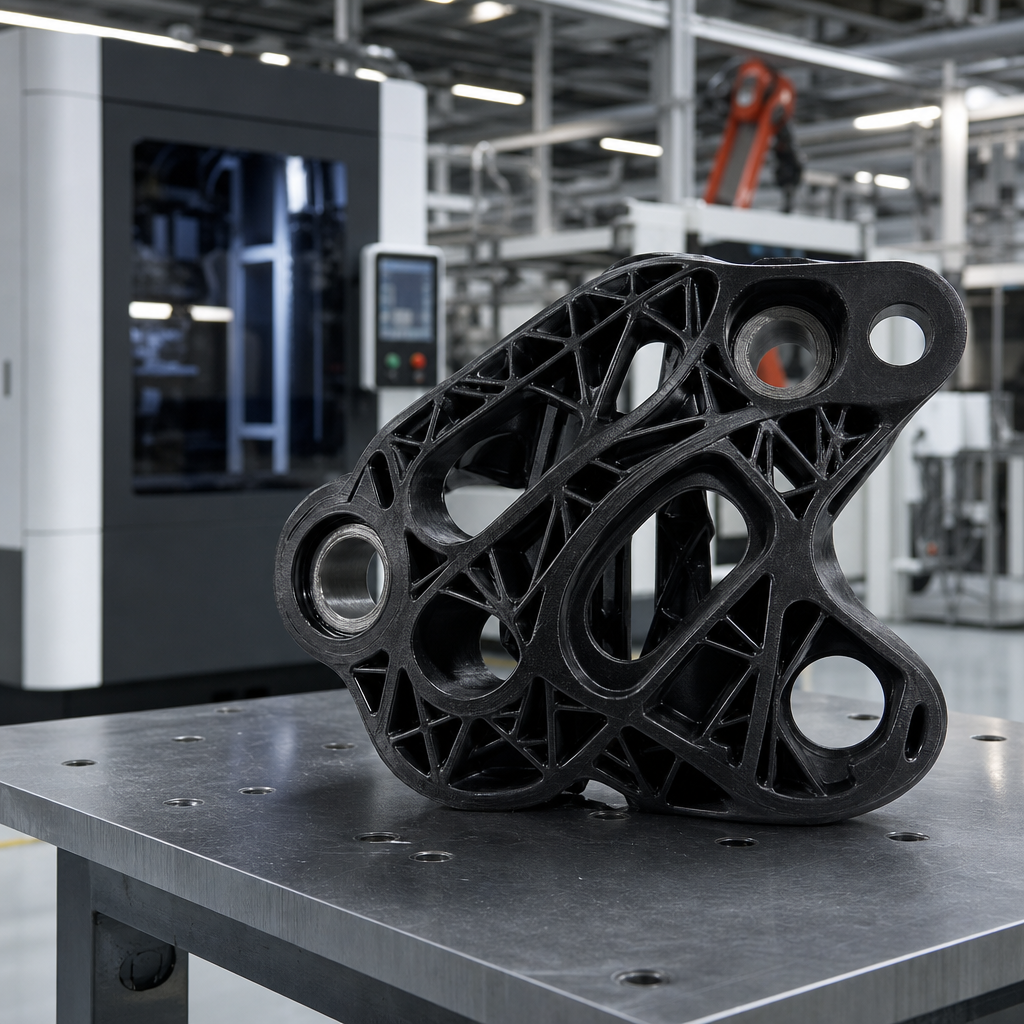
High-performance polymers are engineered plastics designed to keep their mechanical, thermal, chemical, and electrical properties under conditions that would quickly degrade commodity materials. In advanced manufacturing, they matter because modern products must survive hotter temperatures, stronger chemicals, tighter tolerances, lighter weight targets, and stricter regulatory demands than ever before. I have worked with teams selecting these materials for medical devices, aerospace brackets, semiconductor tooling, and fluid-handling components, and the pattern is consistent: when metals corrode, standard plastics creep, or composites become too costly to process, a high-performance polymer often becomes the practical answer.
The term covers several classes of materials, including high-temperature thermoplastics such as PEEK, PEKK, PPS, PSU, PES, PEI, and PTFE, along with high-performance thermosets and fluoropolymers used in specialized environments. What separates them from general-purpose polymers is not branding but capability. Many retain strength above 150 degrees Celsius, resist solvents, exhibit low outgassing, deliver flame resistance, or provide dielectric stability in electronics. Some are reinforced with carbon fiber, glass fiber, or solid lubricants to tune stiffness, wear performance, and dimensional control.
Advanced manufacturing refers to production methods that combine precision engineering, digital controls, automation, novel materials, and rigorous quality systems to produce complex, high-value parts. That includes CNC machining, injection molding, extrusion, thermoforming, additive manufacturing, automated assembly, and cleanroom production. In these settings, materials are not passive inputs. They affect cycle time, tooling wear, sterilization compatibility, validation protocols, and total cost of ownership. A polymer chosen for its heat resistance may also reduce weight, simplify assembly, and improve corrosion resistance, which changes the economics of an entire product line.
This hub article explains how high-performance polymers support advanced manufacturing, where they fit best, what tradeoffs buyers should expect, and how engineers evaluate them. It also frames the key questions decision-makers ask: Which materials perform in harsh environments? How do they compare with metals? What processes work best? Which industries rely on them most? By answering those questions directly, this page serves as a foundation for deeper articles on material selection, processing methods, compliance, and application-specific design.
What high-performance polymers do that standard materials cannot
High-performance polymers solve failures caused by heat, chemicals, friction, electrical stress, and weight. In real production environments, those failures are rarely theoretical. A semiconductor fixture may face plasma exposure and tight dimensional requirements. A medical instrument may need repeated steam sterilization. An aerospace interior part must meet flame, smoke, and toxicity limits while staying lightweight. In each case, a standard polymer such as ABS, nylon, or polycarbonate may perform well in short tests but degrade under the full combination of stressors.
That is where materials like PEEK, PPS, and PEI earn their place. PEEK is widely specified for strength retention, wear resistance, hydrolysis resistance, and biocompatibility in certain grades. PPS is valued for chemical resistance, dimensional stability, and moldability in electronic and pump components. PEI provides high heat performance and inherent flame resistance, making it useful in aircraft interiors and electrical housings. PTFE and filled PTFE remain unmatched for low friction and chemical inertness, though their structural properties require careful design. Engineers do not choose these polymers because they are exotic; they choose them because failure costs more than material price.
The practical advantage is performance consistency across demanding conditions. High-performance polymers can reduce galvanic corrosion, eliminate surface finishing steps, damp vibration, and allow part consolidation. A machined metal assembly with multiple fasteners can sometimes be redesigned as a single molded polymer component, improving repeatability and reducing assembly labor. In food processing and pharmaceutical equipment, selected polymers can resist cleaning agents while avoiding the corrosion pathways that affect certain metals. These gains explain why advanced manufacturing increasingly treats material selection as a strategic design decision rather than a procurement task.
Key material families and their defining properties
The most important high-performance polymer families each occupy a distinct performance window. PEEK and PEKK belong to the polyaryletherketone family and are often selected for high strength, excellent fatigue resistance, broad chemical compatibility, and service in demanding thermal environments. PEKK generally offers different crystallization behavior that can help in additive manufacturing and certain processing routes. PPS is a semi-crystalline polymer known for chemical resistance, low moisture absorption, and stable dimensions, particularly in electrical, automotive, and industrial applications. PEI, often recognized by the trade name Ultem, offers high dielectric strength, transparency in some grades, and strong flame performance.
PSU and PES are frequently used where sterilization and hydrolytic stability are important, including reusable medical trays and fluid-contact components. PTFE, FEP, and PFA serve where nonstick behavior, dielectric performance, or extreme chemical resistance are critical, especially in semiconductor and chemical processing systems. LCP, or liquid crystal polymer, is important in miniaturized electronics because it flows into thin-wall geometries and maintains stability at soldering temperatures. Polyimides and PBI sit at the extreme high end for thermal endurance, though cost and processing complexity limit them to specialized uses.
| Polymer | Core strengths | Typical advanced manufacturing uses | Main limitation |
|---|---|---|---|
| PEEK | Heat resistance, wear resistance, strength, chemical stability | Medical implants, pump parts, aerospace brackets, semiconductor tooling | High raw material cost |
| PEKK | High temperature performance, strong mechanical properties, additive manufacturing suitability | Aerospace ducting, lightweight structural parts, printed end-use components | Processing control is demanding |
| PPS | Chemical resistance, dimensional stability, electrical performance | Valve parts, electrical connectors, under-hood automotive components | Lower impact toughness than some alternatives |
| PEI | Flame resistance, dielectric strength, rigidity | Aircraft interiors, medical housings, electronic insulators | Can be notch sensitive |
| PTFE | Ultra-low friction, chemical inertness, temperature tolerance | Seals, liners, wire insulation, bearings | Low structural stiffness |
Fillers and reinforcements matter as much as base resin selection. Carbon-fiber-filled PEEK can raise stiffness and reduce thermal expansion, which helps when tolerances are tight. Glass-filled PPS improves dimensional stability in molded parts. PTFE filled with bronze, glass, or carbon can improve wear performance. These changes are beneficial, but they also alter machinability, anisotropy, surface finish, and bonding behavior. In practice, the right grade is often more important than the right polymer family.
How processing methods shape performance and cost
Manufacturing method determines whether a promising material succeeds at scale. Injection molding is often the best route for high volumes because it delivers repeatability and low unit cost once tooling is justified. However, high-performance polymers require elevated melt temperatures, corrosion-resistant barrels, precise mold temperature control, and carefully designed gating. I have seen programs fail not because the resin was wrong, but because the processor treated PEEK or PPS like a standard engineering plastic. Crystallinity, cooling rate, and moisture control directly affect final properties.
CNC machining remains essential for lower volumes, fast-turn prototyping, and parts with complex tolerances. PEEK, PTFE, and PEI machine well when shops account for thermal expansion, stress relief, and chip control. In semiconductor and medical sectors, machining from stock shapes can simplify validation because the process avoids some molding variables. Extrusion supports tubing, film, wire insulation, and continuous profiles, especially with fluoropolymers and high-temperature thermoplastics used in fluid handling and electrical systems.
Additive manufacturing is expanding the role of high-performance polymers, particularly with PEKK, PEEK, PEI, and high-end nylon composites. The appeal is clear: low-volume production, internal geometries, rapid iteration, and lightweight structures. The challenge is equally clear: process windows are narrow, thermal management is critical, and printed parts may show anisotropy that must be designed around. In aerospace, for example, printed PEKK clips and brackets can replace heavier metal parts, but only after rigorous qualification for mechanical performance and environmental exposure.
Cost evaluation must include more than resin price. Tooling, scrap rate, dimensional yield, post-processing, sterilization compatibility, and service life all matter. A polymer that costs several times more per kilogram than aluminum may still lower total cost if it removes machining steps, reduces assembly count, and extends maintenance intervals. Advanced manufacturing teams that model lifecycle cost usually make better polymer decisions than teams focused only on purchase price.
Where high-performance polymers create the most value
Aerospace, medical, automotive, electronics, energy, and industrial equipment are the sectors where high-performance polymers consistently deliver measurable value. In aerospace, every gram matters, but so do flame, smoke, and toxicity requirements, resistance to aviation fluids, and long-term reliability. PEI, PEEK, and PEKK are used in interior components, cable management, clips, brackets, and ducting because they combine weight reduction with compliance-driven performance. Replacing metal with polymer can also reduce part count and corrosion risk.
In medical manufacturing, polymers are often selected for sterilization resistance, biocompatibility, radiolucency, and process consistency. PEEK has become important in spinal implants and trauma devices because its modulus is closer to bone than many metals, and specific implant grades are designed for regulated applications. PSU and PES appear in reusable surgical instrument trays and sterilizable housings because they tolerate repeated steam cycles. For single-use diagnostic systems, manufacturers may combine high-performance materials only in the zones that need chemical or thermal resistance, controlling overall cost.
Automotive and e-mobility applications are growing quickly. Under-hood environments expose components to heat, fuels, oils, and vibration, making PPS and fluoropolymers practical choices for sensor housings, pump parts, and electrical connectors. Electric vehicles add new demands around thermal management, insulation, and lightweighting. In electronics and semiconductors, the requirements become even stricter. Materials must control outgassing, resist aggressive chemistries, maintain dielectric performance, and survive cleanroom manufacturing. This is why PTFE, PFA, PEEK, and specialty compounds are entrenched in wafer handling, wet process equipment, and high-frequency connectors.
Industrial equipment may be the least glamorous sector, yet it shows the clearest return on investment. Bearings, seals, compressor parts, valve seats, insulators, and wear strips made from high-performance polymers often reduce downtime and lubrication needs. When a plant upgrades from a corrosion-prone metal part to a properly specified polymer, the benefit is usually measured in longer maintenance intervals and more stable production output.
Material selection, qualification, and design tradeoffs
Choosing high-performance polymers requires matching material behavior to the actual use case, not the marketing sheet. Engineers should define continuous service temperature, peak excursions, chemical exposure, load profile, friction conditions, sterilization method, electrical requirements, and regulatory constraints before comparing candidates. Data from ASTM and ISO test methods are useful starting points, but they do not replace application-specific testing. Tensile strength alone tells little about creep, fatigue, environmental stress cracking, or performance after aging.
Design tradeoffs are unavoidable. Polymers generally weigh less than metals and resist corrosion better, but they can creep under sustained load, expand more with temperature, and show anisotropy when reinforced or printed. Some grades handle steam well but are vulnerable to certain solvents. Others offer outstanding chemical resistance but lower impact strength. Joining methods also matter. Press fits, adhesive bonding, laser welding, ultrasonic welding, and mechanical fastening each interact differently with a polymer’s modulus, thermal behavior, and surface energy.
Qualification should include dimensional validation, thermal cycling, chemical immersion, wear testing, and where relevant, flammability or biocompatibility review. Aerospace programs may require FAR 25.853-related testing. Medical applications may need ISO 10993 biocompatibility assessment and traceable material documentation. Semiconductor and electronics projects often examine ionic contamination and outgassing. In my experience, the strongest programs involve polymer suppliers, processors, designers, and quality teams early, because manufacturing history often reveals issues that datasheets do not.
Why this subtopic matters for innovation strategy
High-performance polymers are not niche materials anymore; they are enablers of product strategy. They support lighter aircraft, sterilizable medical systems, faster electronics, cleaner chemical processing, and more efficient industrial equipment. They also fit broader manufacturing priorities: reduced part count, design freedom, corrosion resistance, and process integration. For companies building an innovation roadmap, understanding this material class helps identify where performance gains are possible without a complete platform redesign.
As a hub within innovative products and solutions, this page establishes the core concepts every decision-maker needs before moving into deeper subjects such as polymer machining, injection molding best practices, additive manufacturing with high-temperature resins, medical-grade material compliance, and polymer-versus-metal substitution analysis. The central lesson is simple: material selection drives product capability, manufacturability, and lifecycle cost all at once. High-performance polymers make advanced manufacturing more adaptable because they give engineers another way to solve problems that geometry or process changes alone cannot fix.
If you are evaluating new components, start with the operating environment, then map the demands to a shortlist of proven polymer families and qualified grades. That disciplined approach prevents expensive rework and leads to better-performing products. Use this hub as your starting point, then build outward into the specific materials, processes, and application guides that support your next design decision.
Frequently Asked Questions
1. What are high-performance polymers, and how are they different from standard plastics?
High-performance polymers are advanced engineered materials specifically developed to retain their properties in environments where standard plastics would soften, crack, creep, swell, or chemically break down. Unlike commodity plastics such as polyethylene or polypropylene, these materials are chosen for their ability to perform under elevated temperatures, repeated mechanical loading, sterilization cycles, aggressive chemicals, tight dimensional tolerances, and demanding electrical conditions. In practical manufacturing terms, that means they can continue functioning in applications where failure is simply not acceptable, such as medical components, aerospace interiors and brackets, semiconductor equipment parts, electrical connectors, fluid handling systems, and precision wear surfaces.
What separates them from standard plastics is not just “better strength,” but a more balanced and durable performance profile. Many high-performance polymers offer higher heat deflection temperatures, better flame resistance, lower outgassing, greater creep resistance, improved dimensional stability, and more predictable long-term behavior. Materials such as PEEK, PEI, PPS, PTFE, and PSU-family polymers are often selected because they can withstand combinations of heat, chemicals, friction, sterilization, and structural stress that would quickly degrade lower-cost alternatives. In advanced manufacturing, that difference matters because products are increasingly expected to be lighter, smaller, more precise, and more reliable while also meeting stricter regulatory and performance requirements.
2. Why are high-performance polymers so important in advanced manufacturing today?
They are important because the performance demands placed on modern products have outgrown what conventional materials can reliably deliver. Manufacturers are no longer designing only for basic function; they are designing for durability in harsh environments, consistent repeatability at scale, lower system weight, better energy efficiency, and compliance with industry-specific standards. High-performance polymers help solve several of those challenges at once. They can reduce mass compared with metal, resist corrosion better than many traditional materials, simplify part geometries, and maintain critical tolerances in service. That combination makes them especially valuable in industries where every gram, every cycle, and every failure mode matters.
In aerospace, for example, reducing weight can improve fuel efficiency while still requiring components to tolerate heat, vibration, flame exposure, and mechanical loads. In medical manufacturing, materials may need to endure sterilization, support biocompatibility goals, and remain dimensionally stable in precise devices. In electronics and semiconductor production, high-performance polymers are often selected for chemical resistance, dielectric properties, and low contamination behavior. In industrial automation and chemical processing, they help extend service life in aggressive operating conditions. From a manufacturing strategy perspective, these materials are important because they support product reliability, reduce maintenance risk, and enable designs that would be difficult or impossible with commodity plastics or heavier metals alone.
3. What properties should engineers evaluate when selecting a high-performance polymer for a manufacturing application?
Material selection should start with the real service environment, not just a data sheet headline number. Engineers need to evaluate thermal performance, mechanical strength, stiffness, impact resistance, wear behavior, chemical compatibility, electrical properties, dimensional stability, and long-term aging characteristics as a complete system. For example, a polymer may show excellent tensile strength at room temperature but lose too much stiffness at operating temperature. Another may have strong chemical resistance but poor resistance to repeated mechanical fatigue. In advanced manufacturing, successful selection usually comes from matching the full performance profile of the polymer to the exact application conditions, including temperature excursions, exposure time, assembly loads, sterilization methods, friction conditions, and regulatory expectations.
Processing considerations are also critical. Some high-performance polymers require tighter molding windows, higher processing temperatures, specialized tooling, drying controls, or post-processing steps to achieve consistent quality. Designers should also consider tolerance capability, moisture absorption, creep under continuous load, coefficient of thermal expansion, and how the material behaves after machining, welding, bonding, or repeated cleaning. Cost should be evaluated in terms of total lifecycle value rather than raw material price alone. A more expensive polymer may still be the better choice if it increases reliability, extends maintenance intervals, reduces part count, supports lighter designs, or avoids compliance issues. The most effective selections typically come from cross-functional collaboration among design, manufacturing, quality, and supply chain teams rather than material choice being made in isolation.
4. Can high-performance polymers replace metal in advanced manufacturing applications?
In many cases, yes, but the answer depends on the application’s load case, temperature range, regulatory requirements, wear environment, and dimensional demands. High-performance polymers are often used as metal replacements when the goal is to lower weight, eliminate corrosion, reduce noise, improve chemical resistance, add electrical insulation, or consolidate multiple parts into a single molded component. They can be especially effective in brackets, housings, insulators, bushings, valve components, pump parts, medical device elements, and precision assemblies where metal may be heavier, more difficult to process, or more vulnerable to chemical attack. In the right design, a polymer substitution can improve both product performance and manufacturing efficiency.
That said, replacing metal is not simply a one-for-one material swap. Engineers must redesign around the polymer’s specific behavior, including lower modulus, different thermal expansion, possible creep under sustained load, and sensitivity to stress concentration. Geometry, ribbing, wall thickness, fastening methods, and load paths often need to be reconsidered to get the best results. In some applications, reinforced grades or hybrid solutions work best, combining polymer advantages with targeted metallic inserts or structural supports. The most successful metal replacement programs are those that treat high-performance polymers as enabling design materials rather than as plastic versions of metal parts. When approached correctly, they can unlock substantial gains in weight reduction, corrosion resistance, manufacturability, and overall system integration.
5. What are the biggest challenges of using high-performance polymers in production, and how can manufacturers overcome them?
One of the biggest challenges is that these materials are less forgiving than standard plastics in both selection and processing. Their higher performance often comes with narrower manufacturing windows, higher resin costs, longer qualification cycles, and stricter control requirements. Molding temperatures may be significantly higher, tooling must be capable of maintaining process stability, and moisture management can be essential for consistent part quality. In addition, because these materials are often used in critical applications, validation expectations are more demanding. Manufacturers may need to verify dimensional stability, chemical resistance, sterilization durability, traceability, flammability performance, or long-term mechanical retention under realistic service conditions.
Another major challenge is avoiding underperformance caused by oversimplified material selection. Teams sometimes choose a polymer based on one standout property, such as heat resistance, without fully considering creep, wear, chemical compatibility, assembly stresses, or downstream finishing requirements. The best way to overcome this is through early application analysis, prototype testing in realistic conditions, and close collaboration with material suppliers, processors, and end-use engineers. Design for manufacturability is especially important with high-performance polymers, because small decisions around gate location, fiber orientation, wall transitions, or machining allowances can significantly affect final part behavior. When manufacturers combine disciplined material selection, robust process control, and real-world validation, high-performance polymers can deliver exceptional reliability and become a major competitive advantage in advanced manufacturing.