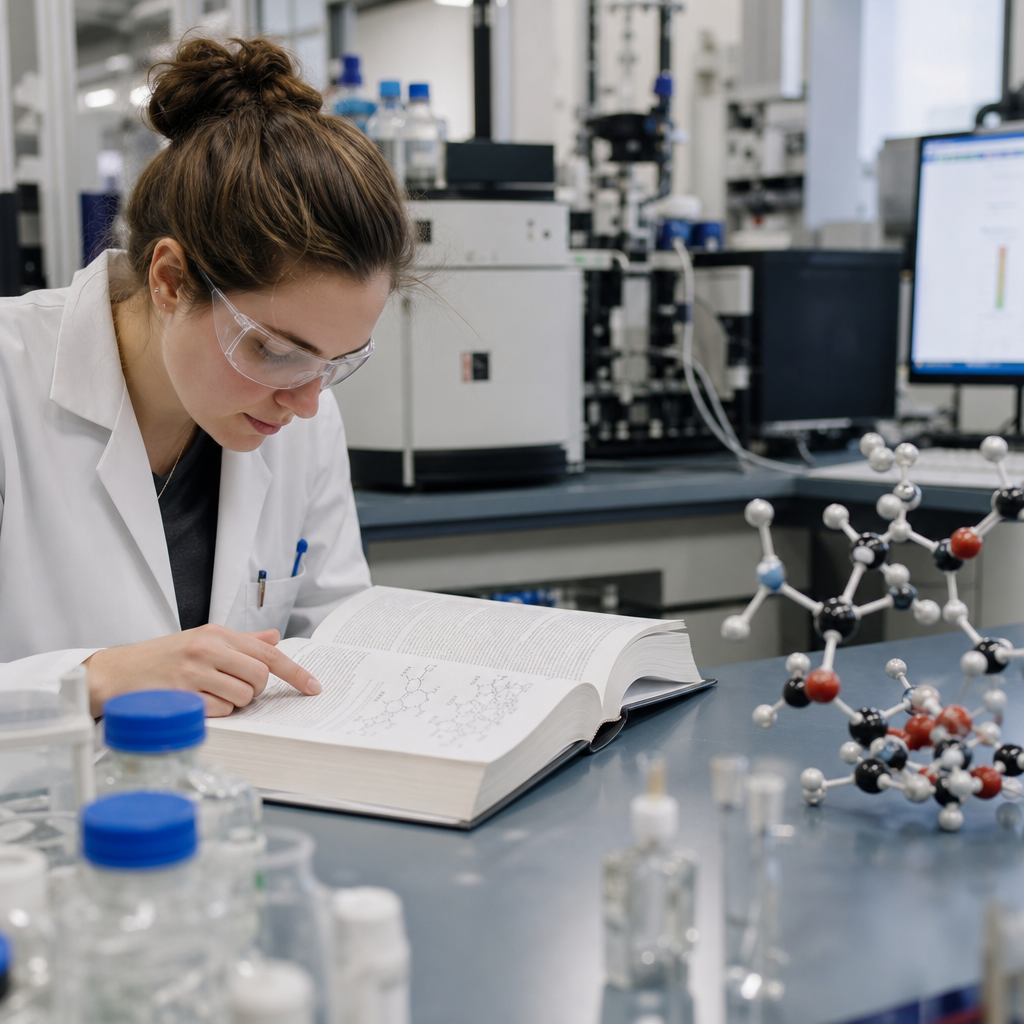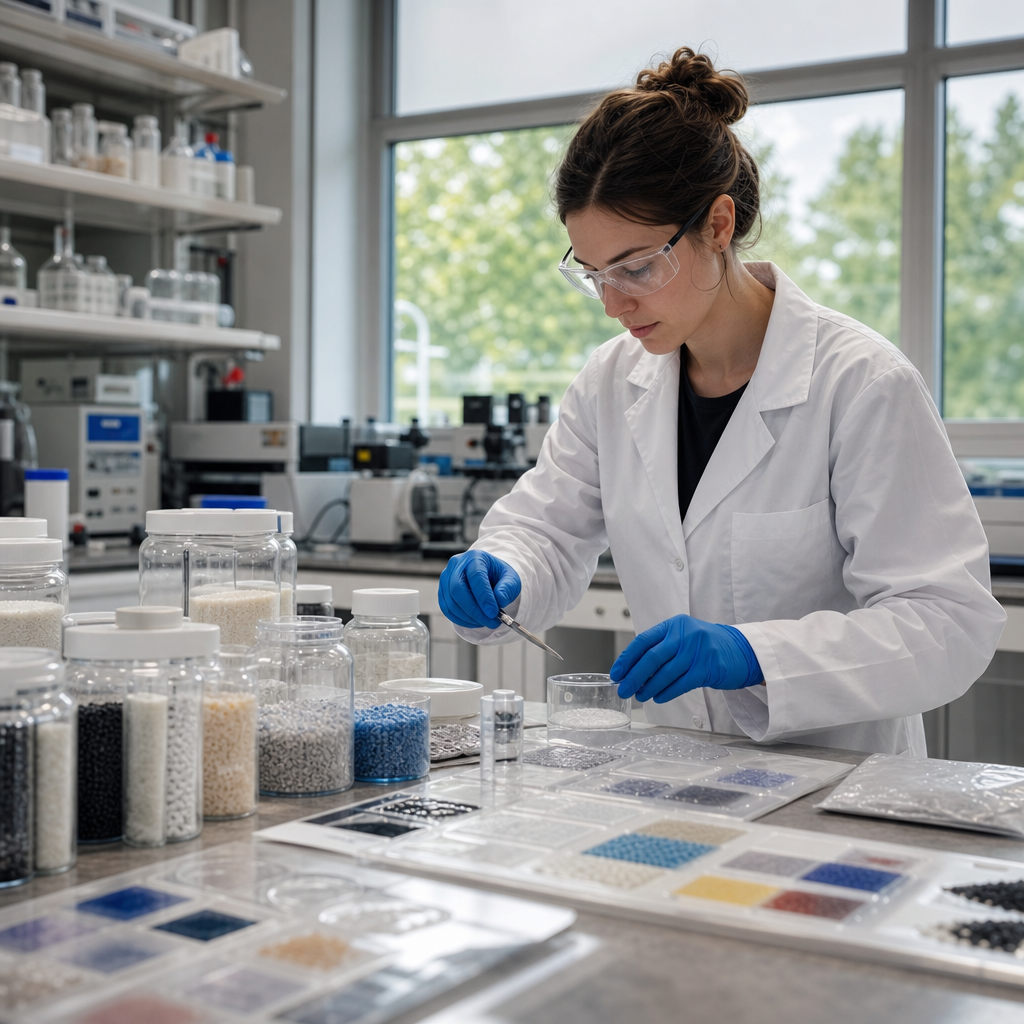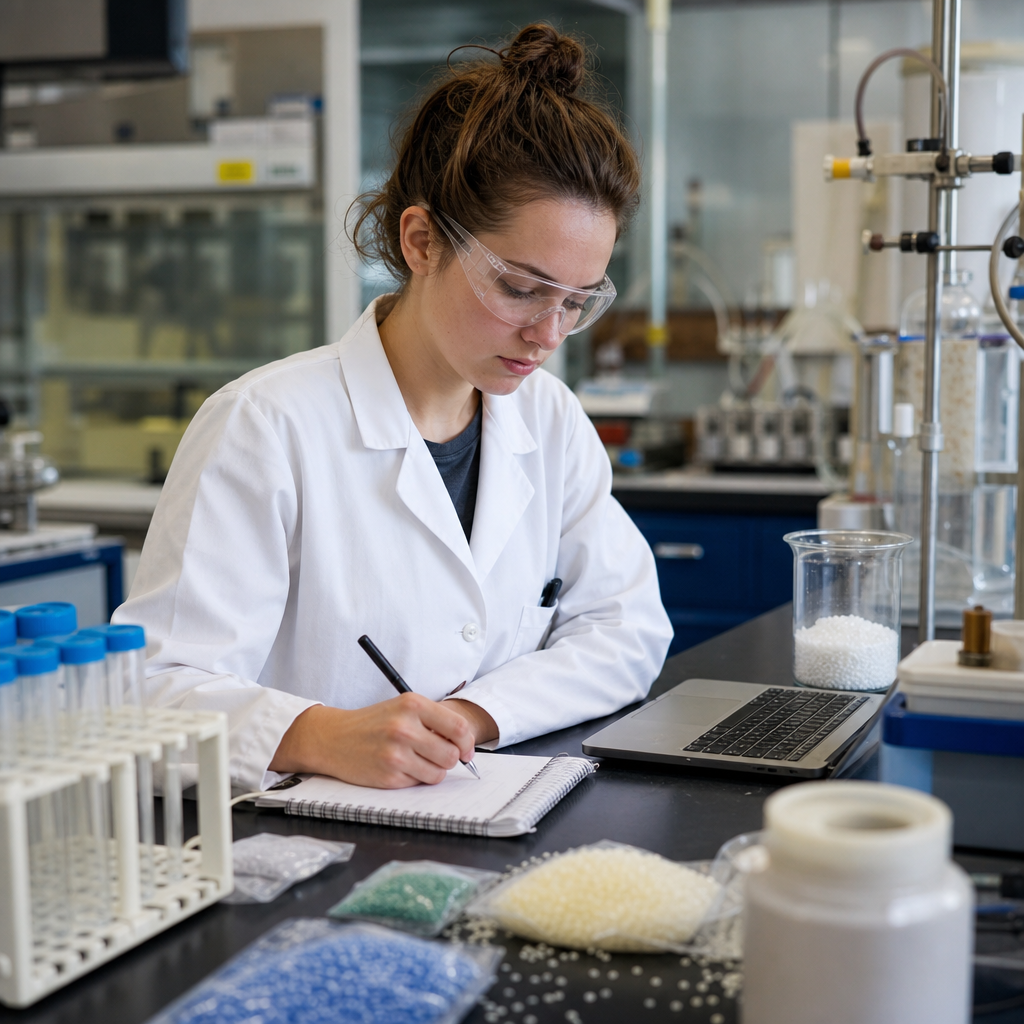
Preparing well for a polymer science workshop can turn a short event into a lasting advantage for your research, technical skills, and professional network. In polymer science, a workshop usually means a focused, hands-on or discussion-driven meeting centered on topics such as synthesis, characterization, rheology, processing, sustainability, biomaterials, or computational modeling. Unlike a broad annual conference, a workshop is narrower in scope, more interactive, and often designed to help participants solve practical problems, learn instrumentation, or evaluate current methods. That difference matters because preparation for workshops should be more targeted than preparation for general conferences.
When I have attended and helped organize polymer science workshops, the people who gained the most were rarely the ones with the most experience. They were the ones who arrived with clear technical questions, reviewed the agenda in advance, understood the vocabulary likely to arise, and knew what outcome they wanted by the end of the event. For students, postdocs, faculty, and industry scientists alike, workshop preparation matters because polymer science is inherently interdisciplinary. A single session may move quickly from chain architecture and molecular weight distribution to differential scanning calorimetry, dynamic mechanical analysis, extrusion troubleshooting, life-cycle assessment, or regulatory constraints for medical polymers. Without preparation, valuable details are easy to miss.
This article serves as a hub for conferences and workshops within educational resources, so it covers the full preparation process from choosing the right event to following up afterward. It also explains key terms that often shape workshop value. “Characterization” refers to methods used to measure structure and properties, including FTIR, NMR, GPC, DSC, TGA, XRD, and SEM. “Processing” covers how polymers are shaped or transformed through extrusion, injection molding, electrospinning, compounding, or additive manufacturing. “Networking” is not casual socializing; in technical settings, it means building relationships that can lead to collaborations, troubleshooting support, facility access, internships, and job opportunities. Good preparation helps you benefit from each of these dimensions.
A well-prepared attendee does three things before the workshop starts. First, they match the event’s scope to their real needs. Second, they build enough background knowledge to follow advanced discussion. Third, they plan questions, materials, and follow-up actions in advance. Those steps sound simple, but they are the difference between passively attending and actively learning. Whether you are preparing for an academic workshop on polymer characterization, an industry event on scale-up and processing, or a mixed conference workshop on sustainable materials, the principles are the same: define your objective, study the technical context, engage strategically, and document what you learn.
Choose the Right Polymer Science Workshop for Your Goals
The first step is selecting a workshop that aligns with your stage, specialty, and constraints. Not every polymer science workshop is equally useful. Some are method-specific, such as a short course on gel permeation chromatography or rheometry. Others are application-driven, covering packaging, coatings, elastomers, tissue engineering, batteries, or recycling. Some are built around a major conference and assume prior knowledge; others are introductory and designed for trainees. Read the program carefully, including session titles, speaker affiliations, lab demonstrations, and prerequisites. If the description says participants should already understand viscoelasticity or thermal transitions, take that seriously.
Evaluate the organizer as well. Workshops hosted by recognized groups such as the American Chemical Society, Materials Research Society, Society of Plastics Engineers, Polymer Processing Society, or established university centers tend to provide clearer learning objectives and stronger technical oversight. In industry-focused events, look for agendas that include case studies, failure analysis, and processing data rather than only marketing presentations. If you work on a specific problem, such as improving dispersion in a filled thermoplastic or interpreting unusual DSC peaks, prioritize workshops where those issues appear explicitly in the agenda.
Cost, format, and access matter too. An in-person workshop may offer instrument demonstrations, networking, and facility tours that a virtual event cannot match. A virtual workshop can still be excellent if it includes live Q&A, downloadable protocols, and post-event resources. Ask practical questions before registering: Will slides be shared? Are there hands-on sessions? Can participants bring sample data? Is there time for small-group discussion? A strong fit saves time and increases learning efficiency.
Build Technical Background Before You Arrive
Preparation in polymer science starts with vocabulary and concepts. If a workshop focuses on polymer characterization, review the principles behind the main techniques. For GPC or SEC, understand calibration, dispersity, and why branched polymers can complicate interpretation. For DSC, know glass transition, crystallization, melting behavior, and how heating rate affects results. For rheology, review storage modulus, loss modulus, complex viscosity, time-temperature superposition, and the limits of comparing data from different geometries or sample histories. These basics help you follow discussions instead of spending the event decoding terminology.
Read several recent papers or application notes related to the workshop topic. If the event is about sustainable polymers, look at current work on mechanical recycling, compatibilization, depolymerization, bio-based feedstocks, and life-cycle tradeoffs. If it focuses on biomedical polymers, review sterilization effects, biocompatibility considerations, degradation mechanisms, and relevant standards such as ISO 10993 where appropriate. Workshop speakers usually move from fundamentals to edge cases quickly. A short literature review lets you understand why those edge cases matter.
I recommend building a one-page briefing document before any conference workshop. Include the event title, session list, names of priority speakers, three concepts you need to understand better, and five questions tied to your project. If you are a student, ask your advisor or supervisor to review that page. In many labs, this simple exercise reveals gaps early. A student preparing for a workshop on polymer electrolytes, for example, may realize they need to review ionic conductivity measurements, salt dissociation, and segmental mobility before attending. That kind of preparation prevents shallow note-taking and leads to better questions.
Plan Your Learning Objectives, Questions, and Materials
Every workshop attendee should define concrete outcomes. “Learn about polymers” is too vague. Better objectives include: understand how to select a rheometer test protocol for shear-thinning melts; compare ATR-FTIR and Raman for identifying oxidation in aged samples; learn typical causes of die swell variation during extrusion; or identify suitable contacts for a postdoctoral application in recyclable thermosets. Specific goals help you decide where to spend attention when parallel sessions or informal conversations compete for time.
Bring the right materials. For in-person events, carry a notebook, a digital copy of your résumé or CV, concise project summaries, and if appropriate a poster PDF or one-slide research overview on your phone or tablet. For virtual events, organize folders in advance for slides, notes, and references. If participants are invited to discuss data, anonymize proprietary information and prepare concise figures with units, test conditions, and sample history. In polymer science, context determines whether a data set is meaningful. A tensile modulus value without composition, processing route, humidity exposure, and conditioning history can mislead the discussion.
Prepare questions that are technically narrow enough to invite useful answers. Instead of asking, “What is the best polymer for recycling?” ask, “In mixed polyolefin streams, when does compatibilization meaningfully outperform improved sorting, and what evidence should we look for in impact or rheology data?” Instead of “How do I use DSC?” ask, “What baseline and sample mass practices do you recommend when separating enthalpic relaxation from weak glass transitions in partially aged amorphous polymers?” Experts respond best to precise questions rooted in real work.
| Preparation area | What to do | Why it matters |
|---|---|---|
| Agenda review | Flag must-attend sessions and note prerequisites | Prevents missing specialized content |
| Technical review | Refresh core concepts, equations, and methods | Improves comprehension during advanced talks |
| Question planning | Write five project-specific questions | Leads to practical, memorable answers |
| Materials prep | Carry CV, project summary, and relevant figures | Supports networking and troubleshooting |
| Follow-up system | Create note templates and contact list categories | Makes post-event action easier |
Prepare for Networking at Conferences and Workshops
Networking is one of the main reasons conferences and workshops remain valuable, especially in polymer science where methods, materials, and equipment are often highly specialized. The best connections are rarely made by handing out many business cards. They come from informed conversations. Before the event, identify people you want to meet: keynote speakers, instrument specialists, graduate students working in adjacent areas, industrial R&D managers, and core facility staff. Read at least one paper, patent, poster abstract, or company application note from each priority contact.
Create a brief introduction that states who you are, what you work on, and what technical issue currently matters most to you. A strong version sounds like this: “I’m a second-year PhD student working on bio-based polyesters for barrier packaging, and I’m trying to understand how branching is affecting melt strength during blown film trials.” That is specific enough for another scientist to respond usefully. A vague introduction such as “I study polymers” usually ends the conversation quickly.
Use breaks and poster sessions strategically. Ask speakers one focused follow-up question, then make room for others. If someone gives you a useful answer, note it immediately with their name and context. For students seeking jobs, ask about workflows, instruments, and decision criteria rather than opening with employment requests. For industry attendees, ask about scale-up constraints, quality control, and regulatory considerations. Good networking in workshops is built on technical exchange first and career benefits second.
Handle Logistics, Professional Etiquette, and Active Participation
Logistics can quietly determine whether your workshop experience is productive. Confirm travel, building access, software requirements, safety rules, and session timing. If a workshop includes laboratory activities, check dress code, personal protective equipment, and whether prior safety training is required. Bring chargers, adapters, and backup note-taking options. For international attendees, review terminology differences as well. For example, “MFI” and “MFR” may be used differently across settings, and regional standards can influence how test data are presented.
Professional etiquette matters because workshops are often small enough that your conduct is remembered. Arrive on time, keep questions concise, and avoid dominating discussion. If confidentiality boundaries are stated, respect them fully. In industrial polymer workshops, offhand comments about customer formulations, failure cases, or processing conditions can cross lines quickly. In academic settings, unpublished data may be shown for discussion but not for sharing. When in doubt, ask permission before photographing slides or reposting material online.
Active participation means listening for methods, assumptions, and limitations, not just results. When a speaker presents a modulus increase or improved thermal stability, ask yourself what changed in formulation, processing, testing protocol, and data normalization. Polymer performance claims depend heavily on sample preparation and test conditions. I have seen attendees misapply workshop advice simply because they copied a result without the processing history behind it. Good notes should capture not only findings but also how those findings were obtained.
Turn Workshop Learning Into Long-Term Value
The most overlooked part of preparing for a polymer science workshop is planning what happens after it ends. Within twenty-four hours, organize your notes into three categories: concepts learned, actions to take, and people to contact. Then convert broad notes into tasks. If you learned a better protocol for DMA temperature sweeps, write the exact settings you plan to test. If a speaker recommended a paper on vitrimer chemistry or multilayer recycling, save the citation and schedule time to read it. If you met a facility manager who mentioned access to SAXS or micro-CT, send a follow-up message while the conversation is fresh.
Share what you learned with your lab, team, or class. A short debrief presentation is one of the best ways to retain information and extend the value of conference workshop attendance. Summarize the main methods, practical cautions, and recommendations relevant to your group’s work. This is also where hub-style educational resources become useful: your notes can point to deeper articles on characterization methods, poster preparation, conference networking, virtual event strategy, and post-event follow-up. A workshop should not stand alone; it should connect to an ongoing learning system.
Track outcomes over time. Did the workshop help you improve an experiment, choose an instrument, interpret a failure mode, meet a collaborator, or refine a career plan? Measuring impact makes future event selection smarter. The best polymer science workshops do more than inform. They shorten troubleshooting cycles, improve experimental design, expose attendees to standards and best practices, and connect them with people who understand the exact materials problem in front of them.
Preparing for a polymer science workshop is ultimately about intention. When you choose the right event, review the science in advance, define precise objectives, ask focused questions, and follow up systematically, you gain far more than a set of slides or a certificate of attendance. You build technical judgment, professional visibility, and practical momentum. That is why workshop preparation deserves the same seriousness as experiment planning or manuscript preparation.
As a hub within educational resources on conferences and workshops, this guide points to the core practices that make any event more valuable. Start with fit: select a workshop whose scope matches your research or industry problem. Build context by reviewing methods, terminology, and recent literature. Prepare materials and a short introduction so you can network with purpose. Participate actively, document methods carefully, and translate what you learn into immediate next steps. Those habits apply whether the topic is polymer processing, analytical characterization, sustainable materials, or biomedical applications.
If you have an upcoming polymer science workshop, prepare this week rather than the night before. Review the agenda, write your five questions, identify three people to meet, and create a follow-up plan now. That simple process will help you learn faster, ask better questions, and leave the event with knowledge you can actually use.
Frequently Asked Questions
1. What should I do before attending a polymer science workshop to get the most value from it?
The best preparation starts with understanding the workshop’s exact focus and expected level of technical depth. Polymer science workshops are usually narrower than full conferences, so review the agenda, speaker list, abstracts, and any pre-reading materials carefully. Identify which sessions relate most directly to your work, whether that is polymer synthesis, characterization methods, rheology, processing, sustainability, biomaterials, or modeling. If the workshop includes hands-on components, check whether you are expected to bring software, safety gear, sample data, or background knowledge of specific techniques such as DSC, GPC, FTIR, DMA, or extrusion parameters.
It also helps to refresh the fundamentals tied to the workshop topic. For example, if the event is focused on rheology, revisit viscoelastic behavior, shear thinning, oscillatory testing, and how structure influences flow. If it centers on sustainable polymers, review current challenges in recyclability, degradation, feedstock selection, and life-cycle thinking. This kind of preparation makes it easier to follow advanced discussions and ask sharper questions. You should also define a few practical goals before you attend, such as learning a new characterization workflow, getting feedback on a materials problem, meeting potential collaborators, or understanding how another lab approaches scale-up. When you arrive with specific objectives, the workshop becomes much more useful and much easier to navigate.
2. How can I prepare technically if the polymer science workshop includes laboratory, characterization, or data-analysis activities?
Technical preparation is especially important for a workshop because these events often move quickly and assume participants are ready to engage. Start by confirming what tools, instruments, or software will be used. If there will be data analysis sessions, install the required software ahead of time and make sure it runs properly on your laptop. If the workshop involves computational modeling, confirm that packages, scripts, or cloud access are set up in advance. If there is a laboratory or processing component, review safety expectations, standard operating procedures, and basic instrument principles so that you spend less time catching up and more time learning from the actual exercise.
You should also organize your own technical questions in advance. Think about where you typically encounter uncertainty in your work. Maybe you want to understand how molecular weight distribution affects processing behavior, how to interpret rheological signatures, how to select the right solvent system, or how to avoid common artifacts in thermal analysis. Bringing these questions with you helps turn a general workshop into a highly relevant training opportunity. If possible, bring a short summary of your current research problem, including materials, methods, and the challenge you are facing. In many polymer science settings, a well-timed question about your actual system can lead to practical advice from experts who have solved similar issues before. That is one of the main advantages of a focused workshop.
3. What materials should I bring to a polymer science workshop?
Bring the essentials you would need for both learning and professional interaction. At minimum, that usually means a notebook or digital note-taking device, your laptop and charger, any required software, a copy of the workshop agenda, and access to relevant papers or reference materials. If the event includes computational or analytical work, make sure your files are organized and easy to open. If you hope to discuss your own project, prepare a concise one-page summary or a few slides that explain your polymer system, research objective, experimental methods, and current bottleneck. This makes it much easier to get meaningful feedback during breaks or small-group discussions.
It is also smart to bring professional materials that support networking. A simple business card, a current CV, LinkedIn details, or a QR code to your research profile can help people remember you after the event. If the workshop involves hands-on lab or pilot-scale processing work, double-check whether you need closed-toe shoes, a lab coat, safety glasses, gloves, or other site-specific protective equipment. Finally, bring a mindset of readiness: a written list of questions, the names of people you want to meet, and a few notes on recent developments in the workshop topic. In a polymer science workshop, preparation is not only about what is in your bag; it is also about arriving ready to contribute intelligently.
4. How should I network effectively at a polymer science workshop without feeling overly formal or awkward?
The easiest way to network well at a workshop is to treat it as a technical conversation rather than a high-pressure professional exercise. Because workshops are smaller and more interactive than large conferences, they are ideal places to ask thoughtful questions and build genuine connections. Start by introducing yourself in a simple, direct way: your name, institution, research area, and why you are attending. For example, you might mention that you work on biodegradable polymers, polymer nanocomposites, membrane materials, or processing–structure relationships, and that you are especially interested in one speaker’s method or one session’s topic. That gives others a clear reason to continue the conversation.
Good networking in polymer science usually comes from specificity. Instead of saying, “I enjoyed your talk,” say something like, “Your discussion of chain architecture and melt viscosity was very relevant to a formulation problem I’m working on.” That kind of comment opens the door to a useful exchange. During breaks, poster sessions, or group exercises, ask people about techniques they trust, common experimental pitfalls, or how they moved from small-scale experiments to more reliable data. After the event, follow up promptly with a short message that references your conversation and, if appropriate, includes a paper, question, or idea for future contact. In technical fields, relationships often grow from repeated, relevant interactions, not from overly polished introductions. A workshop is one of the best environments to start that process naturally.
5. What should I do after the polymer science workshop to turn what I learned into long-term value?
The period immediately after the workshop is where much of the real benefit is either captured or lost. As soon as possible, organize your notes into a usable format. Separate them into categories such as new techniques, useful references, actionable ideas, unresolved questions, and contacts to follow up with. If a speaker recommended a characterization method, a processing adjustment, or a modeling approach, write down exactly how it might apply to your own work. Polymer science is highly detail-dependent, so vague notes are rarely enough. Translate what you learned into specific next steps, such as testing a different molecular weight range, revisiting sample preparation, improving controls, or comparing two analytical methods more carefully.
You should also follow up with people while the workshop is still fresh in everyone’s mind. Send concise emails to speakers, organizers, or participants you connected with, especially if they offered advice or resources. Mention the discussion you had and, if relevant, share a brief update on how you plan to apply their suggestion. If the workshop revealed gaps in your knowledge, build a short learning plan around them by reading key papers, reviewing core concepts, or discussing the topic with your lab or team. Finally, assess whether the workshop changed your research direction, improved your technical judgment, or introduced collaboration opportunities. When you deliberately convert workshop insights into experiments, reading, and professional follow-up, a one-day or two-day event can produce lasting gains for your skills, research quality, and scientific network.