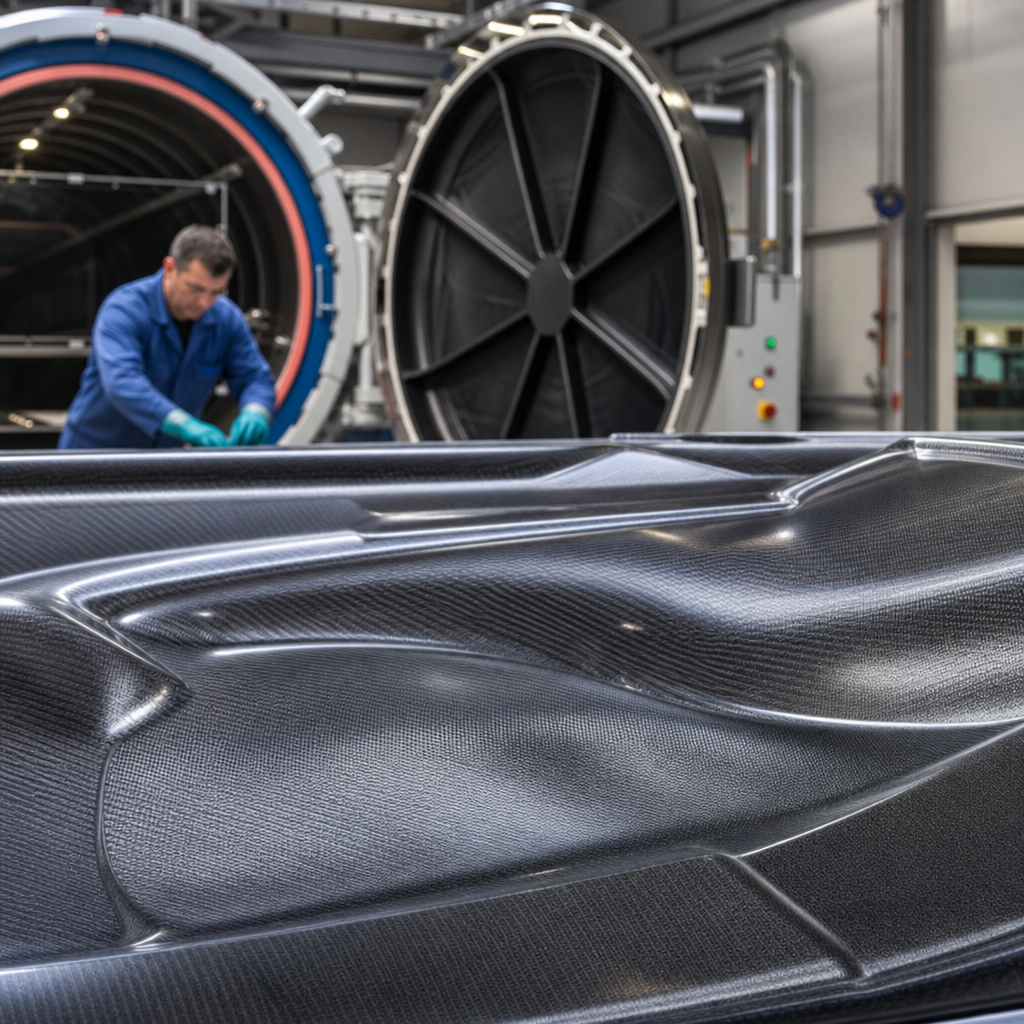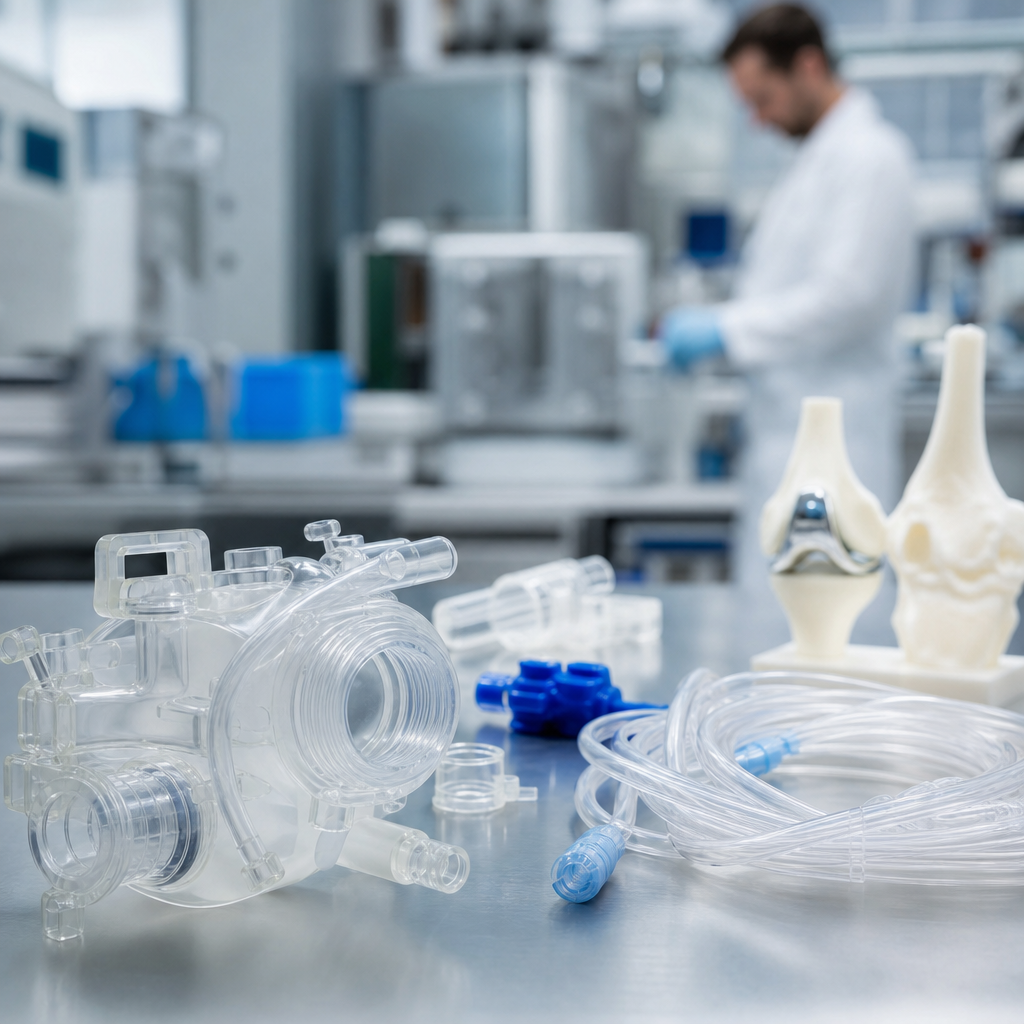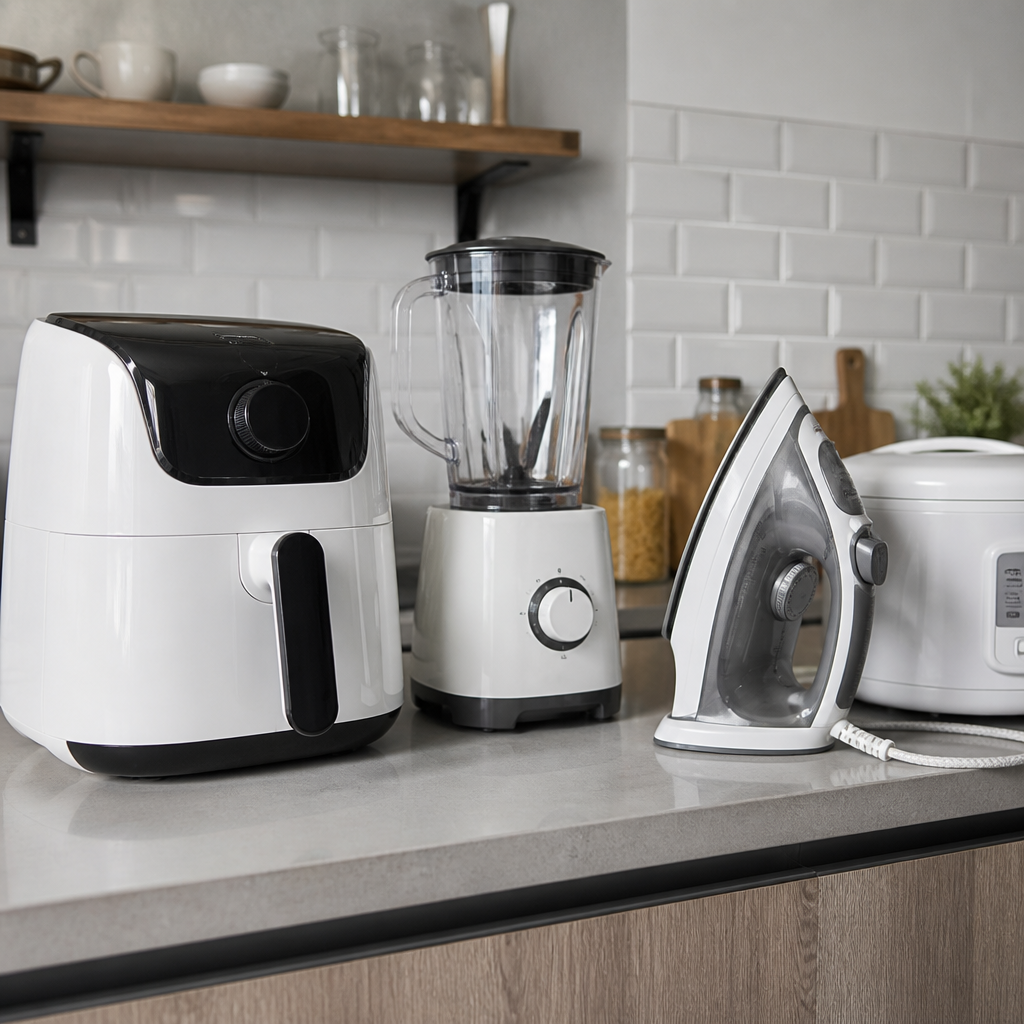
Innovations in polymer-based home appliances are reshaping how households cook, clean, store food, manage energy, and interact with everyday products. In this context, polymers are large-chain materials that include common plastics, elastomers, engineering resins, foams, membranes, and high-performance composites. When used well, they reduce weight, improve insulation, resist corrosion, lower manufacturing cost, and enable product designs that metals, ceramics, or glass alone cannot deliver. In modern appliances, polymers are no longer limited to decorative housings. They are found in load-bearing frames, dishwasher tubs, refrigerator liners, water filtration cartridges, blender jars, microwave-safe components, seals, electrical insulation systems, and smart interfaces. That shift matters because home appliances sit at the intersection of durability, safety, energy efficiency, hygiene, and affordability. Material choice directly affects all five.
I have worked on product-content and materials evaluations for consumer goods launches, and one pattern is consistent: the best appliance innovations usually begin with a change in material architecture. A washing machine becomes quieter because a polymer composite damps vibration. A refrigerator uses less energy because polyurethane foam insulation is optimized for thermal performance. A coffee maker lasts longer because scale-prone metal paths are replaced with food-contact polymers better matched to hot water chemistry. Understanding polymers in daily life helps consumers make smarter purchases and helps brands explain why a product performs better in real homes, not just in a lab. This hub article covers the core polymer technologies shaping home appliances today, where they appear, how they are chosen, what tradeoffs matter, and which trends are likely to define the next generation of products.
What polymers do inside modern appliances
Polymers serve four primary functions in home appliances: structure, protection, control, and efficiency. Structural polymers such as polypropylene, ABS, polycarbonate, nylon, and glass-filled engineering plastics replace stamped metal in panels, brackets, impellers, handles, and reservoirs. Protective polymers appear as coatings, seals, gaskets, cable insulation, and moisture barriers. Control-related polymers include membrane switches, flexible printed substrates, optical diffusers, and encapsulants used around sensors and circuit boards. Efficiency-focused polymers include thermal foams, low-friction bearings, water filtration media, and acoustic dampers. In practical terms, one appliance may contain more than a dozen polymer families selected for different temperature ranges, chemical exposures, impact demands, and regulatory requirements.
Take a dishwasher as a simple example. The outer fascia may use ABS for stiffness and finish quality. The control window may use polycarbonate for transparency and heat resistance. The interior racks rely on polymer coatings to resist corrosion. The circulation pump may include glass-filled polypropylene or nylon for dimensional stability in hot water. Door seals often use silicone or EPDM elastomers because they maintain flexibility across repeated heating cycles. The detergent dispenser, spray arms, cutlery basket, and sump parts each require a different balance of toughness, hydrolysis resistance, and moldability. This material layering is one reason appliances have become lighter and more feature-rich without becoming prohibitively expensive.
Common polymer families used in daily-life appliances
Not all polymers behave the same, and appliance performance depends on matching the resin to the job. Polypropylene is widely used because it is low cost, chemically resistant, fatigue resistant, and suitable for many food-contact applications. ABS offers toughness and surface quality, making it ideal for visible housings. Polycarbonate adds impact strength and transparency, though it must be managed carefully in high-heat or scratch-prone conditions. Nylon, especially glass-filled grades, performs well in gears, fan components, and pump housings because it combines strength with wear resistance. PBT and PET are valuable in electrical parts due to dimensional stability and insulation performance. Silicone elastomers dominate high-temperature seals, while thermoplastic elastomers improve grip, noise reduction, and sealing in lower-temperature zones.
Higher-end appliances increasingly use advanced polymers and composites. PPS, PSU, and PEEK appear in demanding applications involving steam, pressure, or repeated thermal cycling. Fluoropolymers are used in nonstick coatings, wire insulation, and chemically aggressive environments. Polyurethane foams remain central to refrigeration insulation because of their low thermal conductivity. Membrane materials such as polysulfone and polyamide are critical to modern water purifiers and reverse-osmosis systems. These choices are not arbitrary. Engineers evaluate tensile strength, heat deflection temperature, dielectric properties, coefficient of thermal expansion, creep, UV stability, chemical compatibility, flame behavior, and compliance with standards such as UL 94 for flammability and relevant food-contact rules issued by the FDA or EFSA, depending on market.
How polymers improve energy efficiency, noise, and user comfort
One of the clearest benefits of polymer-based home appliances is efficiency. Lightweight polymer components reduce motor load in fans, mixers, and robotic cleaners. Closed-cell foams improve thermal insulation in refrigerators, freezers, and water heaters, helping appliances retain target temperatures with less compressor or element runtime. In vacuum cleaners and air purifiers, carefully designed polymer ducts reduce pressure losses, improving airflow without increasing power draw. In laundry appliances, polymer suspension elements and damping parts absorb vibration that would otherwise transfer into cabinetry and flooring. That translates to quieter operation and less wear on mechanical assemblies.
Manufacturers also use polymers to make products safer and more comfortable to use. Cool-touch handles rely on low thermal conductivity materials. Soft-touch overmolds improve grip on blenders, kettles, and handheld steamers. Transparent lids and viewing windows made from impact-resistant polymers let users check food or water levels without opening the device. In induction-ready cookware appliances and smart ovens, polymer interface layers help isolate electronics from heat. Even simple improvements, such as a better gasket around an air fryer basket or a lower-friction drawer liner in a refrigerator, change the everyday experience. Consumers often notice the result before they notice the material science behind it.
| Appliance | Key polymers | Main benefit | Typical tradeoff |
|---|---|---|---|
| Refrigerator | Polyurethane foam, HIPS, ABS, silicone | Insulation, low weight, cleanable interiors | Foam recycling is difficult |
| Dishwasher | Polypropylene, nylon, EPDM, polycarbonate | Hot-water resistance, corrosion reduction, lower noise | Hydrolysis and stress cracking must be managed |
| Washing machine | Glass-filled PP, TPE, ABS | Vibration damping, lighter assemblies, molded complexity | Long-term creep in loaded parts |
| Water purifier | Polysulfone, polyamide, polypropylene | Fine filtration, chemical resistance, modular cartridges | Membranes foul without maintenance |
| Small kitchen appliance | PC, PBT, silicone, nylon | Electrical insulation, heat resistance, ergonomic handling | Scratch sensitivity or heat aging in poor grades |
Food safety, hygiene, and water contact performance
For appliances used in kitchens and laundry rooms, hygiene is a major reason polymers have advanced so quickly. Smooth molded surfaces are easier to clean than many painted or mechanically joined metal assemblies. Polymers can be engineered with fewer crevices, better drainage geometry, and resistance to detergents, acids, and hard-water exposure. In refrigerators, food-contact bins made from clear polymers improve visibility and reduce handling time. In coffee machines and kettles, scale-resistant polymer pathways can reduce mineral buildup compared with some metal parts. In vacuum-sealed storage systems, multilayer polymer films provide oxygen and moisture barriers that preserve food quality far better than single-material containers.
Water treatment is another area where polymers in daily life directly affect health and convenience. Reverse-osmosis systems depend on thin-film composite membranes, typically polyamide-based, to reject dissolved solids. Ultrafiltration units often use polysulfone or PVDF membranes for durability and pore control. Activated carbon cartridges are usually housed in polypropylene because it handles moisture and chemicals well. The quality of these polymer systems determines taste, flow rate, service life, and contaminant reduction. Consumers should still read certification labels. Standards such as NSF/ANSI 42, 53, 58, and 401 indicate whether a filter addresses aesthetic concerns, health-related contaminants, reverse osmosis performance, or emerging substances. Material claims alone are not enough.
Smart appliances and the rise of functional polymers
Home appliances are becoming digital products, and polymers are central to that transition. Touch panels use transparent polymer layers, printed conductive traces, and optical films that diffuse or channel light from LEDs. Flexible circuit substrates made from high-performance polymers allow compact routing in curved or vibration-prone spaces. Potting compounds and encapsulants protect sensors from steam, dust, grease, and cleaning chemicals. In connected thermostats, air purifiers, and robotic vacuums, polymers form housings that must support antennas without interfering with wireless signals, something metal enclosures complicate. That is a practical reason many smart appliances feel more seamless than older designs.
Functional polymers also appear in less obvious places. Phase change materials packaged in polymer forms can assist thermal management in premium cold-storage systems. Electret filter media in air purifiers use polymer fibers that hold electrostatic charge to capture fine particles more efficiently. Conductive polymers and antistatic additives help protect sensitive electronics and improve user safety. In some premium appliances, self-healing coatings and fingerprint-resistant polymer finishes reduce visible wear. These are not experimental concepts anymore. They are already influencing product differentiation in major brands across refrigeration, floor care, personal care, and countertop cooking categories.
Sustainability, repairability, and the real tradeoffs
Any serious discussion of polymer-based home appliances must address environmental tradeoffs. Polymers often lower transport emissions because they reduce product weight. They can also improve appliance efficiency over years of use, which may outweigh the impacts of material production. At the same time, mixed-material assemblies are harder to recycle than single-metal products. Foams, bonded multilayer parts, permanently clipped housings, and black plastics that optical sorters struggle to identify can reduce end-of-life recovery. Some flame retardants and additives also complicate recyclability. The right conclusion is not that polymers are good or bad. It is that design decisions determine whether their benefits extend across the full product life cycle.
The industry is responding with better approaches: recycled polypropylene in noncritical parts, mono-material packaging, snap-fit designs that allow disassembly, digital product passports, and resin marking that improves sorting. Bio-based polymers are gaining attention, but they are not a universal fix. A bio-based resin that cracks under heat or moisture is not sustainable if it shortens appliance life. Durability remains the most important environmental feature in many categories. From experience reviewing appliance claims, the best sustainability signal is specific engineering transparency: percentage of recycled content, expected cycle life, repair part availability, energy certification, and documented compliance with RoHS, REACH, or WEEE-related requirements where applicable.
How to evaluate polymer-based appliances as a buyer or industry reader
When comparing products in this subtopic hub, start with function, not marketing language. Ask which polymer component is being improved and what measurable outcome follows. If a blender jar is promoted as “advanced polymer,” does that mean impact resistance, lower weight, stain resistance, or dishwasher durability? If a washing machine mentions a polymer tub, does it reduce corrosion and noise, and how does it perform after repeated hot cycles? If a refrigerator claims better insulation, look for annual energy consumption figures and compressor workload indicators. Real innovation produces verifiable gains in lifespan, maintenance, comfort, or efficiency.
This hub on polymers in daily life connects to deeper discussions on food packaging, water purification media, textile fibers, personal care devices, consumer electronics, and sustainable materials selection. Across all of those areas, the same principle holds: polymers succeed when formulation, processing, and design are aligned with actual use conditions. Injection molding quality, wall thickness control, rib design, fiber orientation, weld line placement, additive package stability, and sealing geometry all influence whether a component lasts five years or fails early. For readers exploring innovative products and solutions, polymer-based home appliances provide one of the clearest examples of material science improving daily routines in tangible, measurable ways.
Innovations in polymer-based home appliances matter because they turn material science into practical household benefits. Better insulation cuts energy use. Better seals improve hygiene. Better composites reduce noise and weight. Better membranes deliver cleaner water. Better interface materials make smart appliances easier to use and more reliable around heat, steam, and vibration. The most important takeaway is that polymers are not a cheap substitute for traditional materials. In well-engineered appliances, they are purpose-built systems selected for thermal, mechanical, chemical, and electrical performance. That is why they now define so many product advances across the home.
As you use this hub to explore polymers in daily life, focus on specifics: which polymer is used, where it sits in the appliance, what performance problem it solves, and what tradeoffs come with it. That approach will help you judge product claims more accurately and identify designs that balance efficiency, safety, durability, and sustainability. If you are researching innovative products and solutions, start with the appliances you use every day, then follow the related articles connected to this subtopic to compare materials, standards, and design strategies across the wider consumer landscape.
Frequently Asked Questions
1. What are polymer-based home appliances, and why are they becoming more common?
Polymer-based home appliances are household products that use polymers as key structural, functional, or protective materials. In practical terms, this includes everything from refrigerator liners, dishwasher tubs, blender housings, and microwave components to insulation foams, flexible seals, water filtration membranes, and reinforced composite parts. “Polymers” is a broad category that covers common plastics, elastomers, engineering resins, specialty foams, high-performance membranes, and fiber-reinforced composites. These materials are not simply low-cost substitutes for metal or glass. In modern appliance design, they are often chosen because they provide a better balance of weight, durability, insulation, corrosion resistance, manufacturability, and design flexibility.
They are becoming more common because appliance manufacturers are under pressure to improve energy efficiency, reduce production cost, simplify assembly, enhance safety, and create products with more refined user experiences. Polymers help achieve those goals in ways traditional materials often cannot. For example, a molded engineering resin can combine several functions into one part, reducing the number of fasteners, seams, and potential failure points. Foam-based polymer insulation can significantly improve thermal performance in refrigerators and water heaters. Elastomeric seals can improve moisture control and noise reduction. High-performance composites can add strength while keeping products light enough for easier shipping, installation, and everyday use.
Another major reason for their rise is design innovation. Polymers can be shaped into complex geometries that would be difficult or expensive to produce with metal. That means smoother surfaces, quieter operation, better ergonomics, integrated hinges, hidden wiring channels, snap-fit assembly features, and modern aesthetics. In many appliances, the visible outer shell, the internal insulation, and the functional moving parts all benefit from different types of polymers working together. Rather than replacing older materials entirely, polymers are increasingly used alongside metals, glass, and ceramics to create more efficient hybrid designs.
2. How do polymers improve the performance and efficiency of home appliances?
Polymers improve appliance performance in several important ways, especially in insulation, weight reduction, moisture resistance, vibration control, and part integration. One of the clearest examples is thermal management. In refrigerators, freezers, ovens, and hot water systems, polymer foams and engineered insulating materials help reduce heat transfer. Better insulation means compressors, heating elements, and temperature-control systems do not have to work as hard, which can lower energy consumption and improve long-term operating efficiency. This is one reason advanced polymer components are so important in energy-conscious appliance design.
Weight reduction is another major advantage. Compared with many metals, polymers can be much lighter while still delivering the required strength for many appliance applications. A lighter washing machine lid, vacuum housing, coffee maker body, or food processor shell can make the product easier to handle, transport, and install. Lower weight also benefits manufacturing and shipping logistics, which can indirectly reduce environmental impact and cost. In some categories, reducing mass can also improve motion control, decrease strain on motors, and support quieter operation.
Polymers also excel at resisting corrosion and moisture. Appliances that regularly encounter steam, detergents, food acids, or hard water deposits benefit from materials that do not rust and can be engineered for chemical resistance. Dishwashers, humidifiers, washing machines, water dispensers, and small kitchen appliances often rely on polymers for this reason. In addition, elastomeric and foam components help reduce vibration, dampen sound, and improve sealing. That contributes to quieter refrigerators, more stable washing machines, better leak prevention, and improved temperature or humidity retention.
Finally, polymers allow smart product engineering through part consolidation. A single molded component can include mounting points, airflow channels, locking tabs, insulation barriers, and aesthetic finishing in one piece. This can improve assembly accuracy, reduce manufacturing complexity, and increase reliability by minimizing joints and attachment hardware. The result is often a more efficient appliance that performs better over time while also being easier to produce at scale.
3. Are polymer-based appliances durable and safe enough for everyday household use?
Yes, when properly designed and manufactured, polymer-based appliances can be highly durable and very safe for routine household use. The key point is that not all polymers are the same. Manufacturers choose specific materials based on heat resistance, impact strength, food-contact suitability, electrical insulation needs, flame performance, dimensional stability, and exposure to moisture or chemicals. For example, an appliance part located near a motor or heating element may use an engineering resin designed to maintain shape under elevated temperatures, while a flexible gasket may use an elastomer selected for sealing performance, longevity, and cleaning resistance.
Modern appliances are developed to meet strict performance and safety standards, and polymer components are tested for real-world demands such as repeated opening and closing, vibration, thermal cycling, chemical exposure, UV exposure, and mechanical stress. In many cases, polymers actually improve safety because they are naturally electrically insulating, can be formulated to be flame-retardant where regulations require it, and can reduce sharp edges or breakage risks compared with some rigid traditional materials. They also help create better seals around doors, containers, and fluid systems, which can reduce leaks and support hygienic performance.
Durability depends heavily on quality and application fit. A low-cost polymer used beyond its intended temperature range will not perform the same way as a carefully selected high-performance resin used in a premium appliance. That is why reputable appliance brands rely on material engineering, certification, and long-cycle testing before bringing products to market. Consumers may not always see these decisions directly, but they affect everything from whether a control panel stays crack-resistant to whether a dishwasher interior resists detergent attack over years of use.
For consumers, the most useful takeaway is that polymer-based does not mean fragile. In fact, many of the toughest, most chemically resistant, and most reliable appliance components today are polymer-based. Safety and durability come from material selection, engineering design, and manufacturing quality rather than from the simple assumption that metal is always superior.
4. What kinds of innovations are happening right now in polymer-based home appliances?
Current innovation in polymer-based home appliances is happening across both visible consumer features and hidden internal systems. One major trend is the use of advanced engineering resins and composites to replace heavier or more corrosion-prone parts without sacrificing performance. These materials can improve structural rigidity, withstand repeated mechanical loads, and tolerate harsh appliance environments such as hot water, steam, vibration, or detergent exposure. In products like washers, dishwashers, air purifiers, robotic vacuums, and smart kitchen devices, these improvements are helping manufacturers build appliances that are lighter, quieter, and more compact.
Another important area is thermal and energy innovation. High-performance polymer foams, multilayer barriers, and membrane systems are improving insulation and environmental control. In refrigerators and freezers, that can translate into better cold retention and lower energy use. In water treatment or humidification systems, polymer membranes are enabling more precise filtration and fluid management. In cooking appliances, specialized polymers are being used in handles, housings, and internal assemblies that must tolerate repeated heating cycles while remaining safe to touch or easy to clean. These developments support both energy savings and user convenience.
There is also strong momentum in surface engineering and hygiene-focused materials. Appliance manufacturers are increasingly interested in polymers with improved stain resistance, scratch resistance, easier-clean finishes, and reduced odor retention. These properties matter in food storage, kitchen prep, laundry care, and bathroom-related appliances where cleanliness and maintenance shape consumer satisfaction. Some designs also use transparent or translucent polymer elements to improve visibility without the fragility of glass in certain applications.
Smart home integration is another driver of polymer innovation. As appliances add sensors, displays, wireless connectivity, touch interfaces, and modular internal components, polymers help package electronics safely and attractively. They support intricate geometries for cable routing, sensor placement, snap-together assembly, and sleek industrial design. Looking ahead, innovation is also expanding into more sustainable materials, including recycled-content polymers, bio-based alternatives in selected applications, and designs intended to improve repairability or disassembly. The most meaningful progress is not just in making appliances look modern, but in using polymers to improve function, efficiency, durability, and lifecycle performance all at once.
5. Are polymer-based home appliances more sustainable, and what should consumers consider before buying?
Polymer-based appliances can be more sustainable in certain ways, but the answer depends on the full product lifecycle rather than the material category alone. On the positive side, polymers often reduce overall product weight, which can lower transportation energy and emissions. They also support better insulation, which can improve energy efficiency during use, especially in appliances that run continuously or handle temperature control. Corrosion resistance can extend service life in damp or chemically demanding environments, and integrated molded designs can reduce the number of parts and simplify manufacturing. In some cases, polymers also make possible high-efficiency systems, such as better seals, lighter moving assemblies, or membrane-based filtration technologies.
However, sustainability is not automatic. Consumers should recognize that different polymers vary widely in recyclability, durability, repair compatibility, and environmental profile. A well-designed appliance that lasts many years and uses less electricity is often a better sustainability outcome than a shorter-lived product made from materials that sound greener on paper. The best evaluation includes durability, serviceability, energy performance, replacement-part availability, and whether the manufacturer uses recycled