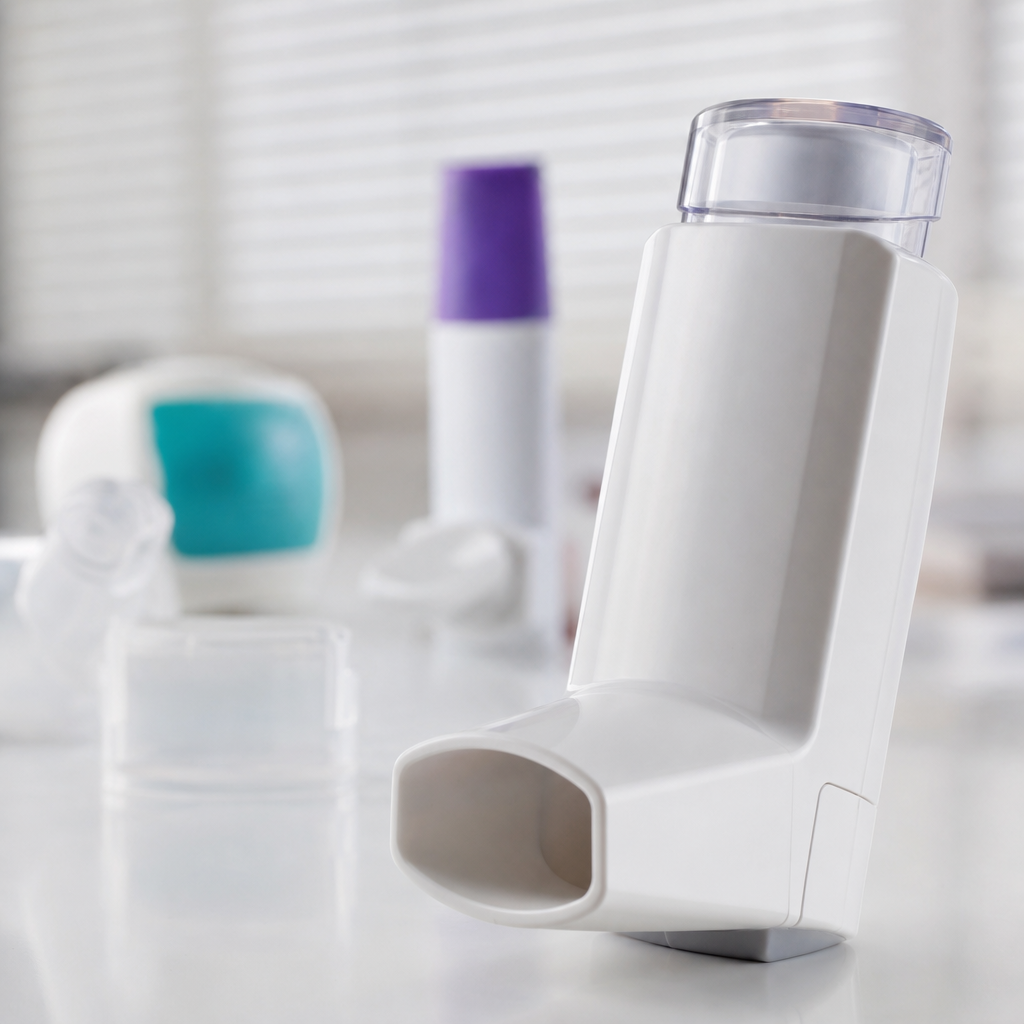
Innovations in polymer-based inhalers are reshaping medical and healthcare delivery by making respiratory treatment more precise, durable, and patient friendly. A polymer-based inhaler uses engineered plastic materials, elastomers, and specialty coatings in its housing, canister interfaces, dose counters, valves, mouthpieces, and increasingly in its drug-carrying particles or capsules. In practical terms, polymers matter because they influence dose accuracy, moisture protection, device weight, manufacturability, sterilization compatibility, and the patient experience during daily use.
I have worked with inhaler development teams where a small material change, such as switching from standard polypropylene to cyclic olefin polymer in a moisture-sensitive component, altered stability outcomes more than a reformulation trial. That is why this topic deserves hub-level attention within medical and healthcare applications. Asthma affects hundreds of millions of people globally, chronic obstructive pulmonary disease remains a leading cause of death, and inhaled therapies are expanding into vaccines, biologics, insulin, antifungals, and acute rescue care. Every one of those uses depends on polymers that can survive molding, assembly, transportation, repeated actuation, and contact with formulations without extracting chemicals or degrading performance.
Key terms define the landscape. Metered-dose inhalers use pressurized propellant systems and require polymer valve parts, actuator bodies, and seals that remain dimensionally stable. Dry powder inhalers rely on capsules, blister packs, reservoirs, and dispersion pathways where low static, low moisture uptake, and precise geometry are essential. Soft mist inhalers create fine aerosols mechanically and place high demands on fatigue resistance and microengineered polymer components. Nebulizer systems also use polymer chambers, masks, and tubing, particularly in disposable and home-care formats. Across all categories, innovation is moving beyond simple plastic substitution toward polymers as active performance enablers.
For healthcare organizations, the significance is broad. Better polymers can improve adherence by reducing inhalation force, simplifying feedback, and adding clear dose visibility. They can support sustainability through recyclable mono-material designs and lower-carbon manufacturing. They can also lower total cost by enabling high-volume injection molding and automated assembly while preserving pharmaceutical quality. Most importantly, they help clinicians deliver the right drug to the right part of the lung with fewer handling errors. This article explains where polymer-based inhalers are advancing, what problems the materials solve, and why this subtopic anchors the wider medical and healthcare applications landscape.
Why polymers have become central to inhaler design
Polymers became central to inhaler design because they solve a difficult combination of mechanical, pharmaceutical, and human-factors requirements better than metal, glass, or ceramic alone. A modern inhaler must be light enough for a child or older adult to carry, strong enough to survive drops, chemically resistant to propellants or powders, and consistent enough to meter doses within narrow tolerances. In development programs I have seen, the inhaler often succeeds or fails on tolerance stack-up and moisture management, both of which are heavily influenced by material choice.
Common inhaler polymers include polypropylene, polyethylene, polycarbonate, acrylonitrile butadiene styrene, thermoplastic elastomers, polyoxymethylene, and higher-performance materials such as cyclic olefin polymer and cyclic olefin copolymer. Each offers tradeoffs. Polypropylene is inexpensive and moldable but can absorb additives and may not provide the best barrier properties. Polycarbonate is clear and tough but can stress crack with some formulation contacts. Cyclic olefin materials offer low extractables, excellent transparency, and low moisture uptake, which is why they appear in high-value pharmaceutical packaging and advanced inhaler assemblies.
The pharmaceutical interface is equally important. Drug powders can agglomerate when exposed to humidity, electrostatic charge can retain particles on device walls, and propellant systems can interact with seals and valve seats. That means material science directly affects emitted dose and fine particle fraction, two metrics that determine whether medicine actually reaches the lower airways. Regulatory submissions increasingly include extractables and leachables profiles, container-closure compatibility data, and stability studies that link polymer behavior to product quality over shelf life.
Material innovations improving dose accuracy and stability
The most important innovation in polymer-based inhalers is not cosmetic; it is tighter control of dose delivery. Material engineers now use low-sorption polymers, fluoropolymer coatings, and antistatic compounds to reduce drug retention inside the airflow path. In dry powder inhalers, this helps the patient receive a more complete dose with each inhalation. In metered-dose inhalers, better elastomer and thermoplastic combinations in the valve system help maintain crimp integrity, reduce leakage, and support accurate actuation over hundreds of cycles.
Moisture protection is another major advance. Many active pharmaceutical ingredients, especially peptide formulations and engineered spray-dried powders, lose dispersibility when exposed to humidity. Polymer blister laminates, desiccant-integrated closures, and low-water-vapor-transmission housings now extend stability without making devices bulky. Some capsule-based inhalers pair hydroxypropyl methylcellulose capsules with polymer devices designed to minimize water ingress during storage and handling. That pairing improves powder flow and reduces the variability clinicians sometimes see between first use and late-life doses.
Microfabrication has also changed what polymers can do. Precision injection molding can create swirl chambers, deagglomeration grids, and nozzle geometries measured in microns. Those structures influence aerosol particle size distribution, which determines deposition in the mouth, throat, central bronchi, or deep lung. For soft mist platforms and emerging nasal-pulmonary hybrids, high-precision polymer nozzles can generate consistently fine droplets without relying entirely on propellants. The result is more predictable lung deposition and less waste on oral surfaces.
| Innovation area | Polymer strategy | Clinical or operational benefit |
|---|---|---|
| Moisture-sensitive powders | Low-permeability housings and blister materials | Better dose consistency and longer shelf life |
| Drug retention in device | Antistatic surfaces and low-sorption polymers | Higher emitted dose and improved reproducibility |
| Valve durability | Optimized elastomer and thermoplastic interfaces | Reduced leakage and stable metering over time |
| Patient feedback | Clear polymers for dose windows and counters | Lower handling error and better adherence |
| Sustainability targets | Mono-material designs and recyclable resins | Simpler waste streams and lower manufacturing impact |
Device categories and how polymer engineering changes performance
In metered-dose inhalers, polymer innovation centers on actuator design, valve performance, and compatibility with hydrofluoroalkane or next-generation propellants. The shift away from older chlorofluorocarbons forced extensive materials work, and the coming transition to lower global-warming propellants is doing the same. Actuator geometry, often molded in polypropylene or related materials, determines spray plume shape and oropharyngeal deposition. Small dimensional changes can alter delivered dose dramatically, which is why validated molding control and resin consistency are nonnegotiable.
Dry powder inhalers depend even more heavily on polymer behavior because the device must convert patient inspiratory effort into powder dispersion. Engineers tune internal channels, capsule piercing mechanisms, and resistance profiles using polymers that resist wear and hold tight tolerances. In reusable dry powder inhalers, fatigue resistance matters because springs, hinges, and latches may cycle hundreds of times. In disposable variants, low cost and moisture barrier performance dominate. I have seen teams reject otherwise attractive designs because a hinge line whitened after repeated use, signaling long-term failure risk.
Soft mist inhalers and nebulizer-adjacent handheld systems use polymers in more demanding fluidic architectures. These devices often integrate reservoirs, pumps, and nozzles that require dimensional stability under pressure and exposure to complex formulations. Biologic inhalation programs, though still specialized, raise the bar further because proteins and nucleic-acid formulations can adsorb onto surfaces or lose activity if the fluid path is not carefully designed. In those cases, cyclic olefin materials, fluorinated surfaces, and low-extractable elastomers are not premium extras; they are enablers of feasibility.
Patient-centered design, adherence, and safety
Innovations in polymer-based inhalers matter clinically only if patients can use the devices correctly. Human-factors engineering increasingly starts with material selection because texture, transparency, flexibility, and acoustic response all shape how a device communicates with the user. A mouthpiece that feels secure, a cap that snaps audibly, or a dose window that remains legible after months in a pocket can reduce critical errors. This is especially important in pediatric asthma, severe COPD, and emergency rescue settings where hesitation or confusion costs time and treatment effectiveness.
Dose counters are a strong example. Many older inhalers provided little certainty about how many doses remained, which contributed to empty-device use during exacerbations. Advanced polymer gears, windows, and indicator tracks now support integrated counters with clear tactile and visual feedback. Because these components must move reliably while remaining inexpensive, polymer tribology and dimensional control are central to success. The healthcare benefit is direct: patients are more likely to replace devices on time and clinicians can coach use with greater confidence.
Safety also includes biocompatibility and cleanliness. Medical-grade polymers must meet standards for cytotoxicity, sensitization, and irritation where relevant, and manufacturers evaluate extractables and leachables under International Council for Harmonisation expectations and risk-based frameworks commonly aligned with USP guidance. Single-patient and disposable inhalation accessories, particularly in hospitals and home care, benefit from polymers that tolerate gamma or ethylene oxide sterilization. However, sterilization can embrittle some resins or alter color and dimensions, so material choice must be validated in final packaged form, not just in raw-resin data sheets.
Manufacturing, regulation, and sustainability in healthcare deployment
From a manufacturing perspective, polymer-based inhalers offer scalability that few other material systems can match. Multi-cavity injection molding, in-line vision inspection, ultrasonic welding, and automated assembly make it possible to produce millions of units with repeatable quality. Yet inhalers are combination products, so device manufacturing cannot be separated from pharmaceutical controls. Critical quality attributes include shot weight, dimensional fidelity, particulate cleanliness, valve actuation force, delivered dose uniformity, and stability after transportation stress. Design for manufacturability must therefore begin alongside formulation development, not after clinical proof of concept.
Regulatory expectations are rising because inhalers sit at the intersection of drug, device, and patient technique. Developers typically align testing with pharmacopeial aerosol performance methods, ISO standards where applicable, and regional combination-product requirements from agencies such as the FDA and EMA. Material changes that seem minor, including colorants, mold-release choices, or a new polymer supplier, can trigger comparability work because they may influence extractables, friction, or aerosolization. In my experience, the strongest programs build a full material pedigree early, including resin grade control, additive disclosure, and aging data.
Sustainability is now part of healthcare procurement, and inhalers are under close scrutiny for both material waste and propellant impact. Polymer innovation is helping in several ways: reusable inhaler bodies paired with replaceable cartridges, reduced part counts, elimination of mixed-material assemblies where possible, and incorporation of mechanically recycled or bio-attributed resins in non-contact components. These changes are meaningful, but they must not compromise moisture barrier properties, dimensional stability, or patient safety. The best strategy is pragmatic ecodesign: remove unnecessary material, simplify disassembly, and choose polymers that support both pharmaceutical performance and end-of-life planning.
Innovations in polymer-based inhalers show how materials science directly improves medical and healthcare outcomes. Better polymers enable more accurate dosing, stronger moisture protection, more intuitive patient use, and scalable manufacturing across metered-dose inhalers, dry powder inhalers, soft mist devices, and nebulizer-related systems. They also support the next generation of inhaled therapies, including biologics and other complex formulations that demand low-extractable, high-precision fluid paths. For organizations building respiratory portfolios, polymers are not background components; they are strategic design tools that shape quality, adherence, and commercial viability.
The main lesson is simple: inhaler performance depends on the interaction between formulation, device geometry, and polymer behavior. Choosing the right resin, coating, or elastomer can reduce dose variability, extend shelf life, improve counters and feedback features, and help meet stricter regulatory and sustainability expectations. Poor choices create leakage, adsorption, static buildup, breakage, and user confusion. In a field where a missed or weak dose can escalate into hospitalization, those details matter. Teams that treat polymer selection as an early systems decision consistently build stronger inhalation products.
As this hub for medical and healthcare applications expands, use it as the starting point for deeper study of respiratory drug delivery platforms, material compatibility, manufacturing validation, and patient-centered device design. Review your current inhaler program through a polymer lens, map the failure modes tied to materials, and identify where the next innovation can create measurable clinical value.
Frequently Asked Questions
1. What is a polymer-based inhaler, and how is it different from a traditional inhaler?
A polymer-based inhaler is a respiratory drug-delivery device that relies on engineered polymer materials in key components such as the housing, mouthpiece, valve systems, canister interfaces, seals, dose counters, and sometimes even in the formulation carrier itself. While many conventional inhalers have long used some plastic parts, newer polymer-based designs are more intentional and sophisticated in how materials are selected and engineered. These polymers are chosen not just for basic shape and durability, but for specific performance characteristics such as chemical resistance, low moisture absorption, dimensional stability, impact strength, smooth actuation, and compatibility with sensitive drug formulations.
The main difference is that innovation in polymer science allows manufacturers to fine-tune how the inhaler performs in real-world use. For example, advanced polymers can help maintain tighter manufacturing tolerances, which improves dose consistency. Specialty elastomers can make valve systems more reliable over repeated actuations. Barrier coatings and low-permeability plastics can reduce the chance of moisture or environmental exposure affecting the medicine. Compared with older designs that may have been heavier, less precise, or more limited in materials performance, modern polymer-based inhalers are increasingly optimized to be lightweight, durable, patient friendly, and better suited for complex respiratory therapies.
2. How do polymers improve dose accuracy and overall inhaler performance?
Polymers play a central role in dose accuracy because inhaler performance depends heavily on the precision of internal components. The geometry of the actuator, the consistency of the valve seat, the fit of the canister interface, and the reliability of the dose counter all influence whether a patient receives the intended amount of medication. High-performance polymers can be molded with excellent dimensional control, which helps manufacturers produce parts that behave consistently from one device to the next. That precision matters in respiratory care, where even small variations in aerosol generation or powder dispersion can affect how much drug reaches the lungs.
Material properties also affect the device over time. Polymers with strong wear resistance and low friction can support smoother actuation and reduce mechanical degradation over repeated use. Moisture-resistant materials can protect dry powder formulations, which are often highly sensitive to humidity. Electrostatic behavior can be managed through material selection or coatings to prevent particles from sticking to internal surfaces. In addition, some specialty polymers can help maintain stable flow pathways, support better aerosolization, and preserve formulation integrity during storage and use. Together, these material advantages contribute to more reliable delivery, better patient confidence, and potentially improved therapeutic outcomes.
3. Why are polymer-based inhalers considered more patient friendly?
Polymer-based inhalers are often more patient friendly because modern polymer engineering makes it easier to design devices that are lighter, easier to handle, and more intuitive to use. For many patients, especially children, older adults, and people with reduced hand strength or dexterity, device usability is not a minor issue; it can directly affect whether treatment is taken correctly. Lightweight polymer housings reduce hand fatigue, while carefully designed molded shapes can improve grip, comfort, and one-handed operation. Softer elastomeric elements can also improve sealing and tactile feel, making the actuation process smoother and more predictable.
Another major benefit is the ability to integrate user-centered features without adding excessive bulk. Polymers make it practical to include built-in dose counters, clearer mouthpiece covers, ergonomic triggers, color-coded parts, and feedback mechanisms that help patients know when a dose has been loaded or delivered. From a hygiene standpoint, certain polymer surfaces can be designed for easier cleaning and better resistance to cracking or wear. From a portability standpoint, durable plastics are less likely to dent or deform than heavier alternatives. All of these improvements support adherence by making the inhaler simpler, safer, and less intimidating to use in everyday life.
4. Are polymer-based inhalers safe and compatible with respiratory medications?
Yes, polymer-based inhalers are developed with safety and compatibility as top priorities, but this requires careful material selection, testing, and regulatory evaluation. Not every polymer is suitable for medical inhalation devices. Manufacturers must choose materials that are biocompatible, chemically stable, and unlikely to interact negatively with the medication, propellant, excipients, or patient-contact surfaces. This includes evaluating whether the material could absorb ingredients, release extractables or leachables, deform under temperature changes, or lose performance over the product’s shelf life. Inhaled therapies demand especially high standards because the drug is delivered directly to the respiratory tract.
To address this, inhaler components undergo extensive testing for mechanical reliability, formulation compatibility, environmental stability, and long-term performance. Specialty coatings may be added where extra barrier protection or surface control is needed. Elastomer seals and valve components are validated to ensure they maintain function without compromising the medicine. In some advanced designs, polymers are also used in capsules, blister systems, or particle-engineering platforms, which are likewise tested to confirm they preserve drug quality and enable consistent delivery. In short, polymer-based inhalers can be very safe and highly effective, but only when backed by rigorous engineering, quality control, and compliance with medical device and pharmaceutical standards.
5. What future innovations are expected in polymer-based inhalers?
The future of polymer-based inhalers is likely to focus on smarter materials, better sustainability, and more personalized drug delivery. On the device side, researchers and manufacturers are exploring advanced polymers with improved barrier performance, lower environmental impact, and enhanced mechanical precision. This could lead to inhalers that are even more durable, more compact, and better at protecting moisture-sensitive or biologic formulations. There is also growing interest in recyclable or bio-based polymer options, although these must still meet strict pharmaceutical performance requirements before widespread adoption.
Another major innovation area is the integration of digital health features with polymer-enabled device design. Because polymers are highly adaptable in manufacturing, they support compact architectures that can incorporate sensors, electronic dose tracking, and connectivity features without making devices too heavy or expensive. At the formulation level, polymer science is also influencing how drugs are encapsulated, stabilized, and dispersed, opening the door to more advanced inhaled therapies beyond traditional asthma and COPD medications. This includes potential applications in vaccines, systemic drug delivery, and targeted lung treatments. Overall, the next generation of polymer-based inhalers is expected to deliver a combination of greater precision, improved user experience, stronger formulation protection, and broader therapeutic capability.