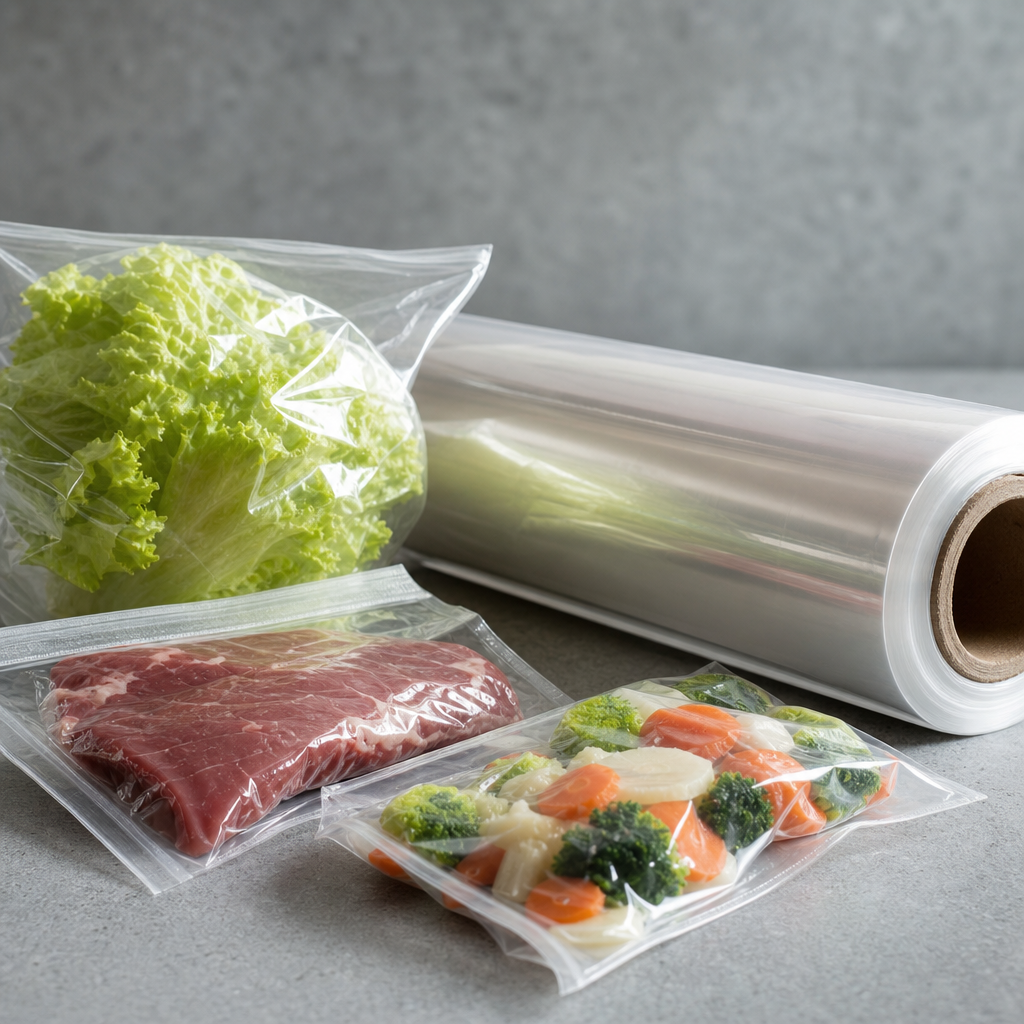
Innovations in polymer-based packaging films are reshaping how food, medicine, consumer goods, and industrial products move through global supply chains. In practical terms, packaging films are thin polymer layers engineered to protect contents from oxygen, moisture, light, contamination, puncture, and tampering while remaining printable, sealable, lightweight, and cost efficient. I have worked with converters, resin suppliers, and brand teams on film selection projects, and the same pattern appears repeatedly: performance is never driven by one property alone. A successful packaging film balances barrier, toughness, machinability, shelf appeal, compliance, and end-of-life realities. That balance matters because films represent a large share of flexible packaging volume, and even small design changes can affect food waste, transport emissions, line speed, and recyclability at scale.
Within packaging, polymer-based films span commodity materials such as polyethylene and polypropylene, performance films such as polyamide, ethylene vinyl alcohol, and polyethylene terephthalate, and newer bio-based or compostable options such as polylactic acid and polyhydroxyalkanoates. They can be monolayer or multilayer, cast or blown, oriented or non-oriented, coated, metallized, laminated, or coextruded. Innovations are not confined to chemistry. They also include process control, downgauging, digital printing compatibility, mono-material design, and incorporation of post-consumer recycled content. For packaging teams building a roadmap, understanding these innovations is essential because the right film structure can extend shelf life, reduce material use, support circularity targets, and improve consumer convenience without compromising product protection.
Core polymer families and why film selection starts with application needs
The first question in packaging is not which polymer is newest; it is what the pack must do. In snacks, a film must keep oxygen and moisture out while preserving crispness and aroma. In fresh produce, it may need controlled gas transmission to manage respiration. In medical device pouches, seal integrity and sterilization resistance outrank graphics. In detergent refill packs, stress crack resistance and chemical compatibility matter more than transparency. Packaging films succeed when the polymer family matches the use case.
Polyethylene remains the workhorse because low-density polyethylene, linear low-density polyethylene, and high-density polyethylene offer strong sealability, toughness, and broad processability. Polypropylene, especially biaxially oriented polypropylene, is prized for clarity, stiffness, moisture barrier, and print performance. PET films provide dimensional stability, heat resistance, and excellent print and lamination behavior. Polyamide adds puncture resistance, making it useful in vacuum packs for meat and cheese. EVOH is widely used as an oxygen barrier layer in coextrusions, though its performance declines at high humidity. Each of these materials solves a specific packaging problem, and most high-performance film structures use them in combination rather than isolation.
Application needs also determine converting format. Blown films often deliver toughness and balanced mechanical properties, making them common in heavy-duty or sealant layers. Cast films provide superior gauge control and optics, which helps in lidding, stretch films, and many high-speed packaging lines. Oriented films improve stiffness and barrier through molecular alignment. In projects I have seen firsthand, teams often overfocus on headline resin type while overlooking how orientation, sealing window, coefficient of friction, and machine direction behavior influence productivity on actual packaging equipment.
Barrier performance, shelf life, and multilayer engineering
Barrier engineering is the central innovation area in polymer-based packaging films because it directly affects product stability and waste reduction. Oxygen ingress accelerates oxidation in coffee, nuts, and processed foods. Moisture transfer ruins crackers yet can dry out bakery items. Light degrades pigments, flavors, and some pharmaceuticals. To manage these risks, packaging designers combine polymer layers, coatings, and surface treatments into highly tuned structures.
A classic example is a retortable food pouch, which may require PET for strength and print support, aluminum foil or a high-barrier alternative for oxygen and light protection, and polypropylene for sealability and heat resistance. More recent structures replace foil with transparent barriers such as aluminum oxide or silicon oxide coated PET, enabling product visibility while preserving performance. For meat and cheese, thermoformable webs often pair polyamide with EVOH and polyethylene to balance puncture resistance, oxygen barrier, and sealing. In snack packaging, metallized oriented polypropylene remains common because it delivers cost-effective barrier with low weight.
Barrier is never just about lab numbers. Oxygen transmission rate and water vapor transmission rate must be considered at expected humidity, temperature, handling stress, and distribution time. A film with excellent nominal barrier can underperform if pinholes form during flexing or if seals are contaminated by product fines. That is why advanced packaging teams test complete packs, not resin datasheets alone. ASTM and ISO methods remain essential, but package validation also includes drop testing, seal strength, migration assessment, and real-time or accelerated aging. Better shelf life is the visible outcome; disciplined multilayer engineering is the reason it happens.
Recyclability, mono-material structures, and circular packaging design
The biggest strategic shift in packaging films is the move from hard-to-recycle mixed-material laminates toward structures that can fit established recycling streams. Historically, many flexible packs achieved performance by combining PET, aluminum, nylon, and polyethylene through adhesive lamination. These formats protected products extremely well, but they created end-of-life challenges because layers were difficult to separate economically. Today, brand owners and converters are redesigning packs around mono-material or recycling-compatible structures, especially all-polyethylene and all-polypropylene solutions.
In practice, mono-material does not mean simple. An all-PE pouch may combine a machine-direction oriented PE film for stiffness, a high-density PE layer for toughness, specialty sealant layers for broad sealing windows, and EVOH in carefully limited amounts where recycling guidance permits. Similar development is happening in all-PP retort and snack structures, supported by advances in oriented polypropylene and heat-resistant sealants. The design goal is to retain runnability and shelf life while improving compatibility with store drop-off or emerging curbside systems.
Tradeoffs are real. Some recyclable structures still lag conventional mixed laminates in ultra-high barrier, gloss, or abuse resistance. Recycled content can introduce odor, gel formation, or color variability if supply quality is inconsistent. Yet progress is measurable. Major film producers now offer recycle-ready pouches for pet food, home care, and dry foods, and recyclability guidance from organizations such as APR and RecyClass is influencing specifications. The most credible packaging strategy is not to claim a perfect solution. It is to align material choice with actual collection infrastructure, package function, and verified design-for-recycling criteria.
Smart downgauging, process innovation, and performance at lower material use
One of the most commercially important innovations in polymer-based packaging films is smart downgauging: reducing film thickness without sacrificing package integrity. This is not simple thinning. Effective downgauging relies on resin selection, orientation control, coextrusion design, and machine optimization so that puncture resistance, seal strength, and line speed remain acceptable. When done correctly, downgauging reduces material consumption, lowers transport weight, and often cuts total packaging cost.
I have seen downgauging succeed when teams treat it as a system project. A snack film may shift from a thicker unsupported structure to a thinner oriented and metallized film with equivalent barrier. A stand-up pouch may use a redesigned sealant layer with improved hot tack, allowing less total gauge and faster line speeds. Stretch hood and collation films have benefited from metallocene polyethylene, which improves toughness and load retention at reduced thickness. These gains are significant because flexible packaging is produced in massive volumes; removing even a few microns from a widely used film can save tons of resin annually.
Process innovation enables that result. Modern cast and blown film lines use tighter automatic gauge control, better die design, improved cooling, and advanced winding systems to reduce variation and defects. Coextrusion lets converters place performance exactly where needed instead of overengineering the entire structure. Digital inspection, inline thickness monitoring, and statistical process control have made film production more predictable. The practical takeaway for packaging buyers is clear: lower material use is credible only when supported by validated mechanical data, line trials, and distribution testing, not by gauge reduction alone.
| Innovation area | Primary benefit | Typical packaging example | Main limitation |
|---|---|---|---|
| Mono-material PE or PP films | Improved recycling compatibility | Dry food pouches, detergent refills | May offer lower barrier than mixed laminates |
| High-barrier coatings | Transparent oxygen and aroma protection | Coffee, snacks, medical packaging | Coating durability can drop under flex stress |
| Downgauged metallocene PE films | Material reduction with retained toughness | Stretch wrap, pouch sealant webs | Requires tight process control |
| Post-consumer recycled content films | Lower virgin resin demand | Secondary packaging, some nonfood packs | Quality consistency and regulatory limits |
| Bio-based or compostable films | Alternative feedstocks or targeted disposal route | Produce bags, food-service items | Performance and infrastructure vary widely |
Surface engineering, printing, sealing, and consumer functionality
Packaging films do more than protect contents; they must also run efficiently on converting and filling lines and perform well in consumers’ hands. This is where surface engineering becomes crucial. Corona and plasma treatment raise surface energy so inks, coatings, and adhesives anchor properly. Slip and antiblock additives manage film-to-film friction during winding and machine handling. Heat-seal coatings and specialized sealant layers determine seal initiation temperature, hot tack, seal-through-contamination performance, and peel characteristics.
Printing technology has evolved alongside film design. Flexographic and rotogravure printing remain dominant for high-volume packaging, but digital printing is growing for short runs, regionalization, and variable data. Films now must support sharper graphics, migration-compliant ink systems, and better scuff resistance. In e-commerce ready packaging, abrasion resistance has become more important because packs encounter more touchpoints than store-shelf formats. Matte and soft-touch coatings add shelf differentiation, but they must not interfere with recyclability or coefficient of friction targets.
Consumer functionality is another active innovation field. Easy-open laser scoring allows controlled tear paths on snack and frozen food packs. Resealable zippers, peel-reseal labels, and pressure-sensitive closures support portion control and convenience. Anti-fog films improve visibility in refrigerated produce and protein packs by preventing droplet formation. In medical and pharmaceutical packaging, breathable films enable sterilization with ethylene oxide while maintaining microbial barriers. These features may seem secondary compared with barrier, yet in commercial packaging they often decide whether a technically sound film succeeds in the market.
Bio-based materials, compostable films, and the reality of sustainable claims
Bio-based and compostable packaging films attract strong interest, but they require careful evaluation. Bio-based refers to feedstock origin, not necessarily end-of-life behavior. A polymer can be made partly from renewable resources and still be non-biodegradable. Compostable films, by contrast, are designed to break down under specific industrial composting conditions defined by standards such as EN 13432 or ASTM D6400. These distinctions matter because vague sustainability language creates confusion and regulatory risk.
PLA is the best-known bio-based packaging polymer, valued for clarity and stiffness in certain films and laminations. PHA materials are receiving attention because some grades offer biodegradation advantages in defined environments, though supply and cost remain challenges. Cellulose-based films and coated papers also play a role in niche applications. In my experience, these materials perform best where composting infrastructure exists and where the package is likely to be contaminated with food, making conventional recycling less practical. Produce labels, food-service packaging, and selected organic waste collection liners are examples.
The limitation is straightforward: many compostable films do not match the heat resistance, moisture barrier, or seal range of mainstream petrochemical-based multilayers. They can also contaminate recycling streams if consumers cannot identify them correctly. The responsible position is to match claims to infrastructure and application. A compostable film is not automatically the best choice for every packaging challenge. Sometimes a lightweight recyclable polyolefin structure delivers a lower real-world footprint than a compostable pack with poor collection access. Good packaging decisions are evidence-based, not slogan-driven.
Where packaging films are headed next
The future of polymer-based packaging films will be defined by convergence rather than a single breakthrough. High-performance barrier, recyclability, lower gauge, better process control, and credible sustainability metrics are moving together. Expect continued growth in recycle-ready PE and PP structures, wider use of compatibilizers and tie layers designed for circular systems, improved mechanical and chemical recycling integration, and more sophisticated coatings that replace foil without sacrificing shelf life. Expect digital watermarks, tracer technologies, and material passports to help sorting systems identify flexible formats more accurately. Expect packaging development to rely increasingly on life cycle assessment, finite element modeling, and machine data from actual filling lines rather than assumptions.
For packaging teams, the main lesson is simple: the best film is application specific, system validated, and honest about tradeoffs. Food, healthcare, and consumer goods companies should evaluate films through the full lens of protection, processability, compliance, consumer use, and end-of-life fit. Suppliers that can explain oxygen transmission, seal curves, orientation effects, recycling guidance, and cost implications in one conversation will lead the market. That is why this packaging hub matters. It connects the material science of polymer films with the real operational questions brand owners ask every day.
If you are reviewing packaging options, start by mapping product sensitivity, distribution hazards, line conditions, and disposal pathways, then compare film structures against those realities. That disciplined approach consistently produces better packaging decisions, lower waste, and stronger performance across the package life cycle.
Frequently Asked Questions
1. What are the most important recent innovations in polymer-based packaging films?
Recent innovation in polymer-based packaging films has centered on delivering better barrier performance, better processability, and better sustainability at the same time. In the past, film development often forced packaging teams to choose between performance and cost, or between recyclability and protection. Today, material science is narrowing those tradeoffs. One major area of progress is in high-performance mono-material films, especially polyethylene- and polypropylene-based structures designed to replace harder-to-recycle mixed-material laminations. These newer films can be engineered with tailored seal layers, stiffness layers, and barrier coatings so they perform more like traditional multi-material structures while fitting more cleanly into recycling pathways.
Another important innovation is in barrier technology. Advanced coextrusion techniques now allow converters to build films with highly specific oxygen and moisture transmission properties using thinner layers and less total material. In addition, coated films using technologies such as AlOx, SiOx, and specialized polymer barrier coatings are expanding the range of products that can be protected without relying on foil-heavy constructions. This matters greatly for food, medical, and personal care applications where shelf life, product stability, and contamination prevention are critical. Improvements in puncture resistance, seal integrity, and abuse resistance have also made lightweight downgauged films more practical across demanding supply chains.
Smart functionality is also becoming more common. Innovations include anti-fog surfaces, easy-open and resealable features, tamper-evident elements, antifungal or antimicrobial concepts in some applications, and printable surfaces optimized for digital printing and variable data. In practical commercial terms, the biggest innovation is not just one material breakthrough, but the ability to combine barrier, machinability, branding, and sustainability goals more effectively than before. That is why polymer-based films are becoming more specialized, more application-specific, and more strategically important across global packaging systems.
2. How do polymer-based packaging films protect products across food, pharmaceutical, and consumer goods supply chains?
Polymer-based packaging films protect products by creating a controlled interface between the packaged item and the external environment. That protection is much more complex than simply wrapping a product in plastic. In food applications, films are often designed to manage oxygen ingress, moisture loss or gain, aroma retention, grease resistance, and light exposure. A dry snack, for example, may need a strong moisture barrier to preserve crispness, while coffee may require excellent oxygen and aroma barrier to maintain freshness. Fresh produce packaging may be engineered to balance gas exchange rather than block it completely, helping extend shelf life without damaging the product.
In pharmaceutical and medical contexts, the protection requirements are even more exacting. Packaging films may need to preserve sterility, resist puncture, support validated sealing performance, and maintain barrier properties throughout transportation and storage. Minor failures in seal integrity or material compatibility can compromise product safety, so film selection in these sectors often involves extensive testing for chemical resistance, seal strength, sterilization compatibility, and regulatory compliance. Films used in healthcare packaging are not chosen only for appearance or cost; they are chosen because they can consistently preserve product quality under tightly controlled conditions.
For consumer goods and industrial products, packaging films provide durability, tamper evidence, printability, and efficient logistics performance. They can reduce shipping weight, improve cube efficiency, and help products survive handling, compression, and abrasion during transportation. In many cases, the film structure is doing multiple jobs at once: protecting the product, carrying branding, enabling fast line speeds, supporting e-commerce handling, and meeting retail display requirements. This multifunctional role is why film engineering is so important. The right film does not just contain a product; it actively supports shelf life, safety, customer experience, and supply chain efficiency.
3. Why is barrier performance such a critical factor in packaging film design?
Barrier performance is critical because many products fail long before the package itself appears damaged. Oxygen, water vapor, light, and volatile loss can quietly degrade a product’s quality, safety, efficacy, or appearance over time. In food packaging, inadequate oxygen barrier can lead to oxidation, flavor loss, discoloration, and reduced shelf life. Poor moisture control can make crispy products stale, powders clump, and sensitive formulations destabilize. Light barrier can be essential for products vulnerable to UV or visible-light degradation, including certain foods, pharmaceuticals, and nutraceuticals. In short, barrier design determines how well the package preserves the product’s intended condition from production to end use.
What makes barrier design challenging is that no single film property matters in isolation. A package may require strong oxygen barrier but also need seal reliability, puncture resistance, transparency, flex-crack resistance, and compatibility with high-speed packaging equipment. A material that performs well in lab measurements may behave differently after converting, printing, lamination, or real-world distribution stress. That is why packaging engineers evaluate barrier as part of a broader system rather than as a standalone number on a datasheet. The product type, fill conditions, expected shelf life, distribution environment, and end-use format all influence what “good barrier” actually means.
Modern film innovation has made it easier to target barrier more precisely. Coextruded layers, specialty resins, and thin functional coatings can now be fine-tuned to specific application needs without always adding excessive weight or cost. This precision allows brand owners to avoid both underengineering and overengineering. If the barrier is too low, the product is at risk. If it is unnecessarily high, the package may become more expensive, less recyclable, or harder to process than needed. The best packaging film designs are those that match barrier performance closely to the product’s actual protection requirements.
4. Are sustainable polymer-based packaging films really improving, or is it mostly marketing?
Sustainable polymer-based packaging films are genuinely improving, but the market includes both meaningful progress and oversimplified claims. The real advances are happening in areas such as downgauging, mono-material design, incorporation of recycled content where technically feasible, improved compatibility with store drop-off or other recycling streams, and the use of high-performance structures that reduce overall material consumption without sacrificing product protection. These developments are significant because sustainability in packaging is not only about what happens after use. It is also about preventing product waste, reducing transportation emissions through lightweighting, and designing films that deliver necessary performance with fewer resources.
That said, sustainability claims need careful scrutiny. A film that looks more sustainable on paper is not automatically better if it shortens shelf life, increases spoilage, or causes line inefficiencies that generate waste. Likewise, compostable or bio-based options may sound appealing, but they are not universal solutions. Their benefits depend on the application, the disposal infrastructure, contamination risk, regulatory requirements, and whether the package can still protect the product effectively. In many categories, especially food and healthcare, the package must first perform its protective function. A technically recyclable film that fails in the field is not a sustainable success.
The most credible sustainable improvements come from system-level design. That means evaluating material sourcing, package weight, production efficiency, product protection, transportation impact, and realistic end-of-life outcomes together. In practical packaging development, the strongest sustainability decisions are usually data-driven rather than slogan-driven. Brand teams, converters, and material suppliers increasingly rely on lifecycle thinking, recyclability guidance, and application-specific testing to make those decisions. So yes, innovation is real, but the best results come when sustainability is treated as an engineering objective, not just a marketing message.
5. How should companies choose the right polymer-based packaging film for a specific application?
Choosing the right polymer-based packaging film starts with understanding the product before focusing on the material. The most successful film selection projects begin with a clear definition of what the package must do: protect against oxygen or moisture, withstand puncture, support high-speed sealing, provide transparency, carry graphics well, resist chemicals, enable easy opening, or fit a recyclability target. The product itself drives these requirements. A frozen food pouch, a sterile medical device package, a detergent refill, and a snack wrapper may all use polymer films, but their technical demands are completely different. Starting with the end-use conditions prevents teams from choosing a film based only on price or a single attractive feature.
After defining performance needs, companies should evaluate the full packaging system. That includes film structure, converting method, sealing window, printing requirements, filling conditions, storage environment, transportation stress, and regulatory obligations. In my experience, the same pattern appears repeatedly: issues that seem like “material problems” are often really system mismatches. A film may have excellent barrier but poor machinability on existing equipment. Another may run beautifully on the line but fail distribution testing due to puncture weakness. This is why trials, validation testing, and supplier collaboration are so important. Good packaging development is cross-functional, involving procurement, operations, quality, packaging engineering, and often commercial teams as well.
Companies should also think beyond immediate cost per pound or cost per package. The right film can reduce waste, improve uptime, support sustainability goals, extend shelf life, strengthen brand presentation, and lower total cost across the supply chain. Conversely, the wrong film can create hidden costs through product loss, customer complaints, seal failures, slower line speeds, and more complex inventory. The best approach is to compare options based on total performance and total system value. When film selection is handled this way, polymer-based packaging becomes not just a protective layer, but a strategic tool for product quality, operational efficiency