Latest innovations in polymer-based products are reshaping industries from healthcare and packaging to construction, electronics, and mobility. Polymer-based products include items made primarily from natural, synthetic, or engineered polymer chains, such as thermoplastics, thermosets, elastomers, biopolymers, and high-performance composites. In product development teams I have worked with, the biggest change over the past few years has not been a single miracle material. It has been the speed at which new formulations move from lab validation to commercial launch, supported by better simulation, additive manufacturing, regulatory screening, and lifecycle analysis. That acceleration matters because polymers sit at the center of modern manufacturing: they control weight, durability, barrier performance, sterility, electrical insulation, flexibility, and cost.
For companies tracking new product launches, polymer innovation is no longer limited to resin chemistry alone. The most important launches combine material science with application engineering. A medical catheter may use a new thermoplastic elastomer for kink resistance, but the commercial advantage comes from lower extractables and simpler sterilization. A food package may switch to a mono-material polyethylene structure, but the real breakthrough is achieving seal strength and oxygen barrier while improving recyclability. In electronics, encapsulants, adhesives, and thermal interface materials are now expected to manage heat, resist moisture, and survive miniaturized assembly conditions. These are product-level innovations, not just raw-material announcements.
This hub article covers the current landscape of new polymer-based product launches, the technologies driving them, and the criteria buyers should use when evaluating claims. It also serves as a practical guide to the most important categories appearing across the market: sustainable packaging, lightweight automotive parts, medical devices, smart materials, construction products, and specialty compounds for electronics and energy. If you want to understand where polymer innovation is heading, start with three questions. What problem does the product solve better than legacy materials? How does it perform across the full use cycle? And can it scale reliably under commercial manufacturing constraints? The strongest launches answer all three clearly.
Why polymer product launches are accelerating
New polymer-based product launches are increasing because demand pressures and technical capabilities are converging. Brand owners want lighter components, longer shelf life, lower emissions, and easier processing. At the same time, developers now have better tools to design around those requirements. Finite element analysis predicts mechanical behavior before tooling is cut. Differential scanning calorimetry, thermogravimetric analysis, rheometry, and spectroscopy shorten formulation cycles. Digital twins and design of experiments reduce trial-and-error. In my experience, this means launches that once took years can now move into pilot production much faster, especially for line extensions based on known resin platforms.
Regulation is another driver. Extended producer responsibility rules, recycled content mandates, food-contact standards, medical biocompatibility expectations, and building performance codes all force product redesign. This pressure has triggered launches in recycled-content compounds, halogen-free flame-retardant materials, low-VOC construction products, and bio-based alternatives. The critical point is that compliance alone does not create market adoption. Successful launches convert compliance into measurable user value, such as easier recycling, lower vehicle mass, reduced breakage, or improved patient comfort. Products that merely claim greener chemistry without preserving processing efficiency rarely gain traction with converters.
Launch activity is also being shaped by supply chain resilience. Many processors want drop-in solutions that fit existing extrusion, injection molding, thermoforming, blow molding, or 3D-printing infrastructure. As a result, suppliers are emphasizing compounds that minimize requalification risk. A new polypropylene grade, for example, may be positioned around narrower lot-to-lot variation, faster cycle times, or broader heat resistance instead of radical chemistry. These are not minor details. In a commercial plant, a two-second cycle-time improvement or lower scrap rate can be more valuable than a headline laboratory property that is hard to reproduce at scale.
New product launches by application area
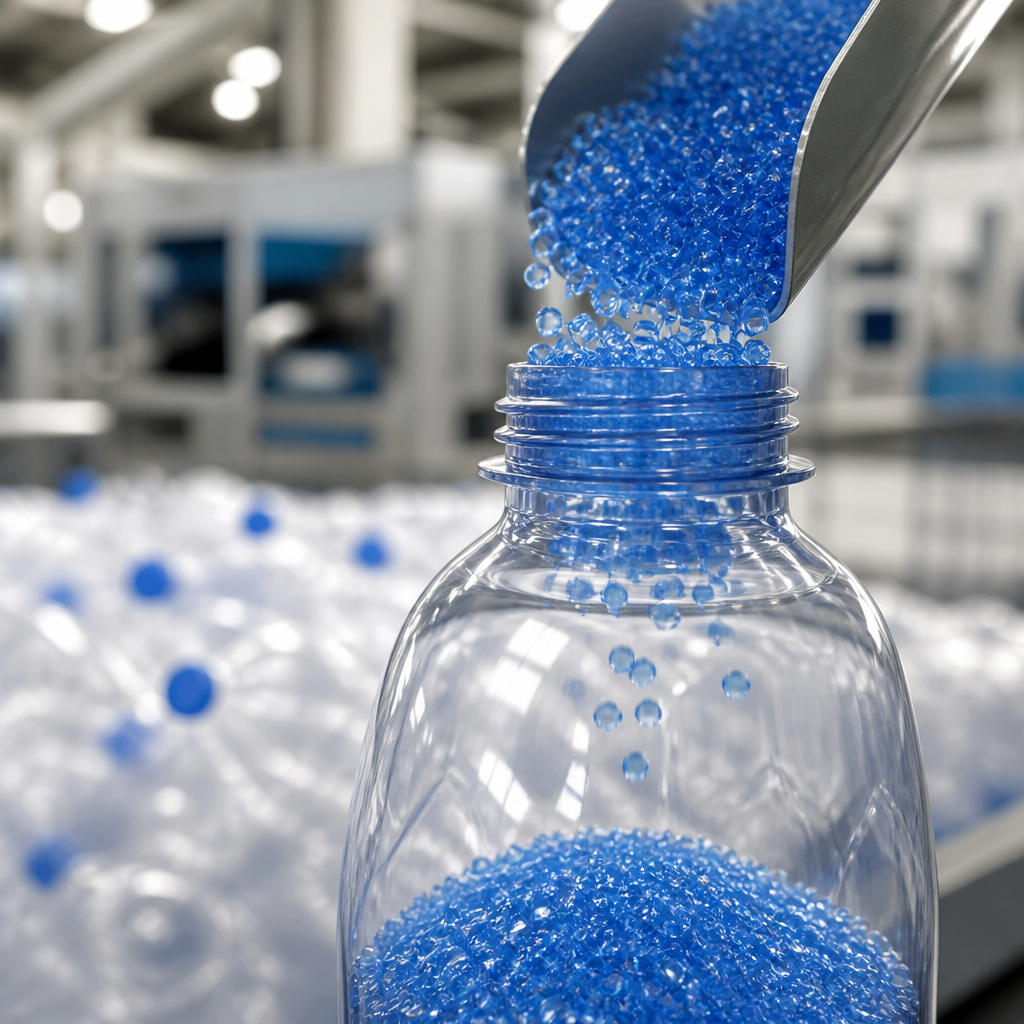
The most visible launches in polymer-based products are happening in packaging. Mono-material flexible packaging is a major focus because it aims to improve recyclability while preserving barrier performance and machineability. Suppliers are introducing polyethylene-based pouch structures with advanced sealant layers, compatibilizers, and coatings that replace mixed-material laminates. Polyethylene terephthalate and polypropylene trays are also being redesigned for recycled content and improved clarity. Real-world adoption depends on details such as seal-window width, puncture resistance, coefficient of friction, and compatibility with high-speed filling lines. Packaging engineers evaluate these launches against oxygen transmission rate, water vapor transmission rate, migration limits, and store-drop durability.
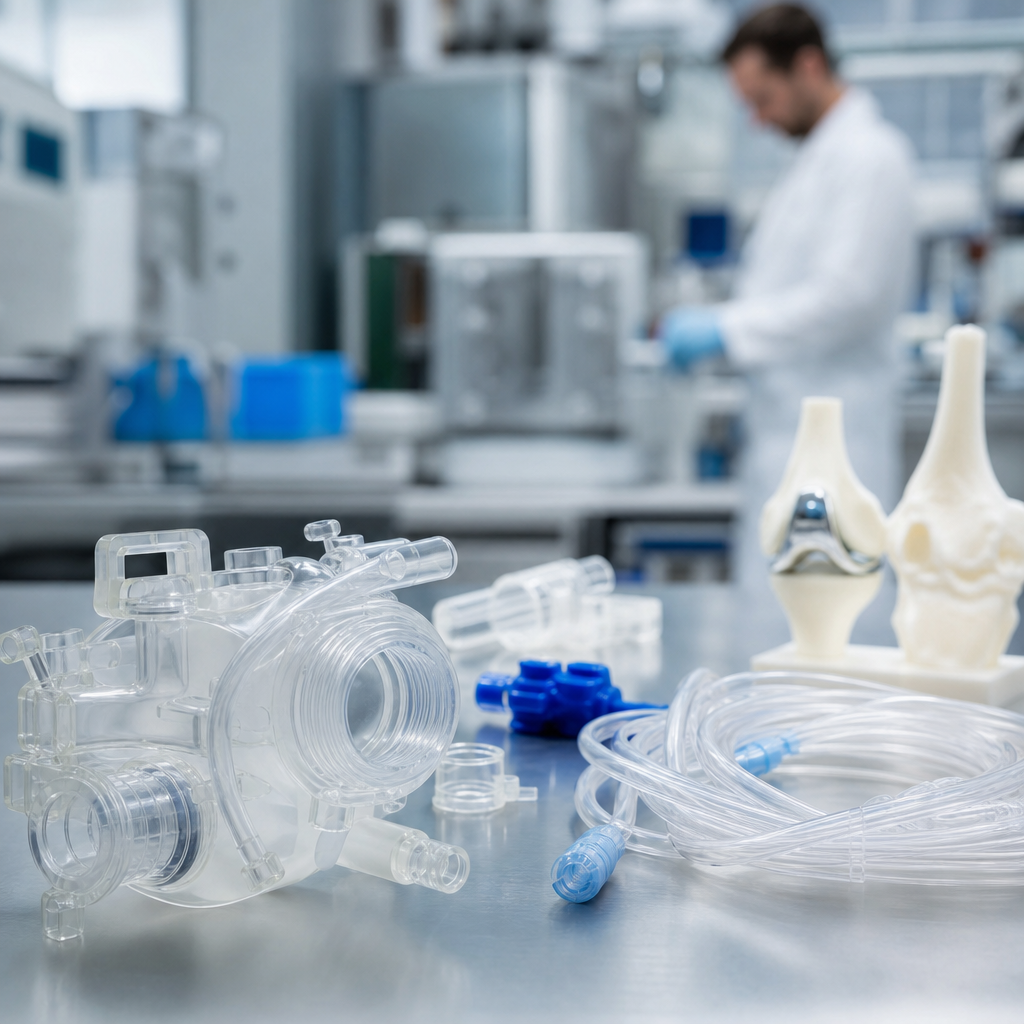
Medical polymer product launches are centered on safer patient contact, sterilization stability, and simplified manufacturing. New thermoplastic elastomers, polyurethane systems, fluoropolymers, silicone alternatives, and engineered polyolefins are appearing in tubing, wearable device housings, inhaler components, and drug-delivery systems. In these launches, developers must account for ISO 10993 biocompatibility pathways, sterilization effects from gamma, ethylene oxide, or steam, and resistance to environmental stress cracking. A product that feels soft and comfortable but discolors after irradiation or leaches additives under solvent exposure will fail quickly. The strongest medical launches solve multiple constraints at once: processability, compliance, patient comfort, and shelf stability.
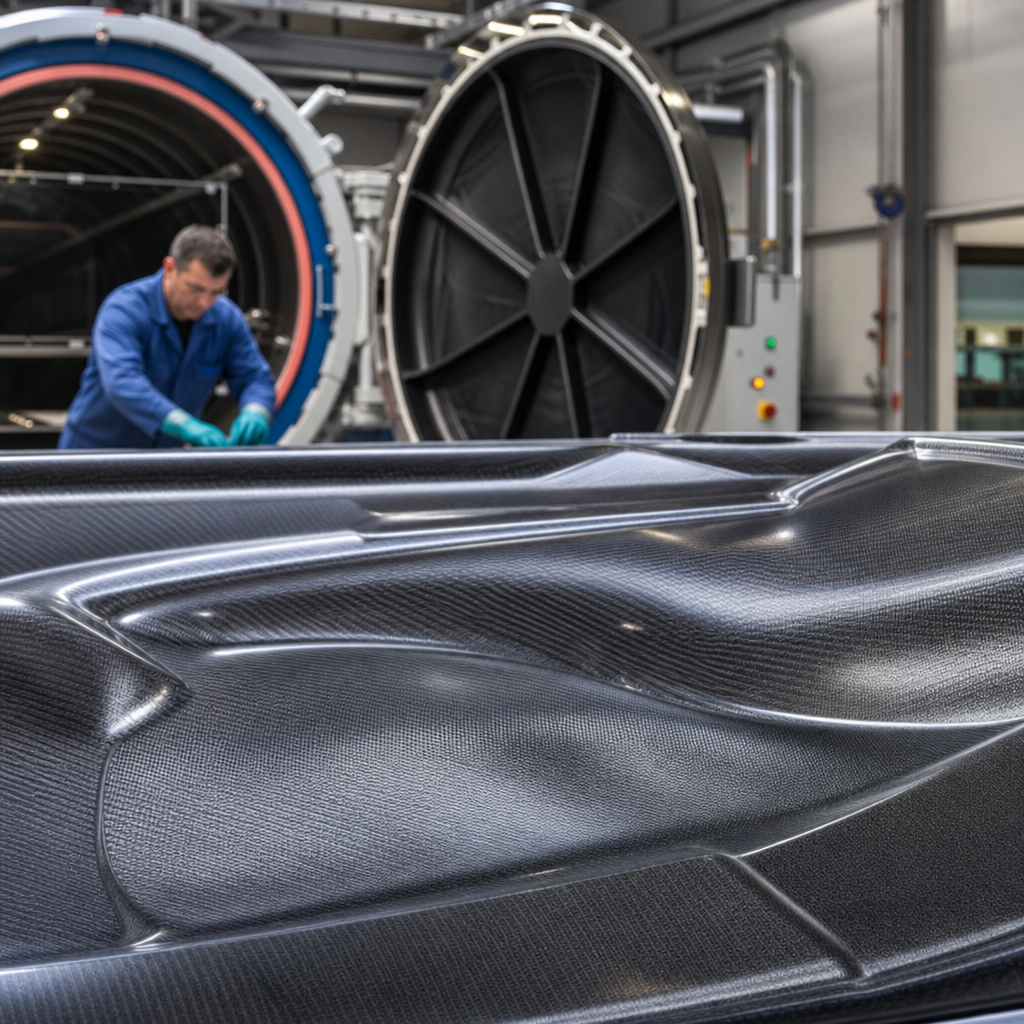
Automotive and mobility launches continue to target lightweighting, battery protection, and interior durability. Long-fiber thermoplastics, glass-filled nylons, polypropylene compounds, and structural adhesives are replacing metal or heavier assemblies in brackets, underbody shields, air-management parts, and battery-adjacent components. Electric vehicles add thermal management and flame performance requirements, creating demand for insulating materials, potting compounds, and flame-retardant housings. I have seen product teams win business not because a polymer had the highest tensile strength, but because it met warpage tolerances, passed chemical exposure testing, and maintained dimensional stability through paint-bake or thermal cycling.
Construction is another active area for new product launches. Polymer-based roofing membranes, insulation foams, sealants, pipes, window profiles, composite decking, and waterproofing systems are being reformulated for weathering performance, lower embodied carbon, and easier installation. Contractors care less about polymer family names than about real job-site outcomes: does the membrane weld consistently, does the pipe survive freeze-thaw cycles, does the sealant cure on damp substrates, and does the panel resist UV chalking? Product launches that include clear test data under ASTM, ISO, or EN methods tend to gain trust faster because specifiers can compare them directly with existing approved materials.
| Application area | Common new launch focus | Key performance tests | Main buyer concern |
|---|---|---|---|
| Packaging | Mono-material structures, recycled content | OTR, WVTR, seal strength, drop testing | Recyclability without line disruption |
| Medical | Biocompatible elastomers, sterilization-stable resins | ISO 10993, extractables, aging studies | Compliance and patient safety |
| Automotive | Lightweight compounds, battery materials | Thermal cycling, impact, flammability | Durability at scale |
| Construction | Low-VOC sealants, weatherable composites | UV exposure, adhesion, freeze-thaw | Long service life |
| Electronics | Thermal interface, encapsulation, insulation | Dielectric, thermal conductivity, moisture resistance | Reliability in compact devices |
Material technologies behind the latest innovations
Several material platforms are behind the latest polymer-based product innovations. Recycled-content compounds are improving through better sorting, deodorization, contamination control, chain extenders, and compatibilization. That allows suppliers to launch resins with more predictable melt flow, color, odor, and impact performance. Bio-based polymers are also advancing, especially in applications where carbon content, compostability, or reduced fossil dependence matters. However, bio-based does not automatically mean biodegradable, and biodegradable does not guarantee fit for every waste stream. Strong launches explain the exact feedstock, end-of-life pathway, and processing limits instead of relying on vague environmental language.
High-performance polymers remain crucial where heat, chemicals, and tight tolerances matter. Polyether ether ketone, polyphenylene sulfide, liquid crystal polymers, polyetherimide, fluoropolymers, and high-grade polyamides continue to appear in aerospace, semiconductor, filtration, and medical launches. Their commercial relevance comes from reliability under demanding conditions, not novelty alone. For example, a new electronic connector resin may be designed to withstand lead-free solder temperatures, maintain dielectric properties, and reduce flash during molding. Those details matter more than broad claims of superior performance because engineers must qualify materials against exact use conditions.
Another major innovation area is functional additives and hybrid systems. Antimicrobial packages, antistatic films, self-lubricating compounds, UV stabilizers, infrared-reflective pigments, conductive fillers, nanocomposites, and barrier coatings are enabling polymers to do jobs once reserved for metals, ceramics, or multi-part assemblies. Not every additive-driven launch succeeds. Dispersion quality, regulatory status, migration behavior, and long-term stability can limit adoption. The most credible launches present evidence on retention of function after aging, abrasion, washing, or repeated flexing. In product reviews, I look for performance retention data because first-week performance often says little about field durability.
How to evaluate launch claims and commercialization readiness
When assessing new product launches in polymer-based products, start with the application requirement, not the marketing headline. Ask whether the product improves one of five fundamentals: mechanical performance, environmental resistance, processing efficiency, compliance, or lifecycle impact. Then verify the test method. Tensile strength without specimen geometry, conditioning, and temperature is incomplete. Recyclability claims without collection and sortability context are misleading. Flame-retardant performance should cite UL 94, glow-wire, limiting oxygen index, or a relevant battery standard. Food-contact and medical claims should specify the jurisdictions and supporting data. Strong launches make technical boundaries visible rather than hiding them.
Commercial readiness also depends on manufacturing fit. A resin can look exceptional in a technical data sheet and still fail because it requires narrow melt-temperature control, causes die build-up, increases tool wear, or creates bonding issues in downstream assembly. That is why pilot-line evidence matters. During scale-up, processors should check screw design compatibility, drying requirements, shear sensitivity, shrinkage behavior, color consistency, and regrind tolerance. For additive-manufactured polymer products, qualification should include print orientation effects, porosity, post-processing stability, and repeatability across machines. Commercialization succeeds when material science and production engineering are aligned early.
Cost evaluation must be equally disciplined. The relevant number is rarely price per kilogram alone. Buyers should assess total cost of ownership, including cycle time, scrap, part consolidation, transportation savings from lighter weight, warranty risk, and end-of-life handling. A polymer that costs more per kilogram may still reduce assembled cost if it eliminates machining, lowers shipping weight, or replaces multiple components with one molded part. Conversely, a cheaper material may create hidden costs through slower throughput, inconsistent quality, or premature failure. Product launches that clearly quantify value drivers tend to move from trial to specification much faster.
What to watch next in polymer innovation
The next wave of polymer-based product launches will be defined by circularity, electrification, smarter functionality, and faster qualification. Expect more mono-material designs, mass-balance and mechanically recycled grades, and products engineered specifically for disassembly or reprocessing. In mobility and energy, launches will focus on battery enclosures, dielectric materials, thermal management, hydrogen infrastructure, and lightweight structural parts. In healthcare, expect skin-friendly wearables, drug-contact materials with lower extractables, and sterilization-resilient elastomers. In electronics, thermal conductivity and electromagnetic shielding will remain central as devices become more compact and powerful. Across all sectors, data-backed launches will outperform broad sustainability narratives.
For readers using this page as a hub for new product launches, the key lesson is simple: the best polymer innovations solve a real application problem, document performance under recognized standards, and fit existing manufacturing reality. Watch for launches that connect resin chemistry, processability, compliance, and end-of-life strategy in one coherent package. That combination is what turns an interesting material announcement into a commercially meaningful product. Use this article as your starting point, then compare specific launch categories in greater detail, ask suppliers for test protocols, and evaluate every claim against the conditions your product will actually face in service.
Frequently Asked Questions
What are the most important recent innovations in polymer-based products?
The most important innovations are not limited to one breakthrough material. Instead, they come from a combination of smarter material design, faster product development, and more targeted performance engineering. Recent advances include high-performance composites with improved strength-to-weight ratios, recyclable thermoplastics that can replace heavier traditional materials, bio-based polymers derived from renewable feedstocks, self-healing and conductive polymers for electronics, and barrier-enhanced packaging materials that improve shelf life while reducing material use. These developments are helping manufacturers create products that are lighter, more durable, more functional, and better aligned with sustainability goals.
Another major innovation is how quickly polymer formulations can now be customized for specific applications. Product teams are using better simulation tools, additive manufacturing, and advanced compounding methods to fine-tune flexibility, heat resistance, chemical resistance, transparency, impact strength, and processing behavior. That means polymer-based products are becoming more application-specific, whether the goal is a medical device that can withstand sterilization, an automotive part that reduces vehicle weight, or an electronic housing that offers flame resistance and dimensional stability. In practical terms, the latest innovation is as much about development speed and precision as it is about the materials themselves.
How are polymer-based products improving sustainability across industries?
Sustainability improvements in polymer-based products are happening on several levels. First, there is growing use of recycled content, including post-consumer and post-industrial polymers, in products that once depended entirely on virgin resin. Second, bio-based polymers are gaining traction in packaging, consumer goods, agriculture, and certain medical applications because they can reduce dependence on fossil-based raw materials. Third, lightweight polymer components are helping reduce transportation emissions in sectors such as automotive, aerospace, and logistics by lowering overall product and vehicle mass.
Just as important, innovation is improving the full life cycle of polymer-based products. Designers are increasingly focusing on mono-material structures, easier disassembly, and formulations that support better recycling or reuse. In packaging, for example, companies are replacing complex multi-layer constructions with structures that maintain performance while being easier to process in existing recycling streams. In construction and infrastructure, longer-lasting polymer components can reduce maintenance cycles and material replacement. Sustainability in polymers is no longer only about biodegradability; it is about durability, circularity, lower processing energy, responsible sourcing, and designing products for end-of-life recovery from the beginning.
Which industries are benefiting the most from the latest polymer innovations?
Several industries are seeing major gains, but healthcare, packaging, construction, electronics, and mobility are among the biggest beneficiaries. In healthcare, advanced polymers are enabling safer, more precise, and more comfortable products, including diagnostic components, wearable devices, tubing, implants, drug-delivery systems, and sterilizable housings. Materials can now be engineered for biocompatibility, flexibility, clarity, and chemical resistance in ways that support both patient safety and manufacturing efficiency.
In packaging, polymer innovation is driving better barrier performance, reduced material thickness, smarter labeling integration, and greater recyclability. In construction, polymers are being used in insulation, sealants, pipes, membranes, and composite structures that improve durability and energy efficiency. Electronics companies are benefiting from flame-retardant, thermally stable, and electrically functional polymers used in connectors, enclosures, flexible circuits, and device components. In automotive and broader mobility markets, lightweight polymer composites and engineered resins are helping improve fuel efficiency, battery protection, impact performance, and design flexibility. What makes polymers especially valuable is their versatility; they can be engineered to meet highly specific demands across very different operating environments.
How are smart and high-performance polymers changing product design?
Smart and high-performance polymers are changing product design by expanding what a material can do beyond simply providing structure. Engineers now have access to polymers that can conduct electricity, manage heat, resist extreme chemicals, recover shape, self-heal under certain conditions, or respond to environmental triggers such as moisture, temperature, or light. This opens the door to products that are more compact, more integrated, and more functional. Instead of assembling many materials into one system, designers can often use a polymer-based solution that performs multiple roles at once.
High-performance polymers are also allowing product teams to push into harsher environments where conventional plastics would fail. Materials such as PEEK, PPS, PEI, advanced polyamides, fluoropolymers, and reinforced thermoplastics are being used where high temperatures, aggressive chemicals, repeated mechanical stress, or tight dimensional tolerances are critical. In real-world product design, that means longer service life, fewer parts, easier processing, and sometimes lower total system cost despite a higher raw material price. The result is a shift from choosing polymers as low-cost substitutes to selecting them as strategic materials that improve performance, reliability, and manufacturability.
What should companies consider when selecting innovative polymer-based products for new applications?
Companies should start by looking beyond simple material data sheets and focusing on application requirements in full. That includes mechanical loads, temperature range, UV exposure, chemical contact, regulatory requirements, expected product life, manufacturing method, and end-of-life considerations. A polymer that performs well in a lab test may not be the right choice if it warps during molding, fails under repeated impact, or cannot meet compliance standards for medical, food-contact, electrical, or transportation use. The best selections usually come from close collaboration among material suppliers, product engineers, processors, and quality teams early in development.
It is also important to evaluate supply chain reliability, scalability, cost stability, and sustainability claims. Many innovative polymers offer compelling benefits, but companies should verify whether the material can be sourced consistently, processed at commercial volumes, and supported with the necessary testing data. Design teams should consider whether a new polymer enables part consolidation, weight reduction, faster cycle times, or easier assembly, because those system-level gains often matter more than resin price alone. In short, successful adoption of the latest polymer-based products depends on balancing performance, manufacturability, compliance, cost, and long-term strategic value rather than chasing innovation for its own sake.