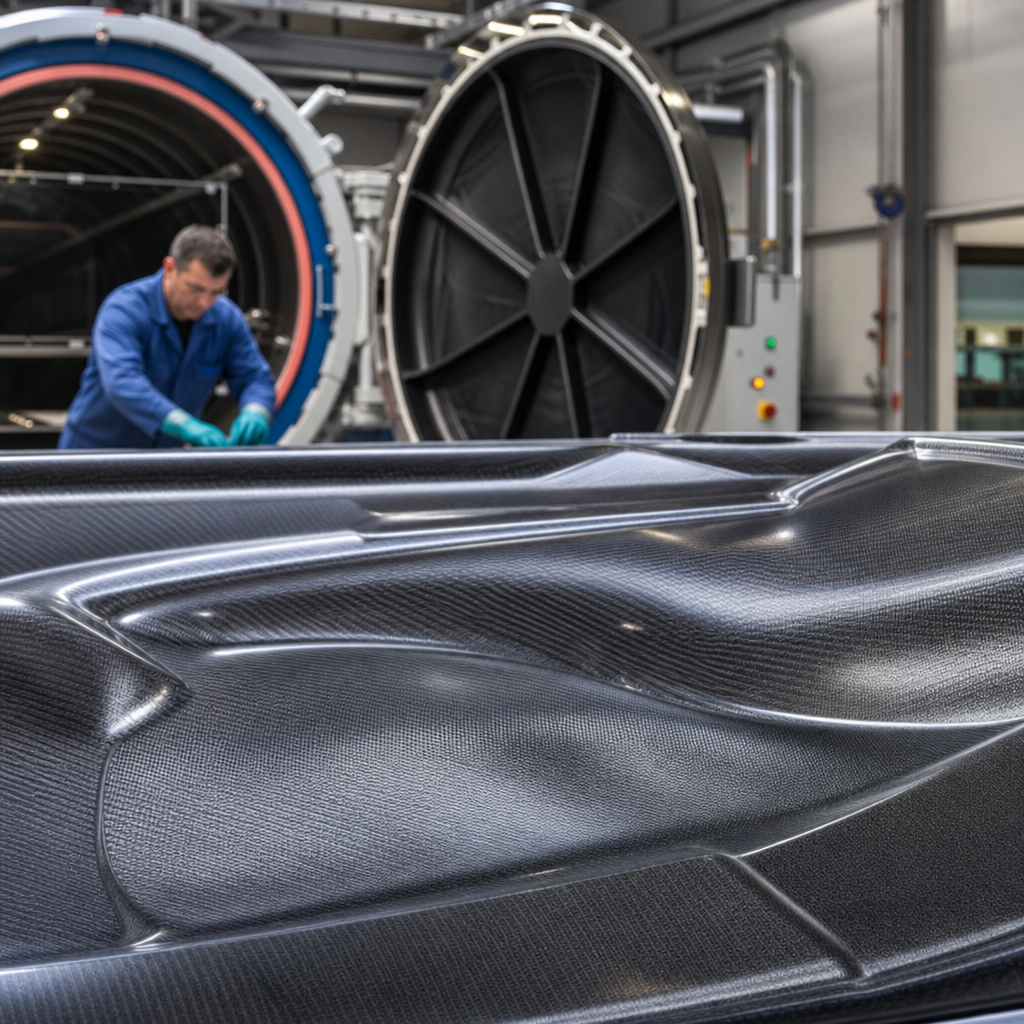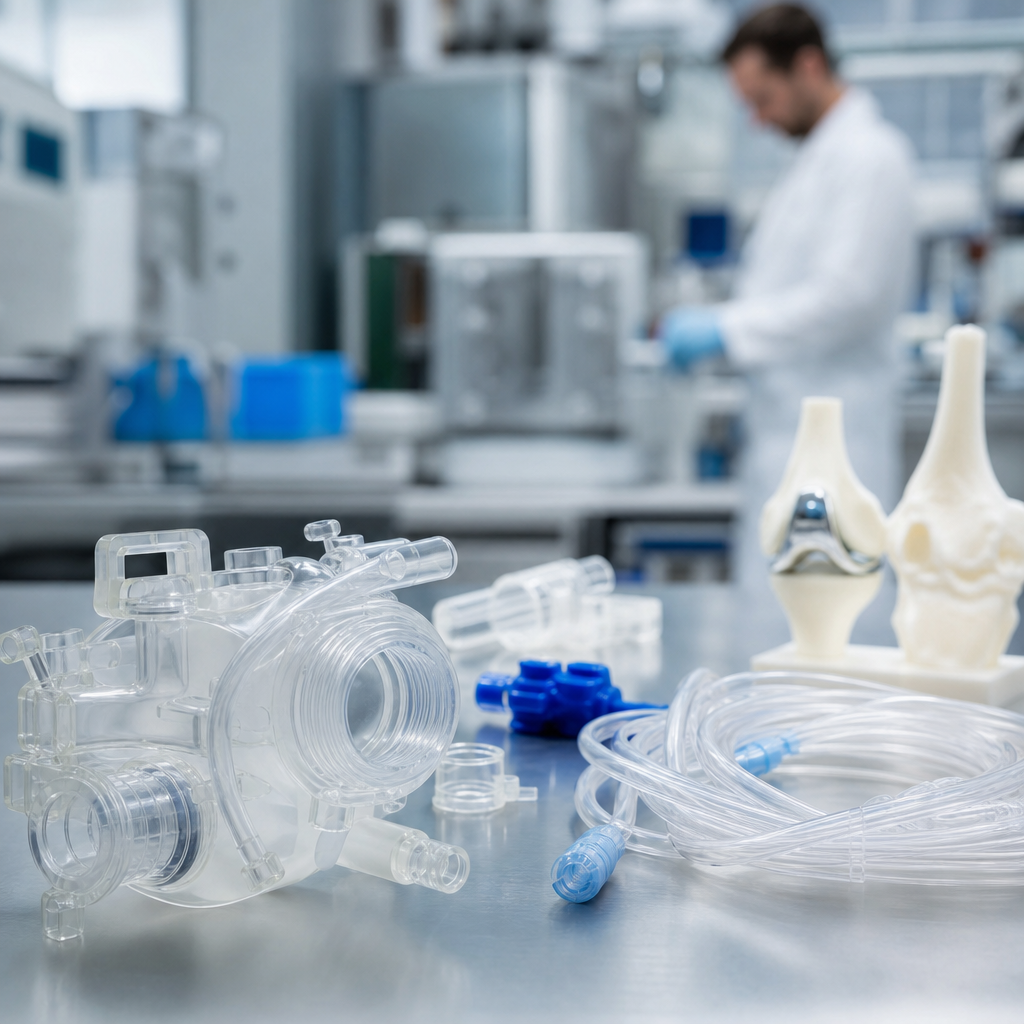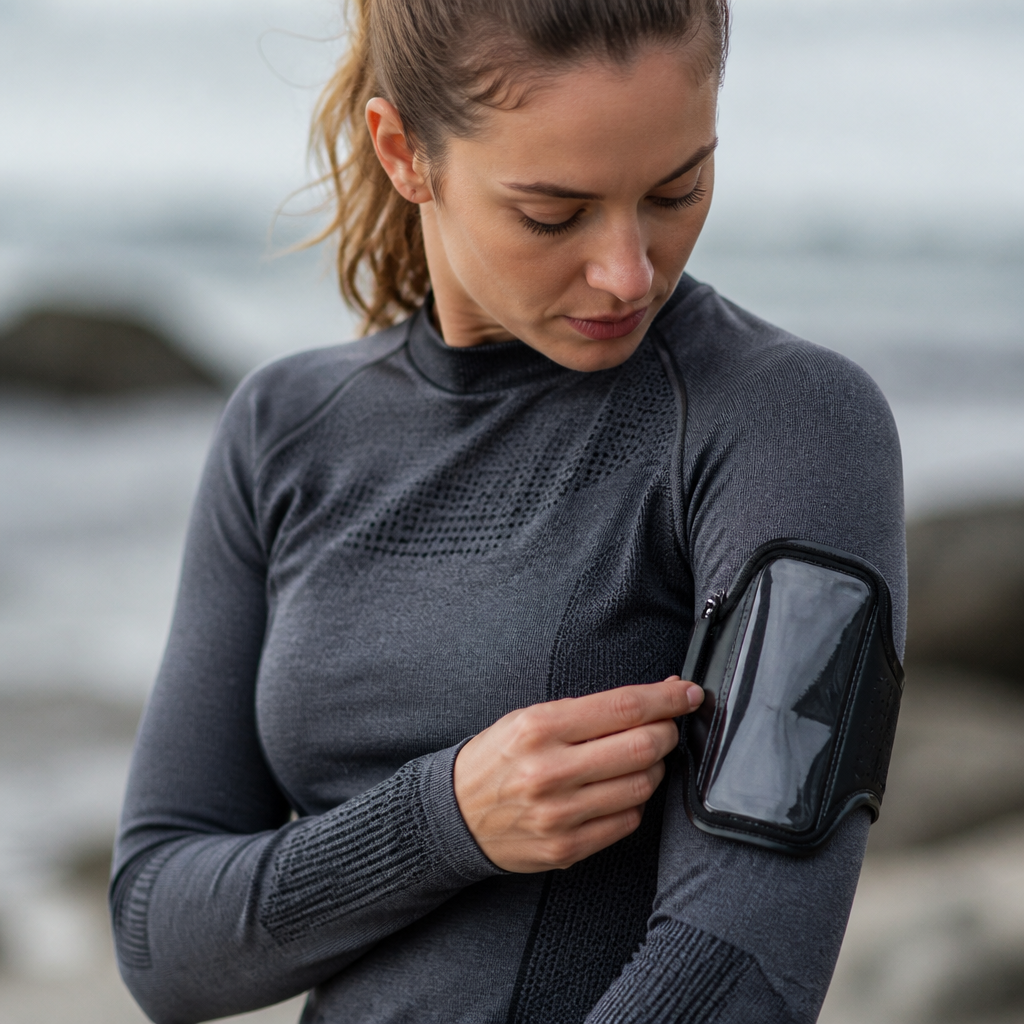
Smart textiles are fabrics engineered to sense, respond, or adapt to changes in their environment, and polymers are the material platform that makes most of those functions possible. In product development work, I have seen promising concepts fail or succeed based less on the electronics and more on the polymer system chosen for the yarn, coating, membrane, adhesive, or encapsulation layer. The role of polymers in smart textile development is therefore foundational, not secondary. They determine flexibility, wash durability, breathability, conductivity pathways, stretch recovery, chemical resistance, and manufacturability at scale.
In practical terms, a smart textile combines conventional textile structures with added functionality such as temperature regulation, moisture management, sensing, actuation, energy storage, antimicrobial protection, illumination, or data transmission. Polymers appear in every one of those layers. They may be spun into fibers, applied as films, laminated as membranes, printed as conductive inks, foamed into cushioning structures, or formulated as binders that hold active particles in place. Common classes include polyesters, polyamides, polyurethanes, silicones, fluoropolymers, acrylics, thermoplastic elastomers, and conductive polymer families such as polypyrrole, polyaniline, and PEDOT-based systems.
This topic matters because the smart textile market sits at the intersection of apparel, medical devices, automotive interiors, defense gear, industrial safety, and consumer electronics. Each sector demands a different balance of softness, electrical performance, thermal stability, skin compatibility, and wash life. A medical compression sleeve that tracks motion must survive sweat, repeated extension, and sterilization constraints. A heated jacket needs safe insulation, battery integration, and stable conductive traces under bending. A car seat sensor must function across years of abrasion, UV exposure, and temperature cycling. In all three cases, polymer innovation solves the mismatch between rigid function and flexible fabric.
For readers exploring innovations in polymer solutions, this hub article maps the field from material selection through manufacturing and end use. It explains how polymers enable sensing and actuation, where they improve comfort and protection, which processing methods dominate commercial production, and what limitations engineers still face. It also connects the major application categories so teams can identify where a detailed follow-up article should go deeper, whether the next question is about conductive coatings, shape-memory fibers, breathable membranes, recyclable systems, or washable electronic integration.
How Polymers Enable Smart Textile Functionality
Polymers enable smart textiles because they can be engineered at the molecular, formulation, fiber, and surface levels. That tunability is rare. Metals conduct well but are heavy, rigid, and fatigue under repeated bending. Ceramics can deliver excellent thermal or piezoelectric performance but tend to be brittle. Polymers, by contrast, can be soft, stretchable, lightweight, and processable with standard textile methods. By selecting monomers, copolymer ratios, crystallinity, plasticizers, fillers, and crosslink density, developers can tune elasticity, melting point, hydrophobicity, ion transport, transparency, and dielectric behavior.
One core distinction in smart textiles is between passive and active functions. Passive polymer solutions improve comfort or protection without changing state in response to a trigger. Examples include breathable waterproof membranes based on polyurethane or expanded fluoropolymer structures, phase-change microcapsule coatings in acrylic binders for thermal buffering, and antimicrobial finishes locked into polymer matrices. Active systems react to heat, strain, moisture, voltage, pH, or light. Shape-memory polyurethanes can recover programmed forms. Conductive polymer coatings can alter resistance under strain and serve as sensors. Electroactive polymer structures can deform under electric stimulation, making them candidates for soft actuation.
The most commercially important polymer roles usually fall into five categories: substrate, functional additive carrier, interface layer, protective barrier, and structural enabler. A polyester knit may act as the substrate. A polyurethane ink binder may carry carbon black or silver particles to create conductive traces. A silicone adhesive may bond modules while allowing stretch. A fluorinated or polyurethane overcoat may shield circuits from laundering. An elastomeric filament may provide mechanical compliance that keeps the whole assembly comfortable during wear. If any one of those polymer roles is poorly matched to the use case, performance degrades quickly.
Key Polymer Families Used in Smart Textiles
Polyester remains one of the most important base polymers because it is durable, widely available, and compatible with high-volume melt spinning. In smart textiles, polyethylene terephthalate is often selected for sensor garments, laminated composites, and printed e-textile structures because it offers dimensional stability and good mechanical strength. Modified polyester variants can improve dyeability, moisture transport, or recycled content. Polyamide, especially nylon 6 and nylon 6,6, is also common where abrasion resistance and toughness matter, such as military gear, protective gloves, and load-bearing wearable systems.
Polyurethane is arguably the most versatile smart textile polymer family. It appears as stretch fibers, breathable membranes, reactive hot melts, coatings, and printable binders. Its segmented chemistry allows designers to balance soft and hard domains, creating materials that combine elasticity with strength. In wearable sensing projects, I have repeatedly seen thermoplastic polyurethane chosen for encapsulation because it can flex with the fabric while protecting conductive tracks from moisture and mechanical damage. However, hydrolysis resistance and yellowing must be checked carefully in warm, humid use conditions.
Silicones serve a different role. They are valued for thermal stability, softness, dielectric performance, and biocompatibility, which is why they are common in medical wearables and skin-contact interfaces. Silicone elastomers can encapsulate electrodes or flexible modules while maintaining comfort. Their drawback is processing complexity and weaker adhesion to some textile substrates without primers or surface treatment. Fluoropolymers contribute chemical resistance, low surface energy, and weatherability, making them useful in outdoor and industrial smart textiles, though cost and sustainability scrutiny can limit deployment.
Conductive polymers expand the design space beyond particle-filled inks. Materials such as polyaniline, polypyrrole, and PEDOT:PSS can provide conductivity with lower stiffness than many metal-based systems. PEDOT:PSS, in particular, is widely studied because it is water-processable and can be coated or printed onto fibers and fabrics. Its conductivity usually needs enhancement through post-treatment or formulation optimization, and wash durability remains a commercial challenge. Still, these materials matter because they support thin, flexible sensing layers for pressure, strain, and bio-signal monitoring without relying entirely on metallic networks.
Manufacturing Methods and Product Integration
Most smart textile polymer solutions succeed or fail in manufacturing, not in the lab. The best chemistry still has to survive knitting tension, coating uniformity demands, curing windows, and laundering protocols. Melt spinning is the baseline method for polymer fiber production, and bicomponent spinning allows engineers to place different polymers in sheath-core or side-by-side geometries. That architecture can add conductivity pathways, latent crimp, or selective surface properties. Electrospinning is more specialized but valuable for ultrafine fibrous membranes used in filtration, sensing, and drug delivery textiles because it creates very high surface area structures.
Coating, lamination, and printing are the dominant conversion routes for adding function to finished fabrics. Knife-over-roll and slot-die coating can deposit polyurethane, acrylic, silicone, or conductive formulations with controlled thickness. Screen printing remains common for stretchable circuits because it handles viscous pastes and patterned deposition well. Inkjet printing offers fine resolution for some conductive polymer systems but requires strict viscosity and surface-energy control. Lamination adds membranes or multilayer protective films, often using thermoplastic adhesive webs or reactive polyurethane systems. Each route demands close attention to cure temperature so the textile substrate does not distort.
Integration with electronics adds another layer of polymer engineering. Rigid chips and batteries need compliant mechanical transitions, otherwise strain concentrates at solder joints or interconnects. Encapsulation compounds, anisotropic conductive adhesives, and low-modulus potting materials help distribute stress. In washable garments, seam placement and strain mapping matter as much as material choice. I have found that conductive failures often begin at fold lines or edge transitions where a coating ends abruptly. Rounded geometries, graded stiffness, and polymer overcoats that reduce crack initiation can dramatically improve service life.
| Polymer solution | Primary textile function | Typical application example | Main engineering tradeoff |
|---|---|---|---|
| Thermoplastic polyurethane | Stretch, encapsulation, breathable membrane | Motion-sensing sportswear and heated garments | Hydrolysis and heat-aging sensitivity in harsh use |
| Silicone elastomer | Soft encapsulation and skin-safe interface | Medical monitoring patches and electrode housings | Adhesion challenges on untreated fabrics |
| PEDOT-based coating | Flexible conductivity and sensing | Pressure and bio-signal textile electrodes | Wash durability and conductivity retention |
| Polyester base fiber | Structural substrate and dimensional stability | Sensor shirts, seat fabrics, industrial wearables | Lower inherent stretch than elastomeric systems |
Performance Areas Driving Innovation
Sensing is one of the biggest drivers of innovation in polymer solutions. Strain sensors built from conductive polymer coatings or particle-filled elastomer composites can track respiration, joint movement, posture, and pressure distribution. In rehabilitation garments, this allows clinicians to monitor range of motion outside the clinic. Moisture-responsive polymers can also support sweat analysis platforms, while ionically conductive hydrogels are being explored for bioelectrode interfaces. The challenge is signal stability. A sensor must distinguish between intended strain, humidity shifts, temperature drift, and mechanical hysteresis. Polymer formulation is central to reducing that noise.
Thermal management is another major category. Phase-change materials encapsulated within polymer shells can absorb and release heat near transition temperatures, helping smooth short-term thermal swings in apparel or bedding. Infrared-reflective polymer coatings improve heat retention, while breathable waterproof membranes regulate moisture vapor transfer. Electrically heated textiles rely on polymer insulation around conductive paths to maintain safety. For firefighters, military personnel, and cold-chain workers, those polymer layers affect not only comfort but operational performance. A membrane with poor moisture transport can increase heat stress even if its barrier rating looks strong on paper.
Protection and hygiene functions continue to expand. Antimicrobial smart textiles often embed active agents into polymer matrices to control release and improve durability compared with simple surface finishes. Cut-resistant or impact-responsive systems may combine high-performance fibers with polymeric shear-thickening formulations. In filtration textiles, nanofibrous polymer layers improve particulate capture while preserving airflow. Automotive interiors use pressure-sensing and heating textiles that must also meet flame, fogging, and volatile organic compound limits. Meeting those standards simultaneously is difficult, which is why formulation expertise, test protocol selection, and accelerated aging data are essential in this field.
Sustainability, Testing, and Future Direction
Innovation in polymer solutions now has to answer sustainability questions as clearly as performance questions. Many smart textiles are hard to recycle because they combine mixed fibers, coatings, adhesives, metallic conductors, and embedded electronics. A laminated structure that performs beautifully in use may become almost impossible to separate at end of life. This is pushing development toward mono-material strategies, detachable electronics, solvent-free coatings, recycled feedstocks, and bio-based polymers such as polylactic acid or bio-derived polyamides where the application allows. Not every greener option matches incumbent durability, but the design direction is unmistakable.
Testing discipline is what turns promising material science into a reliable product. Smart textile polymers should be evaluated for tensile behavior, cyclic fatigue, laundering resistance, hydrolysis, UV stability, abrasion, sweat exposure, and skin compatibility, then rechecked after integration. Standards from organizations such as ISO, AATCC, ASTM, and IEC provide useful frameworks, even when no single method captures the whole use case. For example, electrical resistance after ten gentle wash cycles may look acceptable, yet the same product may fail after repeated tumble drying or salt-sweat exposure. End-use simulation matters more than isolated headline values.
The future of polymers in smart textile development will be shaped by converging demands: softer electronics, better circularity, lower power consumption, and manufacturing methods that fit existing textile infrastructure. Expect progress in self-healing elastomers, intrinsically conductive fibers, printable energy-storage layers, moisture-harvesting membranes, and polymer systems designed for disassembly. The winning solutions will not be the most novel in a laboratory sense; they will be the ones that survive repeated use, scale economically, and integrate cleanly into garments, medical products, vehicles, and industrial equipment. If you are building a roadmap for innovations in polymer solutions, start with the application, map the failure modes, and choose polymers as the architecture of function.
Frequently Asked Questions
Why are polymers considered foundational in smart textile development?
Polymers are foundational because they do far more than simply hold a smart textile together. In most smart textile systems, the polymer is the actual functional platform that enables sensing, stretch, protection, bonding, comfort, and long-term durability. Whether it appears as a fiber, coating, membrane, adhesive, foam, film, or encapsulation layer, the polymer directly shapes how the textile behaves in real use. A smart textile may include conductive yarns, sensors, printed circuitry, or miniature electronics, but the polymer system determines whether those features survive bending, washing, heat, moisture, abrasion, and repeated wear.
In practical product development, this is often where success or failure is decided. A sensor may work perfectly in the lab, yet fail quickly once integrated into a garment because the surrounding polymer cracks, delaminates, absorbs too much moisture, becomes too stiff, or loses adhesion after laundering. On the other hand, a well-chosen polymer can improve drape, preserve conductivity, reduce mechanical stress on embedded components, and protect active elements from environmental damage. This is why polymers are not secondary support materials in smart textiles; they define the operating environment for every other component. Their chemistry and processing behavior influence performance, manufacturability, user comfort, and commercial viability all at once.
What functions do polymers perform in smart textiles beyond basic structural support?
Polymers perform a remarkably broad set of functions in smart textiles, and many of those functions are active rather than passive. First, they serve as the base material for synthetic fibers and yarns, giving textiles their required flexibility, elasticity, strength, and handling characteristics. Second, they act as coatings and membranes that can manage moisture, block contaminants, improve breathability, or create selective barriers. Third, they are commonly used as adhesives and lamination layers that bond sensors, conductive traces, films, and other components to fabric without excessively reducing softness or wearability.
Polymers also play a central role in encapsulation. Sensitive electronics and conductive elements need protection from sweat, oxygen, detergents, and mechanical damage. Encapsulation polymers create that protective shell while still allowing the textile to move. In some smart textile systems, polymers are themselves responsive materials. Conductive polymers can support sensing or signal transmission. Shape-memory polymers can change form in response to temperature or another trigger. Dielectric and piezoelectric polymer systems can be designed to support pressure sensing, actuation, or energy harvesting. Hydrogels and other polymer networks may respond to humidity, pH, or biochemical conditions, opening pathways for health-monitoring and adaptive-wear applications.
Just as important, polymers influence processing compatibility. They determine whether a smart textile can be melt-spun, coated, printed, extruded, laminated, welded, sewn, or thermoformed at commercial scale. So when discussing smart textile performance, it is rarely enough to ask whether the electronics work. A better question is whether the polymer system enables the full textile to remain comfortable, durable, safe, manufacturable, and functional in everyday conditions.
How does polymer selection affect the durability and washability of smart textiles?
Polymer selection has a direct and often decisive impact on durability and washability because these products live in a mechanically and chemically aggressive environment. Textiles are bent, stretched, twisted, compressed, rubbed, exposed to UV light, and repeatedly washed with water, detergent, and heat. Every one of those conditions challenges polymer stability. If the polymer used in a coating, adhesive, or encapsulant is too brittle, it may crack under repeated flexing. If it has poor hydrolytic stability, it may degrade in humid or wet conditions. If its adhesion to fabric or conductive layers is weak, delamination can occur after laundering or regular wear.
Washability depends on a combination of polymer properties: flexibility, toughness, chemical resistance, barrier performance, thermal stability, and compatibility with the underlying textile substrate. For example, a polymer encapsulation layer may need to keep moisture away from electronics while still stretching with the garment. A polymer adhesive may need to maintain bond strength despite detergents and repeated temperature cycling. Breathability can also matter because a fully sealed structure may protect electronics but create discomfort and trap moisture at the skin, leading to other reliability issues over time.
Another critical factor is the mismatch between materials. If a polymer layer and a conductive element expand or deform differently during washing and drying, stress can build at the interface and cause failure. This is why developers often focus not only on a polymer’s individual specification sheet values but also on its behavior within the full stack of textile, conductor, sensor, and protective layers. In robust smart textile design, durability is engineered at the system level, and polymer choice is central to that system-level reliability.
What types of polymers are commonly used in smart textiles, and how are they chosen for specific applications?
Several classes of polymers are widely used in smart textile development, each selected according to the target function. Polyurethane is one of the most common because it can offer a useful balance of flexibility, elasticity, abrasion resistance, and processability. It is frequently used in coatings, films, membranes, and stretchable encapsulation layers. Silicone-based polymers are also important, especially where softness, thermal stability, biocompatibility, or excellent flexibility are needed. Polyester and polyamide materials remain essential as fiber-forming polymers because they provide strength, durability, and established textile processing routes. Acrylics, thermoplastic elastomers, fluoropolymers, and epoxy systems may also appear depending on the mechanical, barrier, or bonding requirements.
For more advanced functionality, conductive polymers such as PEDOT-based systems may be used for sensing, antistatic behavior, or flexible electronic interfaces. Hydrogels may be explored in biosensing or moisture-responsive applications. Shape-memory polymers can be considered where controlled adaptation or fit change is desired. In e-textile integration, thermoplastic adhesives and laminating polymers are often selected as carefully as the active materials because interface performance strongly affects final reliability.
Choosing the right polymer involves balancing multiple criteria at once: stretch and recovery, hand feel, breathability, skin compatibility, dielectric behavior, moisture uptake, processing temperature, wash resistance, adhesion, UV stability, and cost. A polymer that performs brilliantly as an encapsulant may be unsuitable as a fiber. A highly durable film may make the garment too stiff. A breathable membrane may not provide enough environmental protection for electronics. The best choices usually come from application-specific trade-off analysis rather than from selecting the highest-performing polymer on any single metric. In smart textiles, material selection is less about finding a universally superior polymer and more about matching polymer chemistry and form factor to the exact demands of wear, sensing, comfort, and manufacturing.
What are the biggest challenges and future opportunities for polymers in smart textile innovation?
One of the biggest challenges is achieving true multi-functionality without sacrificing wearability. Smart textiles need to remain soft, flexible, lightweight, and comfortable, yet they also must protect electronics, maintain adhesion, tolerate laundering, and preserve signal integrity. Polymers are expected to solve many of these competing demands simultaneously. Another major challenge is long-term reliability under real-world conditions. Laboratory demonstrations often look promising, but scaling to products that survive months or years of use requires polymer systems that can handle repeated deformation, sweat exposure, body oils, detergents, and environmental aging.
Manufacturing integration is another difficult area. A polymer may perform well in small-batch prototyping but prove difficult to print, coat, cure, laminate, or recycle at production scale. Sustainability is also becoming a critical issue. Many smart textile constructions rely on multi-material assemblies that are hard to separate and recycle, and polymers are central to that problem. Future development will likely focus more heavily on recyclable, reprocessable, bio-based, or lower-impact polymer systems that still deliver the necessary smart functionality and durability.
The opportunities are substantial. Responsive polymers could enable textiles that actively regulate thermal comfort, monitor health signals more accurately, change permeability based on conditions, or heal minor damage. Conductive and stretchable polymer systems may reduce dependence on rigid electronic components and create more textile-native sensing architectures. Improved encapsulation polymers could make washable e-textiles more commercially practical. There is also strong potential in designing polymers specifically for interface engineering, where the goal is not just to add a function but to make all the layers in a smart textile work together reliably. In that sense, the future of smart textiles is closely tied to the future of polymer science. As polymer systems become more adaptive, durable, sustainable, and manufacturing-friendly, smart textiles will move from interesting prototypes to more dependable everyday products.