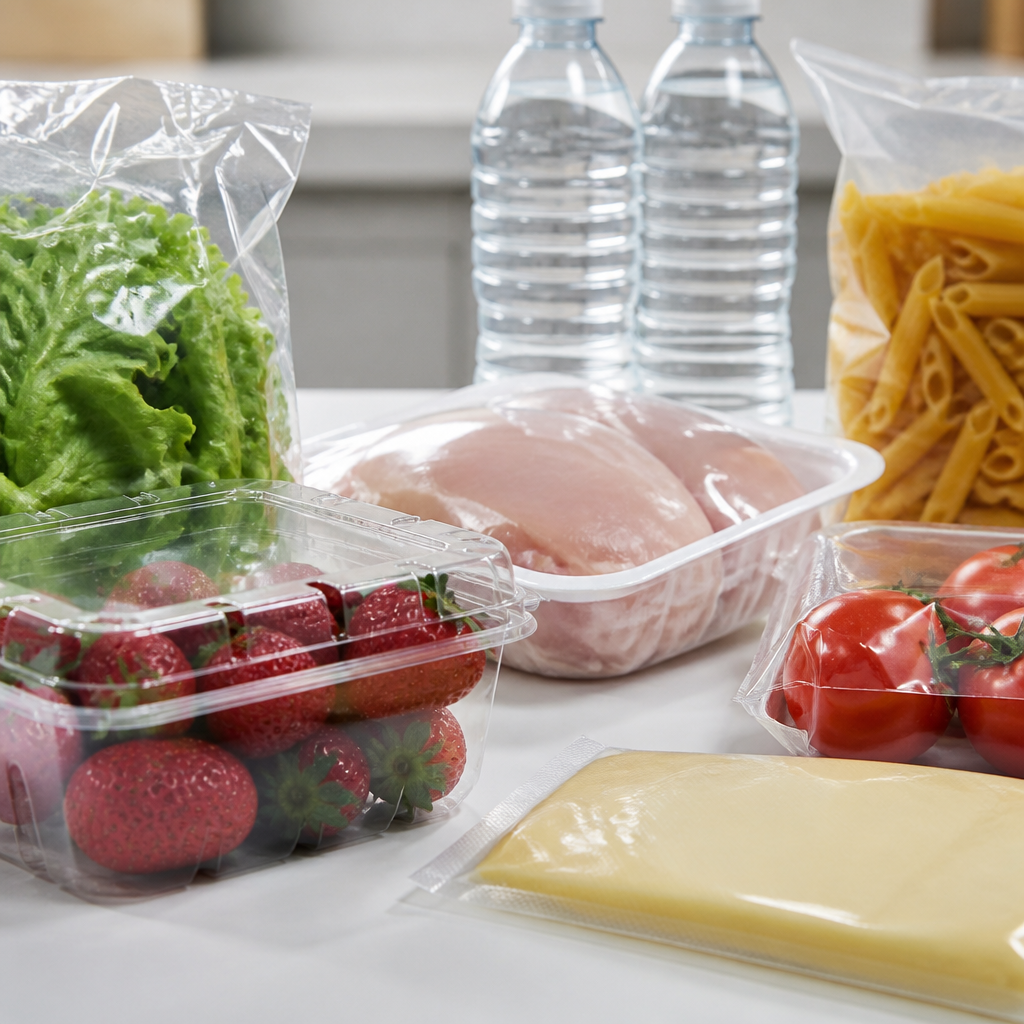
Polymers are transforming food packaging solutions by making packs lighter, safer, more durable, and more responsive to modern supply chain demands. In food packaging, a polymer is a long-chain material, natural or synthetic, that can be shaped into films, trays, bottles, pouches, coatings, and closures. Common examples include polyethylene terephthalate, high-density polyethylene, low-density polyethylene, polypropylene, ethylene vinyl alcohol, polyamide, and newer bio-based or compostable materials such as polylactic acid and polyhydroxyalkanoates. I have worked with packaging teams evaluating barrier films, seal layers, and recyclability claims, and one fact stays consistent: the right polymer structure can extend shelf life, reduce breakage, and improve distribution efficiency more than a design change alone.
This matters because food packaging sits at the intersection of safety, cost, sustainability, branding, and regulation. Global food waste remains a major commercial and environmental problem, and inadequate packaging is one contributor through oxygen ingress, moisture loss, aroma transfer, microbial contamination, and transport damage. Polymer science directly addresses those failure points. A multilayer pouch can slow oxidation in roasted coffee; a retortable polypropylene tray can survive thermal processing for ready meals; a recyclable mono-material polyethylene stand-up pouch can replace heavier rigid formats in some categories. As new product launches accelerate across snacks, dairy, produce, pet food, beverages, and meal kits, polymers are enabling formats that would have been commercially impractical a decade ago. This hub article explains how polymers are enhancing food packaging solutions, which material innovations are driving new product launches, and what buyers, brand managers, and packaging engineers should evaluate when choosing next-generation packaging.
Why polymers dominate modern food packaging
Polymers dominate because they offer an unusual combination of processability, barrier control, heat-seal performance, toughness, printability, and economics. Paper provides stiffness and renewable fiber content, metal provides excellent barrier, and glass offers premium inertness, but polymers can be engineered across a much broader performance range at lower transport weight. A polyethylene film can be tuned for seal initiation temperature and puncture resistance. A polypropylene tray can deliver microwave compatibility and rigidity. PET bottles balance clarity, carbon dioxide retention, and blow-molding efficiency. This flexibility lets converters design packaging around the food product instead of forcing the product into a limited material set.
For food brands, polymers also support speed to market. Tooling for thermoformed trays or extrusion-coated films can often be adapted faster than developing a new glass or metal format. In commercial launches, that timing advantage matters. A snack brand entering club retail may need larger flexible packs with stronger seals and better drop performance. A chilled meal brand may need a lidding film that peels cleanly while maintaining modified atmosphere packaging performance. In my experience, polymer packaging projects move fastest when teams define the abuse conditions early: filling temperature, distribution hazards, oxygen transmission rate targets, compression loads, and end-of-life route. Once those variables are known, resin selection becomes a disciplined engineering decision rather than a branding exercise.
Core polymer types and what each one does best
Each major polymer family solves a different packaging problem. Polyethylene is widely used for sealant layers, frozen food bags, heavy-duty sacks, and flexible pouches because it seals reliably and resists moisture. HDPE appears in milk jugs and closures where stiffness and chemical resistance matter. Polypropylene is common in yogurt cups, microwaveable trays, hinged containers, and retort applications because it handles heat better than polyethylene and offers good fatigue resistance in living hinges. PET is favored for beverage bottles, clear trays, and thermoformed containers because it combines clarity, strength, and decent gas barrier. Polyamide, often called nylon, is used in vacuum pouches and high-abuse applications because it improves puncture resistance.
Barrier materials add another layer of function. EVOH is one of the most important oxygen barriers used in multilayer structures for sauces, meats, dairy, and prepared foods. Aluminum foil still delivers the highest barrier in many laminates, but thin barrier coatings such as silicon oxide and aluminum oxide are gaining attention where transparency or reduced material complexity is desired. Bio-based options are also expanding. PLA works in selected cold-fill or short-shelf-life applications, while PHA and cellulose-based coatings are being tested where compostability or renewable feedstock is part of the brand proposition. None of these materials is universally better. The best choice depends on product sensitivity, machinery, distribution, regulatory requirements, and realistic waste infrastructure.
How polymers improve shelf life, safety, and food quality
The strongest business case for advanced polymer packaging is product protection. Shelf life depends on controlling the movement of oxygen, water vapor, carbon dioxide, light, oils, and volatile aromas. Oxidation causes rancidity in nuts, chips, and infant formula. Moisture pickup stales crackers and powdered drink mixes. Moisture loss shrivels produce and hardens bakery items. Barrier polymers and multilayer constructions manage these pathways with precision. For example, a meat package may combine PET for stiffness, EVOH for oxygen barrier, and PE for sealing. A coffee pouch may use oriented films and a degassing valve to preserve aroma while releasing carbon dioxide after roasting.
Safety goes beyond barrier. Packaging must survive filling, sealing, transport, storage, and consumer handling without failing. Polymer sealants are critical because a package with excellent barrier on paper can still leak if the seal is contaminated or weak. Modern sealant resins are engineered for hot tack, low-temperature sealing, and resistance to grease or product contamination in the seal area. Antifog additives help fresh produce and refrigerated meals remain visible and appealing. Tamper-evident closures on bottles and induction-sealed liners on jars improve consumer confidence. Food-contact compliance is also central. Manufacturers validate migration performance, use good manufacturing practice, and align with regulations such as U.S. FDA food-contact provisions or EU Framework Regulation No 1935/2004 and related measures.
New product launches reshaping the market
New product launches in food packaging are increasingly focused on three goals: replacing hard-to-recycle multilayer structures, reducing virgin resin use, and adding performance without adding weight. One of the biggest launch trends is the shift toward recyclable mono-material flexible packaging. Suppliers now offer all-PE pouches for dry foods and household products, using machine-direction orientation, specialized barrier coatings, and compatible zipper systems to approach the performance once reserved for PET/PE or foil laminates. Another active area is high-performance polypropylene for thermoformed tubs and trays, where clarified grades, nucleated compounds, and improved impact formulations support frozen, chilled, and microwaveable applications.
Post-consumer recycled content is another major theme. Beverage and dairy brands are launching PET bottles and thermoforms with certified recycled content, often using mass-balance or mechanically recycled feedstocks where food-contact approvals permit. Chemical recycling has also moved from concept to commercial pilot and early-scale launch activity, especially for polyolefins and mixed plastic streams that are difficult to process mechanically. Active packaging launches are growing as well. Oxygen scavenger films, moisture regulators, antimicrobial surface technologies, and freshness indicators are appearing in premium categories and export-sensitive products. These launches are not simply marketing updates; they change line settings, sealing windows, artwork design, and shelf-life validation protocols, which is why this subtopic deserves hub-level attention.
| Launch focus | Typical polymer approach | Main benefit | Common food applications |
|---|---|---|---|
| Recyclable mono-material pouches | All-PE structures with barrier coatings | Improved recyclability with lower weight | Snacks, cereals, pet treats, dry mixes |
| High-heat ready meal trays | PP or CPET alternatives depending process | Microwave or oven performance | Prepared meals, side dishes, sauces |
| Recycled-content rigid packs | rPET bottles and thermoforms | Lower virgin resin demand | Beverages, salad containers, desserts |
| Active barrier packaging | Scavenger layers, antifog, indicator labels | Longer shelf life and quality visibility | Meat, produce, bakery, coffee |
Sustainability tradeoffs and the move toward circular packaging
Sustainability discussions around polymers are often too simplistic. Lightweight plastic packaging can have a lower transportation footprint than heavier alternatives, yet poor collection and leakage into the environment remain serious problems. The right assessment uses life cycle thinking rather than material symbolism. In many product categories, the environmental impact of wasted food exceeds the packaging impact, especially for meat, cheese, and prepared meals. If a higher-barrier polymer structure prevents spoilage and extends saleable life, it may reduce total system emissions even if the package is more complex. That said, complexity can undermine recycling, so packaging teams are redesigning structures to preserve protection while simplifying end-of-life pathways.
The circular packaging shift centers on design for recyclability, recycled content, and infrastructure compatibility. Organizations such as the Association of Plastic Recyclers and RecyClass publish guidance on preferred formats, labels, adhesives, and barrier layers. Brands launching new packs increasingly ask whether a pouch qualifies for store drop-off streams, whether a PET tray can be sorted in local material recovery facilities, and whether colorants or sleeves interfere with near-infrared detection. Compostable polymers are part of the conversation, but they are not a universal solution. They perform best where food contamination makes recycling impractical and where industrial composting infrastructure exists. Clear communication is essential; misleading disposal claims create contamination and regulatory risk.
Design, testing, and compliance for successful packaging innovation
Great polymer packaging is not selected only by resin datasheet. It is proven through structured testing. Development usually starts with product requirements: target shelf life, fill process, headspace needs, temperature exposure, abuse conditions, and merchandising environment. Teams then translate those requirements into measurable specifications such as oxygen transmission rate, water vapor transmission rate, seal strength, coefficient of friction, dart impact, haze, top load, and dimensional stability. Distribution tests may follow ISTA protocols, while seal integrity can be checked with burst, creep, dye penetration, or vacuum decay methods. For modified atmosphere packaging, gas retention data matters as much as appearance.
Compliance and claim substantiation are equally important in new product launches. Food-contact statements must match the actual use conditions, including temperature, time, and food type. Recycled-content claims should be backed by certification or traceable supplier documentation. If a brand promotes recyclability, the claim must align with actual collection access and legal standards such as the U.S. Federal Trade Commission Green Guides or local market requirements. I have seen promising launches delayed because label inks scuffed in cold-chain conditions or because a zipper interfered with pouch flattening at recycling sortation. The lesson is consistent: packaging innovation succeeds when procurement, regulatory, operations, sustainability, and marketing review the design together before commercialization.
Where this hub leads next for innovative products and solutions
As the hub for new product launches within innovative products and solutions, this article connects the major themes brands need to track. The first is material innovation: mono-material films, advanced barrier coatings, and next-generation bio-based resins. The second is format innovation: stand-up pouches, retortable bowls, lightweight bottles, resealable lidding, and high-clarity thermoforms. The third is systems innovation: digital printing for short runs, intelligent packaging indicators, automation-ready pack designs, and circularity programs tied to recovery infrastructure. Each supporting article under this subtopic can go deeper into one of those areas, but the core principle remains the same: polymers are the enabling platform that lets packaging evolve quickly without sacrificing protection or line efficiency.
For manufacturers and brand owners, the immediate takeaway is practical. Start with the product risk profile, match it to the polymer performance needed, and validate every sustainability or shelf-life claim with test data. Watch new product launches closely, because the market is moving from incremental downgauging to true material redesign. The companies winning in food packaging are not choosing polymers by trend alone; they are balancing barrier, machinability, compliance, cost, and end-of-life outcomes in one decision framework. Use this hub as the starting point for evaluating new packaging technologies, benchmarking supplier claims, and planning your next launch with fewer surprises and stronger commercial results.
Frequently Asked Questions
1. What role do polymers play in modern food packaging?
Polymers are the foundation of many modern food packaging formats because they offer a highly adaptable combination of strength, flexibility, barrier performance, and process efficiency. In food packaging, polymers can be converted into films, rigid trays, bottles, pouches, lidding materials, coatings, and closures, making them suitable for everything from fresh produce and dairy to frozen meals, snacks, beverages, and ready-to-eat foods. Materials such as polyethylene terephthalate (PET), high-density polyethylene (HDPE), low-density polyethylene (LDPE), polypropylene (PP), ethylene vinyl alcohol (EVOH), and polyamide are commonly selected because each brings different performance benefits depending on the application.
What makes polymers especially valuable is their ability to be engineered for specific packaging goals. Some polymers are chosen for clarity and shelf appeal, others for moisture resistance, grease resistance, oxygen barrier, puncture resistance, heat tolerance, or sealing performance. This design flexibility helps manufacturers create packaging that protects food more effectively while also reducing weight compared with many traditional materials. As supply chains become more complex and consumer expectations rise, polymers continue to enhance food packaging by improving food safety, extending shelf life, supporting product convenience, and enabling high-speed, cost-effective manufacturing.
2. How do polymer-based food packages help keep food safer and fresher for longer?
One of the most important advantages of polymer packaging is its ability to protect food from external factors that cause spoilage, contamination, and quality loss. Food products are highly sensitive to oxygen, moisture, light, temperature changes, odors, and microbial exposure. Different polymers can be tailored to control these threats. For example, EVOH is widely used for its strong oxygen barrier properties, while polyethylene grades often provide excellent moisture resistance. By combining layers of materials in a single package structure, manufacturers can create packaging systems that slow oxidation, reduce dehydration, preserve texture, and maintain flavor and aroma.
Polymers also contribute to food safety through secure sealing, leak resistance, and tamper-evident design. A properly sealed polymer pouch, tray, or bottle can reduce the risk of contamination during filling, transport, retail handling, and storage at home. In many cases, polymer packaging works hand in hand with modified atmosphere packaging, vacuum packaging, or aseptic processing to keep foods fresh longer without compromising product integrity. This longer shelf life can reduce food waste across the supply chain, which is a major benefit for producers, retailers, and consumers alike. When selected and used correctly, polymer materials do far more than contain food—they actively help preserve it.
3. Why are lightweight polymers considered an advantage in food packaging solutions?
Lightweighting is one of the most significant ways polymers have improved food packaging. Compared with heavier alternatives, many polymer materials deliver strong performance using less mass, which creates advantages throughout production, transportation, storage, and consumer use. Lighter packages can reduce shipping weight, improve handling efficiency, and lower transportation-related energy use and costs. For manufacturers moving large volumes of packaged food across regional or global supply chains, even small reductions in package weight can lead to substantial operational savings over time.
Beyond logistics, lightweight polymers can also improve convenience and reduce breakage risks. Flexible pouches, thin-wall containers, and durable plastic bottles are easier for consumers to carry, open, reseal, and store. In categories where product protection is essential, polymers can absorb impact better than some brittle materials, helping reduce damage during shipping and retail display. Importantly, lightweight does not mean low performance. Advances in polymer science allow packaging engineers to maintain strength, seal integrity, and barrier protection while using optimized structures and less raw material. This makes polymer packaging a practical solution for balancing product protection, cost control, and supply chain efficiency.
4. What types of polymers are commonly used in food packaging, and why are different materials chosen?
Different food packaging applications require different material properties, which is why multiple polymer types are used across the industry. PET is often selected for beverage bottles, clear containers, and thermoformed applications because it offers clarity, strength, and good gas barrier performance. HDPE is commonly used for bottles and rigid containers thanks to its toughness, chemical resistance, and moisture barrier properties. LDPE is valued for flexibility and heat-sealing performance, making it useful in films, bags, and squeeze applications. Polypropylene is popular for its stiffness, fatigue resistance, and ability to handle higher temperatures, which makes it a strong choice for yogurt cups, microwaveable containers, caps, and closures.
Specialty polymers also play a critical role. EVOH is frequently used as a barrier layer in multilayer packaging because it helps block oxygen and preserve sensitive foods. Polyamide, often known as nylon in packaging contexts, provides puncture resistance and strength, which is important for vacuum packs and more demanding distribution environments. In addition, newer bio-based and compostable materials are gaining attention as brands look for solutions aligned with sustainability goals, though their suitability depends heavily on the food product, shelf-life requirements, and local waste management systems. The reason different polymers are chosen is simple: no single material does everything perfectly. Packaging designers select and sometimes combine polymers to create the right balance of protection, machinability, appearance, cost, and end-use performance.
5. Are newer bio-based and compostable polymers changing the future of food packaging?
Yes, newer bio-based and compostable polymers are influencing the future of food packaging, but their role is best understood as part of a broader evolution rather than a one-size-fits-all replacement for conventional materials. Bio-based polymers are made partly or fully from renewable sources rather than fossil-based feedstocks, while compostable polymers are designed to break down under specific composting conditions. These materials are attracting interest because food brands, retailers, and consumers are increasingly focused on reducing environmental impact and exploring packaging options that support circularity and resource efficiency.
That said, performance remains critical in food packaging, and the best material choice depends on the application. Packaging must still protect food, maintain shelf life, survive transportation, seal reliably, and comply with food-contact regulations. Some bio-based or compostable materials work well in certain formats, especially for short shelf-life items or specific foodservice uses, while others may not yet match the barrier or durability performance required for demanding applications. As technology advances, these materials are improving and becoming more commercially viable. The future of food packaging will likely include a wider mix of high-performance conventional polymers, recyclable mono-material designs, and specialized bio-based or compostable options, all selected according to the needs of the product, the supply chain, and the available recovery or disposal infrastructure.