Innovative polymer products for the construction industry are reshaping how buildings are designed, assembled, protected, and maintained across residential, commercial, industrial, and infrastructure projects. In practical terms, polymers are large-chain materials that can be engineered as plastics, elastomers, resins, foams, membranes, coatings, sealants, composites, and additives, each tailored for strength, flexibility, chemical resistance, thermal control, or low weight. I have worked with specifiers, contractors, and product teams evaluating these materials for launch readiness, and the shift is unmistakable: polymer innovation is no longer a niche story about replacement materials; it is a central driver of performance, speed, and lifecycle value. For construction buyers, “new product launches” now span everything from fire-tested insulation boards and self-healing waterproofing membranes to low-VOC flooring systems, fiber-reinforced structural panels, and pipe compounds with longer service lives. These launches matter because they answer urgent industry pressures at once: labor shortages, stricter energy codes, carbon reduction targets, harsher weather exposure, and rising demand for durable, easy-to-install systems. A successful hub on this topic must therefore connect material science to field outcomes. Decision makers want direct answers: what is new, where does it fit, what standards apply, what tradeoffs exist, and how can teams compare options without relying on marketing claims alone. This article provides that framework, covering the newest categories, selection criteria, launch trends, and evaluation methods so project teams can assess innovative polymer products with confidence.
What Counts as a New Polymer Product Launch in Construction
A new polymer product launch in construction is not limited to a brand-new material never seen before. In the market, launches usually fall into four types: a new chemistry, a reformulated version of an existing product, a system-level product that combines multiple polymer components, or a regional launch of a product adapted to local codes and climate conditions. For example, a polyurethane sealant with faster cure time may be a reformulation launch, while a glass-fiber-reinforced thermoplastic façade panel could represent a new chemistry and system launch together. Understanding this distinction helps procurement and design teams compare genuine performance gains against minor line extensions.
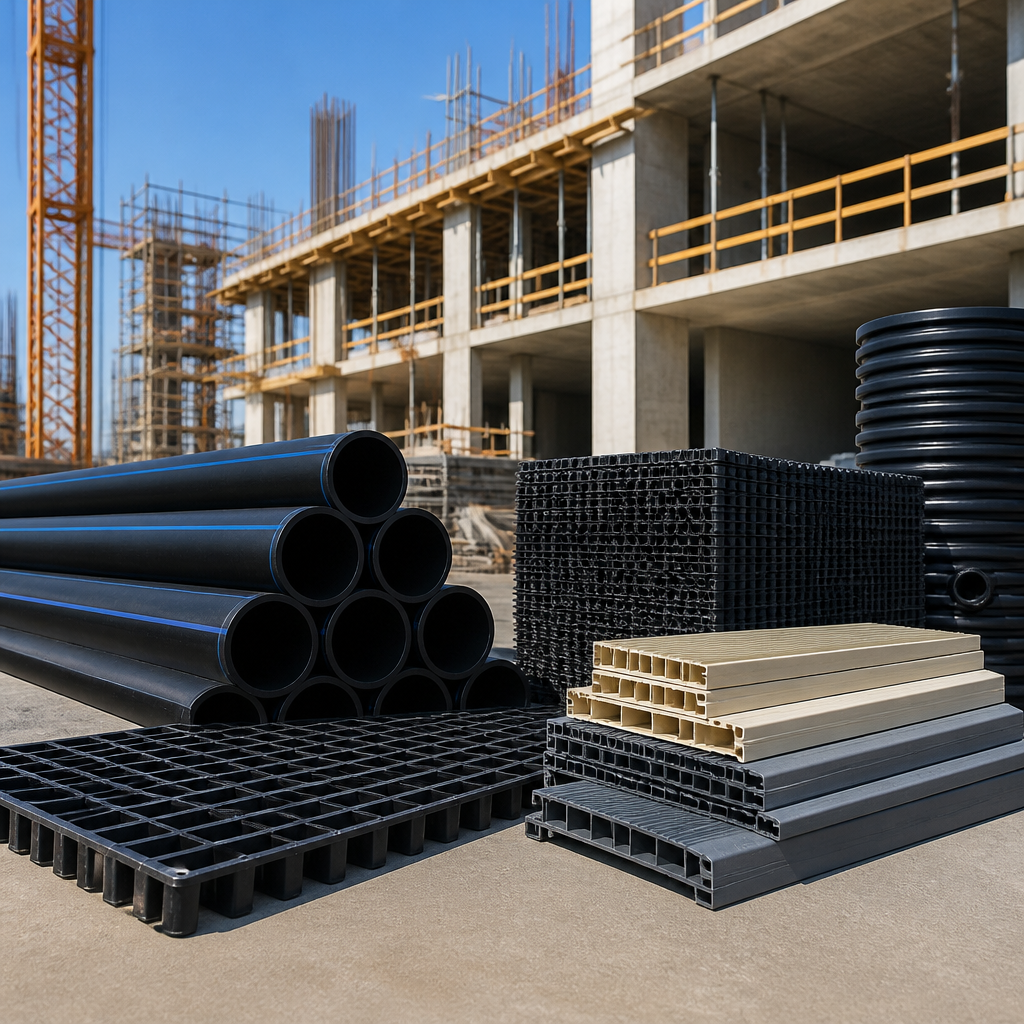
The most important launch categories today include waterproofing membranes, air and vapor barriers, adhesives, joint sealants, insulation materials, piping compounds, geosynthetics, polymer-modified concrete additives, protective coatings, engineered flooring systems, composite rebar, and modular panel systems. Each category solves a different construction problem. Thermoplastic polyolefin roofing membranes improve UV resistance and weldability. Silane-terminated polymer adhesives support durable bonding with lower odor than some solvent-based alternatives. Expanded polystyrene and polyisocyanurate products continue to evolve through better facers, fire performance packages, and improved dimensional stability. High-density polyethylene geomembranes and geotextiles are advancing stormwater and containment applications where puncture resistance and chemical compatibility are critical.
When I review launch materials, the most useful indicator is whether the manufacturer clearly states the use case, substrate compatibility, installation window, service temperature, and compliance standards. A product that promises “high performance” without naming ASTM, EN, ISO, ICC-ES, UL, FM, or local code pathways creates risk. New construction products must fit real project conditions, not just laboratory narratives. The strongest launches are specific about what has improved and where limitations remain.
Why Polymer Innovation Is Accelerating Across the Building Envelope and Structure
Polymer innovation is accelerating because the construction industry needs materials that do more with fewer steps. Traditional assemblies often involve heavier materials, more fasteners, wet trades, and longer cure schedules. New polymer products reduce handling weight, simplify attachment methods, and integrate several functions into one layer. A modern façade panel, for instance, may combine weather resistance, thermal performance, surface finish durability, and rapid installation in one product family. That reduces sequencing conflicts and lowers the chance of installation defects at interfaces.
Climate resilience is another major force. Buildings are facing higher heat loads, stronger wind-driven rain, freeze-thaw cycling, and more UV exposure in many regions. Polymer chemistries can be tuned for elasticity, elongation recovery, crack bridging, and impact resistance in ways mineral-only products often cannot. In roofing and below-grade work, this matters immediately. A membrane that maintains flexibility at low temperatures and resists standing water can outperform older systems when detailing is done correctly. In transportation and civil work, polymer-modified asphalt additives, drainage composites, and geocells are being launched to improve road life and soil stabilization under heavier use patterns.
Energy efficiency and indoor environmental quality also push innovation. New insulation foams, glazing interlayers, window seal systems, and low-emission interior finishes are being launched because code baselines have moved. The International Energy Conservation Code, passive-house influenced design targets, and owner decarbonization commitments all increase scrutiny on thermal bridging, air leakage, embodied carbon, and maintenance frequency. Polymers are not automatically sustainable, but they often deliver lower operational energy use, lower transport emissions through reduced weight, and longer replacement cycles. The right evaluation is whole-life performance, not a simplistic material hierarchy.
Major Product Categories to Watch in New Launches
The most active launch area is the building envelope, because envelope failure is expensive and visible. Manufacturers are releasing liquid-applied air barriers based on acrylic, STP, polyurethane, and hybrid resin systems with wider temperature application ranges and better adhesion to mixed substrates. Self-adhered flashing membranes are being reformulated for compatibility with rough openings, window tapes, and adjacent WRB systems. In roofing, thermoplastic and liquid-applied systems are adding reflective surfaces, reinforced scrims, and easier detailing packages for penetrations and transitions.
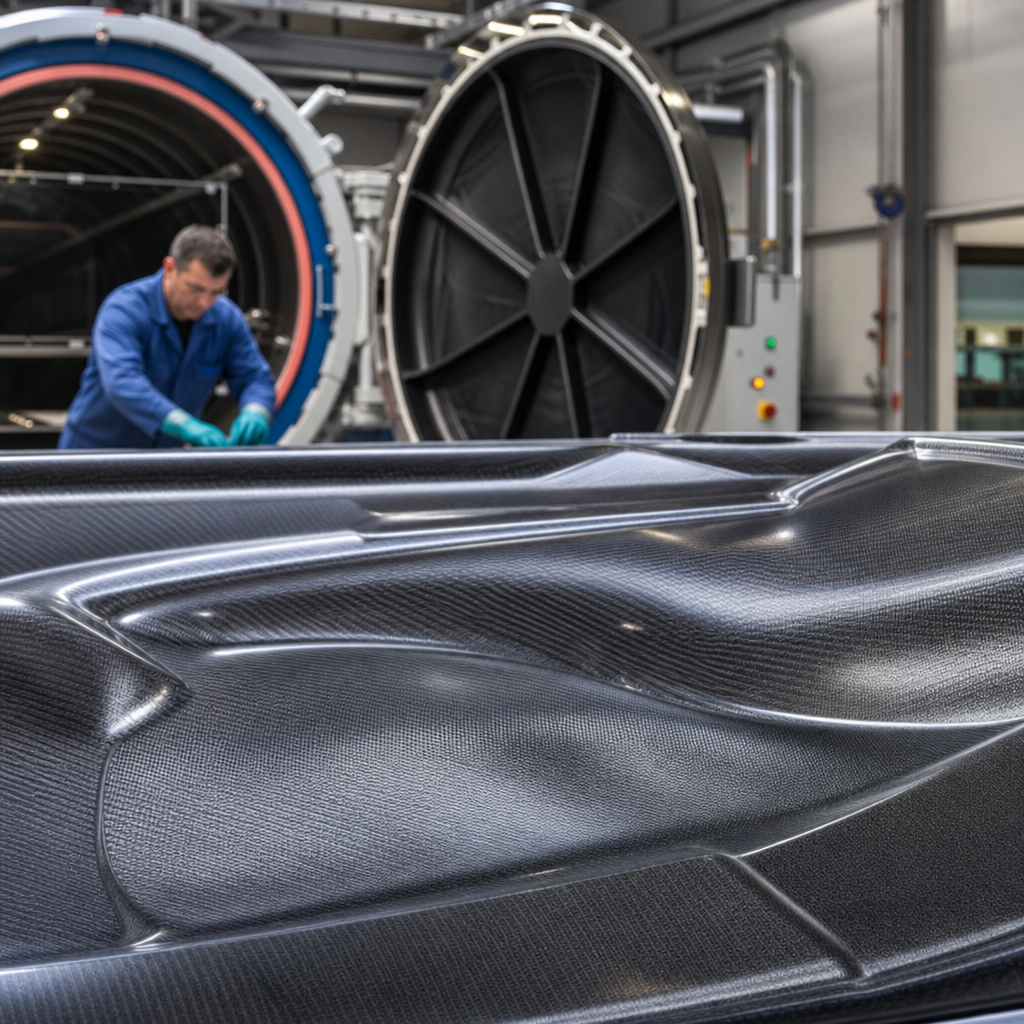
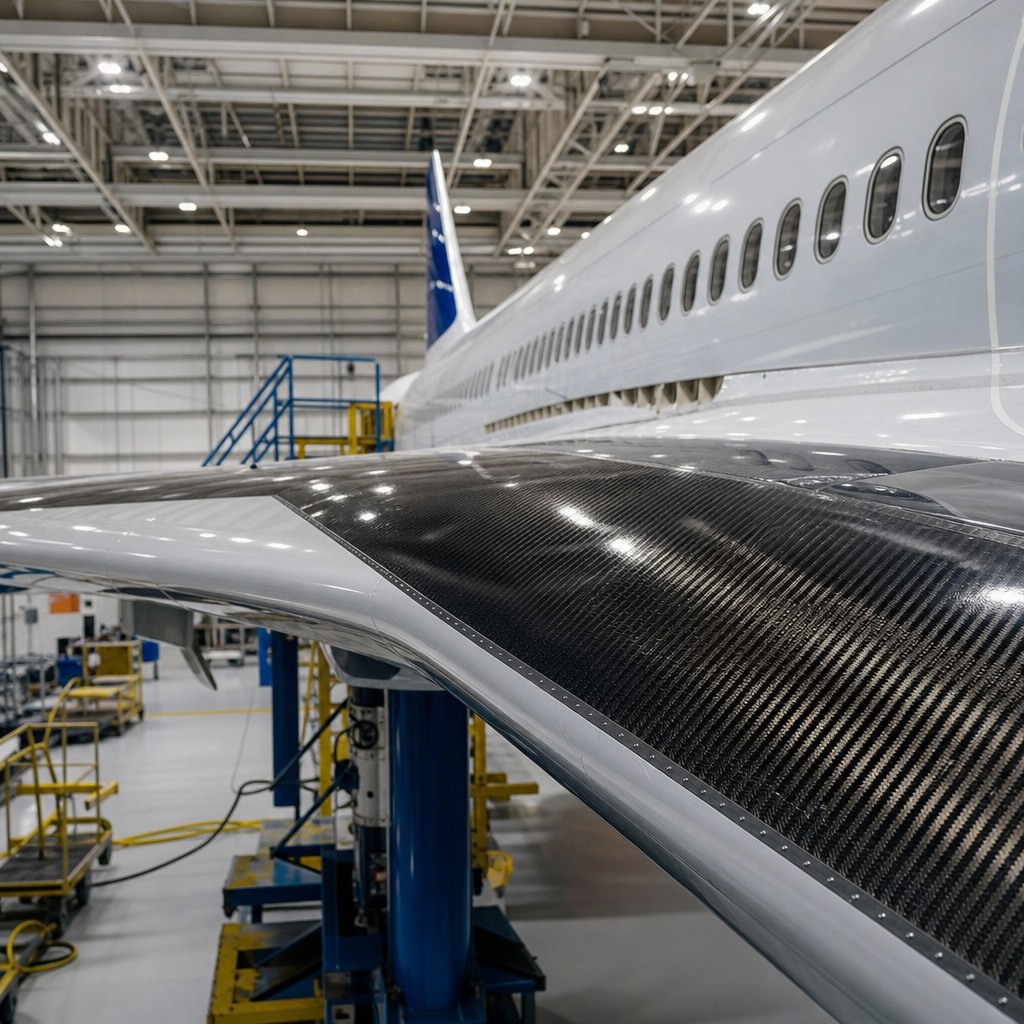
Below grade, new waterproofing products are emphasizing hydrostatic pressure resistance, self-sealing around penetrations, and compatibility with shotcrete, cast concrete, and blindside applications. Bentonite remains important, but polymeric sheets and spray systems are gaining share where project teams need cleaner installation and more predictable seam integrity. On the structural side, fiber-reinforced polymer bars, carbon laminates, and pultruded sections are drawing interest for corrosion-prone environments such as marine works, bridge decks, and wastewater facilities. These products are not universal replacements for steel, yet they are strong solutions where chloride exposure or electromagnetic neutrality matters.
Interior product launches are also significant. Resinous flooring, wall protection, hygienic coatings, acoustic underlayments, and rapid-set patching compounds are being updated for hospitals, schools, data centers, and food facilities. New polymer floor systems can now combine antimicrobial resistance claims, slip resistance, low odor installation, and faster return to service. For owners, that translates into less downtime during renovations. In MEP systems, multilayer plastic pipes, improved cable insulation, and advanced vibration isolation components are expanding because installers want lighter products with predictable joints and lower corrosion risk.
| Category | Typical Polymer Types | Main Benefit | Key Evaluation Point |
|---|---|---|---|
| Air and water barriers | Acrylic, STP, polyurethane, polyolefin | Moisture control and air tightness | Adhesion, permeability, detailing compatibility |
| Insulation systems | PIR, EPS, XPS, phenolic foam | Thermal efficiency | R-value retention, fire testing, dimensional stability |
| Sealants and adhesives | Silicone, SMP, polyurethane, epoxy | Movement accommodation and bonding | Cure profile, joint design, substrate preparation |
| Composites | GFRP, CFRP, thermoplastic composites | Low weight and corrosion resistance | Load path design, fastening, code acceptance |
| Protective coatings | Epoxy, polyurea, polyurethane, fluoropolymer | Chemical and abrasion resistance | Surface prep, film thickness, exposure class |
How to Evaluate Performance Claims Before Specifying a Launch
The best way to evaluate innovative polymer products is to start with the failure mode you are trying to avoid. If the problem is water ingress, review crack bridging, seam integrity, hydrostatic resistance, and detailing guidance before looking at color options or install speed. If the problem is thermal performance, verify aged R-value, thermal drift behavior, and continuity at joints. If the problem is durability in a chemical plant or parking deck, focus on immersion resistance, abrasion data, coefficient of friction, and UV stability. This sounds basic, but many poor selections happen because teams begin with product category familiarity instead of exposure conditions.
Independent test methods matter. For coatings and membranes, ASTM and EN protocols provide a common language on tensile properties, elongation, peel strength, puncture resistance, permeability, flame spread, smoke development, and weathering. For roofing assemblies, FM approvals and UL listings often determine insurability and compliance. For structural composites, design guidance from ACI, fib, and relevant national standards is essential because material behavior differs from isotropic metals. A polymer launch should come with a technical data sheet, safety data sheet, installation guide, code report if required, and project-specific detailing support. If one of those pieces is missing, the product is not truly ready for broad specification.
Mockups remain the fastest truth test. On several projects, a product that looked excellent on paper exposed issues during field adhesion trials, temperature swings, or interface reviews with adjacent trades. A small on-site mockup can reveal whether an air barrier tears at fasteners, whether a sealant skins over too fast in dry wind, or whether a composite panel attachment tolerates substrate irregularity. Launch-stage products benefit from this scrutiny because manufacturing scale-up sometimes changes performance consistency. Specifiers should require documented substrate preparation, approved primers, and defined warranty boundaries before approval.
Real-World Adoption Drivers, Risks, and Procurement Considerations
Construction teams adopt new polymer products when they solve a cost, schedule, or risk problem clearly enough to offset switching friction. The strongest adoption driver is labor efficiency. A single-component liquid membrane that eliminates primer in common conditions and cures quickly can save meaningful field time. A lightweight composite access cover can reduce crew strain and installation equipment needs. A prefinished polymer panel can cut finishing trades and shorten the enclosure schedule. These are direct, measurable gains, which is why launches increasingly emphasize installed cost rather than material price alone.
There are also real risks. Polymer products can be sensitive to substrate moisture, ambient temperature, UV exposure before covering, and incompatibility with adjacent sealants, tapes, or coatings. Some foams and composites raise fire-performance questions that must be resolved at the assembly level, not assumed from core material properties. Long-term creep, thermal expansion, plasticizer migration, or solvent attack can affect service life if the product is used outside its design envelope. I have seen excellent products underperform simply because teams ignored storage limits or mixed components inaccurately in cold weather. Field quality control is not optional with advanced materials.
Procurement should treat major launches as system decisions. Beyond unit price, buyers should review lead times, regional stock availability, installer certification requirements, accessory packages, repair procedures, and replacement continuity. New products can be attractive until a project discovers that a proprietary corner patch, special primer, or matching topcoat has a twelve-week lead time. The best suppliers launch complete systems with training, documentation, and clear escalation paths for jobsite issues. That support often matters as much as the chemistry itself.
How This Hub Connects New Product Launches to Broader Construction Decisions
As a hub article, this page should help readers move from general awareness to specific evaluation paths. New product launches in construction are most useful when grouped by project need: envelope durability, energy performance, structural resilience, interior hygiene, renovation speed, infrastructure longevity, and compliance. That structure helps architects, engineers, contractors, distributors, and owners find the next question quickly. A contractor may need a deeper article on rapid-cure waterproofing systems. A specifier may need a comparison of FRP reinforcement options. A facility owner may want guidance on low-VOC resin flooring for occupied renovations. The hub should point to those topics while keeping the big picture visible.
The central message is straightforward. Innovative polymer products are not replacing every conventional material, and they should not be specified by trend alone. Their value lies in targeted performance: lighter assemblies, faster installs, stronger moisture control, corrosion resistance, design flexibility, and longer service life in demanding environments. The teams that benefit most are the ones that evaluate launches through standards, mockups, compatibility reviews, and lifecycle thinking. If you are building out a content cluster under innovative products and solutions, use this page as the starting point, then explore each product family in detail, compare leading systems, and align every selection with exposure, code, and installation reality.
Frequently Asked Questions
1. What are innovative polymer products in the construction industry, and why are they becoming so important?
Innovative polymer products are advanced material solutions made from engineered long-chain compounds that can be formulated into plastics, elastomers, resins, membranes, coatings, sealants, foams, and fiber-reinforced composites. In construction, these products are valued because they can be designed for very specific performance requirements such as high strength-to-weight ratio, corrosion resistance, weather protection, thermal insulation, flexibility, impact resistance, and long-term durability. Unlike traditional materials that often have fixed characteristics, polymers can be tailored to solve targeted building challenges in ways that are both practical and cost-effective.
Their importance continues to grow because construction projects now demand more from materials than ever before. Buildings and infrastructure must be faster to install, more energy efficient, more resilient to moisture and chemicals, and easier to maintain over time. Polymer-based products help meet these goals in multiple applications, including waterproofing systems, pipe networks, expansion joint sealants, exterior cladding components, structural adhesives, protective coatings, insulation panels, composite reinforcements, and concrete additives. In many cases, they reduce labor time, simplify installation, and improve lifecycle performance, which is why they are increasingly specified across residential, commercial, industrial, and civil engineering projects.
2. How are polymer products used in modern building design and assembly?
Polymer products are used throughout the entire building envelope and structural support system, often in ways that are not immediately visible but are essential to long-term performance. In design and assembly, polymers appear in air and vapor barriers, roofing membranes, insulated panels, glazing seal systems, flooring layers, wall protection materials, cable insulation, plumbing components, and composite structural elements. They are especially useful where flexibility, moisture control, or low weight is important. For example, polymer membranes can protect foundations and roofs from water intrusion, while sealants accommodate movement around windows, façades, and joints without cracking.
They also support modern construction methods such as modular building, prefabrication, and lightweight assemblies. Because many polymer-based materials are easier to form, mold, extrude, or laminate than conventional alternatives, manufacturers can produce highly consistent components with precise dimensions and repeatable quality. On the job site, that often translates to faster installation and fewer errors. In structural and semi-structural applications, advanced polymer composites can reduce dead load while maintaining strong mechanical performance. This is particularly helpful in retrofit work, façade systems, bridge components, and renovation projects where reducing added weight can be a major advantage.
3. What performance benefits do polymers offer compared with traditional construction materials?
One of the biggest advantages of polymers is their ability to combine multiple performance characteristics in a single material system. Traditional materials such as metal, wood, or mineral-based products may perform very well in one area but require additional treatments or layers to address issues like corrosion, moisture, thermal transfer, or flexibility. Polymer products can often be engineered to resist ultraviolet exposure, chemicals, abrasion, water penetration, biological growth, and temperature fluctuations at the same time. This makes them highly effective in demanding environments such as basements, rooftops, industrial plants, wastewater facilities, tunnels, parking structures, and coastal developments.
Another major benefit is weight reduction. Many polymer products deliver excellent durability without the mass of steel, concrete, or glass-based alternatives. Lighter materials can reduce transportation costs, ease handling, speed installation, and lower structural loading requirements. In addition, polymers often improve energy efficiency through insulation performance, thermal break applications, reflective coatings, or airtight sealing systems. When selected and installed properly, they can extend service life, reduce maintenance intervals, and support better long-term building performance. That combination of adaptability, efficiency, and durability is a key reason polymer innovation is influencing the future of construction materials.
4. Are polymer-based construction products durable and sustainable enough for long-term use?
Yes, many polymer-based construction products are specifically developed for long-term service in harsh conditions, and their durability is one of the reasons they are widely adopted. High-quality polymer membranes, coatings, sealants, composite panels, and piping systems can perform reliably for decades when they are matched correctly to the application and installed according to specification. Their resistance to corrosion, moisture, salts, and many chemicals makes them especially valuable in environments where traditional materials may degrade faster. In infrastructure and industrial settings, this can translate into fewer repairs, lower downtime, and reduced total lifecycle cost.
From a sustainability standpoint, the discussion is more nuanced, but the outlook is strong. Sustainability in construction is not only about raw material origin; it is also about service life, maintenance needs, operational efficiency, and end-of-life management. Polymer products can contribute positively by improving insulation, reducing energy loss, lowering replacement frequency, preventing water damage, and supporting lightweight systems that use fewer structural resources overall. Many manufacturers are also investing in recyclable formulations, lower-emission production methods, and products with environmental declarations or compliance with green building standards. The most sustainable choice is typically the one that delivers durable performance, minimizes waste, and supports energy-efficient building operation over the life of the project.
5. What should contractors, architects, and project owners consider when selecting polymer products for construction projects?
Selection should begin with performance requirements rather than product category alone. Not all polymers are the same, and the right choice depends on the application, exposure conditions, design intent, and service expectations. Key considerations include load demands, movement capability, UV exposure, moisture conditions, chemical contact, fire performance, thermal properties, code compliance, compatibility with adjacent materials, and expected maintenance cycle. For instance, a sealant used in a high-movement exterior joint must perform differently than an adhesive used inside a conditioned space, and a roofing membrane for a hot climate may require different characteristics than one intended for cold-region installation.
It is also important to evaluate manufacturer support, testing data, certifications, and installation requirements. Reliable products should be backed by documented performance standards, technical data sheets, and clear guidance on surface preparation, curing conditions, and compatibility. Contractors and specifiers should think in terms of system performance, not just individual components, because polymers often work best as part of an integrated assembly. A waterproofing membrane, primer, sealant, drainage layer, and protective board, for example, must all function together. When project teams take a lifecycle view and choose polymer products based on real-world performance rather than upfront cost alone, they are more likely to achieve durable, efficient, and low-maintenance construction outcomes.