Polymers are moving from supporting materials to central enablers in next-generation battery technology, especially as manufacturers race to launch safer, lighter, faster-charging energy storage products. In battery science, a polymer is a large molecule made of repeating units, and in practical cell design it can act as an electrolyte, separator, binder, coating, structural matrix, or packaging layer. That broad functional range matters because modern batteries are being pushed beyond the limits of conventional liquid electrolytes and rigid metallic architectures. Electric vehicles need higher energy density without thermal instability. Consumer electronics demand thin formats, rapid charging, and long cycle life. Grid storage developers want lower cost, easier manufacturing, and improved safety under harsh operating conditions. Across these use cases, polymers solve problems that ceramics, metals, and simple liquid systems cannot solve alone.
I have worked on product positioning for battery materials launches, and the recurring pattern is clear: when a company announces a breakthrough cell, the headline usually focuses on silicon anodes, lithium metal, sodium-ion chemistry, or solid-state design, yet the underlying performance often depends on a polymer layer doing quiet but decisive work. A high-capacity anode fails without a binder that tolerates volume change. A solid-state cell stalls without an electrolyte that forms intimate interfacial contact. A flexible wearable battery never reaches market without polymer films that survive bending, heat, and moisture. Understanding the role of polymers in battery technology is therefore essential for evaluating new product launches and for seeing which claims are technically credible.
Polymers matter for another reason: they are manufacturable at scale. Many advanced battery concepts look promising in the lab but fail during roll-to-roll coating, calendaring, lamination, or pouch sealing. Polymers are compatible with these production methods, and that compatibility lets developers bridge the gap between research and commercialization. Companies such as Solvay, Arkema, 3M, Celgard, Toray, Asahi Kasei, and battery makers including CATL, Panasonic, LG Energy Solution, Samsung SDI, QuantumScape, Solid Power, Blue Solutions, and ProLogium all operate in a landscape where polymer science influences product readiness. If this hub article is meant to guide readers through new product launches under innovative products and solutions, polymers are the connective thread tying those launches together.
At a technical level, the most important polymer functions in batteries fall into six categories: ion transport, electronic insulation, mechanical reinforcement, interfacial stabilization, thermal management, and chemical protection. Each category affects headline metrics such as gravimetric energy density, volumetric energy density, cycle life, charge rate, abuse tolerance, and cost per kilowatt-hour. The rest of this article explains where polymers are used, how they improve performance, which new battery products depend on them, and what limits still need to be addressed before the most ambitious next-generation battery launches become mainstream.
Polymer electrolytes are reshaping solid-state and quasi-solid battery launches
Polymer electrolytes replace or reduce flammable liquid electrolyte by using a polymer matrix to conduct ions, most commonly lithium ions. The classic example is polyethylene oxide, or PEO, complexed with a lithium salt such as LiTFSI. PEO-based systems can dissolve salts and transport ions through segmental motion, but room-temperature conductivity is usually lower than that of liquid electrolyte, which is why many commercial efforts use gels, composites, or hybrid designs rather than pure dry polymer films. Even with that limitation, polymer electrolytes remain crucial because they improve processability, reduce leakage risk, and create better contact between electrodes and solid layers.
Several new product launches in solid-state batteries depend on this principle. Blue Solutions has commercialized lithium metal polymer batteries for buses and stationary storage using a solid polymer electrolyte operated at elevated temperature. ProLogium has promoted ceramic-supported architectures but still relies on polymer processing and interfacial layers to achieve manufacturable cells. Many semi-solid and gel-based cells announced for consumer devices and electric mobility platforms also use polymer matrices to hold liquid components in place, delivering a compromise between conductivity and safety. In practice, the market rarely moves in a clean jump from liquid to fully ceramic solid-state. It moves through polymer-rich intermediate formats that can be coated, laminated, and assembled on existing equipment.
When evaluating a battery launch that claims solid-state performance, ask three direct questions. What is the polymer chemistry? What is the ionic conductivity at room temperature? How does the electrolyte behave after repeated cycling at the electrode interface? If those answers are vague, the launch is probably still far from commercial maturity. Strong launches provide data on conductivity, critical current density, interfacial resistance, and cycle retention because polymer electrolyte performance is measurable and cannot be inferred from concept art or safety claims alone.
Binders and separators determine whether high-energy chemistries survive real use
Battery binders rarely receive top billing in marketing materials, but they often decide whether a new chemistry can leave the laboratory. A binder holds active particles, conductive additives, and current collectors together within an electrode. In a standard graphite anode, polyvinylidene fluoride, or PVDF, has been widely used because it offers chemical stability and process familiarity. In silicon-rich anodes, however, traditional PVDF can struggle because silicon expands dramatically during lithiation, causing particle fracture and electrode delamination. This is why new product launches featuring silicon blends often point to advanced binders such as carboxymethyl cellulose, styrene-butadiene rubber, polyacrylic acid, alginate, or engineered copolymer systems.
I have seen launch materials overstate the role of silicon while underexplaining the binder package, yet the binder is often what makes the design workable. Companies commercializing silicon-dominant anodes need polymer systems that maintain adhesion, distribute stress, and preserve the solid electrolyte interphase. Without that, capacity fades rapidly. The same applies to lithium-sulfur batteries, where polysulfide shuttling and cathode structural instability make polymer binders and coatings essential. In sodium-ion cells, water-processable binders can also affect cost and sustainability, which matters for stationary storage launches targeting lower-price markets.
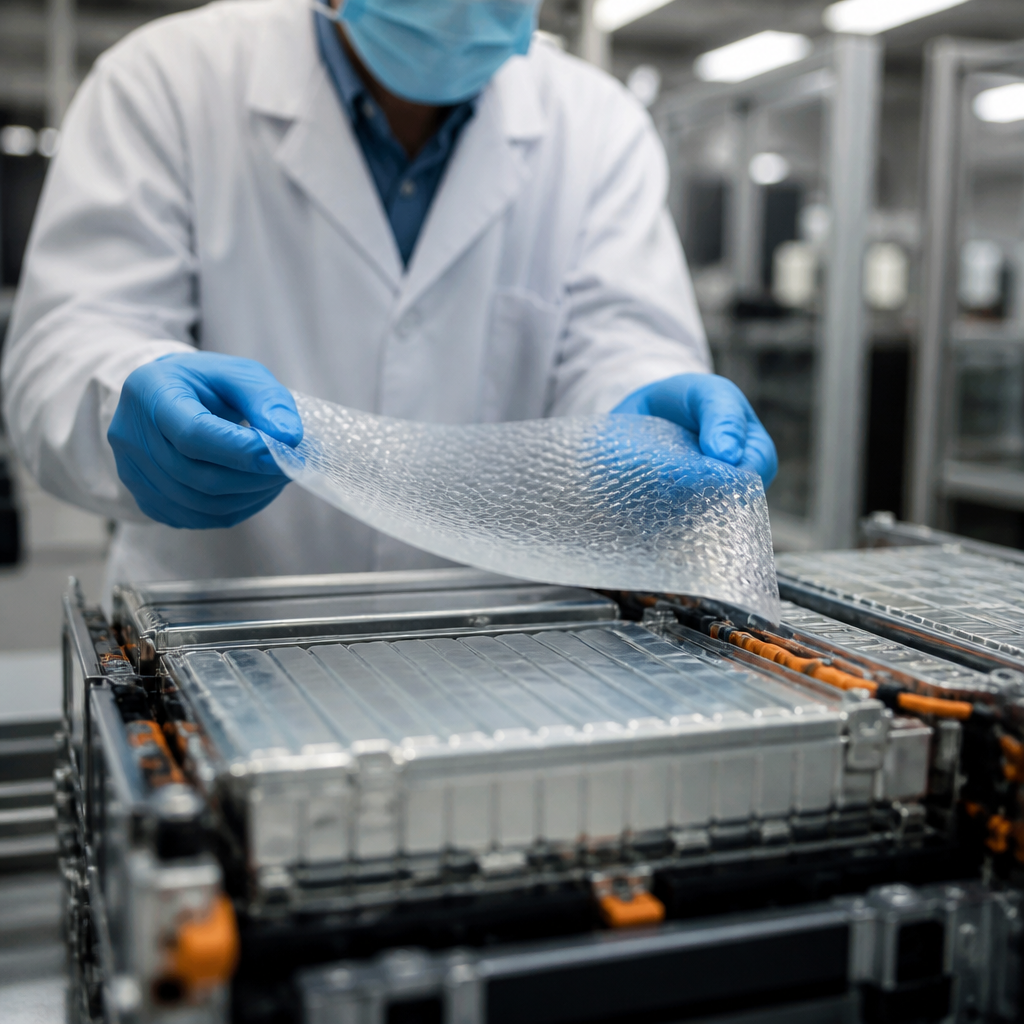
Separators are equally important. These porous polymer membranes, commonly made from polyethylene or polypropylene, prevent internal short circuits while allowing ion flow. Major suppliers such as Celgard, Asahi Kasei, SK IE Technology, and Toray have spent years improving shutdown behavior, puncture resistance, porosity, and thermal stability. In next-generation batteries, separators are increasingly coated with ceramic particles, aramid fibers, or functional polymers that resist dendrite penetration and reduce shrinkage under heat. If a company launches a fast-charging electric vehicle battery, the separator design deserves close scrutiny because high current density magnifies thermal and mechanical stress inside the cell.
Interfacial polymers unlock lithium metal, silicon, and high-voltage cathode performance
Most next-gen battery failures begin at interfaces. The anode-electrolyte boundary, cathode-electrolyte boundary, and separator surfaces all experience side reactions, mechanical mismatch, and localized current concentration. Polymers help by forming artificial interphases, conformal coatings, and adhesive buffer layers that smooth those problems. In lithium metal batteries, polymer coatings can regulate ion flux and suppress dendritic deposition. In silicon anodes, elastic polymer layers accommodate breathing. In high-nickel cathodes and high-voltage spinel systems, polymer coatings can reduce electrolyte oxidation and transition metal dissolution.
The most credible new product launches in advanced batteries therefore include interfacial engineering rather than relying on bulk materials alone. QuantumScape, Solid Power, and other companies in the solid-state field repeatedly emphasize interface control because even a highly conductive material fails if contact resistance rises during cycling. In conventional lithium-ion cells, electrolyte additive packages often work alongside polymeric coatings to stabilize surfaces. Polyimide, polyamide, fluoropolymers, and conductive polymers are all being explored for these roles.
| Polymer role | Where it is used | Benefit in product launches | Main tradeoff |
|---|---|---|---|
| Electrolyte matrix | Solid-state, gel, semi-solid cells | Improves safety and manufacturability | Lower conductivity than liquids in many systems |
| Binder | Silicon, sulfur, sodium-ion, LFP, NMC electrodes | Maintains structural integrity and cycle life | May require chemistry-specific optimization |
| Separator membrane | Most rechargeable battery formats | Prevents short circuits and supports fast charging | Can shrink or puncture under abuse if poorly designed |
| Interfacial coating | Lithium metal and high-voltage electrodes | Reduces side reactions and resistance growth | Adds processing complexity |
| Encapsulation film | Pouch, flexible, wearable batteries | Blocks moisture and enables thin form factors | Barrier performance must remain durable over time |
For readers tracking product news, this is the practical takeaway: a launch built on interfacial polymer engineering is often more bankable than one built on a dramatic active-material claim alone. Interfaces are where battery products either scale or stall.
Flexible, wearable, and structural batteries depend on polymers by design
Some of the most visible battery product launches in recent years have involved flexible electronics, medical patches, smart textiles, drones, and lightweight mobility devices. These products need batteries that bend, flex, or integrate into structures, and polymers make that possible. Unlike brittle ceramics or heavy metal casings, polymer substrates and encapsulants can be engineered for flexibility, toughness, and low mass. Polyurethane, polyethylene terephthalate, polyimide, and thermoplastic elastomers are commonly used in flexible battery assemblies, while conductive polymers can contribute to charge storage or current collection in specialized designs.
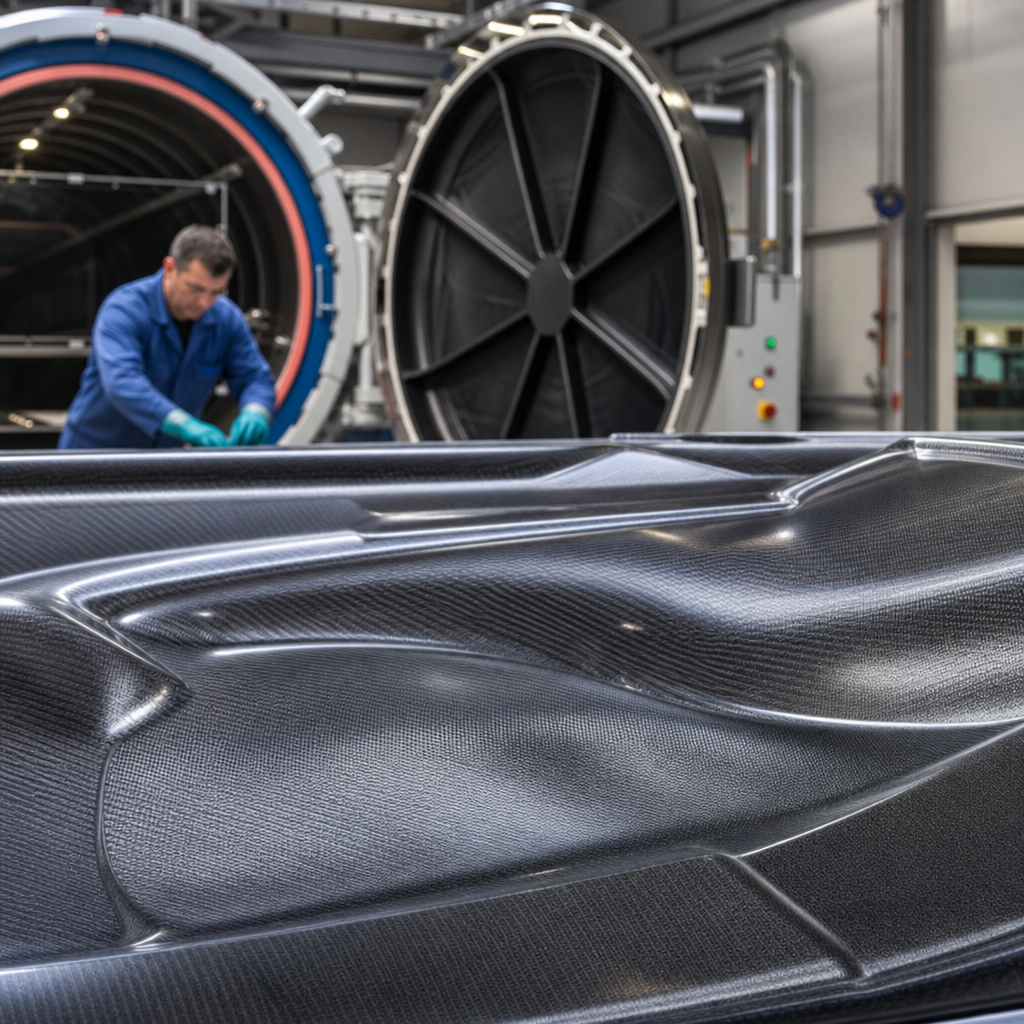
Printed batteries and thin-film batteries also rely heavily on polymers. A printed zinc or lithium microbattery uses polymer inks, binders, separators, and barrier films to achieve manufacturable low-profile power. In medical wearables, polymer packaging must balance oxygen and moisture resistance with skin-safe form factors. In structural batteries, where a component stores energy while carrying load, polymer composites can function as both matrix and electrochemical host. Research groups in Europe and the United States have demonstrated carbon fiber reinforced polymer structures that act as batteries, a concept relevant to aerospace and automotive product development.
These formats are commercially important because not every battery launch is about maximizing range in a passenger vehicle. Many launches under innovative products and solutions target niche but high-value applications where shape, weight, or safety matters more than absolute energy density. Polymer-enabled battery design expands what a product can look like, where it can be placed, and how it can be manufactured.
Manufacturing scale, safety standards, and sustainability shape real market adoption
In commercialization, the best polymer solution is not the one with the most impressive academic graph. It is the one that survives slurry mixing, coating uniformity checks, drying, lamination, formation cycling, nail penetration tests, and cost review. This is why polymer selection is tightly linked to standards and factory constraints. UL 2580, IEC 62133, UN 38.3, and automotive abuse testing protocols all influence how polymer components are specified. A separator that performs well electrochemically but shrinks under elevated temperature is unlikely to pass. A binder that boosts capacity but forces expensive solvent recovery may lose on economics.
Manufacturers therefore look for polymers that fit existing lines or require manageable retrofits. Water-based binders are gaining interest because they can reduce reliance on N-methyl-2-pyrrolidone in electrode processing. Fluoropolymer alternatives are also being assessed in response to regulatory pressure around PFAS-related chemistries, though substitution is technically complex and application specific. Recyclability adds another layer. Some polymer components complicate materials recovery, while others can support disassembly or cleaner separation. As battery passports, lifecycle accounting, and producer responsibility rules expand, polymer choices will be judged not only on performance but on environmental footprint and compliance risk.
For anyone analyzing new battery product launches, this is the filter that matters most: can the polymer system be sourced consistently, processed safely, validated under recognized standards, and integrated into a profitable bill of materials? If the answer is yes, the launch has substance. If not, it is still a research story.
What to watch in upcoming product launches across the battery market
Over the next few years, the most important polymer-driven battery launches will likely cluster around five themes. First, solid-state and hybrid-solid cells will use polymer composite electrolytes to improve room-temperature operation and interfacial contact. Second, silicon-heavy anodes will pair with smarter binders and elastic coatings to control swelling and unlock higher energy density in mainstream electric vehicles. Third, lithium metal prototypes will increasingly showcase polymer interlayers that suppress dendrites and improve coulombic efficiency. Fourth, sodium-ion products will use cost-effective polymer processing to support scale-up for grid storage and entry-level mobility. Fifth, flexible and medical batteries will advance through better polymer encapsulation and printable architectures.
The companies most likely to succeed will be those that present polymers not as minor additives but as deliberate platform technologies. In launch reviews, look for disclosure around chemistry selection, interface control, thermal behavior, and manufacturing readiness. Look for named tests, not adjectives. Look for cycle data, fast-charge retention, abuse tolerance, and shelf-life evidence. Battery innovation is real, but it is incremental, materials-led, and brutally constrained by production reality.
Polymers sit at the center of that reality. They enable safer electrolytes, tougher electrodes, more reliable separators, more stable interfaces, and entirely new battery form factors. For readers following new product launches within innovative products and solutions, understanding polymer roles makes it easier to separate meaningful commercialization progress from optimistic messaging. Keep polymers on your evaluation checklist, follow the materials stack as closely as the headline chemistry, and use that lens to explore the deeper articles linked from this hub. The next wave of battery products will not be defined by one miracle material. It will be built from integrated systems, and polymers will be among the most important parts of that system.
Frequently Asked Questions
1. What role do polymers play in next-generation battery technology?
Polymers play a much larger role in next-generation batteries than many people realize. Rather than serving only as passive supporting materials, they are increasingly being designed as active enablers of battery performance, safety, manufacturability, and durability. In practical battery architecture, polymers can function as electrolytes that transport ions, separators that keep electrodes apart while allowing ionic movement, binders that hold active materials together inside the electrodes, coatings that stabilize sensitive interfaces, structural matrices in composite components, and packaging layers that protect the cell from moisture, heat, and mechanical stress.
This versatility is especially important because modern battery development is pushing cells beyond traditional limits. Manufacturers want batteries that charge faster, store more energy, last longer, weigh less, and operate more safely under demanding conditions. Polymers help address these goals because they can be tailored at the molecular level. Their flexibility, chemical resistance, adhesion, porosity, thermal behavior, and ionic conductivity can all be engineered for a specific battery chemistry or cell format.
In short, polymers are valuable because they do not solve just one problem. They influence the internal mechanics of the battery, the movement of ions, the stability of interfaces, the resistance to failure, and the efficiency of large-scale manufacturing. As battery systems evolve toward solid-state, lithium-metal, sodium-ion, and other advanced designs, polymers are becoming central to making those technologies commercially viable.
2. Why are polymers considered important for safer battery design?
Safety is one of the strongest reasons polymers matter in advanced batteries. Traditional battery systems can face risks such as electrolyte leakage, thermal runaway, dendrite growth, internal short circuits, and mechanical damage during operation or charging. Polymers can be engineered to reduce these risks in several ways, depending on where they are used inside the cell.
For example, polymer separators are critical because they physically prevent the positive and negative electrodes from touching while still allowing ions to pass through. If the separator has strong thermal stability and consistent pore structure, it can help reduce the chance of short circuits. Some advanced polymer separators are also designed with shutdown behavior, meaning they can limit ion flow when temperatures rise too high, adding another layer of protection.
Polymer electrolytes are another major safety area. Compared with conventional liquid electrolytes, solid or gel-like polymer electrolytes can reduce leakage and lower flammability risks. They may also help suppress dendrite formation, particularly in battery systems that use lithium metal. Dendrites are needle-like structures that can grow during charging and eventually pierce the separator, causing dangerous failures. A well-designed polymer matrix can create a more uniform ion transport environment, which supports safer cycling.
Beyond the electrochemical core, polymers also contribute through coatings, encapsulation, and structural support. Protective polymer layers can help stabilize reactive electrode surfaces, manage moisture sensitivity, and improve resistance to vibration or impact in electric vehicles and portable devices. Altogether, polymers are important for safety because they can be integrated into multiple parts of the battery and tuned to reduce both chemical and mechanical failure modes.
3. How do polymers help batteries charge faster and perform better?
Fast charging and high performance depend on how efficiently ions and electrons move through the battery, and polymers can strongly affect that process. Although polymers are not always the main energy-storing material, they often determine whether the active materials can operate at their full potential. This is because they shape internal pathways, control interfaces, and maintain structural integrity during repeated charge and discharge cycles.
In electrolytes and separators, polymers influence ionic conductivity, wettability, and ion transport uniformity. If ions can move quickly and evenly between electrodes, the battery can accept charge more efficiently and with less localized stress. In advanced polymer electrolyte systems, researchers work to increase conductivity while preserving mechanical strength, since both are essential for fast charging and stable operation.
As binders in electrodes, polymers are equally important. A binder may sound simple, but it directly affects how well active particles stay connected to each other and to the current collector. During cycling, many electrode materials expand, contract, crack, or shed particles. A high-performance polymer binder helps preserve electrical contact and structural cohesion, which improves cycle life, power delivery, and charging reliability. This is especially relevant in silicon-rich anodes and other high-capacity materials that undergo large volume changes.
Polymers can also improve interfacial stability. In many next-generation batteries, the interface between electrode and electrolyte is one of the biggest bottlenecks. Instability at that boundary can cause resistance buildup, side reactions, and faster degradation. Tailored polymer coatings or interlayers can help create smoother ion flow and more stable electrochemical behavior. The result is often better rate capability, longer service life, and stronger overall performance under real-world operating conditions.
4. Are polymers mainly used in solid-state batteries, or do they matter in other battery types too?
Polymers are highly relevant in solid-state batteries, but their importance goes far beyond that category. Solid-state battery development has brought polymers into the spotlight because polymer-based solid electrolytes and polymer composite layers are seen as promising routes to safer, lighter, and potentially higher-energy cells. However, polymers also play essential roles in conventional lithium-ion batteries, lithium-metal batteries, sodium-ion systems, and other emerging chemistries.
In standard lithium-ion batteries, polymers are already everywhere. They are used in separators, electrode binders, insulating films, adhesives, pack-level components, and protective coatings. Even when the battery relies on a liquid electrolyte, polymer materials still influence durability, processing, thermal behavior, and safety. Without polymer components, modern battery manufacturing at scale would be far more difficult.
In lithium-metal batteries, polymers are especially important because they can help manage one of the biggest technical challenges: unstable interfaces and dendrite growth. In sodium-ion batteries, polymers are also being explored for their compatibility with different electrode materials and for their potential to improve lower-cost cell designs. In flexible electronics and wearable energy storage, polymers are often indispensable because they enable bendable, lightweight, and mechanically resilient battery formats.
So while solid-state batteries are a major growth area for polymer innovation, polymers are not confined to one battery platform. Their value comes from their adaptability. They can be reformulated and re-engineered to meet the demands of very different chemistries, geometries, and performance targets. That makes them a foundational material class across the broader battery industry, not a niche solution tied to only one future technology.
5. What challenges must be overcome for polymers to reach their full potential in advanced batteries?
Despite their promise, polymers are not a perfect solution on their own, and several technical and manufacturing challenges still need to be addressed. One of the biggest issues is balancing properties that often compete with each other. For example, a polymer electrolyte may need high ionic conductivity, mechanical strength, thermal stability, chemical compatibility, and easy processability all at the same time. Improving one property can sometimes weaken another, so material design becomes a careful optimization problem.
Interfacial compatibility is another major challenge. In advanced batteries, especially those using lithium metal or high-voltage cathodes, the interfaces between polymers and other cell materials can become unstable over time. Chemical reactions, poor adhesion, resistance growth, or uneven ion transport can reduce performance and shorten battery life. Researchers are actively developing polymer blends, copolymers, composite systems, and surface treatments to create more robust interfaces.
Scalability and cost also matter. A polymer may perform extremely well in the lab but still face hurdles in commercial production if it requires expensive synthesis, tight environmental controls, or difficult processing steps. Battery manufacturers need materials that not only work electrochemically but also integrate into high-volume roll-to-roll manufacturing, maintain consistent quality, and meet regulatory and recycling requirements.
Finally, long-term reliability remains a key test. Next-generation batteries must perform over many cycles and under varying temperatures, mechanical loads, and charging conditions. Polymers must retain their structure and function without degrading in ways that compromise the cell. The good news is that this is exactly where polymer science is strongest: materials can be customized at the molecular level to address specific weaknesses. As research continues, the full potential of polymers in batteries will depend on turning that design flexibility into durable, affordable, and scalable commercial solutions.