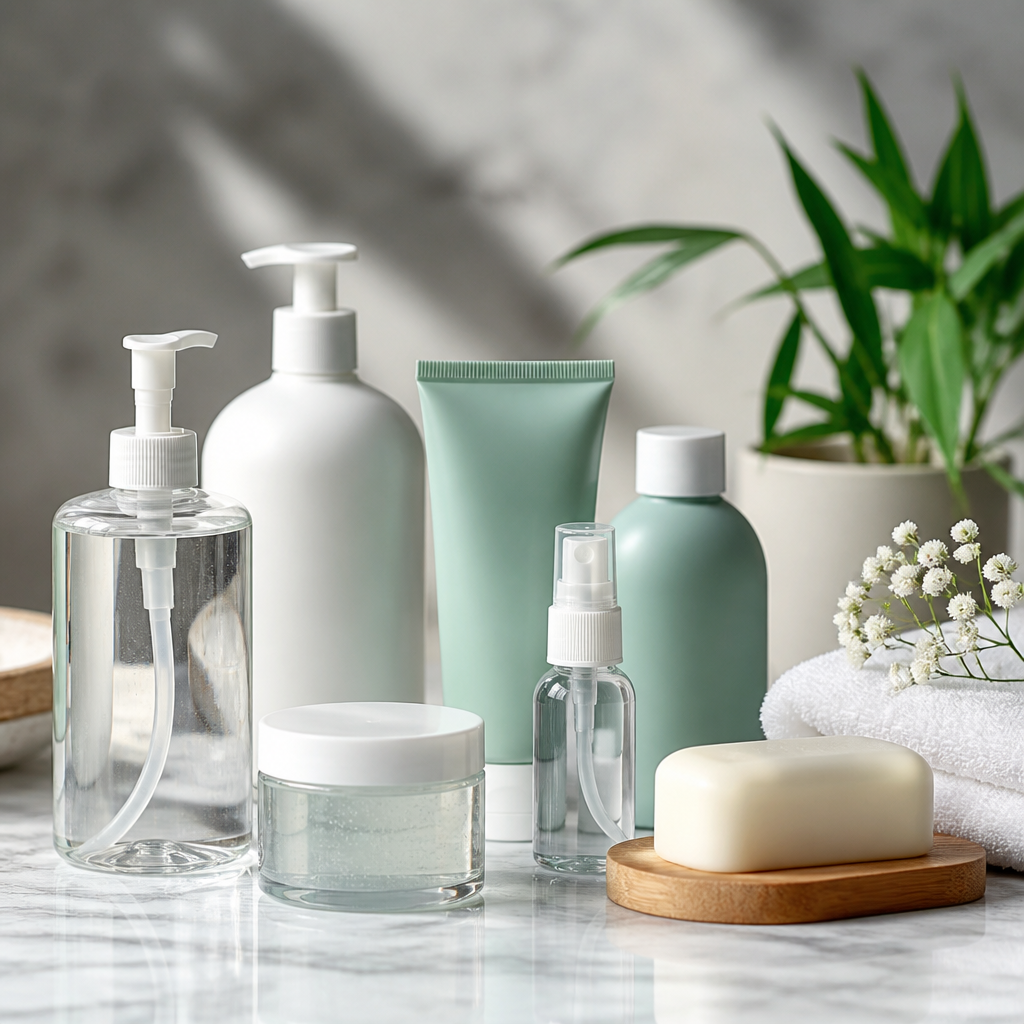
Polymers shape nearly every personal care routine, from the shampoo that spreads evenly through wet hair to the sunscreen film that stays put during a humid commute. In personal care, a polymer is a large molecule made of repeating units that delivers texture, stability, sensory feel, deposition, film formation, or controlled release. These materials can be synthetic, naturally derived, or hybrid systems engineered to combine performance with a better sustainability profile. When formulators talk about rheology modifiers, fixatives, conditioners, emulsifiers, opacifiers, and encapsulation matrices, they are often talking about polymers doing highly specific jobs inside complex consumer products.
The topic matters because performance expectations have risen sharply while regulatory and environmental pressure has intensified. Consumers want sulfate-free shampoos that still foam, lightweight conditioners that still detangle, mineral sunscreens that still apply transparently, and styling products that still hold under heat and humidity. At the same time, brands face increasing scrutiny over microplastics, ingredient biodegradability, volatile organic compounds, and packaging waste. In my experience working with formulation briefs across hair care and skin care, the biggest leaps in product quality rarely come from fragrance or marketing claims alone. They come from smarter polymer selection: choosing the right cationic guar for wet combing, the right acrylic thickener for suspension, or the right film former to balance water resistance with comfortable wear.
This hub article on polymers in daily life explains how advances in polymer science are reshaping personal care products across cleansing, conditioning, styling, skin care, color cosmetics, oral care, and sun care. It also clarifies the language that often confuses buyers and junior formulators alike. A film former creates a continuous layer on skin or hair. A rheology modifier changes viscosity and flow. A deposition polymer helps actives stay where they are needed instead of rinsing away. Encapsulation uses polymer shells or matrices to protect ingredients and release them later. Understanding these functions makes it easier to evaluate product claims and to see why polymers sit at the center of modern beauty innovation.
Polymers in daily life extend far beyond packaging, textiles, and household coatings; they are embedded in the products used on the body every morning and night. Personal care is one of the clearest examples of applied polymer chemistry because the benefits are immediate and sensory. A lotion that pumps cleanly, a toothpaste that stands on a brush, a mascara that resists smudging, and a serum that forms a breathable layer all rely on tailored molecular architecture. As the sub-pillar hub under innovative products and solutions, this page maps the key categories, advances, tradeoffs, and future directions that define polymers for personal care today.
How polymers function in everyday personal care products
Polymers are multifunctional ingredients, which is why one grade can sometimes replace several smaller additives. In shampoo, an anionic surfactant system may clean effectively but leave hair rough. Adding a cationic polymer such as polyquaternium-10 or guar hydroxypropyltrimonium chloride improves deposition on negatively charged hair fibers, reducing friction and improving wet combability. In creams and lotions, carbomers, acrylates/C10-30 alkyl acrylate crosspolymers, and cellulose derivatives build viscosity and stabilize emulsions by controlling droplet movement. In styling gels, polyvinylpyrrolidone, VP/VA copolymers, and acrylates-based fixatives create a film that locks hair into place while balancing stiffness, humidity resistance, and flake profile.
The daily-life relevance is practical. Toothpaste would separate without binders such as carboxymethyl cellulose or xanthan gum. Roll-on antiperspirants depend on suspending and structuring polymers to keep actives evenly distributed. Sheet masks and hydrogel patches use crosslinked polymer networks to hold water and release humectants gradually. In color cosmetics, polymers help pigments disperse uniformly and improve transfer resistance. The consumer experiences these functions as ease of application, consistent dose, smoother afterfeel, and longer wear, but underneath those benefits are deliberate molecular interactions involving charge, hydrophilicity, molecular weight, and crosslink density.
Major polymer classes used across hair care, skin care, and cosmetics
Personal care polymers are usually grouped by origin and function. Synthetic polymers include carbomers, acrylates copolymers, polyquaterniums, silicones, polyurethanes, polyethylene glycols, and PVP-based materials. Natural and bio-based options include starch derivatives, cellulose ethers, alginates, pullulan, hyaluronic acid, chitosan, and various modified gums. Hybrid systems combine natural backbones with synthetic functional groups to improve performance while retaining some renewable content. This is where many of the most interesting advances are happening, because formulators want bio-based content without sacrificing robustness during manufacturing, storage, or consumer use.
Charge matters as much as origin. Cationic polymers are central to hair conditioning because damaged hair carries more negative charge and attracts positively charged chains. Nonionic polymers often deliver milder thickening and cleaner sensory profiles. Anionic polymers are common in styling and gel systems where neutralization drives viscosity build. Amphoteric polymers can adapt to pH and improve formulation flexibility. In practical development work, choosing among these classes means understanding compatibility with surfactants, preservatives, electrolytes, solvents, and packaging. A polymer that looks ideal on paper can fail if salt collapses viscosity, if fragrance clouds the system, or if the pump cannot handle the final yield stress.
| Polymer class | Common examples | Main personal care function | Typical product formats |
|---|---|---|---|
| Cationic conditioning polymers | Polyquaternium-10, guar hydroxypropyltrimonium chloride | Deposition, detangling, softness, anti-static control | Shampoo, conditioner, leave-in spray |
| Acrylic rheology modifiers | Carbomer, acrylates/C10-30 alkyl acrylate crosspolymer | Viscosity, suspension, emulsion stabilization | Gel, lotion, serum, sunscreen |
| Film formers | PVP, VP/VA copolymer, polyurethane dispersions | Hold, transfer resistance, water resistance | Hair spray, mascara, long-wear makeup |
| Natural and bio-based thickeners | Xanthan gum, hydroxyethylcellulose, starch derivatives | Texture, suspension, sensory modification | Cleanser, toothpaste, cream, mask |
Recent advances improving performance and sensory experience
Recent innovation has focused on achieving more with less polymer, less residue, and better feel. One major advance is associative rheology modifiers, especially hydrophobically modified alkali-swellable emulsions and hydrophobically modified ethoxylated urethanes. These materials can create elegant flow behavior at low use levels by forming reversible networks in water. In skin care, that means a serum that feels light during spreading yet still suspends pigments or encapsulated actives. In sun care, it means a stable formula that does not feel gluey. Associative systems also allow formulators to tune shear thinning, so products pour and pump easily but recover structure after application.
Another significant improvement is targeted deposition. Older conditioning systems often relied on heavy silicones or high polymer loadings, which could build up over time. Modern cationic polymers are designed with optimized charge density and substitution patterns to deposit more efficiently onto damaged hair while minimizing weight on healthier sections. The result is selective conditioning: better wet combing, lower breakage during detangling, and less dull residue. This approach pairs well with amino-functional silicones, protein fragments, and lipid mimetics, creating multi-component repair systems that feel lighter than legacy formulas.
Film-forming technology has also advanced. Traditional styling resins could become brittle in dry air and lose hold in humidity. Newer copolymers and polyurethane dispersions improve flexibility, humidity resistance, and tactile comfort. In mascaras and long-wear complexion products, these polymers create uniform films that resist sweat and sebum while remaining removable with appropriate cleansers. In sunscreen, film-forming polymers help distribute UV filters evenly, improving coverage and supporting water resistance claims when tested under established protocols. The best systems do not just stick; they form coherent, defect-minimized layers that enhance both efficacy and wear.
Sustainability, biodegradability, and the microplastics challenge
The most urgent discussion around polymers in personal care is environmental impact. Regulators and retailers increasingly distinguish between dissolved or dispersible polymers, insoluble synthetic particles, and materials with persistent environmental profiles. The European Chemicals Agency has driven industry attention toward intentionally added microplastics, prompting reformulation in exfoliants, glitter products, and some decorative applications. While many functional polymers in personal care are not the same as microbeads, scrutiny has expanded to include persistence, degradability, and aquatic fate. Brands now ask harder questions about whether a polymer is bio-based, readily biodegradable, inherently biodegradable, or simply lower in use level.
That nuance matters. A natural origin does not automatically mean better performance or better overall sustainability, and a synthetic origin does not automatically mean unacceptable. Reliable assessment requires life-cycle thinking: feedstock source, manufacturing energy, transportation, use level, rinse-off profile, and end-of-life behavior. For example, a highly efficient synthetic polymer used at 0.2 percent may outperform and potentially outscore a less efficient natural thickener used at 2 percent once stability losses and packaging impacts are considered. At the bench, I have seen sustainable reformulations fail because teams switched to a trend-driven polymer without re-optimizing pH, preservative system, or processing order. Good sustainability work is systems work, not ingredient theater.
Promising directions include fermentation-derived polysaccharides, modified celluloses with improved electrolyte tolerance, biodegradable film formers, and encapsulation matrices based on alginate, pullulan, or other renewable polymers. Suppliers are also developing materials certified under recognized programs such as COSMOS for natural and organic cosmetics, while larger brand owners evaluate alignment with OECD biodegradation methods and evolving regional rules. The practical goal is clear: maintain consumer-relevant performance while reducing persistence concerns and increasing transparency about composition and environmental fate.
How formulators choose the right polymer for a product brief
Polymer selection starts with the product claim, but it succeeds or fails through compatibility testing. If the brief is a clear shampoo for damaged hair, the formulator may need a conditioning polymer that remains stable in a surfactant-rich, salt-containing system without causing haze. If the brief is a mineral sunscreen, the challenge may be suspending zinc oxide, controlling rub-out whiteness, and achieving water resistance without tack. In anti-aging skin care, the target might be an instant lifting feel from a film former combined with long-term hydration from hyaluronic acid and a low-tack thickener. Each objective changes the polymer shortlist.
Testing should be rigorous and practical. Viscosity curves, yield stress, centrifuge stability, freeze-thaw resistance, combing studies, sensory panels, and packaging compatibility all matter. For hair products, wet comb force and breakage reduction can reveal whether a conditioning polymer truly deposits or just inflates marketing copy. For skin care, transepidermal water loss testing and rub resistance can help verify barrier and wear claims. For color cosmetics, transfer tests on fabric, skin, and masks remain highly relevant. Instrumental data should always be paired with sensory observation because a technically stable product can still fail if consumers perceive drag, residue, pilling, or delayed absorption.
Future outlook for polymers in daily life and personal care innovation
The next wave of advances in polymers for personal care products will center on precision, multifunctionality, and traceable sustainability. Precision means polymers engineered to respond to salt, pH, heat, sebum, or mechanical stress in predictable ways. Multifunctionality means one polymer contributing viscosity, deposition, and sensory optimization at once, reducing formula complexity. Traceable sustainability means clearer accounting of renewable carbon content, biodegradation pathway, and supply chain consistency. Artificial intelligence and high-throughput screening will likely accelerate polymer design, but market success will still depend on manufacturability, regulatory acceptance, and cost-in-use performance.
For brands building innovative products and solutions, polymers are not background ingredients. They are the structural logic behind product experience. They determine whether a cleanser feels rich without heaviness, whether a styling cream controls frizz in monsoon weather, and whether a sunscreen film remains even after swimming. That is why polymers in daily life deserve close attention from product developers, marketers, and informed consumers alike. The strongest personal care products increasingly rely on smarter polymer systems that balance efficacy, comfort, and environmental responsibility. Use this hub as your starting point for evaluating ingredients, comparing technologies, and identifying where the next meaningful product improvements will come from.
Frequently Asked Questions
1. What role do polymers play in modern personal care products?
Polymers are foundational ingredients in modern personal care because they do far more than simply “thicken” a formula. In shampoos, conditioners, skin creams, sunscreens, styling products, cleansers, deodorants, and color cosmetics, polymers help control how a product looks, feels, spreads, performs, and lasts. They can build viscosity, stabilize emulsions, suspend pigments or active ingredients, create smooth slip during application, form protective films on hair or skin, and improve the delivery or retention of beneficial ingredients.
In practical terms, polymers are often the reason a shampoo distributes evenly through wet hair instead of running off immediately, or why a sunscreen forms a more uniform and durable layer on the skin. In hair care, certain polymers can selectively deposit on damaged areas of the hair fiber, improving conditioning, reducing static, and enhancing combability without making hair feel overly heavy. In skin care, they can create elegant textures that feel silky rather than greasy while also supporting moisture retention and product stability. In cosmetics, they help products resist smudging, transfer, and humidity.
What makes polymers especially important today is their versatility. Formulators can choose synthetic polymers for precise, high-performance functionality, naturally derived polymers for biobased appeal, or hybrid systems that balance performance with sustainability goals. As consumer expectations grow around sensory experience, efficacy, and environmental responsibility, advances in polymer science are enabling products that are more targeted, more stable, and more pleasant to use across a wide range of personal care applications.
2. How are polymer innovations improving the performance of hair care and skin care formulations?
Recent advances in polymer technology are making hair care and skin care products more effective by allowing formulators to fine-tune performance at a very detailed level. In hair care, new conditioning polymers are designed to deposit more efficiently where they are needed most, especially on damaged or chemically treated hair. This targeted deposition helps reduce frizz, improve softness, increase manageability, and support curl definition while minimizing residue buildup. Film-forming polymers in styling products are also being engineered to deliver flexible hold, humidity resistance, and a more natural feel rather than the stiff or flaky finish associated with older technologies.
In shampoos and scalp products, polymers can improve foam texture, suspend actives like anti-dandruff agents, and enhance rinse feel. In leave-in treatments and serums, they can act as carriers that help active ingredients remain on the hair shaft or scalp longer, supporting prolonged benefits. Some advanced systems are even built to respond to environmental conditions such as moisture, helping maintain style performance in humid weather.
In skin care, polymer innovation has significantly improved sensorial quality and functional delivery. Modern rheology modifiers can create creams and gels that feel light and elegant while still offering stability and a rich appearance. Water-binding polymers can support hydration and cushion on the skin surface, while film-forming polymers can improve wear time in sunscreens, primers, and long-lasting makeup. Encapsulation and controlled-release polymer systems are also becoming more sophisticated, helping sensitive active ingredients remain stable in the formula and release in a more controlled way after application.
Altogether, these advances allow personal care products to do more with greater precision. Consumers experience better spreadability, improved wear, enhanced comfort, and more visible performance, while formulators gain better control over texture, deposition, compatibility, and product stability.
3. What is the difference between synthetic, naturally derived, and hybrid polymers in personal care?
Synthetic, naturally derived, and hybrid polymers differ primarily in their source, structure, and design flexibility, but all three can play valuable roles in personal care formulations. Synthetic polymers are typically created through controlled chemical processes that allow formulators to tailor properties very precisely. This makes them especially useful when a product needs highly specific functionality such as strong film formation, long-lasting hold, exact viscosity control, water resistance, or targeted deposition. Because of this precision, synthetic polymers have historically been central to high-performance applications in hair styling, sun care, and color cosmetics.
Naturally derived polymers come from renewable sources such as cellulose, starch, guar, alginates, chitosan, or fermentation-based materials. These polymers are often chosen for their biobased origin, consumer familiarity, and useful functional properties including thickening, stabilization, conditioning, and sensory modification. However, natural origin alone does not automatically guarantee superior performance in every formula. Some naturally derived polymers may have limitations related to consistency, compatibility, or stability depending on the application, which is why thoughtful formulation work remains essential.
Hybrid polymers are designed to combine the strengths of both worlds. They may use renewable building blocks, modified natural backbones, or multifunctional architectures that deliver elevated performance while improving sustainability metrics. For example, a hybrid polymer might offer the elegant texture and strong stability associated with synthetic systems while incorporating a higher proportion of renewable content or enabling lower use levels. This category is increasingly important because it reflects where the industry is heading: not just choosing between “natural” and “synthetic,” but engineering materials that meet demanding product expectations alongside environmental and regulatory goals.
For brands and consumers, the key point is that polymer selection is rarely about one category being universally better than another. It is about matching the polymer system to the product’s purpose, claims, sensory target, and sustainability strategy. The most successful personal care formulas often rely on a carefully balanced combination of polymer technologies rather than a single type alone.
4. How are advances in polymers supporting sustainability in personal care products?
Polymer innovation is playing a major role in helping the personal care industry improve sustainability without sacrificing consumer experience. One of the most important shifts is the development of polymers from renewable or more responsibly sourced feedstocks. Instead of relying entirely on traditional petrochemical pathways, formulators now have access to more biobased and naturally derived options that can help reduce dependence on fossil resources in selected applications.
Another major area of progress is formulation efficiency. Advanced polymers can often deliver stronger performance at lower concentrations, which may reduce total raw material usage. Highly efficient rheology modifiers, deposition aids, and film formers can simplify formulations, improve stability, and lower the need for additional support ingredients. This can translate into leaner ingredient lists, easier manufacturing, and in some cases reduced packaging or transportation impacts if the product can be concentrated more effectively.
Polymers also support sustainability by extending product performance. For example, better film formation in sunscreens can improve uniform coverage and wear, while optimized conditioning polymers can increase the effectiveness of rinse-off hair products. When products work better, consumers may use them more efficiently and with greater satisfaction. Some polymer systems also enable water-saving product formats such as concentrated treatments, solid bars, or low-rinse formulations, which align well with broader environmental goals.
Importantly, sustainability in polymers is not only about raw material origin. It also involves biodegradability, environmental fate, formulation compatibility, supply chain transparency, and regulatory acceptance. The industry is investing in a fuller lifecycle view, including the design of polymers that provide the necessary sensory and functional performance while addressing end-of-life considerations more thoughtfully. This remains a technically complex area, but it is one of the most active and meaningful directions in personal care materials development today.
5. Why is polymer selection so important for product texture, stability, and consumer experience?
Polymer selection is critical because a polymer often determines whether a personal care product feels luxurious and reliable or disappointing and inconsistent. Texture is one of the first things consumers notice, and polymers are major drivers of that experience. They influence whether a cream feels rich or light, whether a serum feels silky or sticky, whether a shampoo has a pleasing flow, and whether a styling gel distributes smoothly through the hair. Even subtle changes in polymer type or concentration can dramatically alter a product’s sensory profile.
Stability is equally important. Personal care formulas frequently contain oils, water, surfactants, pigments, UV filters, fragrances, botanicals, and active ingredients that must remain uniformly distributed over time. Polymers help stabilize these complex systems by controlling viscosity, supporting emulsion structure, suspending particles, and preventing separation. Without the right polymer architecture, a product may become runny, grainy, uneven, or visually unstable during storage or use.
Consumer experience goes beyond first touch. Polymers also influence spreadability, rinse behavior, afterfeel, residue, shine, softness, transfer resistance, and wear time. In hair care, they can determine whether conditioning benefits are noticeable but lightweight or heavy and waxy. In skin care and sun care, they can shape whether the finish is breathable and comfortable or overly tacky. In makeup, they often decide whether a product stays in place through heat and humidity.
This is why advances in polymers matter so much. Formulators are no longer limited to broad, one-size-fits-all functionality. They can now choose from highly specialized polymers tailored for precise rheology control, selective deposition, elegant sensory modification, durable film formation, and active delivery. The result is a new generation of personal care products that are not only more technically sophisticated, but also more enjoyable and intuitive for consumers to use every day.