Polymers already shape nearly every room in a modern house, and their role in home improvement products is expanding quickly as manufacturers pursue longer service life, lower maintenance, better energy performance, and more sustainable material choices. In practical terms, polymers are large molecules built from repeating units, and they appear in both natural and synthetic forms, from cellulose and rubber to PVC, polyethylene, acrylic, epoxy, polyurethane, and silicone. When homeowners compare flooring, sealants, insulation, paint, piping, roofing membranes, countertops, or composite decking, they are often comparing polymer systems with different chemistries, additives, and performance profiles. That matters because the right polymer can resist moisture, impact, ultraviolet light, abrasion, mold growth, and chemical exposure far better than older materials, while the wrong one can crack, discolor, off-gas, or fail early under heat and load.
I have worked with polymer-based coatings, adhesives, and building components on remodels and product evaluations, and the pattern is consistent: polymer selection is no longer a niche engineering decision reserved for factories. It directly affects installation speed, indoor air quality, product durability, maintenance cycles, and whole-home operating costs. As home improvement shifts toward high-performance envelopes, electrified appliances, water resilience, and circular material design, polymers in daily life become even more visible. This hub article explains where polymers show up in residential products, why their chemistry matters, how newer formulations are changing performance, and what homeowners, contractors, and specifiers should look for when choosing products that need to last in real-world conditions.
What polymers do in home improvement products
In home improvement, polymers rarely serve a single purpose. They can act as the structural body of a product, a protective film, a flexible seal, an insulating foam, a binding resin, or a reinforcing matrix for fibers and fillers. PVC in window frames and plumbing offers rigidity, dimensional stability, and moisture resistance. Polyethylene in vapor barriers and pipes contributes chemical resistance and toughness. Polyurethane in spray foam insulation and coatings delivers adhesion, thermal performance, and wear resistance. Acrylics in paints and caulks provide color retention and weatherability. Epoxies bond concrete, wood, and metal with high strength, while silicones remain flexible across wide temperature ranges in kitchens, baths, and façade joints.
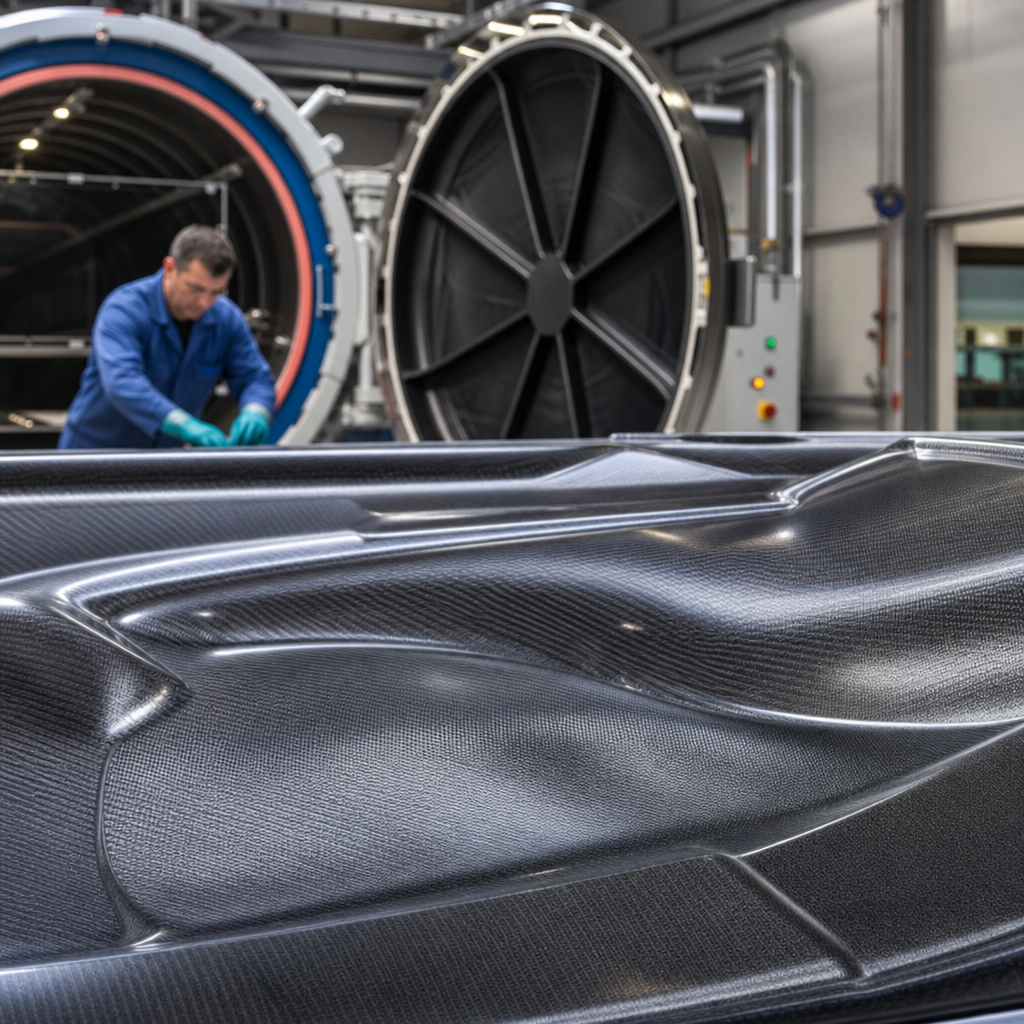
The future of polymers in home improvement products lies in multi-functionality. Instead of using one material for strength and another for appearance, manufacturers increasingly engineer polymer blends and composites that combine impact resistance, UV stability, scratch resistance, and reduced weight in one system. A vinyl plank floor, for example, can include a polymer wear layer, a printed design film, a rigid core with mineral filler, and an attached acoustic underlayment. Exterior decking can use wood-plastic composites that reduce moisture uptake compared with untreated lumber. Roofing membranes based on TPO or EPDM can improve reflectivity, seam integrity, and service life. In each case, the homeowner sees a finished product, but the performance depends on polymer architecture, stabilizers, pigments, plasticizers, flame retardants, and manufacturing quality control.
Where polymers appear in daily life around the home
Polymers in daily life are easiest to understand by room and system. In kitchens, laminate surfaces use melamine resins, sealants often rely on silicone, appliance housings use ABS or polypropylene, and water supply lines may use PEX. In bathrooms, waterproofing membranes, acrylic tubs, vinyl flooring, toilet seals, and mildew-resistant caulks are all polymer-based. In living areas, wall paints use acrylic or vinyl acrylic binders, carpet fibers may be nylon or polyester, and thermal curtains often contain polyester blends. In basements and utility spaces, sump components, drainage boards, insulation boards, and radon membranes typically depend on polyethylene, polystyrene, or polyurethane chemistry.
Outside the home, the polymer footprint is just as extensive. Housewraps are commonly polyolefin sheets designed to manage air and moisture. Composite trim boards resist rot better than wood in splash zones. Window glazing can include polymer interlayers in laminated glass for impact resistance and sound control. Gutters, downspouts, fencing, and siding frequently use vinyl formulations tuned for outdoor exposure. Solar panel back sheets, battery casings for cordless tools, synthetic underlayments beneath roofing, and geotextiles under pavers all show how polymers support both aesthetics and infrastructure. This broad use is exactly why a hub page on polymers in daily life matters: the category spans visible finishes, hidden assemblies, and products that determine whether renovations hold up for five years or twenty.
High-impact polymer categories and what they solve
Some polymer families dominate home improvement because they solve recurring residential problems more effectively than traditional materials. The table below summarizes the most important categories, common uses, key strengths, and main tradeoffs that buyers should understand before selecting a product.
| Polymer family | Common home uses | Main strengths | Typical limitations |
|---|---|---|---|
| PVC | Pipes, siding, trim, flooring, window frames | Moisture resistance, affordability, easy fabrication | Can become brittle with age or poor formulation; heat sensitivity |
| Polyethylene | Vapor barriers, moisture membranes, containers, some piping | Chemical resistance, toughness, low cost | Difficult to bond; UV degradation without stabilizers |
| Polypropylene | Storage systems, fixtures, fibers, appliance parts | Fatigue resistance, light weight, chemical resistance | Lower cold-weather impact resistance in some grades |
| Polyurethane | Spray foam, coatings, adhesives, insulation panels | Strong adhesion, thermal performance, abrasion resistance | Installation quality is critical; moisture and mixing conditions matter |
| Acrylic | Paints, clear panels, caulks, coatings | Color retention, weatherability, clarity | Variable flexibility depending on formulation |
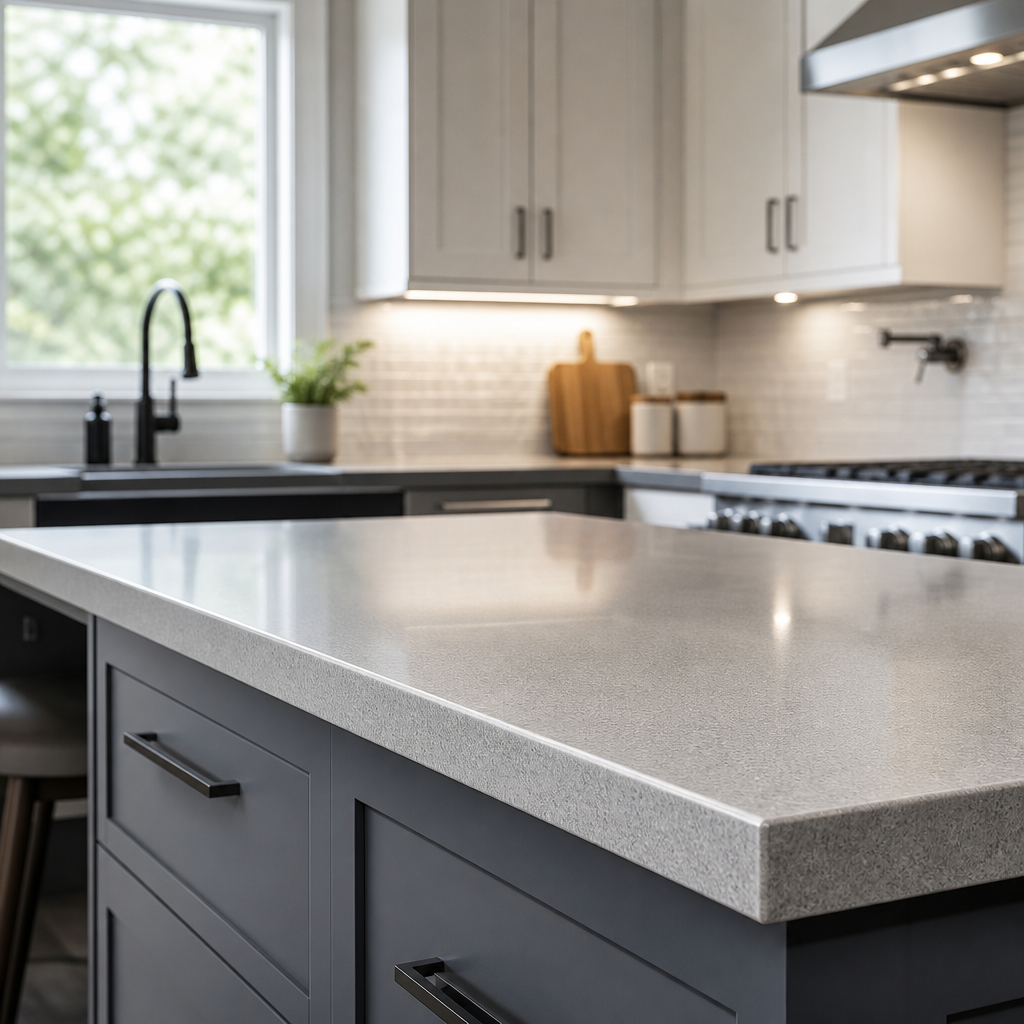
| Epoxy | Garage floors, crack repair, bonding, countertops | High strength, chemical resistance, durable finish | Can yellow in UV light unless topcoated; surface prep is essential |
| Silicone | Sealants, gaskets, kitchen and bath joints | Elasticity, water resistance, broad temperature tolerance | Paintability limitations; substrate compatibility varies |
| Wood-plastic composites | Decking, cladding, outdoor furniture | Low maintenance, rot resistance, dimensional stability | Thermal expansion, surface fading, heavier than some alternatives |
These categories matter because home improvement decisions are usually problem-first. A homeowner wants a leak-proof shower, a quieter floor, a warmer attic, or a deck that will not splinter. Matching the polymer family to the service conditions is the key step. In my experience, failures often happen when a product marketed as universal is used outside the range its chemistry can reliably handle, such as rigid sealants in moving joints or interior-grade coatings on sun-exposed surfaces.
Performance trends shaping the next generation of products
The strongest trend is engineering for durability under combined stress rather than single-test performance. Older marketing often emphasized one headline property, such as waterproof, stain resistant, or impact resistant. Newer polymer development focuses on retention of properties after thermal cycling, freeze-thaw exposure, humidity swings, UV radiation, and repeated cleaning with household chemicals. That shift matters because homes are not laboratory environments. A flooring product may face sunlight through south-facing windows, chair-wheel abrasion, wet mopping, and subfloor movement in the same month. Better polymer formulations now use UV absorbers, hindered amine light stabilizers, compatibilizers, mineral fillers, and crosslinking strategies to keep performance from dropping off quickly after installation.
Another major trend is lighter, stronger composite design. Fiber-reinforced polymers and mineral-filled cores are showing up in wall panels, doors, tub surrounds, fasteners, and structural retrofit products. Pultruded fiberglass components, for instance, provide corrosion resistance in damp environments where metal can rust and wood can swell. Mineral-polymer rigid core flooring improves dent resistance and dimensional stability compared with older flexible vinyl products. Adhesive technology is also moving forward. Hybrid sealants based on silane-modified polymers bridge the gap between polyurethane adhesion and silicone weatherability, giving installers more versatile options for windows, trim, and exterior joints. These advances reduce callbacks, simplify installation, and create products that perform more predictably across different climates.
Sustainability, health, and the circular materials challenge
The future of polymers in home improvement products will be judged not only by durability but also by environmental and health performance. That conversation is more nuanced than simple plastic versus non-plastic debates. A polymer product that lasts thirty years, prevents water damage, and lowers heating and cooling demand can deliver a strong life-cycle benefit, even if it begins as a petrochemical feedstock. At the same time, not all polymer products are equal in emissions, recyclability, flame retardant chemistry, or end-of-life recovery. Responsible selection means looking at service life, maintenance burden, embodied carbon, manufacturing transparency, and whether a product can be repaired, separated, or recycled after use.
Several standards and disclosure tools help. Homeowners and professionals increasingly review low-emitting certifications such as GREENGUARD Gold, product transparency documents such as Health Product Declarations, and ingredient reporting programs that clarify whether a product contains substances of concern. Recycled content is also becoming more credible as manufacturers improve chain-of-custody reporting. Composite decking made with recycled polyethylene film and reclaimed wood fiber is one visible example. Chemically recycled feedstocks and bio-based polymers are gaining attention as well, though they still require case-by-case scrutiny. Bio-based does not automatically mean low impact, and recycled content does not guarantee high durability. The practical goal is balanced performance: low emissions indoors, robust outdoor aging, and realistic pathways for reuse or recycling.
How homeowners and contractors should evaluate polymer products
Choosing polymer-based home improvement materials starts with asking how and where the product will be stressed. Will it sit in standing water, receive direct sun, contact cleaners, flex with building movement, or need to bond to masonry, wood, or metal? Product data sheets matter more than marketing claims. I always look for ASTM test references, installation temperature ranges, elongation and tensile values for sealants, water absorption data for exterior boards, wear-layer thickness for resilient flooring, and permeability ratings for membranes. For insulation foams and air barriers, third-party evaluation reports and code compliance documents are critical because fire performance, ignition barriers, and substrate preparation can change whether a system is suitable for a given assembly.
The best buying process also includes maintenance planning. Some polymers are nearly set-and-forget, while others need compatible cleaners, periodic recoating, or careful expansion gaps during installation. Color stability varies significantly among exterior products, especially darker composite boards and lower-grade vinyl in high-UV regions. Warranty language should be read closely because many warranties exclude labor, improper installation, ponding water, or movement beyond a tested joint width. If you are building out a full project under the broader innovative products and solutions category, this polymers in daily life hub should connect naturally to deeper guides on flooring materials, insulation systems, waterproofing, sealants, kitchen surfaces, exterior cladding, and low-VOC renovation products. That internal structure mirrors how people actually research a renovation: they start broad, then drill into the exact assembly and room.
What the next decade will likely bring
Over the next decade, expect polymer innovation in home improvement to center on smarter formulations, better disclosure, and tighter integration with energy-efficient construction. We will see more self-healing coatings, easier-to-recycle mono-material assemblies, and composite products designed for disassembly rather than landfill disposal. High-performance sealants and tapes will play a larger role as homes become more airtight and electrified, because durability at transitions and penetrations determines whether efficient design works in practice. Advanced insulation foams and aerogel-polymer hybrids may improve thermal performance in tight retrofit spaces. More antimicrobial claims will appear, but the products worth trusting will be those with clear test methods and realistic use cases rather than broad promises.
The central lesson is simple: polymers are not just background materials. They are the enabling technology behind many of the best-performing modern home improvement products. Understanding polymer families, reading technical data, and matching chemistry to real service conditions leads to better renovations, fewer failures, and longer product life. As you evaluate new materials across the innovative products and solutions landscape, use this hub as your starting point for polymers in daily life, then move into the specific product categories most relevant to your project. Better material choices at the start usually mean fewer repairs, healthier interiors, and stronger value over the life of the home.
Frequently Asked Questions
1. Why are polymers becoming so important in home improvement products?
Polymers are becoming central to home improvement because they solve several problems at once: durability, design flexibility, energy performance, moisture resistance, and lower maintenance. In a practical sense, polymers can be engineered to behave very differently depending on the application. A rigid polymer may be ideal for window frames or siding, while a flexible one may work better in sealants, insulation, flooring underlayments, or waterproof membranes. That ability to tune performance is a major reason they continue to replace or improve upon traditional materials in many parts of the home.
Manufacturers also favor polymers because they can be produced consistently at scale and modified to meet specific building demands such as UV stability, impact resistance, flame retardancy, chemical resistance, and thermal insulation. For homeowners, that translates into products that last longer, require less repainting or sealing, resist rot and corrosion, and often perform better in challenging indoor and outdoor conditions. As expectations rise around comfort, efficiency, and long-term value, polymers are increasingly the material platform that allows brands to deliver all three.
2. Which home improvement products are most likely to see major polymer innovation in the coming years?
Some of the biggest advances are expected in windows, doors, roofing, insulation, sealants, coatings, plumbing, flooring, cabinetry surfaces, and exterior cladding. In windows and doors, polymer composites and advanced vinyl formulations are likely to improve thermal performance, dimensional stability, and weather resistance. In roofing, polymer-modified membranes and coatings can help extend service life, reduce heat absorption, and improve resistance to leaks and environmental wear. Insulation is another major area, where spray foams, rigid foam boards, and aerogel-enhanced polymer systems may deliver better energy efficiency in thinner profiles.
Inside the home, polymer innovation is also expanding in paints, adhesives, engineered countertops, moisture-resistant wall panels, and resilient flooring. New polymer coatings can improve stain resistance, antimicrobial performance, and ease of cleaning. In kitchens and bathrooms, polymer-rich materials are especially valuable because they handle humidity, cleaning chemicals, and repeated temperature changes better than many conventional alternatives. Over time, homeowners will likely see more “smart” polymer products as well, including sealants that maintain flexibility longer, self-healing coatings, and composite materials designed to combine strength, aesthetics, and lighter weight in a single product system.
3. Are polymers a sustainable choice for home improvement, or are they mainly a convenience material?
Polymers are often viewed only through the lens of plastic waste, but the sustainability picture is more nuanced. In many home improvement applications, a polymer product can be the more sustainable choice if it lasts longer, reduces maintenance, lowers energy use, and avoids premature replacement. For example, polymer-based insulation can significantly reduce heating and cooling demand over the life of a building. Polymer window systems can improve air sealing and thermal efficiency. Waterproof membranes, sealants, and coatings can also protect assemblies from moisture damage, preventing costly and material-intensive repairs.
That said, sustainability depends heavily on the specific polymer, how it is manufactured, whether it contains recycled content, how long it remains in service, and what happens at end of life. The future of sustainable polymers in home improvement is moving toward bio-based feedstocks, improved recyclability, lower-emission production methods, and designs that make materials easier to separate and recover. Homeowners should not assume every polymer product is equally eco-friendly, but they should recognize that many advanced polymer systems can support sustainability goals when evaluated across the full life cycle rather than only at the point of purchase.
4. How do polymers improve durability and maintenance compared with traditional materials like wood, metal, or stone?
One of the strongest advantages of polymers is their resistance to common sources of material failure in homes. Unlike wood, many polymer-based materials do not rot, absorb water the same way, or become a food source for mold or insects. Unlike many metals, they do not rust, and unlike some mineral-based surfaces, they can be less prone to cracking under impact or thermal movement when properly formulated. This makes polymers especially useful in places where water exposure, freeze-thaw cycles, direct sunlight, or repeated cleaning create constant stress.
Maintenance benefits are equally important. Polymer siding, trim, decking, and window components often need less repainting, refinishing, or sealing than wood-based alternatives. Polymer coatings can resist staining and make surfaces easier to wipe clean. Silicone and polyurethane sealants can stay flexible for years, helping joints remain watertight even as a house expands and contracts seasonally. Of course, performance depends on quality, formulation, and installation, but in general, modern polymers are increasingly chosen because they can deliver a longer service life with fewer ongoing demands on the homeowner.
5. What should homeowners look for when comparing polymer-based home improvement products?
Homeowners should look beyond the label and focus on performance in the actual use case. The first question is whether the product is the right polymer system for the job. PVC, polyethylene, acrylic, epoxy, polyurethane, and silicone all behave differently, and each has strengths and limitations. It is important to compare resistance to moisture, UV exposure, impacts, temperature changes, chemicals, and wear. For visible surfaces, appearance retention matters too, including color stability, scratch resistance, gloss retention, and how well the product holds up under cleaning or sunlight.
It is also wise to review warranty terms, independent testing, code compliance, recycled content claims, indoor air quality certifications, and the reputation of the manufacturer. In energy-related products such as windows, doors, insulation, and roofing, long-term performance metrics matter more than marketing language. Homeowners should ask whether the material will maintain its shape, seal, and insulation properties over time, not just when new. The future of polymers in home improvement is promising, but the best buying decisions will still come from matching the material to the home’s climate, budget, maintenance expectations, and performance goals.